The demand for CNC machining services is steadily increasing globally. According to a report by Market Research Future, the CNC machining market is projected to reach USD 100 billion by 2026, driven by its precision and efficiency. China plays a pivotal role in fulfilling this demand, offering top-tier CNC machining services at competitive prices.
Many global buyers are looking to China not just for cost-effectiveness, but for the expertise and technology that these services entail. The industry benefits from advanced machinery and highly skilled labor. However, potential buyers must consider factors like quality control and lead times. The rapid growth can lead to inconsistencies in service and product delivery.
Navigating this landscape requires careful selection. Assessing a provider's credibility is crucial. Certain manufacturers may not meet international standards, leading to subpar outcomes. By choosing partners wisely, buyers can leverage China's capabilities while mitigating risks. Exploring diverse options enhances the potential for success in this evolving sector.
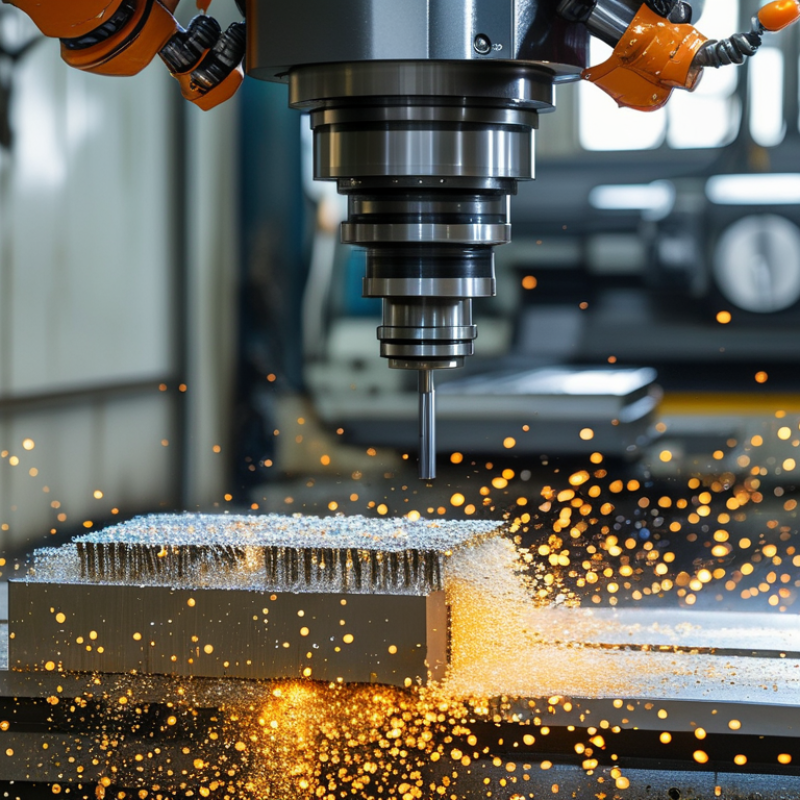
CNC machining services in China have gained significant attention from global buyers seeking precision manufacturing. This demand is due to China’s robust industrial capabilities and competitive pricing. Many manufacturers leverage advanced CNC technology to produce high-quality parts. However, not all services meet this standard.
Many CNC machining companies offer rapid prototyping, which is crucial for product development. Buyers need to verify quality controls in place. Communication can be a challenge for international clients. Time zone differences and language barriers may lead to misinterpretations. Clear specifications and regular updates can help mitigate these issues.
Choosing the right CNC machining partner involves considering various factors. The expertise of the manufacturer directly affects the quality of the output. Buyers should request samples to assess capabilities. Furthermore, researching the company's track record can reveal past client satisfaction. Understanding these aspects helps in making informed decisions and achieving successful project outcomes.
When selecting CNC machining providers in China, several key factors demand attention. A comprehensive understanding of craftsmanship and technology is essential. Reports indicate that nearly 70% of buyers prioritize production capabilities when choosing a vendor. This capability includes not just the machines, but also skilled labor. Skilled workers enhance precision and reduce errors.
Quality assurance is paramount. A survey by CNC Market Trends shows that 60% of companies face challenges in ensuring product quality. Providers should have robust quality control processes. Certifications like ISO 9001 are a good indicator of a company's commitment to standards. Buyers should inquire about these processes during initial discussions.
Additionally, responsiveness plays a crucial role. Close to 55% of buyers report dissatisfaction due to poor communication. Fast and clear communication can significantly cut down lead times. Providers should be open to feedback and willing to adapt. Look for firms that exhibit flexibility in their processes.
China has emerged as a hub for CNC machining services, attracting global buyers seeking quality and efficiency. The landscape is populated by numerous companies that specialize in precision manufacturing. These firms leverage advanced technology and skilled labor to produce intricate components that meet diverse industry needs. But success does not come easily; companies must maintain stringent quality controls and adapt to ever-changing market demands.
In this competitive environment, not all companies meet the high standards expected by international clients. Some struggle with consistency, while others face challenges in communication and project management. Effective collaboration is key. Buyers should look for firms with a proven track record and robust infrastructure. Considering factors like lead times, customer service, and technological capabilities can help in making informed decisions.
While exploring options, it’s essential to evaluate each company’s strengths and weaknesses. The variability in machining quality can impact overall project outcomes. This reality prompts buyers to seek partners who not only excel in technical skills but also embrace continuous improvement and innovation. Understanding these dynamics fosters stronger partnerships and enhances the overall manufacturing process.
| Service Type | Material Options | Precision Level | Lead Time (Days) | Minimum Order Quantity | Export Experience (Years) |
|---|---|---|---|---|---|
| CNC Milling | Aluminum, Steel, Plastic | ±0.01 mm | 15 | 100 units | 5 |
| CNC Turning | Brass, Copper, Steel | ±0.005 mm | 12 | 50 units | 8 |
| CNC Laser Cutting | Stainless Steel, Carbon Steel | ±0.1 mm | 10 | 200 units | 6 |
| CNC Sheet Metal Fabrication | Aluminum, Steel, Brass | ±0.02 mm | 20 | 75 units | 7 |
| CNC Prototyping | Plastic, Aluminum, Wood | ±0.1 mm | 8 | 10 units | 4 |
In the global landscape of CNC machining, Chinese manufacturers have become prominent players. Their success is often attributed to rigorous quality control standards. A report by the China National Machinery Industry Corporation highlights that about 80% of manufacturers adhere to international quality norms, ensuring products meet stringent specifications.
Quality control in CNC machining involves several critical stages. Manufacturers implement process monitoring, in-process inspections, and final evaluations to minimize defects. According to industry data, the average defect rate in Chinese CNC machining is as low as 1.5%. However, inconsistent practices among smaller firms can lead to variability. This inconsistency poses a risk for global buyers who prioritize reliability.
Furthermore, certifications such as ISO 9001 play a crucial role in establishing credibility. Factories that possess these certifications are often more trusted by international clients. Yet, some manufacturers overlook the importance of continuous improvement and employee training. This oversight can hinder their capacity to innovate and maintain competitive quality standards.
This chart illustrates the distribution of various quality control standards that Chinese CNC machining services adhere to, based on a survey of global buyers. It reflects the percentage of services implementing each standard.
The global CNC machining market is rapidly evolving, driven by technological advancements and shifting demand patterns. According to a recent report by Market Research Future, the CNC machining market is expected to grow at a CAGR of 8.3% from 2022 to 2030. This growth is propelled by increased automation and the rising need for precision manufacturing in sectors like aerospace and automotive.
China plays a pivotal role in this landscape. The country accounts for over 30% of the world’s total CNC machining output. Despite challenges such as fluctuating raw material costs, China’s skilled workforce and advanced technologies continue to attract global buyers. Additionally, industry experts note that Chinese manufacturers are investing heavily in R&D, focusing on improving production efficiency and sustainability.
However, not all manufacturers meet the highest standards. Quality control remains a significant concern for global buyers. Many companies face inconsistencies in product quality. This gap highlights the necessity for buyers to conduct thorough audits before partnering with suppliers. Hence, staying informed about the latest trends and technologies is critical for making informed decisions in this competitive market.
: Global buyers seek precision manufacturing and competitive pricing due to robust industrial capabilities.
It is crucial for product development, allowing buyers to test designs before full-scale production.
They need to check the quality controls and the manufacturer’s expertise in production capabilities.
Clear specifications and regular updates can help overcome language barriers and time zone differences.
A strong quality control process is essential to prevent issues, as many companies struggle with product quality.
Certifications like ISO 9001 reflect a company's dedication to maintaining quality standards.
Requesting samples and researching the company's track record can provide insights into their output quality.
Poor communication leads to dissatisfaction for nearly 55% of buyers, impacting project lead times.
China produces over 30% of global CNC output, driven by skilled labor and technological advancements.
Inconsistencies in product quality highlight the importance of thorough supplier audits before partnership.
CNC machining services in China have become increasingly popular among global buyers due to their cost-effectiveness and technological advancements. The overview highlights the diverse range of services offered, which cater to various industries, including aerospace, automotive, and consumer products. When selecting CNC machining providers, key factors such as experience, production capacity, and customer support play a crucial role in ensuring reliable partnerships.
Leading companies in China adhere to stringent quality control standards, which are essential for maintaining precision and consistency in manufacturing processes. Furthermore, trends in the global CNC machining market indicate that Chinese firms are significantly impacting the industry by enhancing their capabilities and adopting innovative techniques. Overall, China's CNC machining services continue to evolve, offering valuable solutions for international markets.

SX Machining