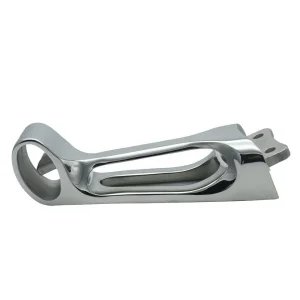
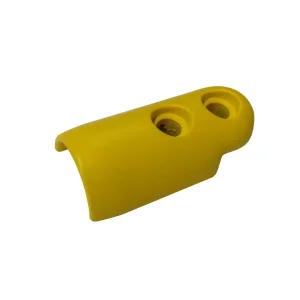
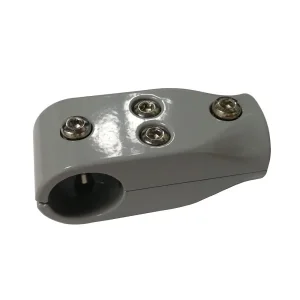
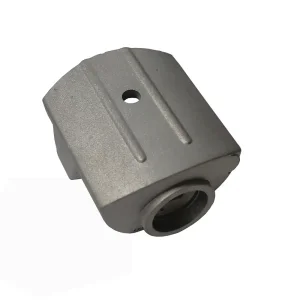
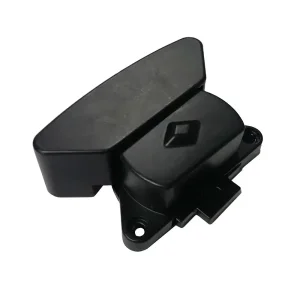
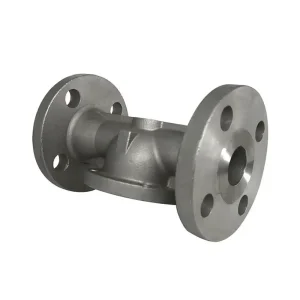
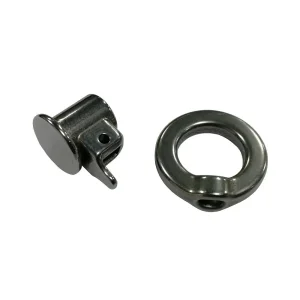
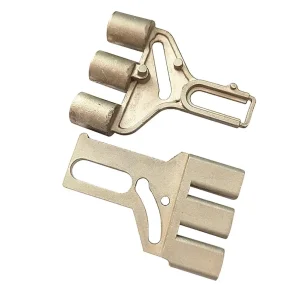
Modern industrial engineering demands high-integrity, geometrically complex metal components capable of surviving hostile operating environments. As a premier investment casting (lost wax casting) and advanced CNC machining facility, Dongguan SX Technology Co., Ltd. bridge the gap between initial metallurgical concept and production-ready components. Our cross-industry capabilities deliver components that feature net or near-net shapes, minimizing expensive post-processing protocols and optimizing material utility.
Global procurement teams in North America, Europe, and the Asia-Pacific face constant volatility in supply chain consistency, dimensional verification, and material conformity. Standard casting operators often suffer from micro-porosity defects, inadequate grain boundary distributions, or poor superficial finishing. By integrating high-grade wax molds, state-of-the-art slurry control, automated ceramic shell coating, and multi-axis CNC secondary finishing, our factory provides a reliable pathway to de-risk component sourcing.
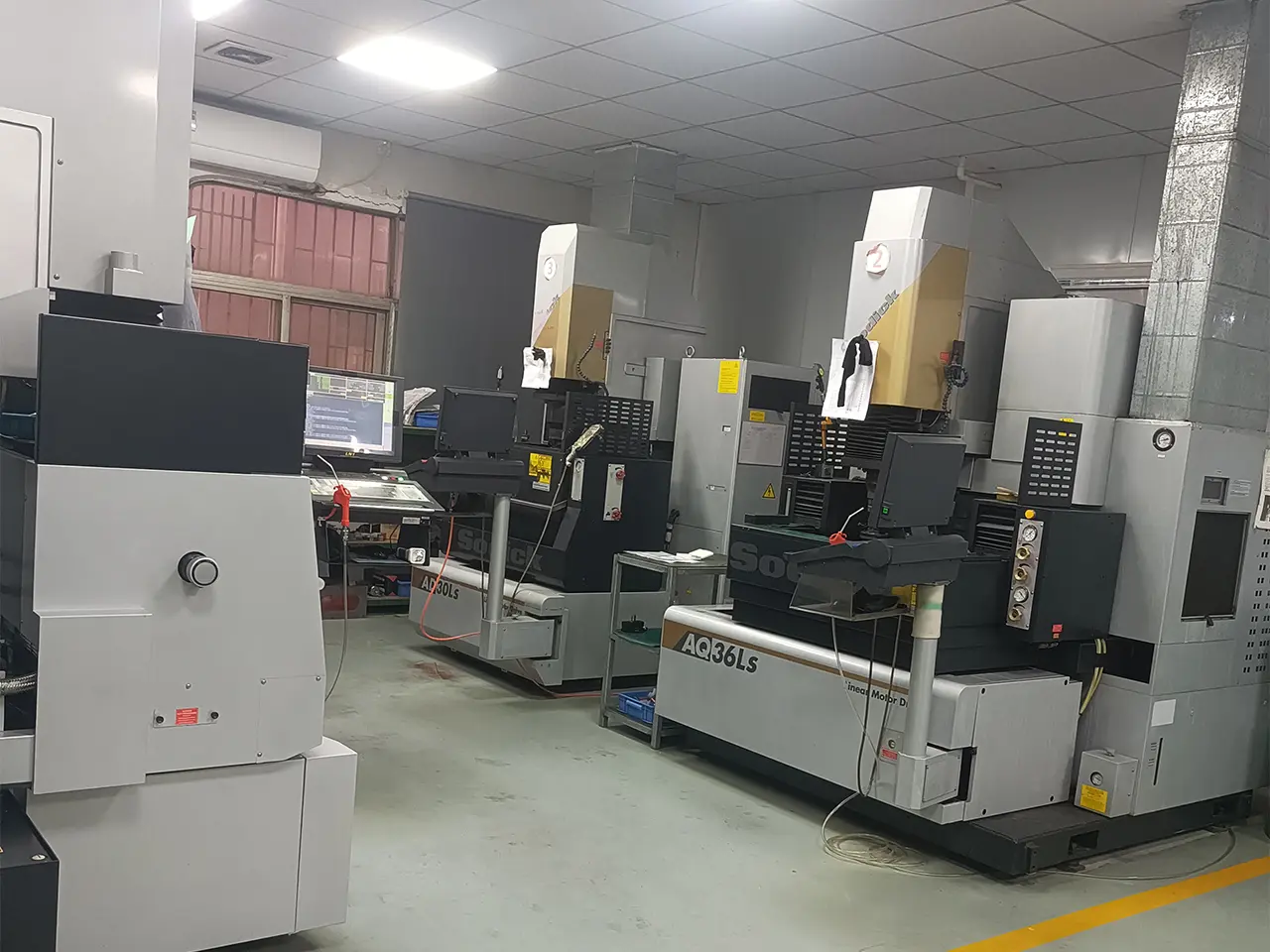
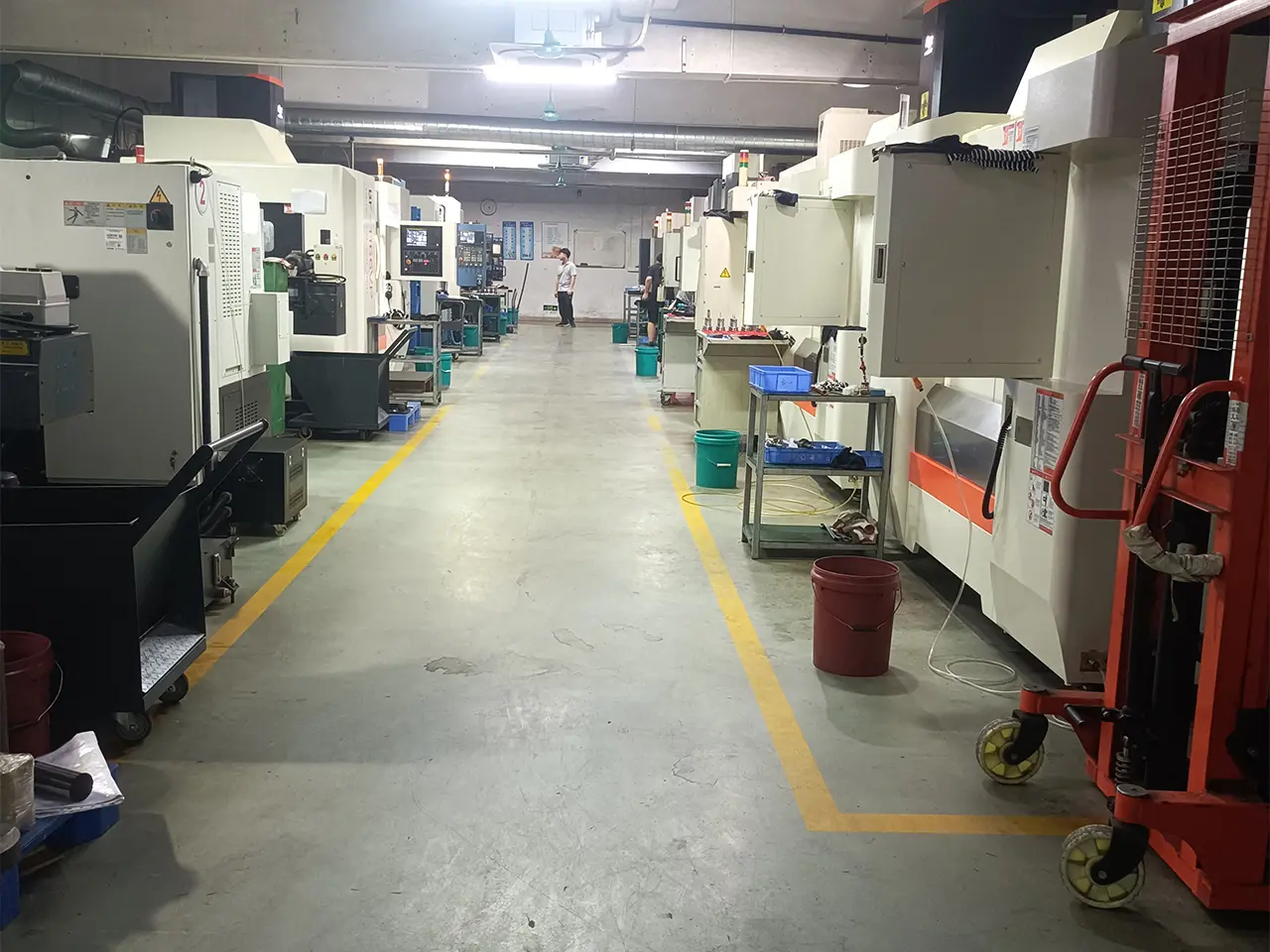
Dongguan SX Technology Co.,Ltd has built rich expertise in precision casting, multi-axis CNC machining, and comprehensive assembly integration. Our components serve high-stress operations across fields including machinery, automobiles, marine vessels, equipment assemblies, valves and pumps, electronic appliances, packaging infrastructure, watches, construction, and chemical industries.
Unlike standard casting shops, we control the entire lifecycle of the component. The most commonly used materials for our investment casting division include stainless steel (including austenitic, martensitic, and duplex grades) and carbon steel. To satisfy strict dimensional fits and complex geometric constraints, our in-house CNC machining facility works with demanding materials, including titanium alloys, stainless steel, carbon steel, aluminum alloys, copper alloys, and cemented carbides.
Our infrastructure matches high-output production capacity with rapid engineering prototyping, allowing our team to respond quickly to your specific engineering requirements and lead time limitations.
The lost wax process demands rigorous chemical and thermodynamic control. At Dongguan SX Technology, our processing steps are calibrated to yield superior metallurgical grain structure, minimize internal structural stresses, and secure industry-leading dimensional consistency.
Using advanced CAD/CAM modeling, we build tooling dies with built-in shrink allowances. Solidification simulation software predicts potential hot spots and shrinkage porosity, optimizing runner and riser configurations before cutting steel.
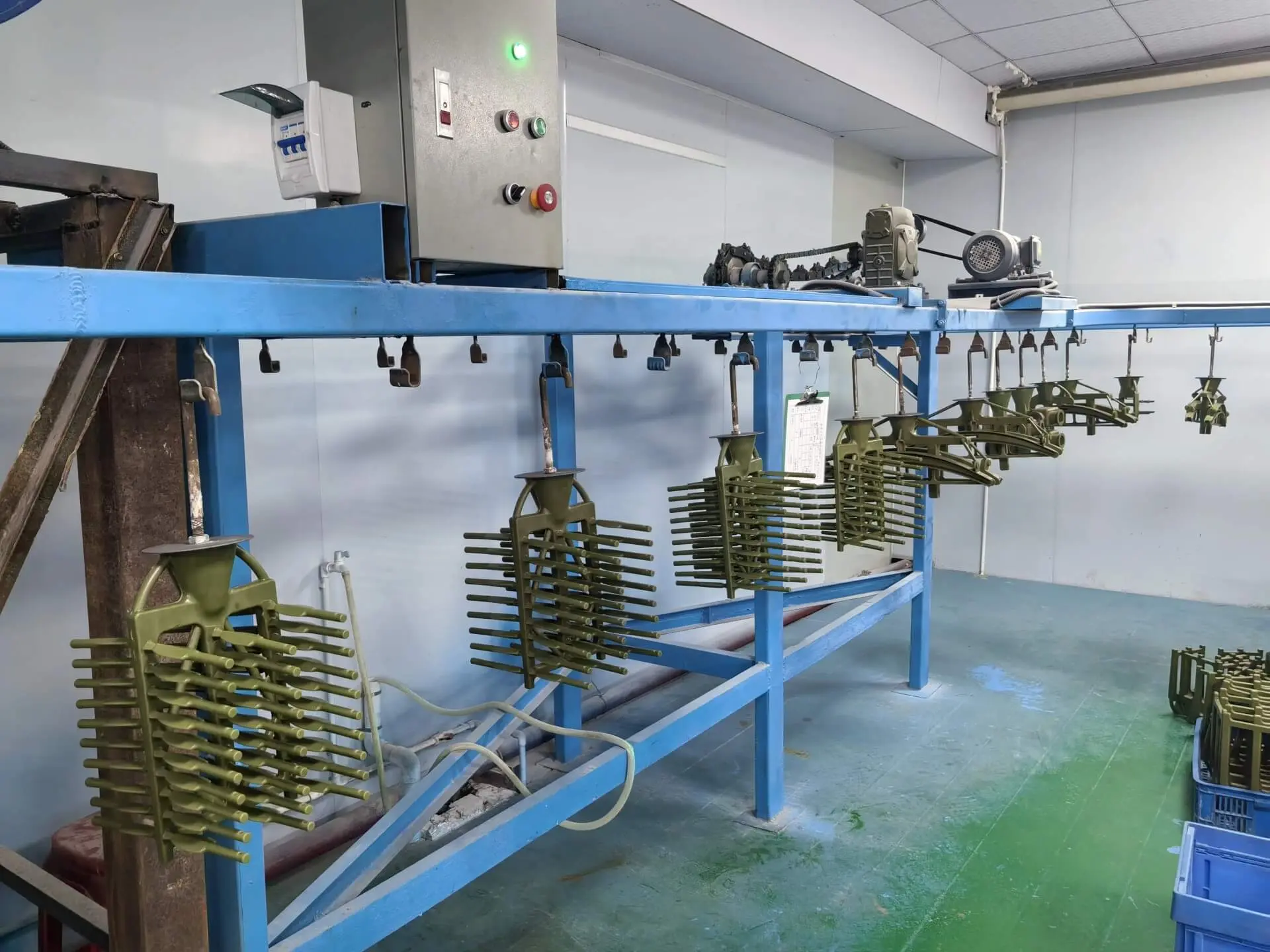
High-grade dimensional stability wax is injected under temperature-controlled parameters. The wax patterns are inspected, cleaned, and welded onto a central gate run assembly to form the casting tree cluster.
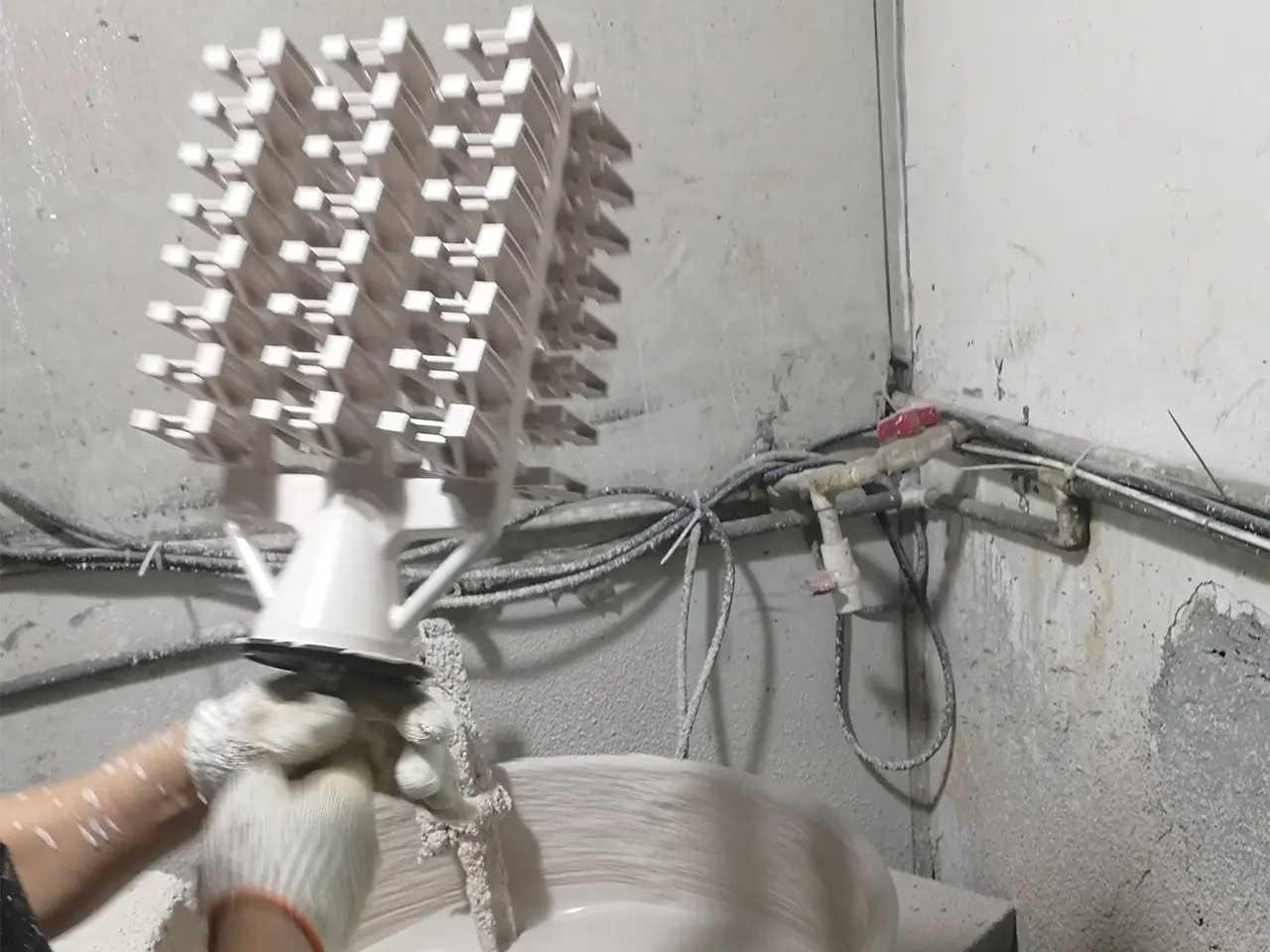
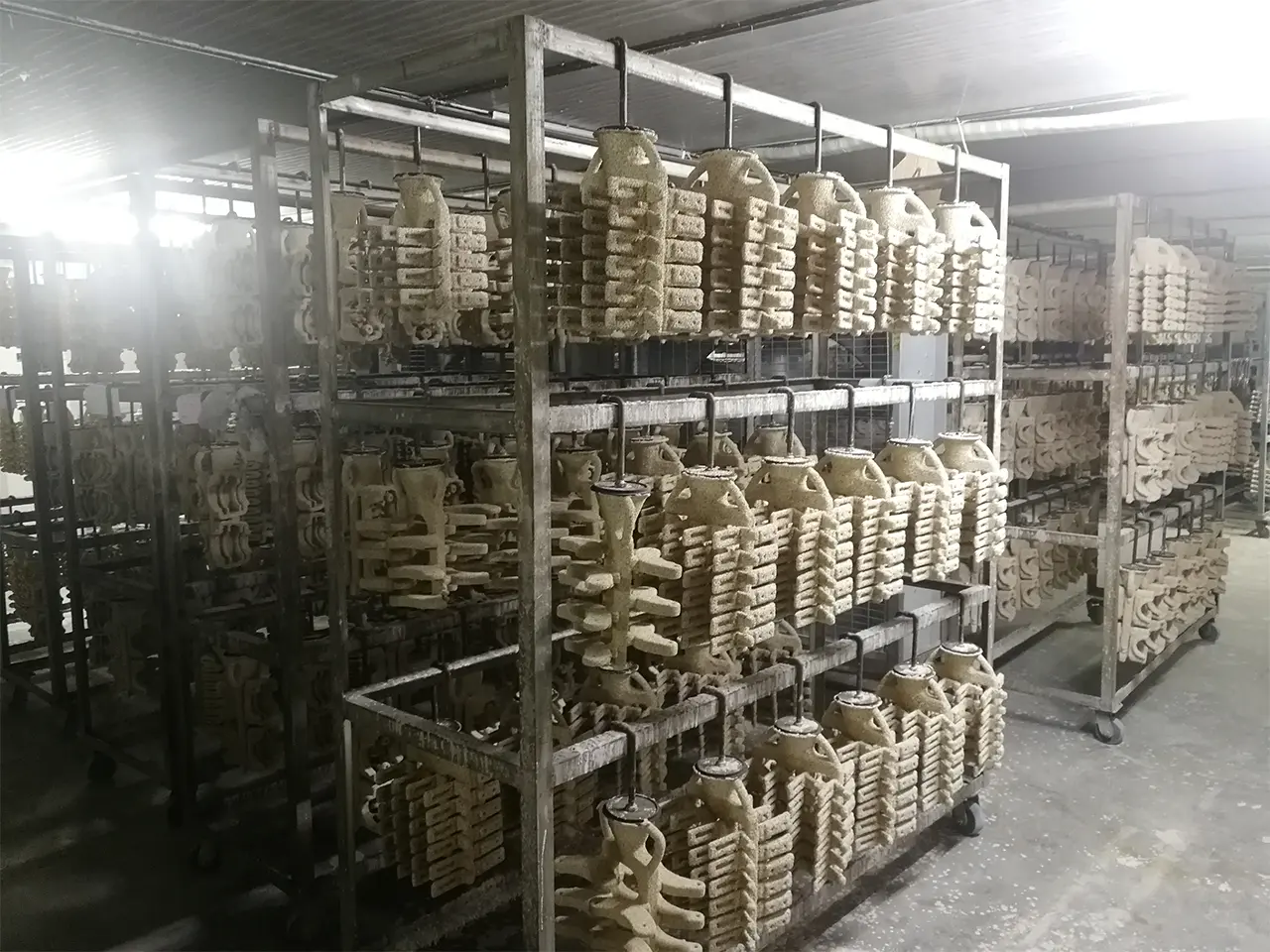
The tree cluster is alternately dipped into refractory ceramic slurry and stuccoed with fine zircon sand. We build multiple layers under precise humidity and temperature conditions to ensure shell strength and thermal shock resistance.
Automated steam autoclaves melt out the internal wax patterns under high pressure. The hollow ceramic shell is then fired at temperatures up to 1050°C to sinter the ceramic structure and remove remaining organic residues.
Spec-controlled alloys are melted in induction furnaces. Chemical analysis via optical emission spectrometer is executed before pouring. Molten metal is gravity-fed into the pre-heated ceramic shell, optimizing fluid dynamics.
While investment casting produces close-to-net geometries, high-precision fits require machining. Our dual capability permits seamless transition from raw casting directly to five-axis CNC milling, precision turning, tapping, grinding, and surface treatments. This saves freight, simplifies procurement, and centralizes quality accountability under a single supplier.
Our foundry handles standard and custom material profiles:
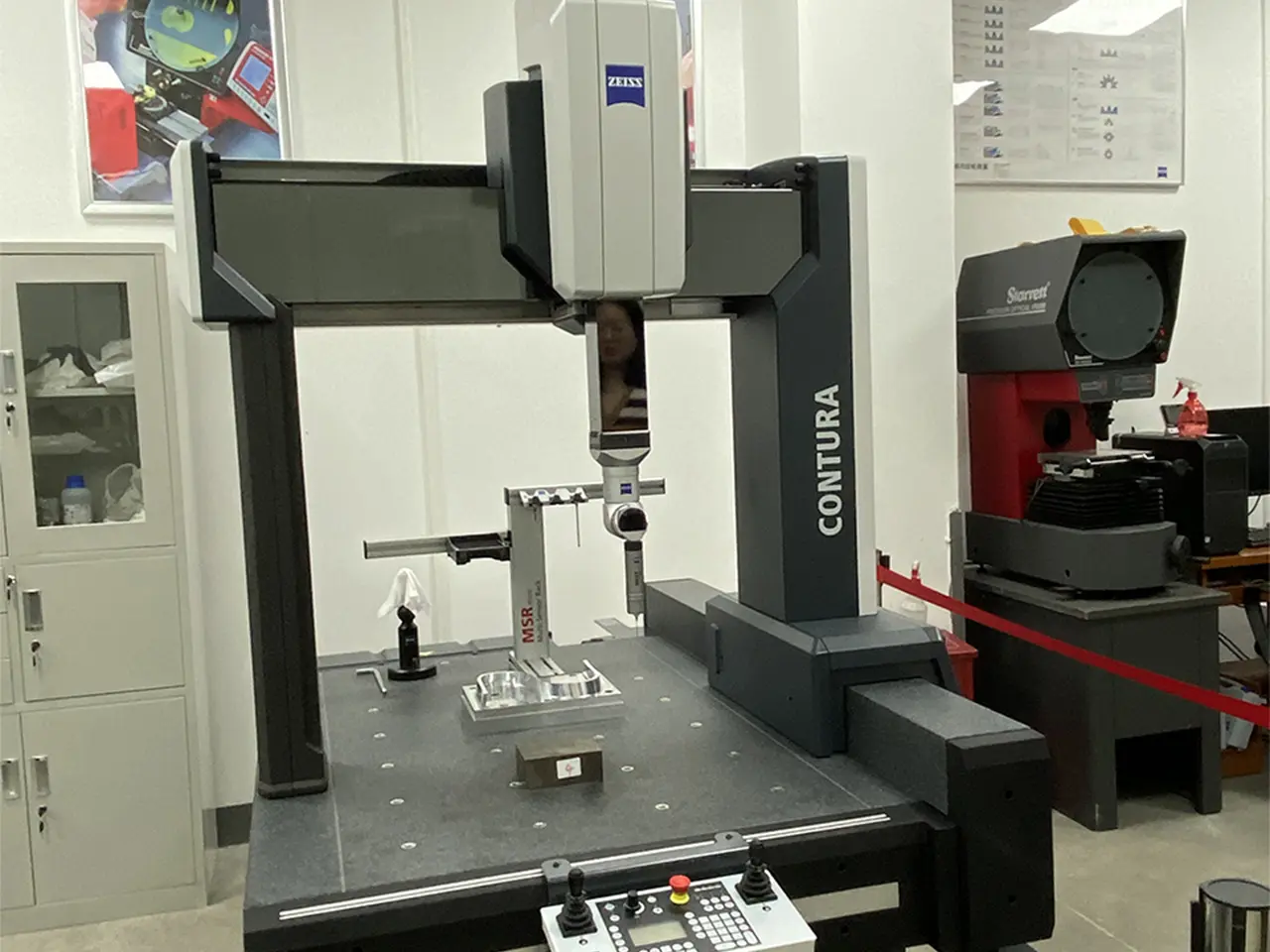
Quality is the cornerstone of the manufacturing industry. We firmly believe that only by controlling quality well can we survive, develop, and get better and better. Therefore, we have been working in this industry unremittingly since 2014 and continue to improve the company's team and expand the company's production capacity.
We adhere to strict tolerances and quality standards. Our testing protocols verify internal soundness, dimensional consistency, and raw material compliance to prevent failures under real-world operating stresses.
Direct spectrometer testing guarantees all stainless steel and carbon steel melts conform to designated ASTM, DIN, or JIS standards.
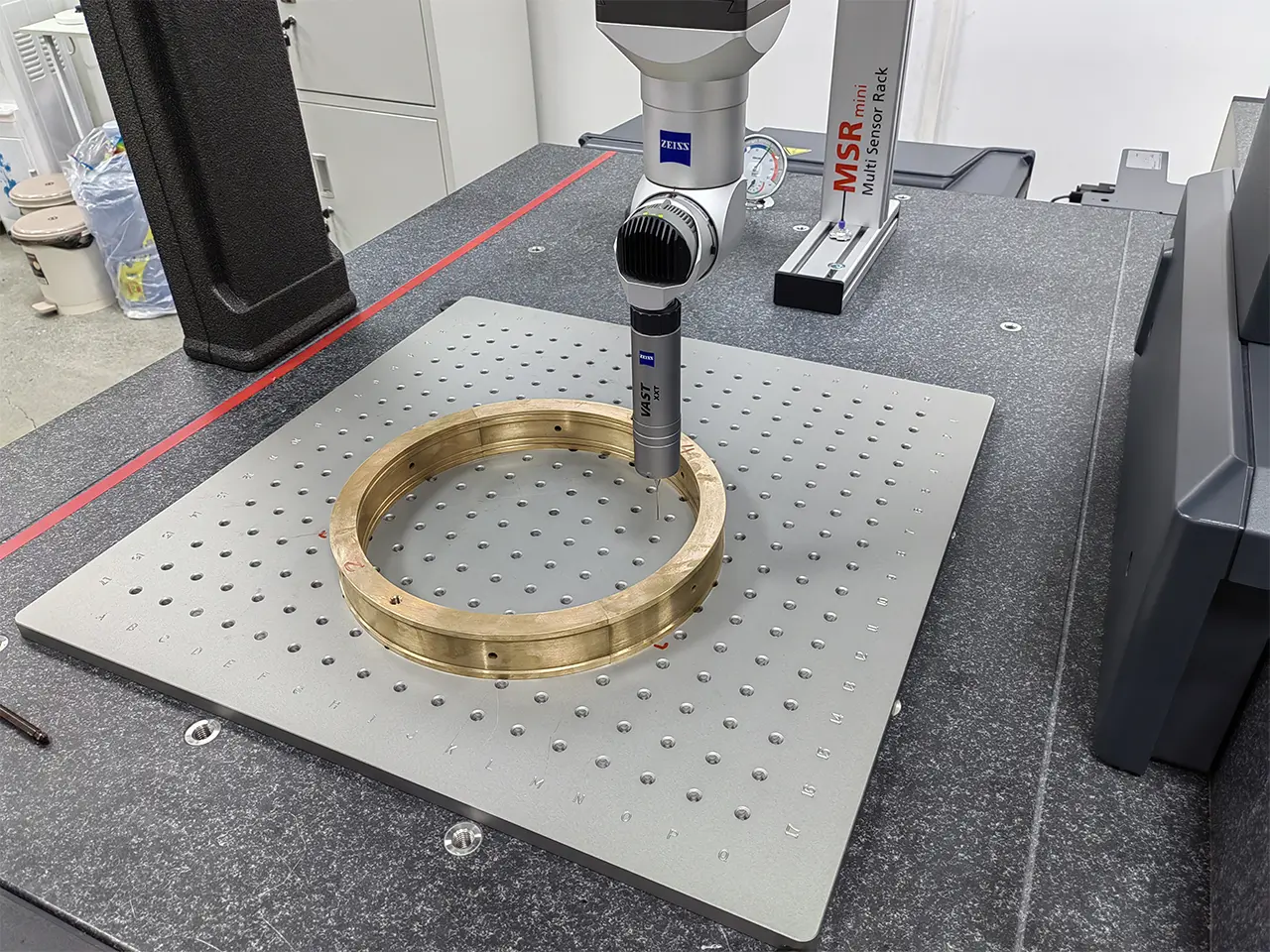
Equipped with coordinate measuring machines (CMM), height gauges, and micrometers to confirm critical tolerances to ±0.005mm.
X-Ray radiographies, liquid penetrant testing (LPI), and magnetic particle testing (MPI) find sub-surface porosity or micro-fissures.
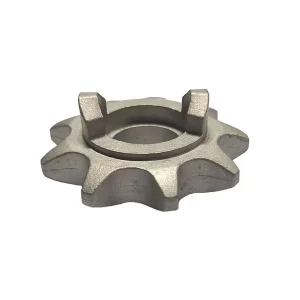
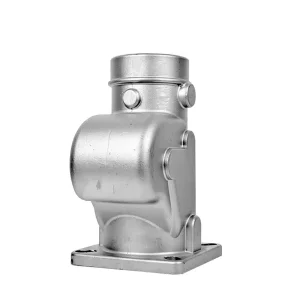
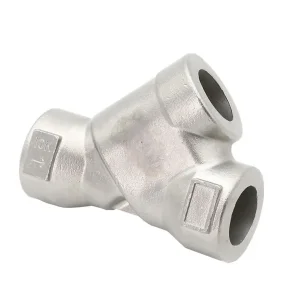
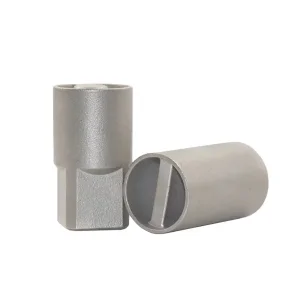
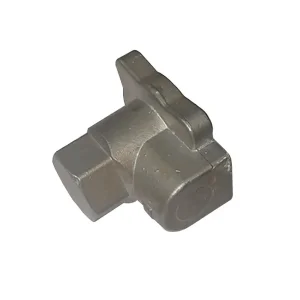
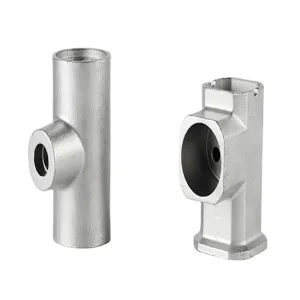
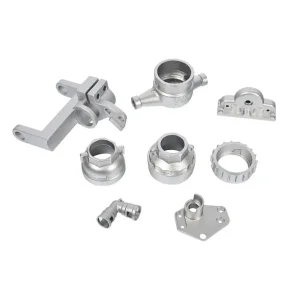
We cast non-standard valve bodies, pump impellers, discs, flanges, and high-pressure fittings. Corrosion-resistant stainless steel castings are designed to withstand chemical processing and extreme temperatures.
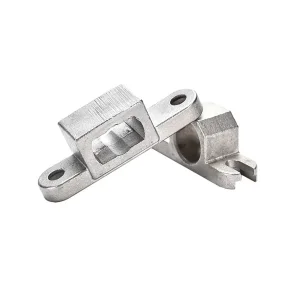
We supply corrosion-resistant stainless steel marine deck hardware, heavy cleats, brackets, hinges, and chemical mixing impellers. These parts are formulated to withstand high-salinity marine environments.
We manufacture brackets, linkages, engine manifolds, turbocharger housings, and heavy bus armrests. Precision castings reduce weight while maintaining high tensile strength and structural integrity.
For global procurement managers, the total cost of ownership goes beyond the unit price. It includes transportation, quality checking, custom clearance, and communication overheads. Dongguan SX Technology manages complex international supply chains through proactive shipping protocols, custom packing options, and clear documentation.
Our raw material traceability system complies with international certification standards. Every batch of castings is supplied with EN 10204 3.1 material certificates, detailing the chemical breakdown and physical characteristics of the metal. Additionally, our facility adheres to local environmental protection acts, maintaining a reliable production pipeline free from forced shutdowns.
 SX Machining