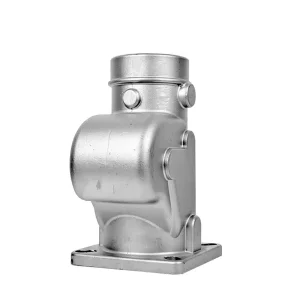
Custom Automotive Investment Castings

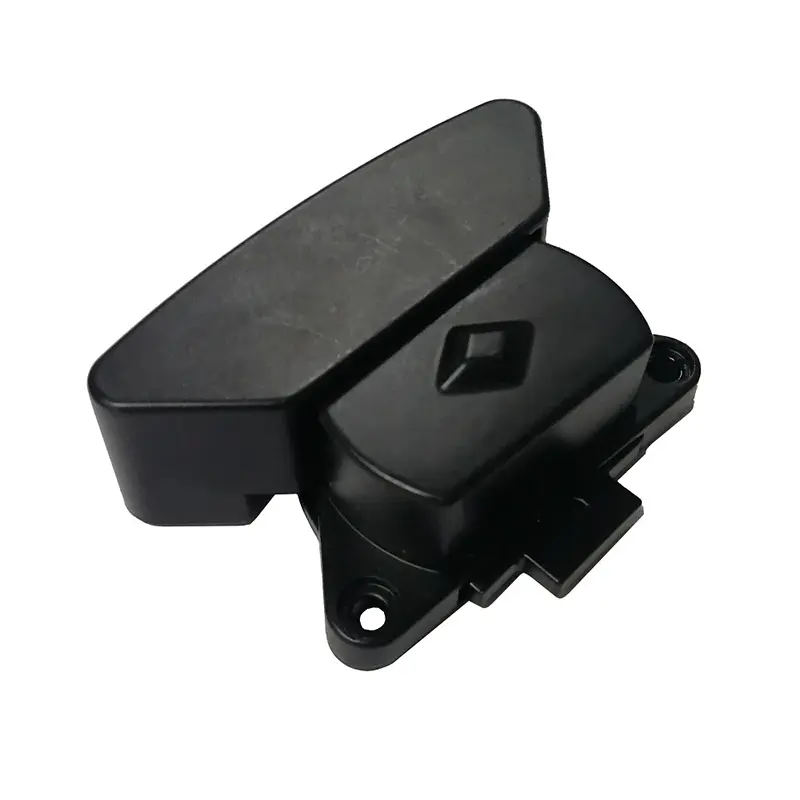
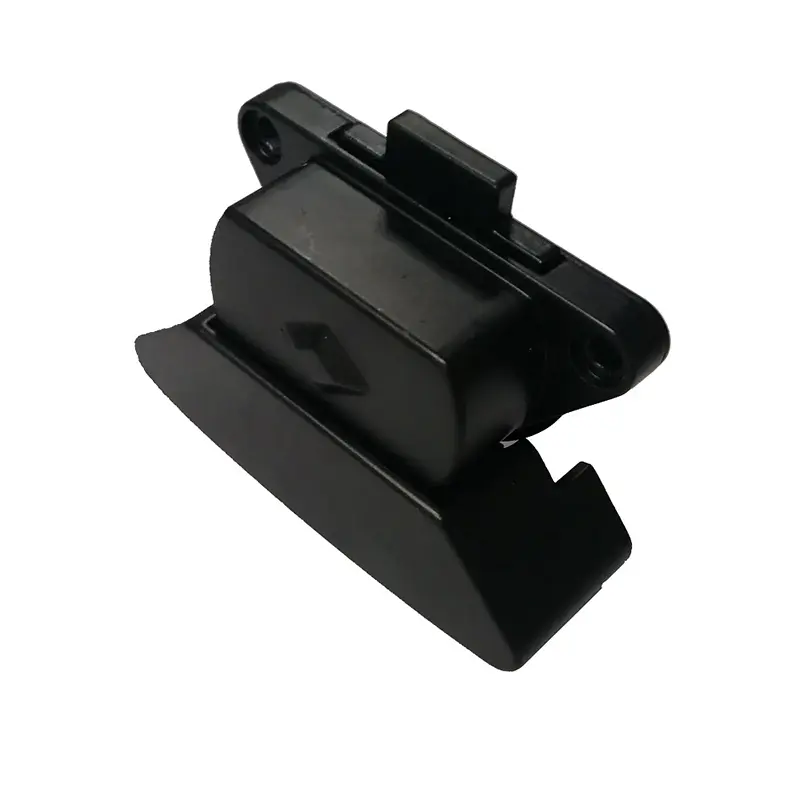
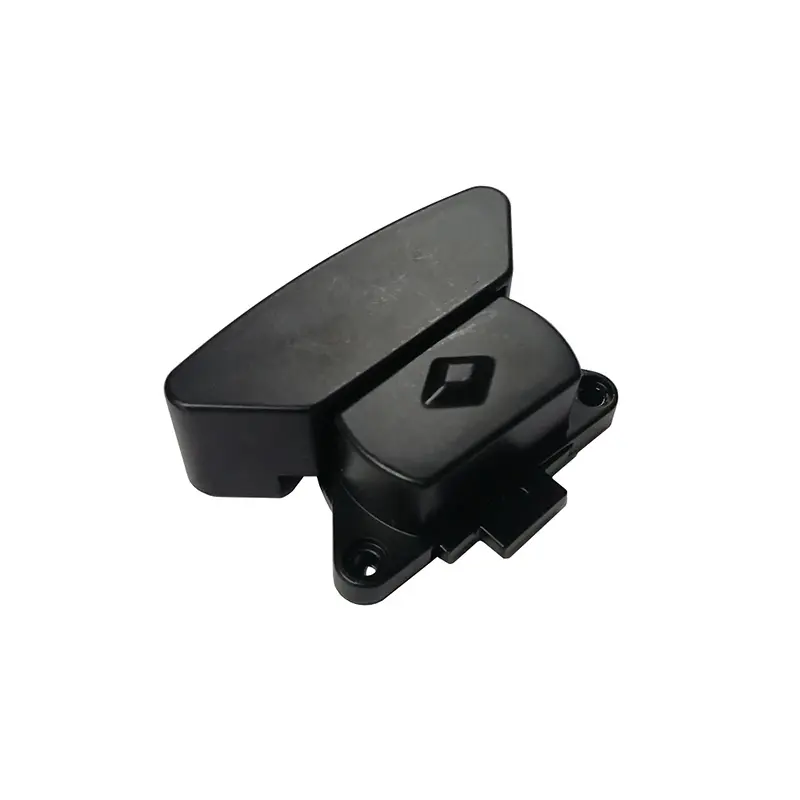
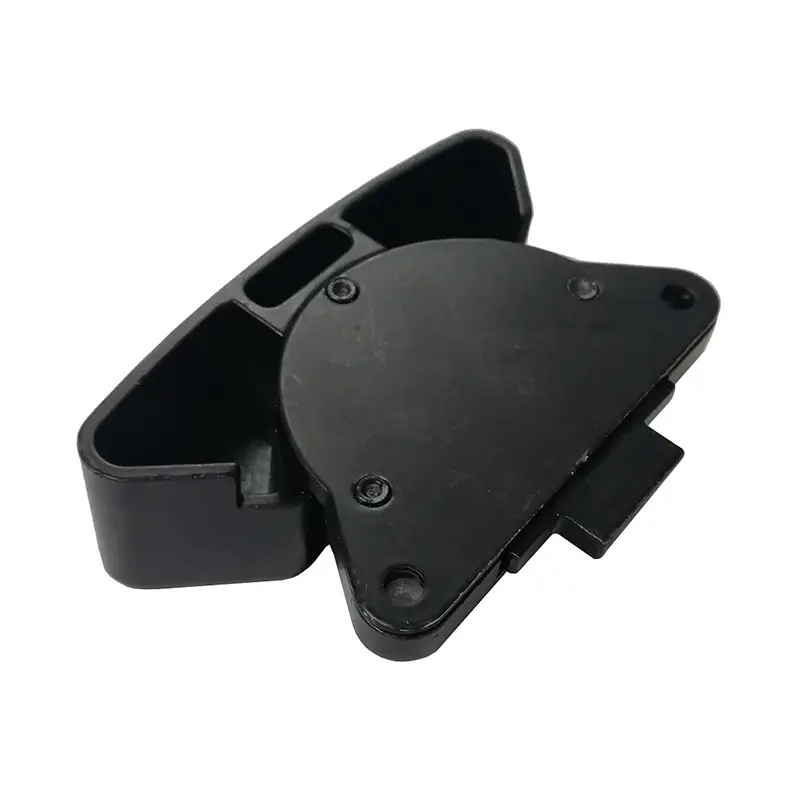
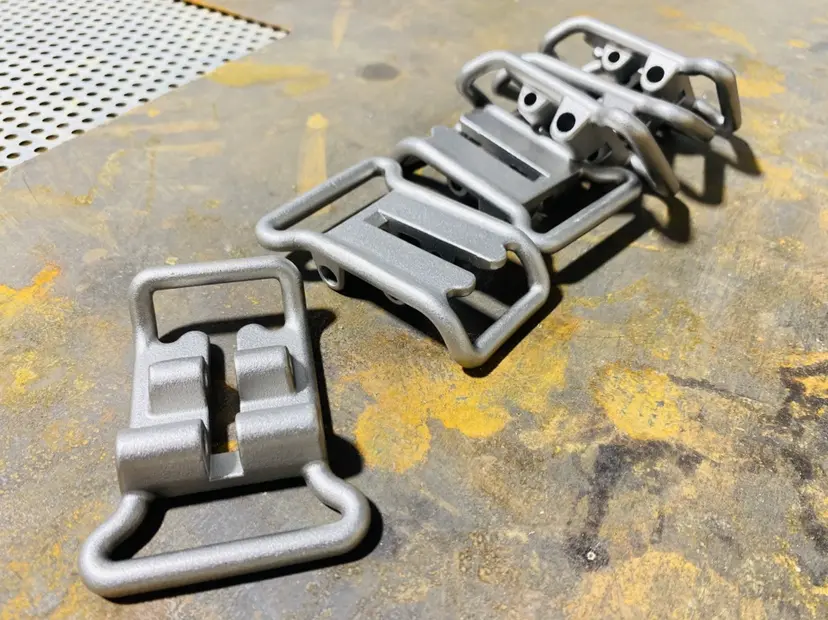
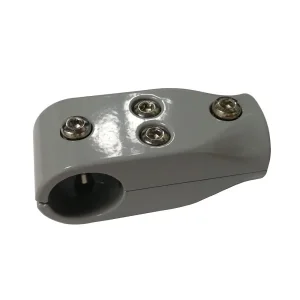
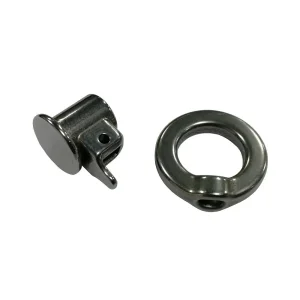
This is a door and window lock assembly for a bus, which is produced using investment casting technology and then black powder coating. This product is produced using investment casting with high precision and does not require further machining. After the product is assembled, it moves very smoothly and has little deformation. Later, customers were quite satisfied with the strength and quality of the product. Therefore, for some metal parts, especially carbon steel parts, alloy steel parts or stainless steel parts, if the structure is relatively complex, investment casting can be given priority.

Product Description

Characteristic

In addition to direct CNC machining, steel or stainless steel parts are currently more commonly processed by forging, powder metallurgy, sand casting and investment casting. Each of these molding processes has its own characteristics: the forging process can enhance the strength of the product, but generally can only form parts with relatively simple structures, so parts with relatively high strength requirements are generally considered forging; the mold cost of powder metallurgy is relatively high, and it is generally suitable for relatively small parts and large-scale production; while sand casting and investment casting are both casting, investment casting is better than sand casting, and investment casting can be used for products with complex or simple structures, and for small or large-scale production, and the mold development cost is relatively low.
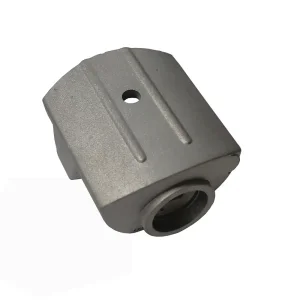
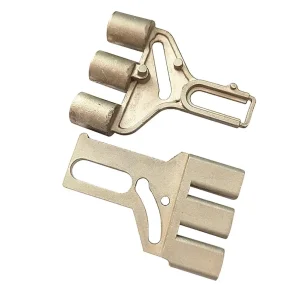
Outdoor Electronic Device Casting Metal Part
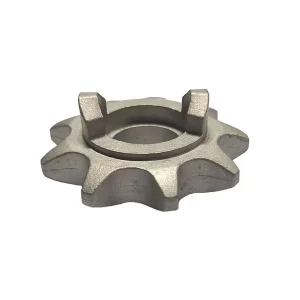
Carbon Steel Casting Accessory for Outdoor Agricultural

Properties and Advantages

Compared with forging process, the development cost of investment casting is relatively low, and the molding structure can be more complex, but the strength of the product is not as good as that of forged parts. Compared with powder metallurgy process, the development cost of investment casting is also lower than that of powder metallurgy, and investment casting is suitable for small batch production and large parts production. Various metal forming processes have their own unique characteristics, how to choose the appropriate processing technology depends on the product precision, structure, characteristics, dosage, etc.

Design

Design Process Icon

Engineered

Engineered Process Icon

Manufactured

Manufactured Process Icon
Custom Alloy Casting Service for Outdoor Sports
Custom Alloy Casting Service for Outdoor Equipment

Services

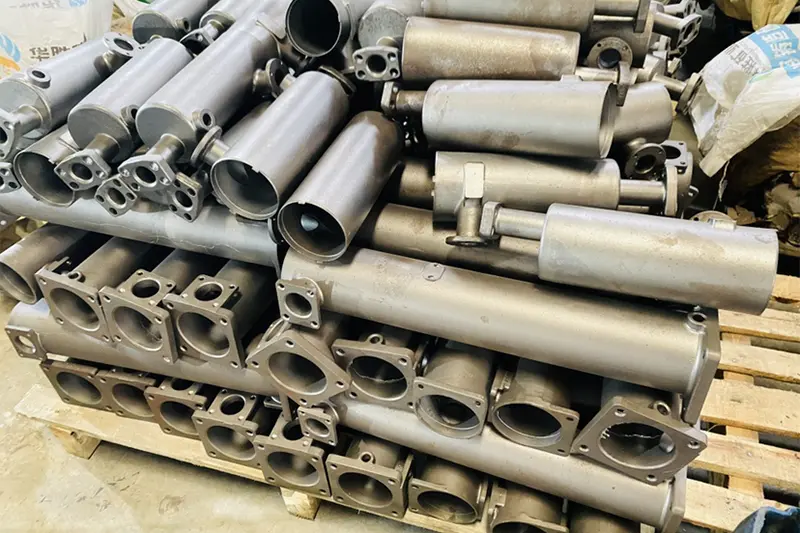
We provide custom stainless steel castings, carbon steel castings, alloy steel castings and more to a variety of industries.
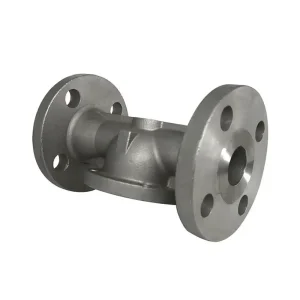
Investment Casting Flange Connector for Marine Pipeline

Frequently Asked Questions

What are the main alternatives to direct CNC machining for steel or stainless steel parts?

Apart from CNC machining, steel and stainless steel parts are commonly processed using forging, powder metallurgy, sand casting, and investment casting, each matching different design and production requirements.

How does investment casting compare to sand casting?

Investment casting generally provides better results than sand casting. It is highly versatile, supporting both complex or simple structures, handling small to large-scale production runs, and maintaining relatively low mold development costs.

When should the forging process be considered over investment casting?

Forging is preferred when the parts require high structural strength, as the process enhances product strength. However, it is typically restricted to producing parts with relatively simple structures compared to casting.

What are the main limitations of powder metallurgy?

Powder metallurgy carries a relatively high mold cost. As a result, it is generally ideal and cost-effective only for manufacturing relatively small parts and supporting large-scale production volumes.

What advantages does investment casting offer over powder metallurgy?

Investment casting has a lower mold development cost than powder metallurgy, and unlike powder metallurgy, it is well-suited for small batch production and the manufacturing of larger components.

How do you choose the right metal forming process?

Selecting the ideal metal forming technology depends on several factors, including the required product precision, structural complexity, mechanical properties, and the production quantity (dosage).
Related Products