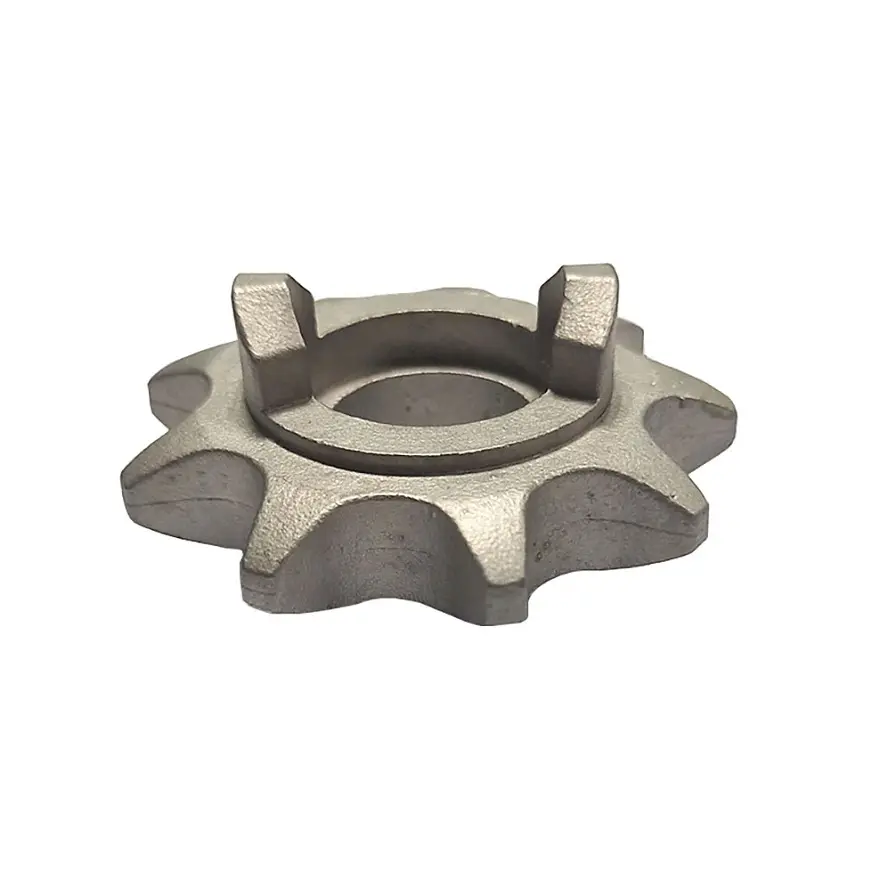
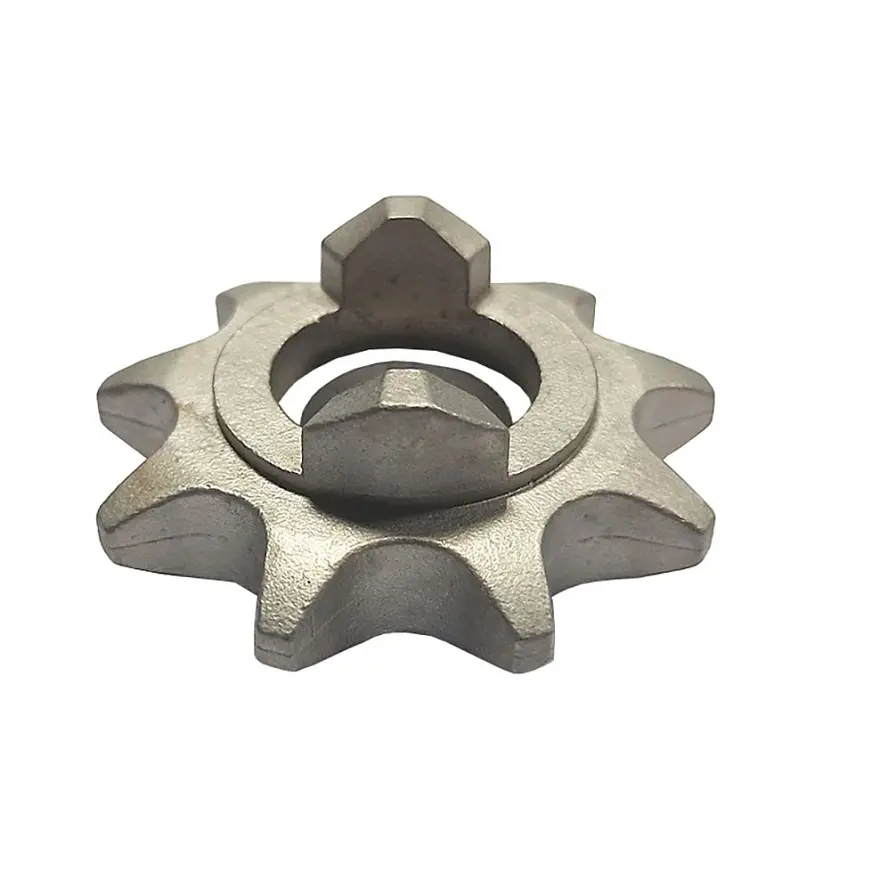
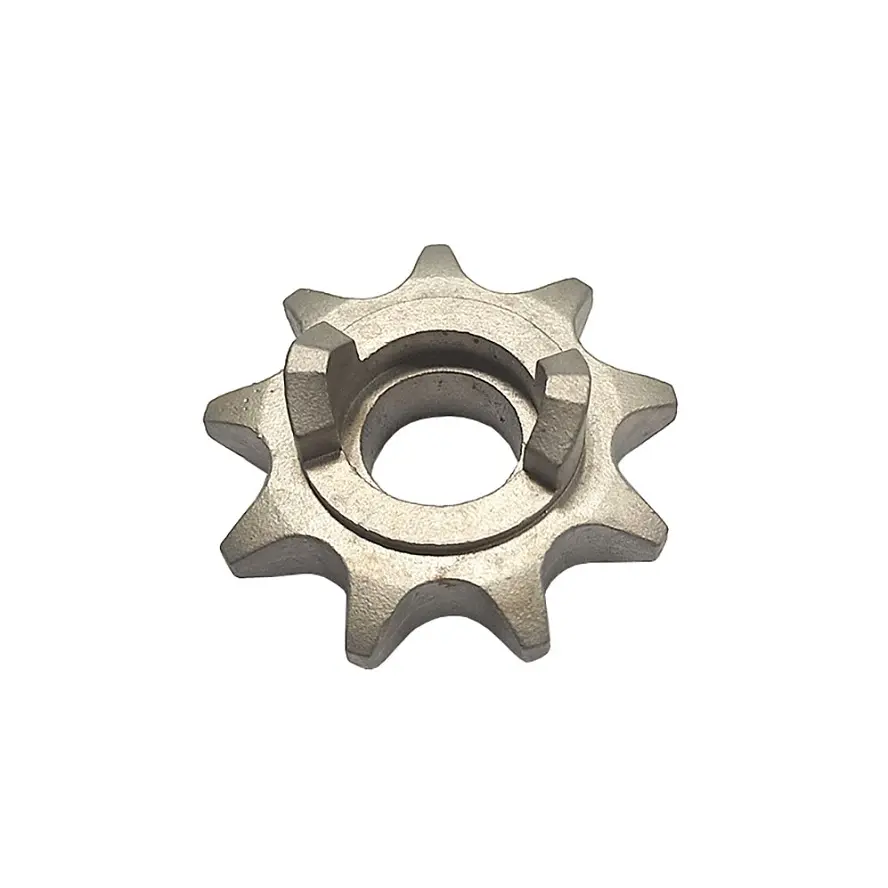
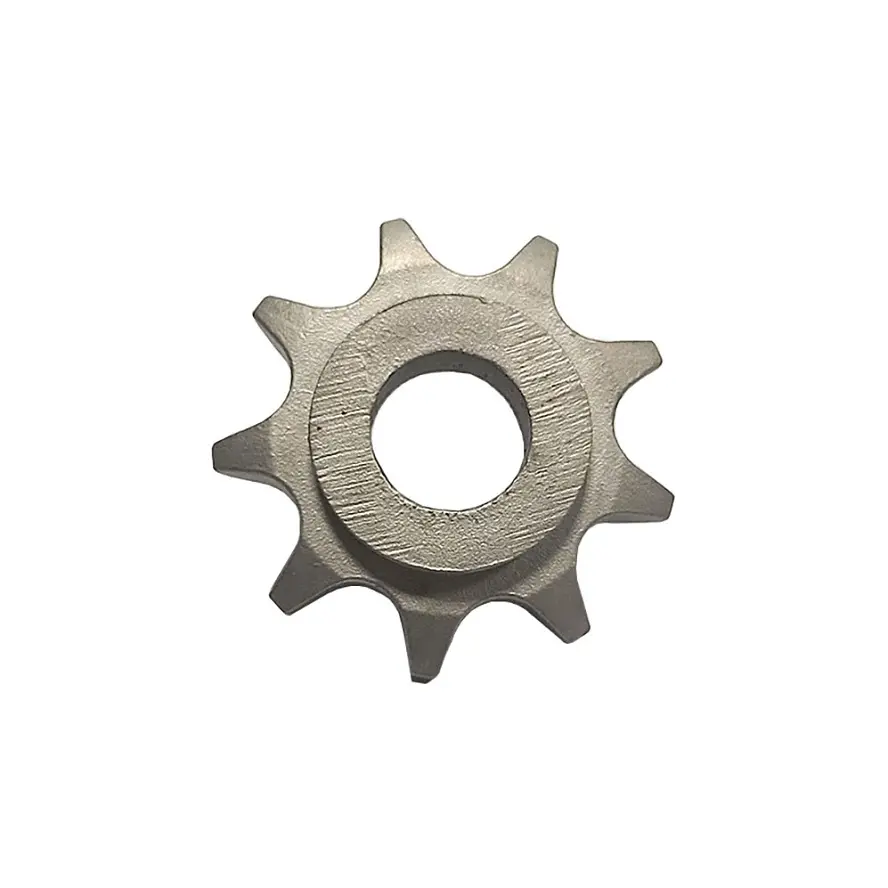
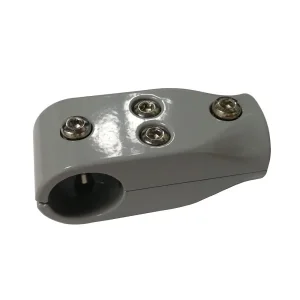
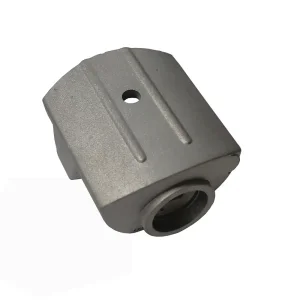
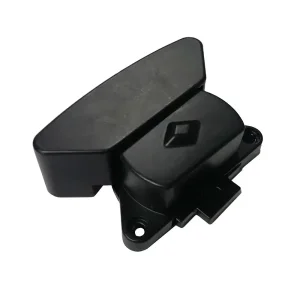
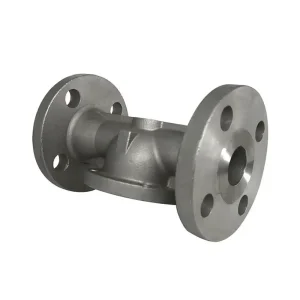
OEM Steel Precision Casting Gear Parts Service, Factory

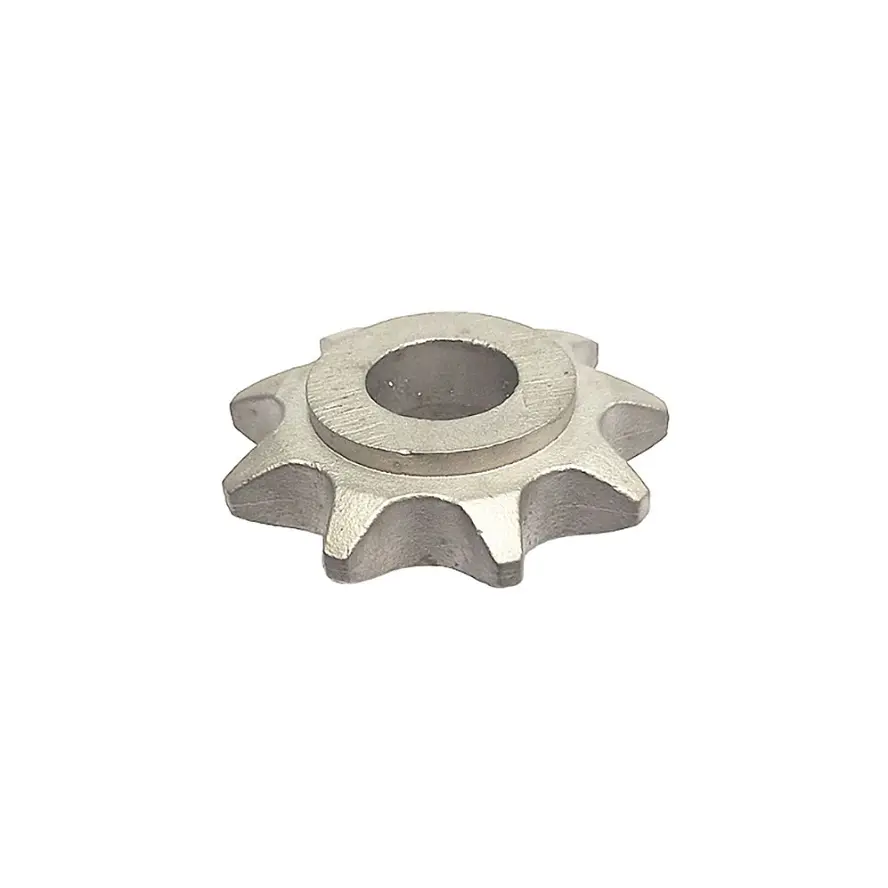
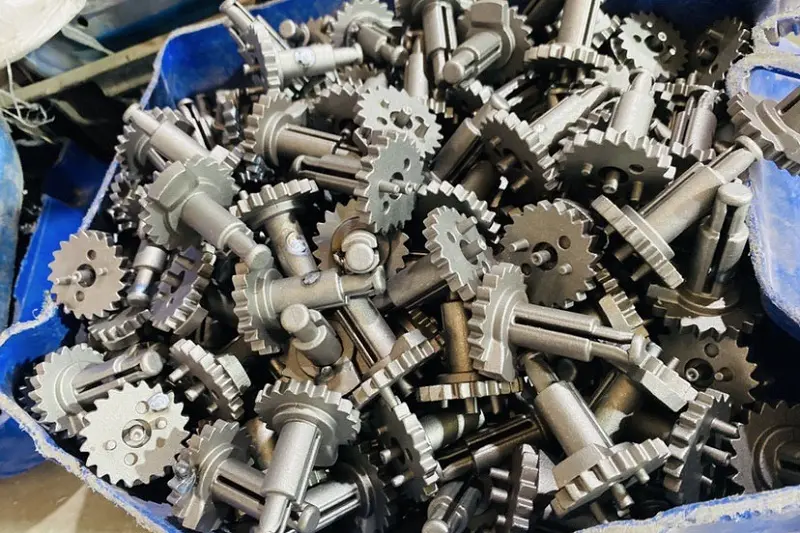
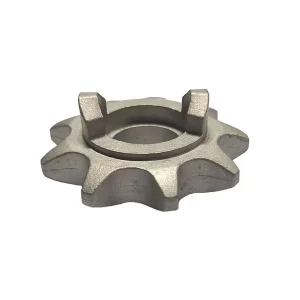
For some gear products that do not require high precision (such as chain gears), they are very suitable for precision casting processing. The processed products have good uniformity and can meet the requirements of use. The main feature is low production cost and high efficiency. However, molds must be made in the early stage of production, which takes a certain amount of time. For such products, if CNC precision machining is used, the accuracy may be higher and the surface effect better, but the corresponding cost is higher. If the use requirements can be met, using precision casting production is a very good choice.

Product Description

Characteristic

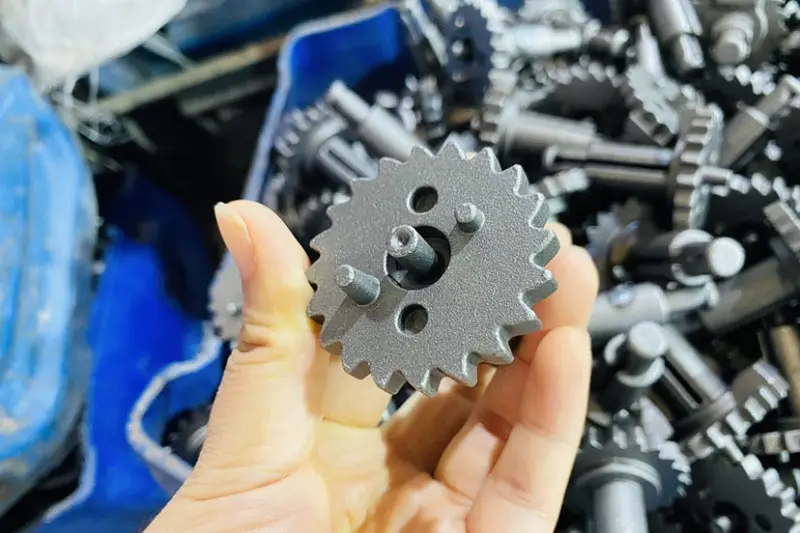
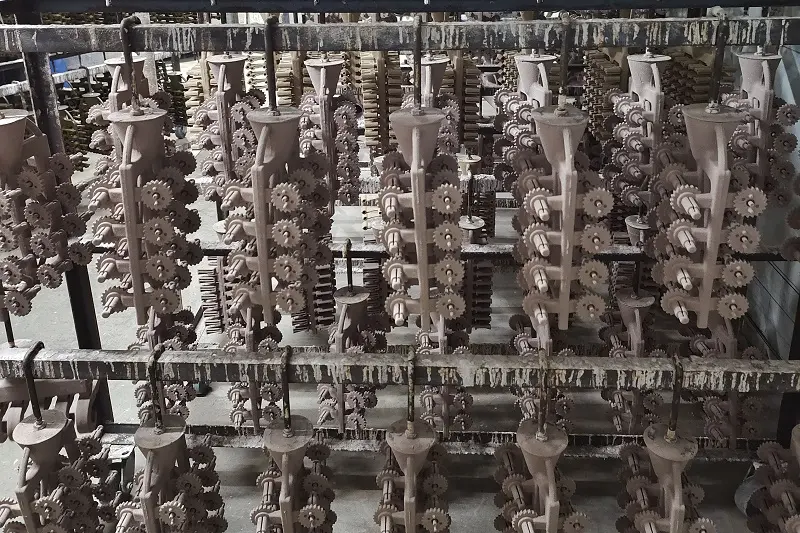
It is a very good choice to produce medium-demand gears with precision casting technology, but there are also some issues that need to be paid attention to when using precision casting. For example, the key dimensions of the gears, such as tooth type, pitch, and tooth thickness, need to meet the design requirements of the precision casting technology. The shape and structure of the gears should also be designed reasonably, so as to reduce the occurrence of pores, shrinkage, slag inclusions, cold shuts, and other problems on the surface and inside of the precision casting process.
Metal Investment Casting Carbon Steel Gear for Mechanical Transmission
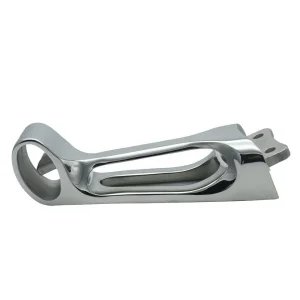
Investment Casting Support Bracket for Outdoor Gear

Properties and Advantages

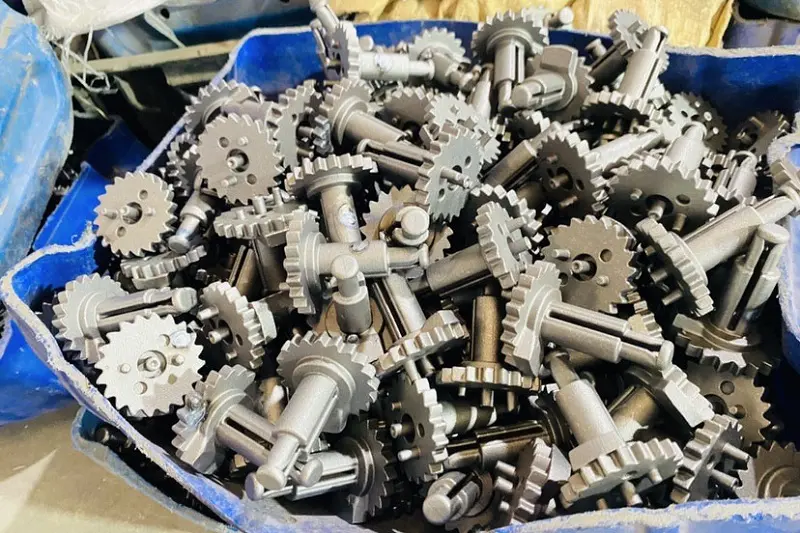
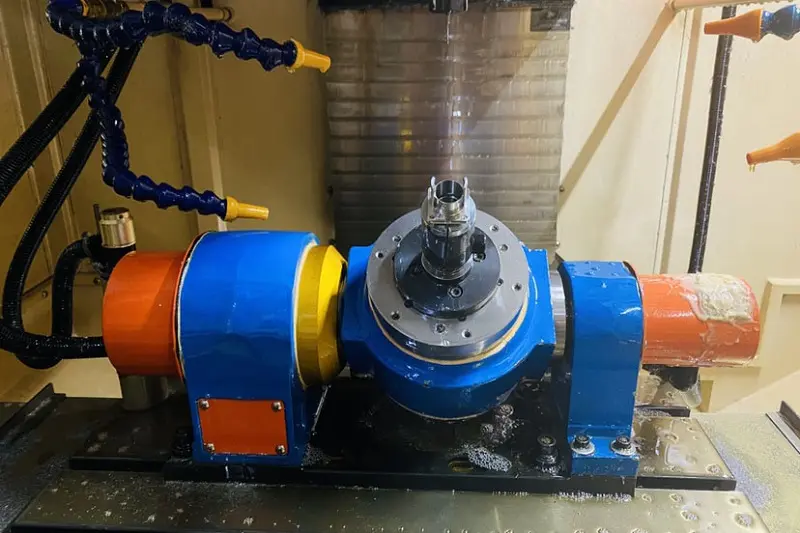
Both precision casting and CNC machining can produce gear parts, but there are essential differences between the two. CNC machining can achieve extremely high precision and is usually suitable for the machining of precision parts such as high-precision gears. For medium-demand gear parts, precision casting can be used, and the cost of precision casting is relatively low. The surface finish of CNC machining is higher than that of precision casting, but precision castings can also achieve good surface finish through subsequent polishing. Investment casting may have defects such as pores and shrinkage during the production process, which affect the surface quality and mechanical properties, but CNC machining uses raw materials for processing and generally does not have these problems. Everyone is welcome to discuss how to choose the specific process for machining.
Design

Design

Engineered

Engineered

Manufactured

Manufactured

Metal Lost Wax Casting Copper Alloy Gear for Mechanical Assemblies
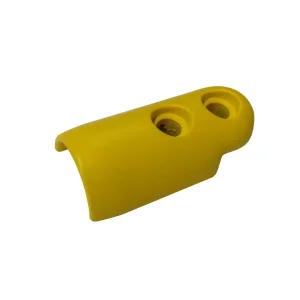
CNC Finished Metal Casting Product for Outdoor Industrial Use

Services

We not only provide precision casting machining services, but also CNC machining services. Please feel free to contact us to discuss which specific process your product should be produced with.
Metal Investment Casting Stainless Steel Gear for Automotive Transmissions

Frequently Asked Questions

What parameters must be monitored when precision casting gears?
Key dimensions such as tooth type, pitch, and tooth thickness must meet the design requirements of the precision casting technology. The overall structural design should also be optimized to avoid surface and internal defects.
How does the cost of precision casting compare to CNC machining?
Precision casting is generally more cost-effective than CNC machining, making it a highly suitable choice for producing medium-demand gear parts where budget constraints are present.
Can precision cast gears achieve a high-quality surface finish?
Yes. While CNC machining inherently offers a higher default surface finish, precision cast parts can achieve a similarly high-quality finish through subsequent polishing processes.
What defects are associated with investment casting?
Investment casting can occasionally produce defects such as pores, shrinkage, slag inclusions, and cold shuts. These issues must be managed by ensuring proper design and manufacturing techniques.
Why does CNC machining avoid issues like pores and shrinkage?
CNC machining processes components by directly cutting and shaping solid raw materials. Because it does not involve melting and cooling metal, it inherently avoids casting defects like internal pores and shrinkage.
Which manufacturing process should I choose for my gear products?
The choice depends on your specific requirements: CNC machining is recommended for high-precision components, whereas precision casting is ideal for medium-demand parts to lower manufacturing costs.

Related Products