 SX Machining
1 / 5
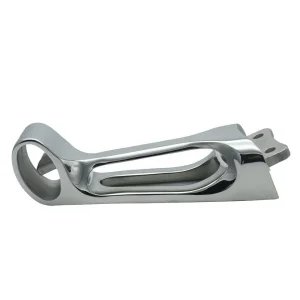
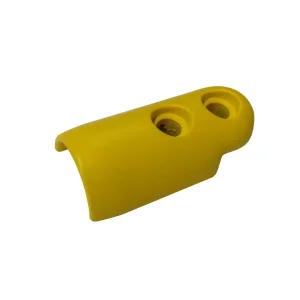
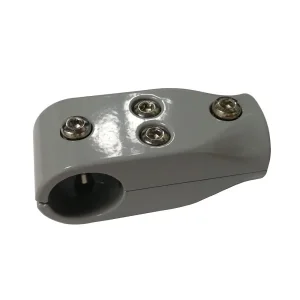
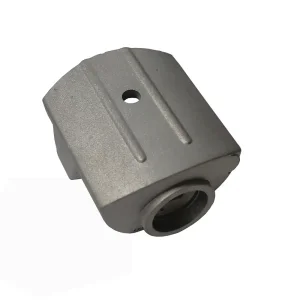
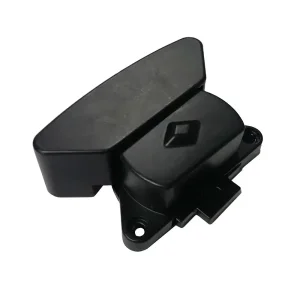
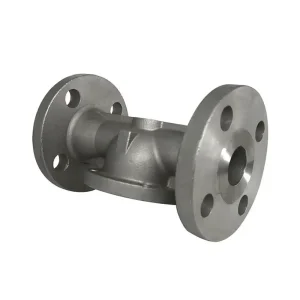
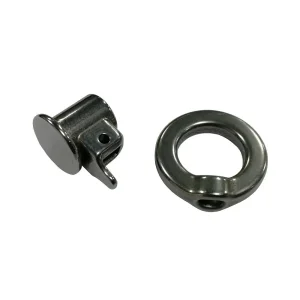
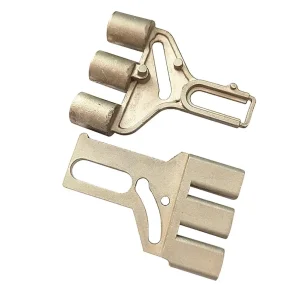
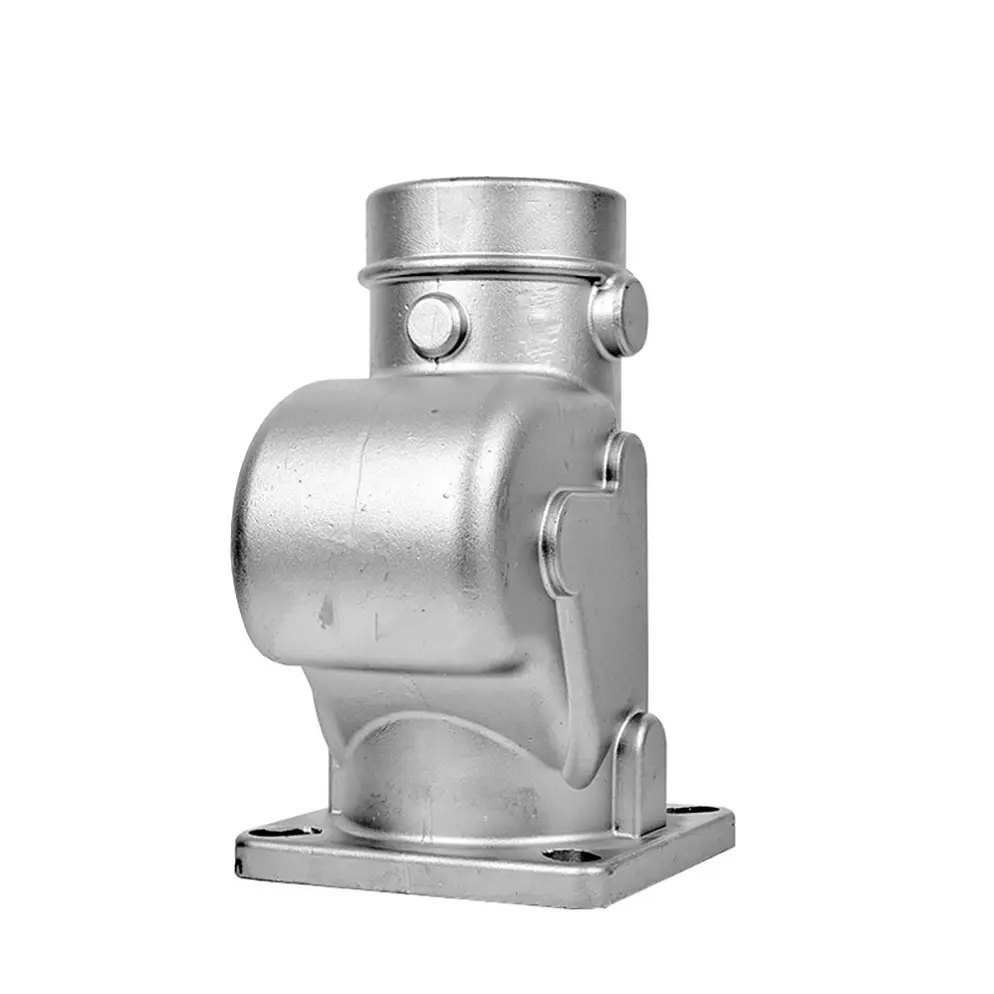
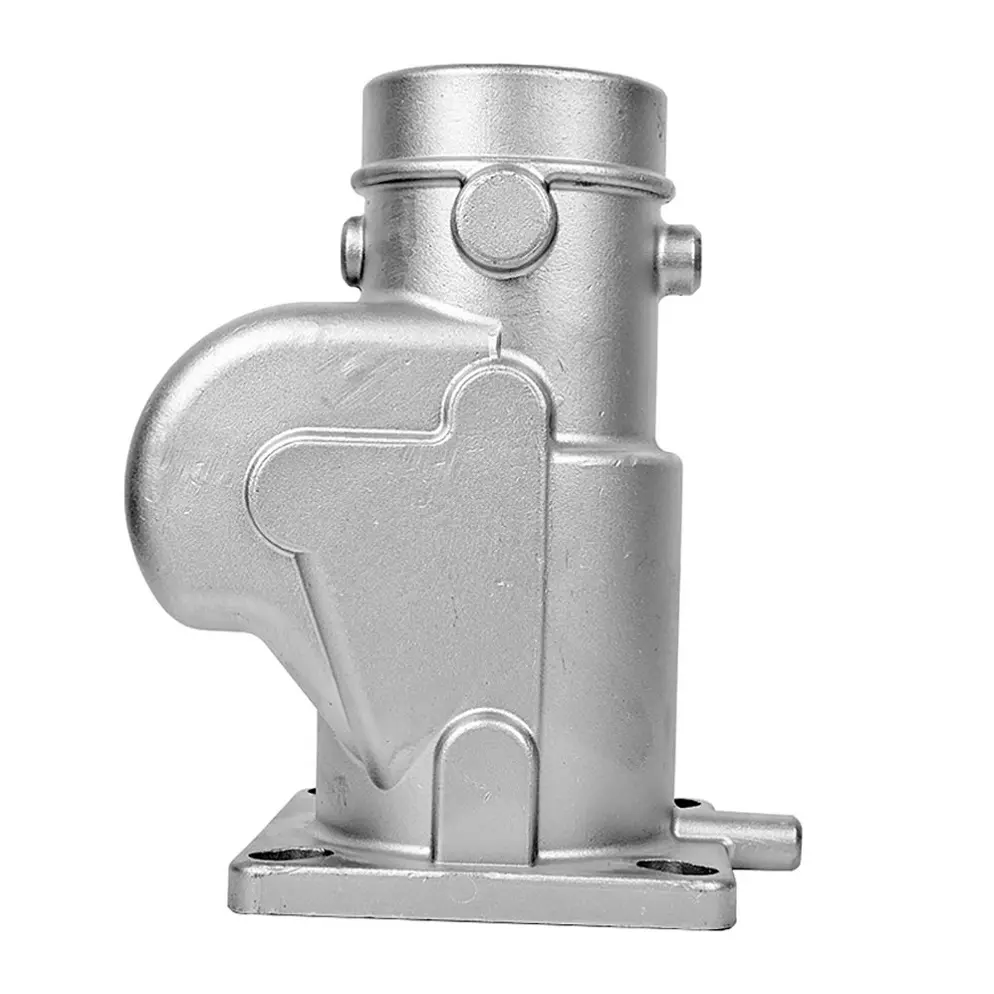
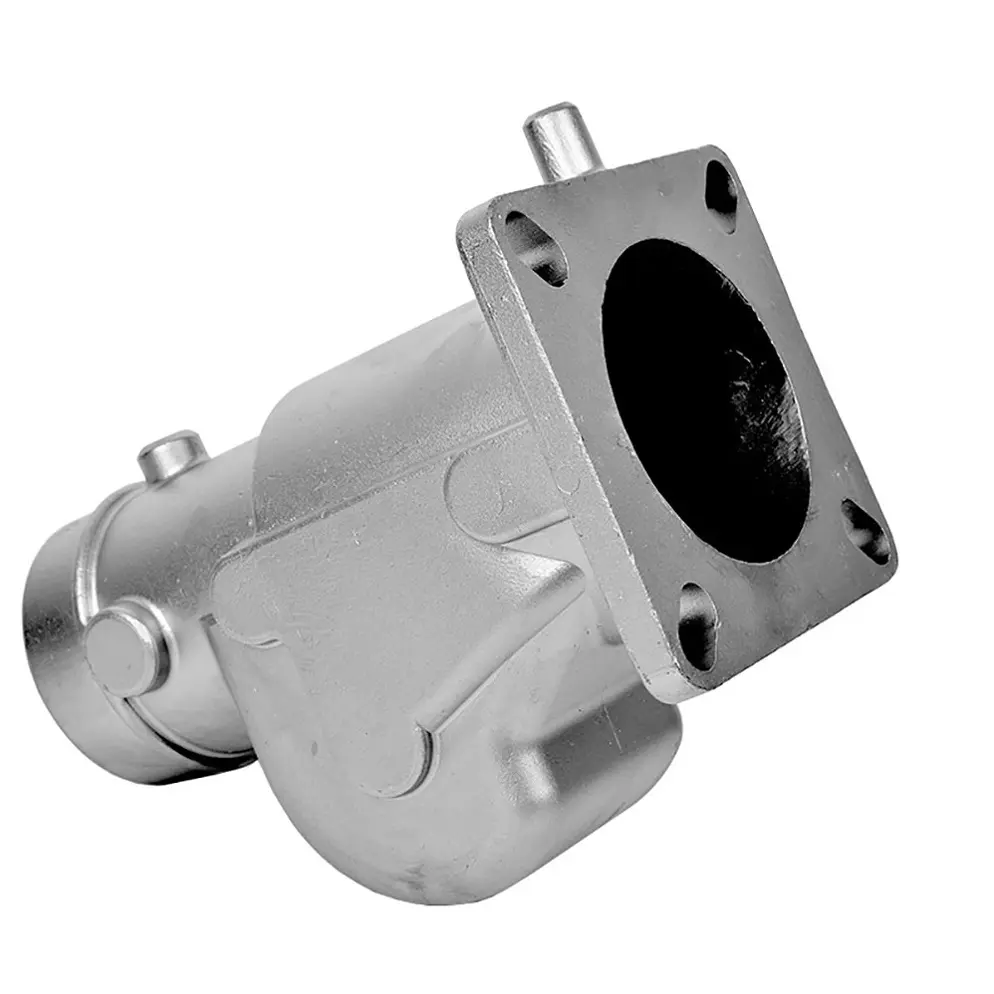
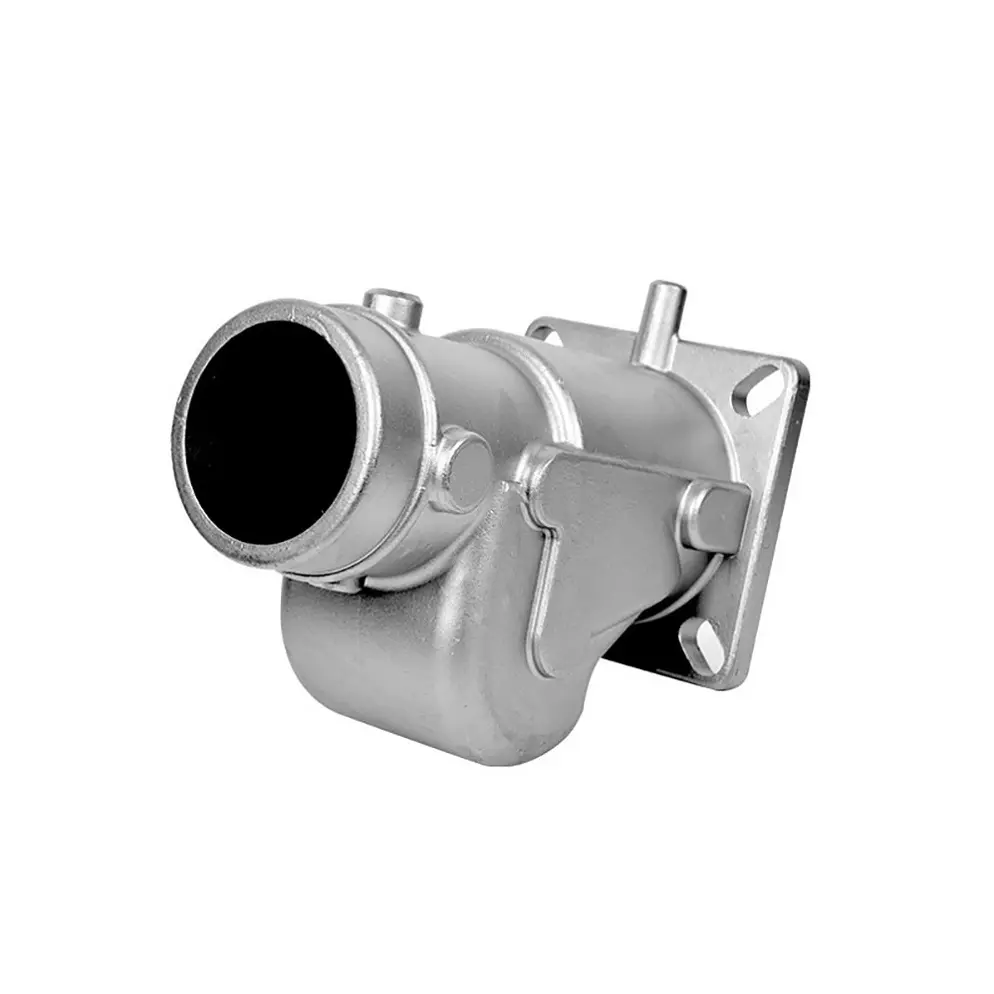
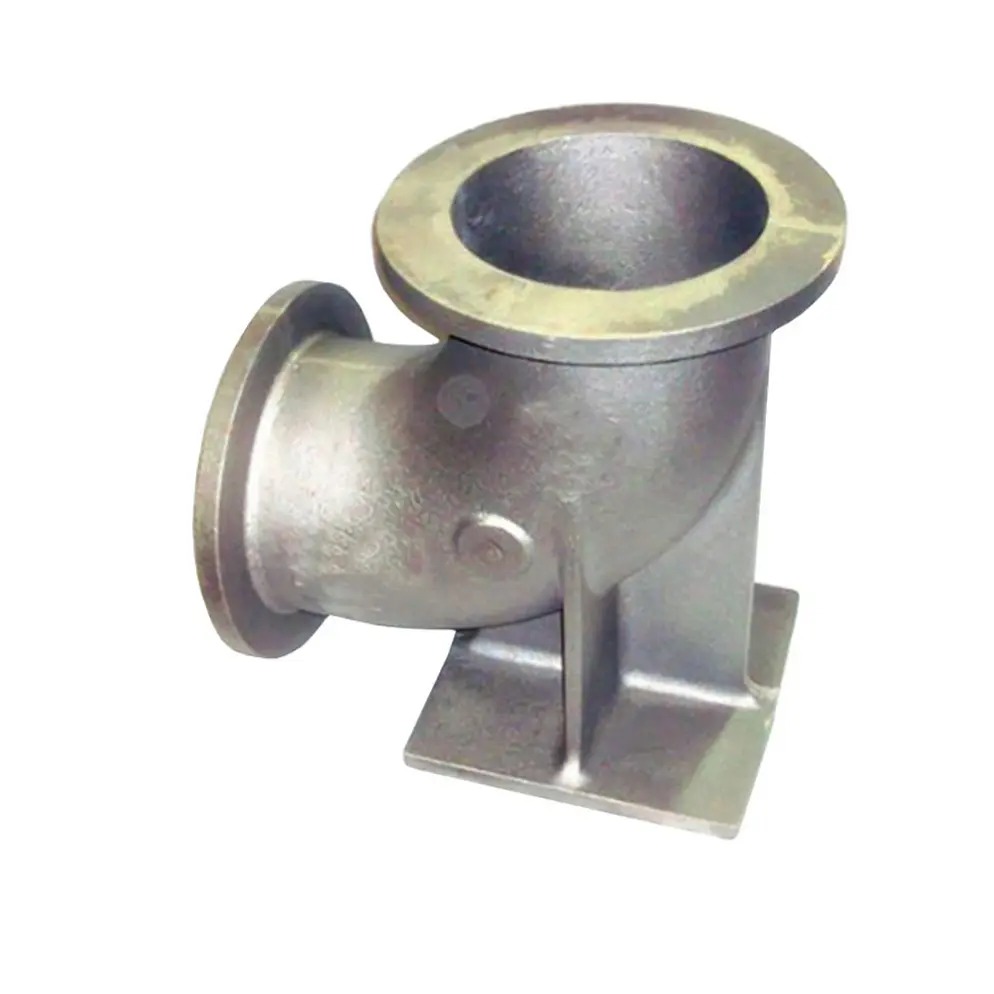
Electrical components typically require high dimensional accuracy and surface finish to ensure the stability and reliability of the equipment. Investment casting is capable of meeting these requirements, fulfilling the precision demands of electrical components. Moreover, electrical parts often feature complex geometries, such as thin walls, deep cavities, intricate patterns, and irregular holes. Investment casting can accurately replicate the shape of the wax pattern, producing complex structures that are difficult to achieve with traditional casting methods. The investment casting process meets the stringent demands of electrical components for high precision, complex structures, excellent performance, and efficient production. Therefore, investment casting is indispensable to the electrical industry.
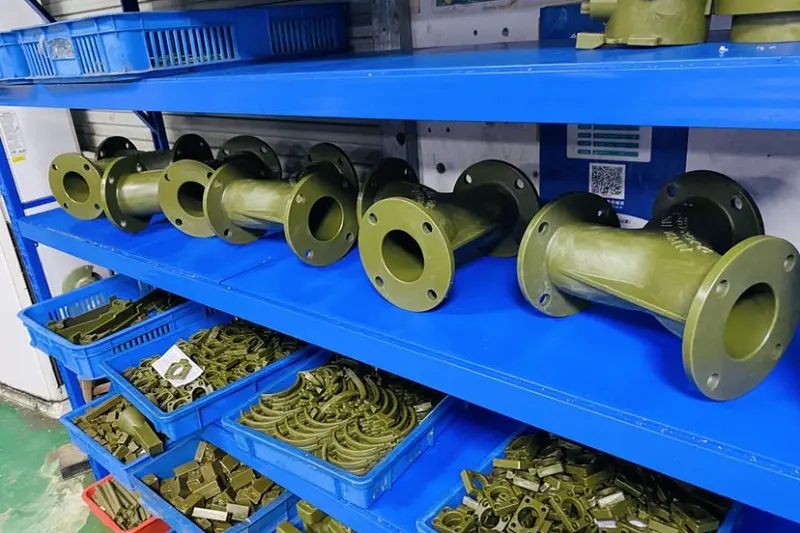
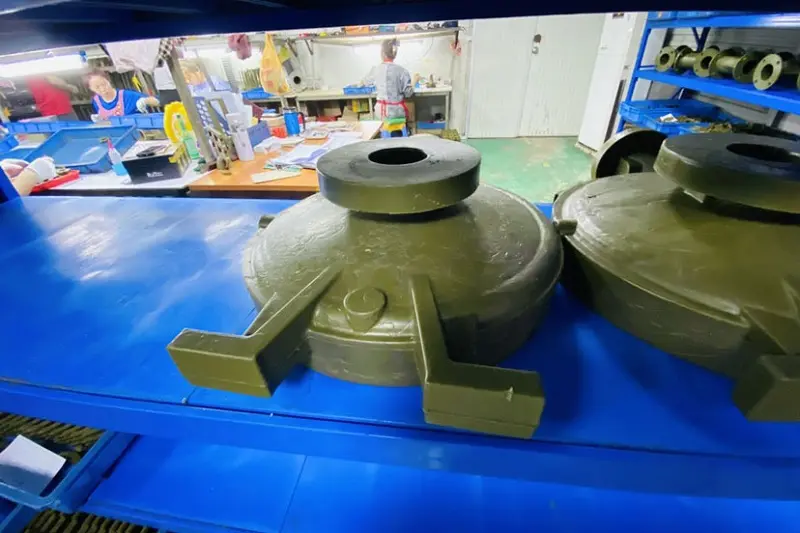
Investment casting offers significant advantages for the production of electrical components, including high precision, complex shaping, material diversity, efficient production, and cost-effectiveness. This process meets the stringent requirements of the electrical industry for component performance, accuracy, and reliability, making it an ideal choice for the manufacturing of electrical parts. With advancements in technology, investment casting will play an increasingly important role in the electrical industry. Our high-quality stainless steel castings, carbon steel castings, and alloy steel castings provide strong support for the high performance and reliability of electrical equipment.



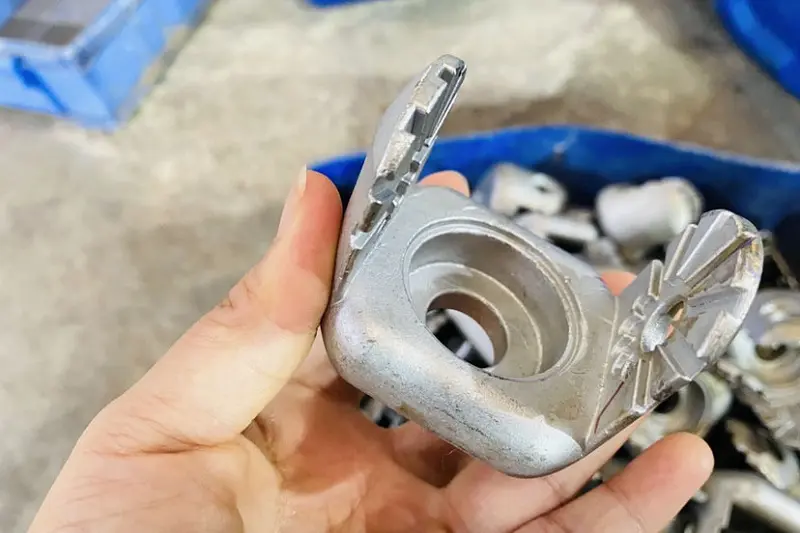
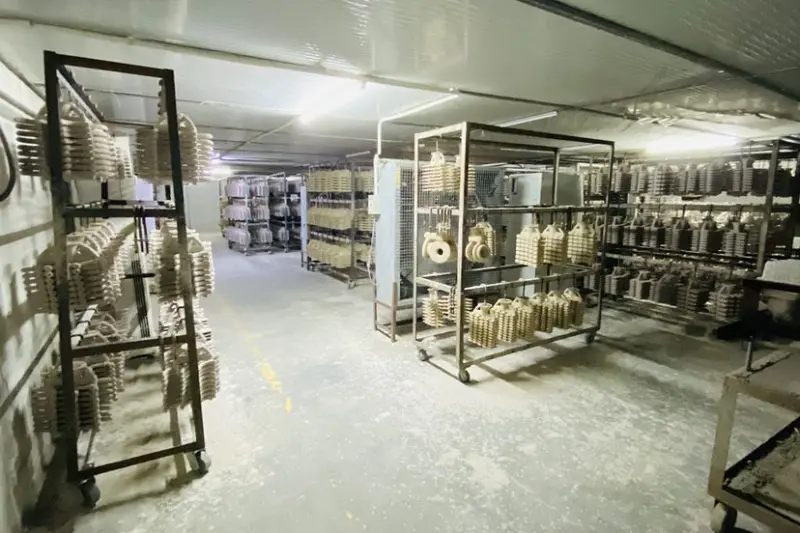
We provide high-quality and high-precision investment castings for the global electronics and electrical industry.
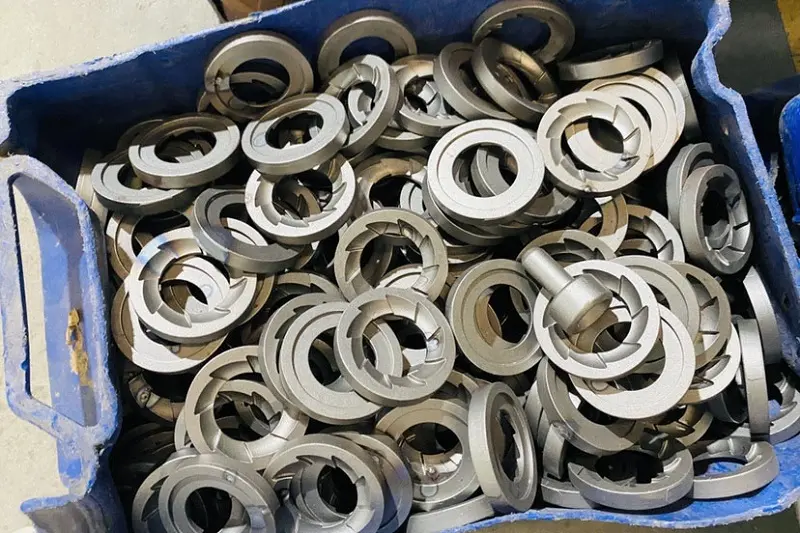
Investment casting is preferred because it delivers exceptional dimensional accuracy and superior surface finishes. It allows the creation of complex shapes with thin walls and deep cavities, ensuring the stability and performance of precise electrical devices.
Commonly used materials include high-quality stainless steel, carbon steel, and various alloy steels. These materials ensure that the manufactured electrical components exhibit high durability and corrosion resistance.
Yes. The process perfectly replicates detailed wax patterns, making it highly effective for producing complex geometries like internal pathways, irregular holes, and detailed surface designs that are difficult to manufacture via standard machining.
By producing components that are very close to their final shape (near-net-shape), investment casting minimizes material waste and significantly reduces the need for expensive secondary machining and finishing operations.
Absolutely. The flexibility of using customized wax molds allows engineering and manufacturing teams to tailor design specifications to exact client requirements for precise industrial and marine electrical systems.