 SX Machining
1 / 5
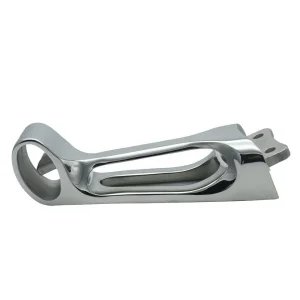
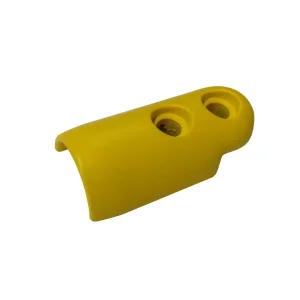
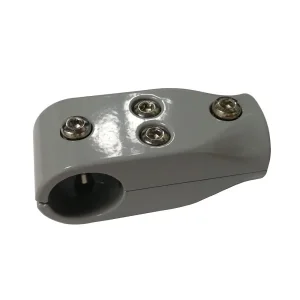
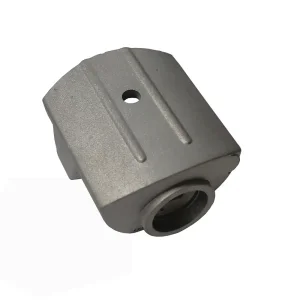
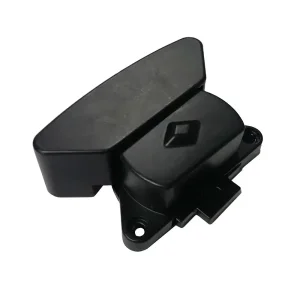
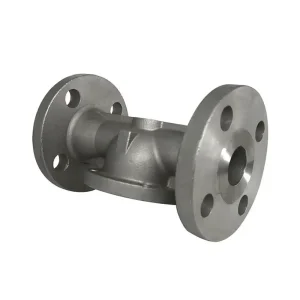
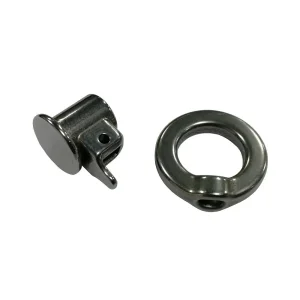
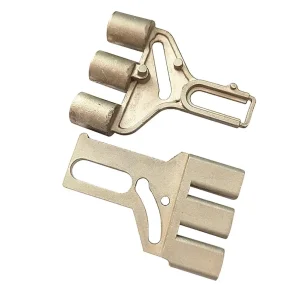
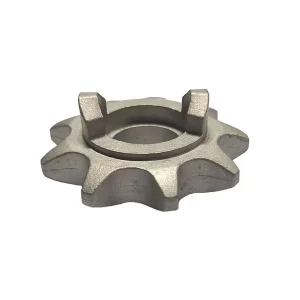
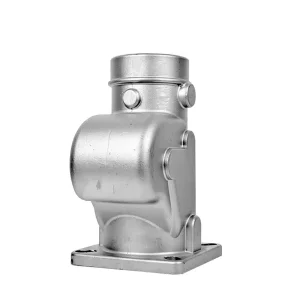
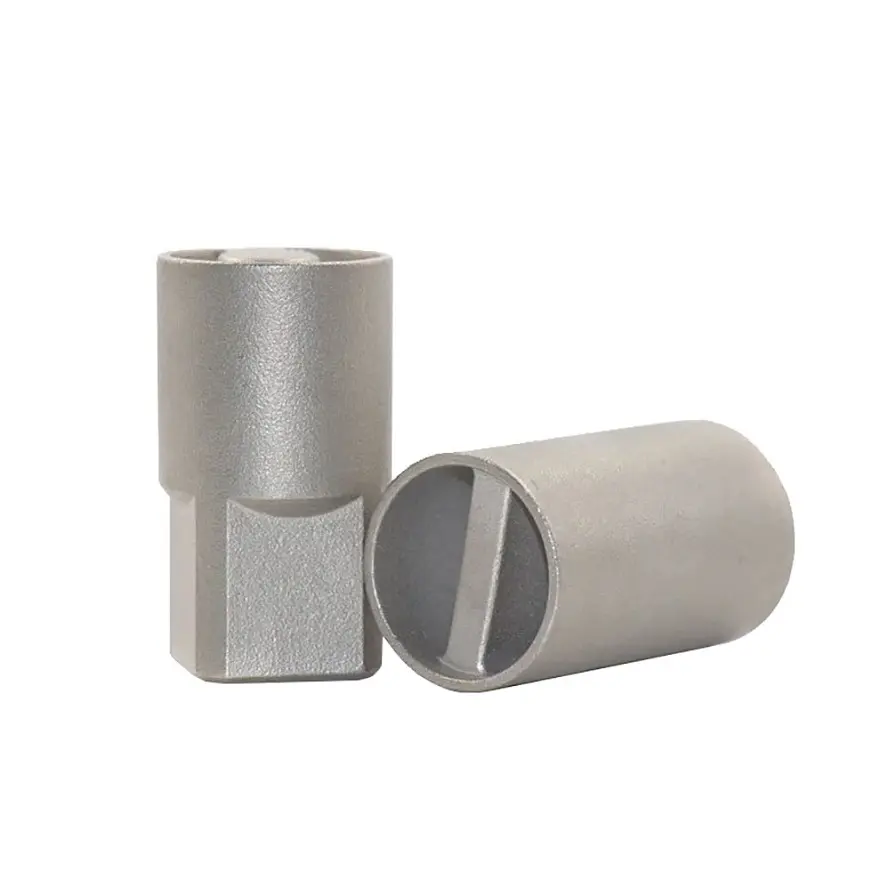
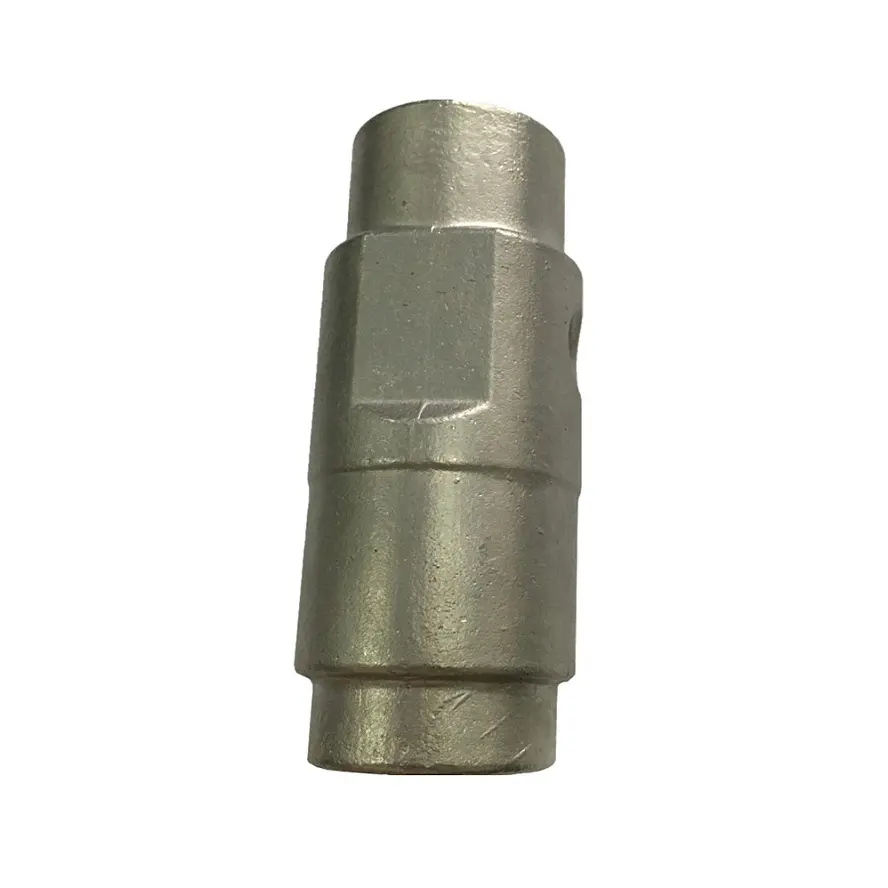
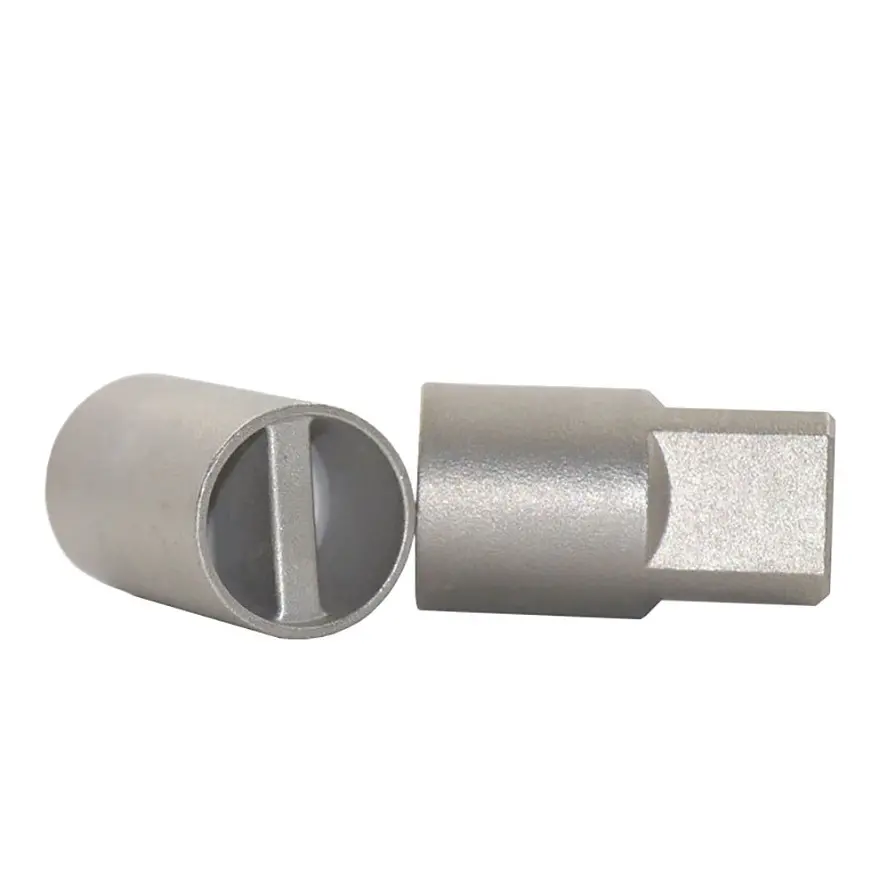
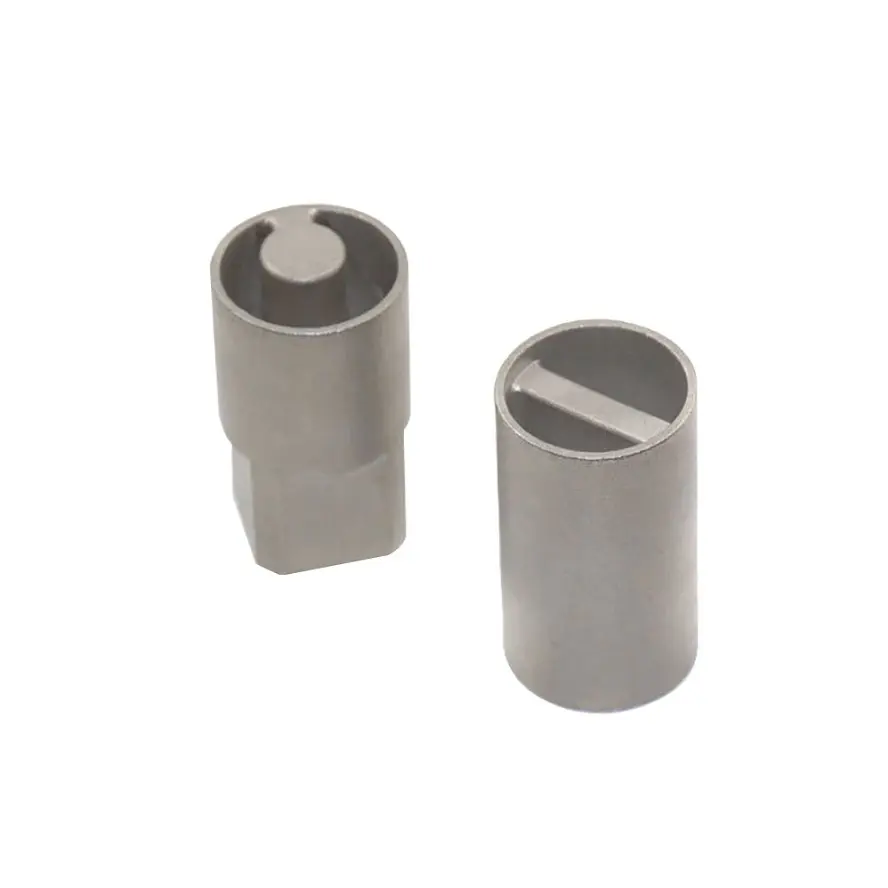
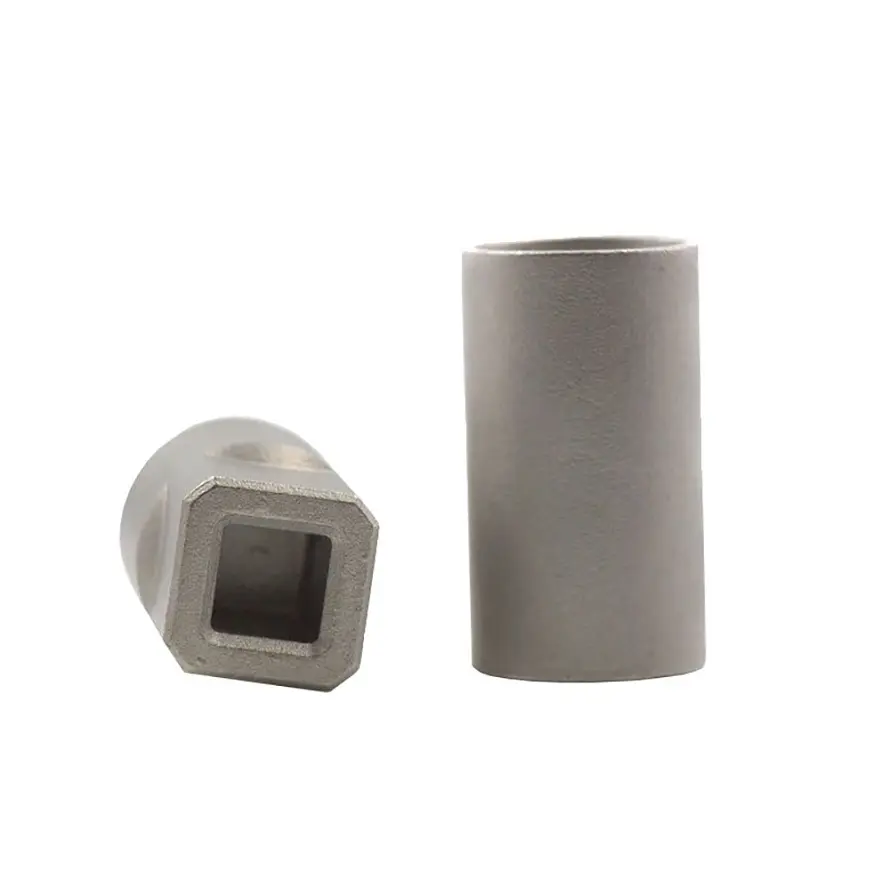
Our stainless steel castings are engineered for extreme durability in corrosive marine and chemical applications. Made from high-performance alloys like 316, duplex (2205/2507), and super austenitic grades (904L), they offer superior resistance to pitting, stress corrosion cracking (SCC), and acid/alkali attacks. Precision-manufactured through investment casting, these components undergo strict quality control, including pickling, passivation, and non-destructive testing (NDT). Ideal for seawater pumps, chemical reactors, and offshore equipment, they combine high strength with lightweight design, reducing lifecycle costs. Compliant with ASTM A351/A890 and NACE MR0175 standards, our castings ensure reliability in harsh conditions, minimizing maintenance and downtime. Custom solutions are available for complex geometries and critical performance requirements.
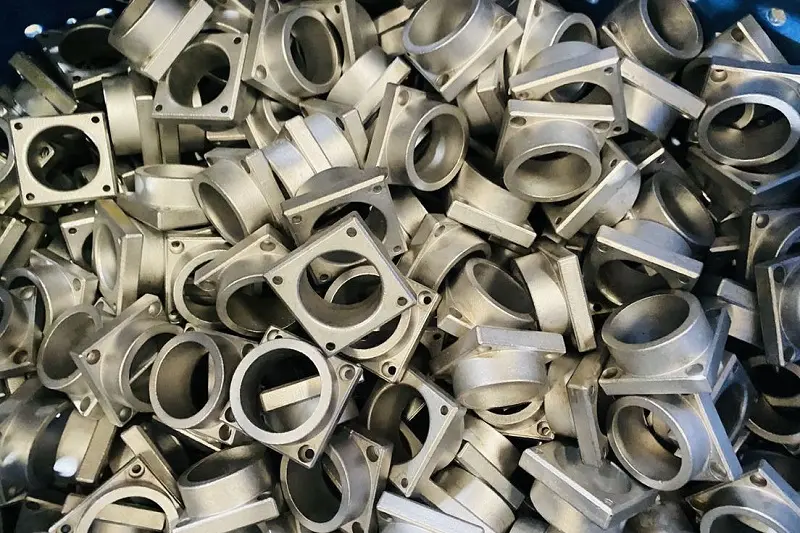
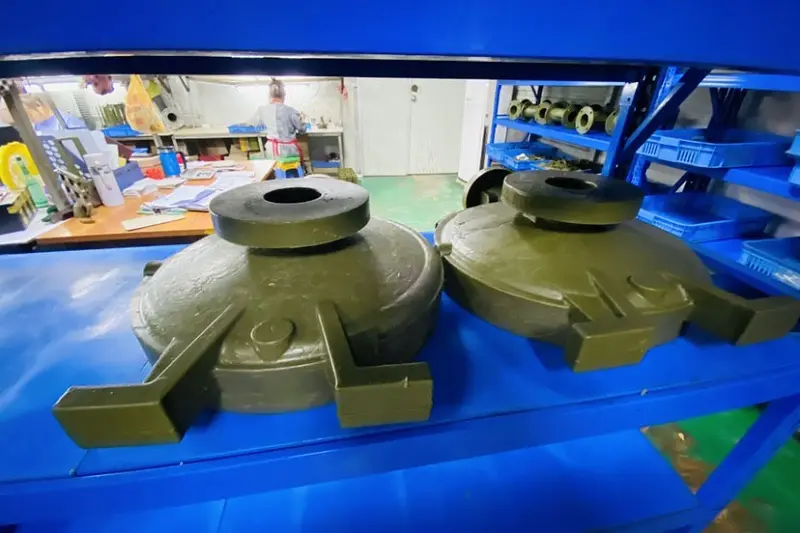
Stainless steel castings offer exceptional corrosion resistance, especially alloys like 316 and duplex grades, making them ideal for harsh marine and chemical environments. Their high strength-to-weight ratio reduces material usage while maintaining structural integrity, and they withstand extreme temperatures and pressures. Precision casting methods (e.g., investment) allow complex geometries, minimizing machining needs. However, they have higher material and production costs compared to carbon steel or plastics, and certain grades (e.g., austenitic) may suffer from stress corrosion cracking in chloride-rich environments. While post-treatments like passivation enhance durability, improper heat treatment can lead to intergranular corrosion. Despite these drawbacks, their longevity, low maintenance, and compliance with ASTM/NACE standards often justify the investment, particularly for critical applications like offshore valves or chemical reactors where failure is not an option.



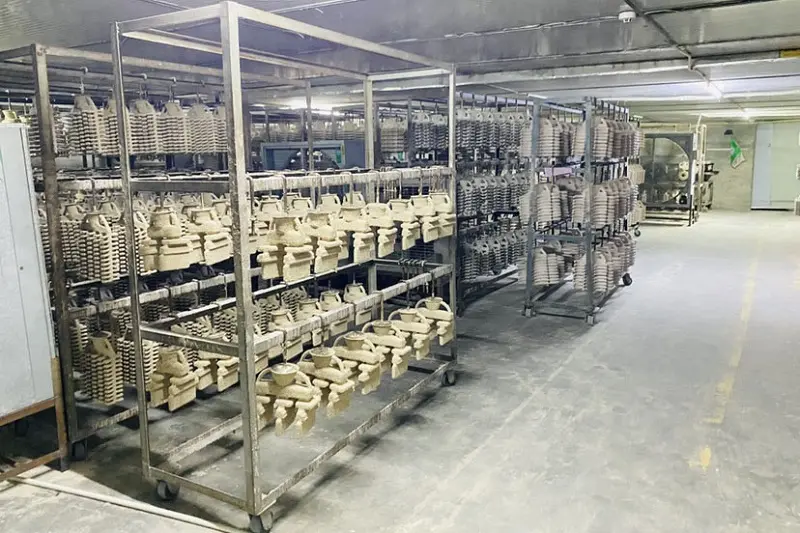
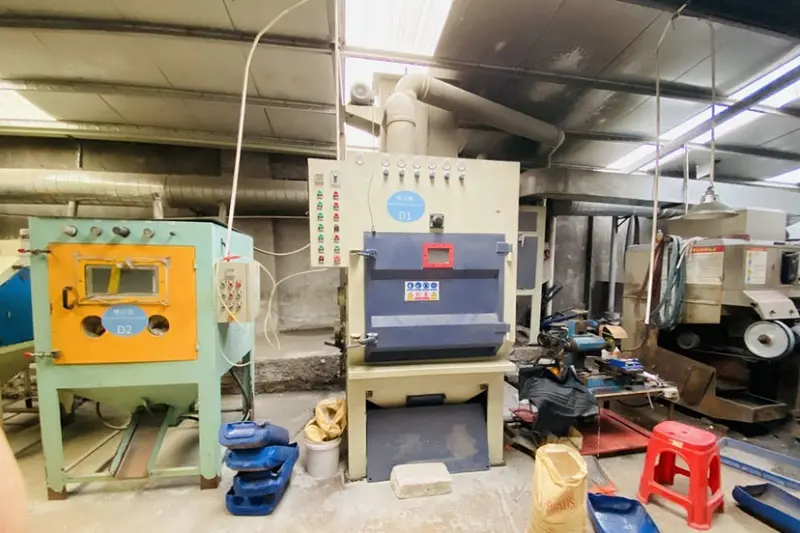
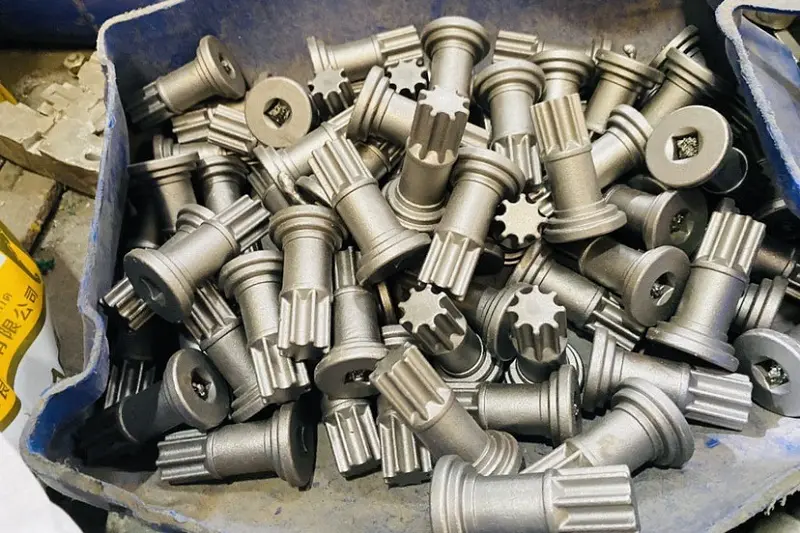
We provide custom stainless steel castings—from design to finishing—using 316, duplex, and super austenitic alloys. Precision casting, strict QA, and corrosion-resistant treatments ensure reliability for marine/chemical applications.
We use high-performance alloys including 316 stainless steel, duplex grades (2205/2507), and super austenitic grades (904L) to meet demanding corrosion and durability requirements.
Our castings are ideal for marine equipment, chemical processing reactors, seawater pump systems, offshore installations, and pipeline control systems where corrosion resistance is essential.
All components are precision-manufactured and undergo strict testing, including pickling, passivation, and non-destructive testing (NDT). They strictly comply with ASTM A351/A890 and NACE MR0175 standards.
Yes, by utilizing precision investment casting methods, we can produce highly complex geometries that reduce post-casting machining needs and optimize material use.
We utilize corrosion-resistant duplex and super-austenitic alloys and apply post-casting treatments like passivation to maximize protection against pitting and stress corrosion cracking (SCC).