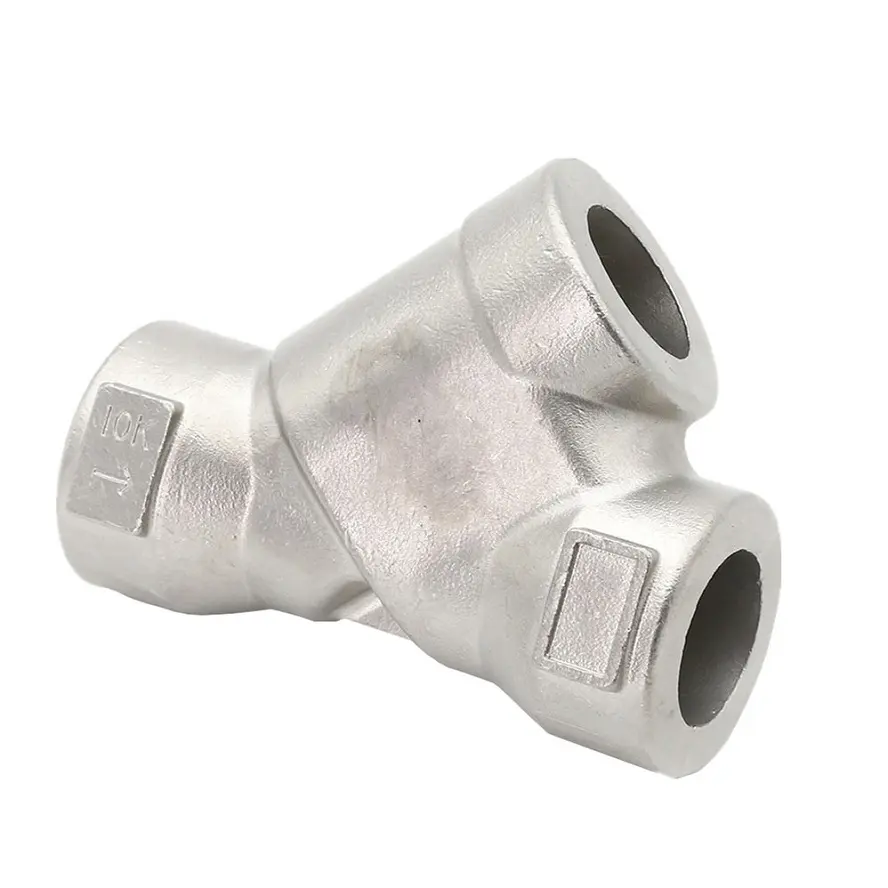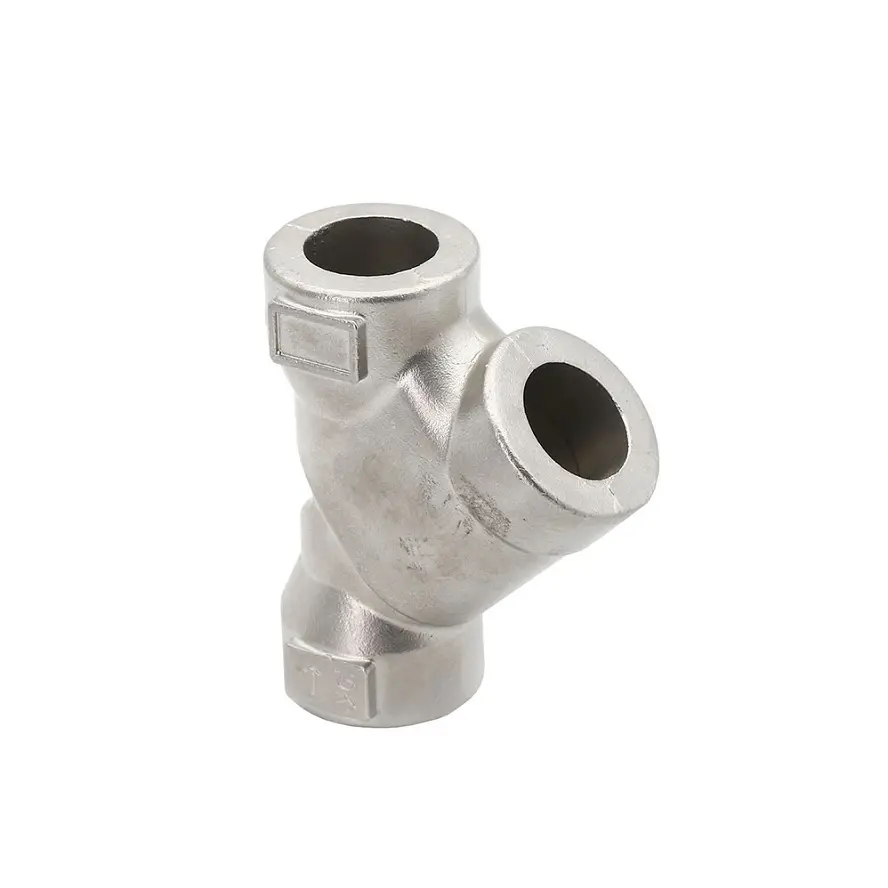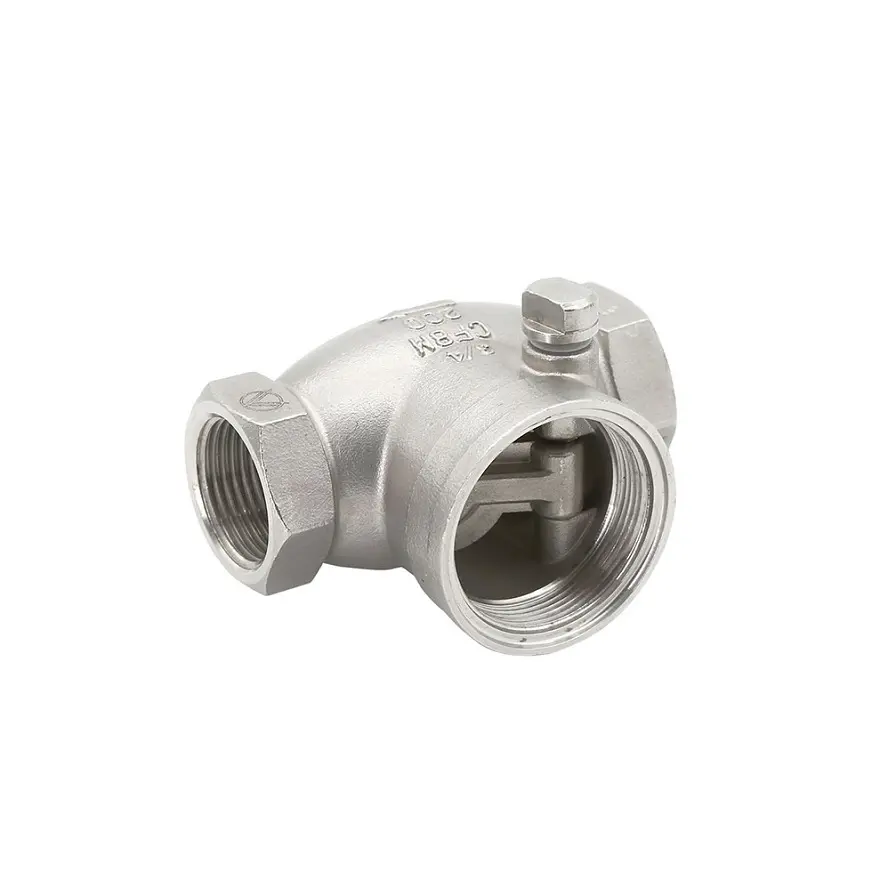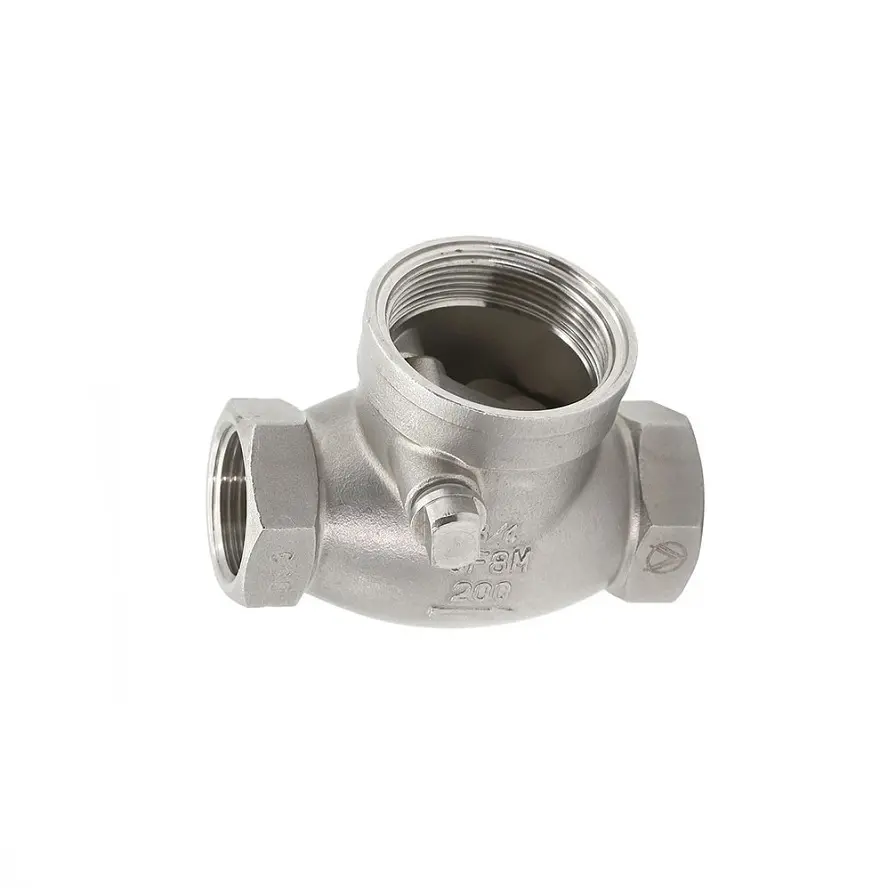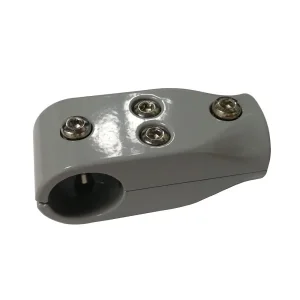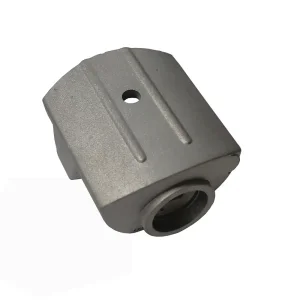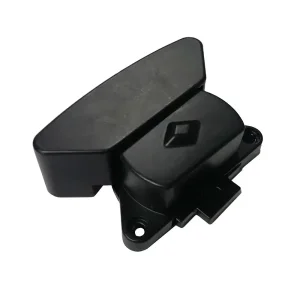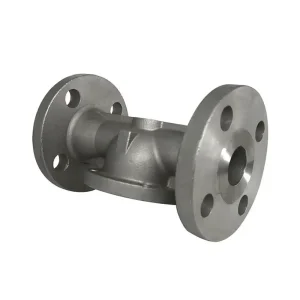
Custom Stainless Steel Casting Valve Components Product, Factory

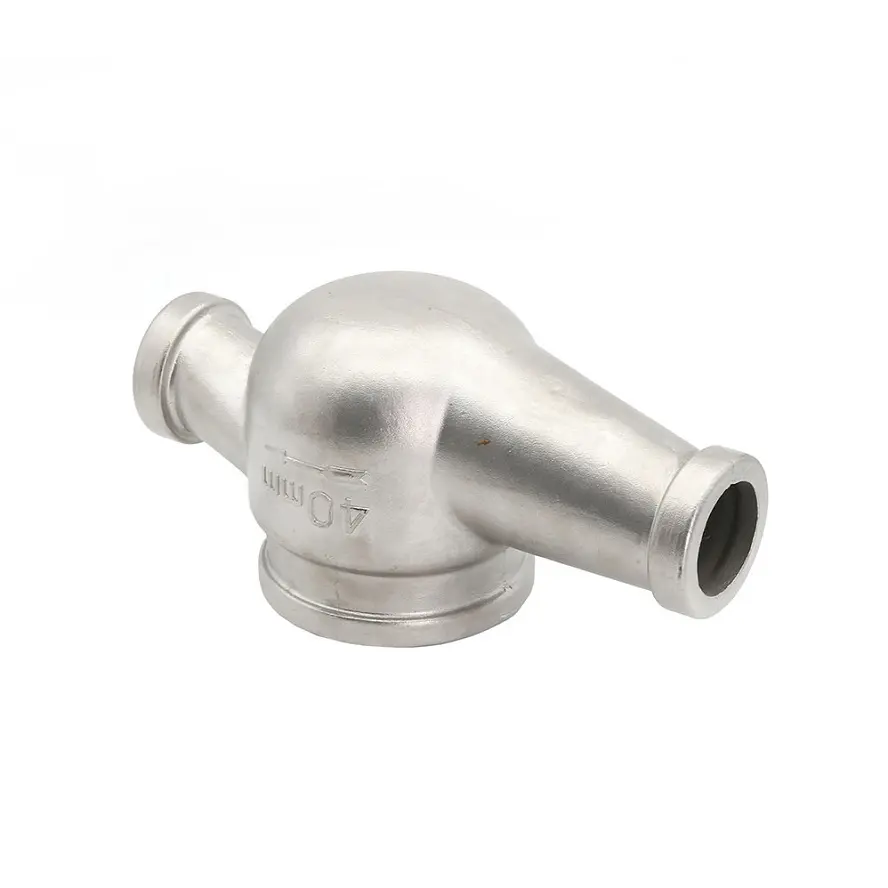
With the advancement of society and the progress of science, the demands for products have become increasingly higher and more stringent. In the past, valves were primarily produced using sand casting, but now, investment casting has largely replaced sand casting as the mainstream production method. Valve components produced through investment casting exhibit higher precision, fewer sand holes (or even none), and superior surface quality, fully meeting the needs of societal development. Our company specializes in precision investment casting, capable of producing a variety of products such as carbon steel castings, iron castings, alloy steel castings, and stainless steel castings. We rigorously control production processes and product quality, thereby significantly improving the yield rate.

Product Description

Characteristic

Investment casting technology demonstrates unique advantages in the manufacturing of valve components due to its exceptional process characteristics. This technique is capable of producing valve parts with complex shapes and intricate details, not only meeting high-precision technical requirements but also significantly reducing the need for subsequent secondary machining. The valve components produced by investment casting exhibit smooth and refined surfaces, making them particularly suitable for products with stringent surface quality standards. Through rigorous process control, investment casting effectively minimizes common defects such as porosity and slag inclusions, thereby further enhancing the overall quality of the castings. This improvement in quality is directly reflected in the post-assembly valve products, leading to a substantial reduction in defect rates, a notable increase in product quality, and an upgrade in product grade. Investment casting offers significant advantages in multiple aspects, including but not limited to precision control, surface quality, material utilization, and design flexibility. These advantages make it an ideal choice for the production of high-quality, complex-shaped valve components, providing robust technical support for the advancement of the valve manufacturing industry.
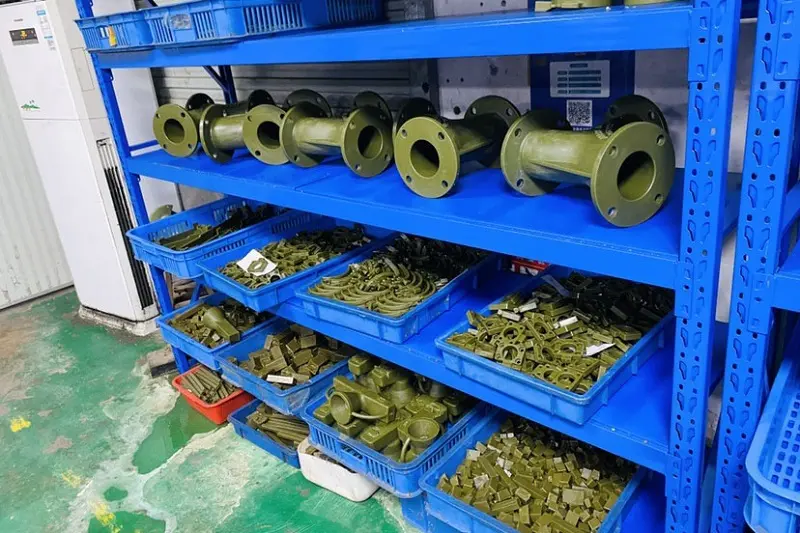
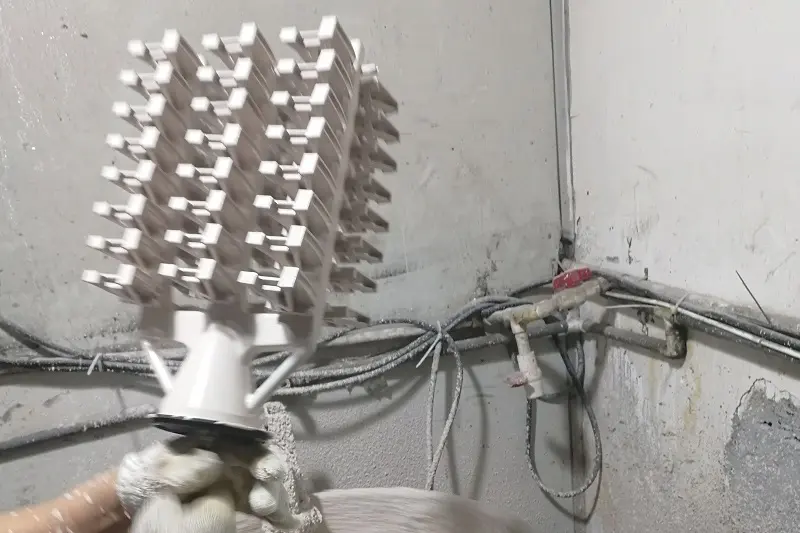
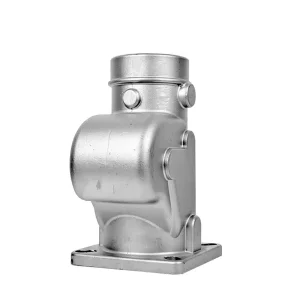
Marine Valve Body Casting with High Precision Tolerance
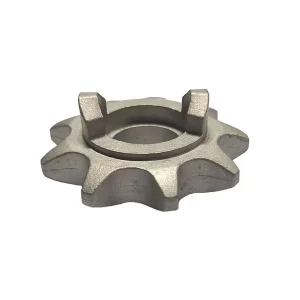
Metal Investment Casting Alloy Steel Cam for Mechanical Motion
Properties and Advantages

Due to significant improvements in precision, surface quality, porosity control, and the complexity of product structures compared to traditional sand casting, investment casting has seen increasing adoption in recent years, with many investment castings replacing sand castings. However, for large components, the cost of investment casting is relatively high, resulting in poorer economic efficiency. As a result, investment casting is typically more suitable for the production of small and medium-sized parts. Nonetheless, this process is well-suited for both mass production and small to medium batch production needs.


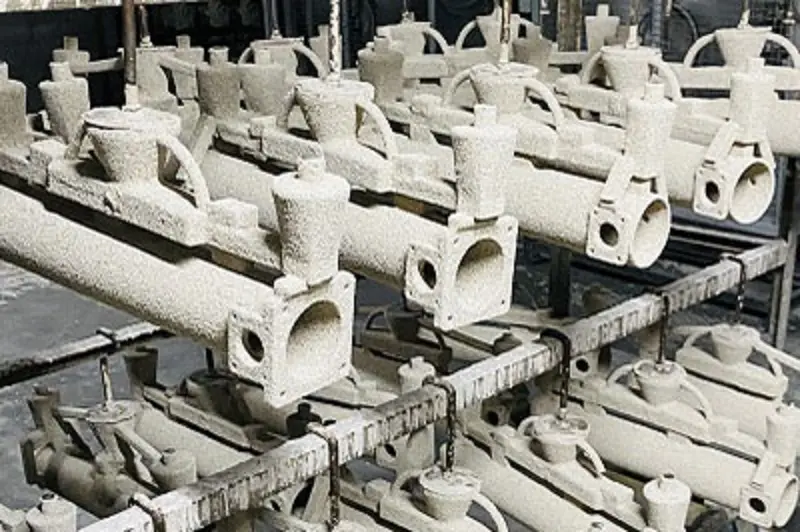
Design
Design Stage in Casting
Engineered
Engineering Process in Casting
Manufactured
Manufacturing Phase in Casting
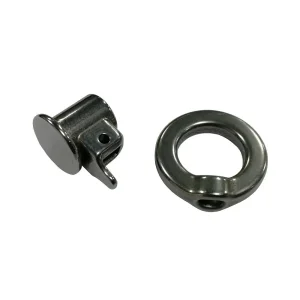
Metal Lost Wax Casting Stainless Steel Connector for Oil Pipelines
Stainless Steel Investment Casting for Marine Valve
Services
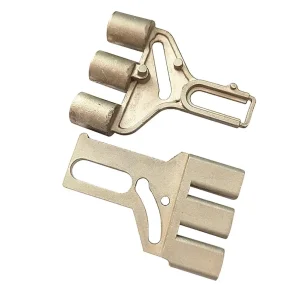
Carbon Steel Casting Product for Outdoor Hand Tool

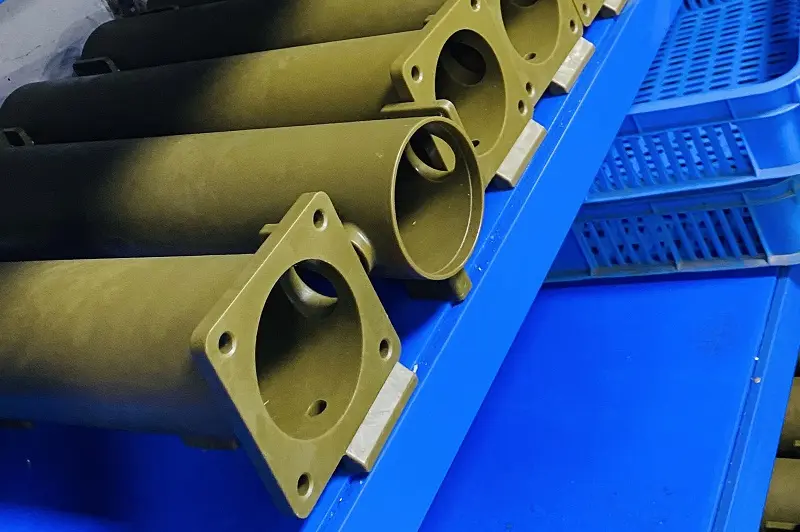
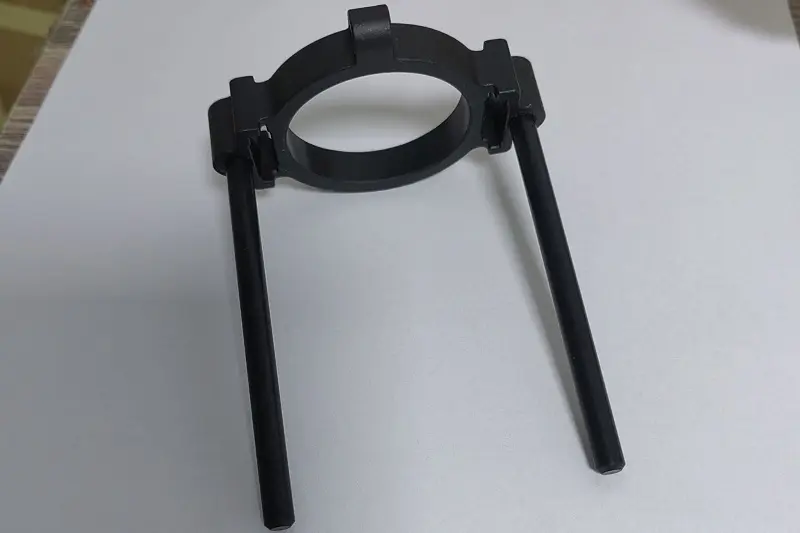
We not only provide high-quality investment castings in various materials (such as valves, mechanical components, etc.), but also offer a comprehensive range of services including secondary CNC machining, heat treatment, surface treatment (such as blackening, phosphating, spraying, etc.), as well as welding and assembly. This one-stop solution ensures that our customers can rely on us to meet all their needs seamlessly.
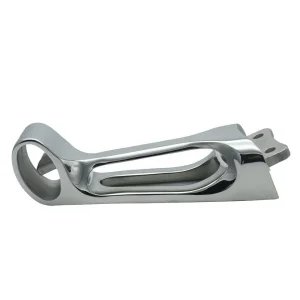
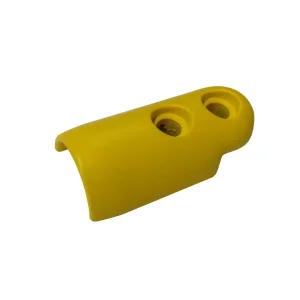
  • Secondary CNC Machining
  • Heat & Surface Treatments
  • Welding & Product Assembly
Frequently Asked Questions
What are the primary advantages of investment casting for valve components?
Investment casting enables the creation of valve parts with complex shapes and intricate details. It provides high precision, smooth surface finishes, and minimizes common defects like porosity, which reduces the need for secondary machining and lowers product defect rates.
Is investment casting suitable for large-sized components?
Generally, investment casting is most cost-effective for small to medium-sized parts. While large components can be cast, the relative cost of the process makes it less economically efficient than other methods for oversized items.
Can investment casting support low-volume production runs?
Yes, this casting process is highly versatile and fits both high-volume mass production and small to medium batch manufacturing needs efficiently.
What secondary processing services are available after casting?
Comprehensive post-casting services include high-precision secondary CNC machining, heat treatment, surface finishing processes (such as blackening, phosphating, and spraying), along with final welding and assembly.
How does investment casting differ from traditional sand casting?
Compared to traditional sand casting, investment casting delivers significantly better dimensional accuracy, superior surface quality, minimized porosity, and accommodates much more complex design architectures.

Related Products