 SX Machining
1 / 5
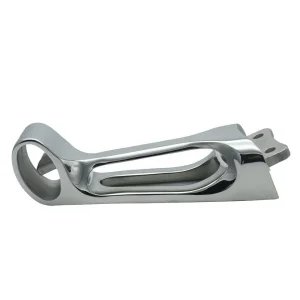
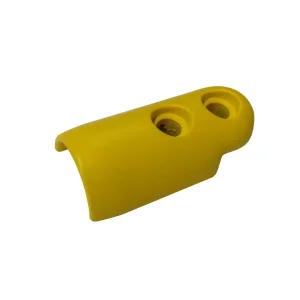
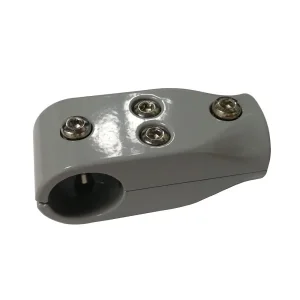
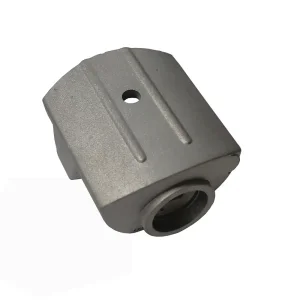
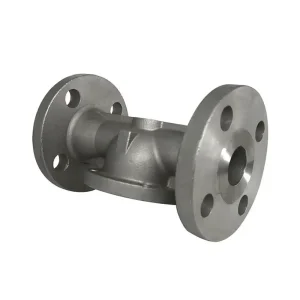
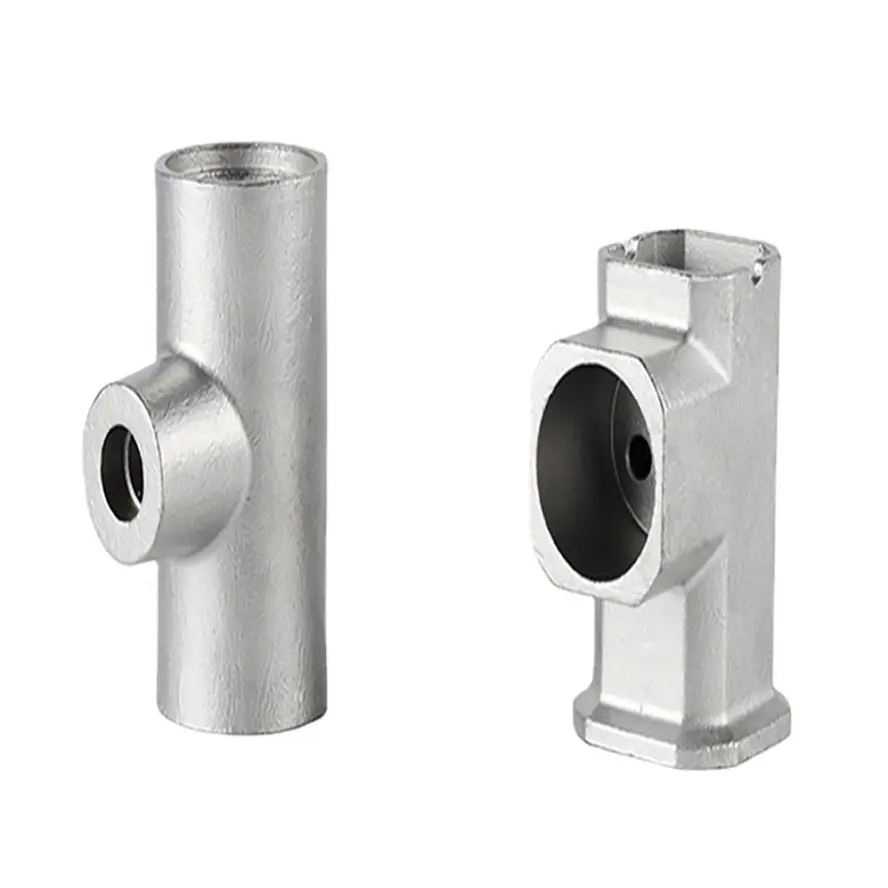
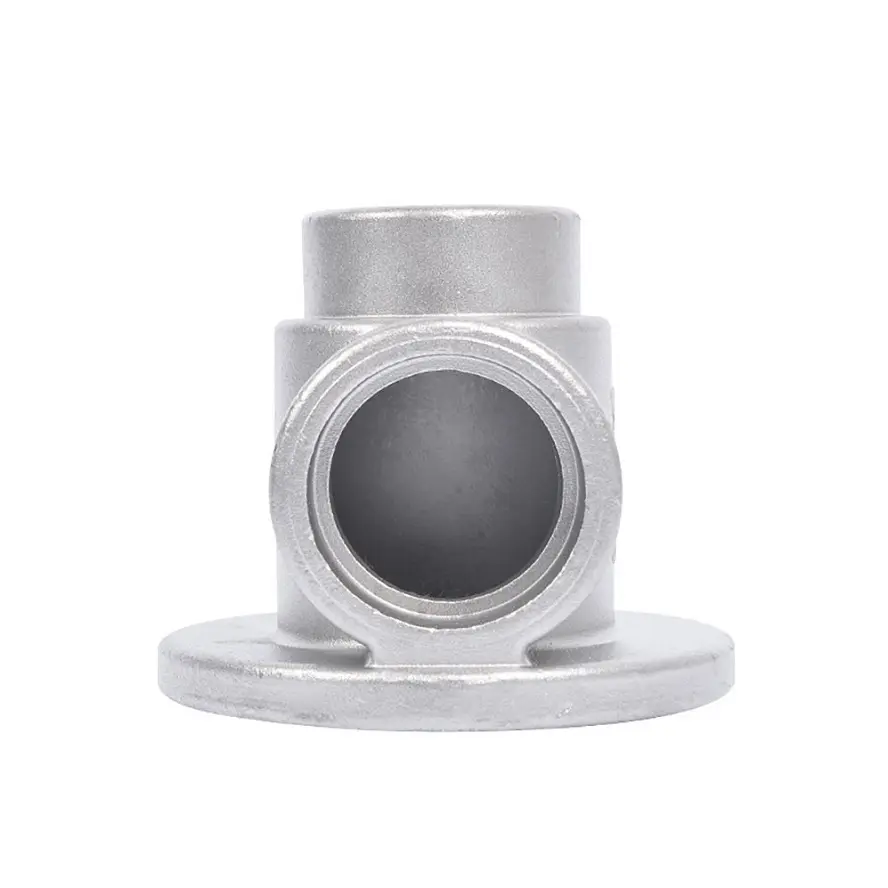
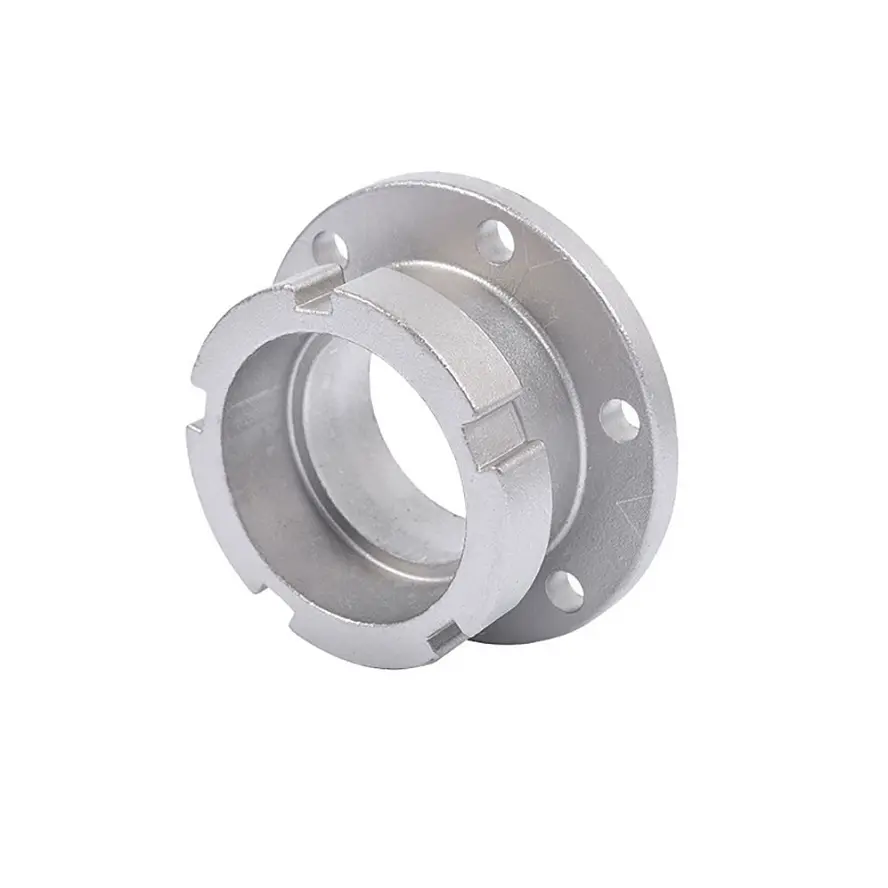
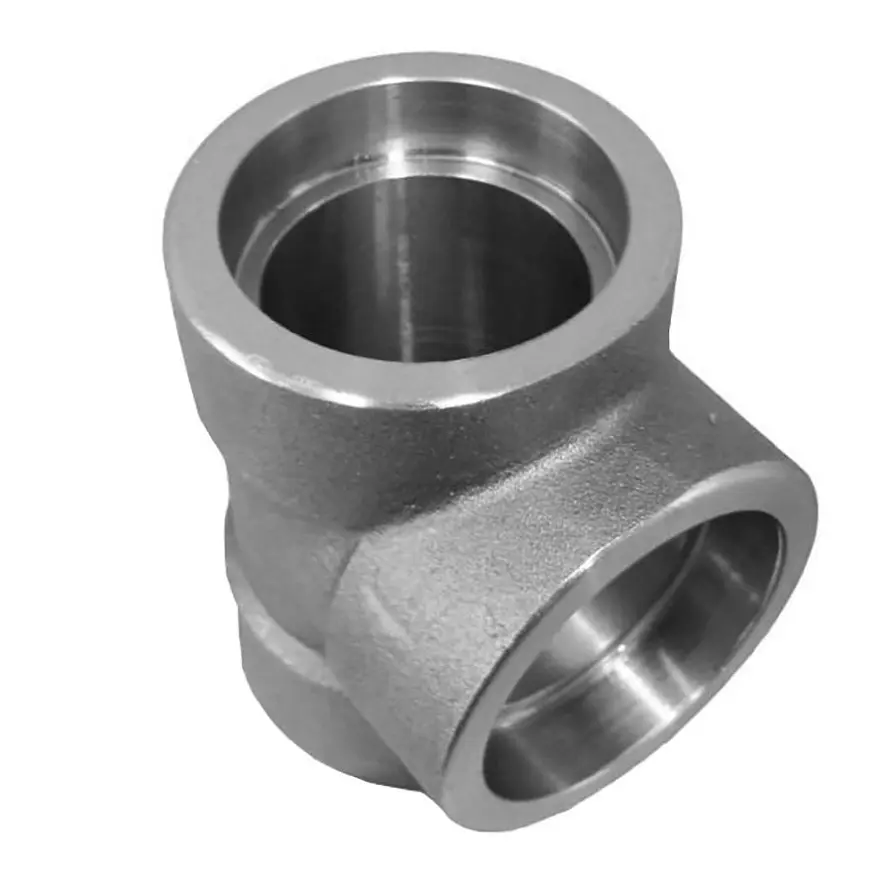
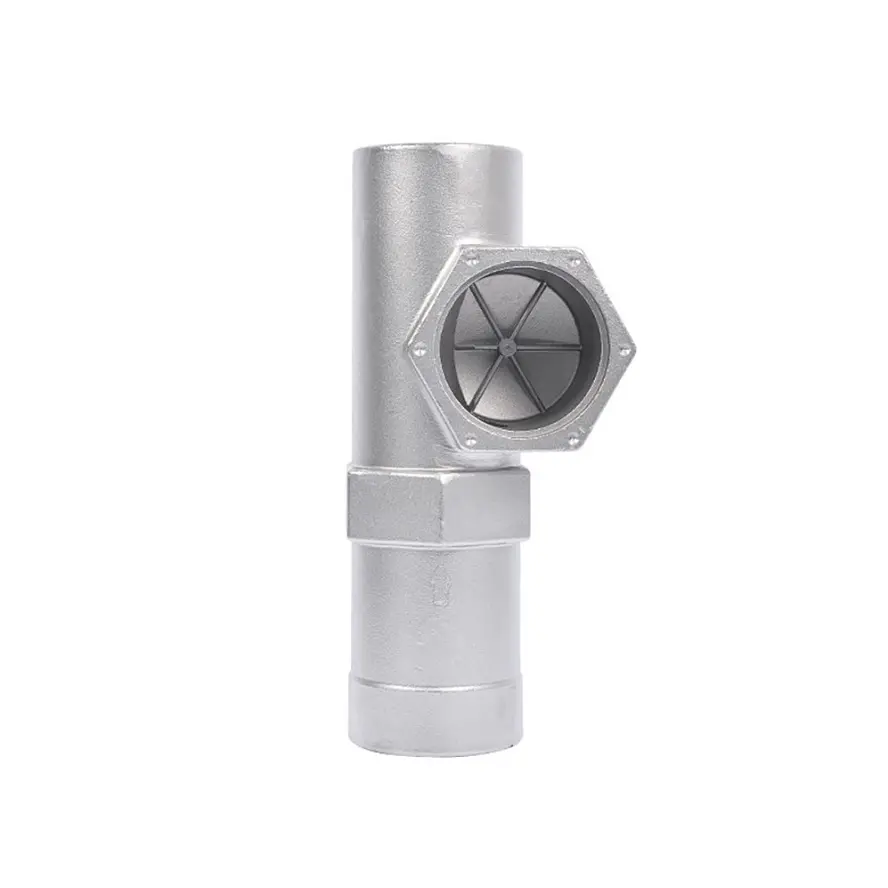
Investment casting process delivers valve components of exceptional quality, combining precision engineering with material excellence. The lost-wax technique achieves remarkable dimensional accuracy and superior surface finishes (Ra 3.2μm or better), significantly reducing machining requirements while enabling complex geometries, thin walls, and intricate internal passages unattainable through conventional methods. We specialize in a wide range of materials including stainless steels, duplex/super duplex alloys, and high-performance superalloys, all conforming to ASTM, ASME, and API standards. The controlled solidification process ensures optimal grain structure, enhancing mechanical properties for superior performance in high-pressure, high-temperature, and corrosive environments. This near-net-shape manufacturing approach not only improves material utilization but also reduces production costs and lead times. Our consistent process capability ensures repeatable quality for both standard and custom valve designs, providing engineered solutions for the most demanding fluid control applications.
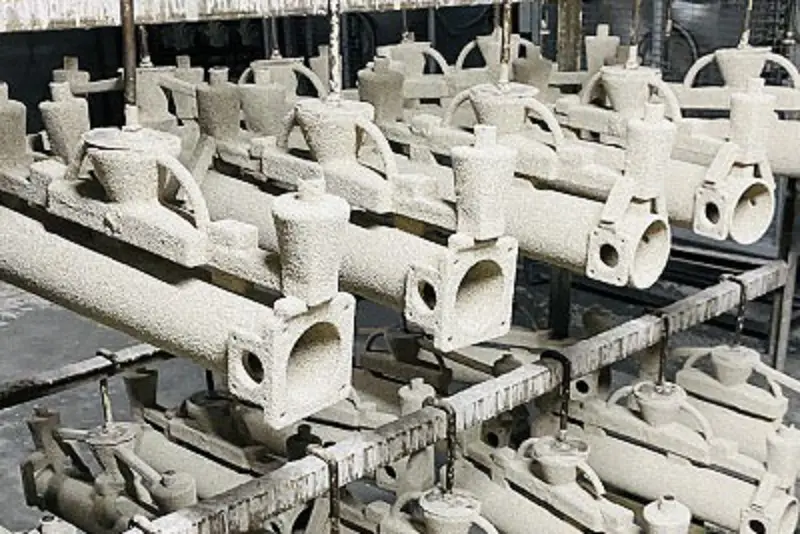
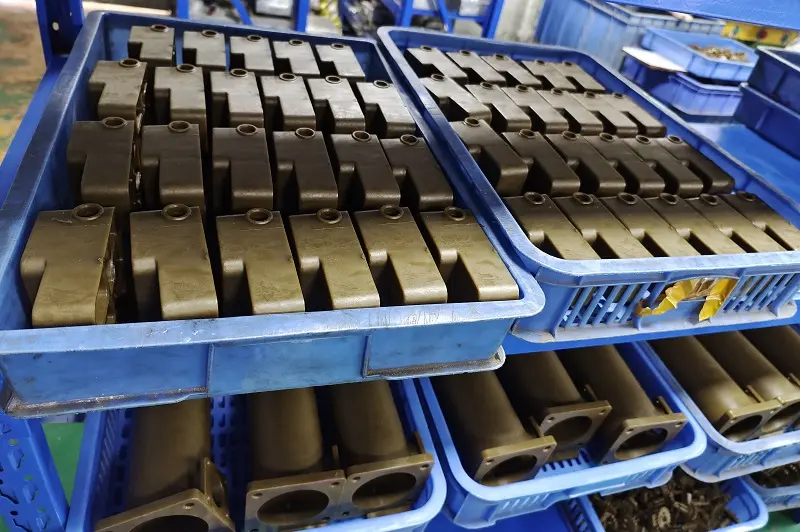
Investment casting produces valve components with superior dimensional accuracy and smoother surfaces than sand casting or forging, minimizing machining needs. Unlike traditional methods, it enables complex internal geometries and thin walls while maintaining structural integrity. The process offers better material utilization and tighter tolerances than sand casting, with more design flexibility than forging. Our castings undergo rigorous NDT testing, ensuring leak-proof performance in critical applications. With excellent repeatability and the ability to use high-performance alloys, investment casting delivers precision valves with longer service life and lower total cost than conventional alternatives.



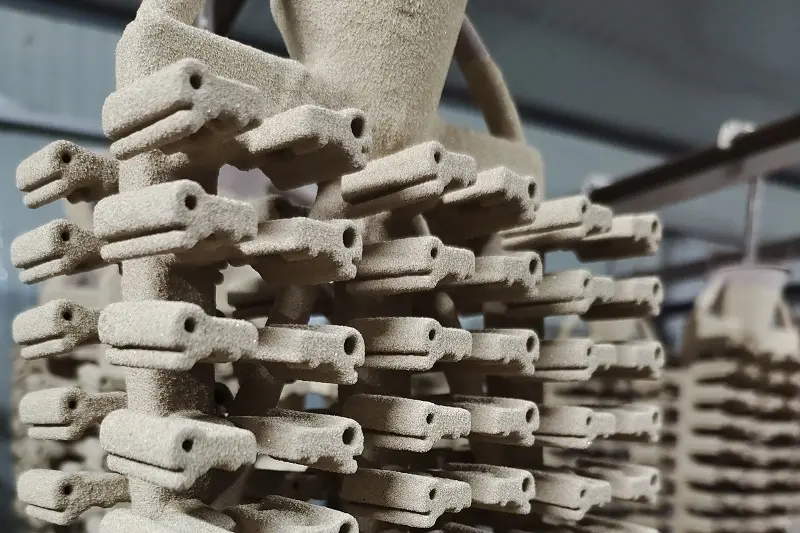
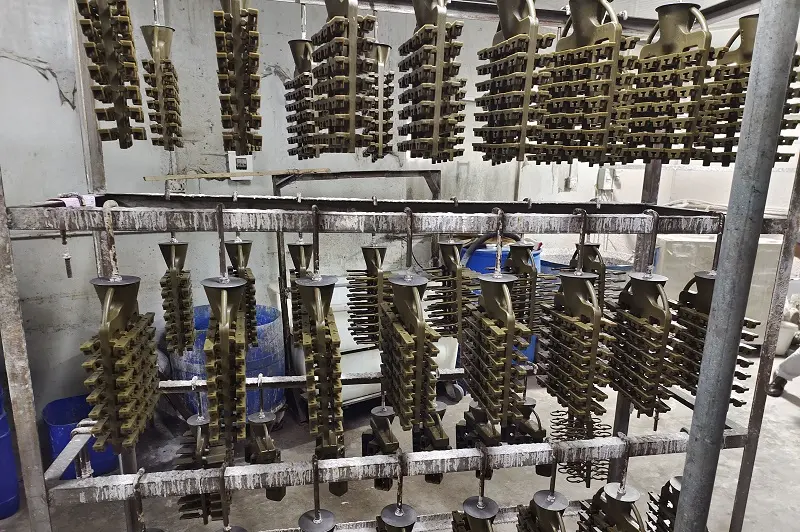
We provide end-to-end investment casting services for precision valves - from design & prototyping to production & quality testing - using premium alloys for superior performance.
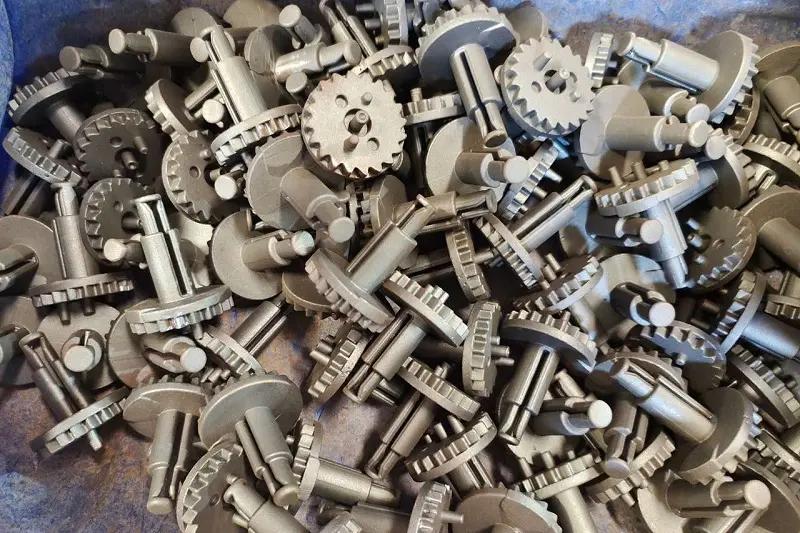
Investment casting offers exceptional dimensional tolerance, reduces the necessity for extensive secondary machining, and permits the creation of highly complex internal pathways and thin-walled structures optimal for fluid control applications.
The lost-wax casting process typically yields smooth surface finishes of Ra 3.2μm or better. This level of finish prevents turbulence in flowing media and limits friction wear inside the valve assembly.
A broad spectrum of materials can be cast, including standard stainless steels, duplex/super duplex alloys, carbon steel, and specialized superalloys engineered to withstand harsh high-temperature and highly corrosive media.
Quality assurance includes strict control over solidification to guarantee optimal grain structure, supplemented by Non-Destructive Testing (NDT) to verify casting integrity and guarantee leak-proof performance under elevated pressures.
Yes, because it is a near-net-shape manufacturing method, it minimizes raw material waste and reduces machining times. This translates to lower overall production costs and reduced lead times for both standard and customized geometries.