How to Choose the Best CNC Milling Services for Your Needs?

Time:2026-08-23 Author:Henry
0%

Choosing the right CNC milling services can significantly impact your project’s success. It requires careful consideration of various factors. According to John Smith, a prominent expert in CNC technology, "The right CNC milling service can elevate your production to new heights." His insight emphasizes the need for informed decision-making.

CNC milling services encompass a wide range of capabilities. From complex prototypes to high-volume production, understanding your specific needs is crucial. Factors such as material choice, precision, and turnaround time play vital roles. However, many businesses overlook key details that can affect the final outcome. This oversight can lead to wasted resources and subpar products.

Focusing on quality and reliability is essential. Researching potential providers helps ensure they possess the right expertise. Customer reviews and case studies can offer valuable insights. Remember that not every provider will meet your unique requirements. Taking the time to assess your options can save you from future complications. As the industry evolves, being proactive about your choices becomes increasingly important.
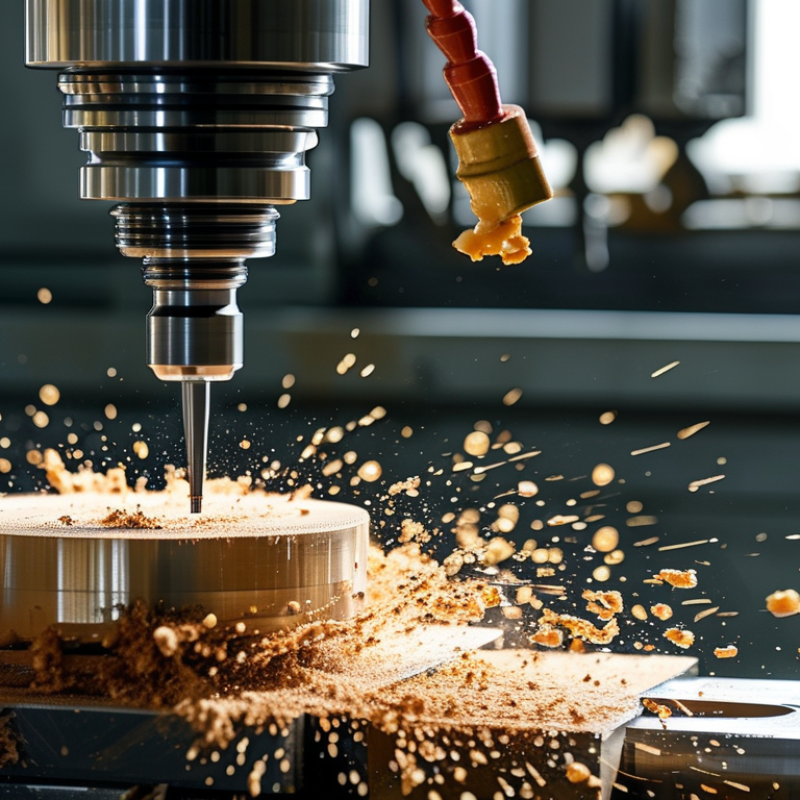
How to Choose the Best CNC Milling Services for Your Needs?

Understanding CNC Milling Services: An Overview of Capabilities and Types

CNC milling services play a crucial role in modern manufacturing. They offer a range of capabilities to meet various needs. Understanding these capabilities helps in making informed decisions.

Different types of CNC milling machines are used for specific tasks. Some are designed for producing intricate components, while others handle bulk production. Precision is key; some machines can achieve tolerances within thousandths of an inch. This level of accuracy is essential for industries like aerospace or medical equipment. However, not all services emphasize quality control equally, which can lead to discrepancies.

Material selection also varies among services. Common materials include aluminum, steel, and plastics. Each material has unique properties that affect the milling process. Services may offer limited material choices, impacting your project. It’s important to communicate your material needs clearly. Sometimes, potential challenges arise during the milling process. For instance, specific materials may require special tooling or techniques. A good service should guide you through these considerations.

Evaluating CNC Milling Companies: Key Performance Indicators to Consider

When selecting CNC milling services, key performance indicators (KPIs) should guide your decision. Start by assessing the company's experience in your specific industry. Look for firms with a proven track record in similar projects. This ensures that they understand the unique challenges and requirements of your sector. Quality control processes are also crucial. A reliable company will have stringent quality measures in place. This guarantees that the final product meets your expectations.

Another important KPI is technology and equipment. Check if the company uses modern CNC milling machines. Advanced technology often indicates a higher level of precision and efficiency. Reliability of the service is paramount. A firm that can consistently meet deadlines and deliver quality work will save you time and money. Reading customer reviews can provide insight into reliability and overall satisfaction. Online platforms often showcase real-life experiences, helping you make an informed choice.

For better results, prioritize communication. A responsive team can clarify your queries and ensure project alignment. Regular updates are essential for tracking progress. Keep an eye on pricing as well. It should reflect the quality of work offered. Low costs can sometimes indicate subpar services. Always balance cost with expected quality to find the best fit for your needs.

Material Selection in CNC Milling: How to Choose Based on Project Needs

Material selection is crucial in CNC milling. The project requirements heavily influence this choice. Different materials have distinct properties that affect machining efficiency and final product quality. For metal projects, aluminum is lightweight and easy to machine. Steel offers strength but can pose challenges during cutting. It's essential to understand each material's characteristics before making a decision.

Consider the application's specific needs when selecting materials. For instance, if the part must withstand high temperatures, tough plastics or heat-resistant alloys may be ideal. On the other hand, for aesthetic applications, materials with a superior finish, like anodized aluminum, could be necessary. Each option has benefits, but trade-offs also exist. Evaluating these factors requires experience and expertise.

When unsure, consult with professionals. Their insights can guide material selection based on practical outcomes and technical limitations. Real-world applications often reveal surprising challenges. Being open to adjustments and new information can significantly enhance the final product. Rethinking initial choices may lead to better functionality and performance.

Precision and Tolerances: Industry Standards for CNC Milling Services

When selecting CNC milling services, understanding precision and tolerances is crucial. Precision in CNC milling refers to the accuracy with which a part is manufactured. The tolerances define the acceptable limits of these measurements. Industry standards often dictate that tolerances can vary between ±0.001” and ±0.005”, depending on the specific job. It’s essential to clarify these specifications upfront.

In practice, achieving the desired precision can be challenging. Factors such as material type, tooling wear, and machine calibration can affect outcomes. It's vital to discuss these elements with your chosen service provider. Some companies may not meet the necessary standards, leading to costly revisions. Reliable service providers maintain strict quality control protocols. They use advanced measurement equipment to ensure compliance with industry standards.

Evaluating past projects can offer insight into a provider's capabilities. Review case studies or seek references to assess their previous work. A focus on continuous improvement indicates a commitment to quality. Consider whether they implement regular training for their staff. This ensures that their team stays updated with the latest techniques and standards. Understanding these factors can help you select the best CNC milling services for your needs.

How to Choose the Best CNC Milling Services for Your Needs?

Criteria Description Industry Standard Example Tolerance
Precision The accuracy of the machined parts to the intended specifications. ISO 2768 ±0.1 mm
Surface Finish The texture of the surface of the machined part. Ra 0.8 to Ra 3.2 0.8 µm
Material Compatibility The types of materials that can be processed by the milling service. ASTM Standards Aluminum, Steel, Plastics
Lead Time The time taken from order placement to delivery of parts. N/A 2-4 weeks
Cost The overall cost for milling services including material and machining. N/A $50 - $200 per hour

Cost Analysis: Balancing Quality and Budget in CNC Milling Projects

When selecting CNC milling services, cost is a crucial factor. The average hourly rate for CNC milling can range from $75 to $150. However, the quality of the service often dictates the price. It’s important to understand what you're paying for. A lower cost might compromise precision or finish quality, which can lead to increased expenses down the line.

According to a report by the American Machinists Association, the cost of poor-quality machining can be up to 20% of the total project budget. This emphasizes balancing quality and cost. Investing in higher-quality services can prevent rework and delays. However, it’s essential to evaluate if the premium services truly offer added value.

Consider your project’s specific requirements. Complex designs may necessitate advanced machinery, which can increase costs. But, opting for standard designs may save money. Always request a detailed quote that outlines all potential charges. This transparency helps avoid unexpected expenses. Making informed decisions is vital in maximizing the effectiveness of your budget while ensuring quality outcomes.

FAQS

: What should I look for in CNC milling experience?

: Focus on companies with a proven track record in your specific industry to understand your unique challenges.

How important are quality control processes in CNC milling?

Stringent quality measures guarantee that the final product meets your expectations and maintains high standards.

Why is technology crucial when choosing a CNC milling service?

Modern machines often offer higher precision and efficiency, impacting the quality of the final product significantly.

How can I assess a CNC milling company's reliability?

Reading customer reviews on online platforms provides insights into their reliability and overall satisfaction.

What role does communication play in CNC milling projects?

A responsive team ensures project alignment and provides regular updates, keeping you informed about progress.

How should I approach material selection for CNC milling?

Understand your project's specific needs and the properties of materials to enhance machining efficiency and quality.

What precision and tolerance standards should I expect?

Tolerances typically range between ±0.001” and ±0.005”, depending on the project. Discuss these upfront with your provider.

Why is consulting professionals important in material selection?

Professionals can offer insights into practical outcomes and technical limitations based on their real-world experiences.

How can previous project evaluations help in choosing a CNC provider?

Reviewing past projects or references offers insight into a provider's capabilities and commitment to quality improvements.

What should I consider regarding pricing in CNC milling?

Ensure pricing reflects the quality of work offered; low costs might indicate inferior services or compromises in quality.

Conclusion

When selecting CNC milling services, it's crucial to understand the various capabilities and types available in the market. This involves evaluating potential companies based on key performance indicators such as precision, turnaround time, and customer service. Material selection is also vital; different projects may require specific materials to meet functional and aesthetic needs. Additionally, understanding industry standards for precision and tolerances ensures that the finished product meets the required specifications.

Cost analysis plays a significant role in choosing CNC milling services, as it is essential to balance quality and budget effectively. By carefully considering the factors outlined above, businesses can make informed decisions that align their project requirements with the optimal CNC milling service provider, thereby achieving the best results for their needs.


Henry

Henry

Henry is a dedicated marketing professional with a profound expertise in the company's offerings. With years of experience in the industry, he possesses an impressive understanding of the market dynamics and consumer behaviors that drive success. Henry is committed to sharing his insights through......