CNC machining services have revolutionized the manufacturing landscape. Experts in the field, like Dr. Sarah Williams, emphasize their importance. She once stated, "CNC machining bridges the gap between precision and efficiency." With advancements in technology, these services enable businesses to produce high-quality components with intricate designs. However, the choice of a CNC machining service is not always straightforward.
Many factors influence this decision. Companies often grapple with cost versus quality. A perfect balance is crucial for market competitiveness. Reliable CNC machining service providers can offer tailored solutions to meet specific needs. Yet, finding such providers is often a challenge.
Furthermore, while CNC machining offers speed and accuracy, issues such as maintenance and machine calibration require ongoing attention. Companies must be prepared for these challenges. Ultimately, selecting the right CNC machining service can lead to significant competitive advantages, but businesses must approach the decision with caution and thorough evaluation.
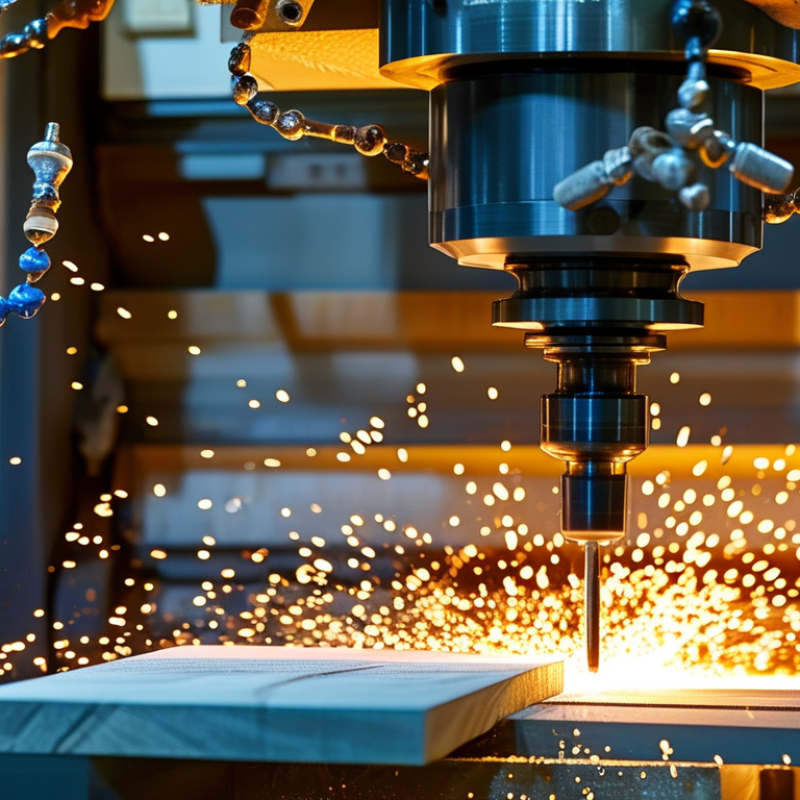
CNC machining has transformed modern manufacturing with its precision and efficiency. According to a report by MarketsandMarkets, the CNC machining market is projected to reach $117 billion by 2025, demonstrating its growing importance in the industry. This technology allows for intricate designs and complex components to be produced with minimal human intervention. Mistakes in traditional methods can be costly, but CNC machining reduces these risks.
One significant benefit of CNC machining is reduced lead time. A study from Grand View Research shows that companies using CNC services can decrease production time by up to 30%. This means faster turnaround, allowing businesses to respond quickly to market demands. Automated processes streamline production, but the reliance on technology raises questions about the need for skilled operators. The sophistication of CNC machinery demands operators who understand both the technology and the manufacturing process.
Another advantage lies in material utilization. CNC machining minimizes waste, achieving efficiency rates close to 90%. This is crucial for companies looking to cut costs while being environmentally responsible. The investment in CNC technology pays off, but it requires careful consideration. Not all projects may warrant the switch, and the initial cost can be a hurdle. Companies must weigh these factors to determine if CNC machining aligns with their strategic goals.
CNC machining services have become essential for various sectors. In the automotive industry, precision is crucial. A report from Statista reveals that the global automotive CNC machining market was valued at approximately $3 billion in 2020, with a projected annual growth rate of 7.5%. This growth reflects the demand for intricate parts that ensure vehicle efficiency and safety.
The aerospace sector also heavily relies on CNC machining. According to a recent survey by MarketsandMarkets, the aerospace CNC machining market is expected to reach $4.3 billion by 2026. Machined parts used in aircraft must meet strict safety standards. These components often require complex geometries that can only be efficiently produced using CNC technology.
Medical manufacturing is yet another field benefiting from CNC machining. The precise manufacturing of surgical instruments and implants calls for advanced machining techniques. A report from Grand View Research indicates that the global medical device CNC machining market is projected to witness a CAGR of 6.6% from 2021 to 2028. However, the challenge here lies in maintaining consistency and ensuring that the materials used do not compromise patient safety. The reliance on technology for quality assurance sometimes leaves room for imperfections, which cannot be overlooked.
CNC machining is a vital process in modern manufacturing. It utilizes computer-controlled machines to create precision parts from various materials. Understanding the CNC machining process reveals its significance. This includes the use of techniques such as milling, turning, and drilling. These methods ensure high accuracy and repeatability in production.
Recent industry reports indicate that the global CNC machining market is expected to reach $100 billion by 2027. This growth is driven by the increasing demand for high-quality components across sectors like aerospace and automotive. CNC machining offers significant benefits such as reduced lead times and minimal waste. However, achieving precision is not without challenges. Operators must continually refine their skills to manage machine settings and understand material behavior. This is where expertise comes into play.
Moreover, the initial setup of CNC machines can be time-consuming. A poorly calibrated setup may lead to defects, which can compromise the entire production run. Continuous monitoring and adjustments are essential. It's crucial to invest in training for staff, ensuring they can navigate these complexities. Quality assurance processes should also be integrated to catch errors early. Balancing automation with skilled oversight is vital for success.
CNC machining has emerged as a cornerstone in modern manufacturing. It offers significant cost advantages, especially for production runs. According to a report by the Freedonia Group, CNC machining can reduce production costs by up to 30% compared to traditional methods. This is largely due to its efficiency and precision. It minimizes material wastage and reduces labor costs.
With CNC machining, automated processes mean fewer manual interventions. A study by IBISWorld highlights that firms using CNC machines can scale operations with less overhead. However, the initial investment may be a concern for some manufacturers. Evaluating the long-term savings is crucial.
Precision is another key factor. CNC machines can produce parts with tolerances as tight as 0.01 mm. This accuracy can lead to fewer errors and reworks. Nevertheless, there are instances where design adjustments during production can disrupt timelines and inflate costs. Manufacturers need to balance precision with adaptability. The potential for human error still exists, especially in programming. Recognizing these challenges helps in optimizing the process.
| Parameter | Value |
|---|---|
| Setup Time (hours) | 2 |
| Production Time per Unit (minutes) | 5 |
| Material Used | Aluminum |
| Cost per Unit ($) | 15 |
| Minimum Order Quantity | 100 |
| Lead Time (days) | 10 |
| Average Customer Satisfaction (%) | 95 |
CNC machining is vital for achieving quality and precision in manufacturing. It enables the creation of complex parts with tight tolerances. This technology reduces human error significantly, leading to consistent results. Understanding the intricacies of CNC machines is crucial. Not all operators are equally skilled. This variability can affect outcomes.
Quality assurance is integral to CNC machining services. Advanced technologies can minimize defects, yet imperfections may still arise. Regular maintenance of machines ensures reliability, but machines can falter. Operators must be vigilant and conduct thorough inspections. This attention to detail often distinguishes exemplary service from mediocre results.
Precision in CNC machining stems from reliable programming and setup. Skilled technicians play a critical role in programming each job. They should be well-versed in both the machines and the materials used. Discrepancies can lead to wasted resources and time. Continuous learning and adaptation in this field are necessary for improvement. Balancing technology with human oversight remains a challenge.
: CNC machining is a computer-controlled process that creates precision parts from various materials.
Benefits include reduced lead times, minimal waste, and high accuracy in production.
CNC machining can lower production costs by up to 30% compared to traditional methods.
Operators need to understand technology, machine settings, and material behavior for effective operation.
Common challenges include setup time, calibration issues, and the potential for human error in programming.
CNC minimizes waste, achieving efficiency rates close to 90%, which is environmentally beneficial.
Yes, the upfront cost may be significant, and companies should evaluate long-term savings carefully.
Ongoing training and quality assurance processes are essential to catch errors early and maintain standards.
Automation streamlines production, but it requires skilled operators to balance technology and oversight.
Yes, design adjustments can disrupt schedules and increase costs, so adaptability is crucial in CNC processes.
CNC Machining Service has become an essential part of modern manufacturing due to its numerous benefits. It offers unmatched precision and quality assurance, making it ideal for industries such as aerospace, automotive, and medical devices, where exact specifications are crucial. The process utilizes advanced techniques to create intricate designs efficiently, ensuring that manufacturers can meet rigorous standards while reducing production time.
Moreover, CNC Machining Service is cost-effective for various production runs, accommodating both small and large-scale operations. By investing in CNC machining, businesses can achieve significant savings while maintaining high-quality outputs. Overall, the versatility and reliability of CNC machining make it a preferred choice for manufacturers looking to optimize their production capabilities and meet the demands of a dynamic market.

SX Machining