In today's rapidly evolving manufacturing landscape, the demand for quality Cnc Machining Milling services continues to rise. Experts like John Smith, a leading figure in the industry, emphasize the necessity of precision. "The future of manufacturing hinges on the accuracy and reliability of Cnc Machining Milling," he states. This highlights how critical these services are for global buyers.
As industries expand, the relevance of precision machining becomes undeniable. Whether in aerospace or automotive sectors, Cnc Machining Milling serves as a cornerstone for innovation. However, not every provider meets the high standards expected in this field. Buyers must navigate a sea of options, searching for those who consistently deliver precision and trustworthiness.
Selecting the right service requires more than just looking at price. It involves understanding a provider’s capabilities and materials. Many companies claim expertise yet fail to deliver reliable results. It is imperative to conduct thorough research, considering the nuances of each potential partner. As the stakes rise, the challenge remains: how to choose the best in Cnc Machining Milling?
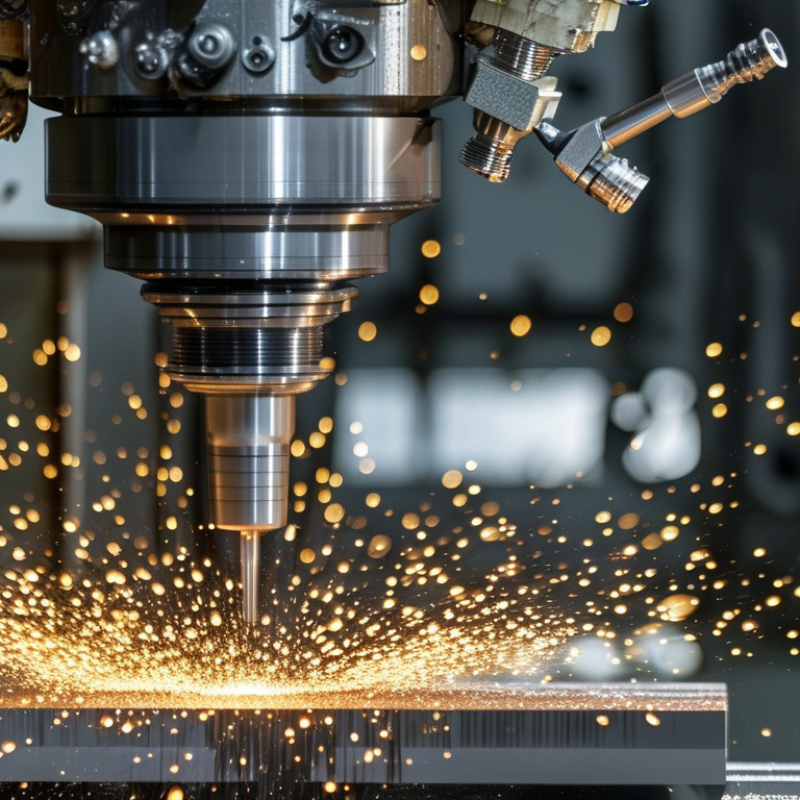
CNC machining and milling services play a crucial role in various industries. They offer precision and efficiency for manufacturing intricate parts. With advanced technology, these services ensure consistent quality. Buyers from diverse sectors depend on CNC milling for their projects. This process effectively transforms raw materials into precise components.
When selecting a CNC machining service, consider their expertise and track record. Experienced providers often have certifications and positive client feedback. It's essential to check their equipment and technology. The machines used can significantly impact the quality of the final product. Inaccurate tools can lead to costly mistakes.
Tip: Always request samples of previous work. This can clarify their capabilities and quality standards. Another aspect to reflect on is communication. Ensure the service provider is responsive and open to discussing your needs. Clear dialogue can prevent misunderstandings and foster a successful partnership.
| Service Type | Material Used | Max Tolerance (mm) | Average Lead Time (days) | Minimum Order Quantity | Industry Applications |
|---|---|---|---|---|---|
| CNC Milling | Aluminum | 0.01 | 15 | 5 pieces | Aerospace, Automotive |
| CNC Turning | Stainless Steel | 0.02 | 20 | 10 pieces | Medical, Electronics |
| 3D CNC Printing | Plastic | 0.05 | 10 | 1 piece | Design Prototypes, Consumer Products |
| CNC Waterjet Cutting | Glass | 0.03 | 12 | 3 pieces | Art, Architecture |
| CNC Laser Cutting | Carbon Steel | 0.01 | 8 | 20 pieces | Manufacturing, Industrial |
: Look for turnaround times, costs, and quality control measures. Each company has unique strengths and weaknesses.
Precision is critical. A small error can lead to costly rework and delays. It’s essential to prioritize accuracy.
Check for certifications from reputable organizations. This can indicate the company’s reliability and commitment to quality.
Effective communication is vital. Poor communication can lead to misunderstandings and frustration during projects.
Some firms specialize in specific industries, limiting their appeal for diverse projects. Consider your needs before choosing.
Automation increases productivity and reduces costs. However, it requires investment in technology and employee training.
Manufacturers are shifting towards eco-friendly practices. Implementing these can reduce waste but may require significant upfront investment.
The market is projected to reach $100 billion by 2026, with a growth rate of 6%. Demand for efficiency is rising.
Companies must not only invest in technology but also ensure proper training for their workforce to adopt automated systems.
Some companies have great capabilities but may lack strong project management. This can affect alignment with your project goals.
This article provides an insightful overview of CNC machining milling services, highlighting their importance for global buyers seeking precision and efficiency in manufacturing. It outlines the key features that define top CNC milling services, such as advanced technology, flexibility in design, and high-quality output. Buyers are guided through essential factors to consider when selecting a CNC milling provider, ensuring they make informed decisions based on reliability and capability.
Additionally, the article presents a comparative analysis of leading CNC machining companies, showcasing their strengths and offerings. It concludes with a discussion on global trends in CNC machining milling, examining how these trends impact buyer decisions and the future of manufacturing. This comprehensive guide aims to equip buyers with the knowledge necessary for navigating the evolving landscape of CNC machining milling services effectively.

 SX Machining