Why Choose Titanium Screws for Global Sourcing?

Time:2026-10-17 Author:Mason
0%

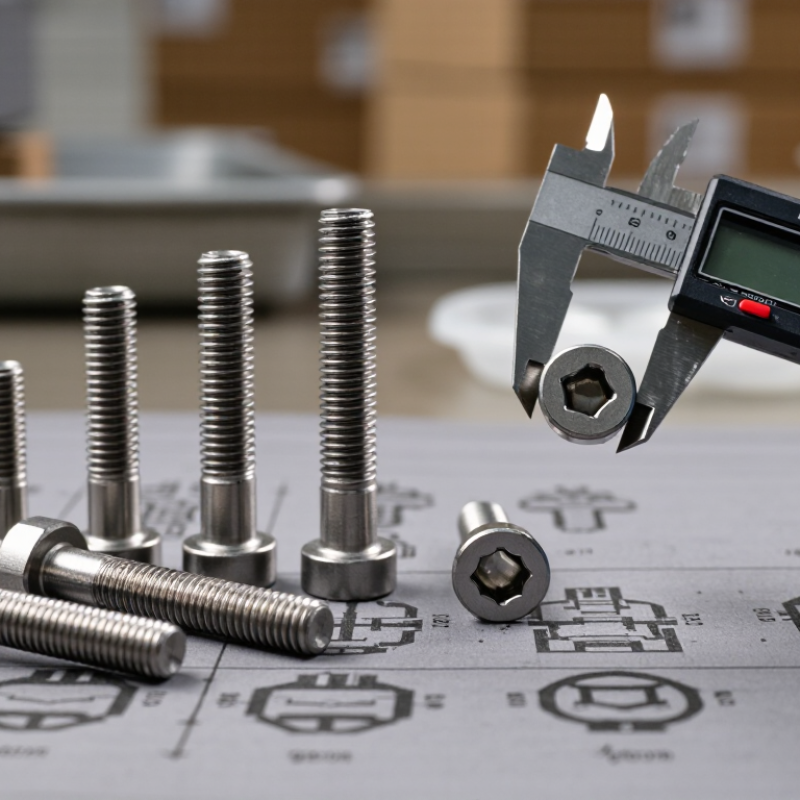
Choosing Titanium Screws for global sourcing requires more than comparing unit prices. In supplier audits, procurement teams inspect thread consistency, surface finish, packaging, and mill certificates. A screw that looks bright under warehouse lights may still fail a torque test. Titanium offers a strong strength-to-weight ratio and useful corrosion resistance. These qualities support aerospace, medical, marine, and chemical equipment applications. Yet “titanium” is not one universal specification. Grade, manufacturing process, coating, and tolerances matter.

Reliable sourcing begins with a clear technical file. It should state the required grade, dimensions, thread standard, mechanical properties, cleanliness level, and inspection method. Ask suppliers for traceable heat numbers and current certificates. Independent testing can verify chemistry, tensile performance, hardness, and dimensional accuracy. Samples should be tested before a large purchase. Small details matter. A damaged thread can delay an entire assembly line.

Experienced buyers also review production capacity, lead times, packaging, and communication practices. Confirm whether the supplier can repeat the same finish across batches. Discuss Incoterms, documentation, and quality responsibilities before production starts. Global sourcing can reduce risk when managed carefully. It can also expose weak assumptions. Titanium Screws may cost more upfront, and machining can be demanding. That cost is not automatically wasteful. Still, no material should be selected by reputation alone. A practical decision compares service life, failure risk, compliance evidence, and total ownership cost. The strongest supplier is not always the cheapest. It is the one that can prove consistency.
Why Choose Titanium Screws for Global Sourcing?

Titanium Screws: Definition, Composition, and Key Properties

Why Choose Titanium Screws for Global Sourcing?

Titanium screws are threaded fasteners made from commercially pure titanium or titanium alloys. Their value begins with composition. Commercially pure grades contain mostly titanium, with controlled amounts of oxygen, nitrogen, carbon, and iron. These small additions influence strength and formability. Alloyed grades may include aluminum and vanadium for higher mechanical performance.

Titanium forms a stable oxide film when exposed to air. This natural layer helps resist moisture, saltwater, and many chemicals. The metal also offers a strong strength-to-weight ratio and generally low magnetic response. Its lower elastic modulus can help in specialized assemblies, but it may allow more joint movement. That detail is easy to overlook.

Titanium screws are not automatically the best choice. They can gall during installation, especially with dry threads or excessive torque. Their material cost is also higher than common steel fasteners. Careful sourcing should verify the titanium grade, thread dimensions, heat treatment, surface condition, and inspection documents. Traceability matters. A certificate without matching lot information is weak evidence.

For global purchasing, buyers should compare actual operating conditions rather than relying on simple corrosion claims. Salt exposure, temperature, loading cycles, and contact with dissimilar metals all affect performance. Trial assemblies can reveal thread damage or torque variation before production. This step may feel slow, but skipping it can create expensive rework. Specifications are sometimes incomplete, and that should prompt questions, not assumptions.

How Titanium Screws Compare with Steel and Other Fasteners

Why Choose Titanium Screws for Global Sourcing?

Titanium screws are not automatically better than steel fasteners. They solve different problems. In marine frames, chemical equipment, and outdoor assemblies, titanium resists corrosion without heavy plating. It also delivers a strong strength-to-weight ratio. A titanium screw can feel surprisingly light in the hand. Steel usually offers greater stiffness, easier availability, and lower cost. For high-load joints, its familiar torque behavior can simplify installation. Stainless steel provides useful corrosion resistance, but its performance depends on grade, surface condition, and exposure.

Titanium has weaknesses. Its lower elastic modulus can affect joint preload, and threads may gall during installation. Anti-seize compound and controlled torque are often necessary. Aluminum fasteners weigh less, but they generally offer lower strength and may deform under repeated loading. Plastic fasteners resist electricity and chemicals, yet creep can become serious near heat. I would not choose titanium by weight alone. Material compatibility matters too, especially when titanium contacts dissimilar metals in wet environments.

Tips: Compare total cost, not only unit price. Request material certificates, dimensional reports, and lot traceability from suppliers. Check the required grade, thread standard, tensile strength, and operating temperature. Test a small production sample before placing a large order. One overlooked detail remains common: installation tools can damage soft threads. Clear specifications prevent expensive surprises.

Main Benefits of Titanium Screws in Global Sourcing

Titanium screws offer strong advantages for global sourcing. International Titanium Association data places titanium’s density near 4.51 g/cm³, compared with about 7.85 g/cm³ for stainless steel. That means lighter shipments and easier handling. Titanium also resists seawater, chlorides, and many industrial chemicals. This can reduce replacement frequency in demanding environments.

The USGS Mineral Commodity Summaries 2024 estimated 2023 global titanium mineral-concentrate production at roughly 9.3 million metric tons. This indicates a substantial raw-material base, but it does not guarantee stable screw availability. Buyers should verify sponge, bar, and finished-part capacity separately. For medical or aerospace applications, ISO 5832-3, ASTM F136, and complete mill certificates support material verification. In practice, certificates alone are not enough. Lot testing and supplier audits still matter.

Tips: Request chemical composition, tensile data, surface treatment details, and traceability records before ordering. Compare landed cost, not only unit price. Titanium costs more upfront, and that can challenge budget-focused sourcing. Yet its low weight and corrosion resistance may improve total lifecycle value. Ask for sample screws, dimensional reports, and packaging photos. Small details expose weak process control.

Industries and Applications That Use Titanium Screws

Why Choose Titanium Screws for Global Sourcing?

Titanium screws serve demanding industries where low weight and corrosion resistance matter. Aerospace engineers use them in aircraft interiors, engine components, and structural assemblies. Every gram matters at altitude. Their strength-to-weight ratio supports lighter designs without sacrificing mechanical performance. However, engineers must verify load requirements, temperature exposure, and thread compatibility before approval.

Medical manufacturers use titanium screws for orthopedic implants and surgical instruments. The material’s biocompatibility supports long-term contact with human tissue. Precision is critical here. Surface finish, dimensional accuracy, sterilization methods, and traceability require documented control. A cheaper supplier may still create higher costs through rejected batches or incomplete inspection records.

Marine equipment, chemical processing systems, and renewable energy projects also use titanium fasteners. They resist saltwater, moisture, and many aggressive chemicals better than ordinary steel. In offshore assemblies, technicians may value reliable removal after years of exposure. Yet titanium screws are not a universal solution. Galling can occur during installation, especially with dry threads or excessive torque. Sourcing teams should request material certificates, test reports, coating details, and samples before placing large orders. One practical lesson is easy to miss: a technically strong screw can fail when installation tools, torque settings, or mating materials are poorly selected.

Why Choose Titanium Screws for Global Sourcing?

Industries and applications that use titanium screws benefit from a lower material density than common stainless steel alternatives.

Titanium screws are commonly used in aerospace structures, medical implants, marine equipment, chemical-processing systems, and sporting goods. Grade 5 titanium (Ti-6Al-4V) has a typical density of about 4.43 g/cm³, while 316 stainless steel is approximately 8.00 g/cm³. This lower density can help reduce component weight while maintaining corrosion resistance and high strength.

How to Evaluate Suppliers, Standards, and Total Costs

Why Choose Titanium Screws for Global Sourcing?

Supplier evaluation should begin with evidence, not polished websites. The U.S. Geological Survey reported global titanium sponge production at roughly 280,000 metric tons in 2023. This limited upstream base makes traceability important. Ask for mill certificates, heat numbers, chemical analysis, and tensile results for every lot. ASTM B348 covers titanium and alloy bars, while applicable fastener standards define dimensions and testing requirements. A supplier quoting only “Grade 5” may still be incomplete.

Audit the production route. Check cold forming, thread rolling, heat treatment, cleaning, and final inspection records. ISO 9001 certification supports process control, but it does not guarantee screw performance. Samples should undergo dimensional checks, hardness testing, and torque testing. For critical assemblies, request independent laboratory verification. I have seen procurement teams accept attractive samples too quickly. That mistake becomes expensive.

Total cost includes more than the unit price. Add tooling, inspection, packaging, freight, insurance, import duties, rejected parts, and inventory financing. The World Bank’s 2023 Logistics Performance Index showed uneven customs and delivery performance across markets. Build a landed-cost model using realistic lead times. Compare two or three suppliers with identical specifications. Titanium’s corrosion resistance can reduce replacement costs, yet its higher machining difficulty may increase production expenses. That trade-off deserves calculation, not assumption. Supplier capacity also needs checking. Can the factory repeat the same thread profile six months later? That question is often missed.

FAQS

Why choose titanium screws instead of steel fasteners?

Titanium weighs less and resists seawater, chlorides, and many industrial chemicals. Steel usually costs less and offers greater stiffness. The better choice depends on load, exposure, and budget. Light does not always mean better.

Are titanium screws always stronger than steel screws?

No. Steel may provide higher stiffness and easier torque control. Titanium offers a strong strength-to-weight ratio. Compare tensile strength, joint load, temperature, and fatigue requirements. Weight alone can mislead.

How much lighter are titanium screws?

Titanium density is about 4.51 grams per cubic centimeter. Stainless steel is about 7.85 grams per cubic centimeter. This difference can reduce shipment weight and handling effort. Small screws still add up.

Can titanium screws resist corrosion outdoors?

Titanium performs well in marine, chemical, and outdoor environments. It often avoids heavy protective plating. However, contact with dissimilar metals may create compatibility concerns. Wet conditions deserve extra attention.

What problems can occur during titanium screw installation?

Titanium threads may gall during installation. Use suitable anti-seize compound and controlled torque. Soft threads can suffer damage from worn or unsuitable tools. Installation details matter.

How do titanium screws compare with aluminum or plastic fasteners?

Aluminum is lighter but generally has lower strength. Repeated loading may cause aluminum to deform. Plastic resists electricity and some chemicals, but heat can cause creep. Each material has limits.

What supplier documents should buyers request?

Request material certificates, chemical composition, tensile results, and dimensional reports. Ask for lot numbers and production traceability. Review thread standards, surface treatment, and packaging details. Certificates alone are not enough.

How should buyers calculate the total cost?

Include unit price, tooling, inspection, packaging, freight, duties, and rejected parts. Also consider inventory financing and replacement frequency. Titanium costs more initially but may lower lifecycle expenses. Calculate it carefully.

Conclusion

Titanium Screws are high-performance fasteners made primarily from titanium alloys, valued for their low weight, high strength-to-weight ratio, corrosion resistance, and compatibility with demanding environments. Compared with steel and other fasteners, they offer excellent durability and reduced weight, although they may require more careful handling because of higher material and manufacturing costs. Their properties make them suitable for applications where reliability, long service life, and resistance to moisture, chemicals, or extreme temperatures are important.

In global sourcing, Titanium Screws are commonly used in aerospace, medical equipment, marine systems, automotive components, chemical processing, and advanced industrial machinery. Buyers should evaluate suppliers based on material grades, dimensional accuracy, surface treatment, quality systems, traceability, testing procedures, and compliance with applicable standards. A complete cost assessment should include tooling, production, inspection, packaging, transportation, lead times, and potential maintenance savings. Selecting a qualified supplier and balancing performance requirements with total cost can help ensure consistent quality and long-term value.


Mason

Mason

Mason is a seasoned marketing professional with a deep expertise in the company's offerings and a passion for driving brand awareness. With a strong background in digital marketing strategies, he has an innate ability to connect with diverse audiences and effectively communicate product benefits.......