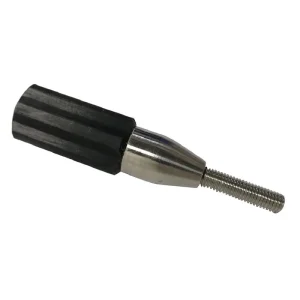
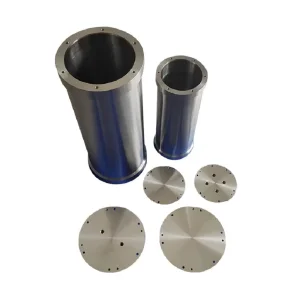
Explore our high-performance machined and cast components engineered to extreme tolerance thresholds for structural, automotive, marine, and construction systems.
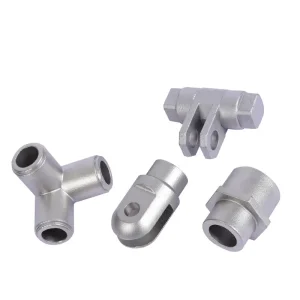
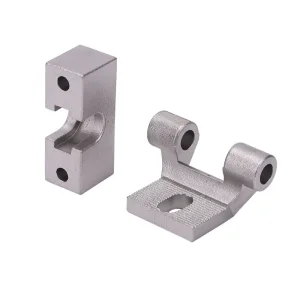
In the contemporary industrial ecosystem, precision manufacturing has evolved from standard shape-forming to a highly synchronized science of metallurgy, physics, and computer numerical control. Global OEMs demand components that can survive harsh environmental stresses—ranging from high-salinity deep-sea applications to elevated thermomechanical profiles in combustion engines.
Custom machining companies sit at the core of this industrial evolution. As global supply chains optimize for risk mitigation and engineering flexibility, manufacturers that bridge the gap between initial metallurgical formation (investment casting) and final sub-micron refining (precision CNC machining) have become highly integrated strategic tier partners rather than simple transactional job shops.
Whether it is lightweighting structural components in automotive engineering or refining structural integrity parameters in architectural hardware, modern precision machining demands an advanced understanding of metal microstructures, thermal expansion control during machining cycles, and automated quality verification protocols.
Harnessing cutting-edge technologies to convert raw design blueprints into mission-critical structural systems.
Providing high-speed multi-axis milling services capable of processing complex geometries and deep-pocket profiles in titanium alloys, stainless steels, and engineering polymers.
Deploying lost wax precision casting procedures to create complex, net-shaped metallic structures. Excellent for low-mass, high-strength applications with minimized material waste.
Equipped with advanced live tooling capabilities, our turning centers achieve tight concentricity, cylindricity, and surface roughness requirements for rotational applications.
Situated in the industrial heartland of southern China, Dongguan SX Technology Co., Ltd leverages a highly concentrated regional supply chain network that drives manufacturing efficiency. In the precision machining industry, efficiency is not defined solely by processing speed; it represents a comprehensive convergence of material accessibility, rapid tool-path design (CAM), and zero-defect QA throughput.
Why do global enterprises partner with Dongguan-based manufacturing centers? The answer lies in the dynamic integration of industrial support services. From immediate access to certified stainless steel, titanium, and copper alloy stocks to the local availability of secondary processing facilities (like electroplating, anodizing, nitriding, and complex heat treatment centers), raw setups that would take weeks in other global sectors are executed within hours here.
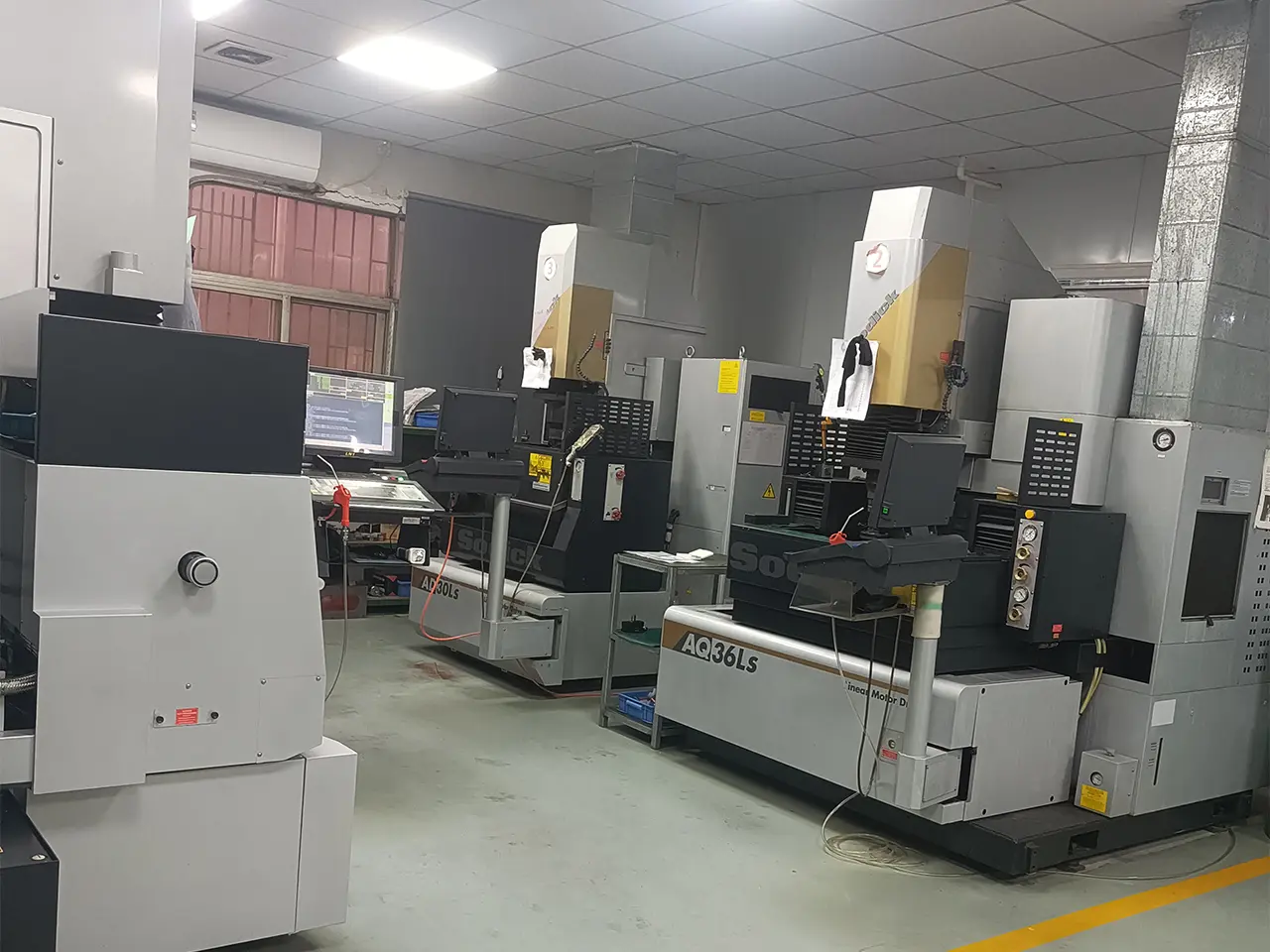
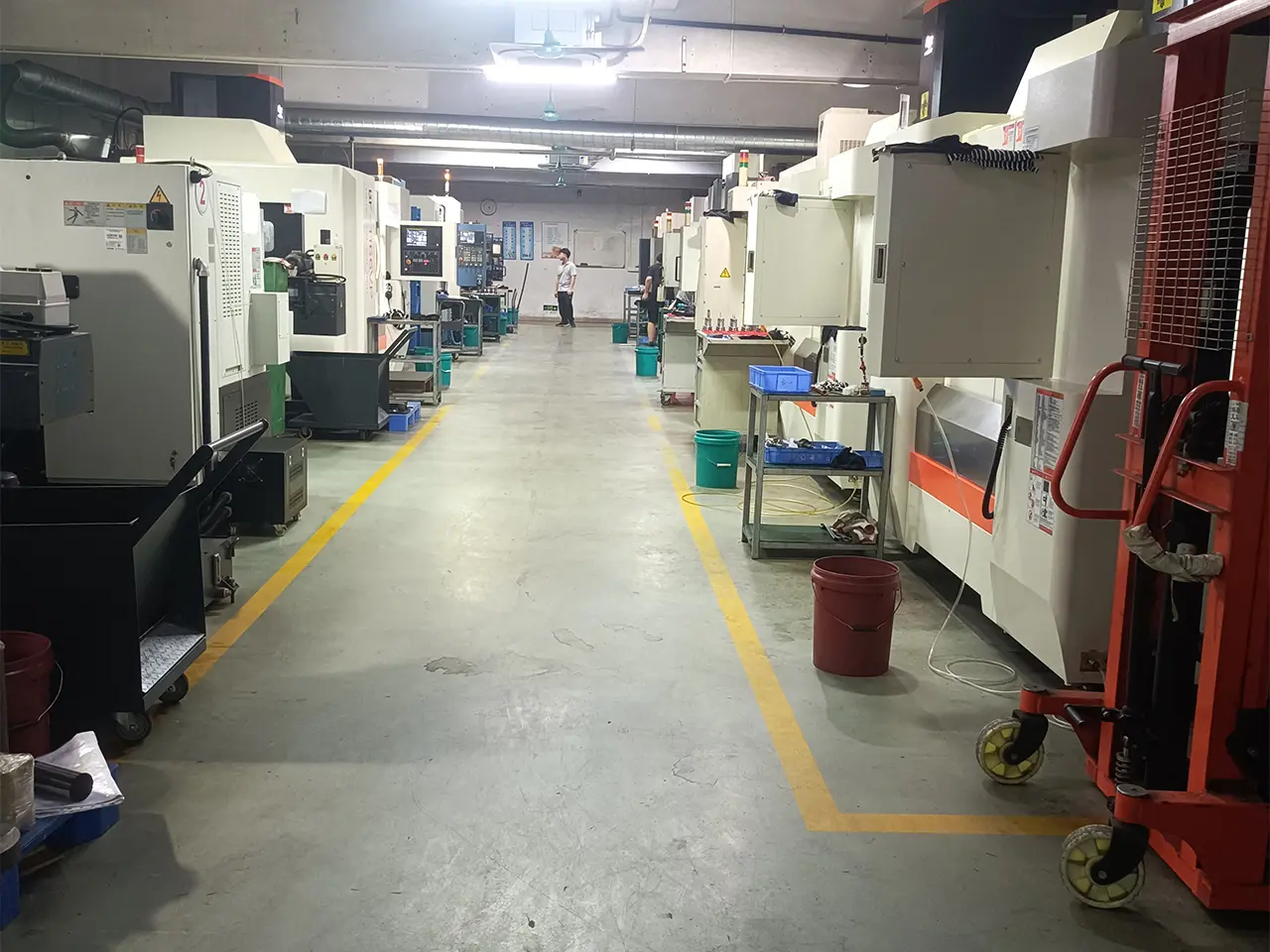
A closer look at the advanced machinery and manufacturing floor space supporting our high-volume production runs and rapid-turn engineering cycles.
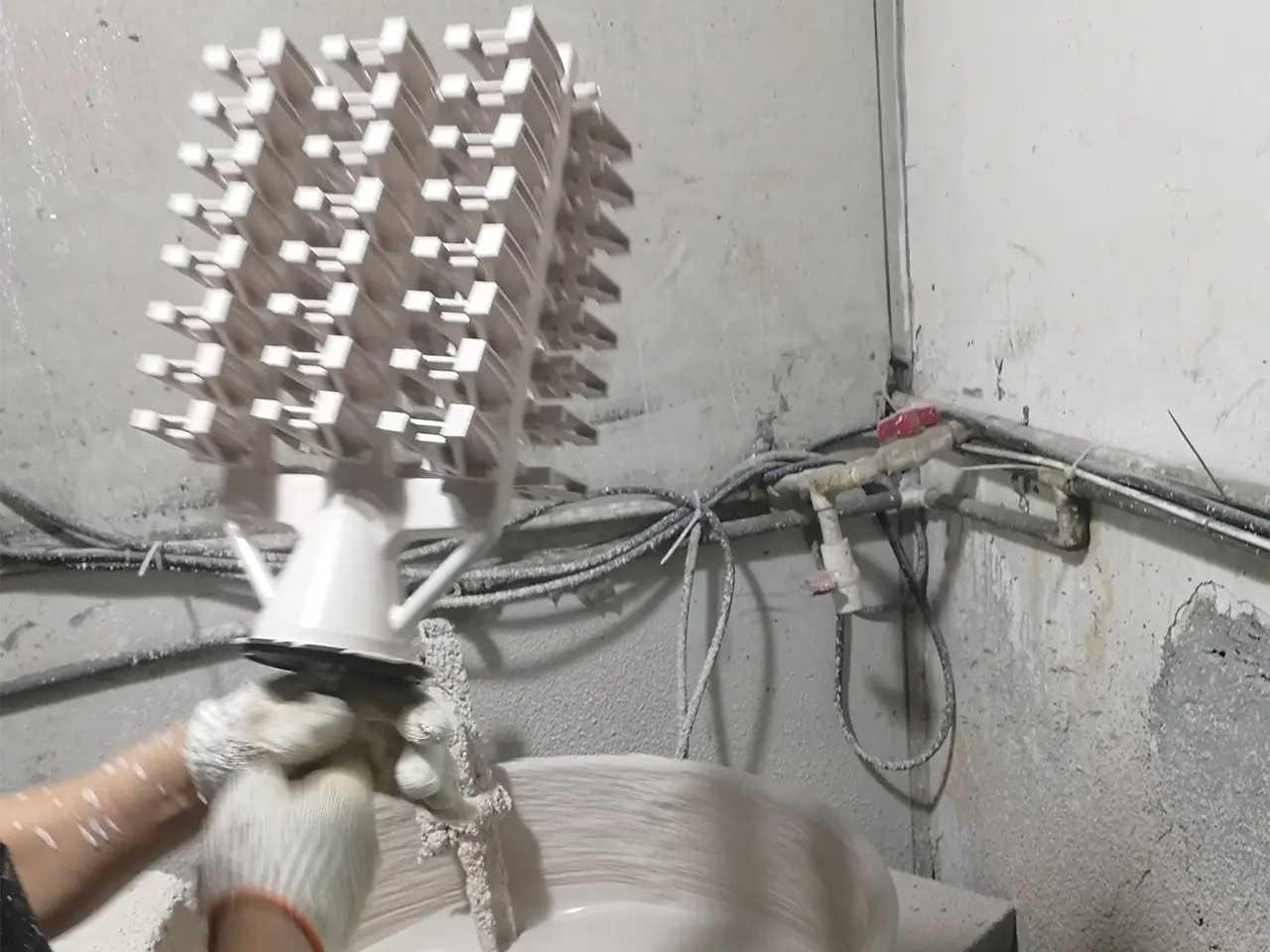
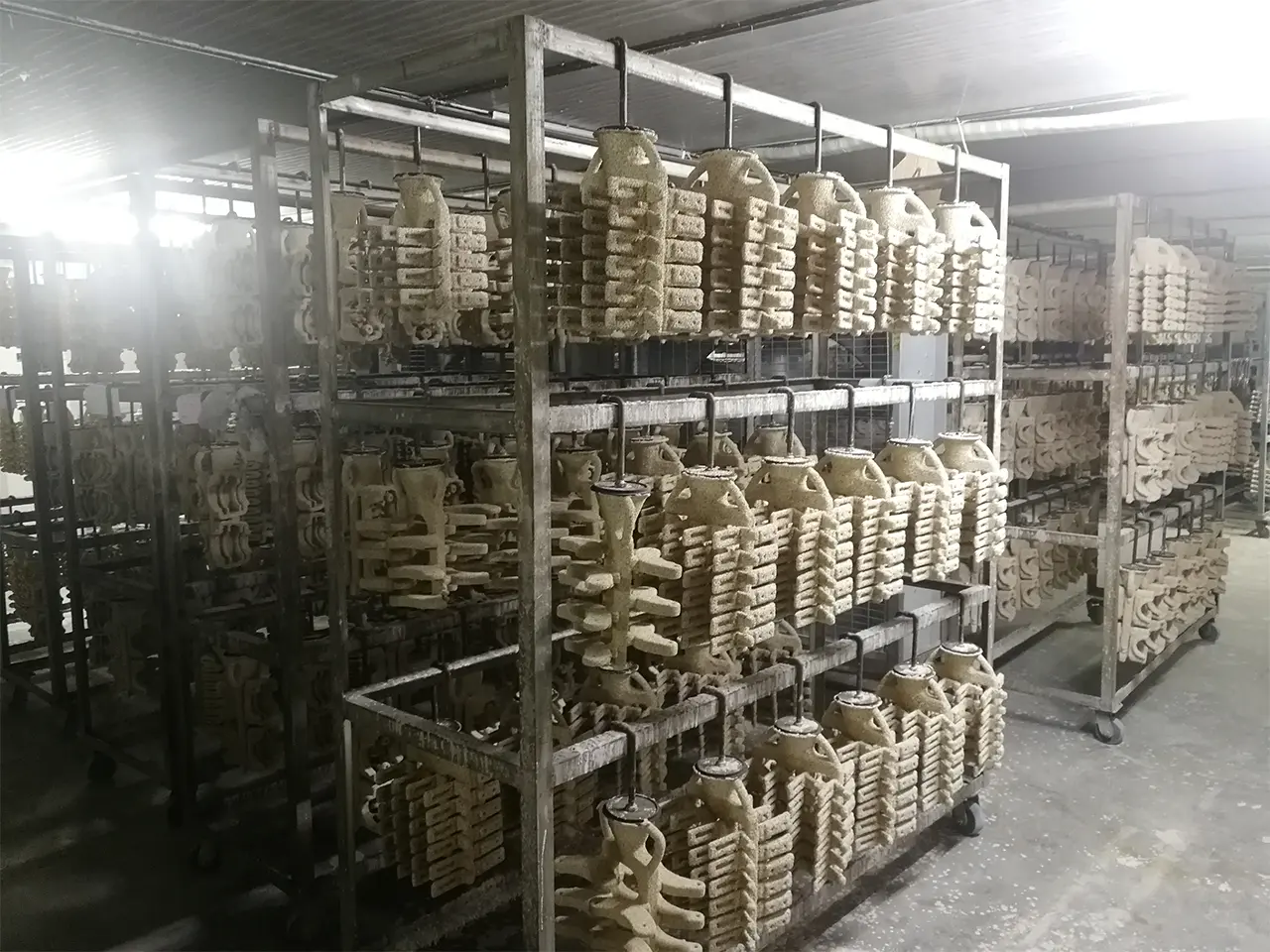
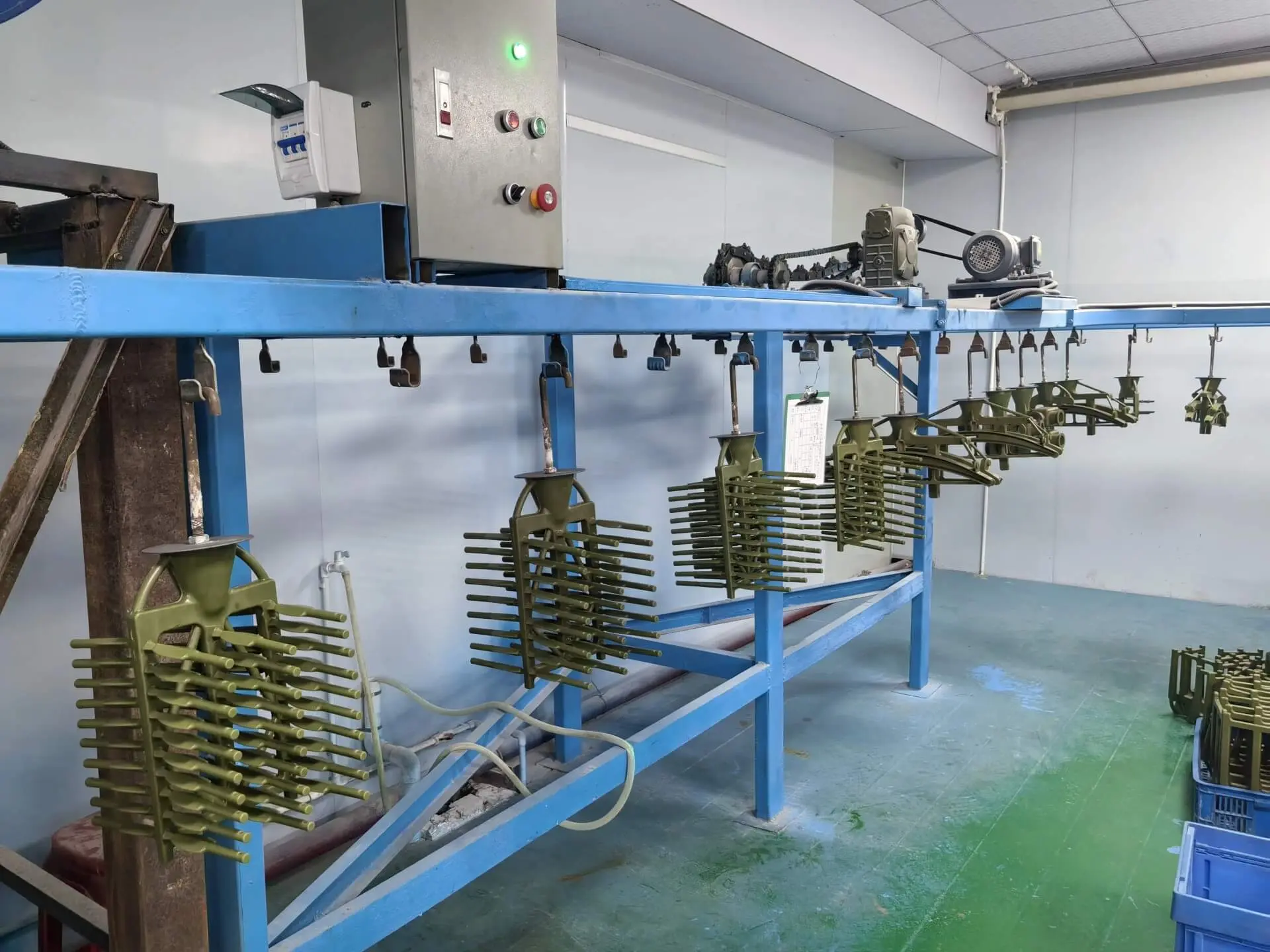
Founded in 2014, Dongguan SX Technology Co., Ltd has established itself as an authoritative manufacturer specializing in high-precision casting, multi-axis CNC machining, and mechanical sub-assemblies. Over the decade, we have honed our engineering capability to meet the stringent demands of complex industries including aerospace, defense, deep-sea marine engineering, automotive, chemical instrumentation, agricultural machinery, and micro-electronics.
Our material-processing capability is exceptionally broad. For investment casting operations (utilizing advanced lost wax processes), we primarily construct components out of high-grade stainless steels (such as Duplex 2205, 316L, 304) and various carbon steel grades. On the CNC machining front, our specialized technicians process high-performance materials including titanium alloys (Grade 5, Grade 2), cobalt-chromium superalloys, copper alloys, high-grade structural aluminum (6061-T6, 7075), and cemented carbide grades.
We work as an extension of your R&D departments. By analyzing technical drawings (STEP, IGES, DWG) for DFM (Design for Manufacturability), we ensure that structural geometries are optimized to minimize machining stress, control tool path deflection, and optimize yield efficiency during material extraction phases.
Our performance indicators demonstrate our alignment with precision manufacturing standards.
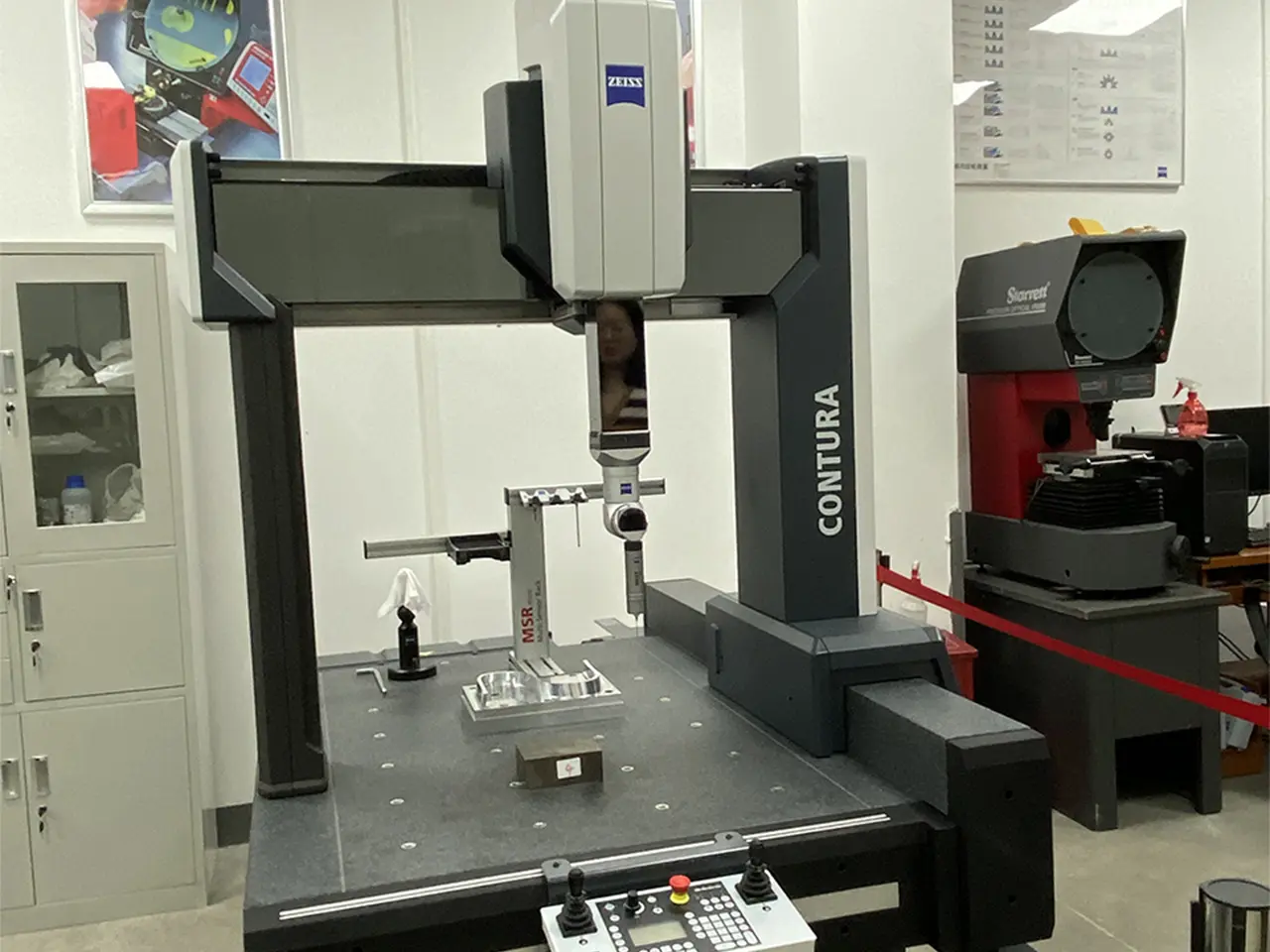
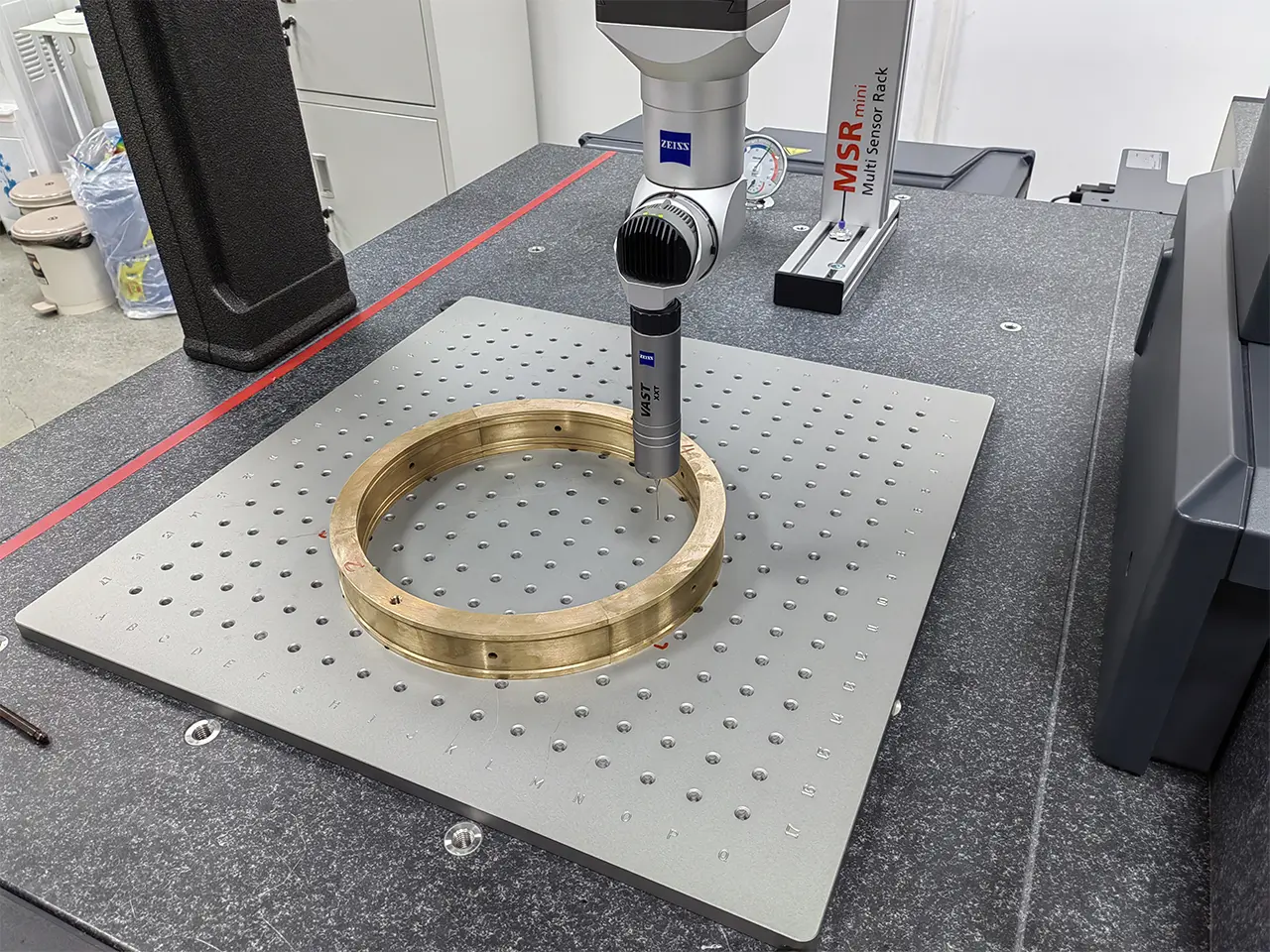
In high-precision component manufacturing, quality is not a retrofitted metric—it is integrated into every phase of the manufacturing layout. At Dongguan SX Technology Co., Ltd, our dedicated QC department operates under clean-room conditions, utilizing state-of-the-art metrology gear to guarantee absolute compliance with client blueprint requirements.
We deploy Coordinate Measuring Machines (CMM) to map complex 3D profiles and guarantee geometric dimensioning & tolerancing (GD&T) metrics. Optical comparators, micro-hardness testers, surface roughness testers, and spectral analyzers for metallurgical validation are used to inspect every batch before delivery. Our raw material supply chains are 100% traceable, and mill test reports (MTR) are provided alongside dimensional audit documentation for all deliveries.
From the initial melt analysis of our investment castings to the final tool wear calibrations in our CNC milling stations, we monitor statistical process controls (SPC) to verify capability indexes (Cpk), ensuring that our components operate consistently under high stress conditions.
A comprehensive framework for engineering buyers and supply chain managers sourcing precision components.
Engineering buyers face the dual challenge of maximizing product lifespan while reducing per-unit cost. By selecting the optimal production methodology—whether that involves direct CNC machining from solid billet stock, or leveraging investment casting to establish a near-net-shape followed by final precision milling—sourcing managers can reduce waste and shorten lead times.
At SX Technology, we advise clients during the initial design verification phase. If a complex geometry features deep internal pockets, casting the blank shape and utilizing our CNC centers to finish the high-tolerance seating surfaces typically cuts material waste by up to 60%, providing notable cost-efficiencies for volume production.
Components deployed in marine, subsea, and offshore engineering operations demand high corrosion resistance and structural integrity. Standard machining processes can sometimes introduce micro-stress cracks or surface contamination. Our specialized processing of Titanium alloys and Duplex stainless steels guarantees that structural components resist chloride-induced stress corrosion cracking and pitting in harsh offshore conditions.
Expert answers to critical engineering and procurement questions regarding custom machining and precision casting.
Our advanced CNC machining centers regularly hold linear tolerances to ±0.005mm (approx. ±0.0002 inches) and geometric tolerances (circularity, concentricity, parallelism) down to 0.002mm depending on the component's scale and material properties. For investment casting blanks, standard linear tolerances follow international CT5 to CT7 standards before post-cast CNC finishing cycles refine critical mating surfaces to design specifications.
For high-pressure, high-salinity applications, we strongly recommend Titanium alloys (specifically Ti-6Al-4V Grade 5) due to their exceptional strength-to-weight ratio and corrosion resistance. Super-austenitic and Duplex stainless steels (such as Grade 2205) are also excellent alternatives for structural marine casting brackets, valves, and impellers, offering protection against pitting and crevice corrosion.
All material stock—ranging from stainless steel billets to titanium bars—is sourced from certified domestic steel mills with full Material Test Reports (MTR) showing chemical composition and mechanical properties. We conduct inbound spectral analysis (PMI) to verify alloys before production begins. For finished components, we supply CMM dimensional validation sheets, surface roughness reports, and certificates of conformance.
If the design features highly complex geometry, internal voids, or curved channels that are difficult to access with standard tooling, investment casting is the preferred choice. It is also ideal for production volumes exceeding 500 units to reduce raw material cost. However, if you require rapid prototypes, have very simple geometries, or need micron-level tolerances across all faces, direct CNC machining from solid stock is the most efficient and cost-effective method.
Through our network of audited, specialized partners in the Dongguan industrial area, we offer a comprehensive suite of surface finishes. These include anodizing (Type II and Type III hardcoat), passivation, electro-polishing, chrome plating, powder coating, zinc plating, black oxide treatments, physical vapor deposition (PVD), and specialized thermal processes such as case hardening and nitriding.
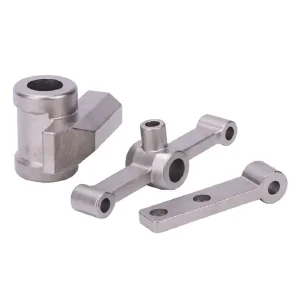
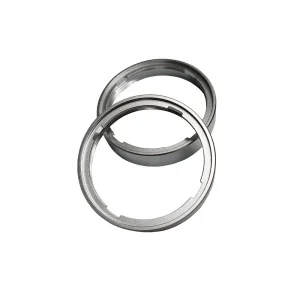
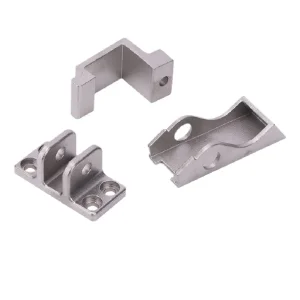
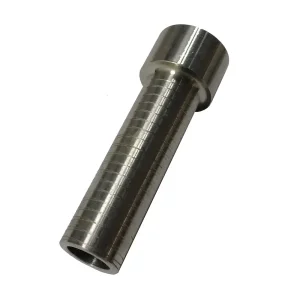
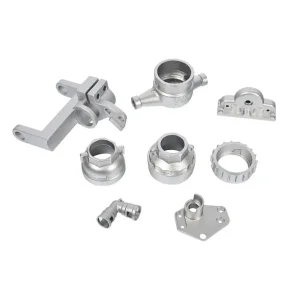
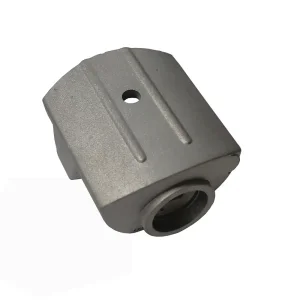
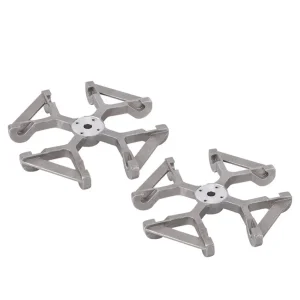
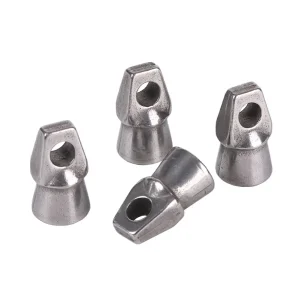
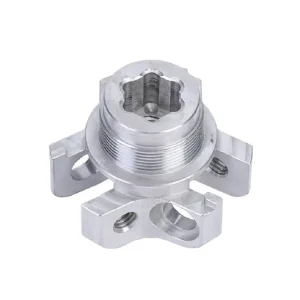
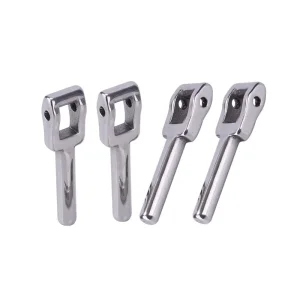
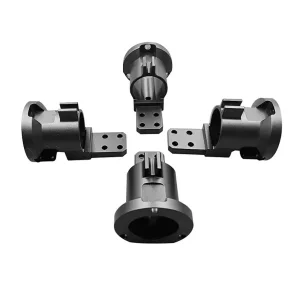
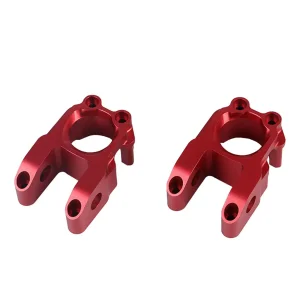
A showcase of our advanced cast-to-finish parts engineered for agricultural machinery, outdoor equipment, electronics, and automotive systems.
 SX Machining