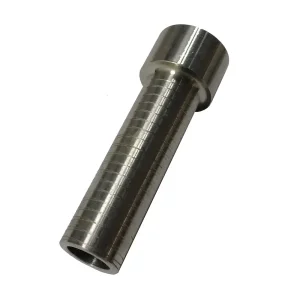
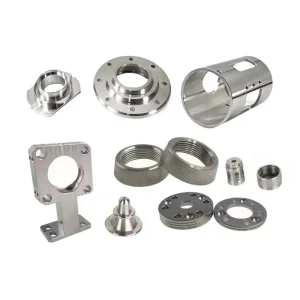
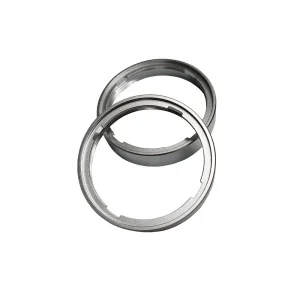
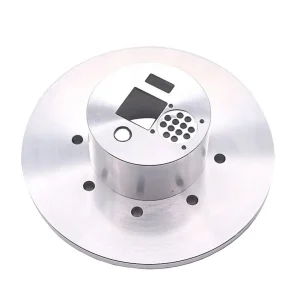
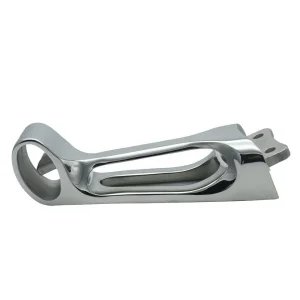
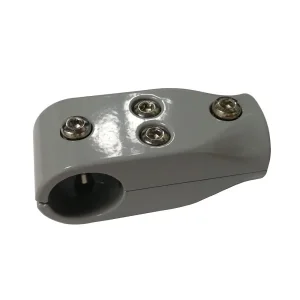
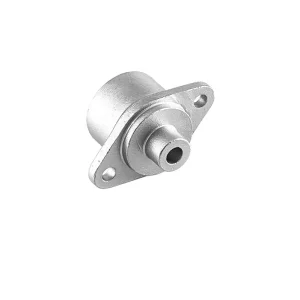
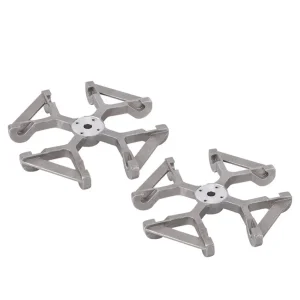
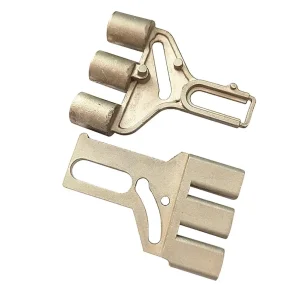
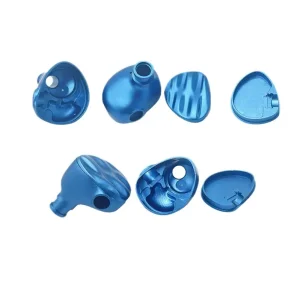
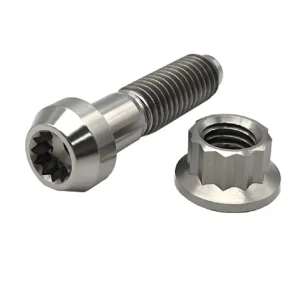
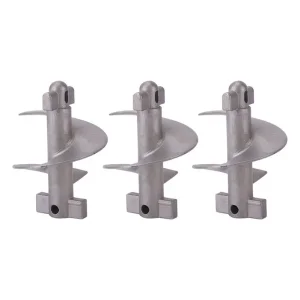
High-Quality Wax Casting Supplies Products & Industrial Manufacturing Solutions

Precision Investment Casting (Lost Wax) & Multi-Axis CNC Hybrid Machining Ecosystems – Supporting Aerospace, Marine Engineering, Automotive, and Medical Technologies Worldwide.

Modern Investment Casting & Material Optimization

An in-depth whitepaper on the integration of traditional lost wax processes and high-precision CNC subtraction mechanics.

Executive Industry Summary: As modern engineering designs shift toward highly complex geometries, lightweight structures, and demanding physical performance criteria, the dependency on premium wax casting supplies and precision manufacturing chains has escalated. Investment casting (commonly known as the "lost wax process") coupled with computer numerical control (CNC) finish machining represents the gold standard for creating near-net-shape components that offer exceptional microstructural homogeneity and dimensional reliability.

1. Materials Metallurgy: From Stainless Steels to High-Performance Alloys

The physical resilience of an investment casting is heavily determined by the thermal and chemical parameters of the raw metal. In the casting process, selecting the precise alloy dictates not only the performance of the final component but also the behavior of the melt during pouring, solidification, and cooling:

  • Stainless Steels (e.g., 304, 316, 316L, Duplex): Widely chosen for marine environments and chemical processing due to outstanding corrosion resistance. The addition of molybdenum in 316-grade alloys prevents pitting, while 316L (low carbon content) minimizes carbide precipitation during welding operations.
  • Carbon Steels (e.g., WCB, LCC, 1020, 1045): Used heavily in daily hardware, structural machinery components, and automotive assemblies due to high tensile strength, excellent wear resistance, and cost-effective raw processing.
  • Titanium Alloys (e.g., Ti-6Al-4V Grade 5): Combining high strength-to-weight ratios with exceptional biocompatibility and corrosion resistance. Casting titanium requires highly specialized vacuum melting furnaces and inert mold atmospheres to prevent oxygen pickup.
  • Special Alloys & Non-Ferrous Metals: Including copper-based alloys (bronze, brass) for wear plates, valve bushes, and electrical components, alongside lightweight aluminum alloys for structural components.

During solidification, controlling the grain growth and preventing casting defects (such as gas porosity, shrinkage cavities, and dendritic segregation) requires optimized mold preheating profiles. Molds are typically fired at temperatures between 900°C and 1150°C. Introducing molten alloy under vacuum or controlled-atmosphere induction furnaces ensures minimal chemical degradation and precise replication of internal features.
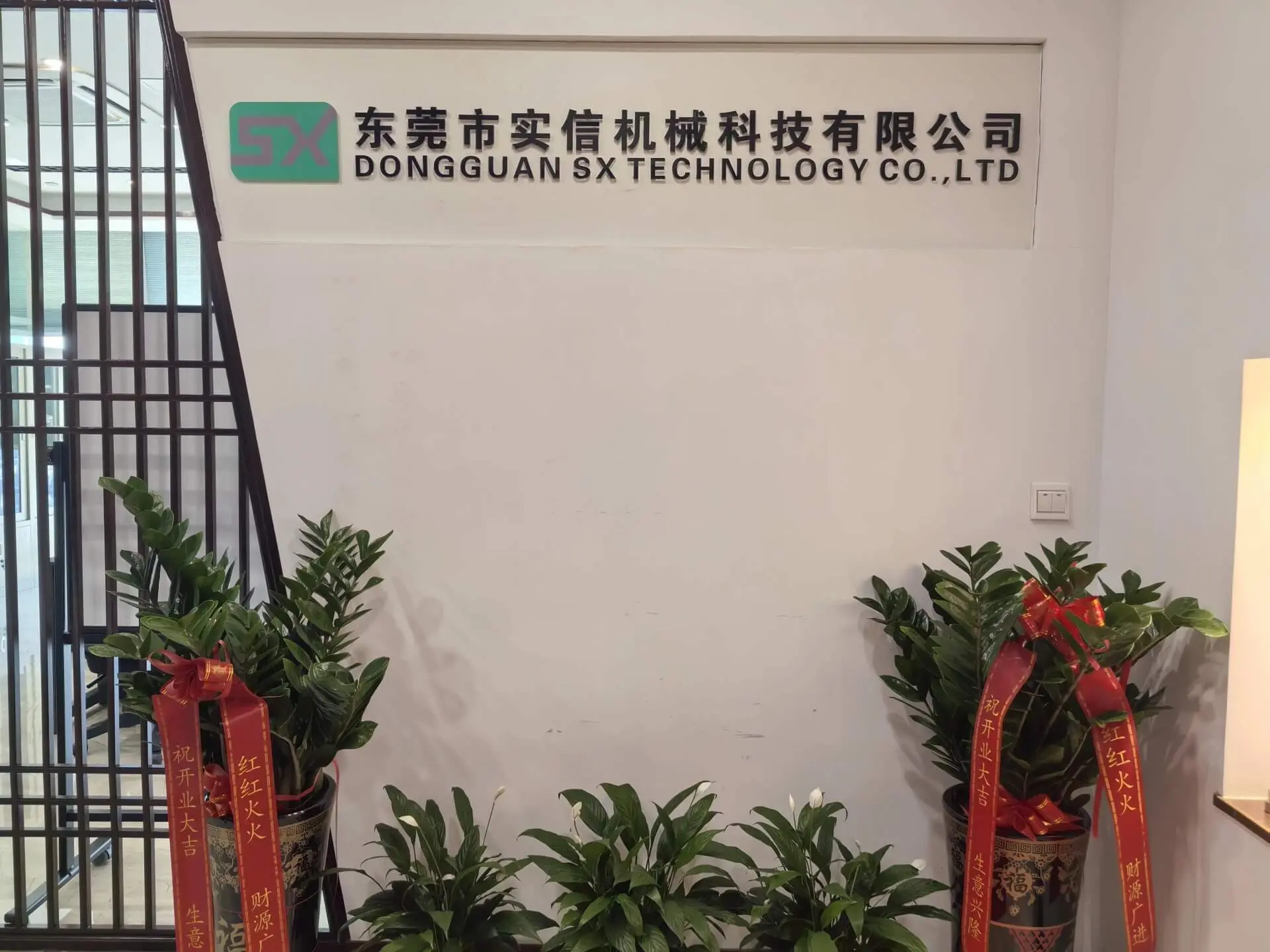
Dongguan SX Technology Co., Ltd Facility

Dongguan SX Technology Co.,Ltd

Founded in 2014, Dongguan SX Technology Co.,Ltd (Shixin) has developed into a leading high-tech manufacturer specializing in precision casting, CNC machining, and complex engineering assemblies. Centered in Dongguan, the global electronics and advanced machinery hub, our facility leverages an integrated infrastructure to design, cast, machine, and treat mission-critical metallic components.

Our core product lines serve a diverse spectrum of fields including machinery, automotive systems, marine engineering, ships, valve and pump assemblies, electronics, timepieces, construction, and petrochemicals. The most commonly used materials for our investment casting division are high-grade stainless steel and carbon steel. In parallel, our CNC machining division works on titanium alloys, stainless steel, carbon steel, aluminum alloys, copper alloys, and cemented carbides.

By combining investment casting with multi-axis CNC finishing, we handle both rapid prototyping and serial mass production with micro-level tolerance requirements.

Advanced Production & Workshop Capabilities

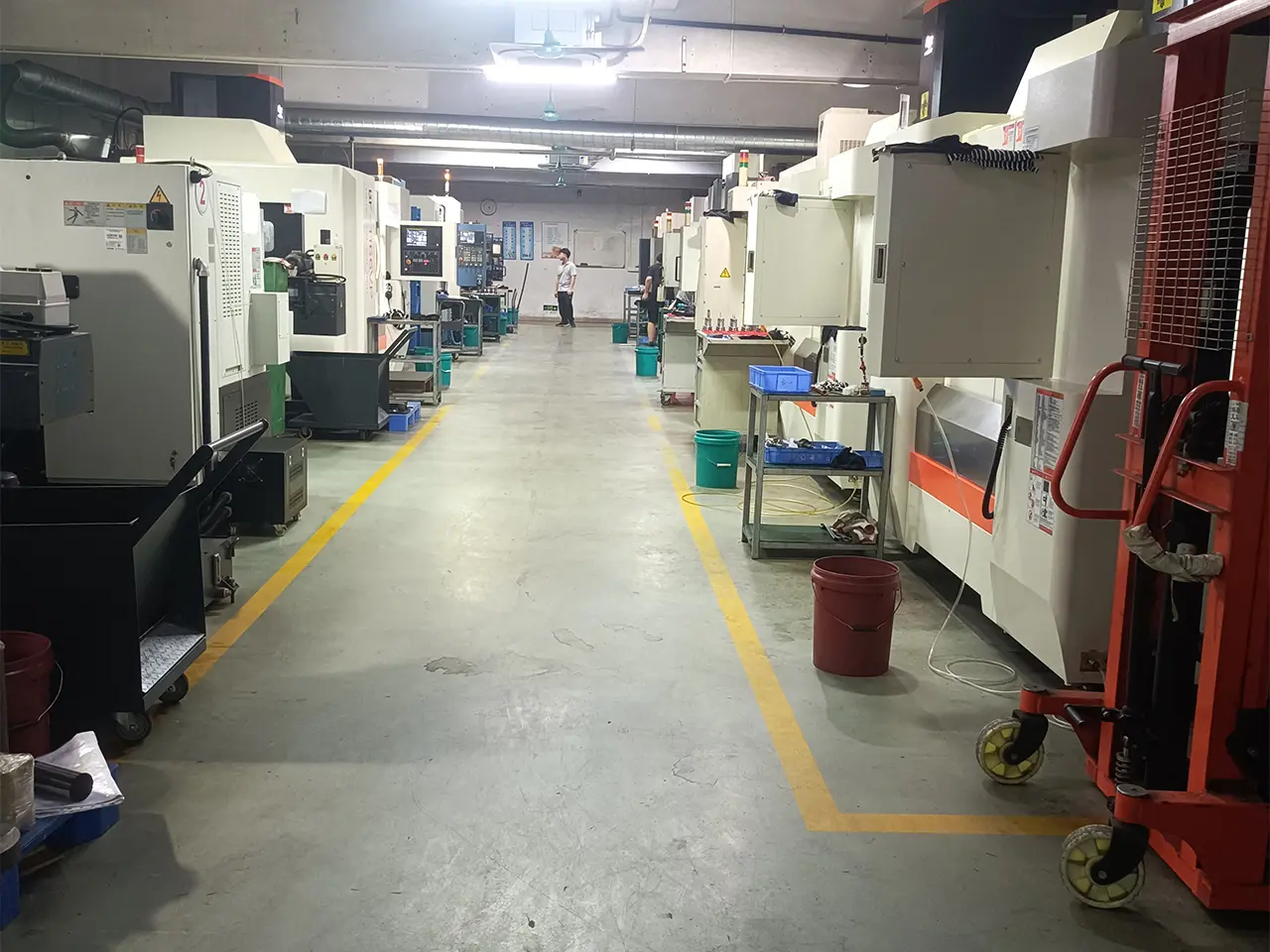
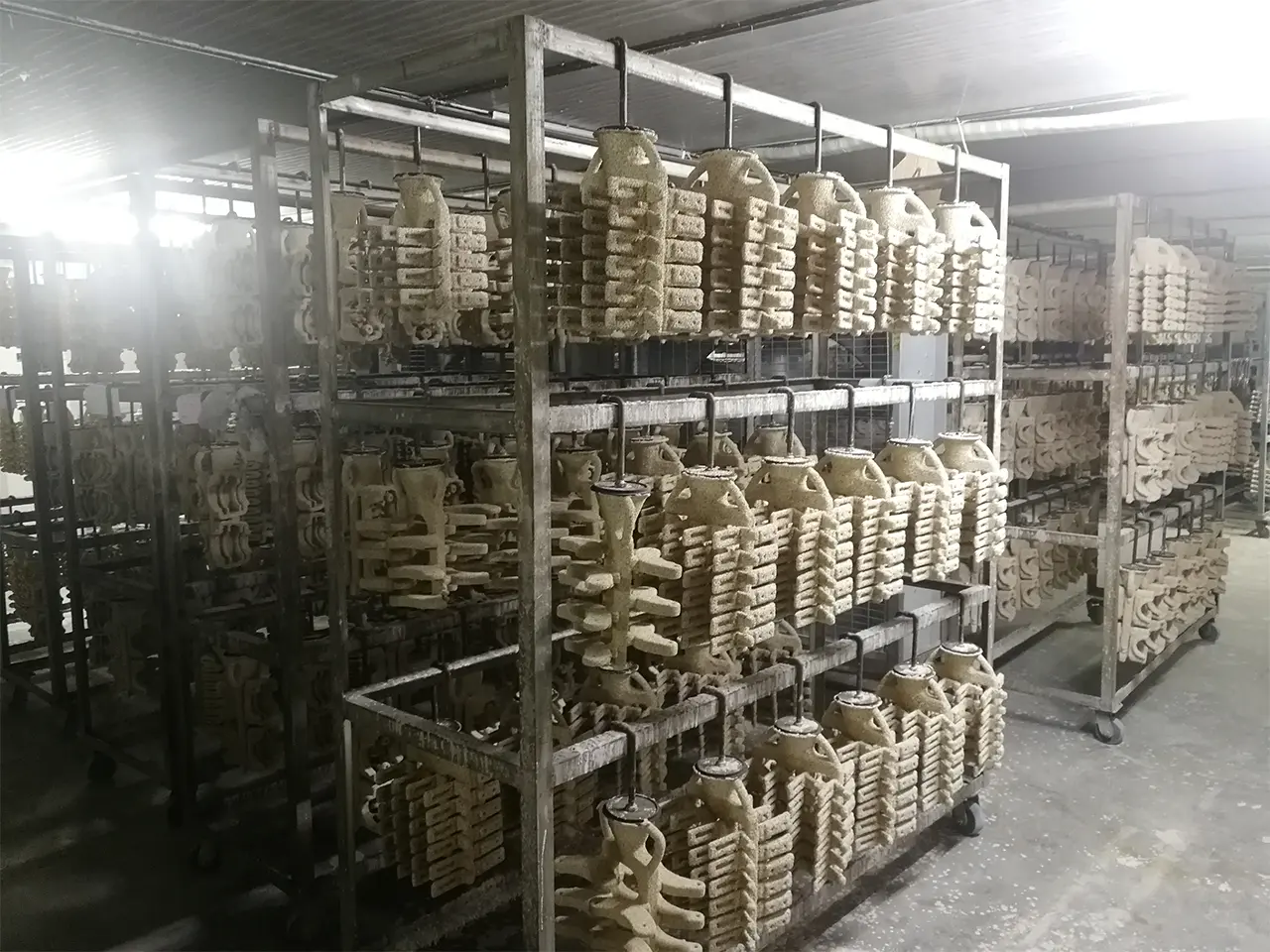
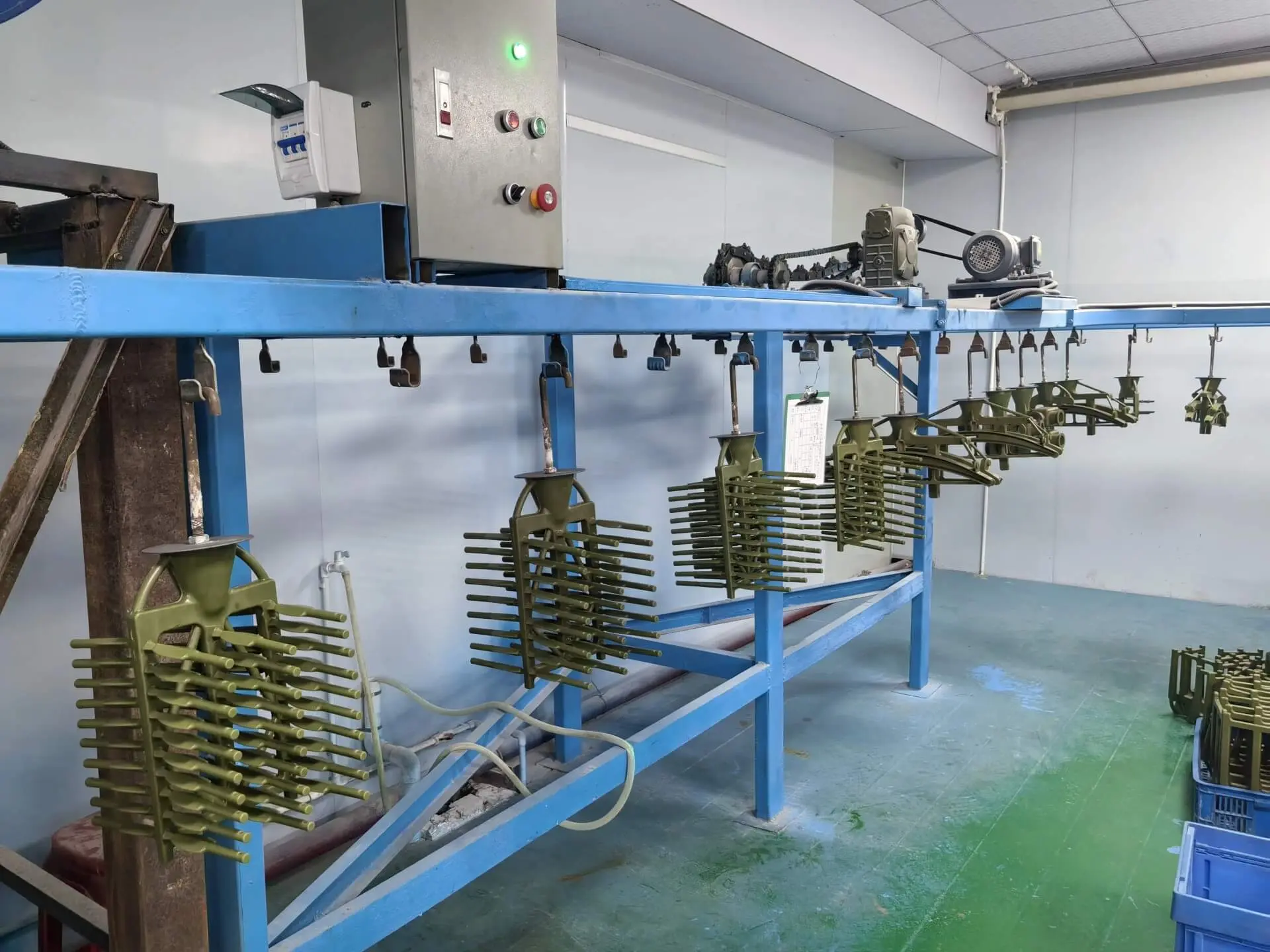
Explore Shixin's high-tech manufacturing facility. Our production lines feature automated slurry systems, shell drying rooms, and high-precision CNC mills.
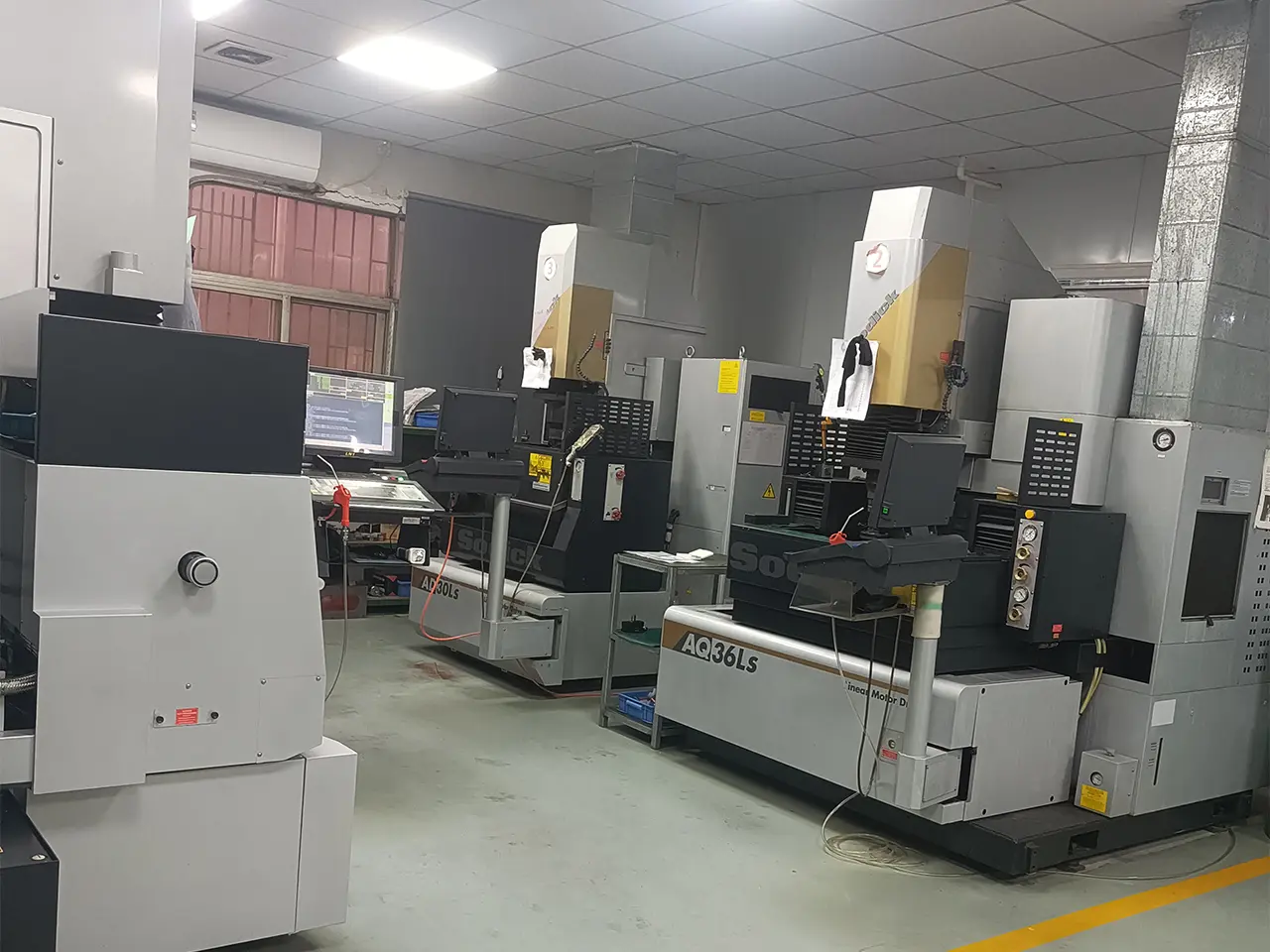
Shixin Workshop Machine Tooling
Precision CNC Milling Equipment
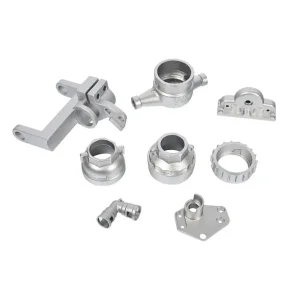
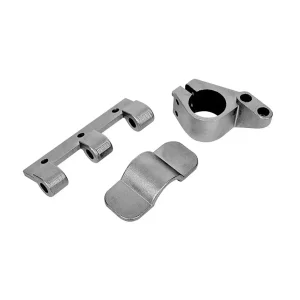
Metal Castings Processing Zone
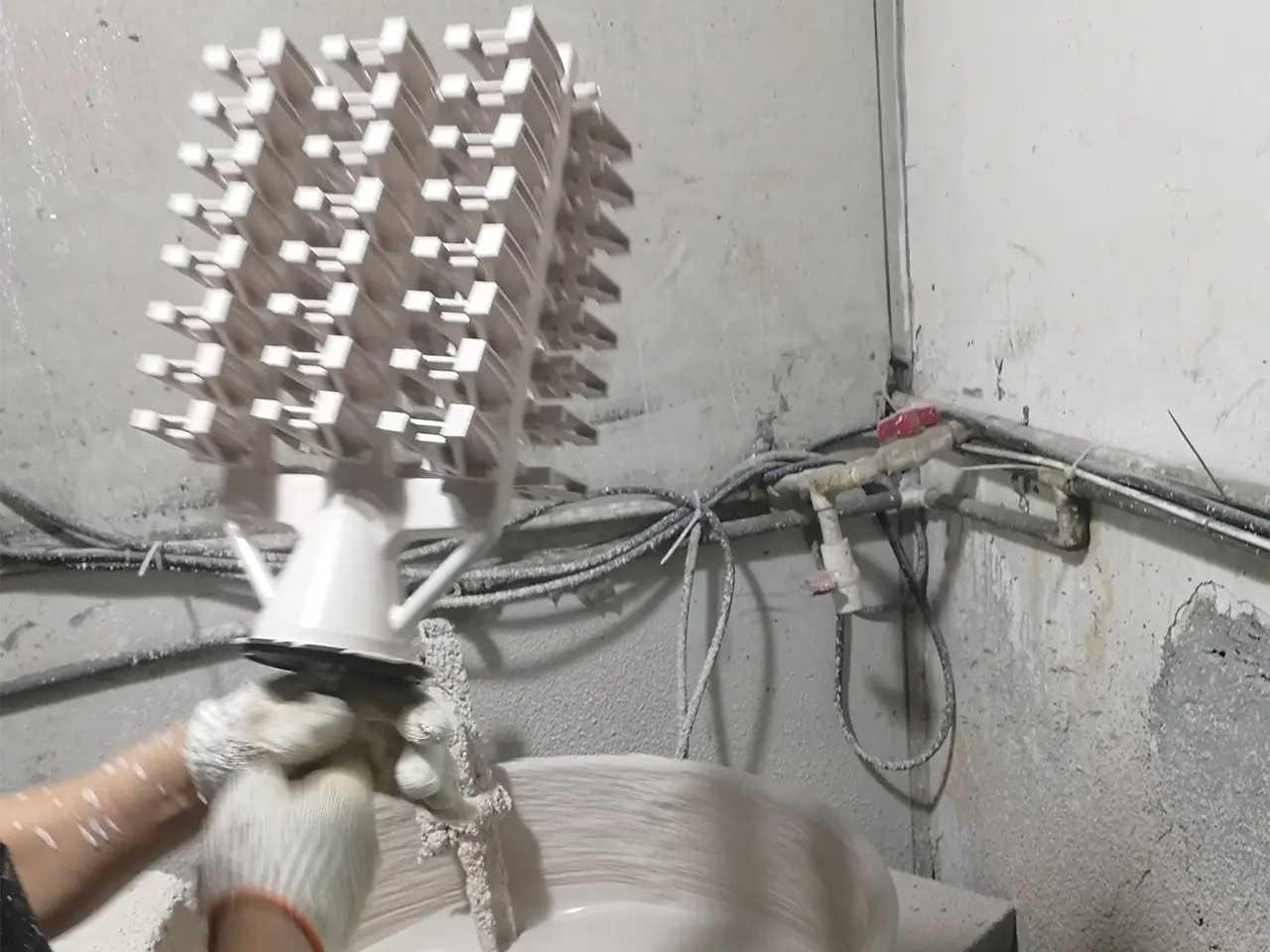
Slurry Shell Building Area
CNC Lathe and Turn-Mill Operations
Secondary Finishing & Assembly Area

2. Technology Roadmap & Future Trends in Lost Wax Casting

The investment casting industry is undergoing a digital transformation, moving away from manual art-to-craft practices toward highly repeatable, simulation-backed, automated production lines. Below are the key technological advancements driving modern foundry systems:

  • Rapid Tooling via 3D Printed Wax Patterns: Traditional casting requires steel or aluminum injection molds to produce wax patterns. This is often costly and time-consuming for low-volume testing. Incorporating SLA (Stereolithography) and SLS (Selective Laser Sintering) technologies allows engineers to print PMMA or specialized casting wax directly from CAD files. This eliminates tooling costs and reduces prototyping timelines from several weeks to just a few days.
  • Numerical Solidification Simulation (CAE): Advanced finite element analysis (FEA) software, such as ProCAST or MagmaSoft, allows engineers to run virtual casting simulations. By analyzing thermal heat transfer, fluid dynamics, and phase transitions, engineers can identify hot spots, shrinkage cavities, and air entrapment zones before a single drop of alloy is poured. This leads to a substantial reduction in material waste and rework.
  • Robotized Shell Coating Lines: The slurry coating and stuccoing stages are critical for maintaining shell integrity. Operating in climate-controlled environments, robotic arms handle shell building by dipping the wax assemblies into binder slurries (typically silica sol) and coating them with varying grit sizes of refractory sand. This automated process ensures uniform shell thickness and consistent drying, minimizing the risk of shell cracking or metal breakthrough during pouring.

By integrating these technologies, Shixin has elevated its precision capabilities. We offer our global clients components with reduced microstructural porosity, a surface finish rating below Ra 3.2, and tight raw dimensional tolerances of ISO 8062-3 DCTG6.

Ra 3.2
Casting Roughness
±0.005
CNC Tolerance (mm)
DCTG6
Casting Tolerances
2014
Established Year

3. Industrial Solutions & Macro-Market Applications

Modern structural systems place strict demands on component manufacturers. A single component failure in a marine, medical, or aerospace system can lead to severe consequences. High-quality investment casting meets these demands by providing complex geometries in high-performance materials. Let's look at how these solutions are applied across key industries:

Marine Engineering & Seawater Environments

Marine hardware is constantly exposed to corrosive chlorides. Carbon steel structures are prone to rapid oxidation, whereas cast Duplex or 316L stainless steel provides long-term resistance to saltwater corrosion. Standard marine applications include propellers, pump impellers, valve housings, through-hull fittings, and structural deck hardware. Our casting process ensures that these parts have optimized grain structures, which prevents localized corrosion and cavitation wear under high dynamic loads.

Medical Technology & Biocompatibility

Orthopedic implants, surgical instruments, and medical machinery components require materials that are biocompatible and wear-resistant. Using titanium (Ti-6Al-4V ELI) and cobalt-chromium alloys, we produce implants and tools that undergo rigorous radiographic and dye-penetrant testing. This guarantees they are free from internal voids and surface defects.

Automotive, Transit & Heavy Equipment

Modern transport networks require components that balance high strength with low weight. Our team produces steering knuckles, turbocharger manifolds, bus suspension components, and brackets designed to withstand high fatigue and mechanical stress. Using carbon steel and low-alloy steel castings helps keep production cost-effective while delivering structural integrity and impact strength.

Aerospace & Specialized Gas Turbines

Aerospace systems rely on advanced nickel-based superalloys and titanium structural components. These parts operate in extreme environments characterized by high pressures and elevated temperatures. Our precision casting processes provide the thin-wall structures, internal cooling passages, and dimensional repeatability required to meet strict aviation standards.

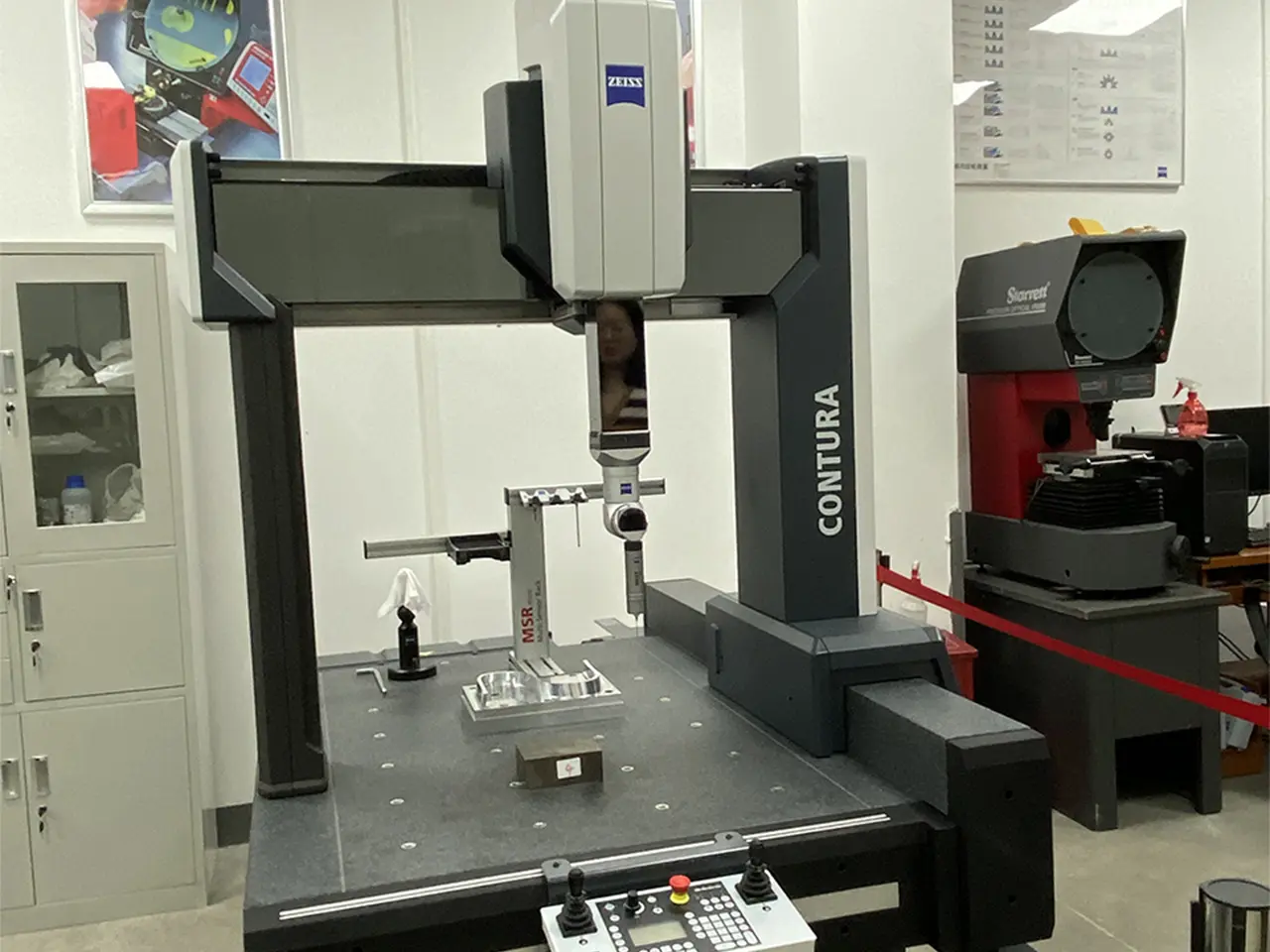
Quality Control & Verification Lab

At Dongguan SX Technology Co.,Ltd, quality is the cornerstone of our manufacturing operations. We employ dedicated QC personnel and use professional inspection equipment to enforce strict tolerances and industry standards. Through this rigorous approach, we have earned the trust and recognition of customers worldwide.

Since 2014, we have continuously improved our production capacity and quality management systems. Our testing workflows include:
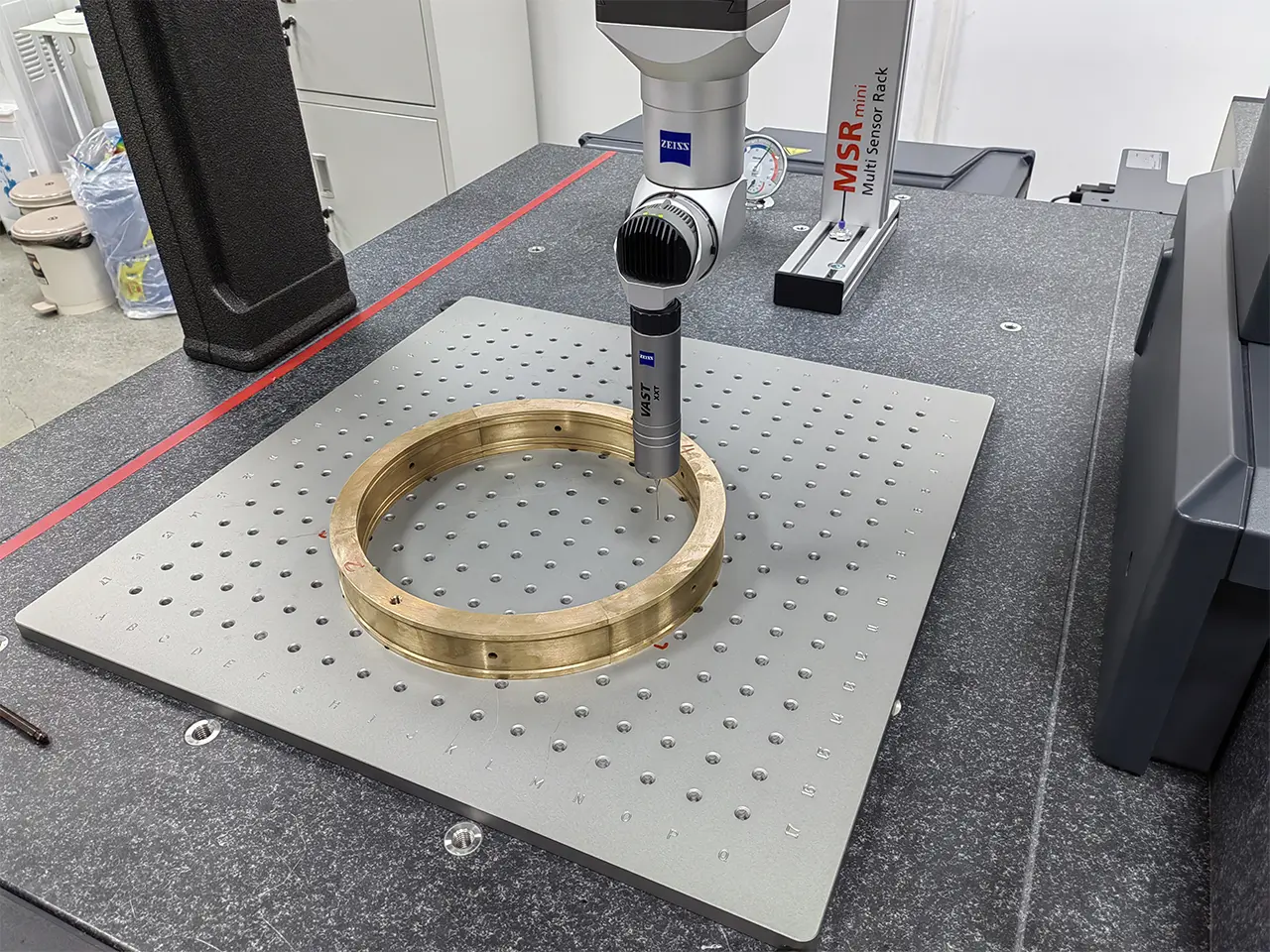
  • Spectrometer Material Verification: We perform optical emission spectrometry (OES) on every batch before pouring to verify the alloy's chemical composition.
  • Coordinate Measuring Machines (CMM): Automated coordinate measuring systems check critical dimensional tolerances on complex geometries to ensure they match our customers' CAD models.
  • Non-Destructive Testing (NDT): We offer X-ray imaging and liquid penetrant testing (LPI) to identify internal porosity, shrinkages, or surface cracks in mission-critical parts.
  • Mechanical Property Testing: We run tensile strength, yield strength, elongation, and Rockwell/Brinell hardness tests to verify the material's mechanical properties after heat treatment.
Shixin Quality Testing Room CMM Machine Tool Probe

4. China Factory 4.0: Supply Chain Resilience, Efficiency & Manufacturing Ecosystem

Manufacturing high-precision industrial castings involves more than just having the right equipment; it requires access to a robust industrial supply chain. Dongguan's manufacturing ecosystem provides key advantages in efficiency, raw material sourcing, and logistics:

  • Raw Material Traceability & Regional Sourcing: Dongguan is situated in the Pearl River Delta, which provides direct access to high-purity alloy manufacturers, specialty refractories, and chemical processors. This helps secure raw materials quickly and cost-effectively, reducing lead times.
  • Subcontractor Integration & Multi-Process Ecosystems: Producing complex parts often requires specialized heat treatments, non-destructive testing (NDT), or plating. Our facility sits within a 30-minute logistics radius of regional heat treatment plants, anodizing lines, and passivation providers. This allows us to keep workflows efficient and minimize logistical overhead.
  • Skilled Engineering Workforce: Our engineering team leverages modern design techniques, mold flow simulations, and multi-axis CNC programming to optimize production. This technical expertise translates to reliable production schedules and consistent quality.

For global procurement teams, these regional advantages help reduce project risks, stabilize unit costs, and shorten lead times.

5. Global Sourcing, Regulatory Compliance & Localized Support

To serve international clients effectively, a manufacturer must align with global regulatory and quality standards:

  • ISO 9001 & IATF 16949 Standards: Our quality processes are designed to align with ISO 9001 and IATF 16949 (automotive quality management) guidelines. This structure ensures traceablity from raw materials to final shipment records.
  • Material Certification & Standards Compliance: We provide EN 10204 3.1 material certificates with every shipment, verifying the chemical and mechanical properties of our castings. Our products are fully compliant with ASTM, DIN, JIS, and GB standards.
  • Environmental and Chemical Compliance: Our manufacturing processes adhere to RoHS and REACH environmental regulations. We work closely with partners to minimize environmental impact and manage waste responsibly.

We also work with global freight networks to support DDP, CIF, and FOB terms, ensuring reliable delivery directly to our clients' warehouses.

Technical Questions & Answers (FAQ)

Expert insights into lost wax casting parameters, materials, design guidelines, and precision manufacturing capabilities.

Q1: What are the primary differences between investment casting and traditional sand casting? +
Investment casting (lost wax) utilizes a liquid silica sol slurry and fine zircon sands to coat a wax pattern, creating a smooth shell. This process yields superior surface finishes (typically Ra 3.2 to 6.3) and thin-walled, complex geometries. Sand casting utilizes compacted sand molds which result in a rougher surface (Ra 12.5 to 25) and requires wider dimensional tolerances, though it remains cost-effective for large components.
Q2: How does Shixin achieve tight tolerances on complex lost wax castings? +
We achieve tight tolerances by integrating precision mold tooling with post-casting CNC machining. The raw investment casting process meets ISO 8062 DCTG6 tolerances. For critical interfaces, we use multi-axis CNC mills and turn-mill centers to machine surfaces down to tolerances of ±0.005mm.
Q3: What surface treatments can be applied to stainless steel castings? +
We offer various surface finishes depending on the application requirements, including glass bead blasting, chemical passivation (to restore corrosion resistance), electropolishing, hand polishing, and powder coating or painting.
Q4: How does integrating CNC machining with casting benefit global OEMs? +
Integrating both processes allows OEMs to source finished, assembly-ready components from a single vendor. This simplifies supply chain management, reduces shipping costs, and minimizes quality disputes between separate casting foundries and machine shops.
Q5: Can 3D printing replace tooling for wax casting supplies and patterns? +
Yes, for low-volume production and prototypes, we can use 3D-printed SLA wax or PMMA patterns. This bypasses the need for metal injection molds, reducing project startup costs and shortening lead times from weeks to days.
Q6: How does Dongguan SX Technology ensure chemical composition compliance? +
We run spectrometer tests on every batch before pouring and provide complete EN 10204 3.1 material certificates detailing the chemical composition. All materials are fully traceable back to the casting batch.