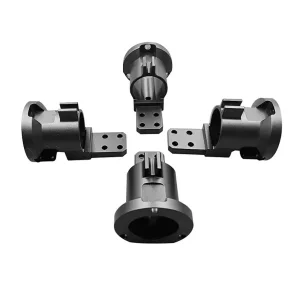
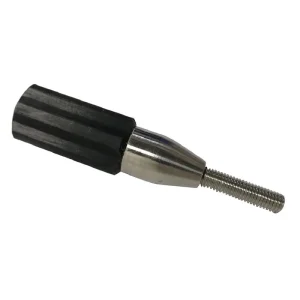
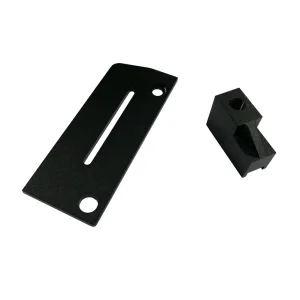
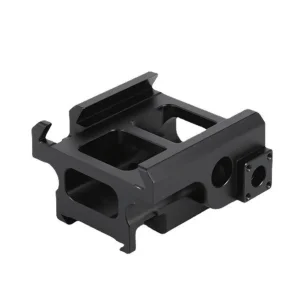
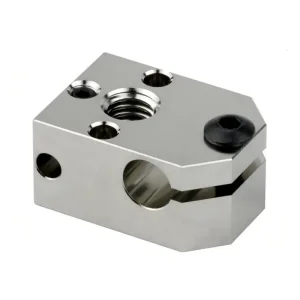
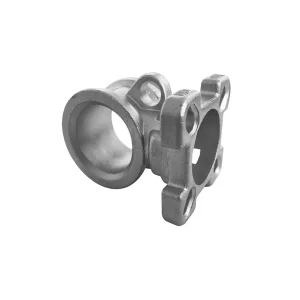
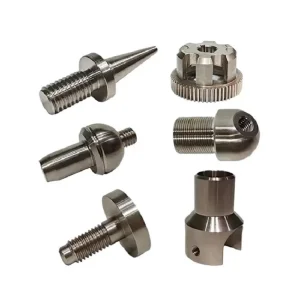
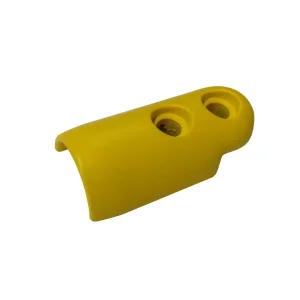
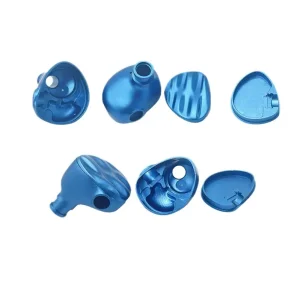
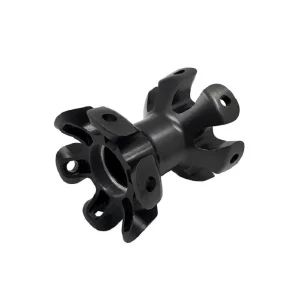
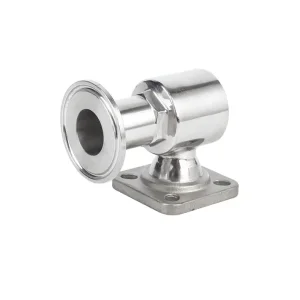
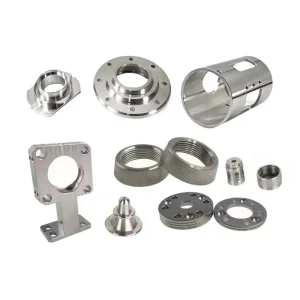
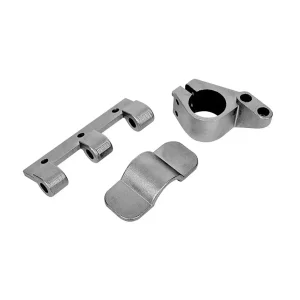
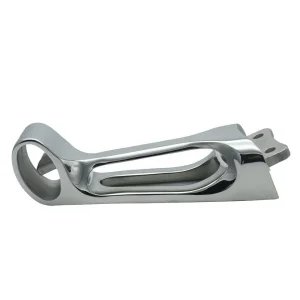
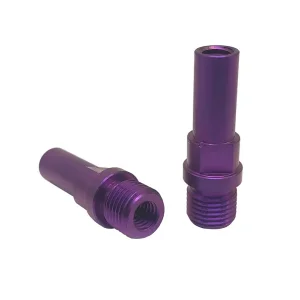
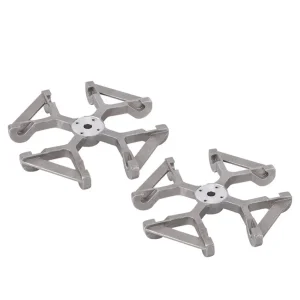
Explore our flagship precision machining and investment casting product series custom-engineered for international quality standards.
Established in 2014, Dongguan SX Technology Co., Ltd. has grown into a globally recognized leader in precision investment casting, CNC machining, and comprehensive mechanical assembly. Nestled in China's manufacturing heartland, we merge advanced material science with state-of-the-art tooling technologies to deliver elite engineering components that withstand high stress, extreme temperatures, and corrosive environments.
Our multi-disciplinary engineering team possesses rich manufacturing expertise, optimizing designs for manufacturing (DFM) and streamlining the transition from prototype development to high-volume commercial production. We serve as a trusted partner across challenging sectors, including automotive systems, marine engineering, flow control valves, medical instruments, electronic systems, and defense.
"We firmly believe that strict quality control is the cornerstone of sustainable manufacturing. By optimizing metallurgy, shell construction, and post-machining operations, we deliver parts that consistently meet or exceed international specifications."
Modern engineering demands materials that deliver optimal strength-to-weight ratios without sacrificing structural durability. Aluminum investment casting (specifically using high-grade alloys such as A356, A380, and AlSi10Mg) has emerged as the premier solution for these strict engineering conditions. Historically, investment casting (or lost wax casting) was restricted to ferrous alloys due to high shrinkage rates and oxide formation in molten aluminum. However, with vacuum-assisted pouring, precise temperature monitoring, and high-purity ceramic shell systems, modern manufacturers achieve unprecedented microstructural integrity in non-ferrous casting.
By employing rapid solidification techniques and proprietary grain refiners (such as Titanium-Boron additions), we control the secondary dendrite arm spacing (SDAS) within the cast structure. A smaller SDAS drastically improves the fatigue life, tensile strength, and elongation properties of the finished components. This mechanical enhancement makes aluminum investment castings suitable for replacing heavy steel fabrications and weak die-cast assemblies in aerospace, transportation, and structural machinery.
Enables ultra-thin walls down to 1.5mm, complex undercuts, internal oil passages, and internal fluid channels impossible through traditional CNC machining alone.
Achieves an exceptional surface finish of Ra 3.2 to Ra 1.6 microns, significantly reducing the necessity and cost of subsequent mechanical polishing.
Near-net-shape manufacturing minimizes raw material waste. Ideal for expensive high-purity aluminum alloys, reducing machining cycle times.
For international procurement officers and engineering directors, sourcing aluminum castings from China involves looking beyond the unit piece price. The focus must remain on the **Total Cost of Ownership (TCO)**, which covers lead times, tooling life, defect rates, communication latency, and international logistics.
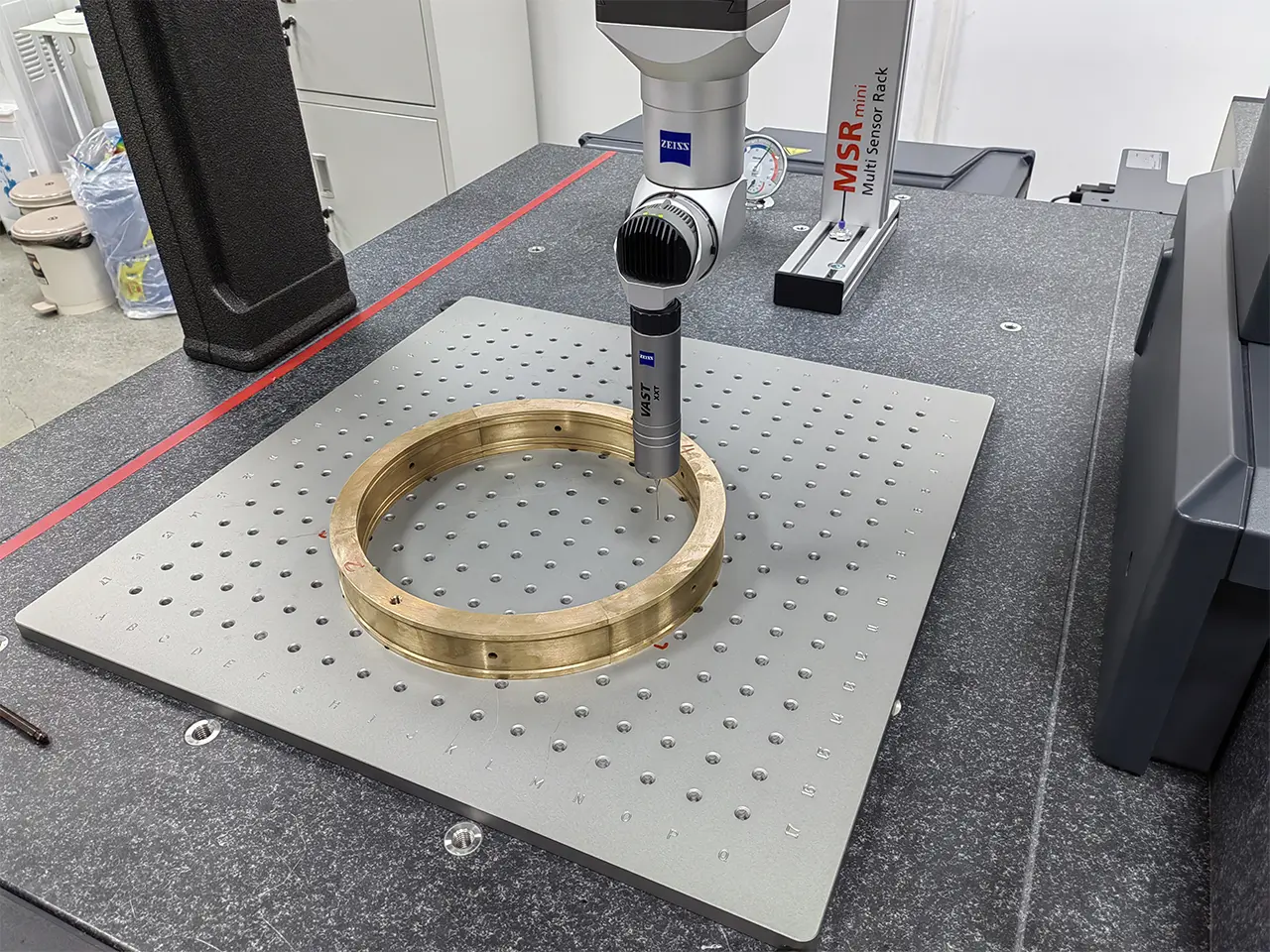
A major bottleneck in international casting procurement is the occurrence of subsurface porosity, which is only discovered during final machining phases at the buyer's factory. This results in wasted machine hours, disrupted production lines, and high freight costs for replacements. Dongguan SX Technology addresses this challenge by integrating CNC machining and pressure testing within our own factory. Because we supply fully finished, machine-ready parts that undergo 100% leak testing and coordinate-measuring inspections, global buyers eliminate the risk of late-stage defect identification.
As industrial equipment transitions toward electrification and automation, structural requirements change. We provide complete macro-level solutions across these key industrial sectors:
Explore our advanced manufacturing ecosystem where precision metallurgy meets high-performance CNC machining centers.
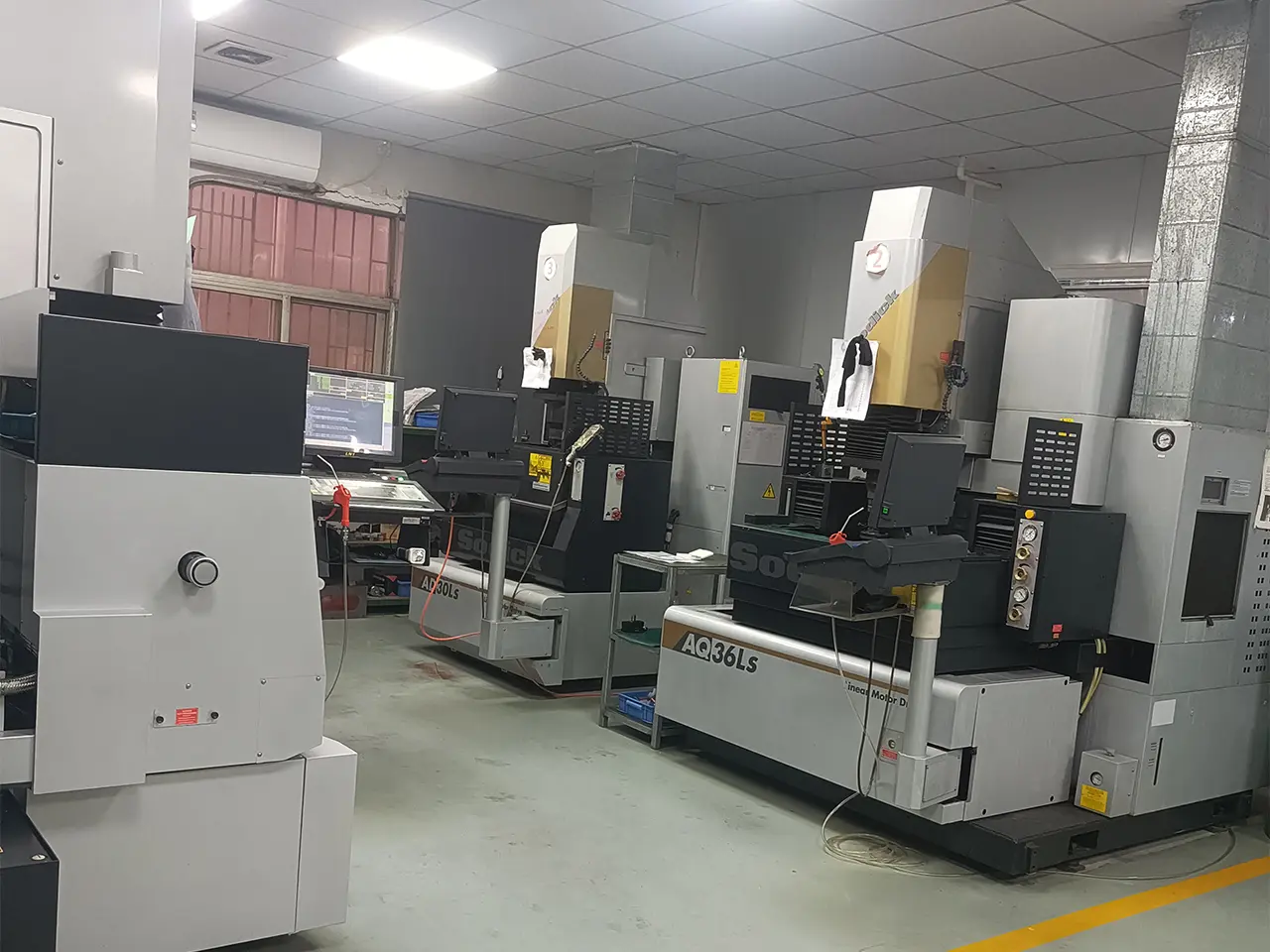
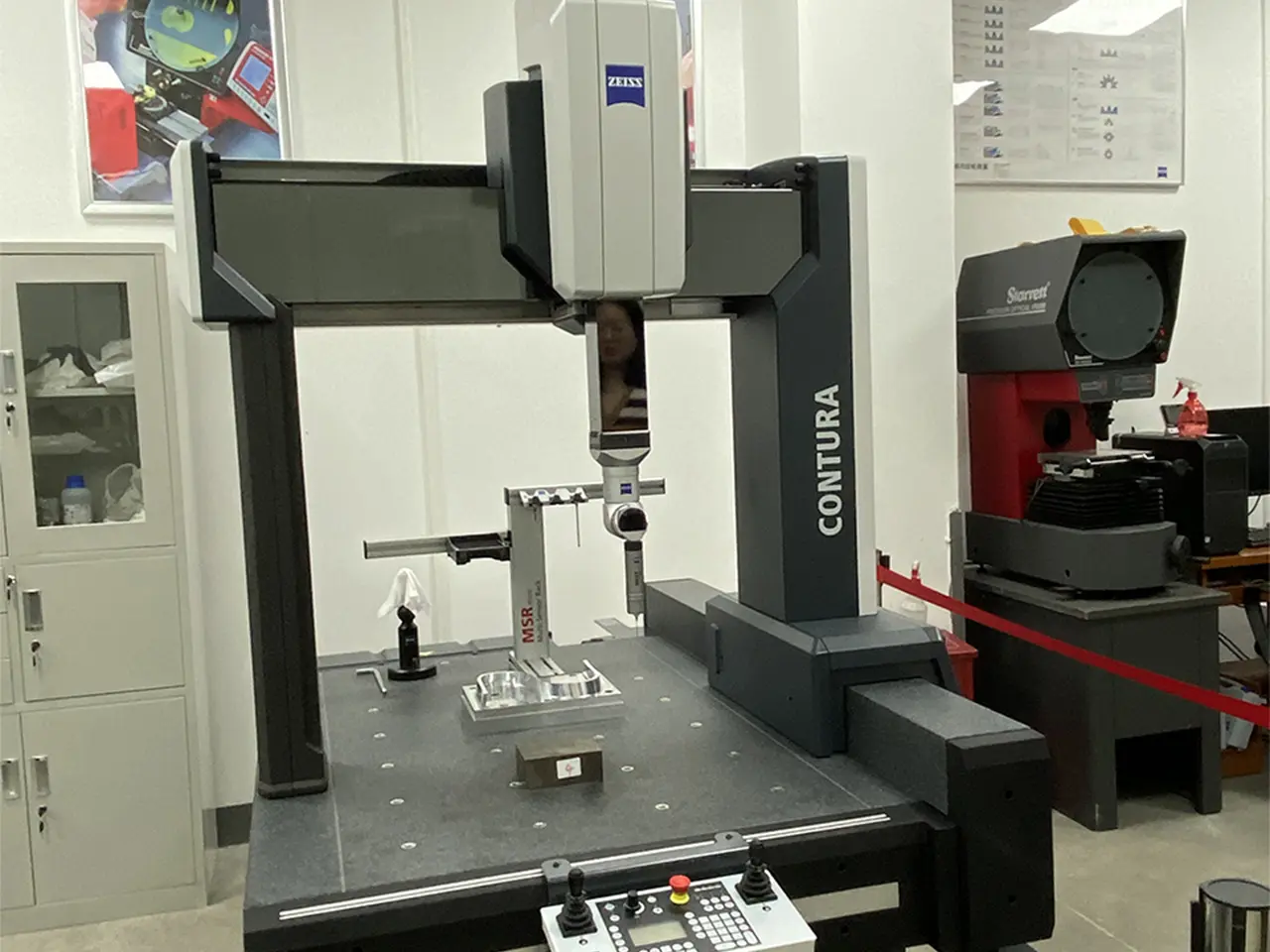
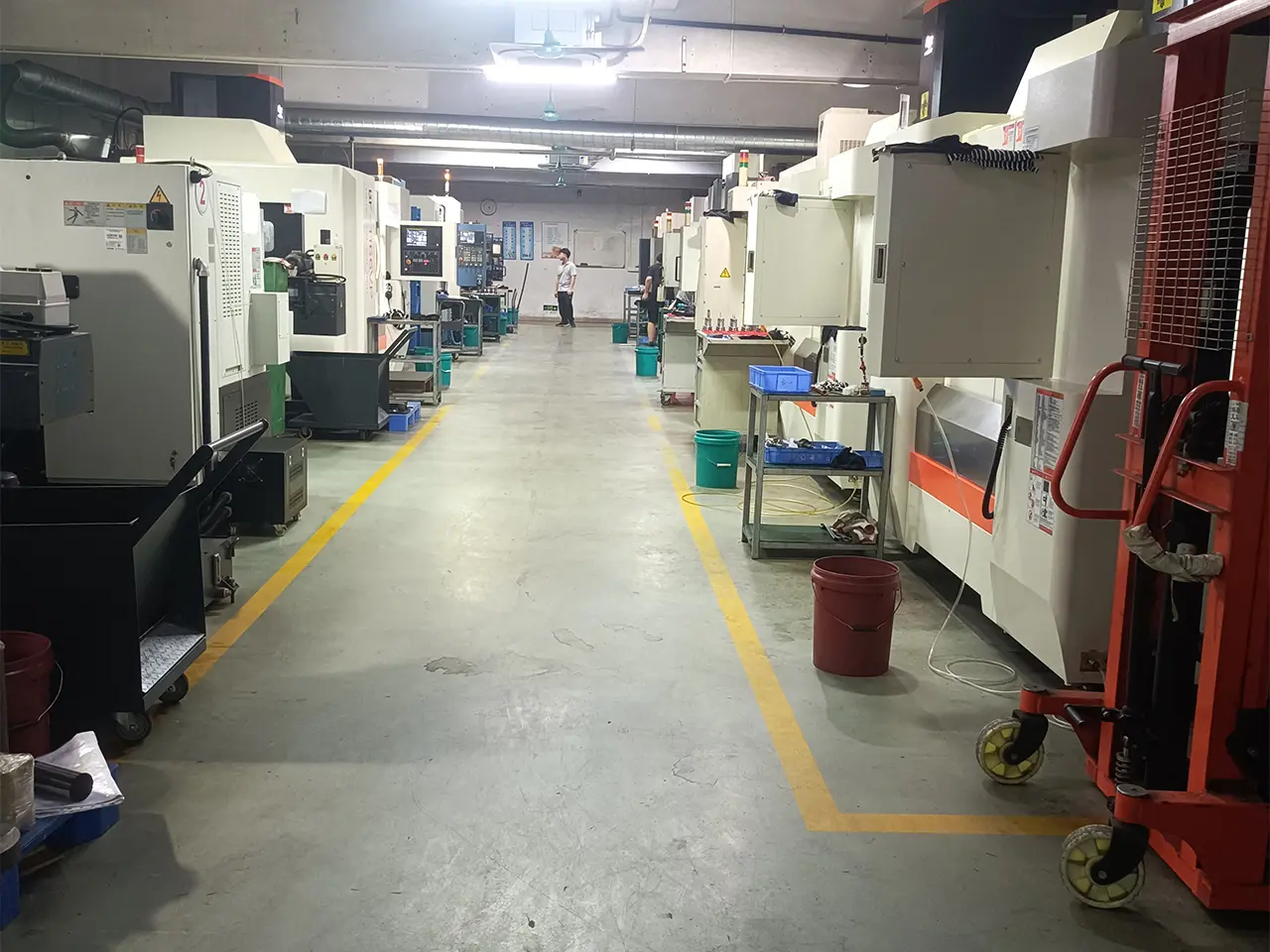
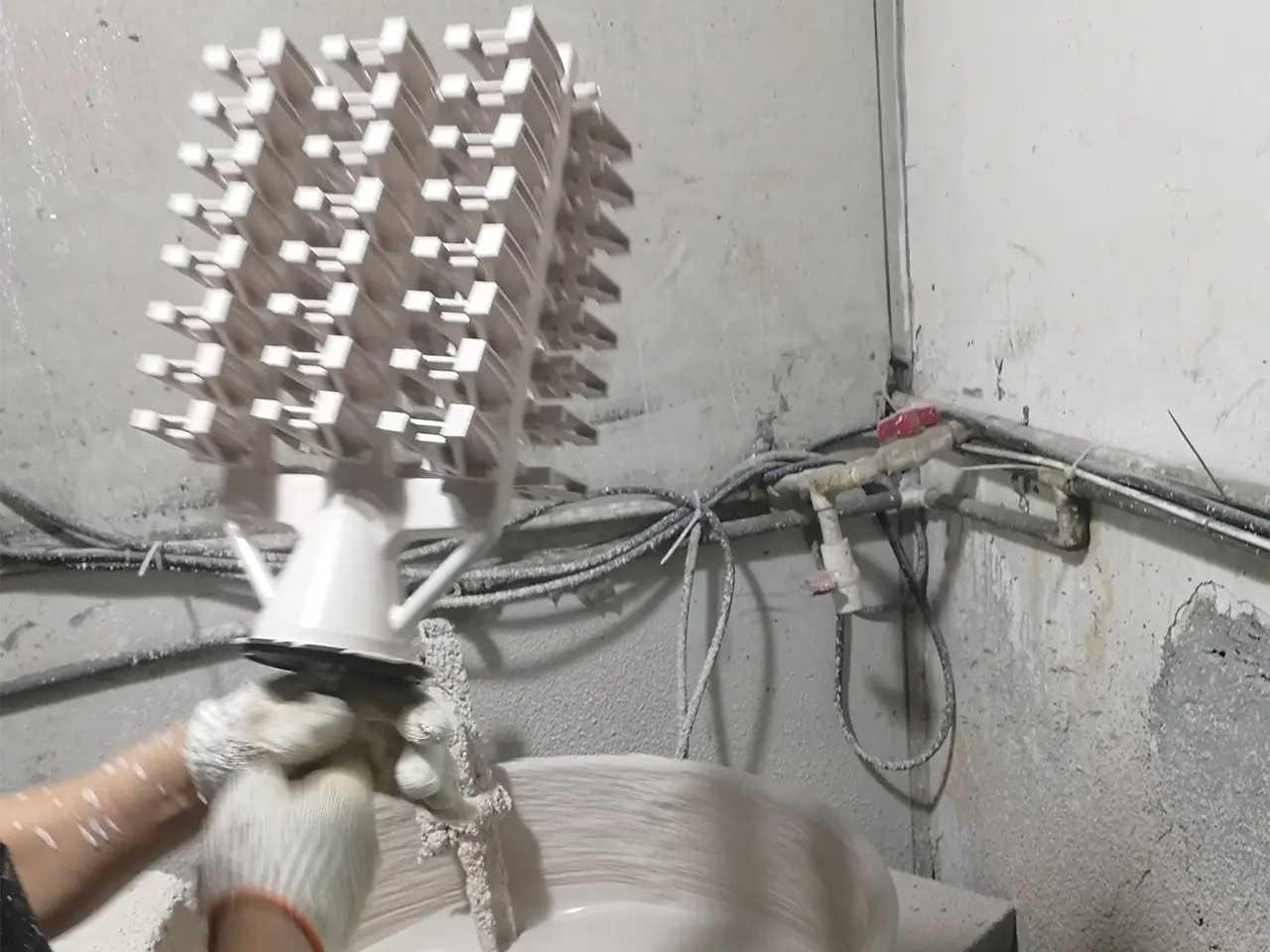
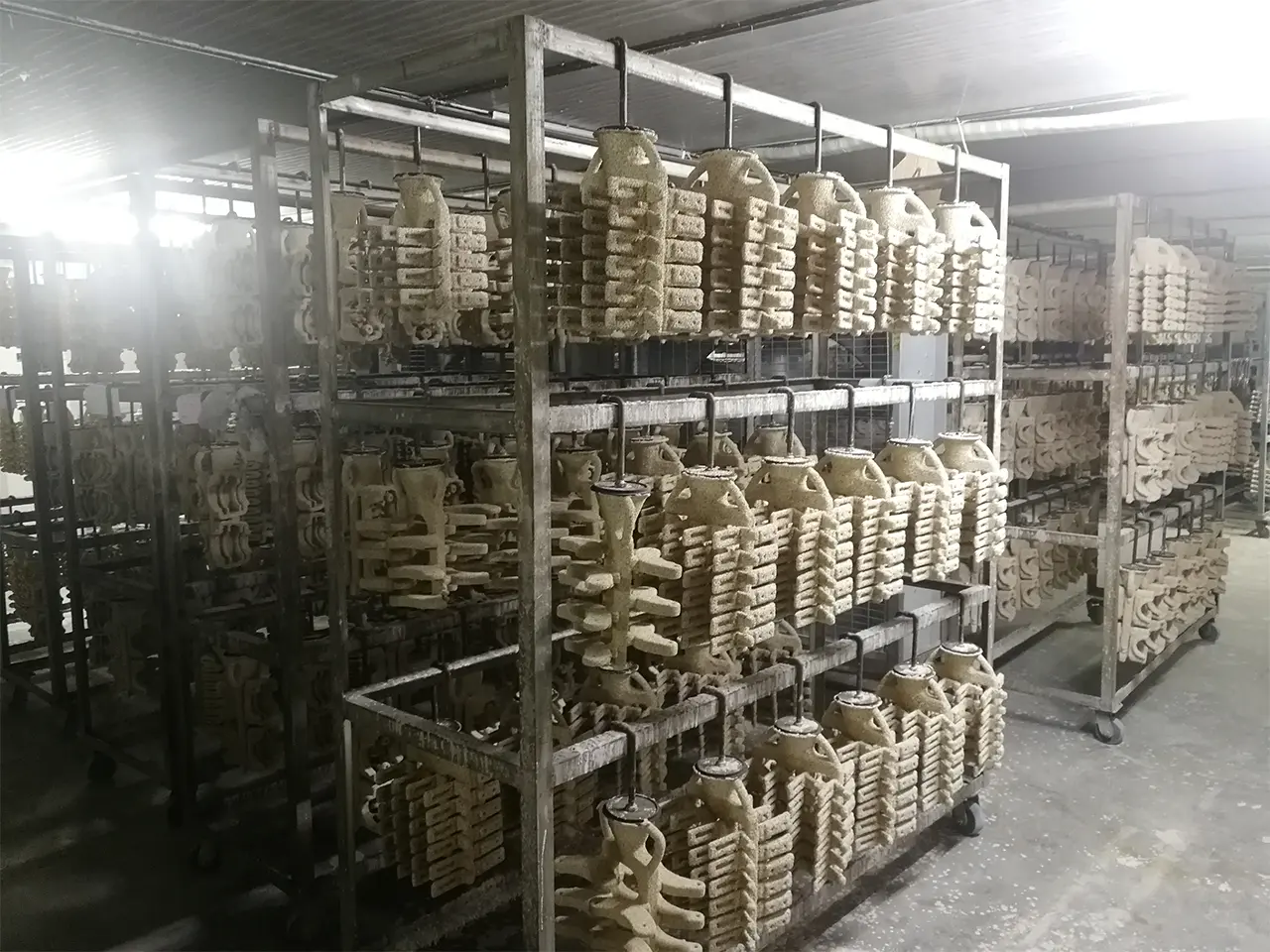
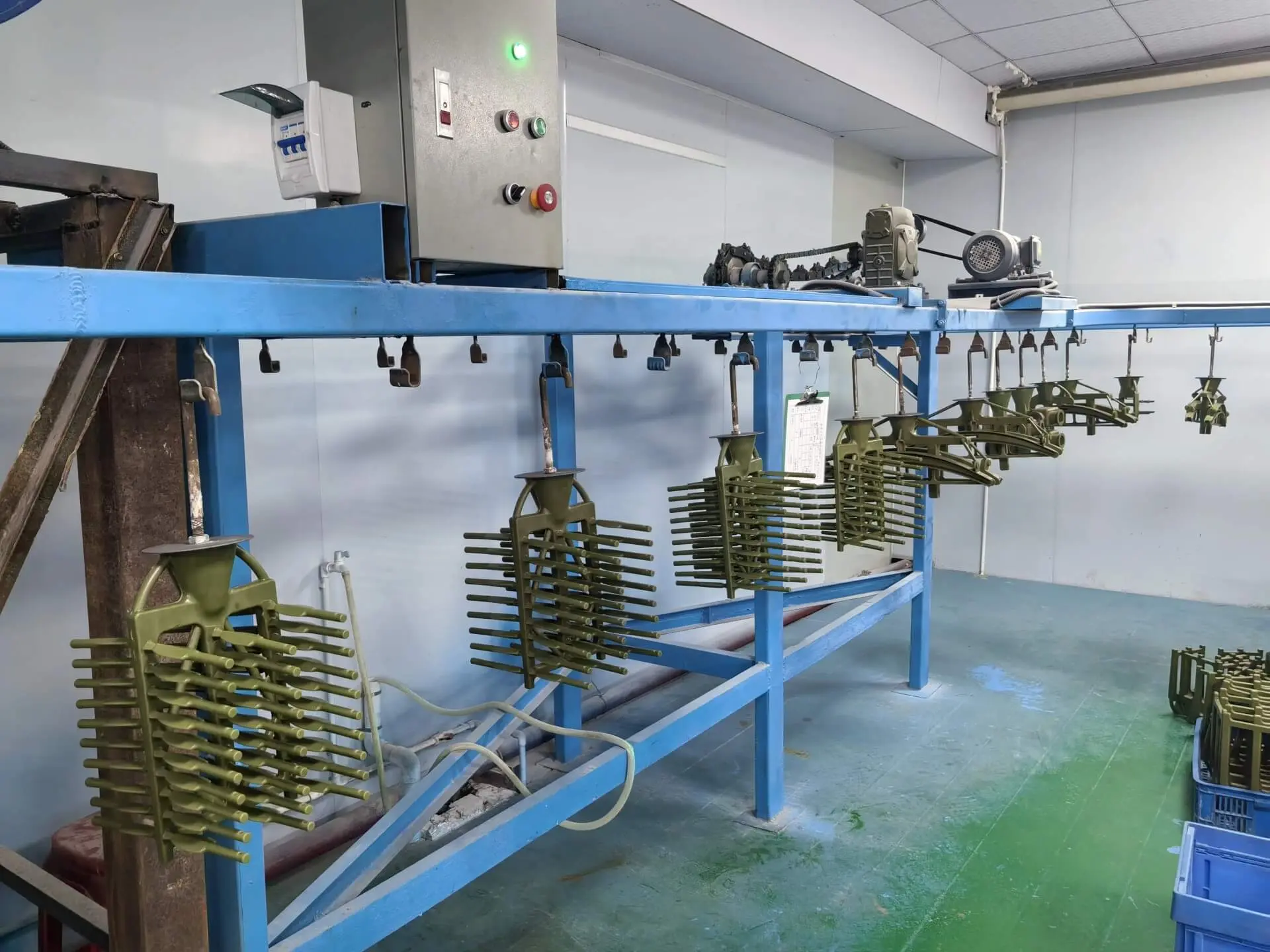
At Dongguan SX Technology Co., Ltd., quality is the foundation of our entire manufacturing process. We maintain professional testing facilities and employ dedicated Quality Control (QC) personnel who implement strict standard operating procedures. Since our founding in 2014, we have continuously upgraded our metrology equipment to match the requirements of international engineering drawings.
Our quality control protocols include:
The casting industry is shifting toward digitalization and environmental responsibility. Dongguan SX Technology is actively investing in three primary areas to remain at the forefront of this evolution:
By employing state-of-the-art solidification analysis software, our engineers simulate the thermal behavior and flow velocities of molten aluminum during the fill process. This virtual validation allows us to optimize gating and riser locations, predicting and eliminating hotspots and potential shrinkage areas before manufacturing the physical steel molds.
To support rapid prototyping and low-volume production, we have integrated industrial SLA 3D printing into our process. We print PMMA or polymer wax patterns directly, skipping the high-cost tooling phase for verification models. This cuts prototyping lead times from 6 weeks to 7 business days, providing a fast development path for our automotive and aerospace partners.
We employ clean induction furnaces with advanced heat-recovery systems to reduce energy consumption per ton of melted aluminum. Furthermore, our shell-molding department uses eco-friendly, water-soluble binders to minimize Volatile Organic Compound (VOC) emissions, complying with international Environmental Management System standards.
Expert insights on technical capabilities, tolerances, lead times, and materials for aluminum investment castings.
Explore our extensive precision component capabilities, ranging from titanium milling to specialized industrial hardware.
 SX Machining