 SX Machining
1 / 5
Titanium alloy is a lightweight, high-strength metallic material renowned for its exceptional strength-to-weight ratio, low density, outstanding corrosion resistance, and excellent biocompatibility. Titanium alloy components are widely used across various industries, and their adoption continues to grow. However, the material itself is costly, and the machining process is challenging and expensive, leading to relatively high overall costs for titanium alloy parts. As a result, some industries opt to replace titanium alloy components with stainless steel or other more affordable alternatives to reduce the total cost of a project or product.
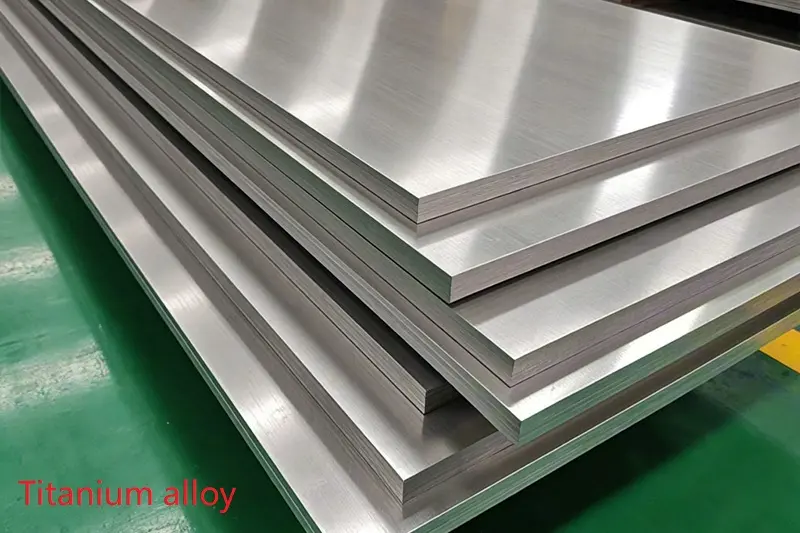
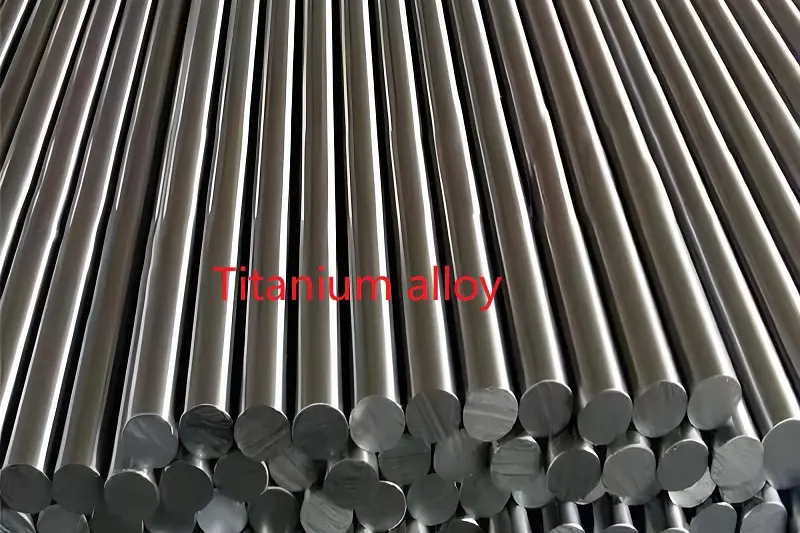
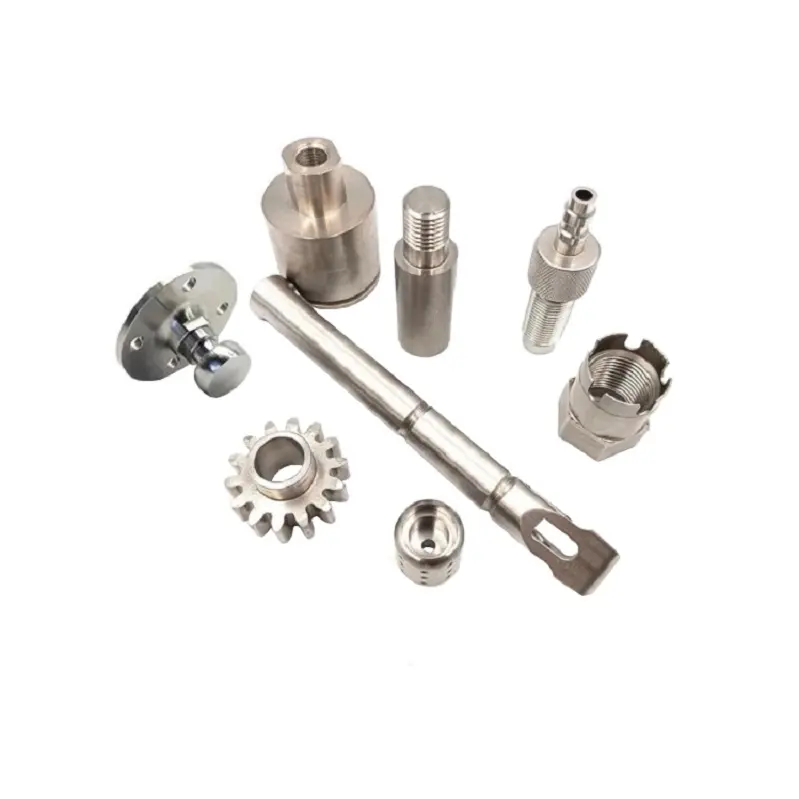
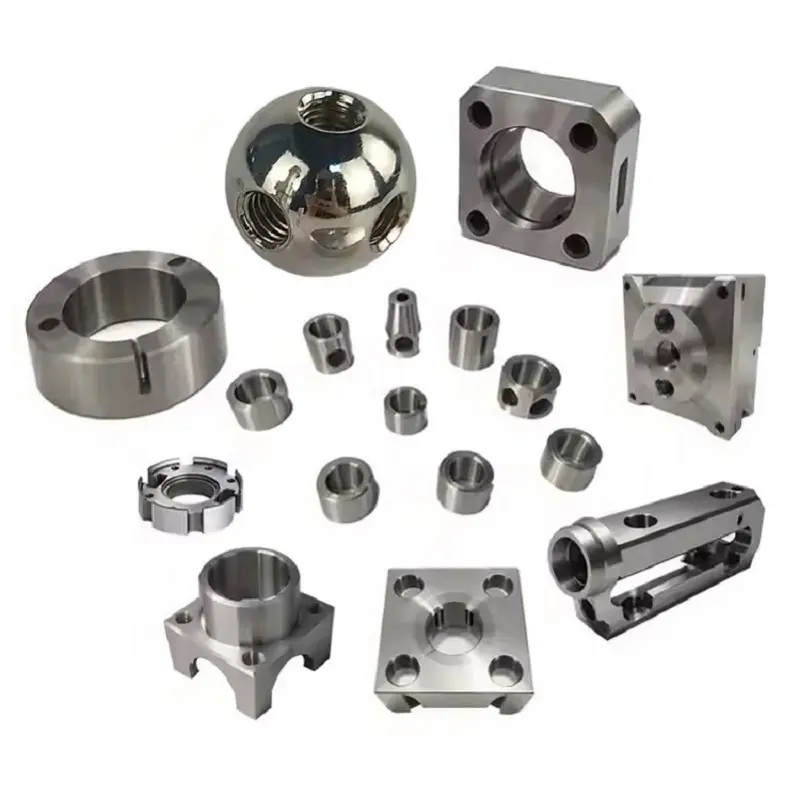
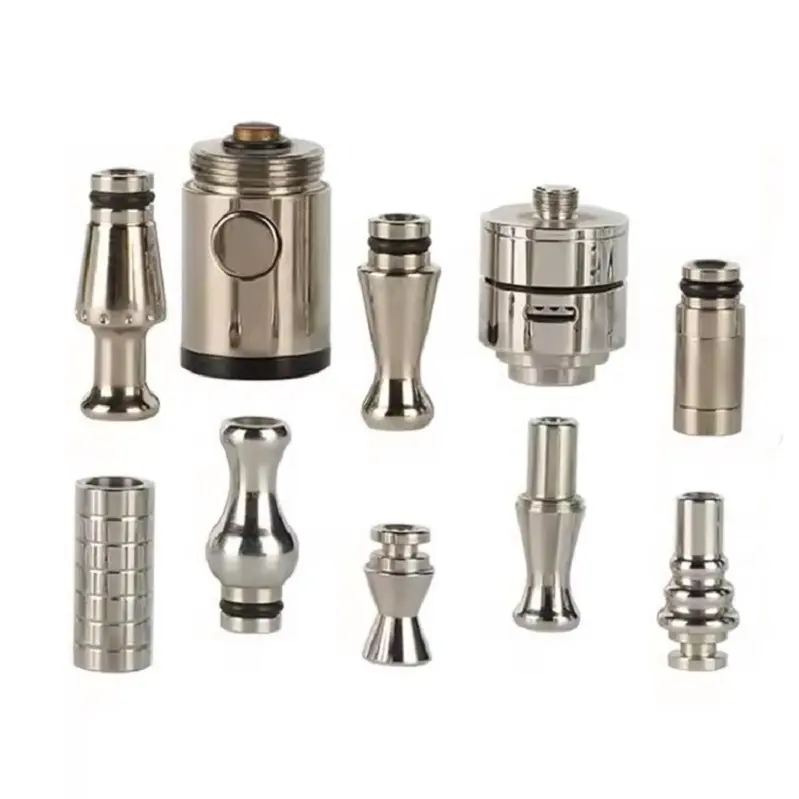
Titanium alloy materials offer exceptional specific strength, lightweight properties, outstanding corrosion resistance, excellent biocompatibility, as well as good thermal stability and non-magnetic characteristics. As a result, titanium alloy components are widely used in harsh environments or applications with demanding performance requirements. These parts can be manufactured through various processing techniques. Extensive expertise in CNC turning, CNC milling, and CNC turn-mill compound machining, combined with long-term accumulated experience, ensures the rapid and accurate production of titanium alloy parts that meet specifications. This efficiency advantage significantly reduces the overall cost of titanium alloy components.



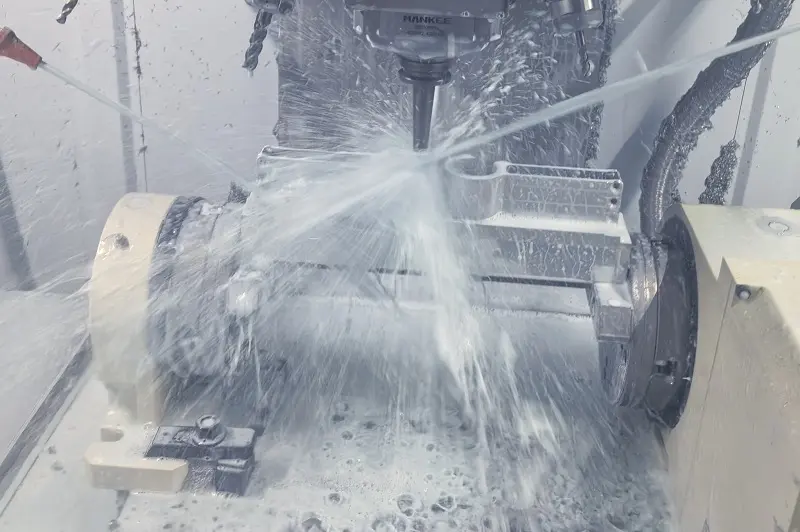
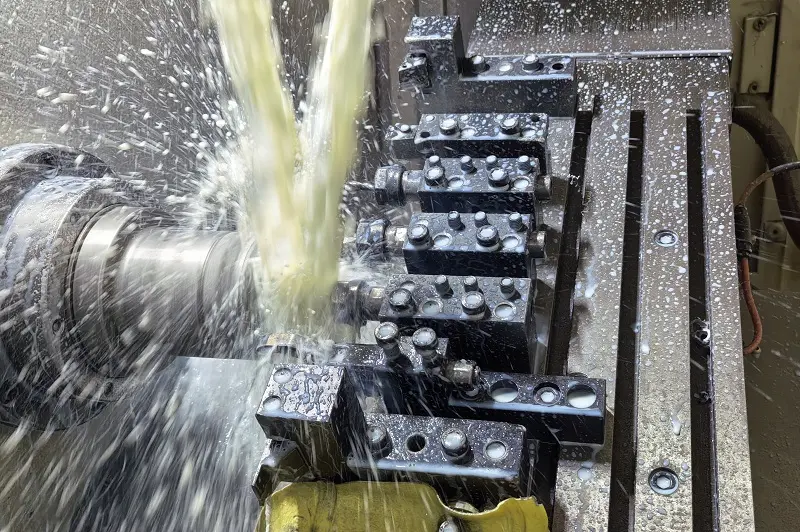
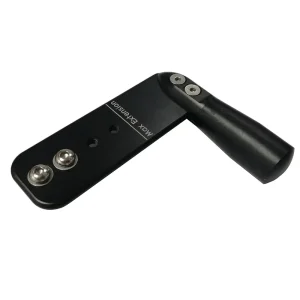
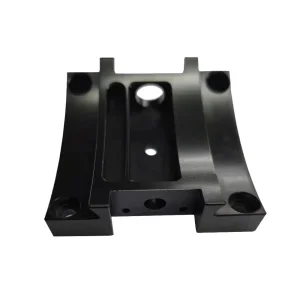
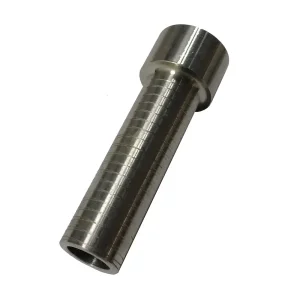
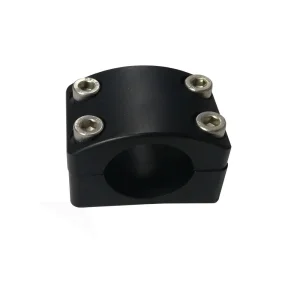
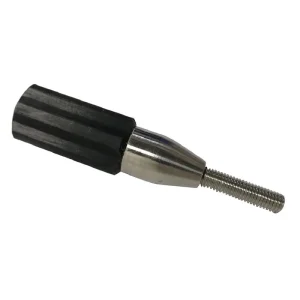
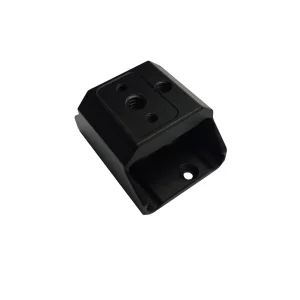
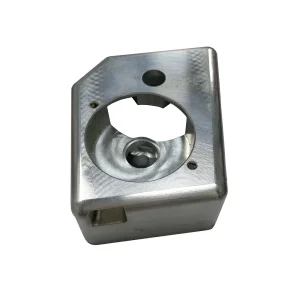
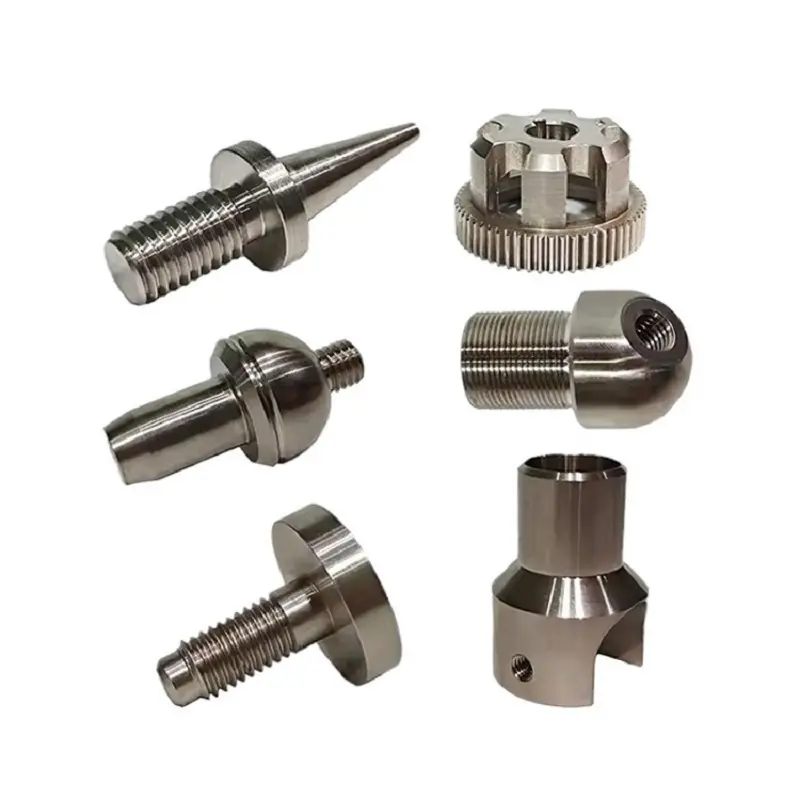
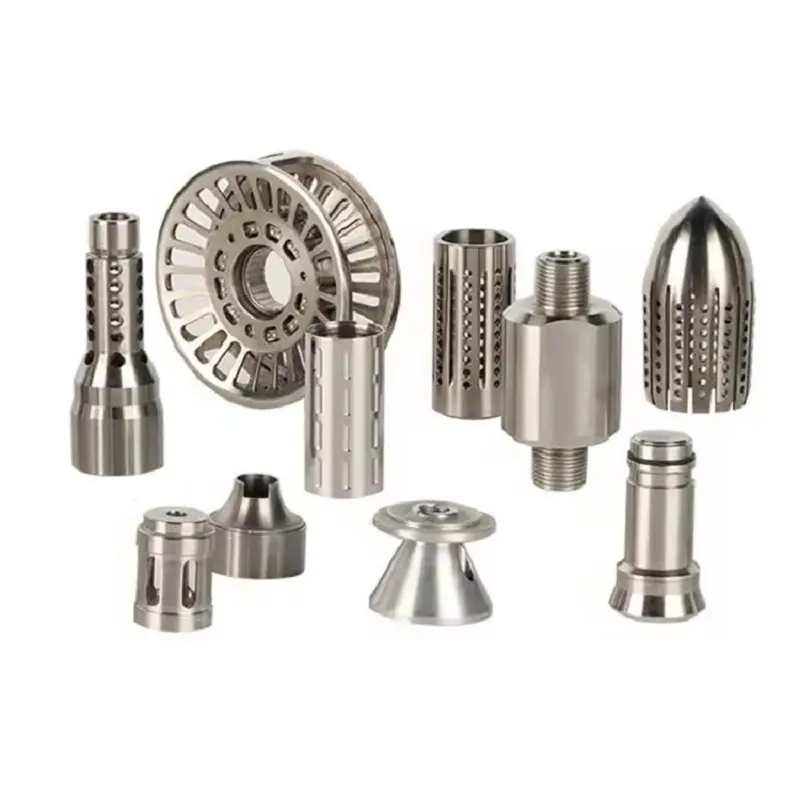
With over a decade of experience in machining titanium bolts, titanium alloy brackets, crankshafts, and various other CNC machining components, expertise spans across manufacturing parts from a wide range of materials including titanium alloys, stainless steel, carbon steel, copper, and aluminum. High-precision manufacturing guarantees compliance with tight tolerances and complex design specifications. Production solutions have been widely trusted and exported to Europe, the United States, and Southeast Asian countries.
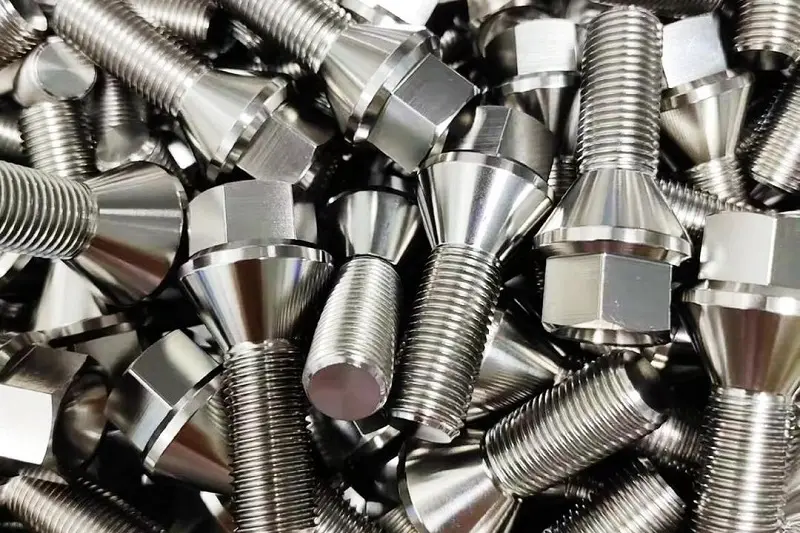
Titanium alloys offer an exceptional strength-to-weight ratio, low density, high temperature stability, outstanding corrosion resistance (especially to salt water and acids), and excellent biocompatibility. These properties make it perfect for aerospace, medical devices, and high-performance automotive fields.
Titanium has low thermal conductivity, meaning heat generated during cutting transfers directly to the cutting tools rather than dispersing. It is also highly reactive chemically with tool materials at elevated temperatures. This leads to accelerated tool wear, slower cutting speeds, and higher production costs.
Yes, in projects where weight is not a critical factor, stainless steel or carbon steel can serve as cost-effective alternatives. However, for applications requiring low weight, extreme corrosion resistance, or biocompatibility (like implants), titanium remains indispensable.
In addition to titanium alloys, common materials suitable for CNC turning and milling include various grades of stainless steel, carbon steel, copper, brass, and aluminum. The choice depends on the mechanical requirements of the application.
Tool life is maximized by utilizing specialized carbide-coated cutters, optimization of cutting feed rates, high-pressure coolant supply systems to disperse heat, and modern multi-axis CNC machines programmed with optimized toolpaths.
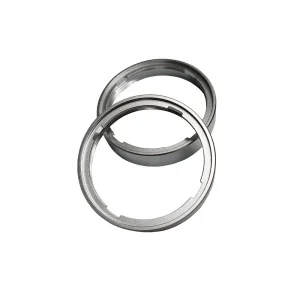
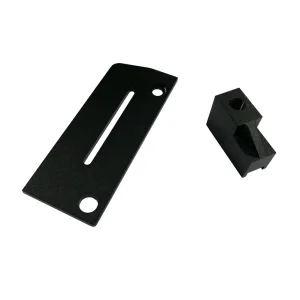
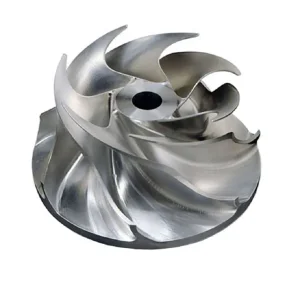
Custom parts include titanium bolts, brackets, cylindrical components, crankshafts, fittings, medical implants, and structural parts for high-strength industrial applications, achieved through CNC milling, turning, and compound turning-milling.