 SX Machining
1 / 5
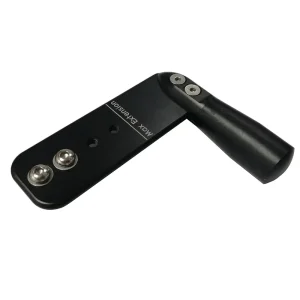
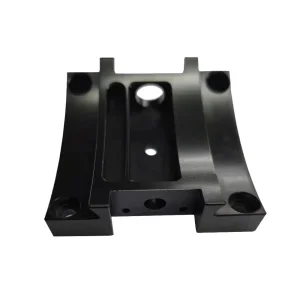
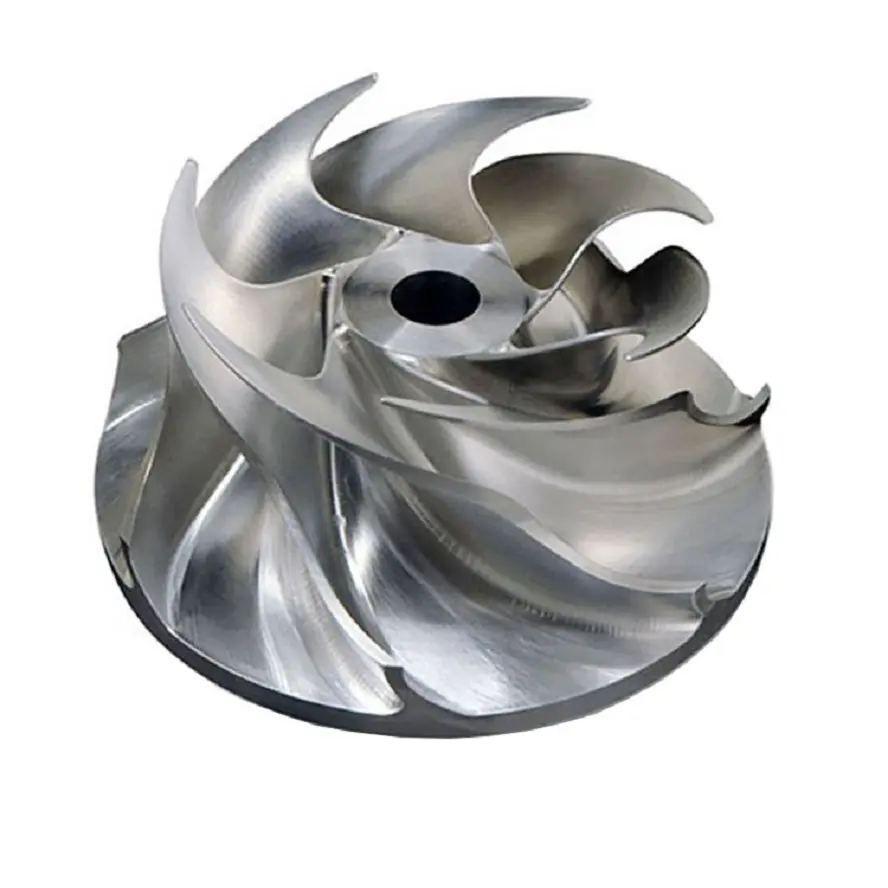
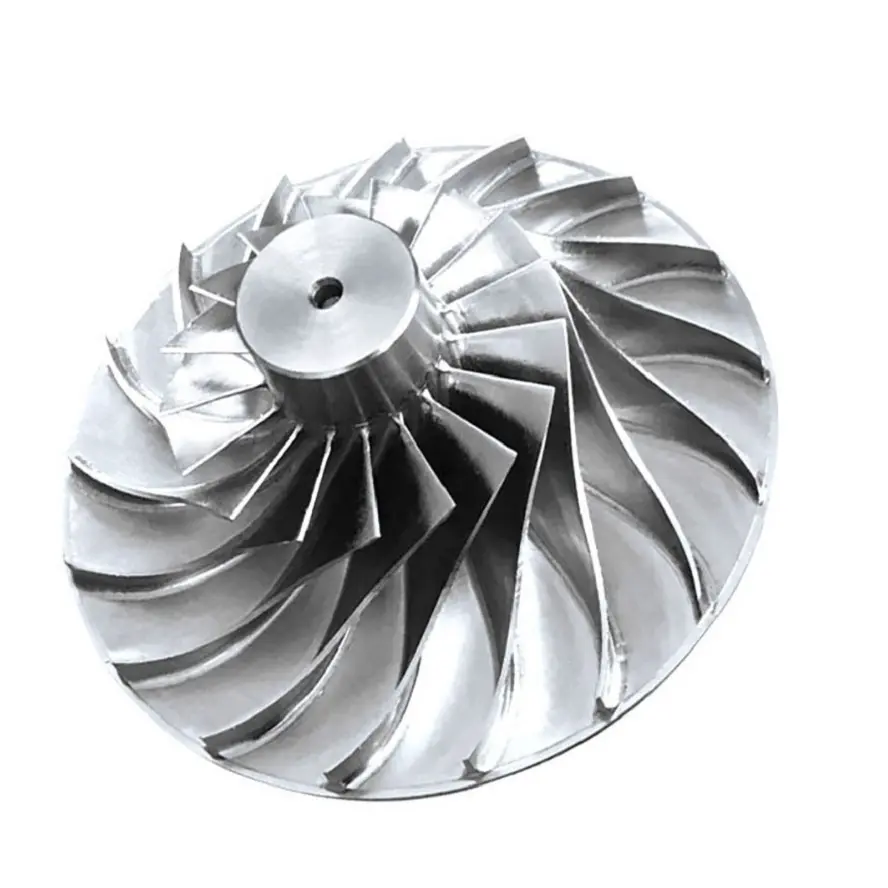
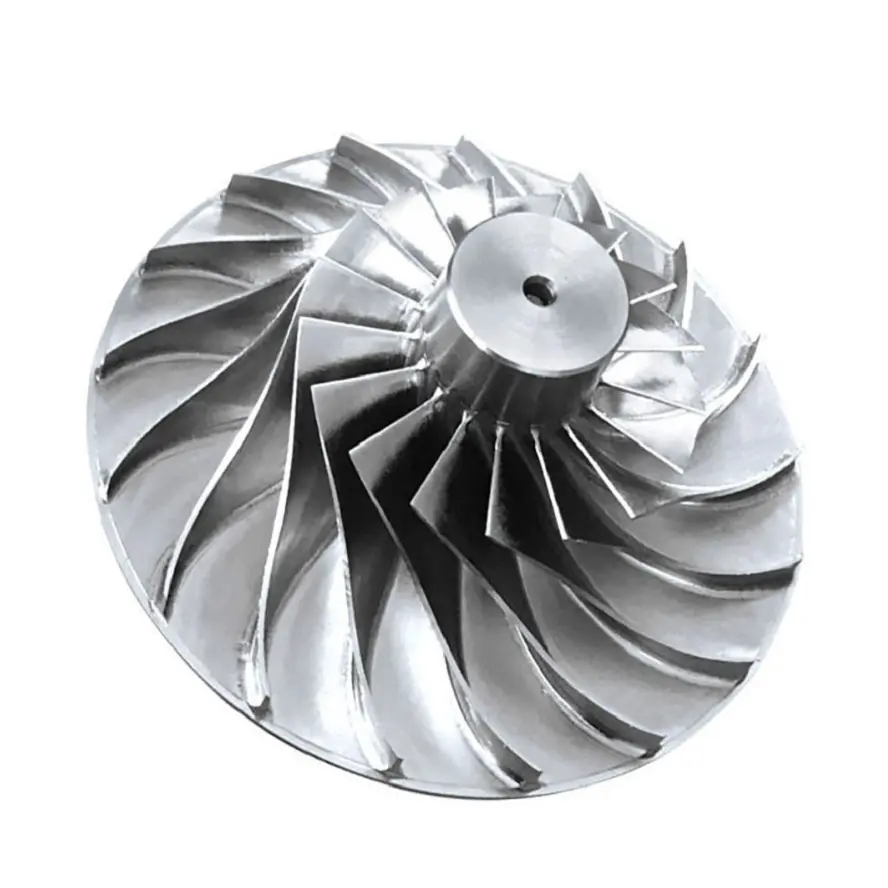
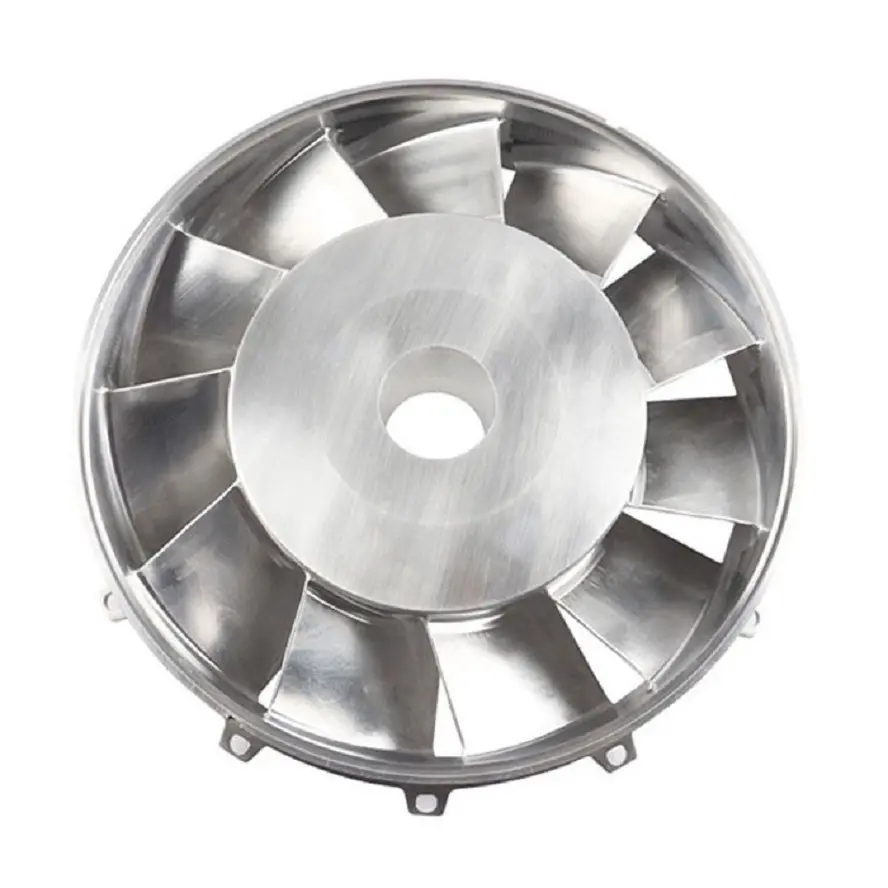
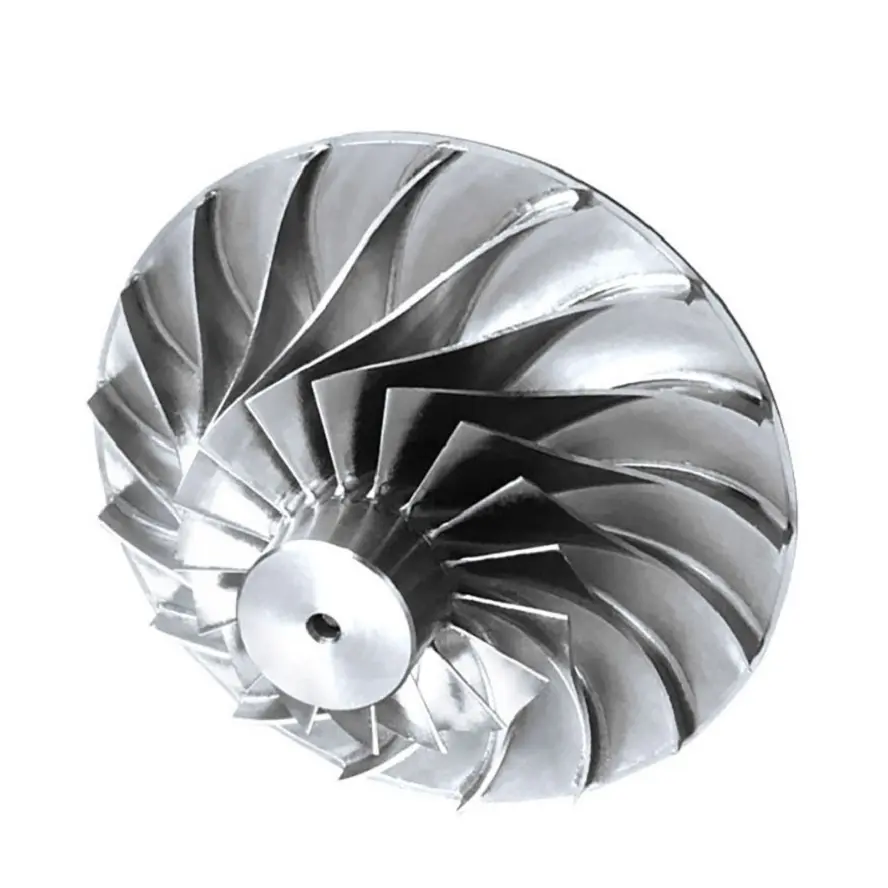
The 5 axis CNC machine tool represents an advanced manufacturing technology that builds upon the traditional three-axis system by incorporating two additional rotational axes, thereby enabling the machining of more complex components. Since the 5 axis CNC machine can simultaneously control the movement of 5 axes, it facilitates the processing of more intricate geometric shapes. Compared to conventional 3 axis CNC machines, the 5 axis CNC machine reduces the number of clamping operations and process transitions, maintaining higher machining accuracy. In the case of 5 axis simultaneous CNC machines, they are capable of machining parts with complex surfaces and geometries, such as impellers and turbine blades, among others.
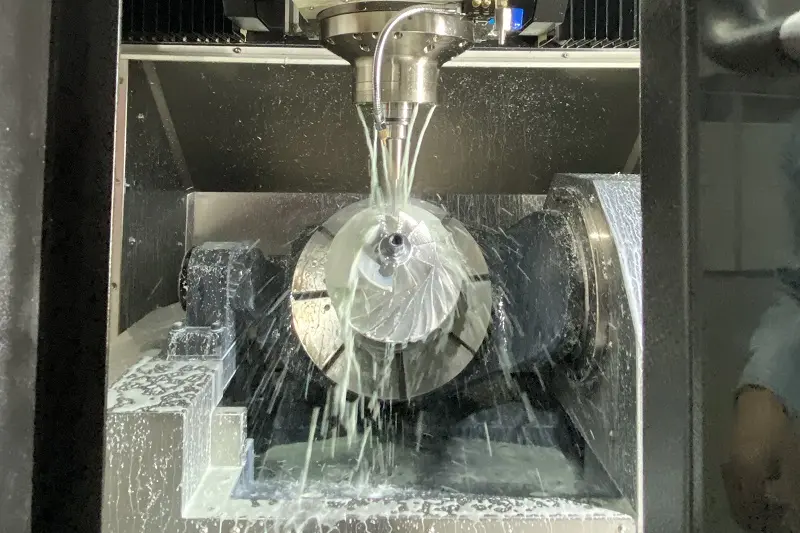
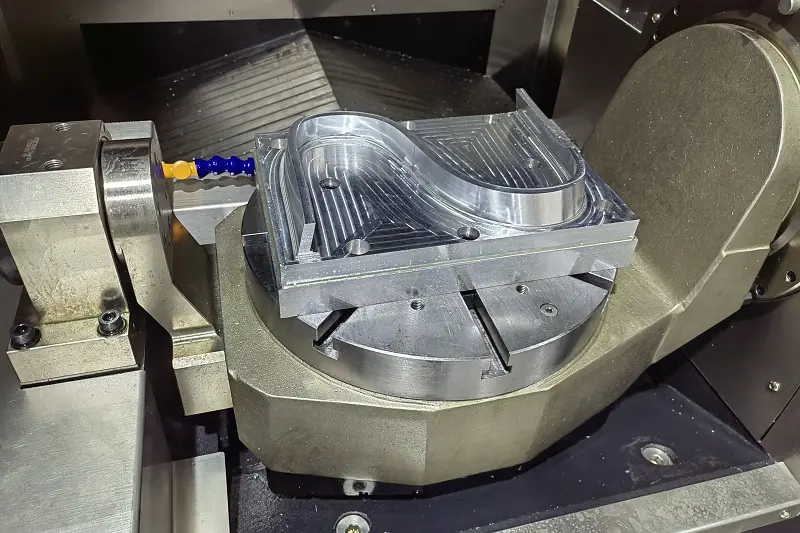
Currently, five-axis CNC machining is extensively utilized in high-end industries such as aerospace, automotive manufacturing, mold making, and medical devices, particularly in applications requiring high precision and complex shapes. By incorporating two additional rotational axes, five-axis CNC machining significantly enhances machining flexibility and accuracy, making it especially suitable for the production of intricate components. This technology not only improves production efficiency and quality but also reduces manufacturing costs, making it an indispensable and critical technology in modern manufacturing. However, five-axis equipment is associated with high costs and substantial investment; the programming is complex and challenging; and the requirements for operators are also relatively high, leading to significant upfront investment.



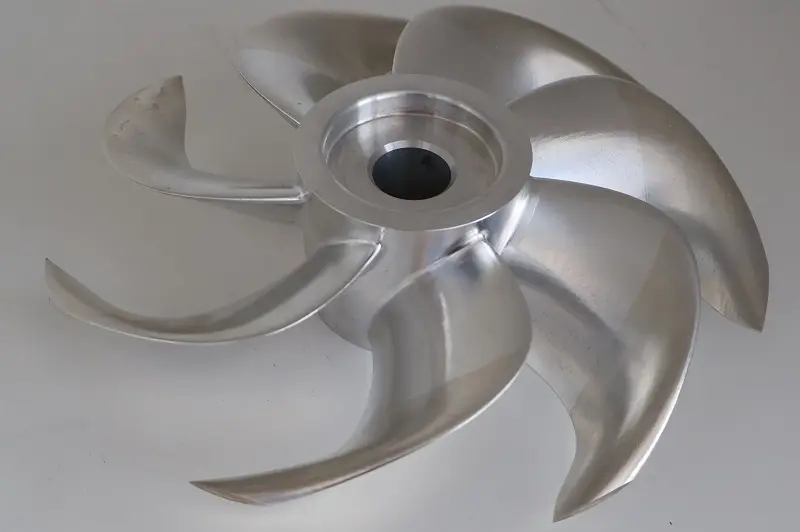
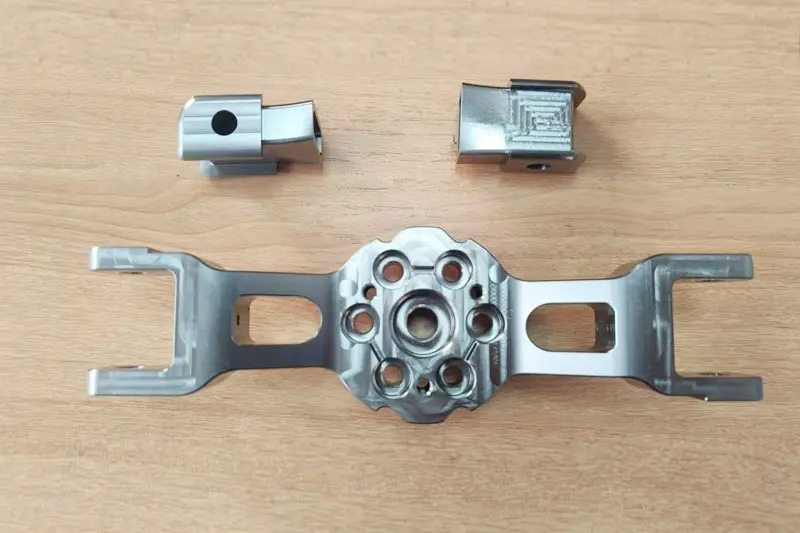
We not only provide CNC milling services, but also offer CNC turning and CNC turn-mill combined machining. Additionally, we provide subsequent surface treatment and assembly services.
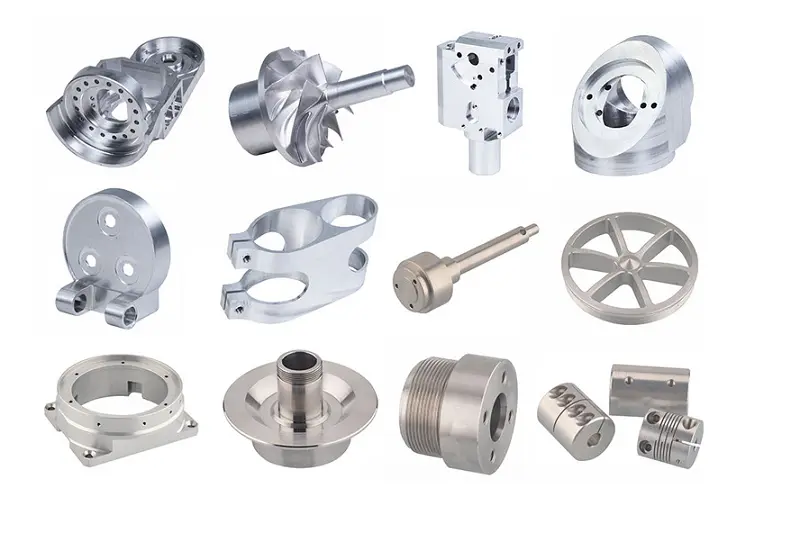
Unlike traditional 3-axis machines that move along X, Y, and Z axes, a 5-axis CNC machine incorporates two additional rotational axes. This allows the cutting tool to approach the workpiece from any direction, enabling the production of highly intricate and complex geometric shapes.
5-axis simultaneous CNC machining reduces the need for multiple clamping setups and process transitions. This significantly improves manufacturing efficiency, lowers production costs, and maintains superior machining accuracy for complex parts like turbine blades and impellers.
This advanced technology is widely utilized in high-end sectors requiring exceptional precision, including aerospace, automotive manufacturing, medical devices, and mold making.
Yes, 5-axis equipment involves high machine acquisition costs and requires a significant upfront investment. Additionally, the programming is highly complex, and it demands specialized, well-trained operators to run the machinery effectively.
Available services include CNC milling, CNC turning, combined CNC turn-mill machining, as well as subsequent surface treatments and final component assembly.