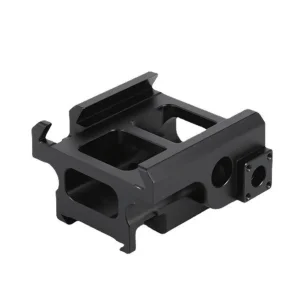
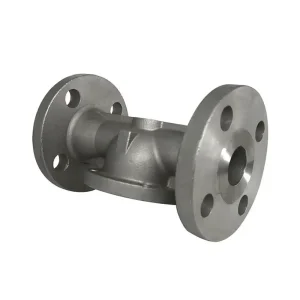
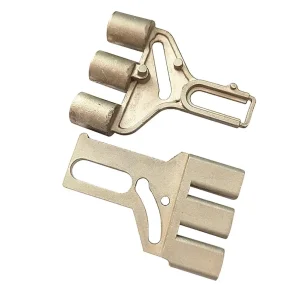
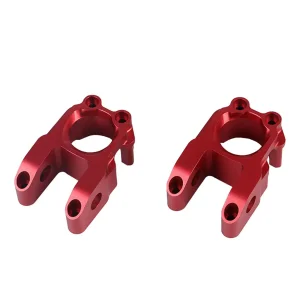
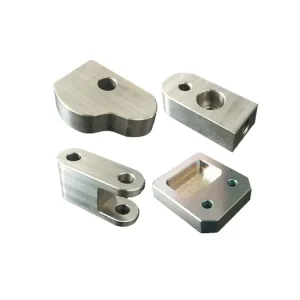
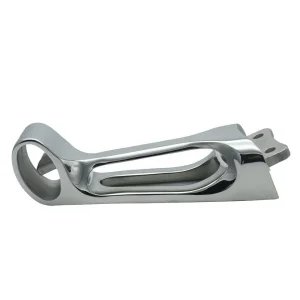
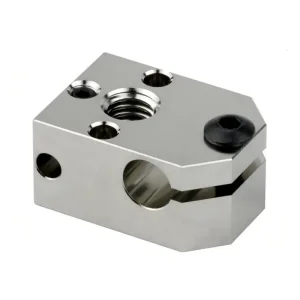
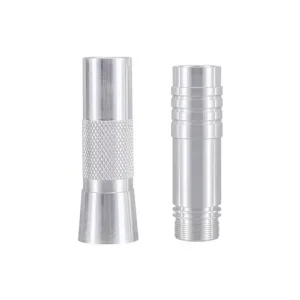
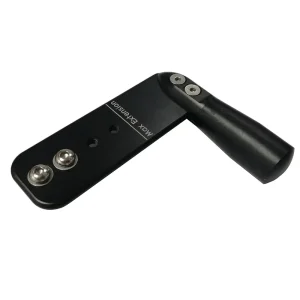
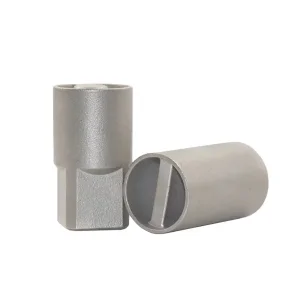
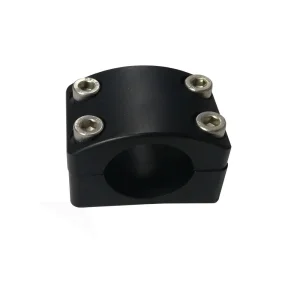
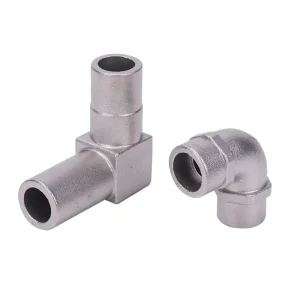
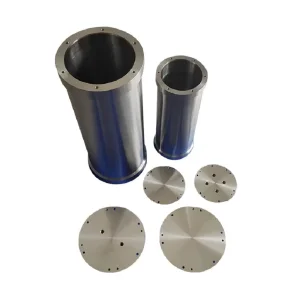
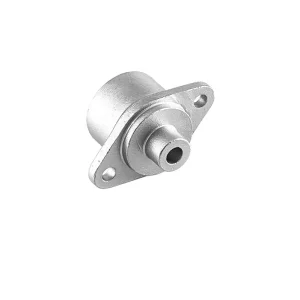
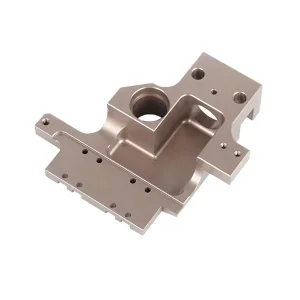
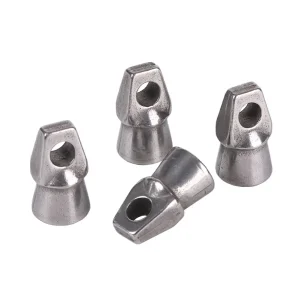
Premium OEM solutions manufactured to rigorous tolerances & architectural quality standards
Combining Advanced Investment Casting & Multi-Axis CNC Machining
As modern engineering requirements push the limits of complex geometries and material performances, sourcing from a reliable manufacturer becomes a key strategic asset. Dongguan SX Technology Co., Ltd stands at the forefront of China's advanced manufacturing industry, offering rich experience in precision investment casting, multi-axis CNC machining, and complex assembly solutions.
Since our inception in 2014, we have committed ourselves to resolving deep-seated manufacturing challenges for global industries. By integrating the molten-metal geometry accuracy of lost-wax casting with the extreme, sub-micron tolerances of computerized milling and turning, we provide a unified vertical production cycle. Our capabilities span machinery, high-performance automotive assemblies, marine structural hardware, ships, critical valves and pumps, consumer electronics, luxury watches, chemical equipment, and high-load construction elements.
We pride ourselves on an engineering-first culture. By processing challenging materials such as titanium alloys, duplex stainless steels, carbon steels, aluminum alloys, and cemented carbides, we ensure that your product functions flawlessly in the most unforgiving environments.
Why Tier-1 global firms consolidate their structural parts manufacturing in our Dongguan industrial hub
Located in Dongguan, the hardware and CNC manufacturing capital of China. We sit at the center of an optimized supply system where raw smelting plants, mold-making specialized tooling shops, thermal processing facilities, and surface treatment experts operate within a 15-kilometer radius. This translates to incredibly low logistical lead times and immediate scalability.
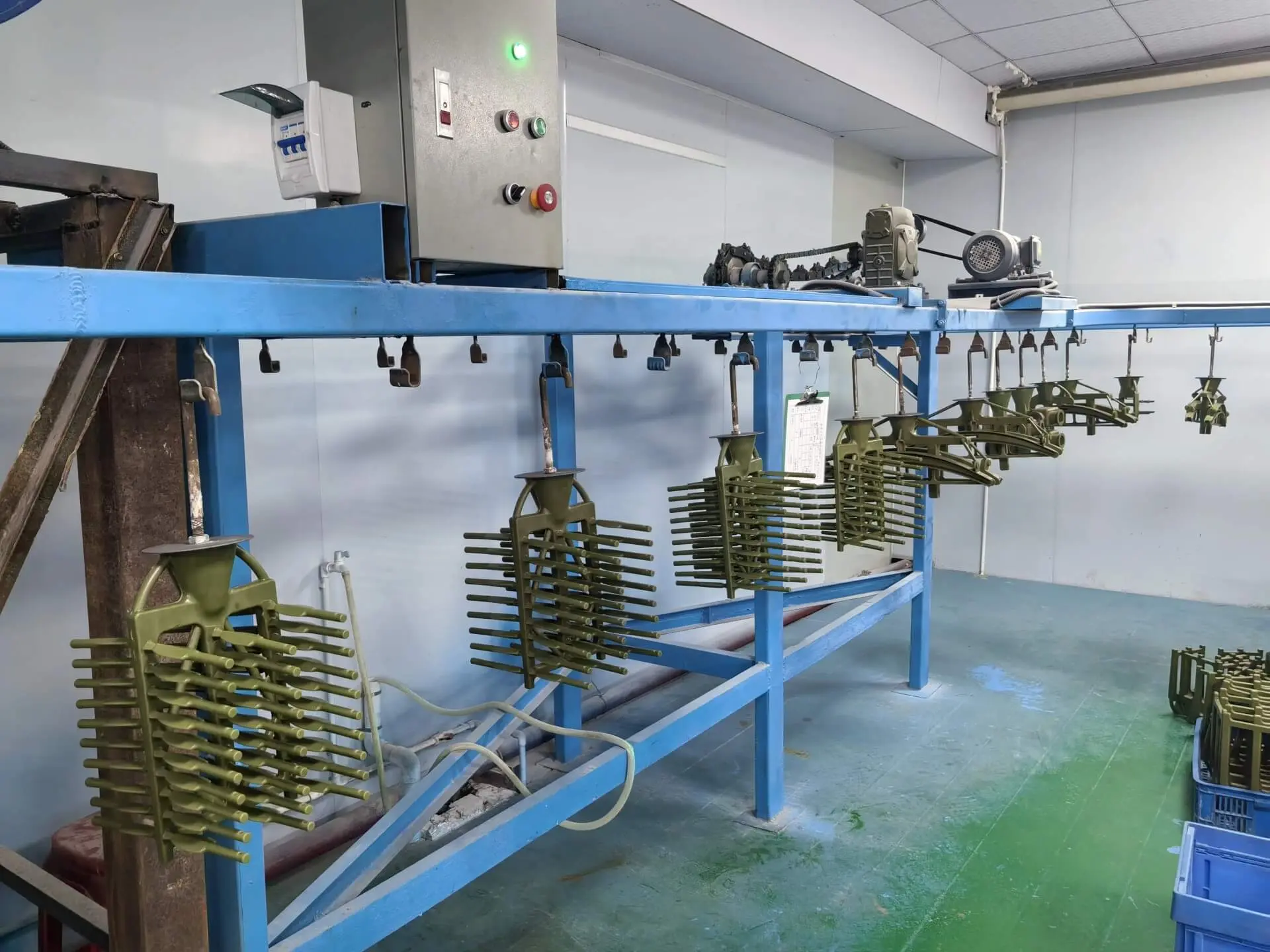
By using hybrid manufacturing pipelines—such as combining 3D-printed wax models with traditional silicon-sol investment casting—we reduce tooling verification cycles from months to days. Global buyers can rapidly iterate structural designs without investing thousands of dollars upfront in hard die-casting molds.
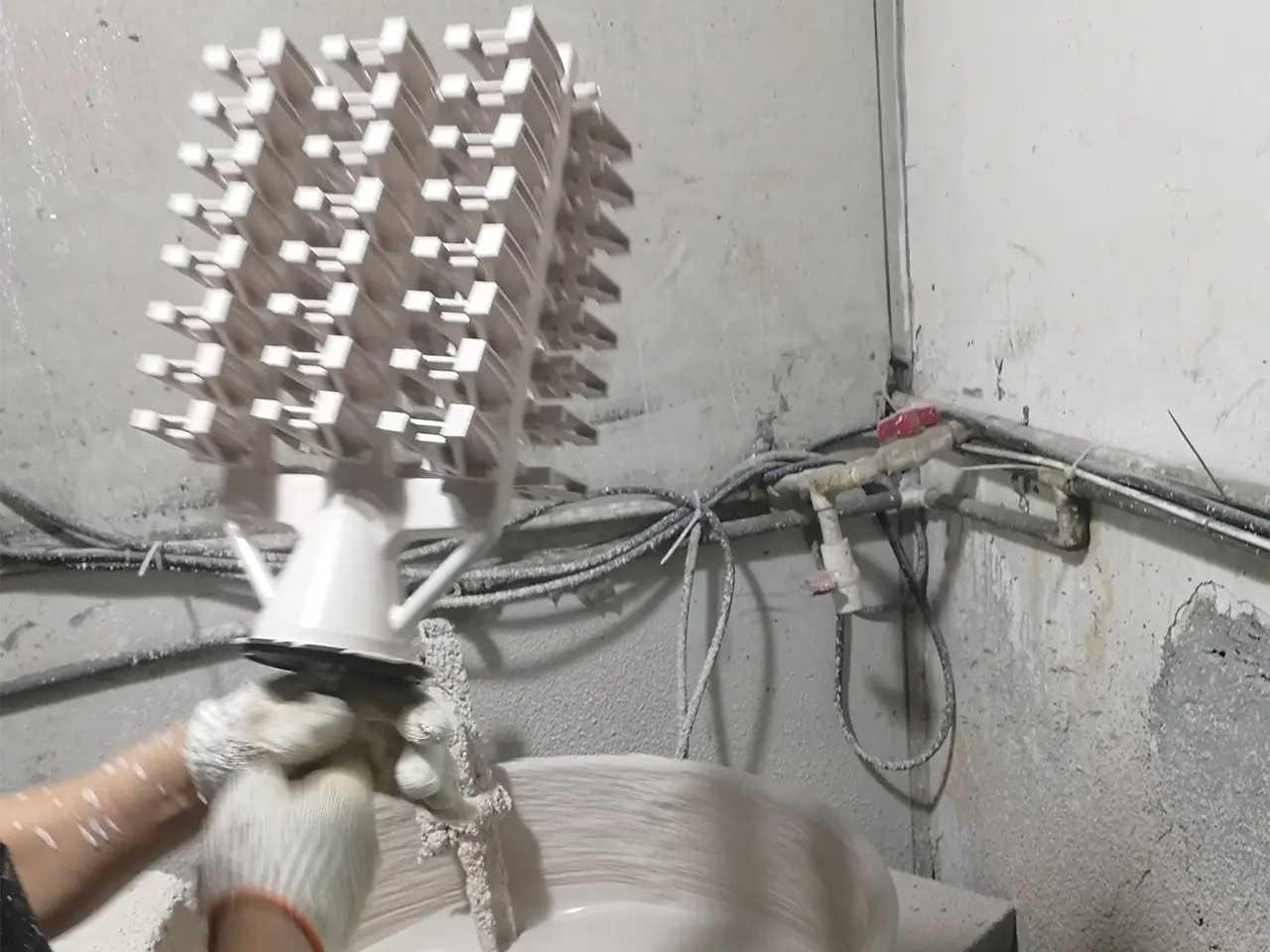
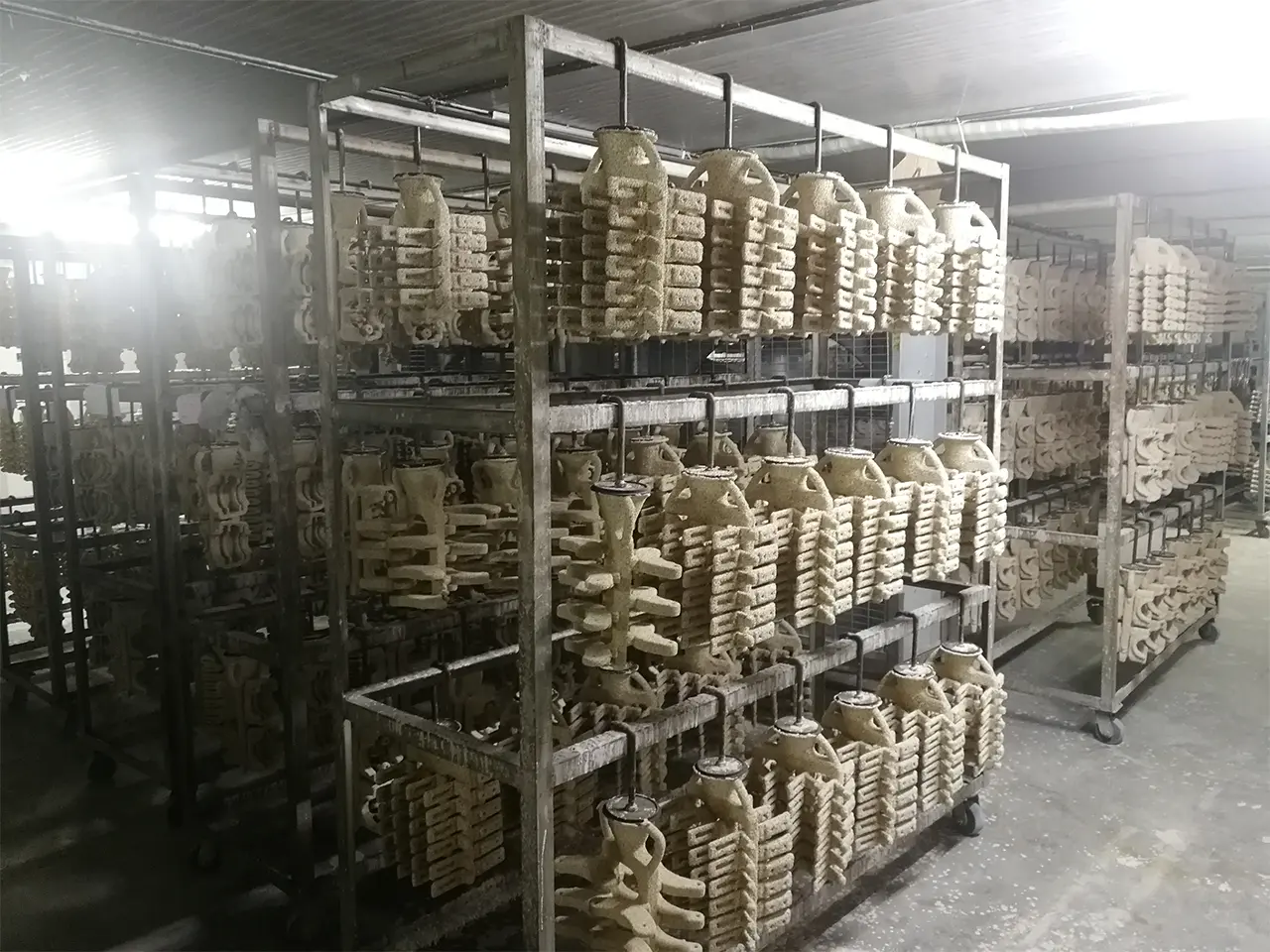
Through automation in our ceramic slurry dipping line and advanced multi-cavity tool design, we minimize alloy wastage and eliminate secondary machining operations. We pass this cost efficiency directly down to our customers, guaranteeing highly competitive piece-part pricing on large production runs.
Providing structural integrity tailored to extreme physical and chemical load profiles
Different applications require targeted chemical compositions to resist mechanical wear, stress oxidation, or aggressive marine atmospheres. Below is a comprehensive breakdown of the core alloys manufactured and machined within our facility:
| Material Category | Common Standard Grades | Critical Properties | Ideal Application Scenarios |
|---|---|---|---|
| Stainless Steel | AISI 304, AISI 316L, 17-4 PH (630), Duplex 2205 | Exceptional resistance to pitting corrosion, high tensile strength, and superior sanitization. | Marine hardware, chemical process valves, food processing, medical devices. |
| Carbon Steel | ASTM A216 WCB, WCC, 1020, 1045, 8620 | High yield strength, excellent machinability, and superior response to thermal hardening. | Structural heavy machinery, automotive suspension knuckles, agricultural tools. |
| Titanium Alloys | Ti-6Al-4V (Grade 5), Grade 2 | Unmatched strength-to-weight ratio, exceptional biocompatibility, and extreme temperature tolerance. | Deep-sea submersibles, aerospace structural brackets, biomechanical prosthetics. |
| Aluminum Alloys | A356, A380, AlSi10Mg, 6061-T6 (Machining) | Low density, excellent thermal conductivity, and high corrosion resistance under anodized treatment. | Communication electronics chassis, automotive manifolds, UAV structural frames. |
| Copper & Alloys | C83600 (Red Brass), Bronze Alloys, C95800 | High electrical conductivity, natural spark resistance, and low friction coefficient. | Explosion-proof fluid fittings, electrical busbars, wear bushings. |
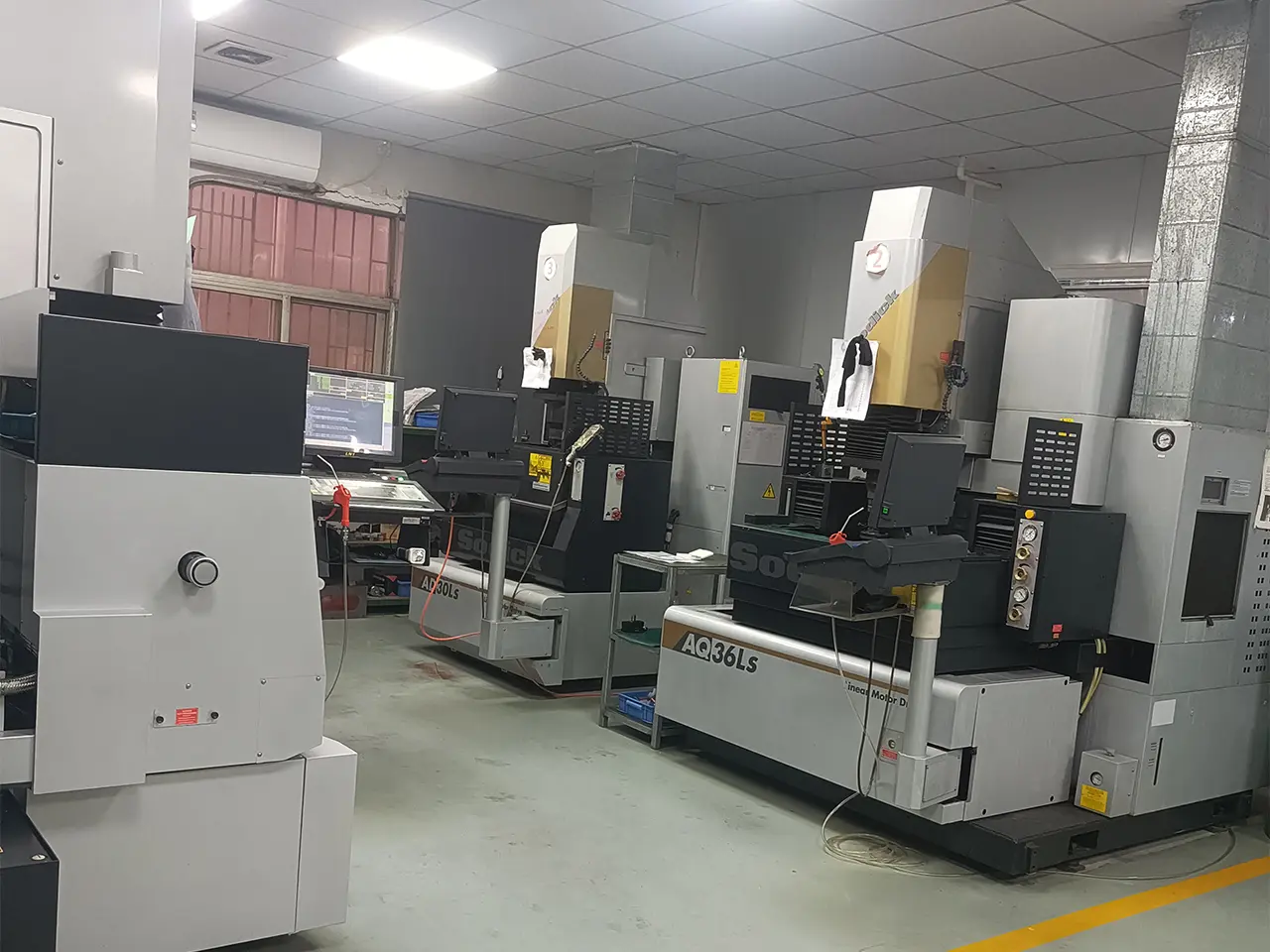
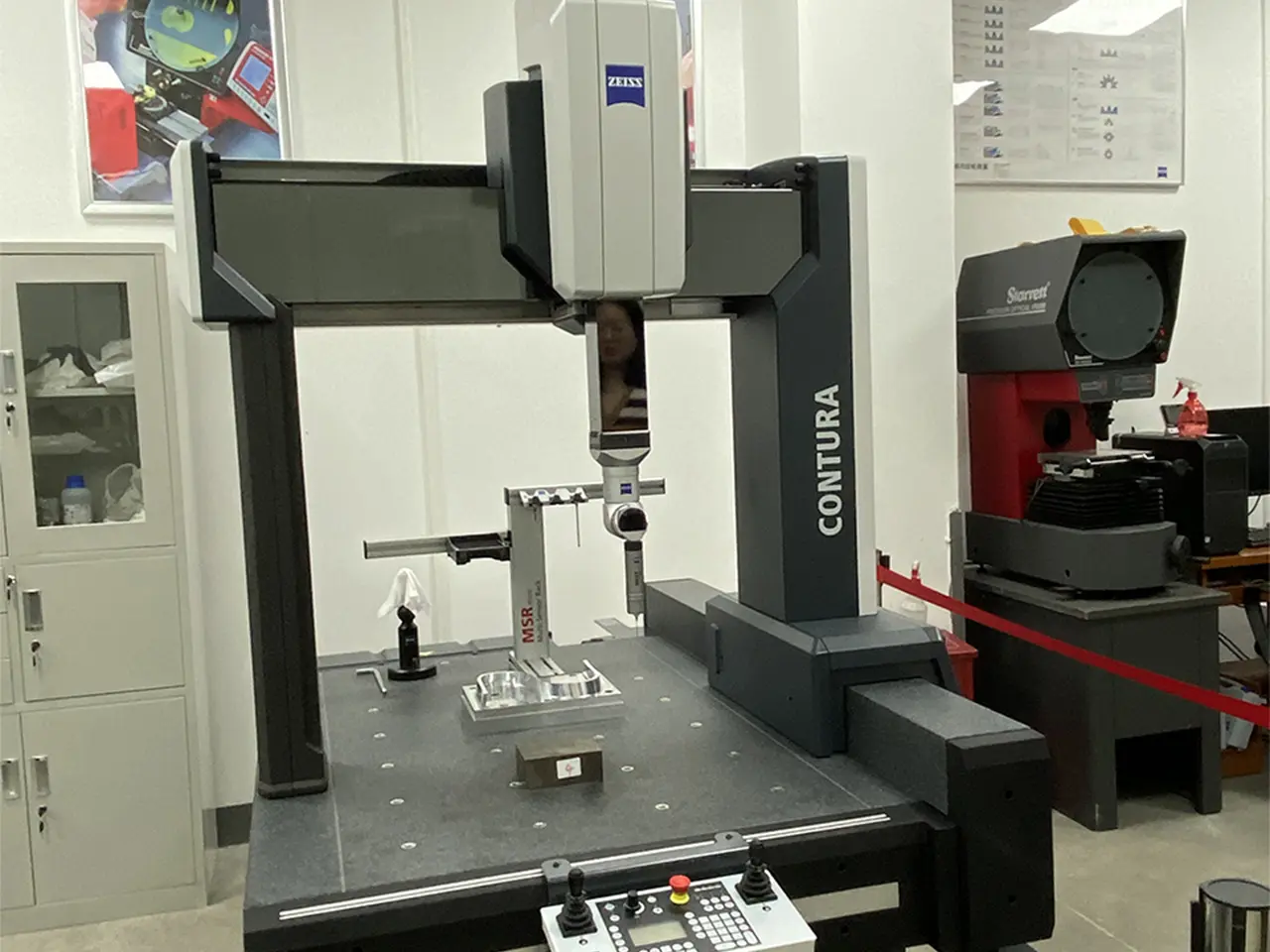
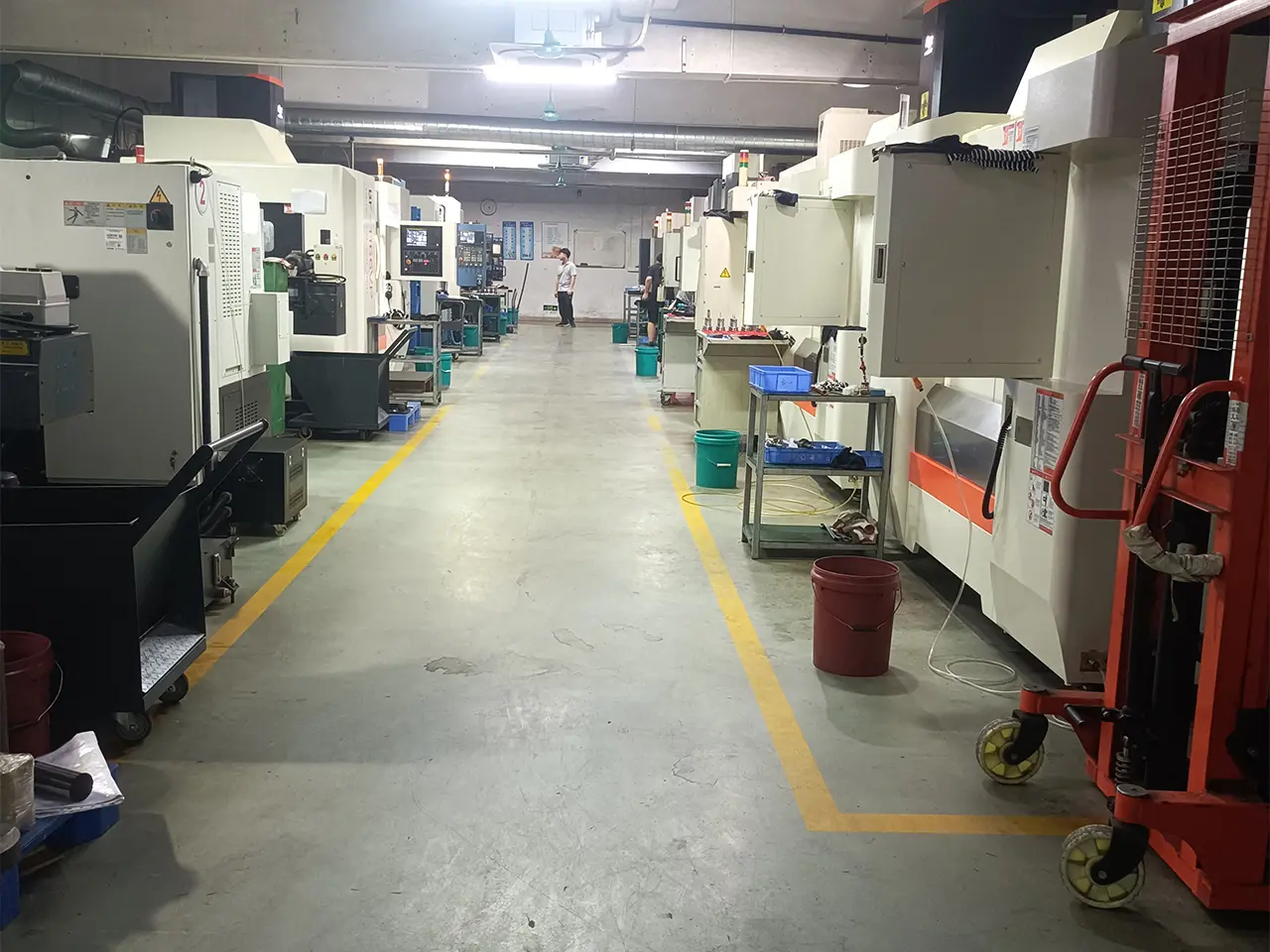
A glimpse inside our integrated investment casting, thermal treatment, and CNC precision machining blocks
Rigorous, Multi-Level Testing Formulated to Prevent Failure in the Field
We firmly believe that in precision manufacturing, a minor micro-porosity defect or a dimensional deviation of mere microns can lead to systemic failures in critical field applications. This is why we have invested in a comprehensive in-house quality control center staffed by certified, senior QA engineers.
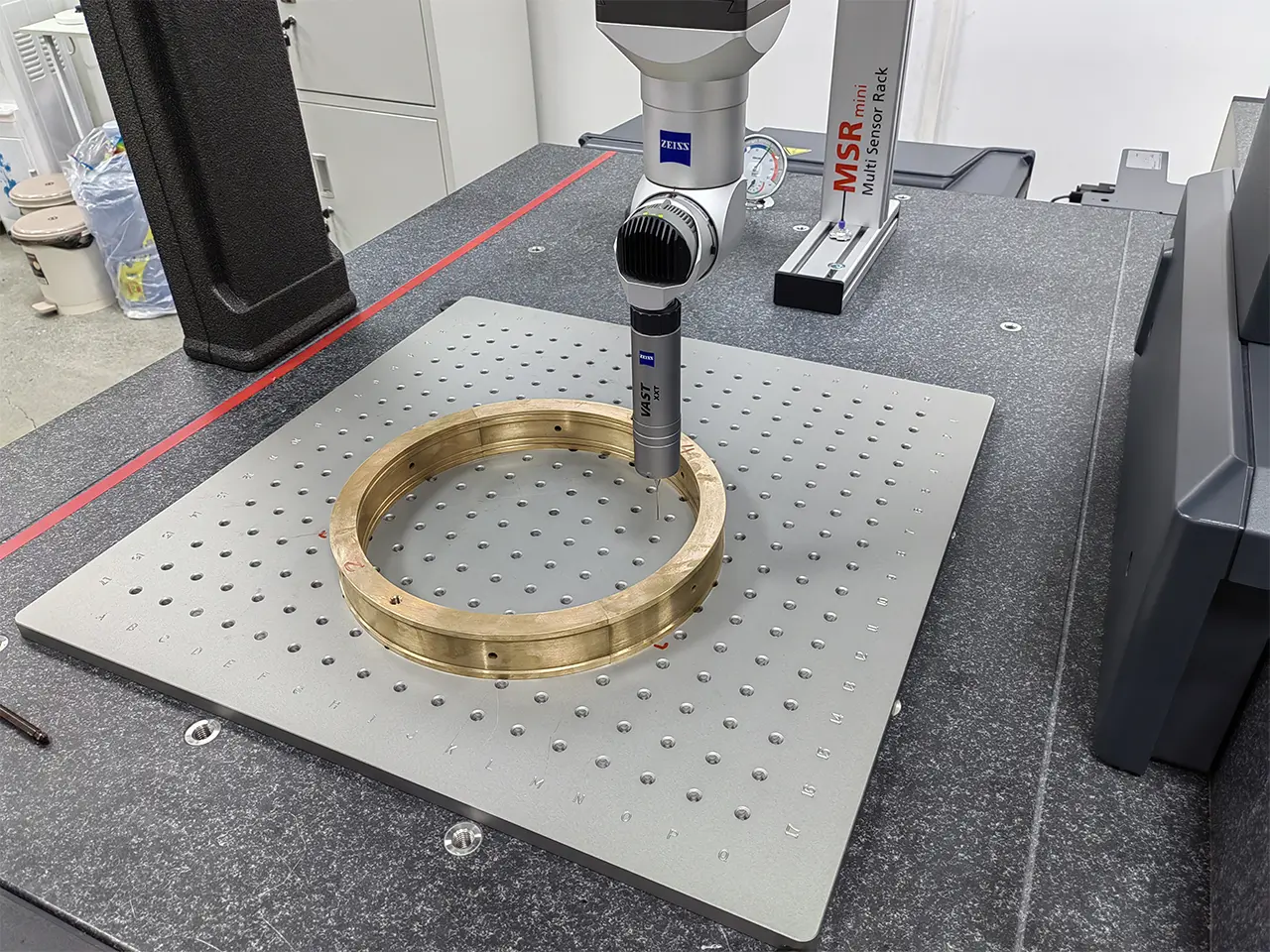
Our verification processes begin at the molten metal stage with Optical Emission Spectrometry (OES) to confirm metallurgical composition before pouring. Every production batch is assigned a unique heat number, establishing end-to-end traceability. Post-casting, parts undergo dimensional auditing utilizing our high-accuracy Coordinate Measuring Machines (CMM) and advanced optical scanners.
For internal defect detection, we execute Non-Destructive Testing (NDT), including Ultrasonic and X-ray Inspection, ensuring that no internal shrinkage voids jeopardize the component's load-bearing integrity. When parts require machining, our strict QC protocol validates geometric dimensioning & tolerancing (GD&T) to verify compliance with the design files.
Seamless international collaboration engineered to reduce risks and logistical barriers
We strictly align our foundry and machining operations with global standards, including ISO 9001:2015, TS16949 for automotive components, and ASTM guidelines. Furthermore, all materials comply with European Union directives such as RoHS and REACH, ensuring hassle-free imports and clearances for Western OEMs.
We treat our clients' intellectual property with the highest degree of confidentiality. We implement strict digital silos; CAD/STEP files are managed on secure, offline servers, and all production teams operate under binding NDAs. We ensure that your design innovations remain exclusively yours.
To eliminate logistics friction, our logistics department manages international ocean freight, air transport, and express delivery. We provide transparent HS code classification, custom duty calculations, and DDP (Delivered Duty Paid) options, allowing you to buy from China with the same ease as a domestic supplier.
Communication is the key to engineering precision. Our technical sales staff are bilingual mechanical engineers. We communicate directly with your design office to iron out manufacturing tolerances, draft analysis (DFM), and material alternatives to optimize final assembly performance.
Proven reliability across demanding environments where structural failure is not an option
Saltwater represents one of the most destructive environments for industrial parts. By casting corrosion-resistant duplex stainless steels and titanium alloys, we supply critical components for deep-sea instrumentation, propeller components, and hull accessories. Our OEM marine hardware components are built to resist pitting and galvanic corrosion indefinitely.
For high-vibration automotive systems, components must balance weight reduction with structural fatigue limits. We manufacture custom aluminum knuckles, suspension components, turbocharger impellers, and transmission linkages that satisfy automotive rigidity requirements under rigorous cyclic testing regimes.
High-end telecommunications require complex cooling chambers and thin-walled metallic enclosures with precise shielding geometries. Our non-standard precision CNC machining for communications electronics offers excellent surface finishes, allowing optimized thermal coupling and tight EMI seals.
Keeping your supply chain resilient, sustainable, and technologically future-proof
The integration of 3D printing with investment casting is revolutionizing mold design. We utilize SLA/SLS wax printing systems for high-complexity custom parts. This eliminates high initial tooling expenses for short-run prototyping, lowering entry barriers for new engineering designs.
By implementing machine-learning-supported optical scanning and visual tracking on our factory floor, we proactively recognize surface irregularities during the shell building process. This smart diagnostic protocol dramatically reduces reject rates and guarantees high consistency.
Global buyer criteria are progressively including environmental footprint indexes. Dongguan SX Technology utilizes highly efficient induction melting furnaces and closed-loop water recirculation systems to lower overall energy demand, ensuring compatibility with your corporate sustainability mandates.
Expert insights detailing tolerances, capabilities, and cross-border manufacturing operations
For investment casting (lost-wax process), we regularly achieve tolerances complying with ISO 8062-3 DCTG6 to DCTG8 standards. When parts require post-casting precision machining, our advanced CNC milling and turning machinery easily holds dimensional tolerances within ±0.005mm, satisfying high-end aerospace, electronic, and medical design requirements.
Porosity control begins with proper sprue/runner design and simulated mold thermal flows to guarantee directional solidification. During pouring, we utilize vacuum assistance and strict temperature controls. Finally, each production lot undergoes non-destructive testing (NDT), including liquid penetrant testing (LPT) and X-ray examinations, to verify internal structural density.
We recommend Austenitic Stainless Steel (such as 316L) or Duplex Stainless Steel (2205) due to their elevated chromium and molybdenum contents, which provide high resistance to chloride pitting. For applications operating in extreme depths, Titanium Alloy (Ti-6Al-4V Grade 5) delivers unmatched mechanical stability alongside absolute resistance to saltwater degradation.
We work with flexibility to match your product development phases. For prototypes and short-run production using 3D-printed wax models, we have no strict MOQ. For large-scale manufacturing runs requiring hardened steel casting tooling, we typically define a cost-effective MOQ of 100 to 500 units, depending on geometry and weight.
We source high-grade alloys from verified smelting facilities, and each batch includes a Material Test Report (MTR) confirming precise chemical limits via spectral analysis. If your engineering standard demands specialized alloy classes, we can process customer-supplied specialty raw materials while upholding complete traceability.
Designing and machining new tooling molds generally takes 20 to 30 days. Sample testing and metallurgical approval require approximately 7 to 10 days. Once approved, mass production orders are manufactured and shipped within 30 days, depending on secondary CNC machining and surface finishing requirements.
Explore our industrial products engineered for heavy duty machinery and high-reliability environments
 SX Machining