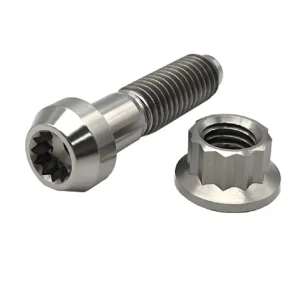
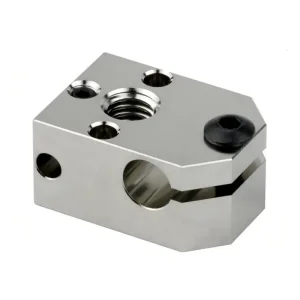
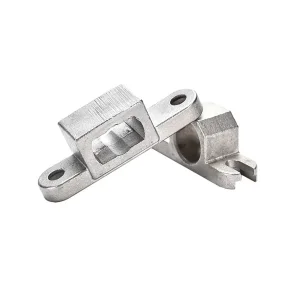
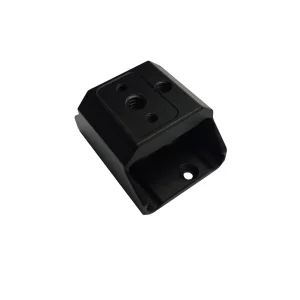
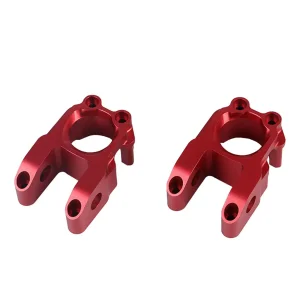
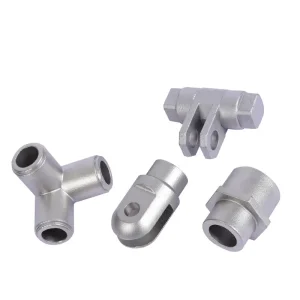
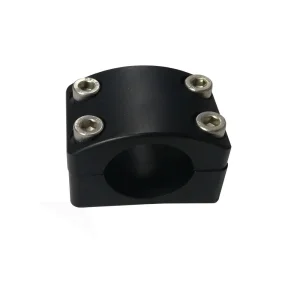
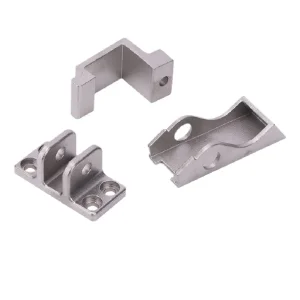
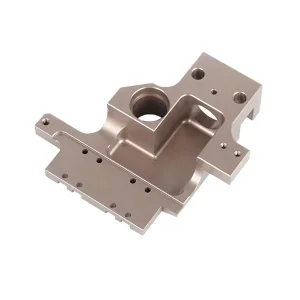
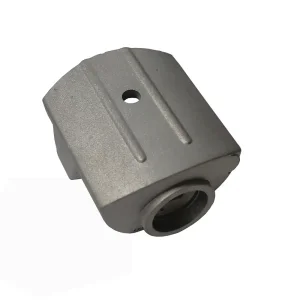
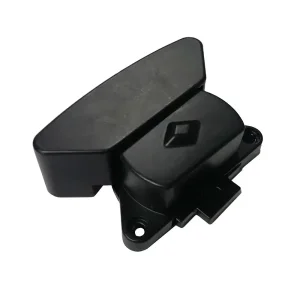
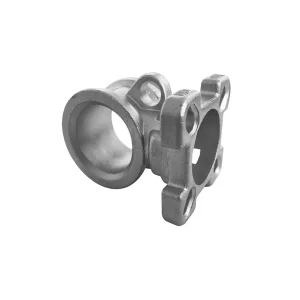
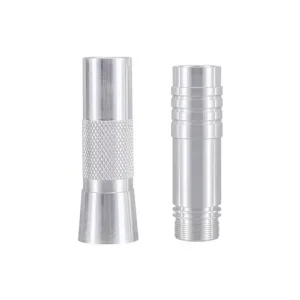
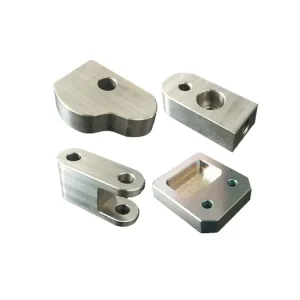
Engineered to custom specifications with strict adherence to high global manufacturing standards.
In the contemporary landscape of high-stakes industrial manufacturing, the demand for precision, materials compliance, and structural integrity has shifted from standard operational milestones to strategic competitive advantages. As a primary driver of this paradigm, Dongguan SX Technology Co.,Ltd has pioneered a multi-tier framework integrating high-grade investment casting, advanced CNC machining, and comprehensive mechanical assembly services.
Established in 2014, our manufacturing infrastructure has been systematically engineered to deliver complex components for high-reliability sectors including automotive, aerospace, marine engineering, fluid control, electronics, medical hardware, and defense systems. By pairing structural casting capabilities with sub-micron CNC turning limits, we provide a unified supply chain that reduces lead times, cuts logistical overhead, and guarantees absolute traceablity.
Key Structural Value: The integration of investment casting with high-precision CNC turning allows us to transition parts seamlessly from rough configurations to tight-tolerance micro-finished products under one roof.
Understanding the strategic imperatives of modern global engineering sourcing managers.
Global procurement teams in North America, the EU, and APAC are actively consolidating their vendor lists. Sourcing raw castings from one vendor and contracting precision machining to another creates massive liabilities: dimensional discrepancies, multi-party blame games, and compounded logistics costs. Dongguan SX Technology mitigates this by functioning as a turnkey partner, managing the casting foundry processes and performing finish CNC machining in-house.
Whether handling titanium alloys, stainless steels (AISI 304, 316, duplex), carbon steel, aluminum alloys, copper alloys, or cemented carbide, compliance with international standards (ASTM, DIN, JIS) is critical. Modern procurement demands chemical analysis reports (spectrometry) and mechanical property tests for every single batch to avoid catastrophic component failures in high-pressure or corrosive environments.
| Material Category | Common Alloys Utilized | Primary Industrial Applications | Machining/Casting Characteristics |
|---|---|---|---|
| Titanium Alloys | Ti-6Al-4V (Grade 5), Grade 2 | Aerospace structures, medical implants, marine components | Exceptional strength-to-weight, high corrosion resistance, low thermal conductivity requiring special cutting geometry. |
| Stainless Steel | AISI 304, 316, 316L, 17-4 PH | Valves, pump housings, marine hardware, chemical processors | High toughness, excellent corrosion resistance. Prone to work hardening, requiring stable, rigid CNC setups. |
| Aluminum Alloys | AL 6061-T6, 7075-T6, 5052 | Automotive weight reduction, electronic enclosures, chassis | Excellent machinability, high thermal conductivity, ideal for rapid cycle times and cosmetic anodized finishes. |
| Cemented Carbide & Tooling | Cobalt-bound Tungsten Carbides | Industrial wear parts, cutting nozzle cores, punches | Extremely high hardness and wear resistance; requires advanced EDM or diamond grinding/precision machining configurations. |
Inside our Dongguan SX Technology workshop showing our manufacturing precision.
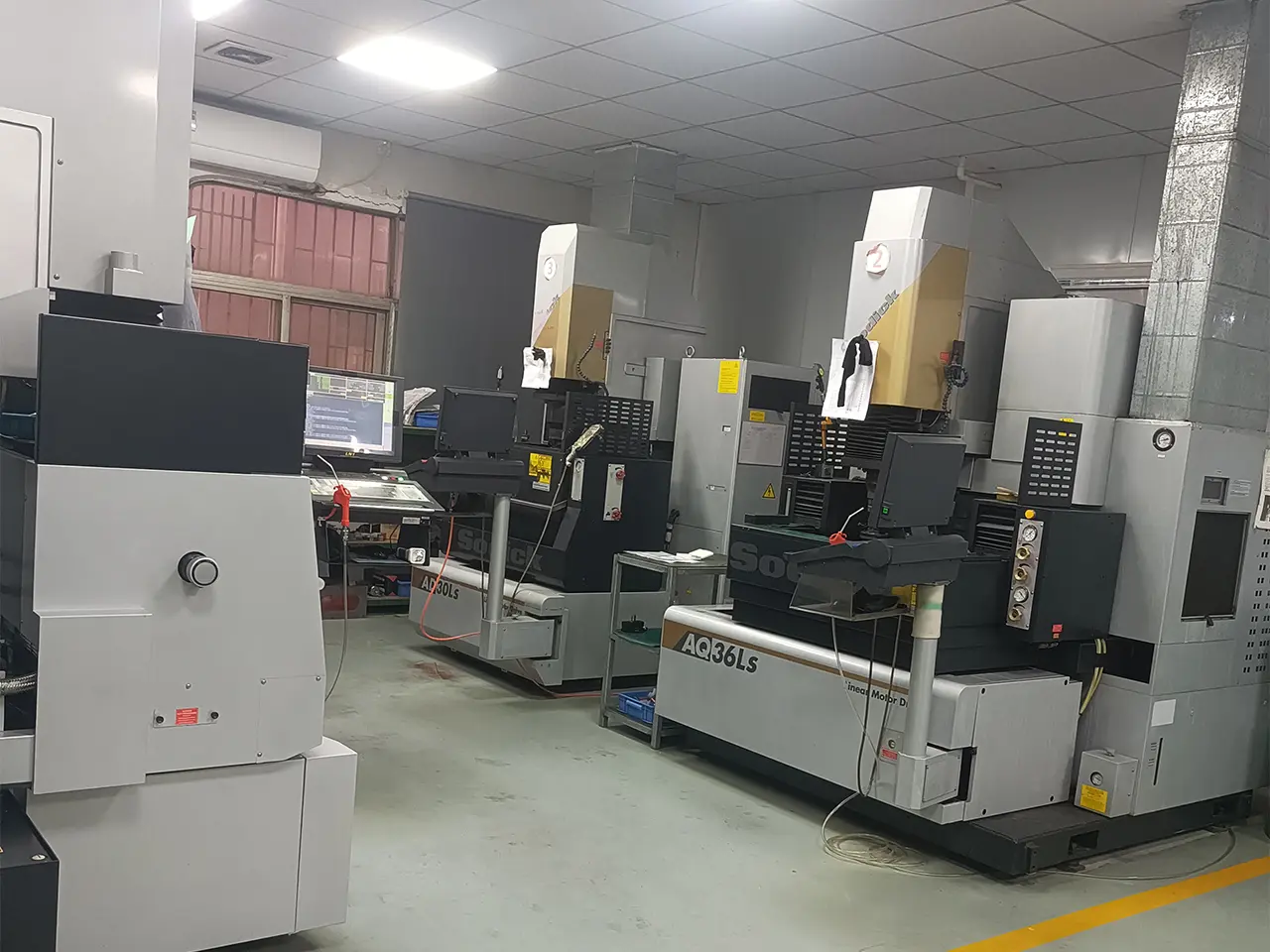
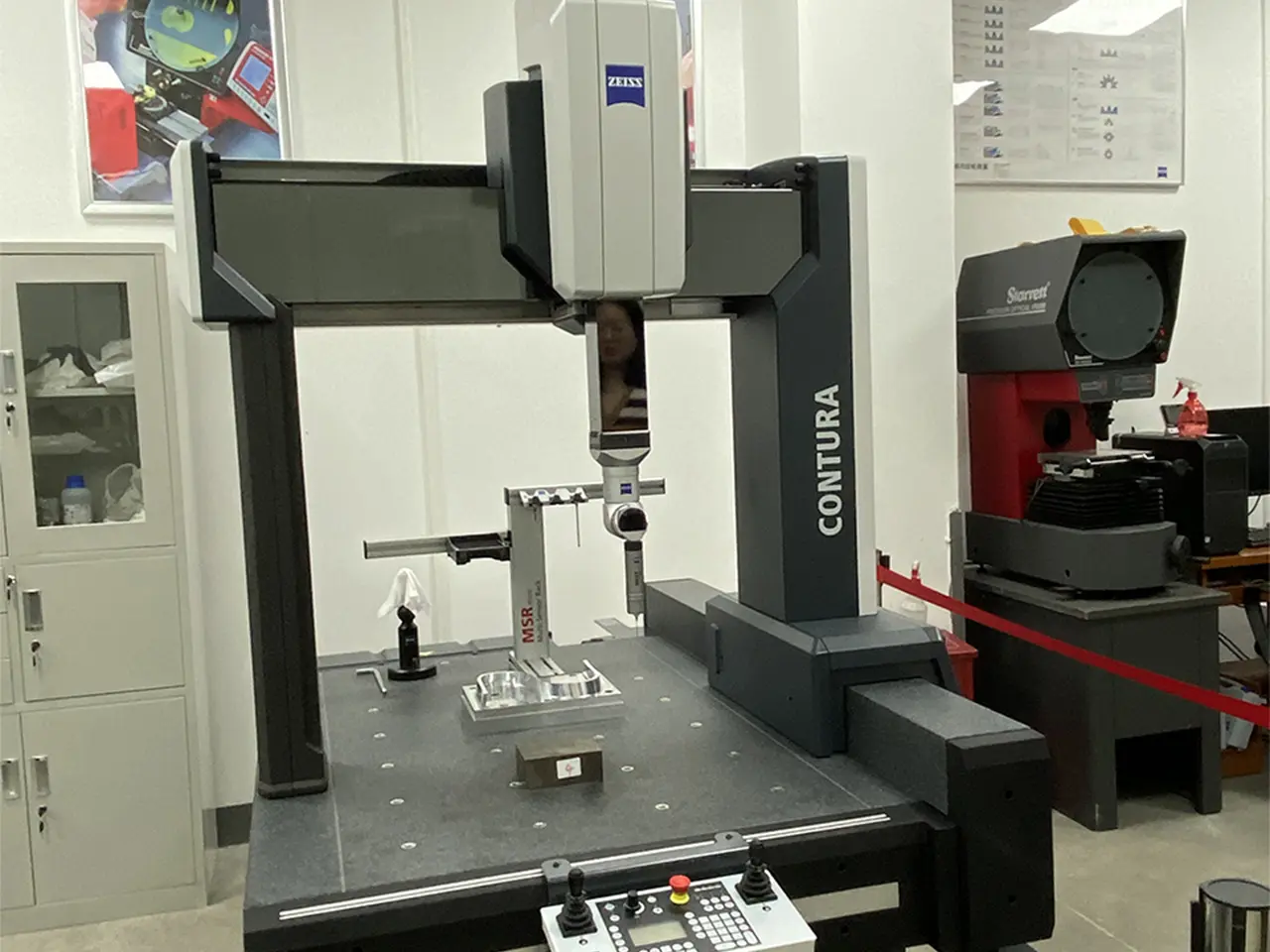
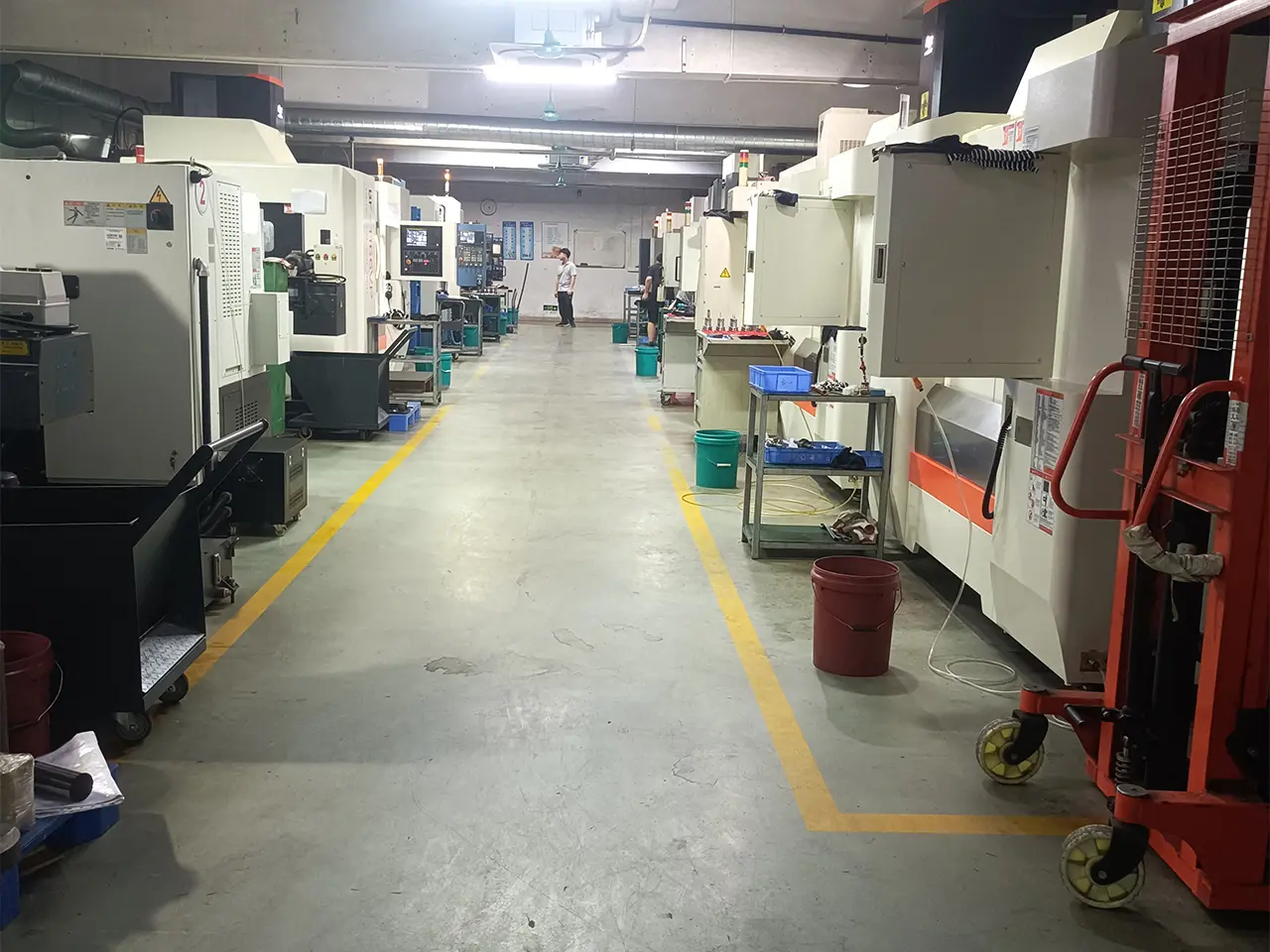
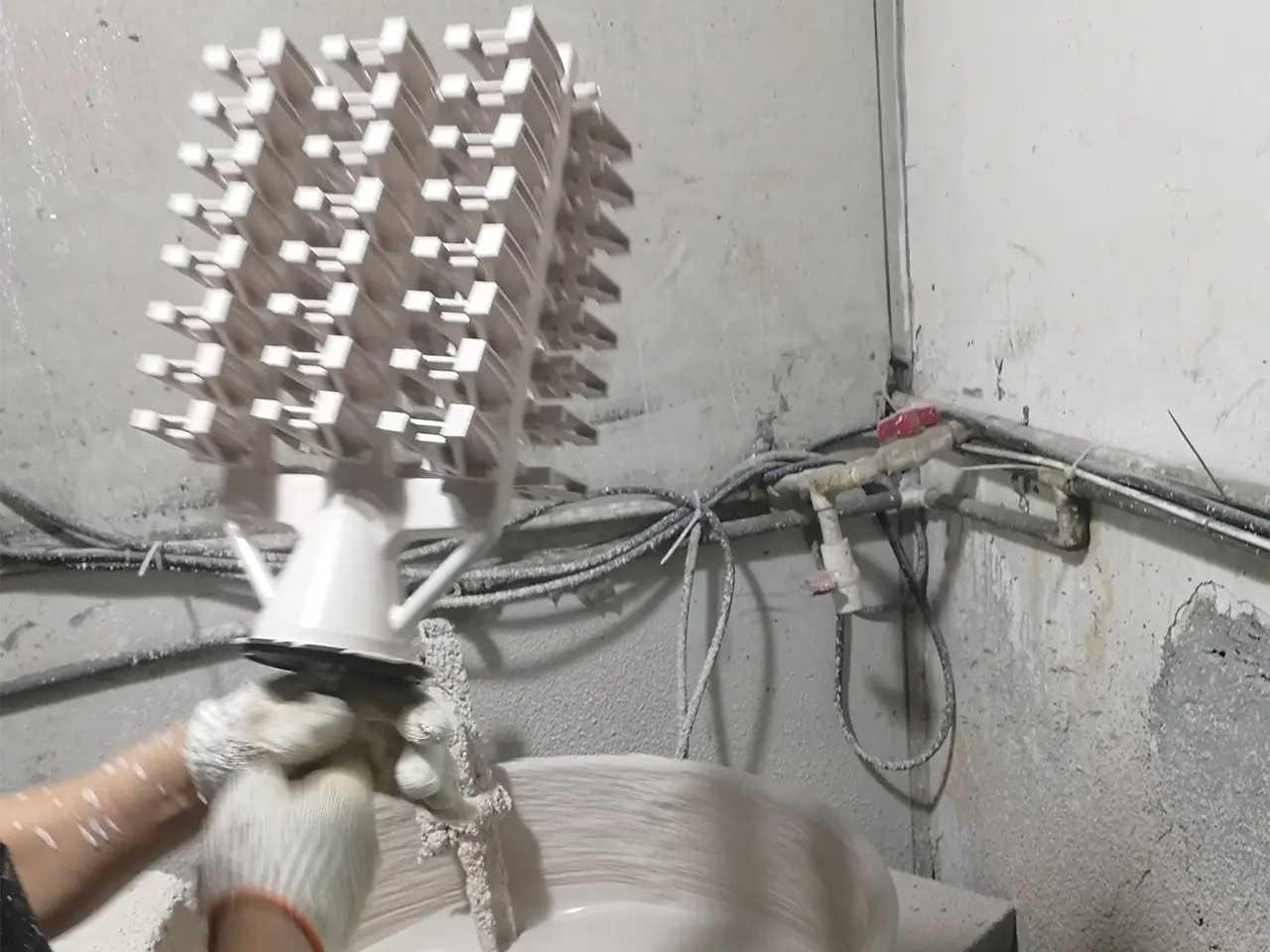
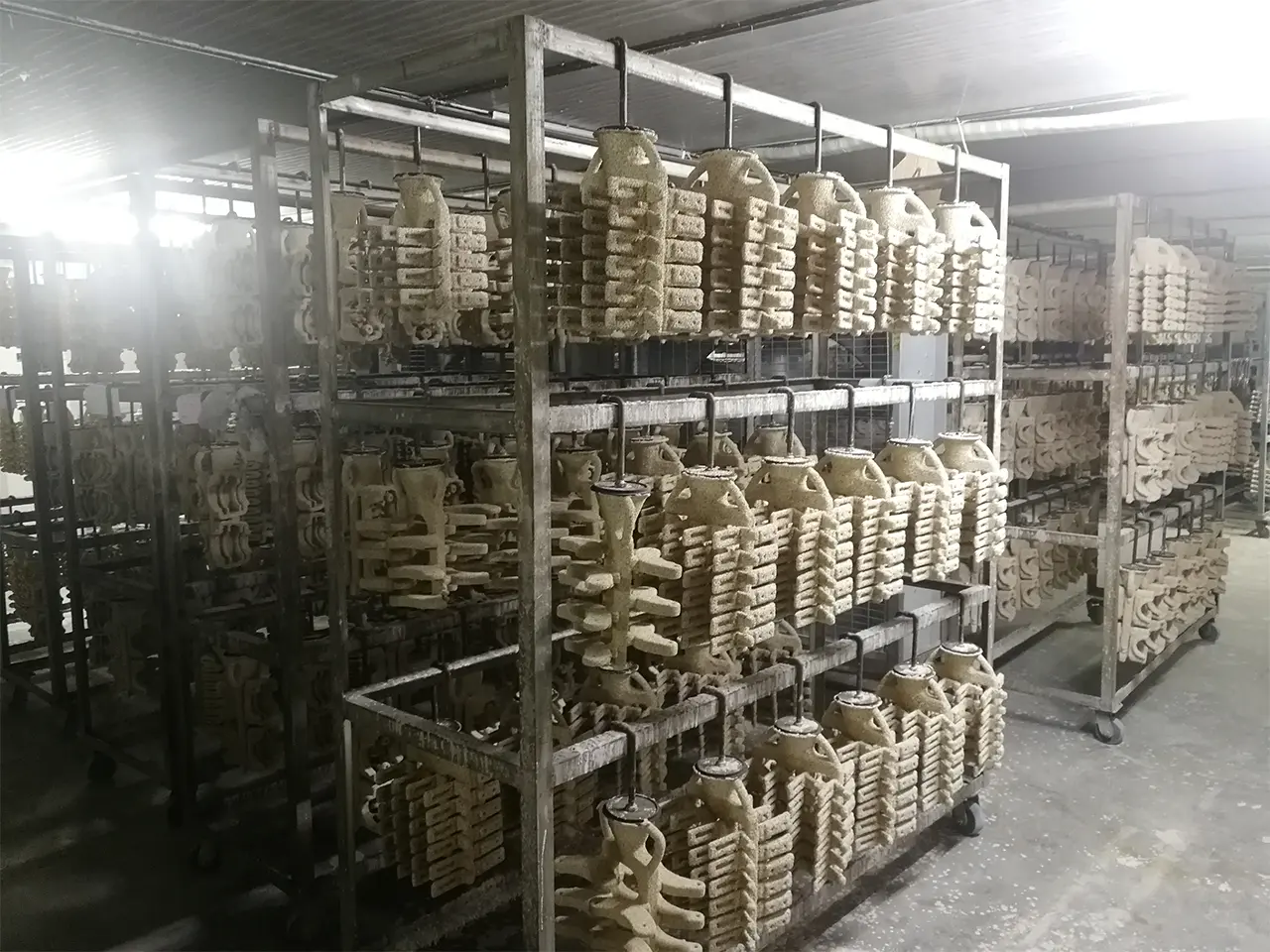
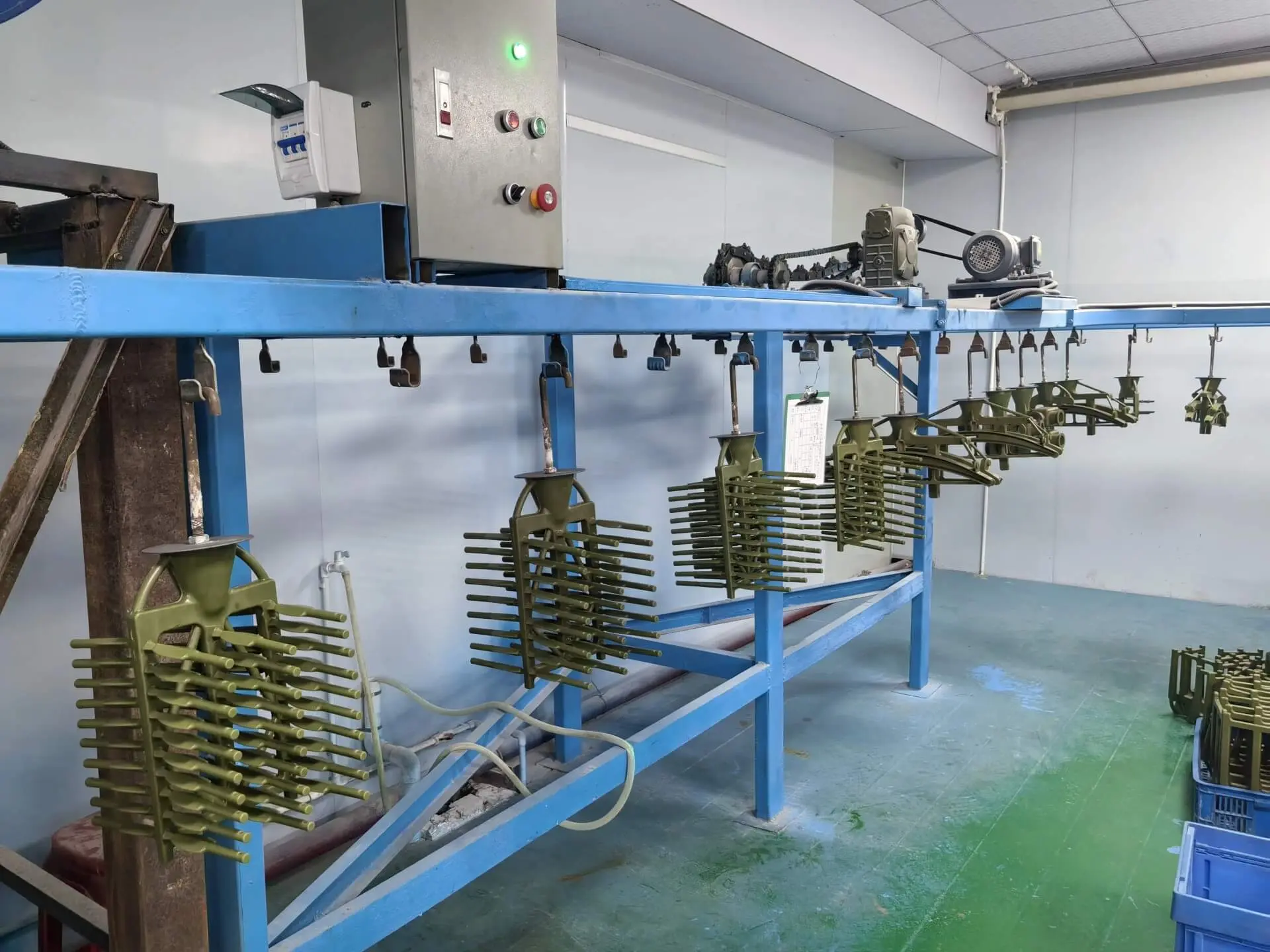
Our workshop houses high-speed vertical machining centers, live-tooling lathes, and multi-axis turn-mill machinery. By executing multiple machining operations on a single machine platform, we dramatically eliminate alignment errors associated with repositioning workpieces across separate setups. This integrated approach ensures critical geometries, such as concentricity, runout, and perpendicularity, are held to tolerances under 0.005mm.
Additionally, our lost-wax investment casting facilities operate concurrently with the machining floor. When components feature complex internal cavities, we cast them using precision-engineered ceramic shells and subsequently machine the external functional mating surfaces. This hybrid method leverages the raw material savings of near-net-shape casting and pairs it with the critical tolerance execution of high-end CNC centers.
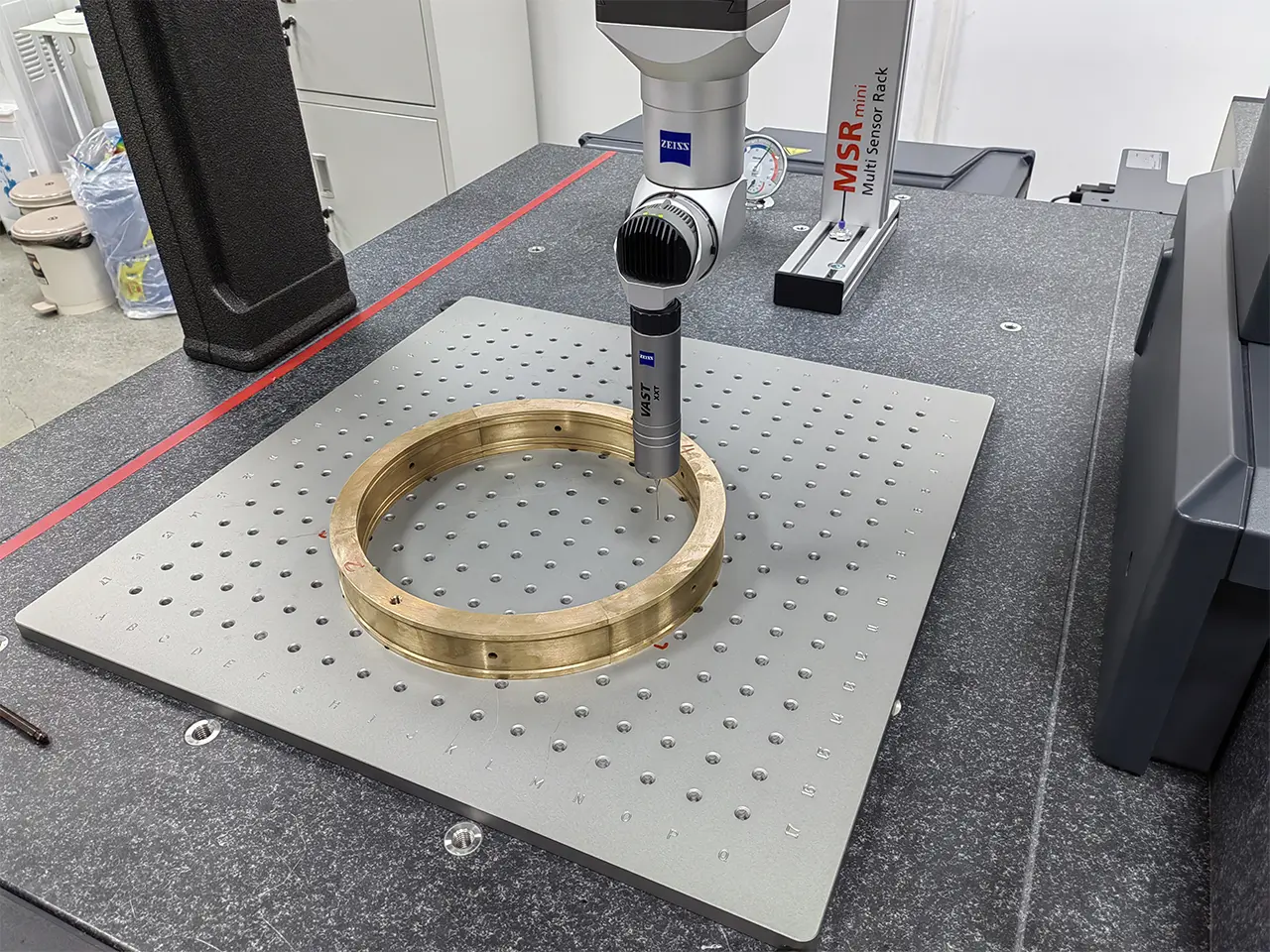
Our quality control operations operate independently of production schedules. We view quality not merely as a final inspection step, but as a continuous statistical process control (SPC) mechanism. Our state-of-the-art metrology lab is equipped with 3D Coordinate Measuring Machines (CMM), optical comparators, surface roughness testers, and precise pneumatic/electronic gauges to confirm compliance down to sub-micron levels.
We maintain an active quality management system tracing every single raw material ingot, billet, and rod to its primary heat number. Our QC personnel conduct regular tool wear analysis, process capability studies (Cpk), and implement non-destructive testing (NDT) including dye penetrant testing, X-ray checks, and ultrasonic testing to identify internal voids in raw castings before any secondary machining processes begin.
Our Quality Statement: "Quality is the cornerstone of the manufacturing industry. We firmly believe that only by controlling quality well can we survive, develop, and get better and better. Therefore, we have been working in this industry unremittingly since 2014 and continue to improve the company's team and improve the company's production capacity."
Providing seamless logistics and adherence to worldwide industrial regulations.
Dongguan SX Technology strictly follows international environmental standards, including RoHS and REACH directives, ensuring all precision auto parts, electronics components, and household hardware are free of hazardous chemical substances. We offer material certifications (Mill Test Certificates to EN 10204 3.1) and certificate of origin documentation to comply with complex cross-border custom regulations.
We work with international logistics providers to support multiple Incoterms, including FOB (Shenzhen/Guangzhou), CIF, DDP, and DAP. Our custom packaging utilizes heavy-duty moisture-barrier foils, anti-static trays for sensitive communication components, and specialized wooden crating for heavy investment castings to prevent any corrosion or transit damage across oceanic routes.
We understand that custom mechanical components represent proprietary designs. We adhere to rigorous IP security standards, isolating client CAD/STEP files on secured local servers. We execute NDAs before drawing reviews and strictly control drawing access on the manufacturing floor to prevent intellectual property leaks.
How Dongguan SX Technology is adapting to Industry 5.0, automation, and green manufacturing.
Integration of hybrid metal 3D printing with precision CNC turning centers. This allows the rapid manufacture of ultra-complex internal geometries with raw build profiles, followed immediately by sub-micron turning operations to finalize external bearing seats and high-accuracy mating surfaces, lowering processing times for aerospace components by 40%.
By simulating toolpaths in a digital twin environment, we eliminate collision risks and maximize surface-finish predictability before cutting tool contacts metal. Sensor integration on the spindle allows real-time vibration monitoring, auto-compensating for thermal growth and tool wear dynamically to maintain continuous tolerances below 0.003mm.
As EU carbon border adjustment mechanisms (CBAM) come into effect, we are reducing our Scope 1 and Scope 2 emissions by upgrading to high-efficiency servo drives, utilizing bio-degradable machining coolants, and recycling 100% of our titanium, steel, and aluminum swarf. We aim to provide calculated carbon-footprint reports for every product batch by 2027.
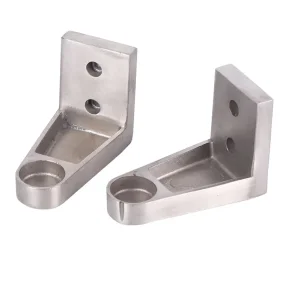
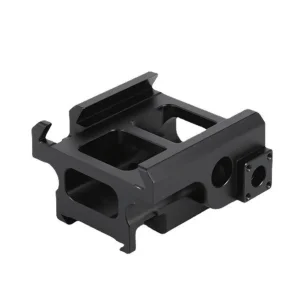
Explore our extensive range of high-tolerance industrial metal solutions.
Addressing engineering specifications, quality control, and order fulfillment policies.
Our facility regularly runs high-precision CNC turning operations holding linear dimensional tolerances down to ±0.005mm (5 microns) and cylindrical tolerances down to ±0.002mm, depending on material stability and workpiece geometries. Critical features such as concentricity and thread runouts are checked on our automated CMM equipment to assure compliance with the engineering drawing before dispatch.
We maintain strict traceability from material arrival. We perform spectrographic analysis on incoming raw bars and ingots to verify mechanical values and exact chemical composition. We support material requests by issuing full mill test reports (MTR), third-party laboratory reports, and hardness tests to assure strict compliance with raw titanium, stainless steel, and alloy standards.
By utilizing the investment casting (lost wax) process, we generate high-precision near-net-shape components. This process minimizes material waste, particularly in expensive metals like stainless steel and titanium. Our post-casting CNC machining lines then add features with precise tolerances and high cosmetic finishes to functional mating surfaces. This hybrid process reduces overall manufacturing cost by up to 35% compared to solid bar machining.
Our engineering team includes bilingual technical specialists who review client designs using CAD models (STEP, IGES, DWG). We offer DFM (Design for Manufacturability) analysis, suggesting optimization steps to reduce cost and minimize tool wear. We communicate daily using modern online networks and maintain a structured client report flow from manufacturing start to shipping.
For new custom tooling and sample approvals, we typically require 2 to 3 weeks. Production lead times range between 4 to 6 weeks, depending on component complexity and volume. Payment terms typically consist of an initial deposit for tooling and production startup, with balance terms established upon sample signoff. We support standard shipping options including sea freight, air freight, and door-to-door express.
 SX Machining