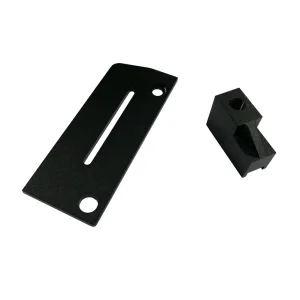
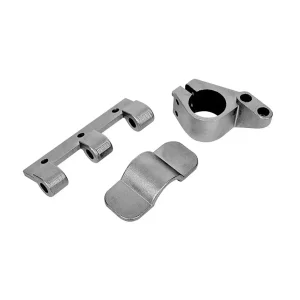
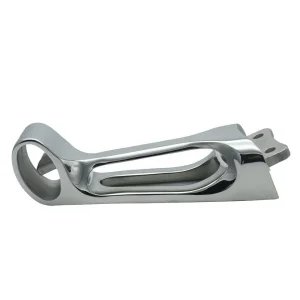
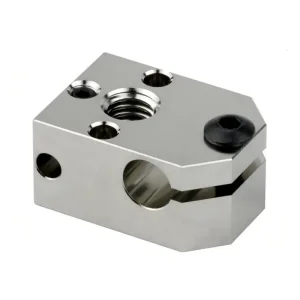
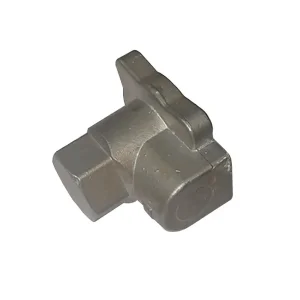
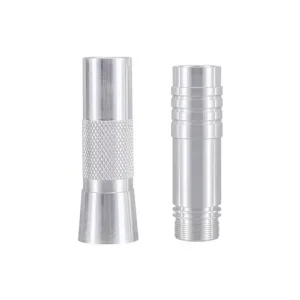
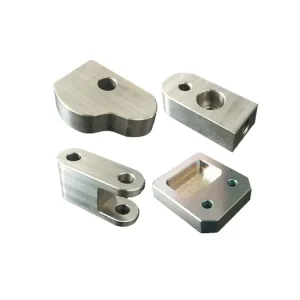
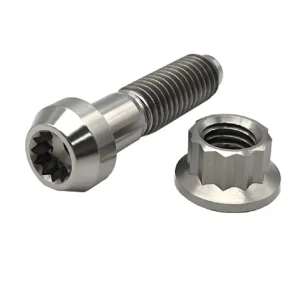
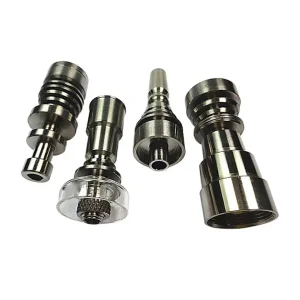
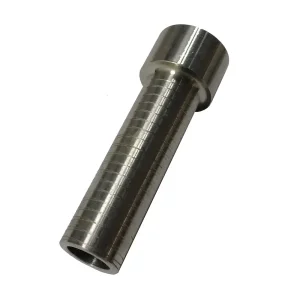
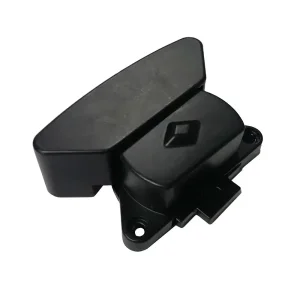
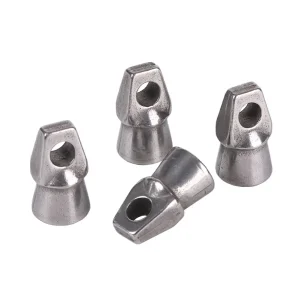
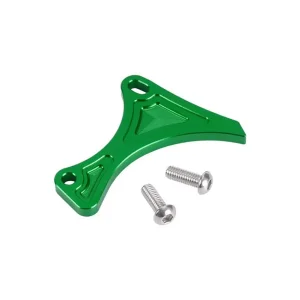
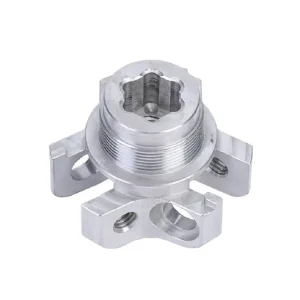
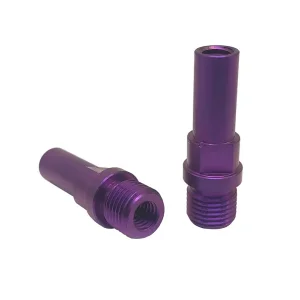
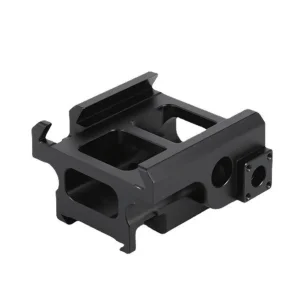
Explore our custom foundry products engineered using premier alloys and precision molding standards. Every component is quality-tested to match stringent dimensional and mechanical performance thresholds.
Stainless steel casting and engineering technologies serve as the structural backbone of critical infrastructure globally. In modern industrial operations, the demand for mechanical integrity, corrosion resistance, and thermal tolerance calls for complex alloys and high-integrity fabrication routes. As global entities strive to build supply chain resilience, partnering with established manufacturers who hold end-to-end casting and machining capabilities has transformed from a procurement shortcut into a core strategic asset.
Superb rust protection, scaling defense at elevated temperatures, and superior strength under extreme physical strain characterize custom austenitic, martensitic, and duplex stainless steel grades.
Investment casting (lost-wax technique) eliminates the assembly steps of welding or multi-part fastening by forming intricate internal channels, thin walls, and complex shapes as a single element.
Components deployed in marine environments, petrochemical pumps, and industrial valves resist localized pitting, wear, and mechanical fatigue, significantly reducing maintenance downtime.
Dongguan SX Technology Co.,Ltd holds extensive industrial expertise in high-precision investment casting, complex CNC machining, and comprehensive mechanical assemblies. Established as a reliable manufacturing partner, our custom-engineered parts operate in challenging conditions across machinery, automotive structures, marine fittings, ships, flow valves, process pumps, consumer electronic appliances, packaging infrastructure, precision watch-making, construction systems, and heavy chemical processing industries.
Our core casting operations utilize the lost-wax process to mold high-integrity components, primarily working with stainless steel and carbon steel. Complementing our casting capabilities, our CNC machining department routinely processes tough and specialized alloys, including titanium alloys, stainless steel, carbon steel, aluminum alloys, copper alloys, and cemented carbide.
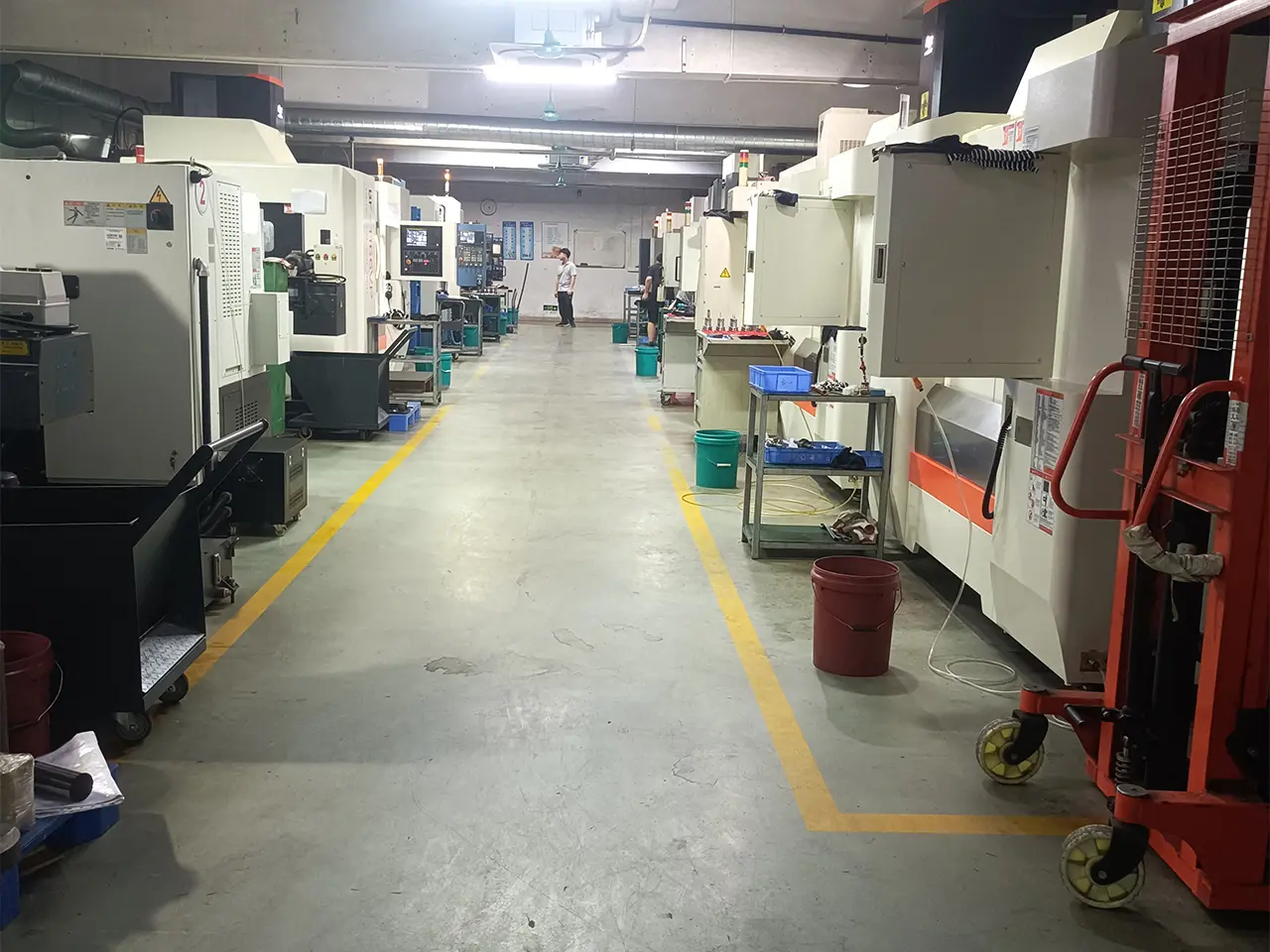
Equipped with state-of-the-art multi-axis CNC mills, lathes, and high-capacity induction melting systems, our engineering and quality personnel provide swift responses to prototype requests and high-volume production schedules alike.
Our facility features automated wax injection presses, robotic ceramic shell-building stations, high-vacuum melting ovens, and multi-axis CNC machinery. Below is an inside look at our production and finishing operations.
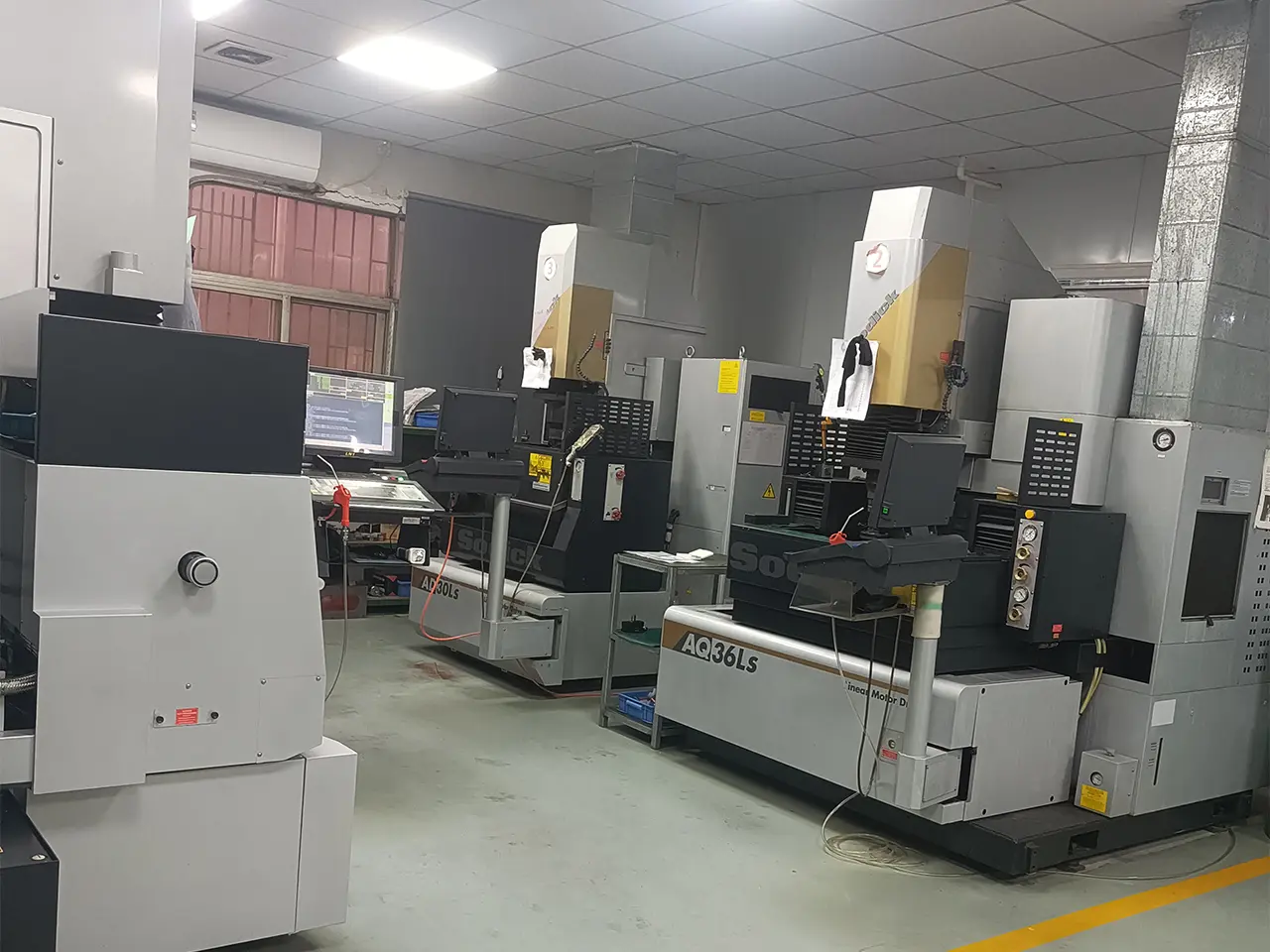
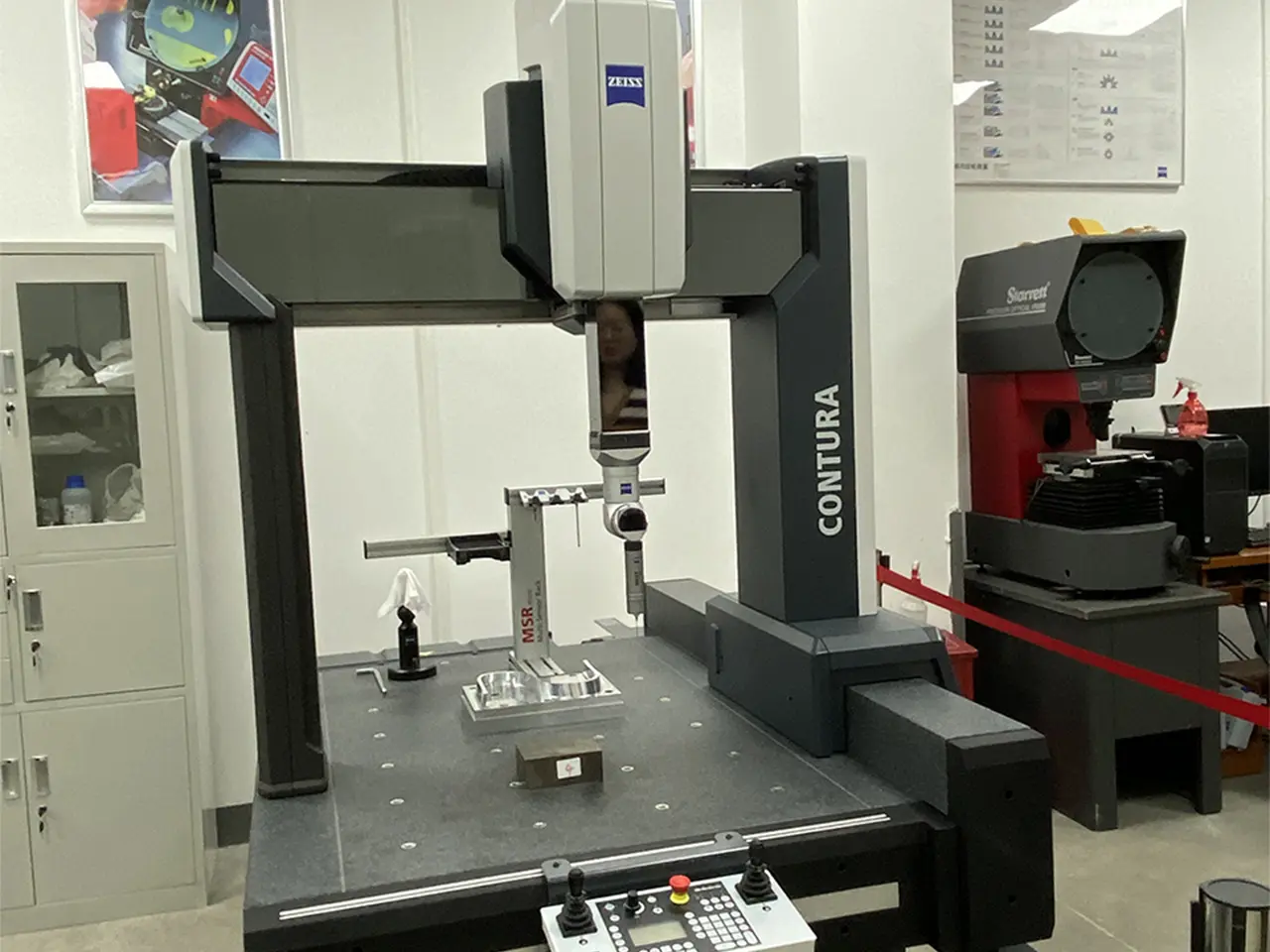
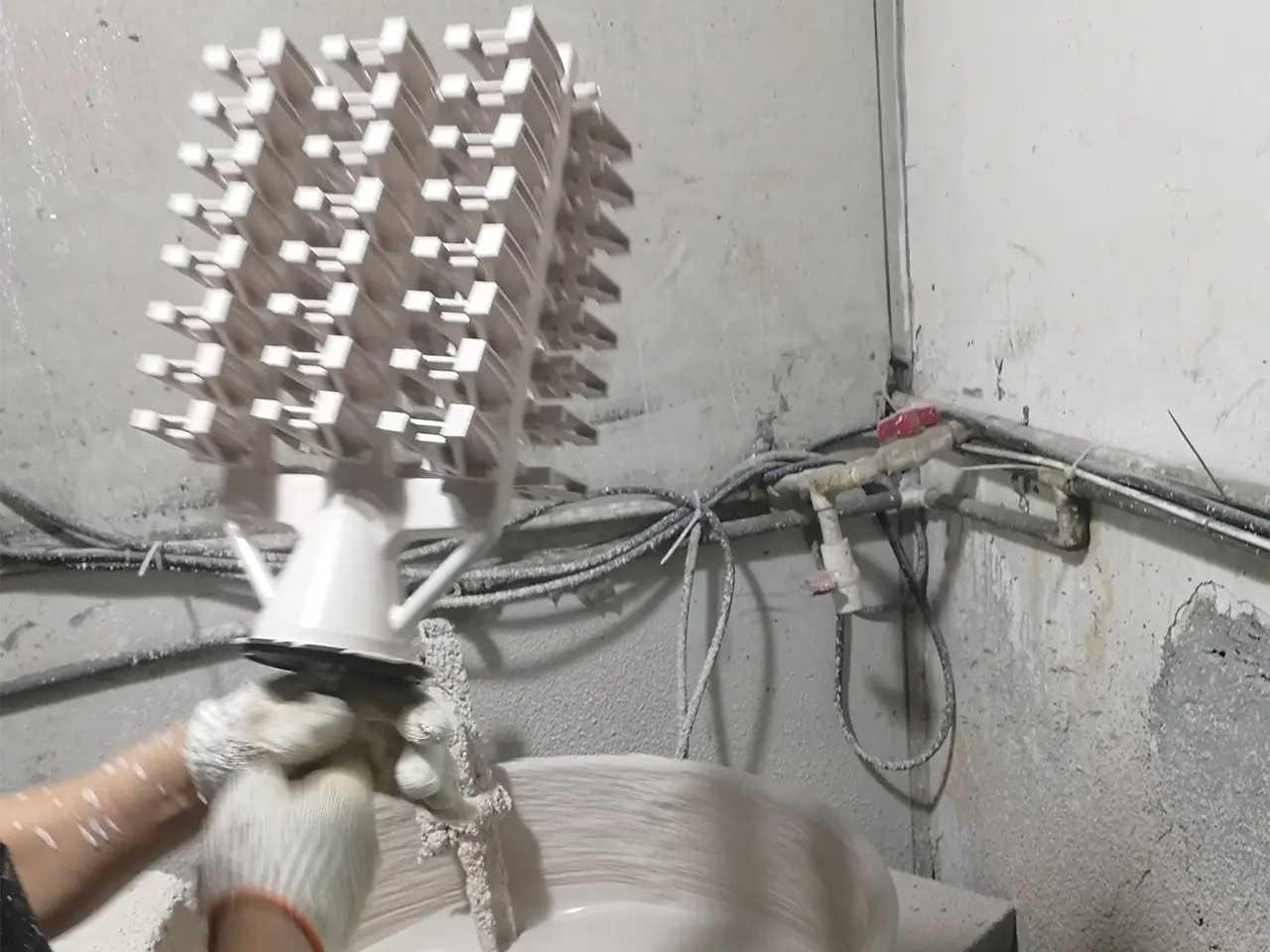
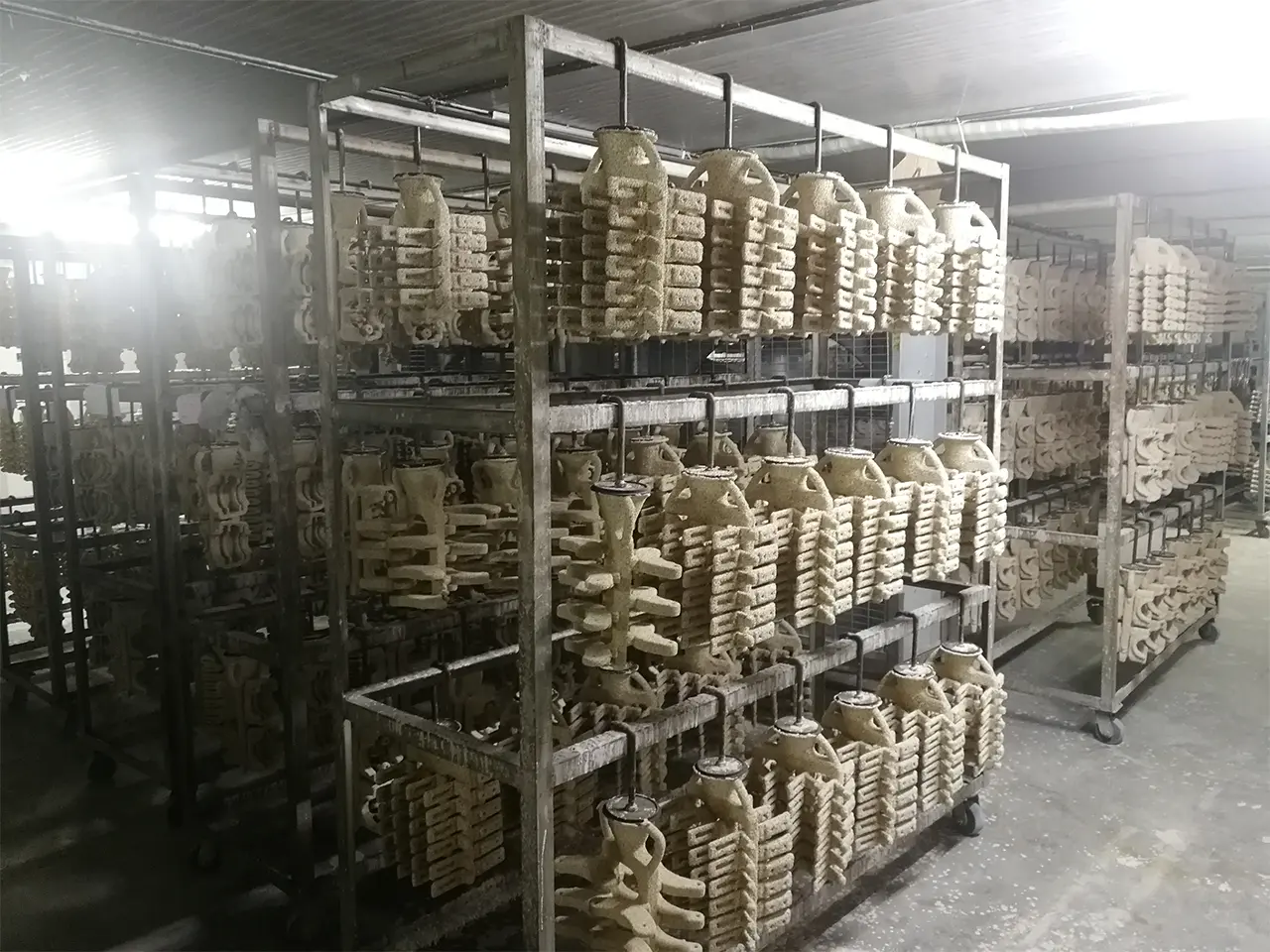
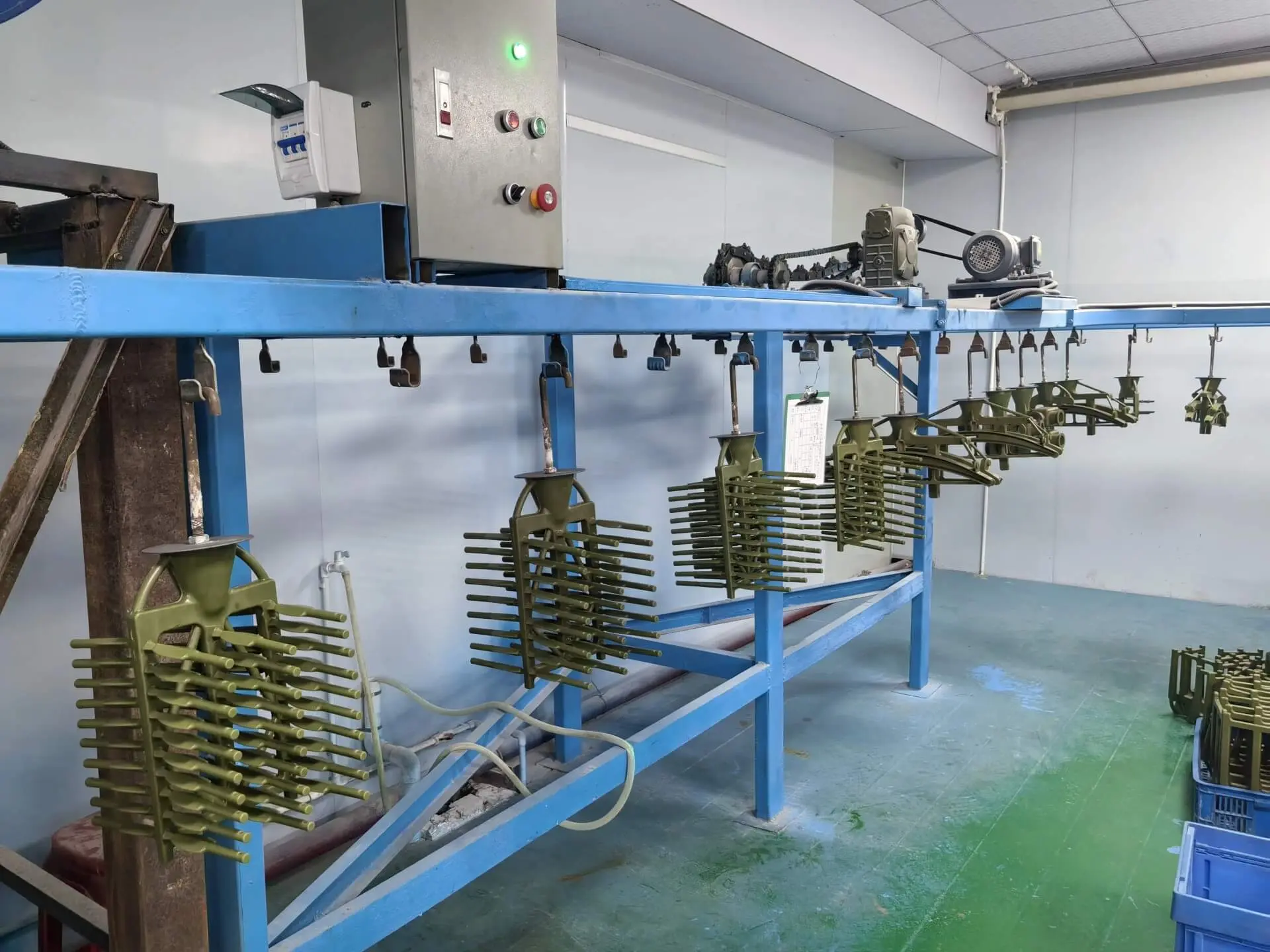
At Dongguan SX Technology, quality control serves as our baseline operating standard. We maintain dedicated testing laboratories staffed by certified QC inspectors to guarantee every batch conforms to custom customer parameters and international standards.
Operating since 2014, our testing and verification pipeline includes:
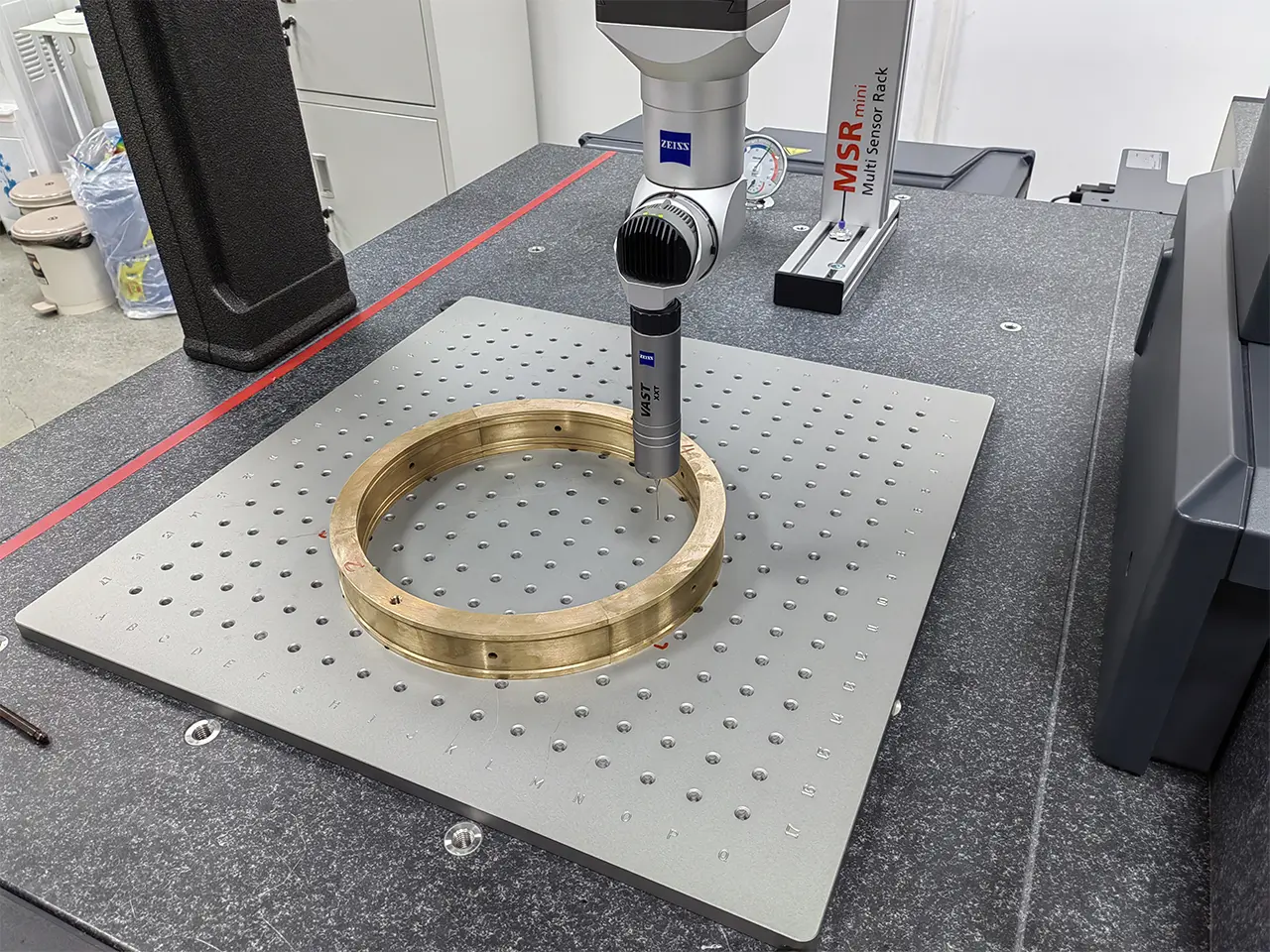
Custom-cast and machined stainless steel components are optimized to resist degradation and deformation across dynamic industrial environments.
Saltwater environments subject components to continuous chloride-induced stress corrosion cracking and pitting. Our marine-grade 316 and duplex castings, such as propellers, anchor brackets, and deck hardware, provide reliable defense under high-salinity exposure.
Chemical processing and municipal water handling rely on high-integrity components to avoid containment failure. We manufacture impellers, pump casings, butterfly valves, and seal glands that maintain tight seals and structural integrity under high pressure.
Exhaust manifolds, turbocharger housings, and engine brackets must withstand rapid thermal cycling and mechanical vibration. By using high-alloy materials, we produce heat-resistant components that prevent structural distortion.
Sanitary applications require ultra-smooth surface finishes to prevent bacterial colonization. Our post-processing options, including electropolishing and precise machining, ensure compliance with strict sanitization protocols.
Our development roadmap incorporates emerging technologies to continuously optimize casting precision, mechanical performance, and processing speeds.
We utilize advanced casting simulation software (such as ProCAST) to evaluate mold-filling mechanics, solidification velocities, and potential hotspots before cutting tool steel dies. This reduces internal shrinkage risks and optimizes gating designs.
By integrating direct 3D printing of wax and PMMA patterns, we bypass the need for traditional tooling for low-volume runs and functional testing. This reduces prototyping cycle times from weeks to days.
We continue to expand robotic grinding and abrasive belt stations to maintain consistent surface profiles across high-volume production runs. In-line CMM feedback loops adjust machining parameters dynamically to minimize scrap.
Dongguan's industrial cluster provides access to specialized material suppliers, post-processing services, and logistics networks, supporting reliable production schedules.
Our long-term agreements with alloy refiners ensure a stable supply of key metals, such as chromium, nickel, molybdenum, and titanium, cushioning against raw material market volatility.
With localized heat treatment (annealing, quenching, tempering), plating, and surface anodizing facilities nearby, we complete finishing processes efficiently without the delay of long-distance transit.
Located near Shenzhen, Guangzhou, and Hong Kong ports, our facility offers flexible air, sea, and express logistics routing to ensure reliable international delivery schedules.
We design and test components to conform directly to international specification frameworks, ensuring drop-in compatibility and cross-border regulatory compliance.
We work with alloy chemistries and heat treatments that match international standards, including ASTM A743/A743M (corrosion-resistant castings), EN 10283, and JIS G5121, to ensure consistent mechanical performance.
Our quality management workflow traces raw heats to final components, ensuring batch consistency, documentation accuracy, and process control throughout production.
Our casting and machining processes are structured to comply with REACH and RoHS standards, addressing hazardous substance limits for sensitive electronics and industrial applications.
Technical details on tolerances, production timelines, alloy options, and our production processes.
View our extended range of precision components, custom-manufactured to support heavy industry, automotive assemblies, and electronic systems globally.
 SX Machining