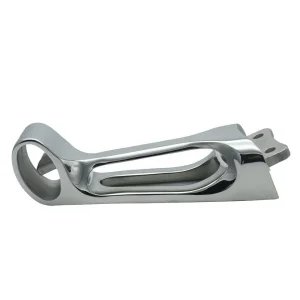
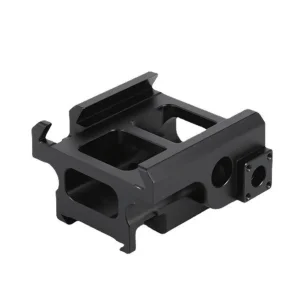
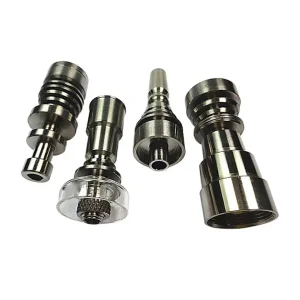
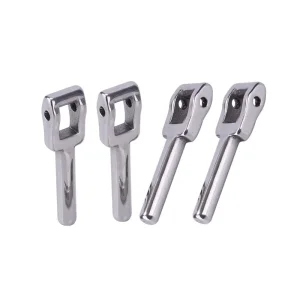
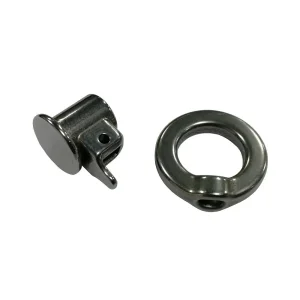
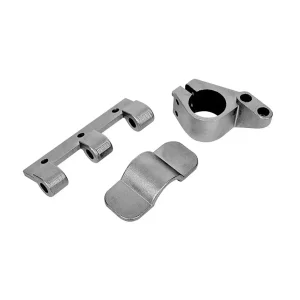
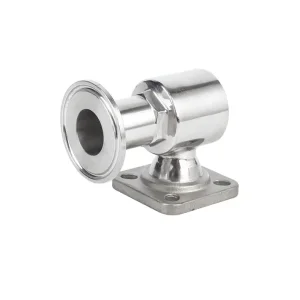
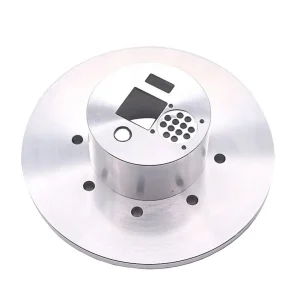
The global industrial landscape relies heavily on the structural integrity, metallurgical purity, and dimensional accuracy of steel castings. Over the last three decades, China has transitioned from a high-volume foundry supplier to a pioneer of advanced net-shape engineering. Modern foundries leverage computational fluid dynamics (CFD) for casting solidification simulations, ensuring that shrinkage cavity risks are mitigated prior to pattern production. This technical evolution ensures that critical sectors—including marine systems, aerospace components, valves, pumps, and automotive structures—receive components that stand up to the most demanding pressure ratings and environmental stressors.
For international procurement managers, sourcing from a tier-1 Chinese steel casting manufacturer guarantees access to highly integrated operations. Modern setups house both the raw investment casting facilities (lost wax process) and advanced 5-axis CNC machining centers under one roof. This configuration significantly reduces lead times, optimizes dimensional accuracy, and provides single-source accountability. By using advanced spectral analyzers and non-destructive testing (NDT), Chinese factories satisfy rigorous international standards such as ASTM, DIN, EN, and ISO.
Dongguan SX Technology Co., Ltd. possesses extensive experience in precision casting, CNC machining, and complex sub-assembly operations. By integrating engineering expertise with state-of-the-art machinery, the company serves vital international sectors, including marine hardware, electronics, offshore equipment, automotive systems, valve bodies, pumps, and construction hardware.
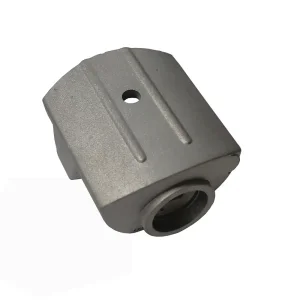
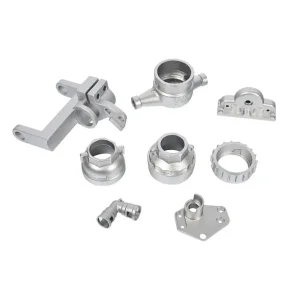
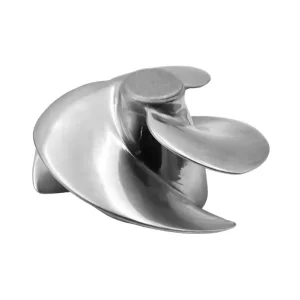
Our core casting operations utilize the premium lost wax investment casting method, selecting stainless steel (including duplex and super duplex grades) and carbon steel for demanding applications. Complementing our casting foundry, our high-precision CNC machining lines work with high-durability materials such as titanium alloys, stainless steel, carbon steel, aluminum alloys, copper alloys, and cemented carbides.
Our engineering team is equipped to respond rapidly to complex design profiles, transitioning customer CAD models into physical, micro-structurally optimized components with minimal tooling lead times. Since 2014, our dedication to dimensional fidelity and robust metallurgical quality has positioned us as a preferred supplier for OEMs worldwide.
Modern sourcing strategists must look beyond unit price and analyze Total Cost of Ownership (TCO). In the field of metal castings, minor defects or metallurgical variations can lead to catastrophic field failures or excessive finish-machining rejection rates. Therefore, choosing the correct material grade and processing method is vital:
Ideal for intricate geometries, thin-walled structures, and parts requiring near-net-shape tolerances. Significantly reduces material wastage and secondary machining. Suitable for carbon steels and stainless steels (like 316L, 17-4 PH) used in marine and valve industries.
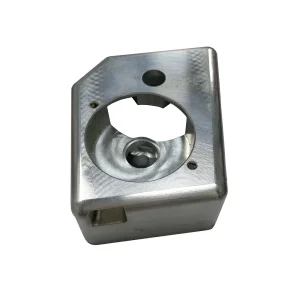
Providing dimensional tolerances up to ±0.005mm. Applied as a post-casting process to critical bores, threads, and mating surfaces, or utilized for carving high-strength components out of billet titanium, aluminum alloys, and specialty alloys.
Every casting run must undergo material verification. Our spectrometer analysis confirms precise chemical percentages (Chromium, Nickel, Molybdenum, Carbon content) to avoid intergranular corrosion in marine and offshore operating environments.
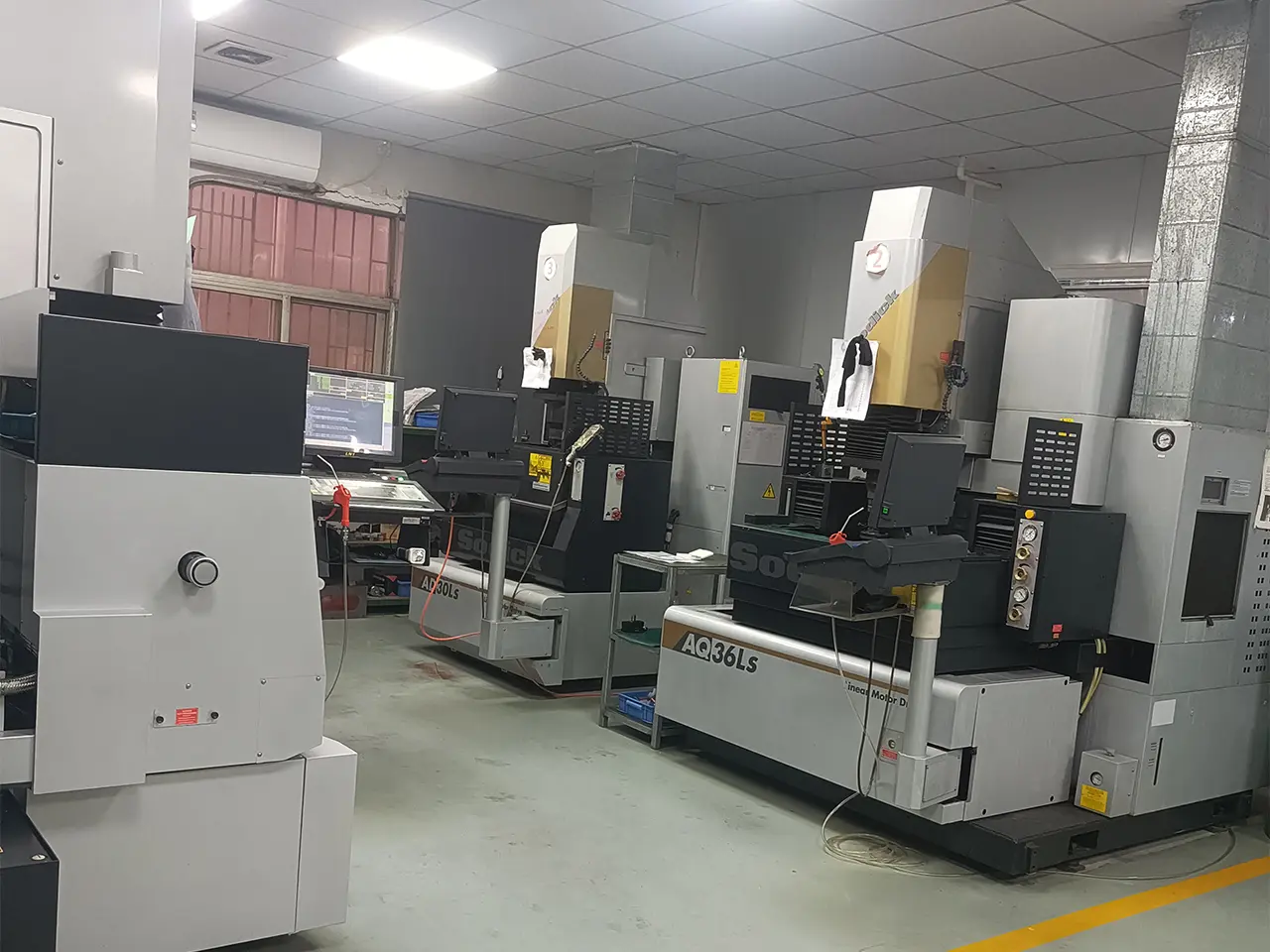
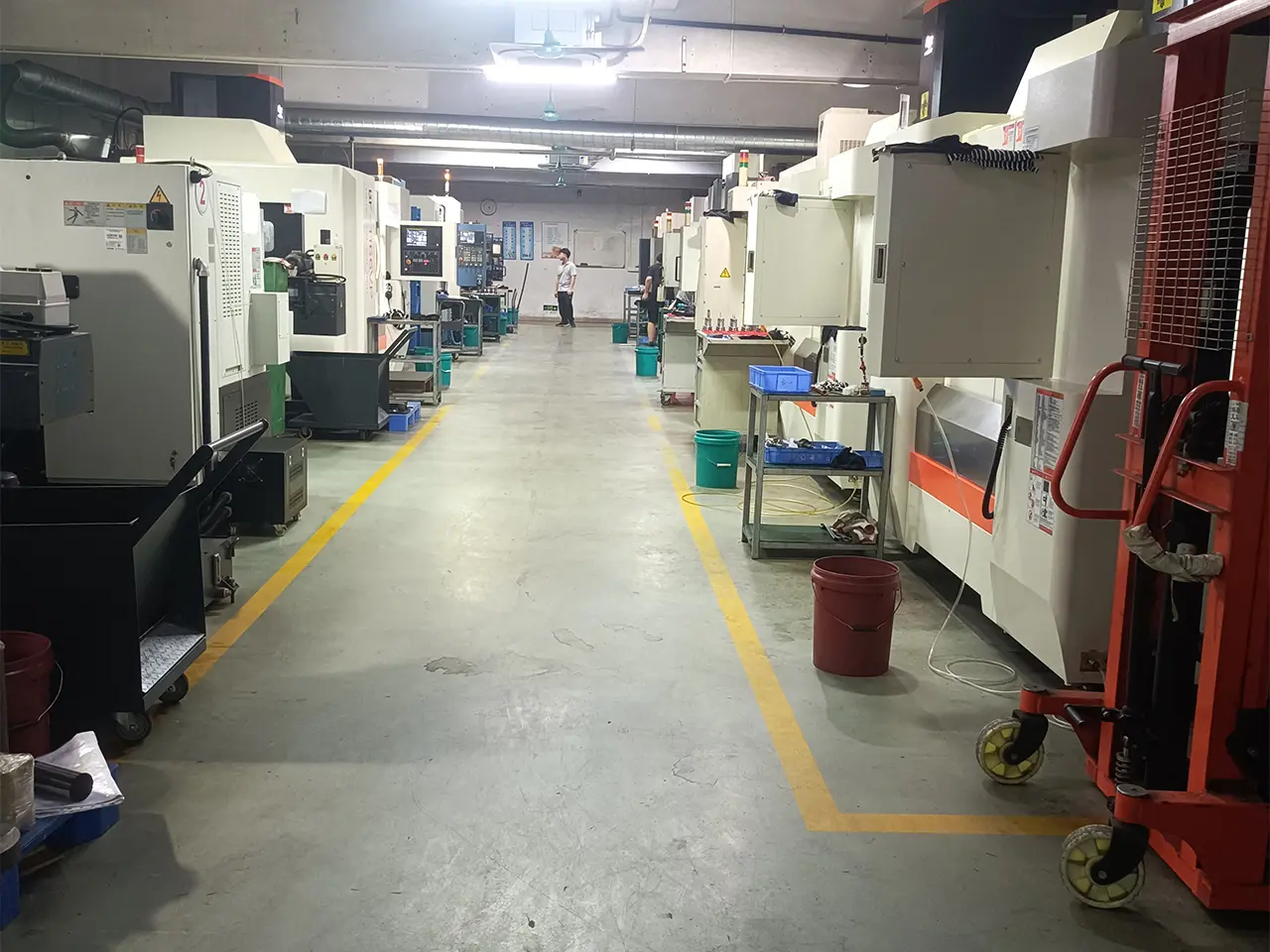
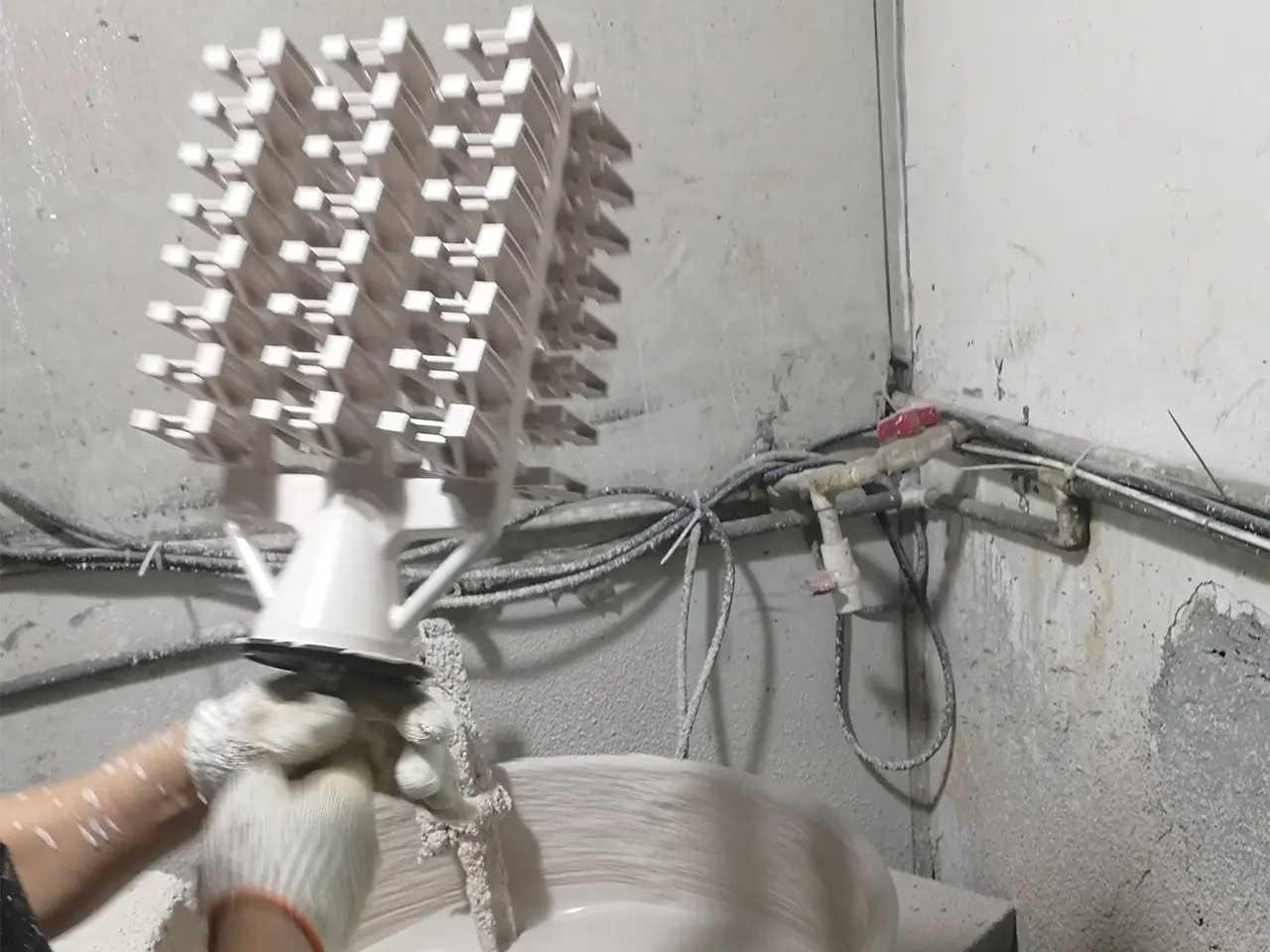
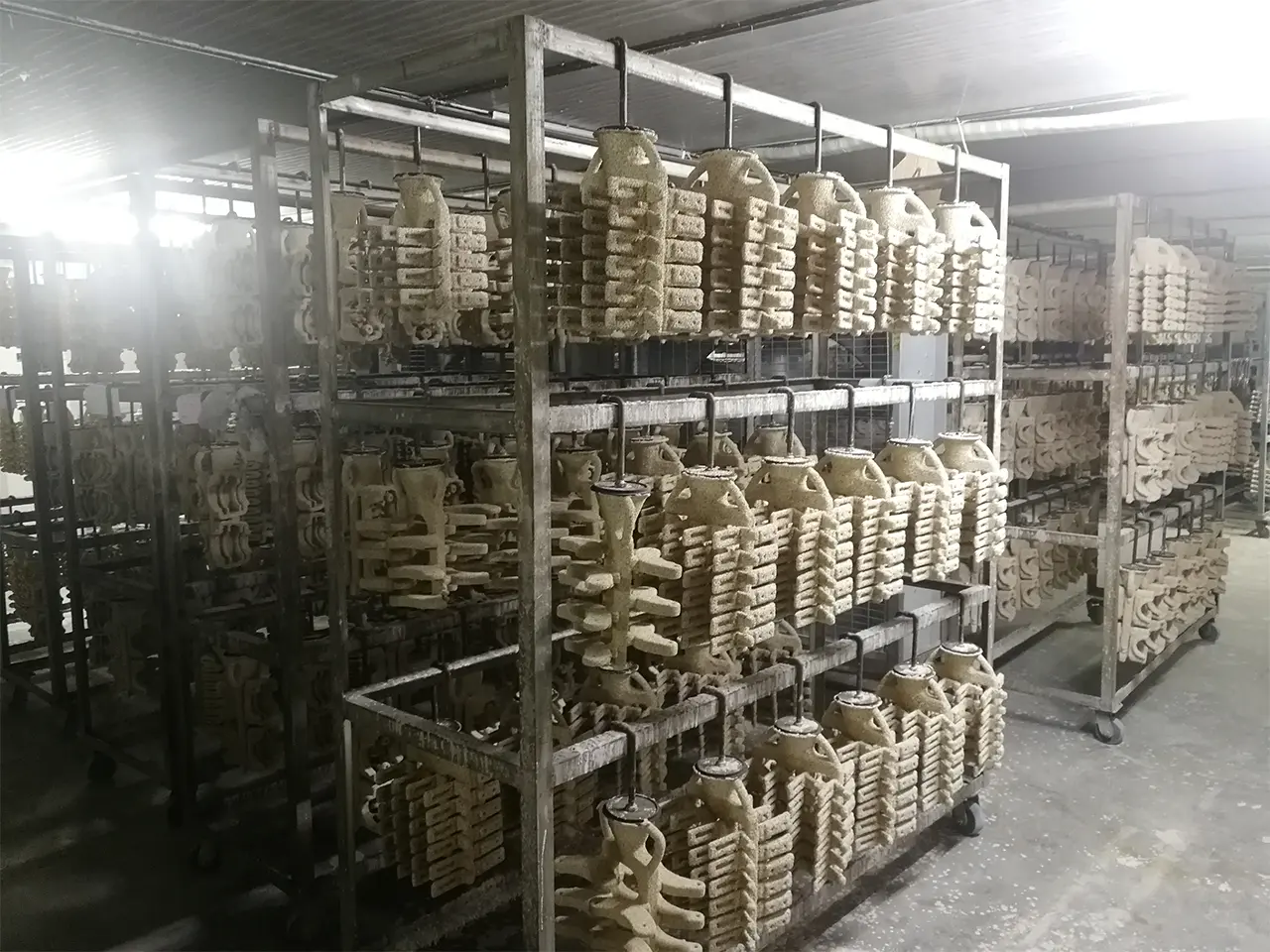
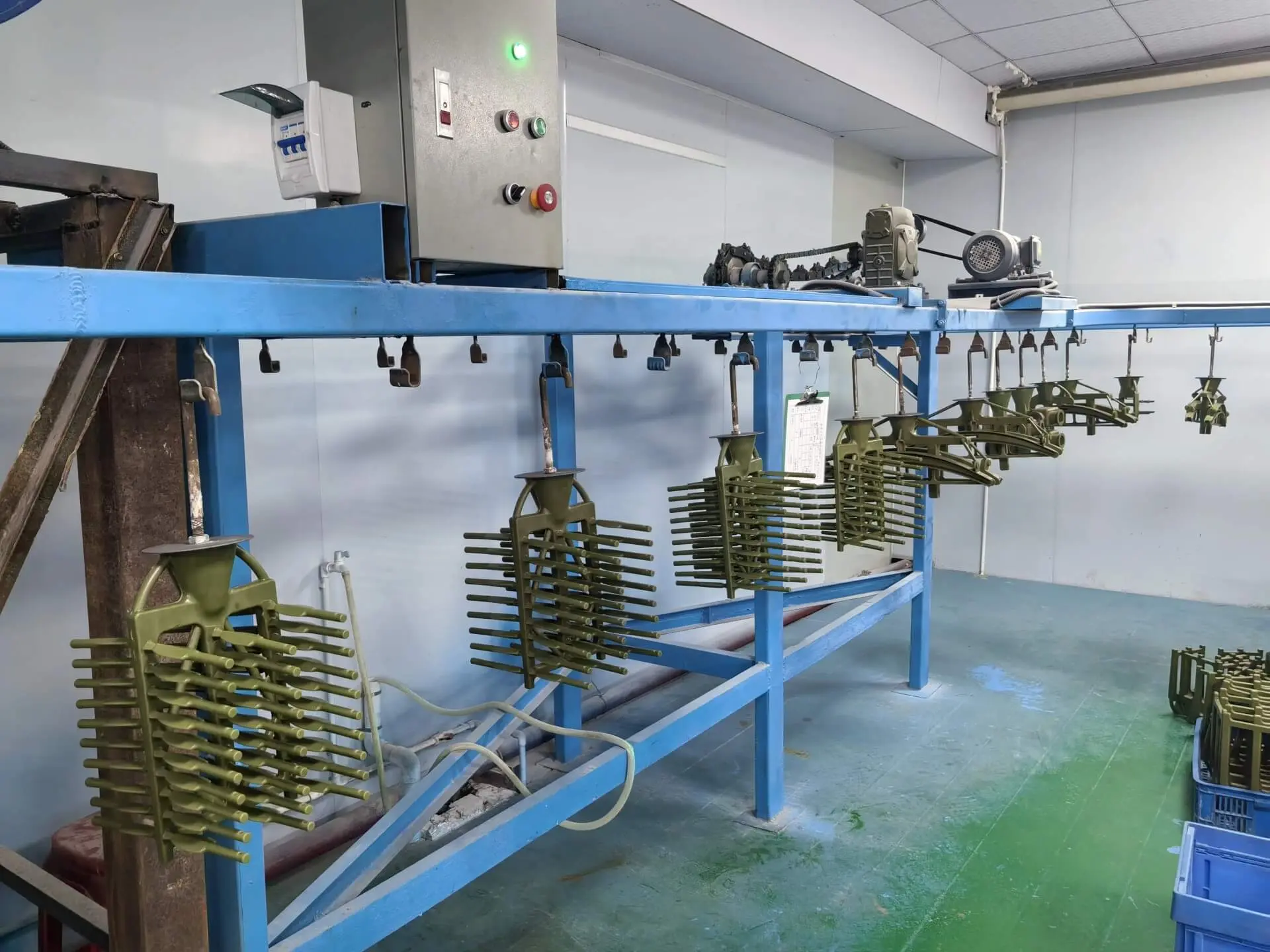
Our production facilities house advanced melting induction systems, robotic shell-making operations, thermal treatment kilns, and state-of-the-art multi-axis CNC machine centers.
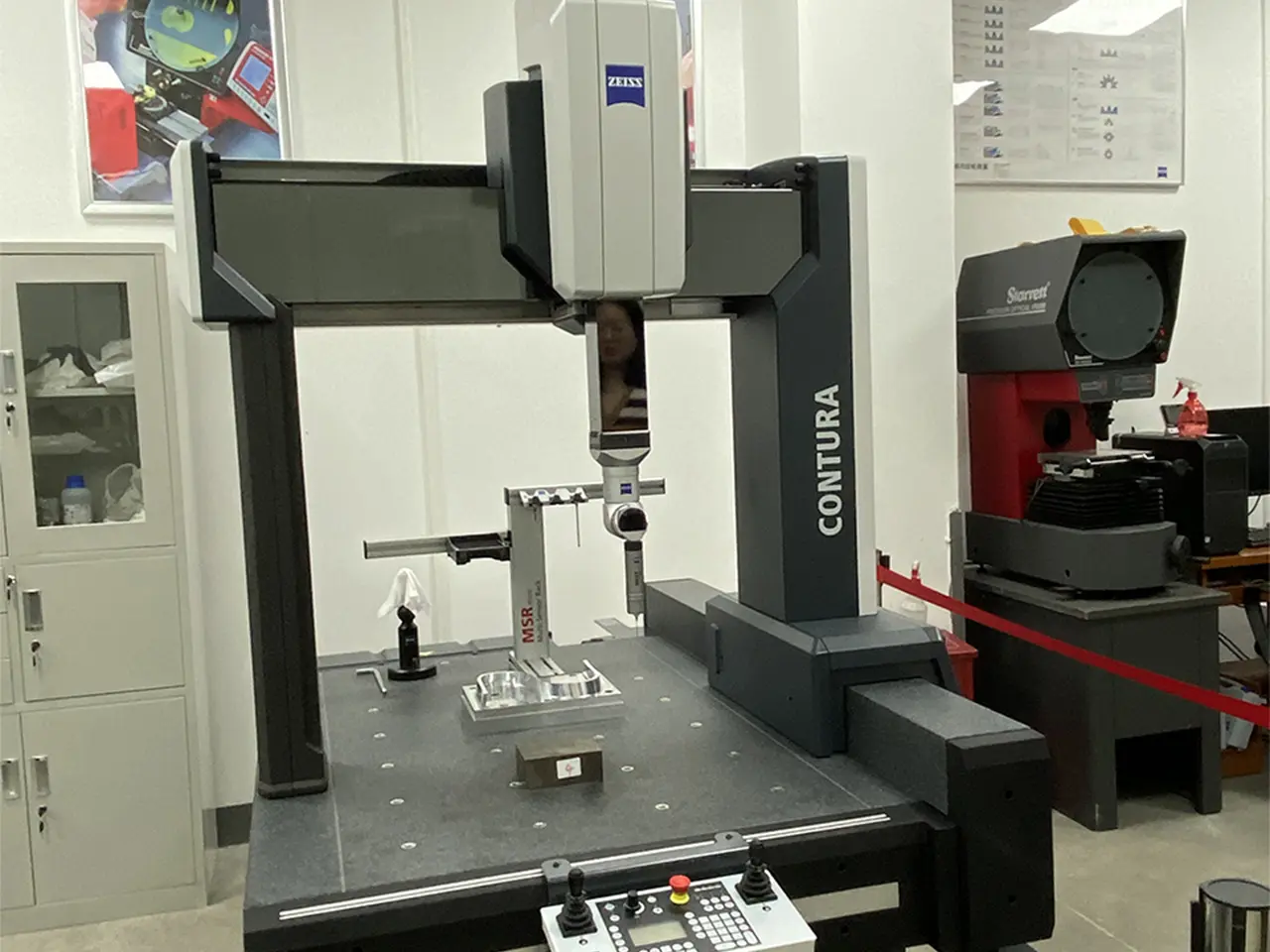
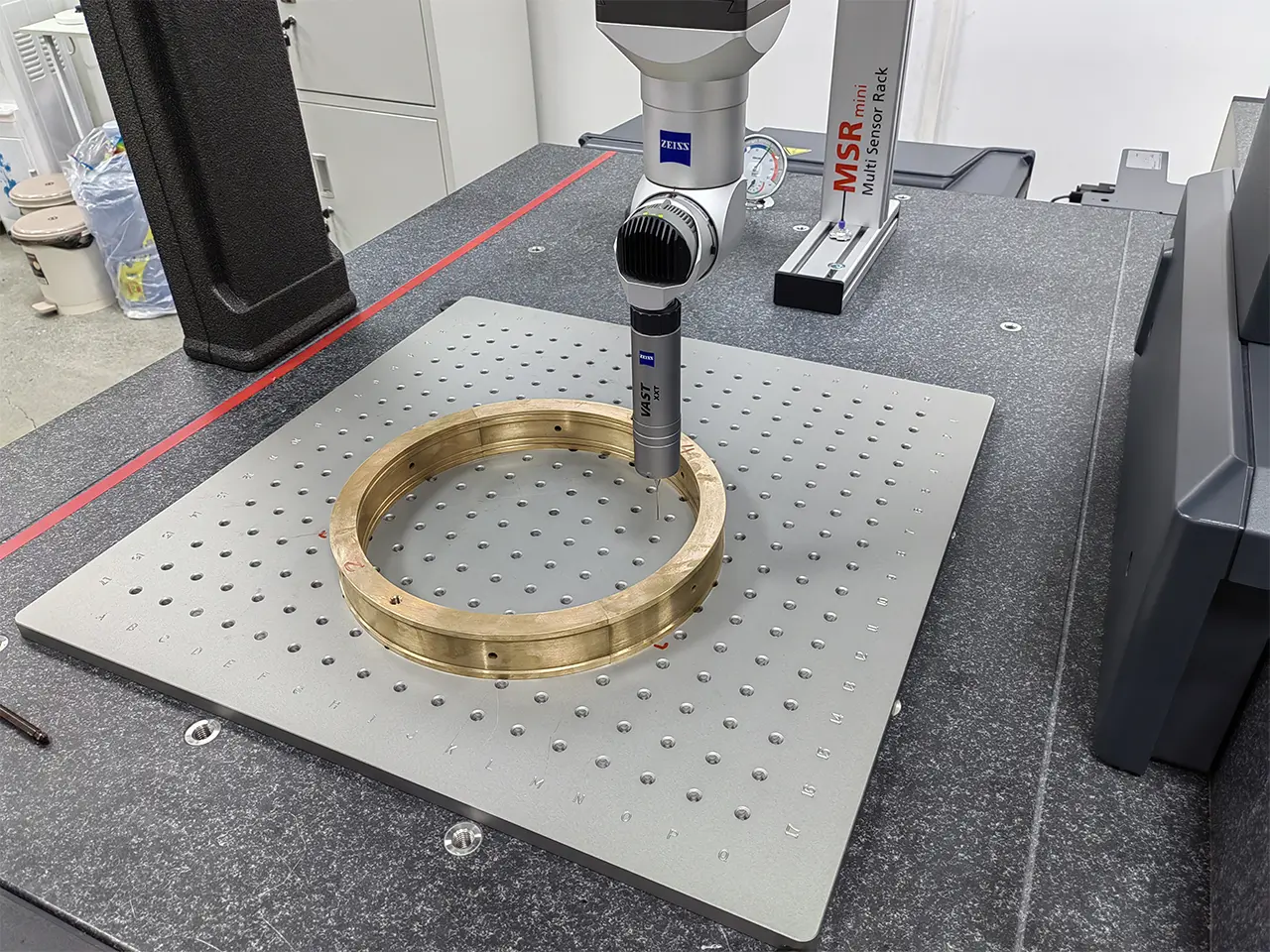
Quality is the absolute cornerstone of the manufacturing industry. We firmly believe that only by executing strict quality verification protocols can we sustain long-term business partnerships and continuous growth. Therefore, we have been working in this industry unremittingly since 2014, consistently upgrading our QC metrology lab and manufacturing capacities.
Our QC facility utilizes a complete range of testing equipment:
The casting industry is experiencing a significant digital transformation. By integrating advanced digital systems into the traditional lost wax casting method, foundries can shorten manufacturing cycles and deliver complex geometries that were previously impossible to cast. Our long-term technical roadmap highlights the key pillars that define the future of high-precision casting:
By using industrial binder jetting and wax printing machines, we can produce prototype patterns and intricate cores directly from CAD data. This eliminates the need for expensive injection tooling during low-volume trials or structural optimization cycles, saving weeks of development time.
Using thermal imaging and machine learning models, we analyze heat dissipation patterns within the investment shell during pouring. This forecast allows engineers to reposition gates and risers dynamically, minimizing microporosity and optimizing internal grain structures.
Adhering to strict environmental compliance, we utilize high-efficiency electromagnetic induction furnaces and heat recovery systems. By recycling raw materials and upgrading filtering equipment, we support global carbon reduction goals without sacrificing material performance.
For international procurement, navigating technical standards and regulatory compliance is as important as the physical manufacturing itself. Dongguan SX Technology Co., Ltd. ensures clear regulatory compliance for export markets, including North America, Europe, and the Asia-Pacific region.
Our certifications align with global standards to ensure seamless integration into your supply chain. We offer material traceability documentation conforming to EN 10204 3.1, RoHS & REACH environmental compliance reports, and strict adherence to ASME and ISO standards. Our strategically located facilities near major international deep-water ports in Shenzhen and Guangzhou enable secure and efficient logistics, including FOB, CIF, or DDP delivery options.
 SX Machining