 SX Machining
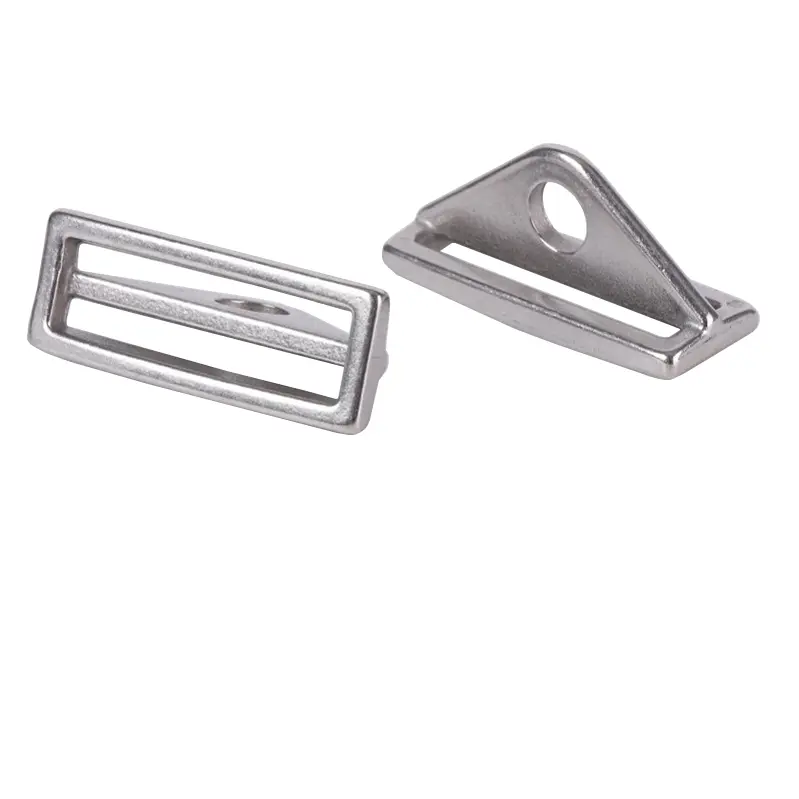
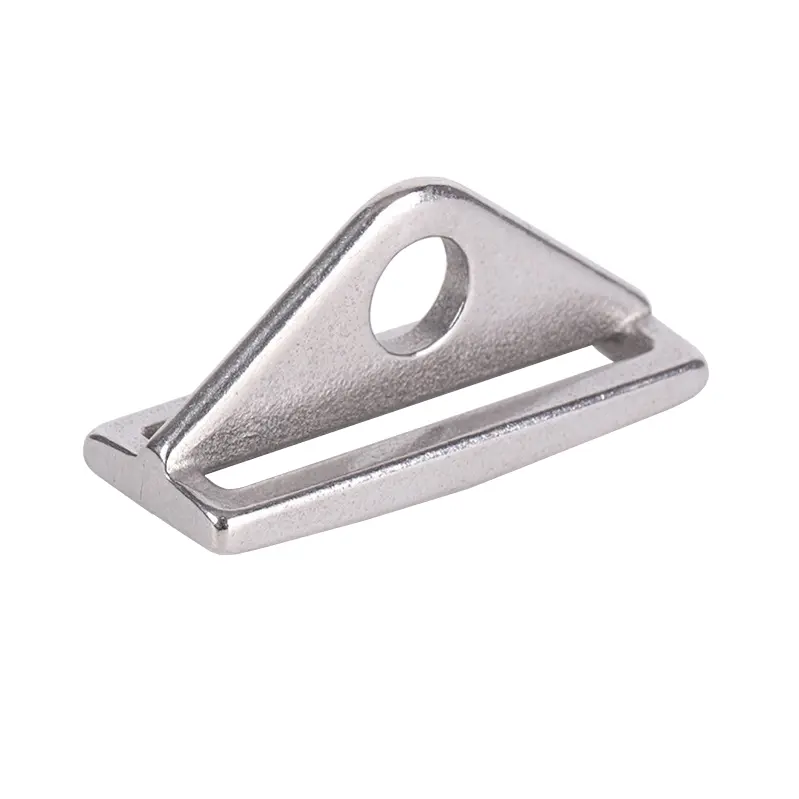
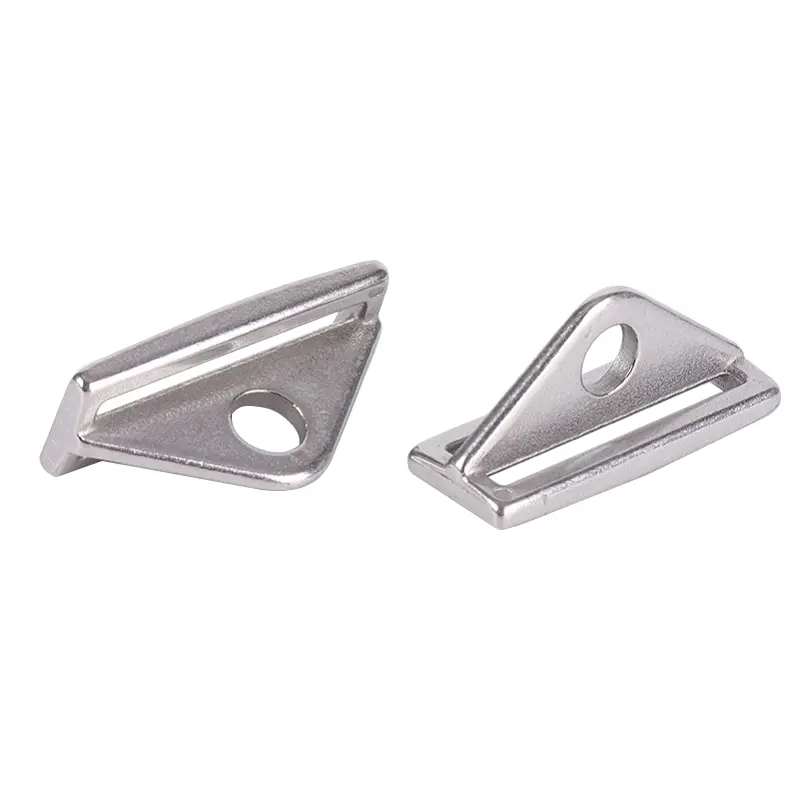
1 / 5
In today's manufacturing industry, the application of investment castings is becoming increasingly widespread and can be seen across many sectors. While investment casting may appear straightforward, achieving high-quality results requires meticulous control over every stage of the process. This is because the investment casting process involves numerous steps, and a failure at any single stage can lead to the scrapping of the entire part. Therefore, strict control over the entire process is essential to prevent defects in one step from causing the final product to be rejected. This includes considerations for parts that require subsequent machining—such as ensuring sufficient machining allowances are left during casting, and accounting for potential deformation that may occur during the casting process.
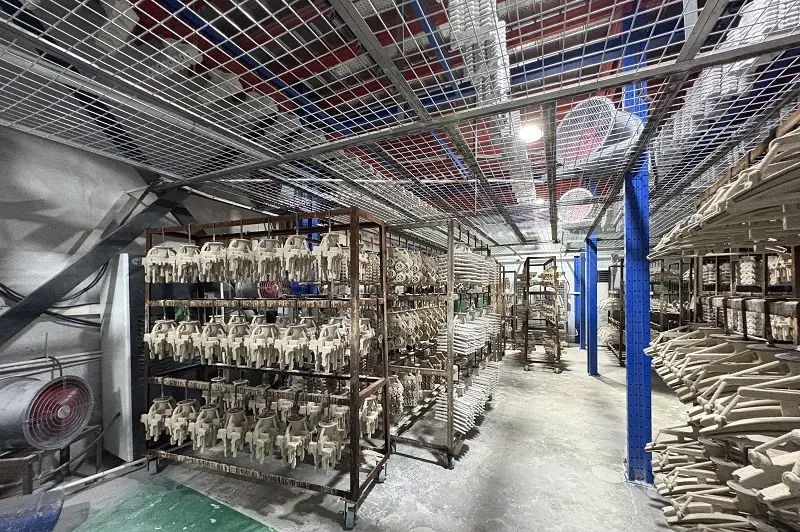
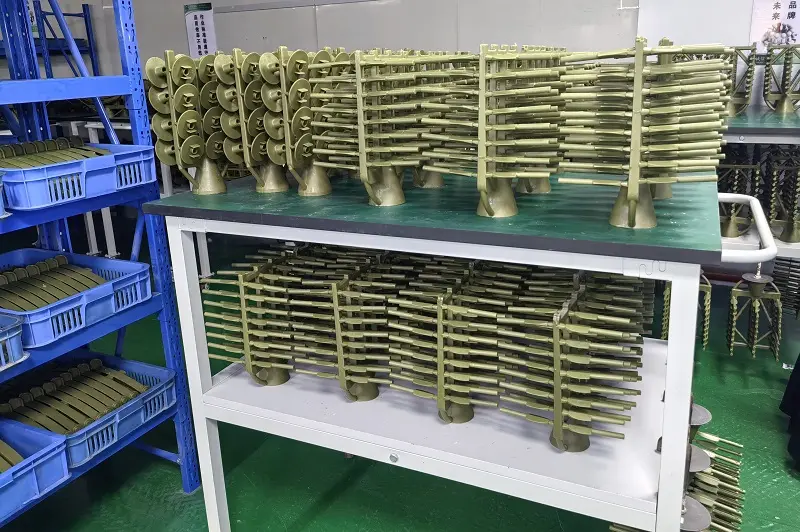
Investment casting can adapt to both small-scale and large-scale production, making it widely applicable across many industries. However, for high-demand components such as automotive, aerospace, and medical parts, these often require full or partial machining after the investment casting process. Currently, many investment casting factories do not offer follow-up machining services or rely on outsourcing, which forces many customers to handle machining on their own. This can easily lead to poor coordination, machining defects, or insufficient processing accuracy. Our in-house investment casting workshop and precision CNC machining department effectively address this issue, avoiding a series of subsequent problems.



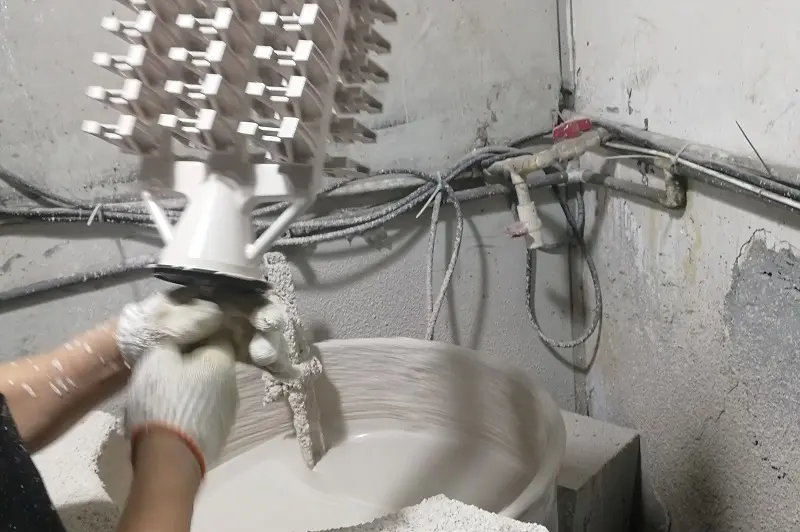
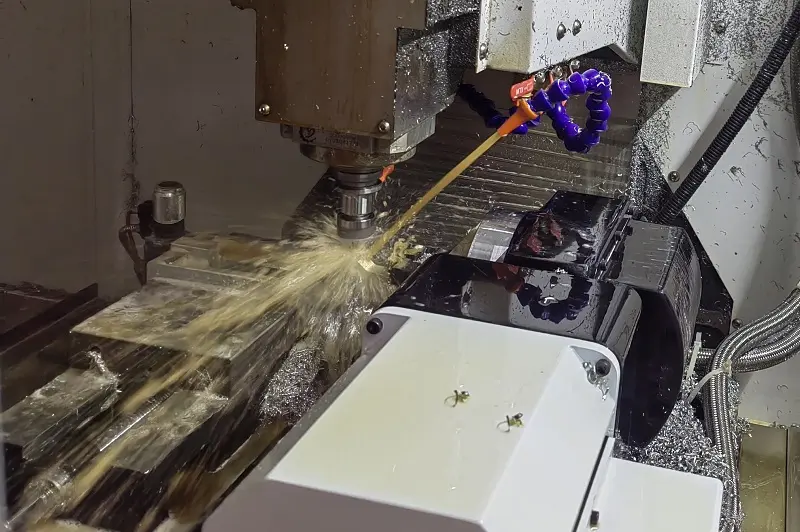
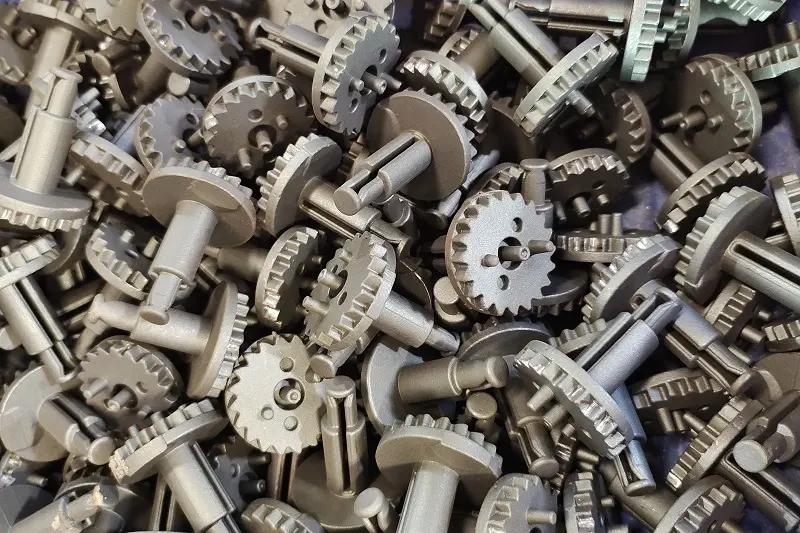
A high-quality product requires close coordination across all aspects and every stage of the process. Since most of our manufacturing steps are completed internally, we are able to both improve product quality and enhance production efficiency. We provide comprehensive, one-stop services for metal investment casting and precision CNC machining.
Investment casting involves numerous steps. A failure at any single stage can cause the entire part to be scrapped, making strict, meticulous process control essential to avoid final product rejection.
It is critical to ensure that sufficient machining allowances are left during casting and to account for potential deformation that may occur during the casting process.
Yes, investment casting is highly adaptable and can be optimized for both small-scale and large-scale production requirements across diverse industries.
High-demand components for industries like automotive, aerospace, and medical sectors require tight tolerances and high accuracy, which often necessitates full or partial machining post-casting.
In-house integration prevents the coordination issues, processing inaccuracies, and machining defects commonly associated with outsourcing components to separate third-party factories.
By keeping the majority of manufacturing steps internally, coordination between all stages is seamless, which enhances both final product quality and manufacturing efficiency.