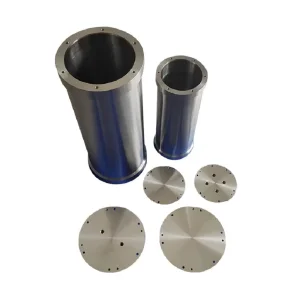
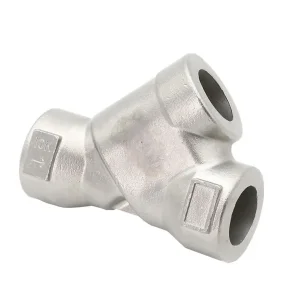
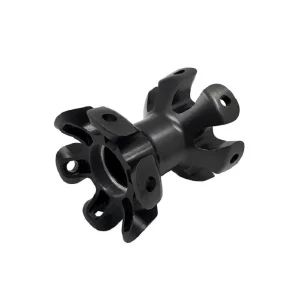
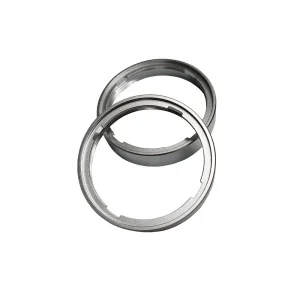
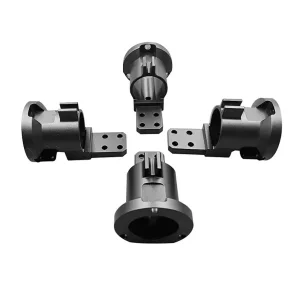
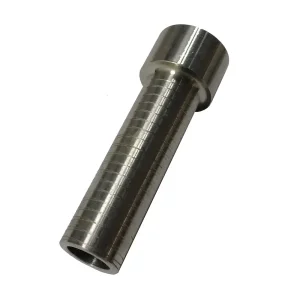
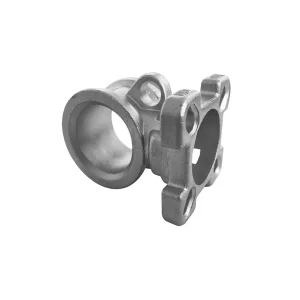
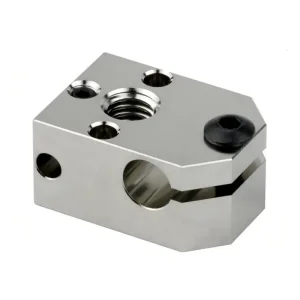
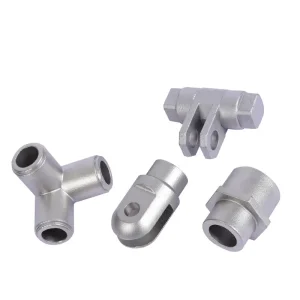
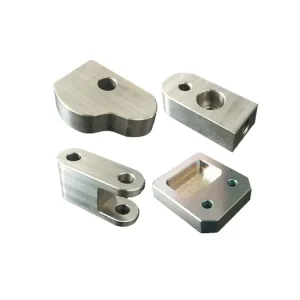
Explore our foundational range of non-standard precision casting and high-precision CNC machined automotive and industrial components.
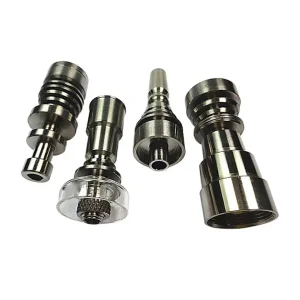
The global automotive manufacturing paradigm is undergoing a massive transformation. With the acceleration of Electric Vehicles (EVs) and the rigorous pursuit of energy efficiency, structural weight reduction has become the primary design index for Tier-1 suppliers and OEMs alike. Custom casting is no longer viewed simply as a cost-effective shaping technique; it has evolved into a highly specialized discipline crucial for synthesizing light alloys and high-strength steels into complex geometries.
In regions such as North America, Western Europe, and East Asia, automotive manufacturers are facing unprecedented demands for components that exhibit both enhanced tensile strength and outstanding fatigue resistance. Custom casting services bridge this gap by enabling the production of parts with variable wall thicknesses, internal pathways, and optimized stress-distribution topologies that conventional machining methods cannot achieve on their own.
By implementing vacuum-assisted die casting and computer-controlled solidification, modern automotive casting processes successfully mitigate shrinkage porosity. This guarantees that critical components like suspension arms, engine mounts, and electric drive housings perform flawlessly under extreme dynamic loads.
Evaluating the integration of advanced casting methodologies, metallurgical innovations, and digitalized process verification in next-generation automotive design.
The industry is shifting toward massive single-piece casting structural elements. Often referred to as "Gigacasting," this approach merges dozens of stamped sheet metal components into one comprehensive cast part. This drastically reduces the structural footprint, optimizes assembly lines, and improves crash-energy absorption properties.
To meet stringent fuel economy and battery range requirements, manufacturers are replacing traditional heavy iron components with custom stainless steel, titanium, and advanced aluminum alloys. Selecting the correct materials is essential to balancing weight optimization with severe mechanical load demands.
Artificial intelligence and finite element analysis (FEA) are now applied directly to mold layout calculations. By forecasting how alloy melts cool down in real-time, engineering teams can preemptively adjust cooling lines, prevent micro-cracking, and eliminate shrinkage-induced defects prior to physical production.
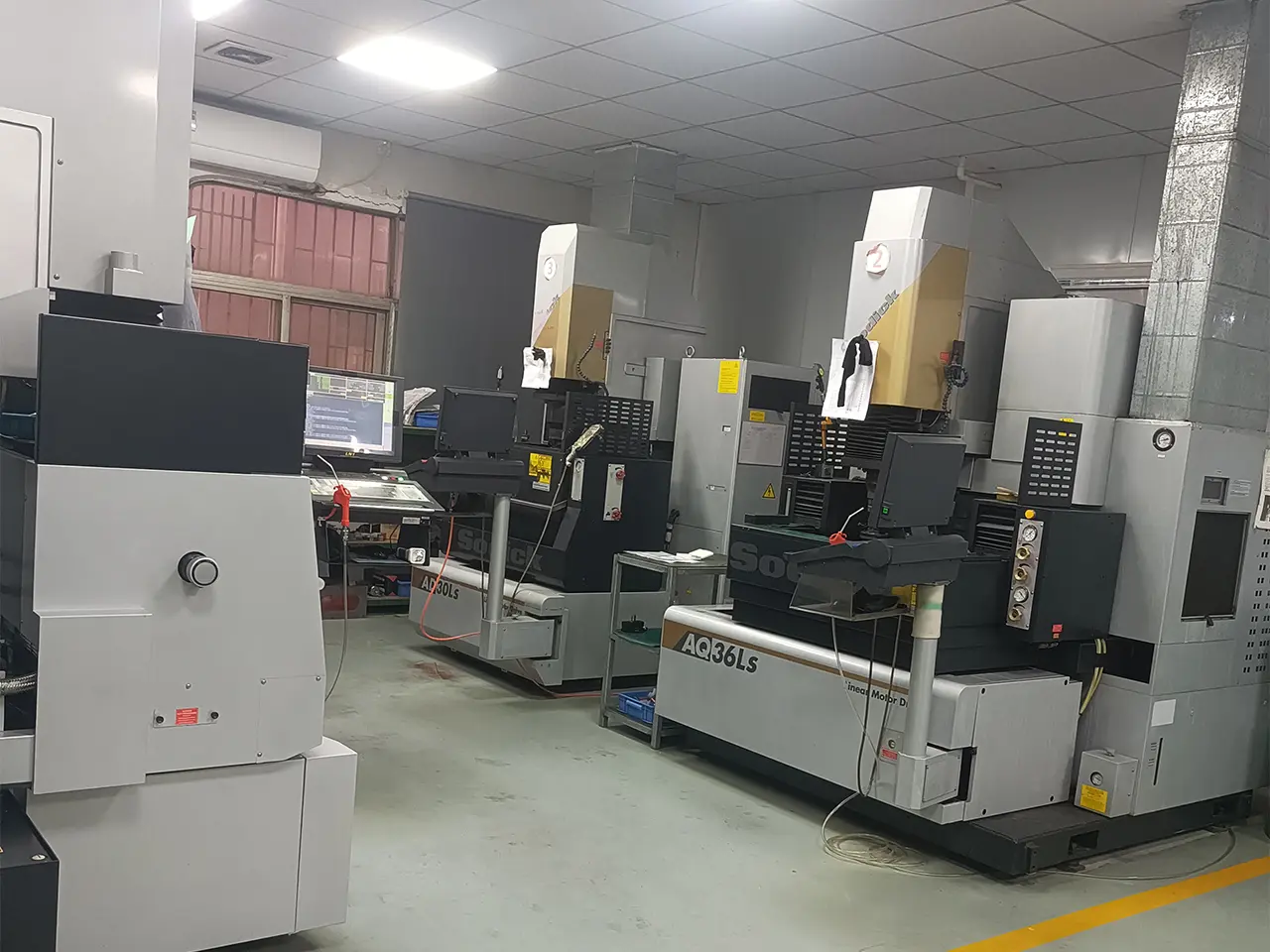
The most commonly used materials for investment casting are stainless steel and carbon steel. And the most commonly used materials for CNC machining include titanium alloy, stainless steel, carbon steel, aluminum alloy, copper alloy, cemented carbide, etc. We have advanced manufacturing equipment and technology and are able to respond quickly to your needs.
By integrating front-end custom casting with post-casting precision multi-axis CNC machining, we offer a comprehensive manufacturing pipeline. This hybrid approach enables us to control tolerances down to micron-level parameters, delivering components that are immediately ready for vehicle integration and assembly lines.
Take an inside look at our advanced manufacturing floor, precision machinery assets, and high-performance casting facilities.
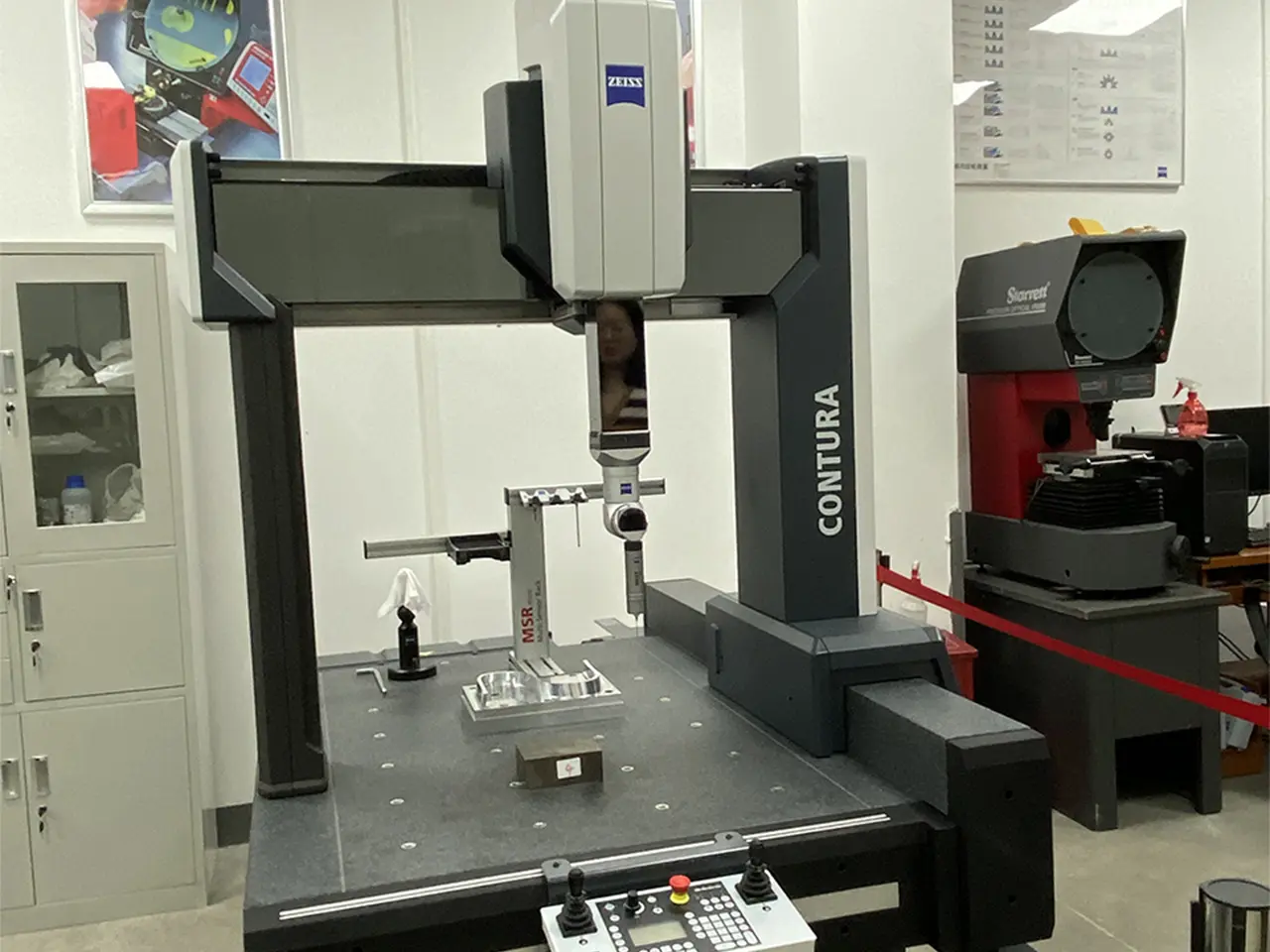
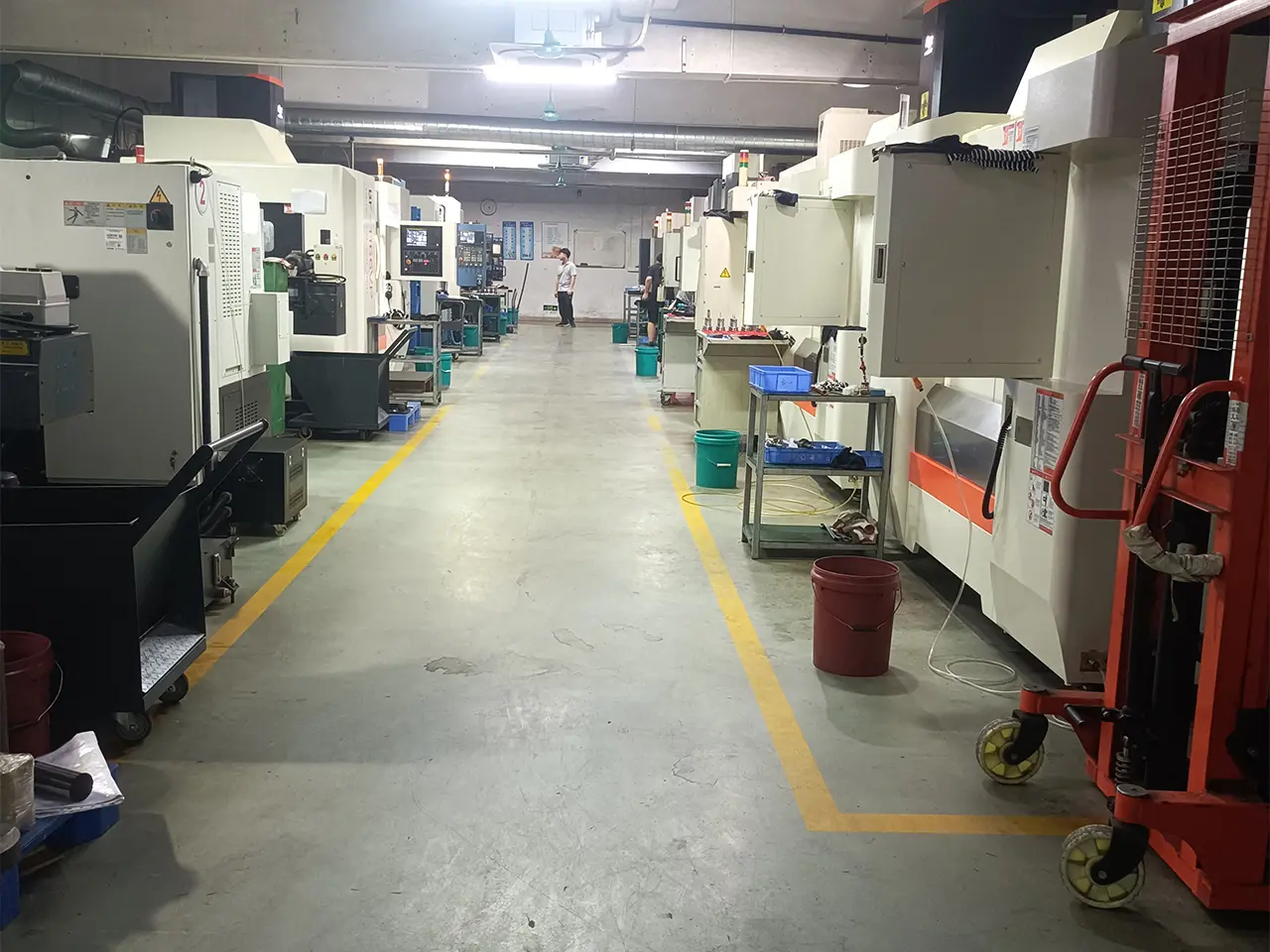
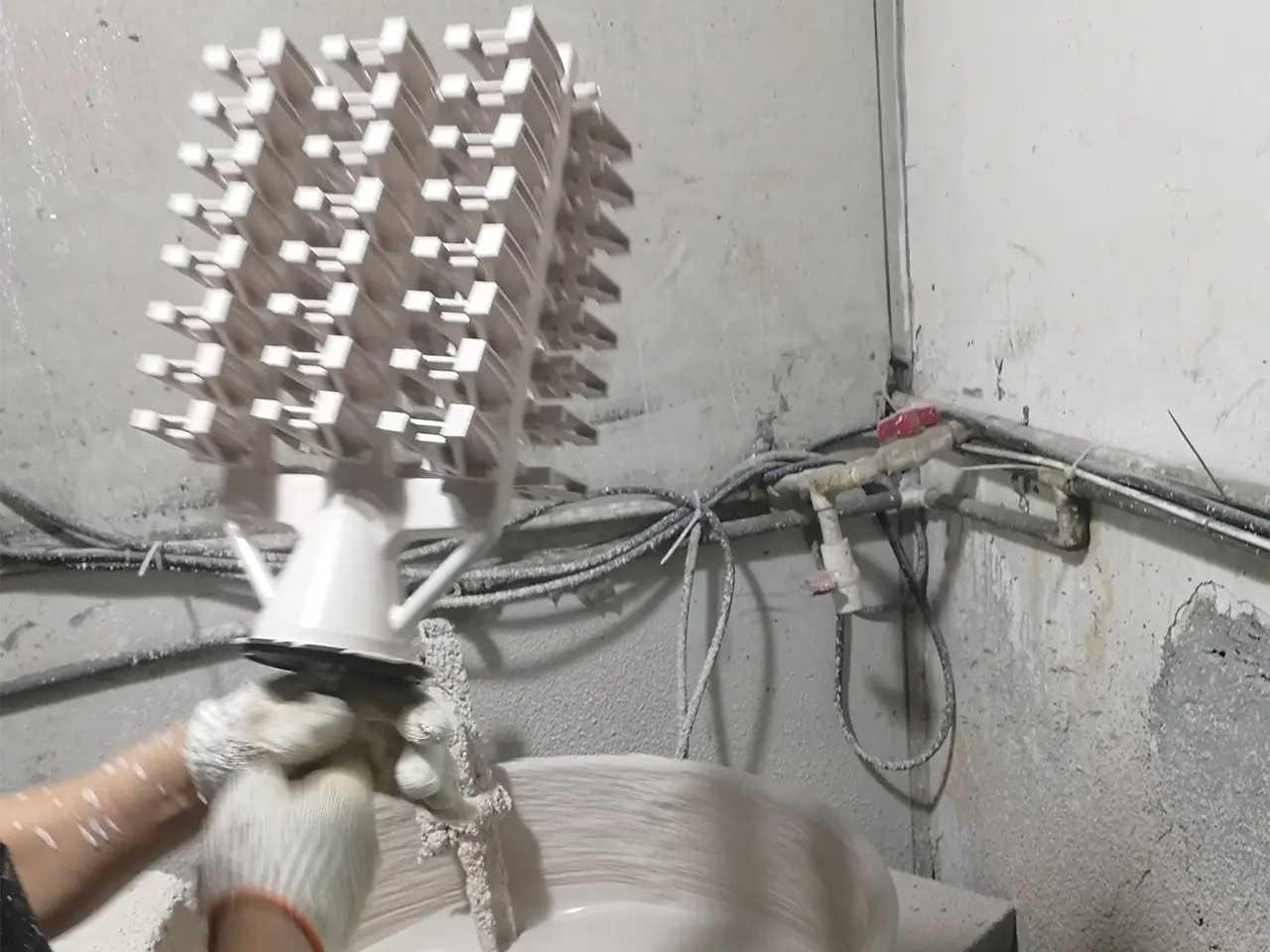
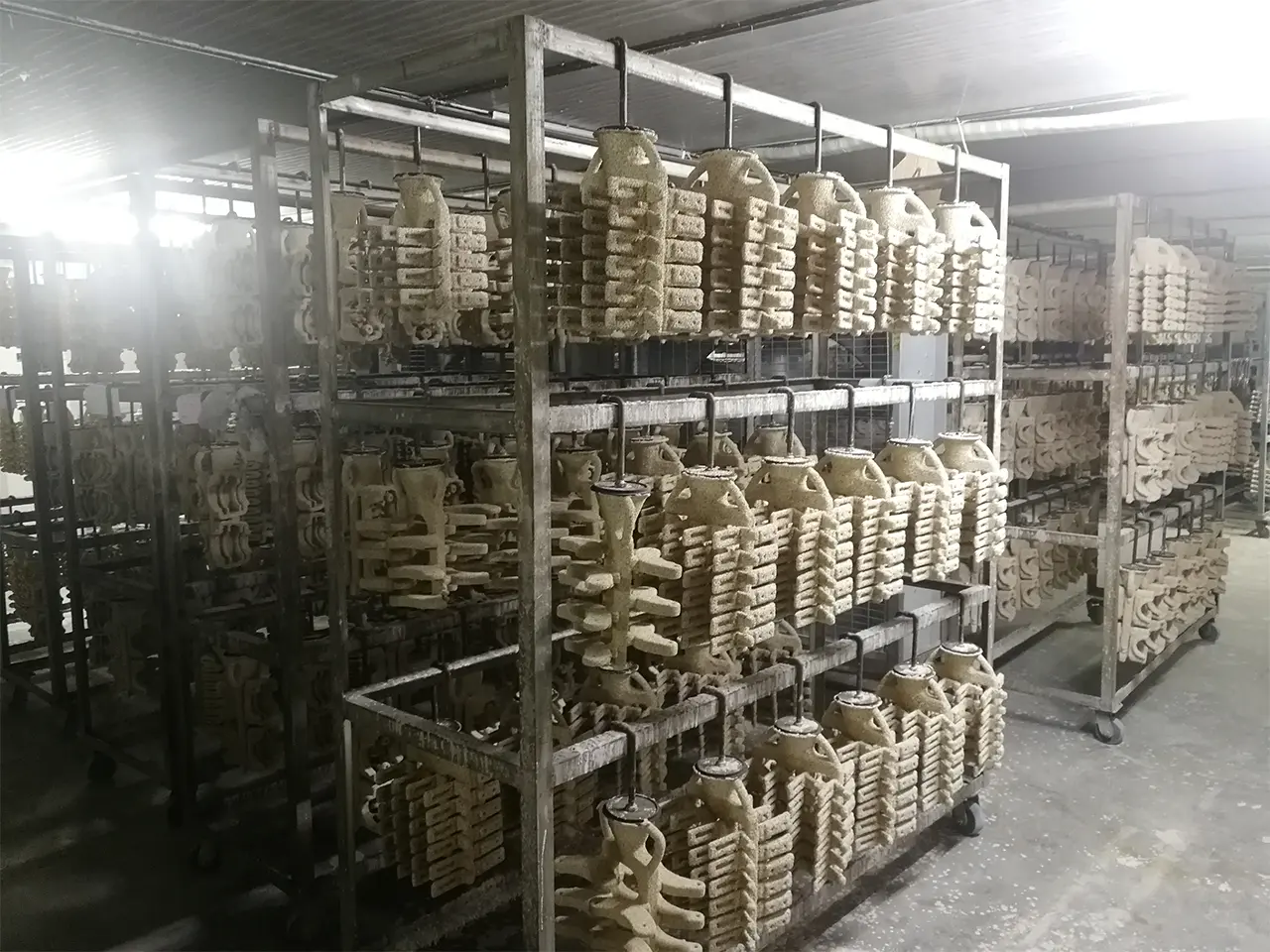
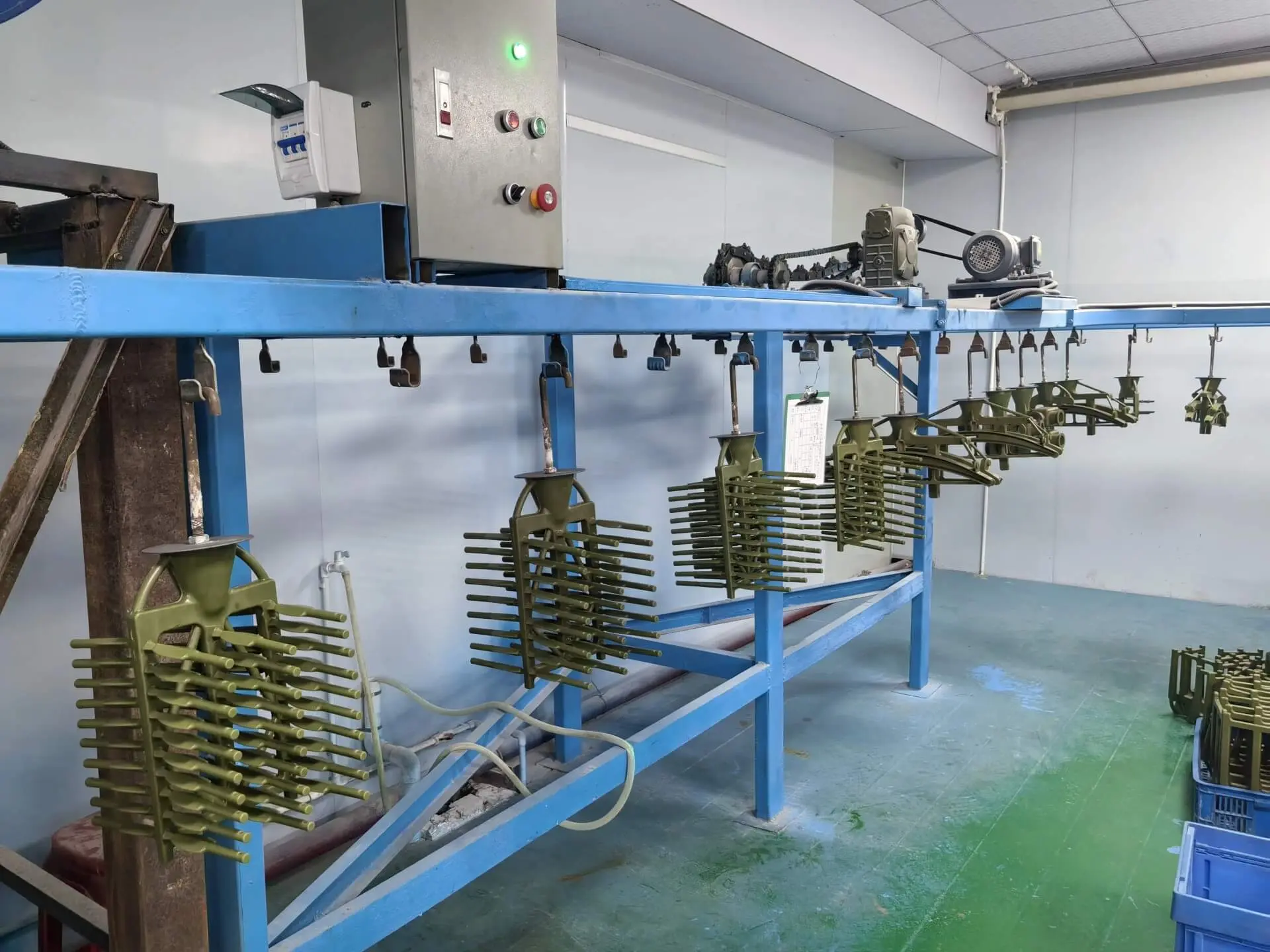
We have professional testing equipment and professional QC personnel, and we adhere to strict tolerances and quality standards for the products we produce. Due to our insistence on strict quality requirements, we have been praised by many customers. Quality is the cornerstone of the manufacturing industry. We firmly believe that only by controlling quality well can we survive, develop, and get better and better. Therefore, we have been working in this industry unremittingly since 2014 and continue to improve the company's team and improve the company's production capacity.
Our quality assurance workflow involves non-destructive testing (NDT), X-ray defect identification, and coordinate measuring machines (CMM) to ensure that every casting meets the precise specifications requested by our global clients.
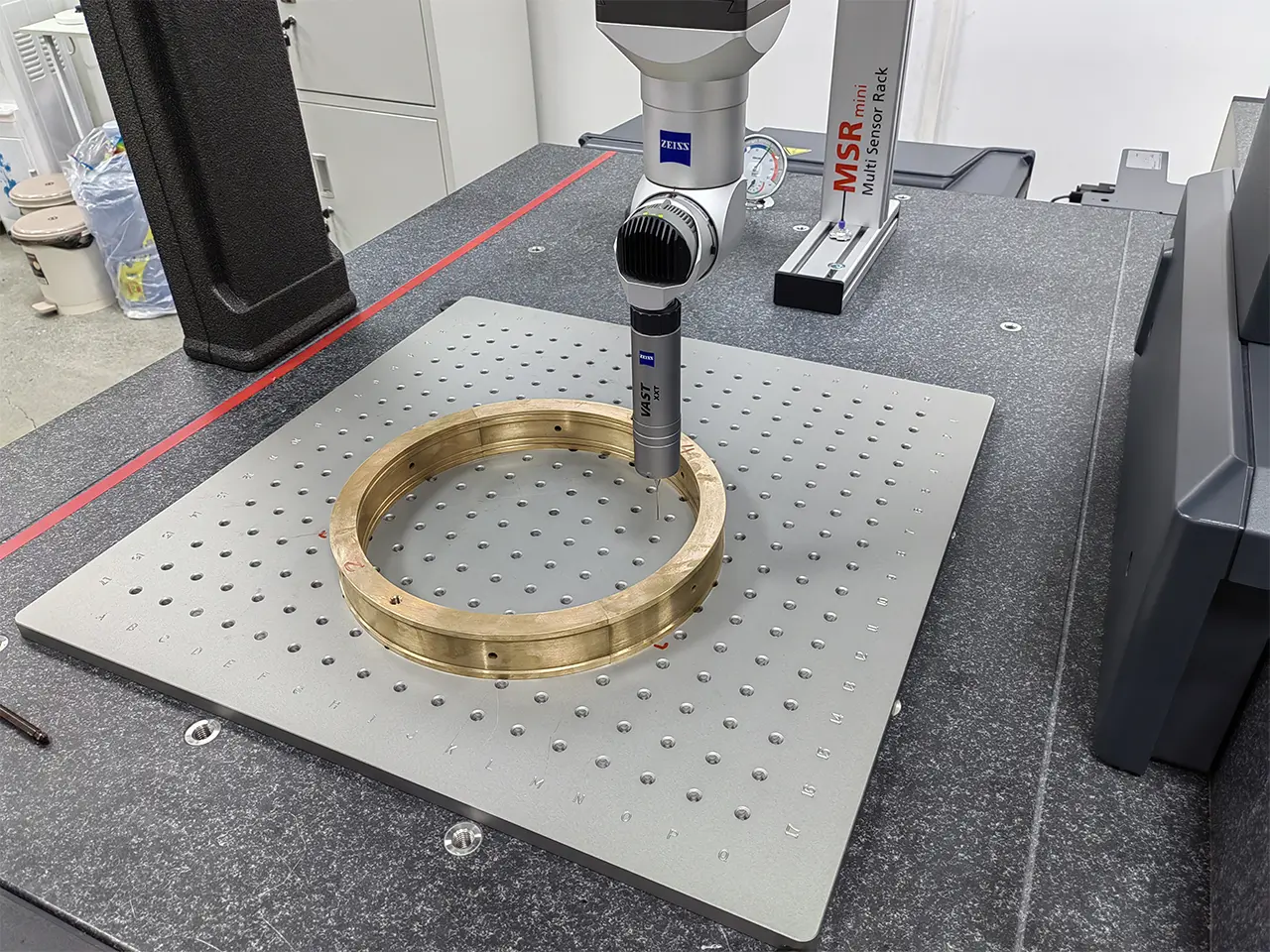
In order to maintain dimensional integrity and structural security, we utilize a tiered testing protocol across our production cycles:
Unveiling the future of high-precision cast components and their vital integration across localized structural subsystems in modern vehicles.
To sustain competitiveness in the fast-paced automotive landscape, our technology roadmap focuses on three main fronts: material expansion, automated post-processing, and advanced mold-cooling technology.
We are expanding research into custom titanium alloy casting specifically adapted for advanced cooling channels. Additionally, we are integrating smart robotics to manage gate removal and surface grinding, which drastically reduces manual cycle times and improves dimensional consistency.
Automotive casting finds application in several key areas:
A deep dive into casting mechanics, metallurgical choices, precision parameters, and quality engineering standards for modern automotive components.
Precision investment casting (lost-wax casting) has transitioned from traditional manual production to a digitally integrated, high-precision industrial process. Modern vehicle dynamics demand lightweight parts that can handle high stress. Investment casting achieves this by producing complex shapes without internal seams or stress points, offering a significant advantage over welded structures.
By using wax models created with modern CNC tooling, foundries can design components with wall thicknesses under 2mm. This precision allows designers to place structural support exactly where it's needed, optimizing weight distribution and improving overall performance.
Selecting the right alloy is critical for both the performance and longevity of automotive components. The primary materials used in our processes include:
While casting creates the near-net shape, precision CNC machining is required to achieve the final, exact dimensions. Critical fits—such as bearing journals, O-ring grooves, and threaded mounting holes—typically demand tolerances within microns. Combining precision investment casting with multi-axis CNC milling and turning allows us to consistently deliver high-performance parts that meet strict geometric dimensioning and tolerancing (GD&T) standards.
Review answers to common technical questions regarding tolerances, material choices, quality standards, and casting options.
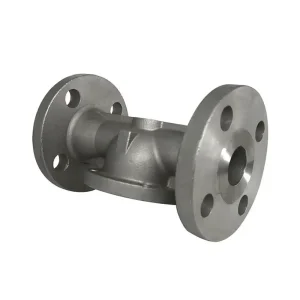
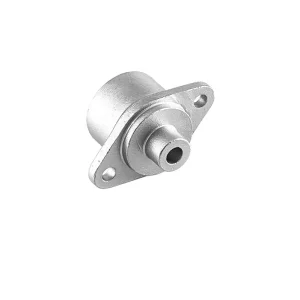
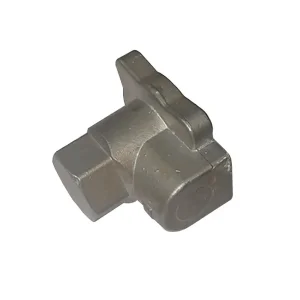
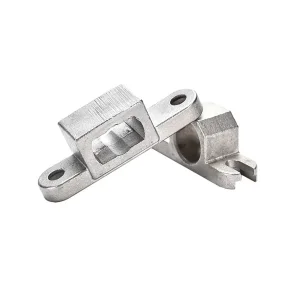
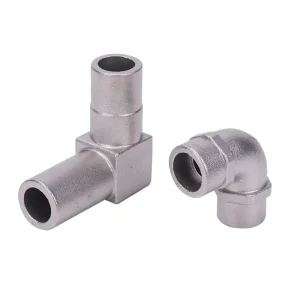
Explore our additional selection of high-precision fasteners, valve components, and structural castings designed for heavy-duty industrial applications.
 SX Machining