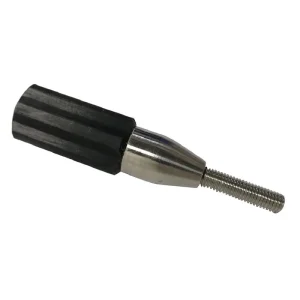
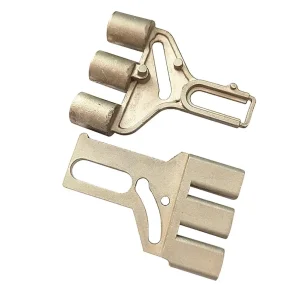
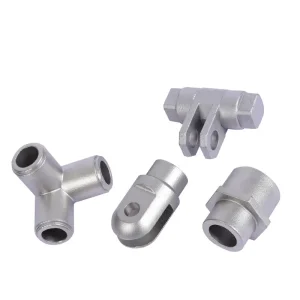
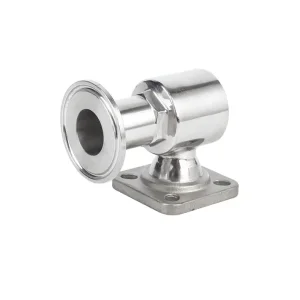
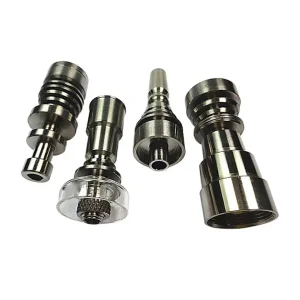
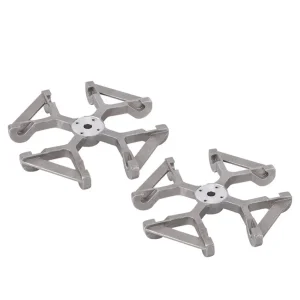
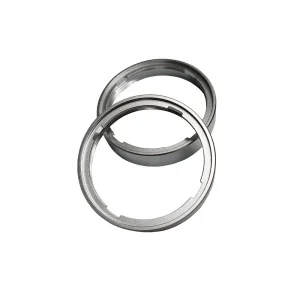
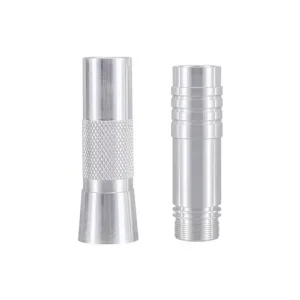
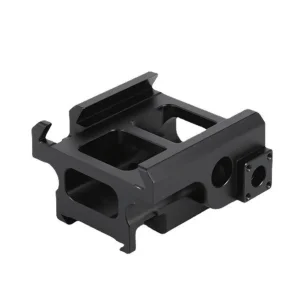
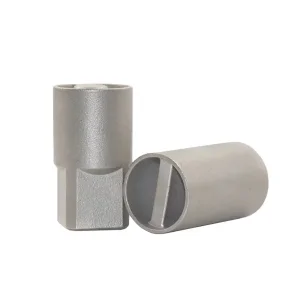
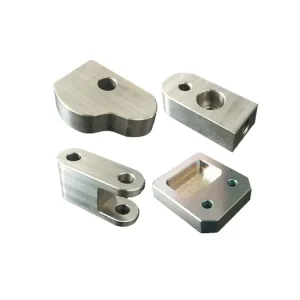
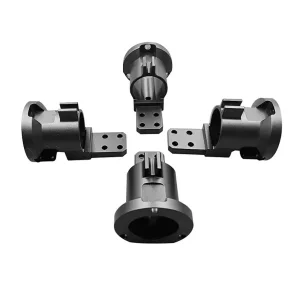
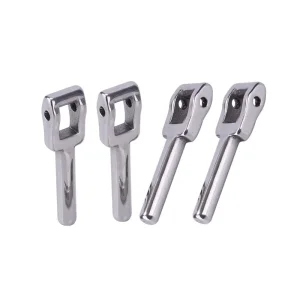
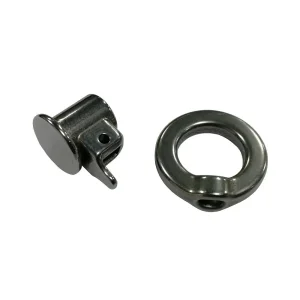
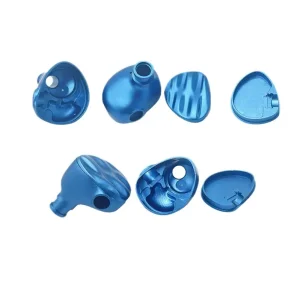
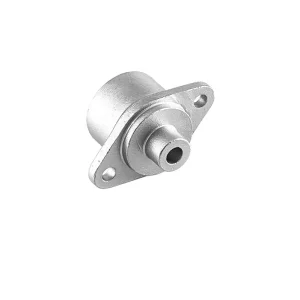
Engineered for high-stress applications across marine, industrial, electronics, and aerospace applications.
Dongguan SX Technology Co.,Ltd possesses deep manufacturing expertise in precision casting, CNC machining, and sub-assembly processes. Our engineered products are utilized globally in heavy machinery, automobiles, marine engineering, commercial ships, process equipment, valves, pumps, high-frequency communication electronics, and consumer products.
We deploy advanced investment casting techniques utilizing premium-grade stainless steels and carbon steels. Complementing our casting foundry, our high-precision multi-axis CNC machining divisions process raw stocks of titanium alloys, high-temp nickel alloys, tool steels, and copper-based alloys. Through continuous engineering validation since 2014, we deliver rapid turnarounds on complex components.
Engineered select properties comparison to support mechanical design engineers during raw material planning.
| Material Class | Common Specifications | Tensile Strength (MPa) | Corrosion Resistance | Key Application Environment |
|---|---|---|---|---|
| Stainless Steel | SS316L, SS304, Duplex 2205 | 485 - 620 | Excellent | Marine fittings, chemical processing, medical hardware |
| Titanium Alloy | Gr5 (Ti-6Al-4V), Gr2 | 890 - 1000 | Outstanding | Aerospace structures, bone implants, offshore subsea |
| Carbon Steel | WCB, LCC, AISI 1045 | 415 - 550 | Moderate | Agricultural components, heavy structural parts, oilfields |
| Aluminum Alloy | Al6061-T6, A356 (Casting) | 290 - 310 | Good | Automotive housings, electronics thermal heat sinks |
| Copper / Bronze | C83600, C95800 Aluminum Bronze | 450 - 580 | Very Good | Marine propellers, anti-friction bushings, pump impellers |
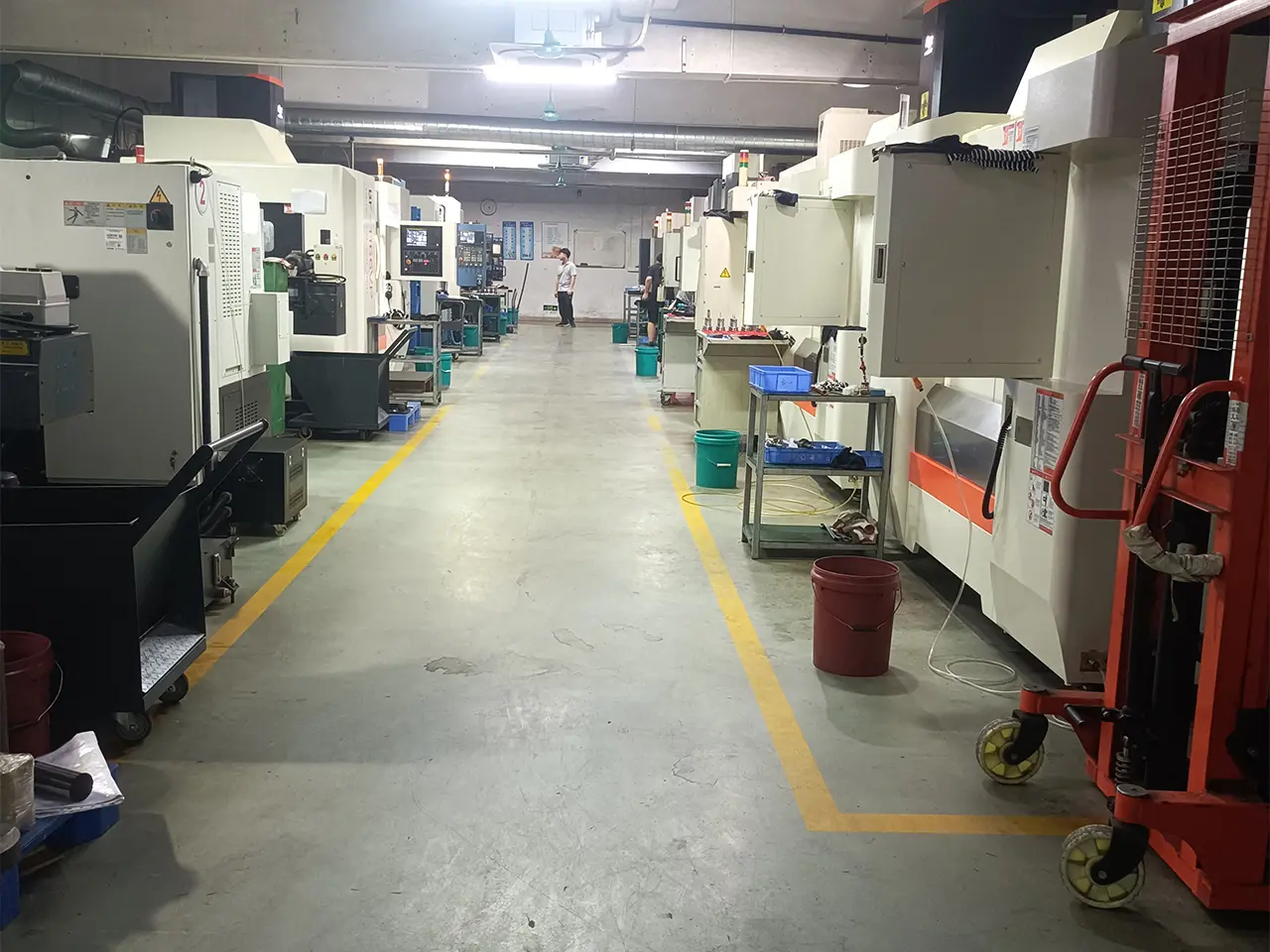
A closer look inside our Shixin manufacturing hub equipped with vertical CNC milling, turning, and investment casting casting stations.
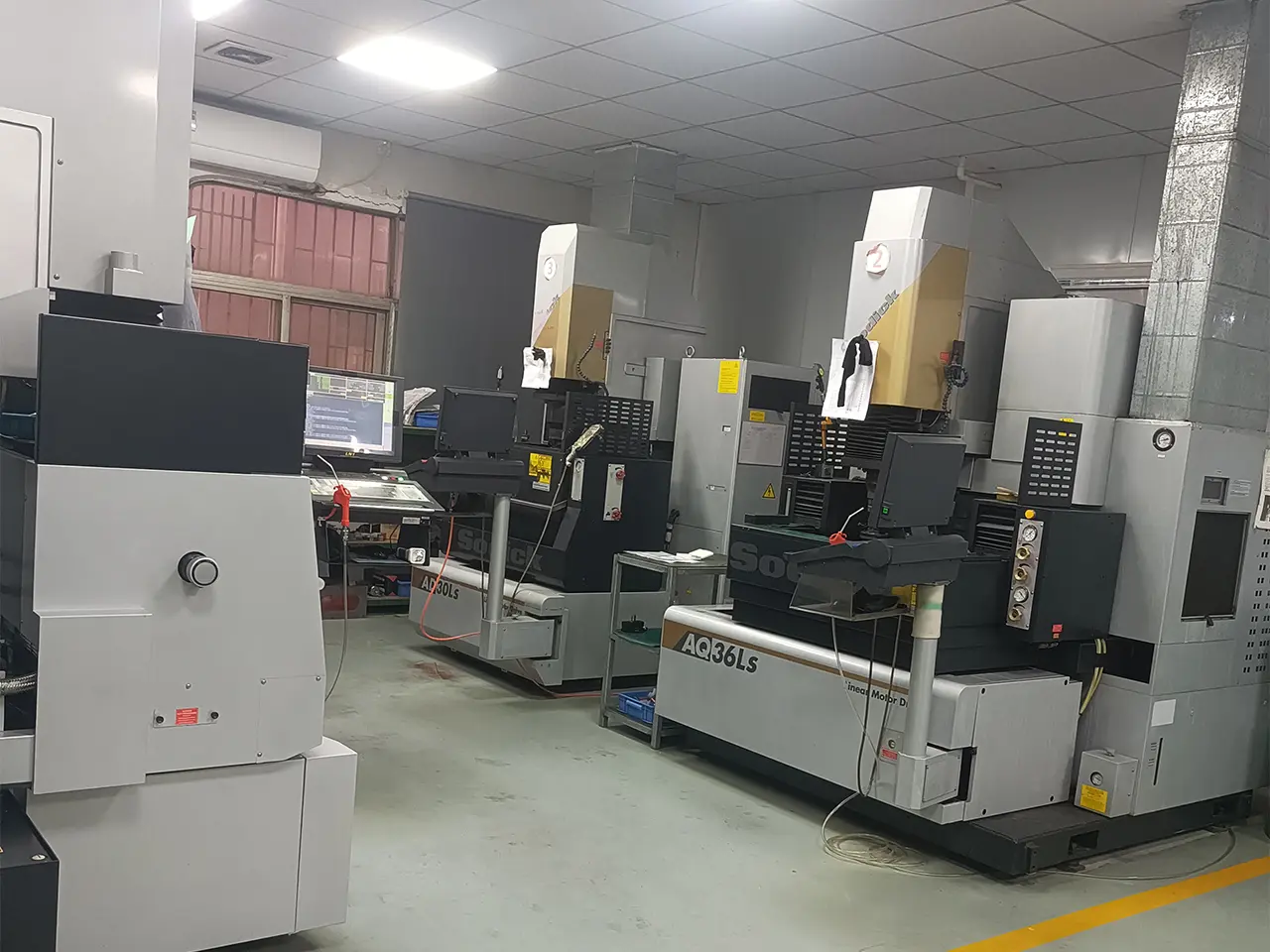
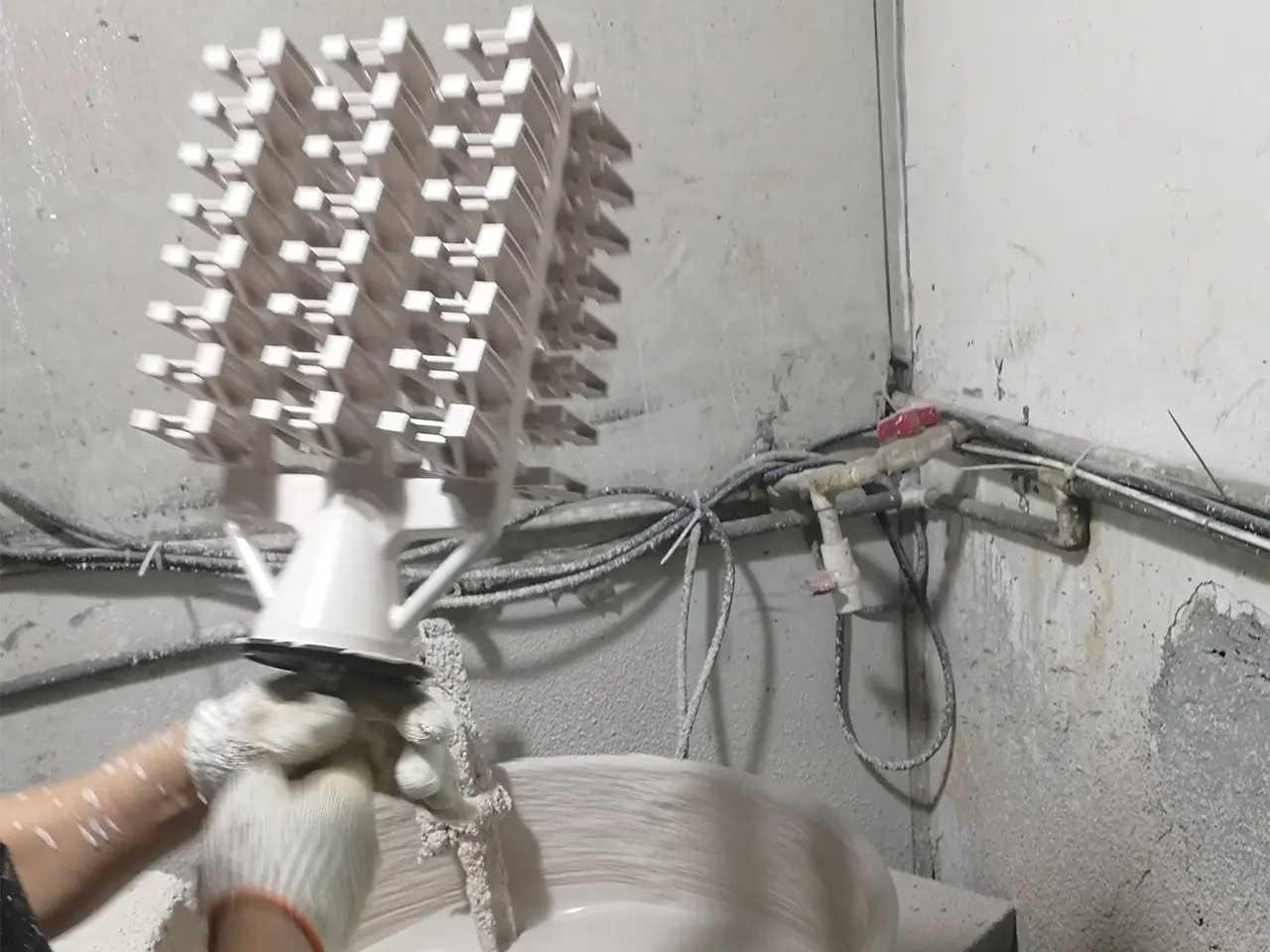
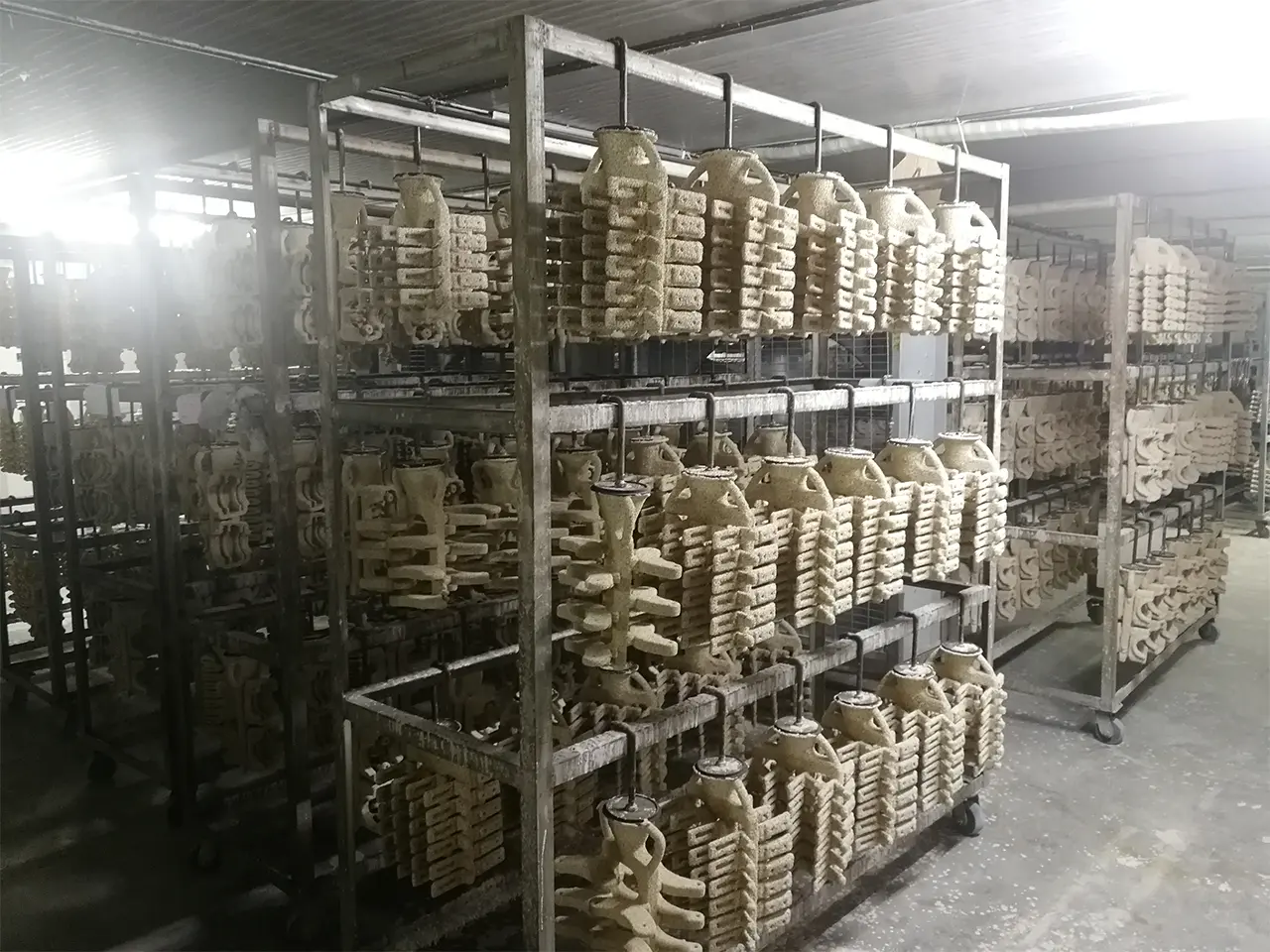
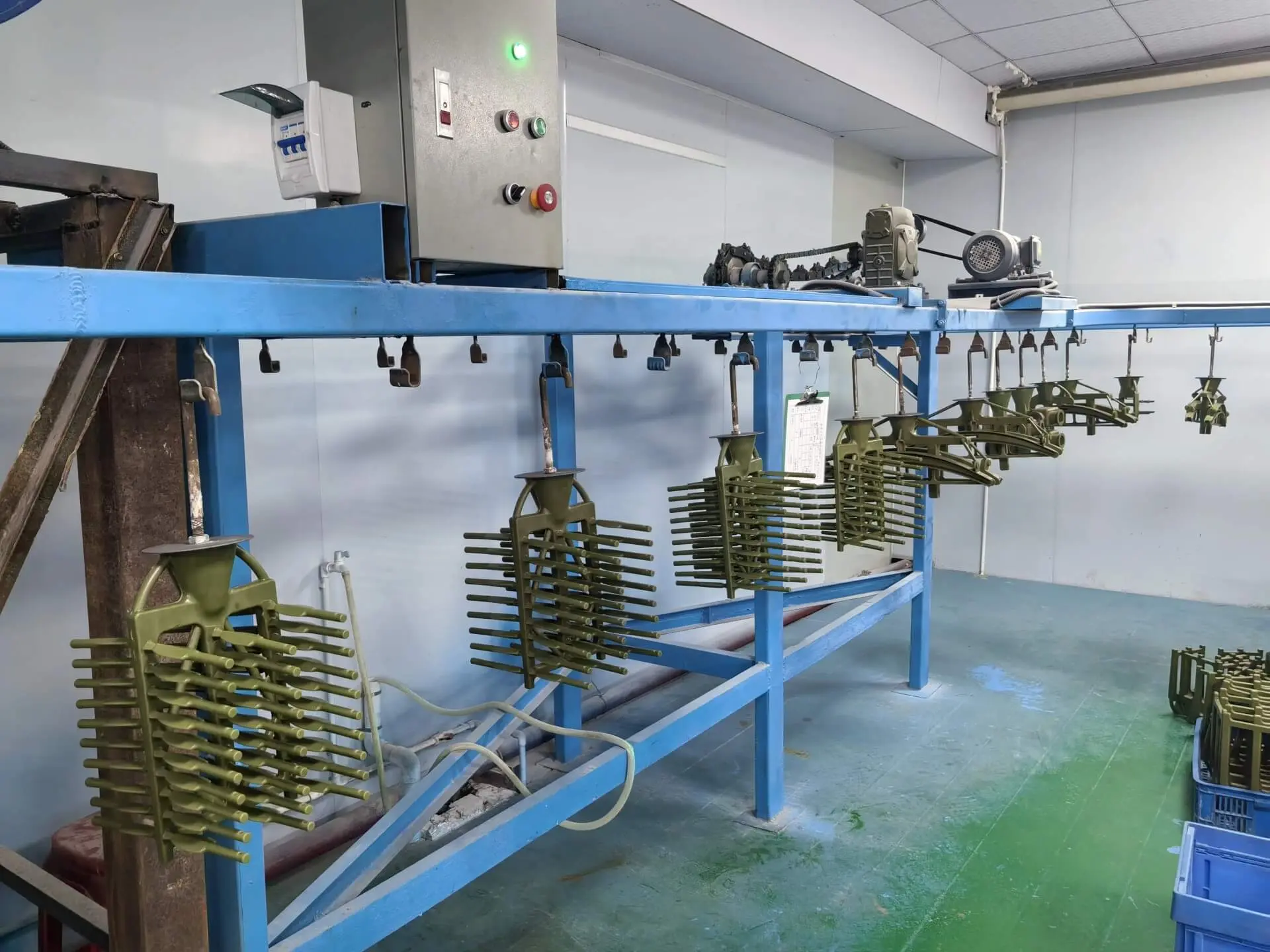
Three main trends driving performance, efficiency, and sustainability in modern global sourcing.
The boundary between casting and machining is dissolving. Near-net-shape investment casting minimizes raw material weight, while subsequent 5-axis precision CNC machining targets critical mating features. This reduces energy consumption by up to 40% and achieves tighter dimensional tolerances down to ISO 2768-m standards.
Utilizing computational fluid dynamics (CFD) and solidification modeling helps eliminate defects such as gas porosity and hot tears during the mould pouring phase. Designers simulate thermal gradients beforehand, allowing optimization of runner/riser geometry and enhancing structural integrity of critical components before metal is melted.
Global carbon taxes are reshaping metallurgical manufacturing. Transitioning to electric arc induction furnaces (EAF) and utilizing high-recycle scrap ratios significantly lowers the carbon footprint. Buyers select titanium and corrosion-resistant stainless alloys with long lifespans to lower lifecycle costs.
A closed-loop quality assurance pipeline ensuring exact part dimensions, clean surface chemistry, and physical structural integrity.
We analyze customer CAD drawings for thermal balancing, solidification characteristics, and tool accessibility.
Investment wax tooling molds are crafted, shell coatings dried, and molten alloys poured in vacuum conditions.
Casted blanks undergo high-speed CNC mill-turning to clean critical functional faces and clear blind holes.
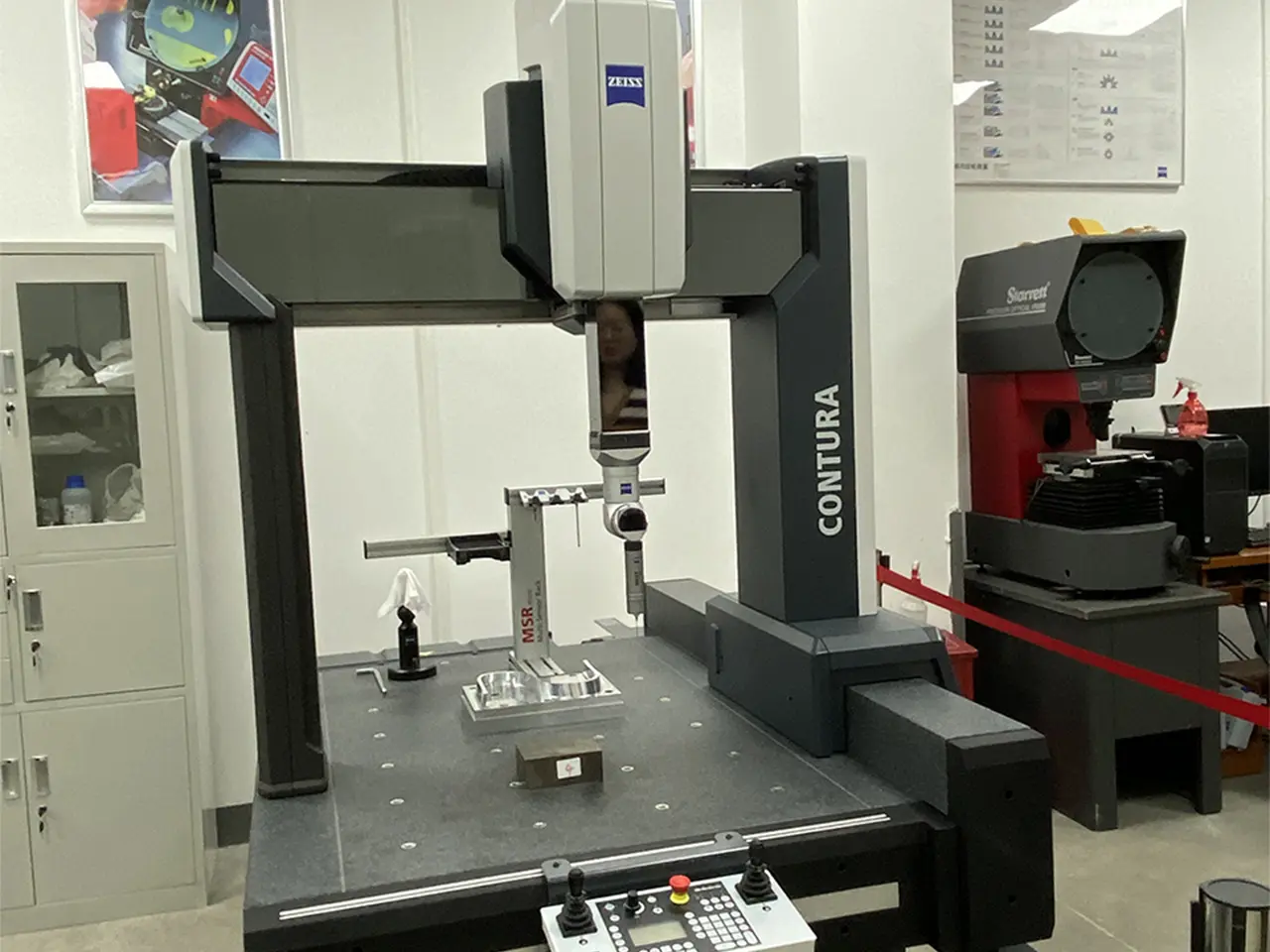
Fully machined items are measured with a 3D Coordinate Measuring Machine, ensuring compliance with specifications.
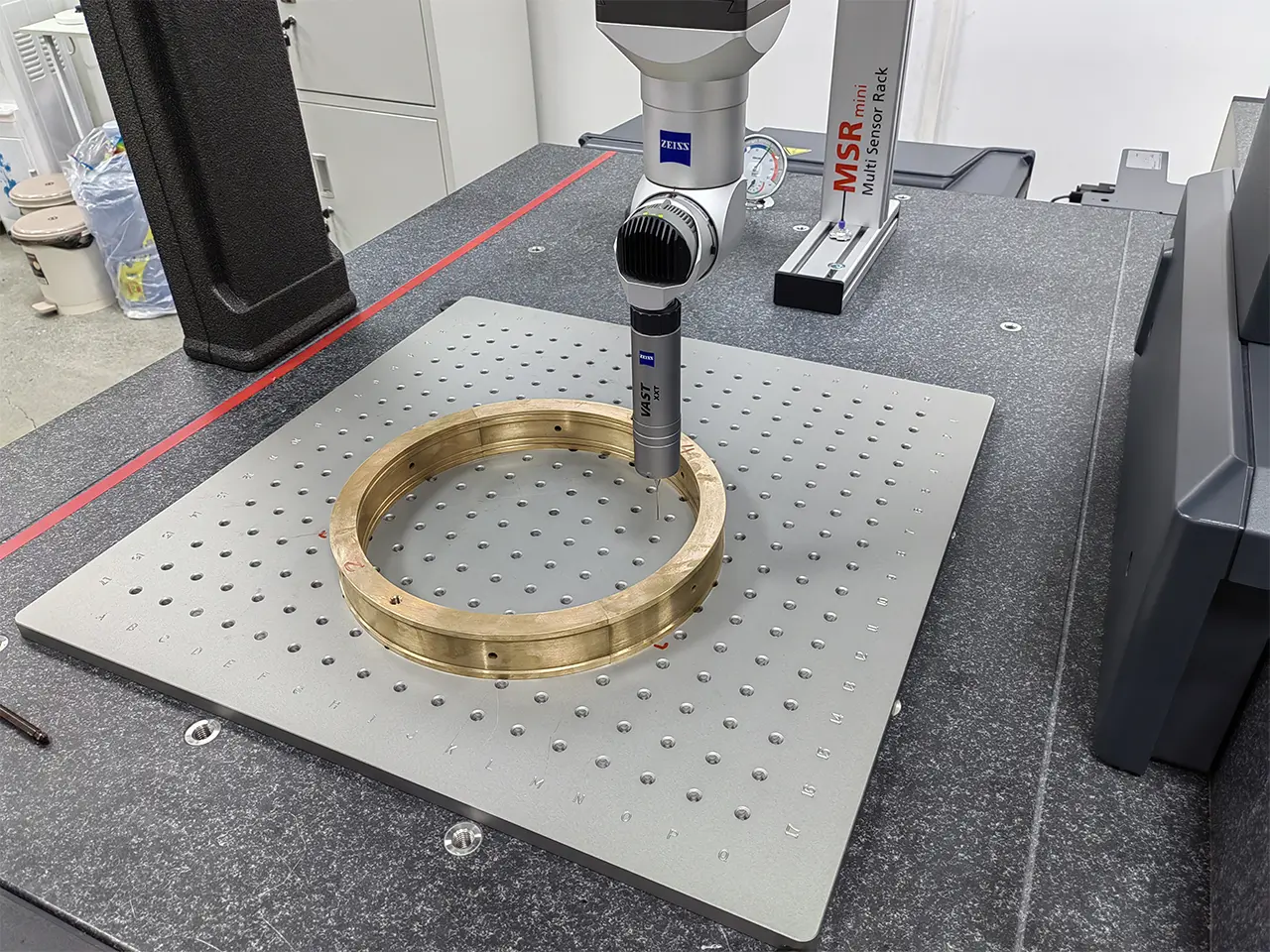
Quality is the cornerstone of the manufacturing industry. We firmly believe that only by controlling quality well can we survive, develop, and continue to improve. Therefore, we have been working in this industry unremittingly since 2014 and continue to improve the company's team and improve the company's production capacity.
We deploy advanced metrology equipment and trained QC specialists. Every batch undergoes validation processes:
Ensuring compliance with local environmental rules and international shipping regulations.
Every delivery comes with material test reports (MTR), detailing chemical makeup and physical mechanical testing data. This helps assure regulatory compliance for aerospace, medical, and marine applications.
We work to prevent heavy metal contamination during sourcing. Our cleaning processes comply with RoHS directive standards and REACH registration rules, ensuring safety for consumer electronics use cases.
Located in the manufacturing hub of Dongguan, we provide access to Shenzhen and Guangzhou ports. Standard export timber/crates protect critical dimensions during international ocean or air transit.
Our planned upgrades and strategic targets for precision casting and machining capabilities.
Upgrade current 3-axis CNC systems to fully integrated 5-axis machining, reducing setup errors and processing times for complicated structures.
Deploy robotic dipping arms to ensure uniform ceramic coat thickness on wax patterns, improving surface finish consistency.
Integrate real-time temperature tracking during mold cooling, matching physical castings with digital mold flow predictions.
Increase clean solar energy usage in our Dongguan facility, targeting lower indirect emissions for carbon reporting requirements.
Direct technical answers to common questions about materials, design rules, and procurement steps.
Custom OEM casting solutions designed for performance in challenging industrial environments.
 SX Machining