Explore our high-performance casting and machining products manufactured to stringent ISO aerospace and automotive dimensional tolerances.
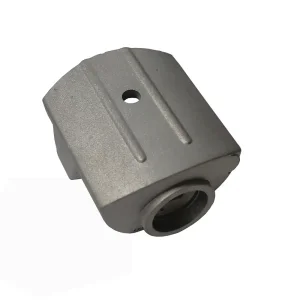
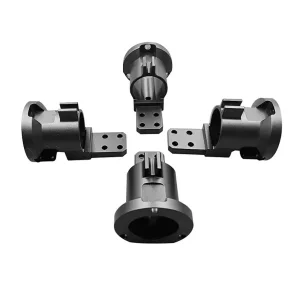
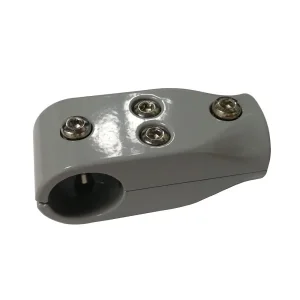
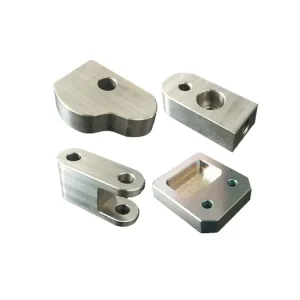
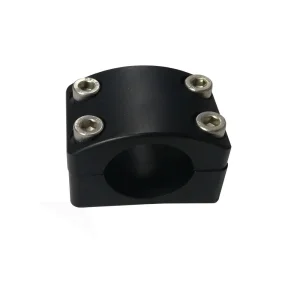
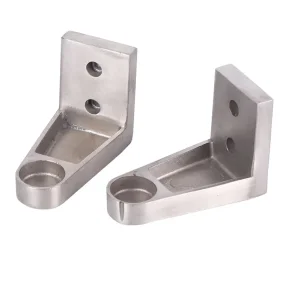
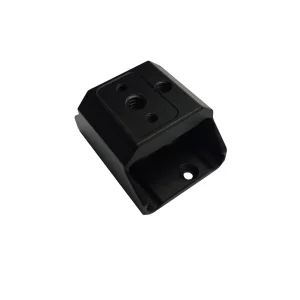
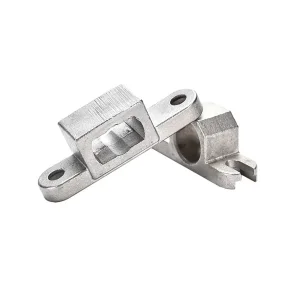
Investment casting, historically known as the lost-wax process, represents the pinnacle of near-net-shape manufacturing for components demanding complex geometries, thin walls, and outstanding surface finishes. In modern industrial operations, sourcing components from reliable OEM manufacturers is critical to ensuring structural integrity under high fatigue and thermal stresses.
For procurement officers and manufacturing engineers, finding a partner that balances investment casting capabilities with state-of-the-art post-casting CNC machining is a primary competitive advantage. Dongguan SX Technology Co., Ltd. fills this gap. We combine traditional metallurgical mastery with modern digital controls, producing complex structural components that meet standard regulations across industries like aerospace, automotive, marine, and medical equipment.
Through careful control over wax pattern injection, ceramic shell drying rates, and alloy melt temperatures, our processes yield parts with minimal internal porosity and exceptional dimensional repeatability, lowering total cost of ownership (TCO) for global supply chains.
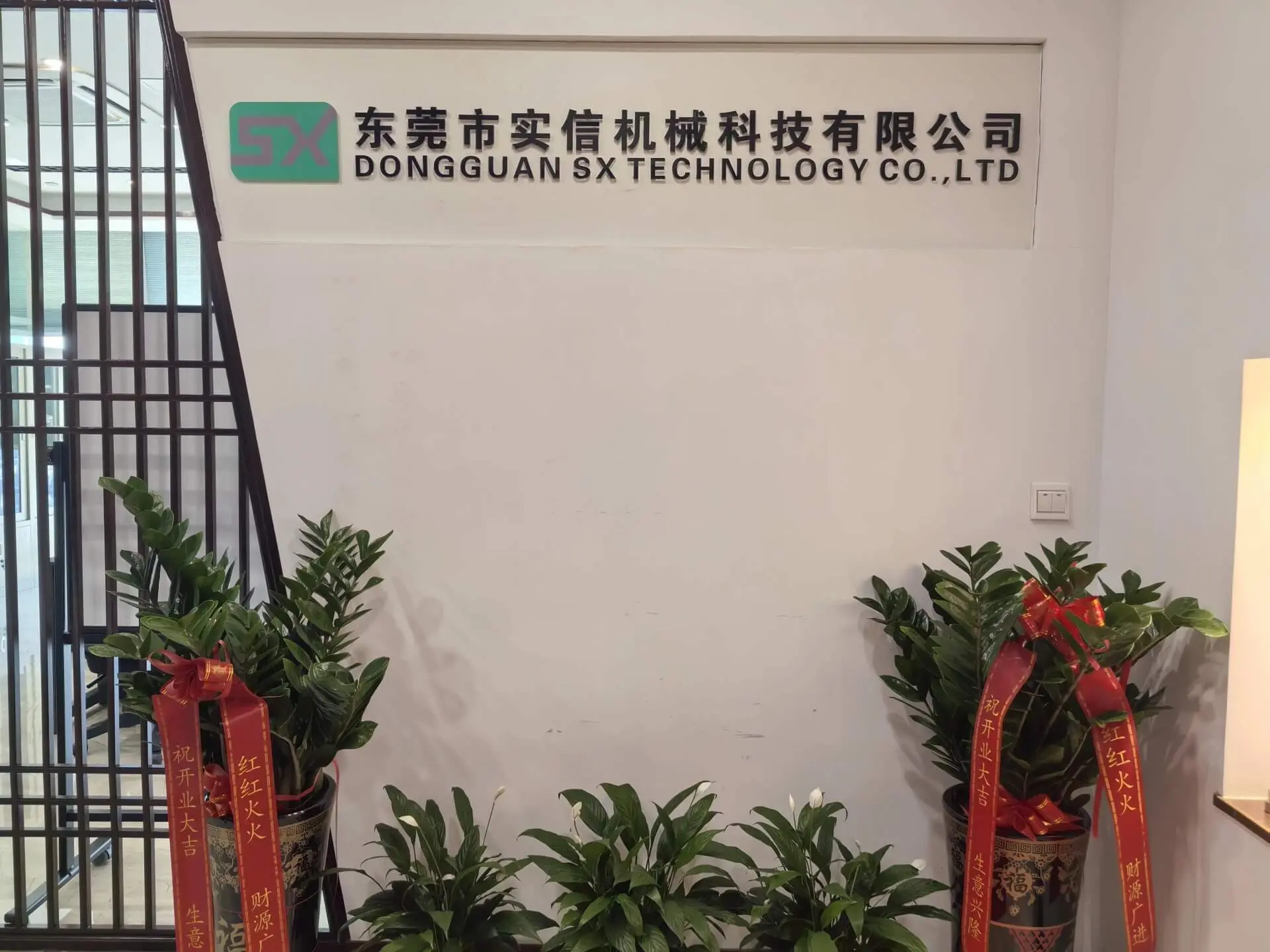
The strategic shift toward lightweight alloys, structural integration, and digital supply chains is reshaping the precision foundry sector.
Modern applications require alloys that resist extreme corrosion and high temperatures. Foundries are moving beyond basic carbon steels to advanced grades of titanium, duplex stainless steel (316L, 17-4PH), and cobalt-chrome superalloys, which offer superior strength-to-weight ratios and service life.
Automated ceramic shell build-up utilizes humidity and temperature controls to create uniform molds. This minimizes expansion variations during metal pouring, resulting in excellent dimensional stability and surface finish.
Leading buyers demand non-destructive testing (NDT), such as dye penetrant inspections and radiographic testing (X-ray), to verify interior part density. Integrating these processes into production lines is now standard practice.
Strategic Market Intelligence: The global investment casting market size is projected to reach USD 23.5 Billion by 2030, driven by the demand for tight-tolerance, near-net shape components that reduce subsequent machining operations and cut material waste by up to 70% compared to traditional billet machining.
How we address procurement challenges, from complex metallurgical requirements to supply chain risk management.
International industrial sourcing involves managing complex supplier landscapes. Procurement teams must balance lead times, manufacturing consistency, and quality certifications. For casting parts, the main challenges are porosity, surface rough spots, and dimensional drift. Finding a vendor who offers both precision casting and high-tolerance CNC machining helps minimize project risk.
Dongguan SX Technology Co., Ltd. addresses these challenges by offering a single-source solution. Rather than shipping raw castings to third-party machine shops, we perform high-speed CNC turning, milling, and surface finishing in-house, keeping trace records intact and expediting lead times.
| Buyer Challenge | Technical Risk Factors | Our OEM Mitigation Strategy |
|---|---|---|
| Dimensional Out-of-Tolerance | Inconsistent thermal contraction of wax models and alloy molds. | Wax pattern contraction calibration and precision coordinate measuring machine (CMM) reports. |
| Sub-Surface Gas Porosity | Entrapped atmospheric air or organic gas residues in the ceramic shell. | Vacuum induction melting and pouring processes paired with radiographic inspections. |
| Unsatisfactory Surface Roughness | Coarse primary sand layer contact in the shell building phase. | Finely graded colloidal silica slurry for the initial face coat, ensuring an Ra of 3.2μm or better. |
| Traceability & Certification Gap | Lack of physical material heat number tracking. | Full spectrochemical analysis and complete mechanical testing reports provided with every production run. |
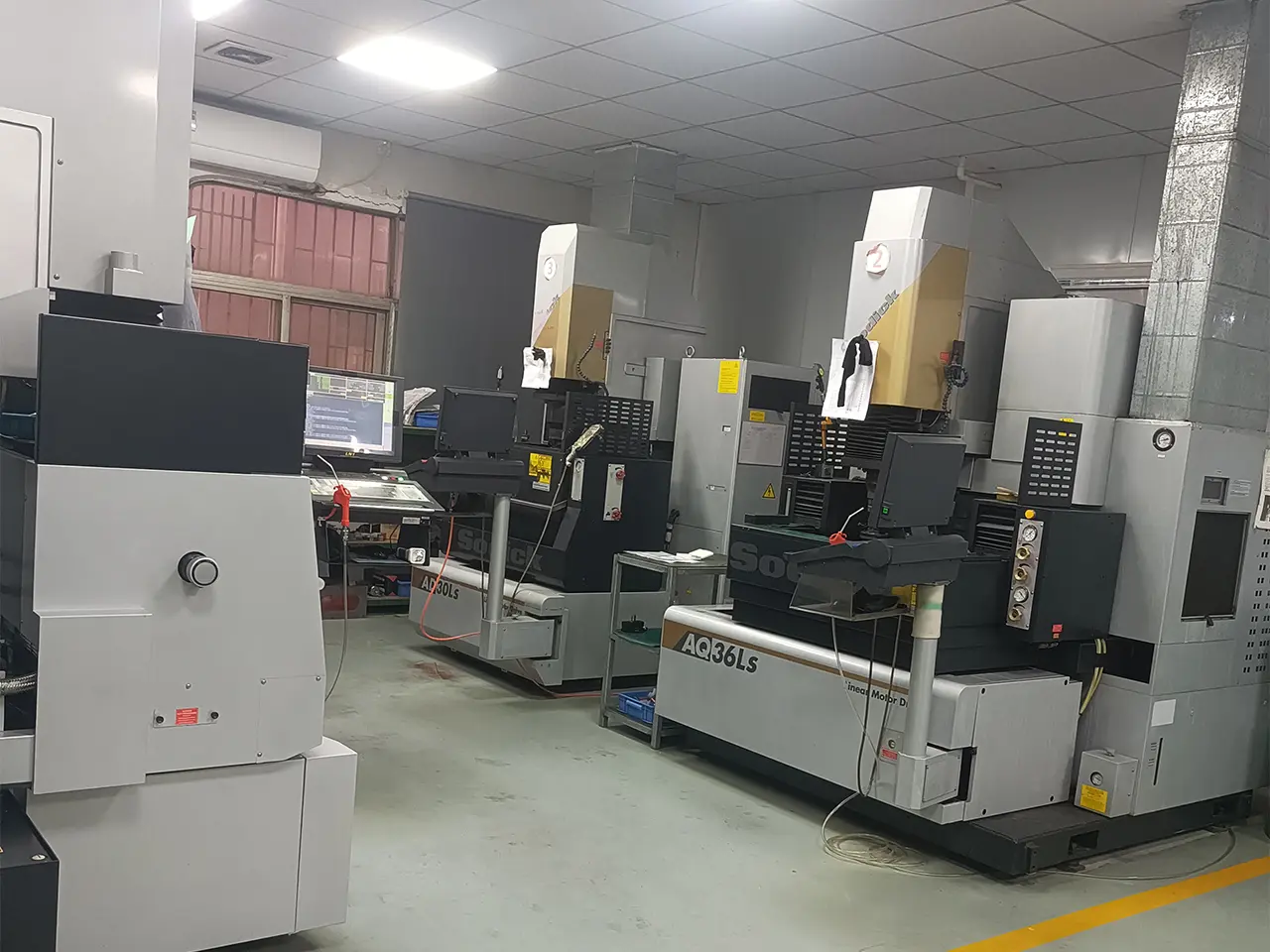
Dongguan SX Technology Co., Ltd. has very rich experience in precision casting, CNC machining, and assembly. Our products are used in machinery, automobiles, marine, ships, equipment, valves and pumps, electronic appliances, packaging, watches, construction, chemical industry, and other key industrial sectors.
The most commonly used materials for our investment casting projects are stainless steel and carbon steel. For CNC machining, our materials include titanium alloy, stainless steel, carbon steel, aluminum alloy, copper alloy, cemented carbide, and other advanced metals.
We operate advanced manufacturing equipment and technology, allowing us to respond quickly to your specifications, from prototype runs to volume production. Since 2014, we have focused on team development, technological innovation, and production capacity expansion to support our global client base.
A look inside our advanced manufacturing facility, showing our equipment, clean shell-making rooms, and CNC machining stations.
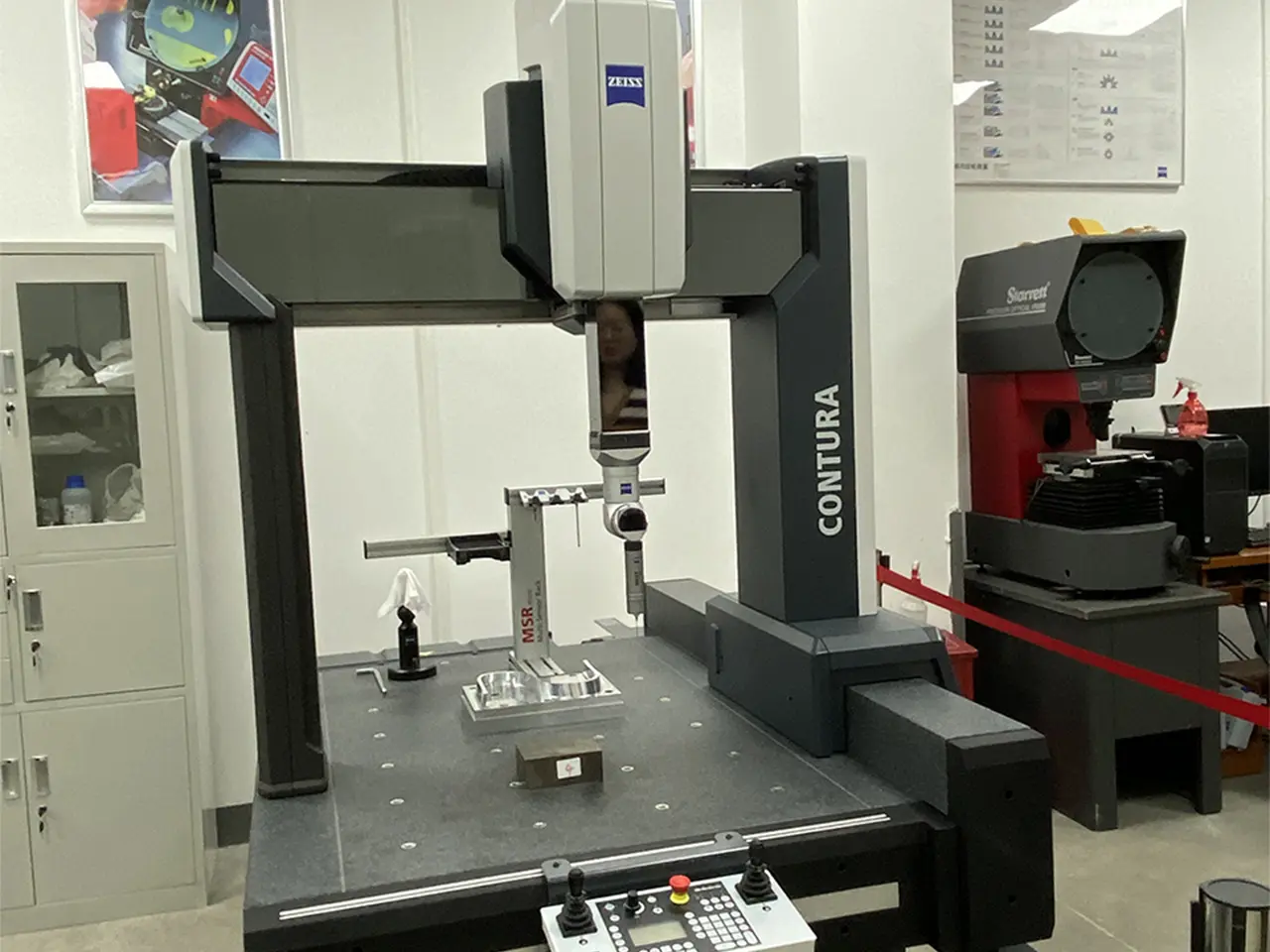
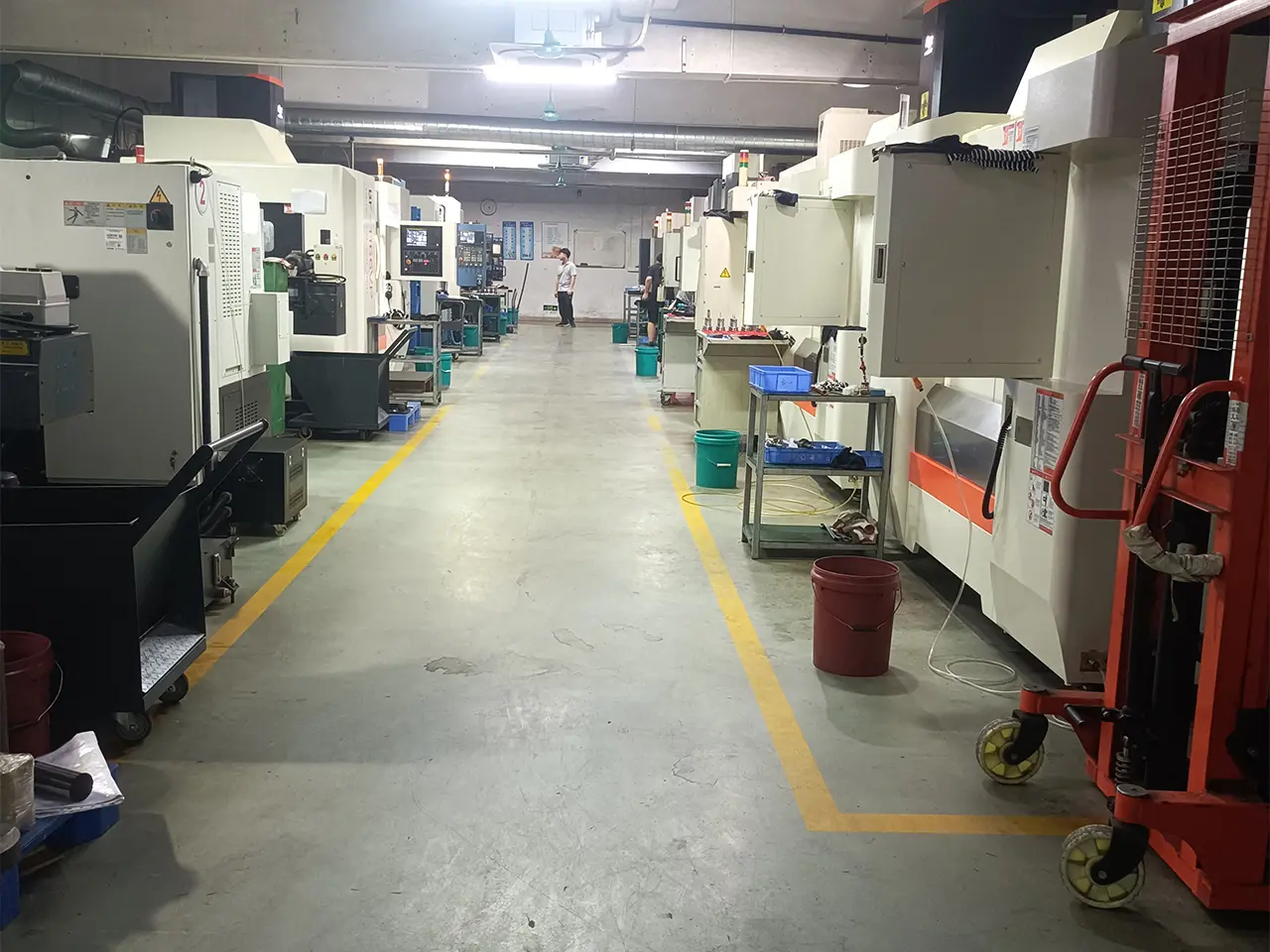
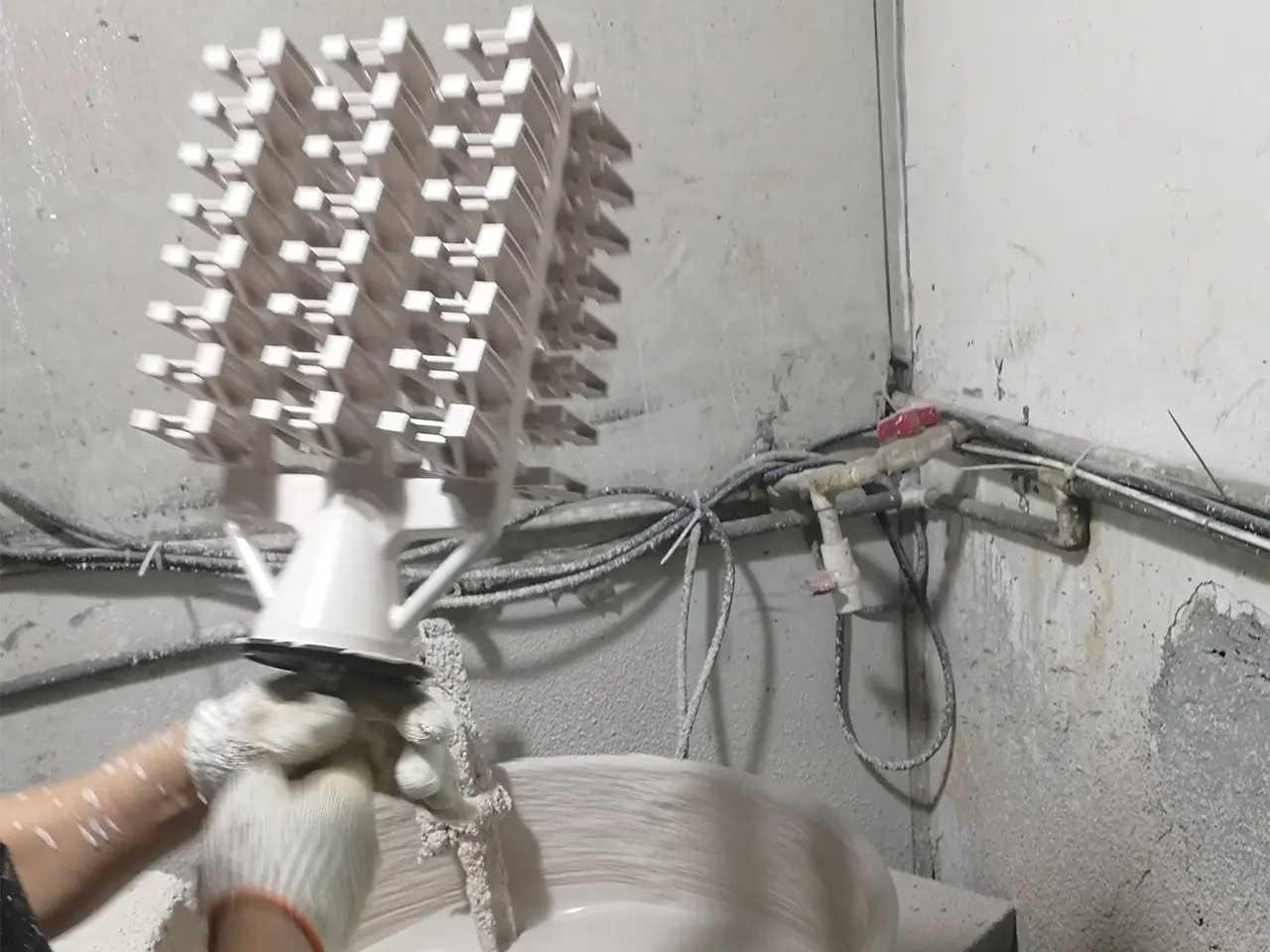
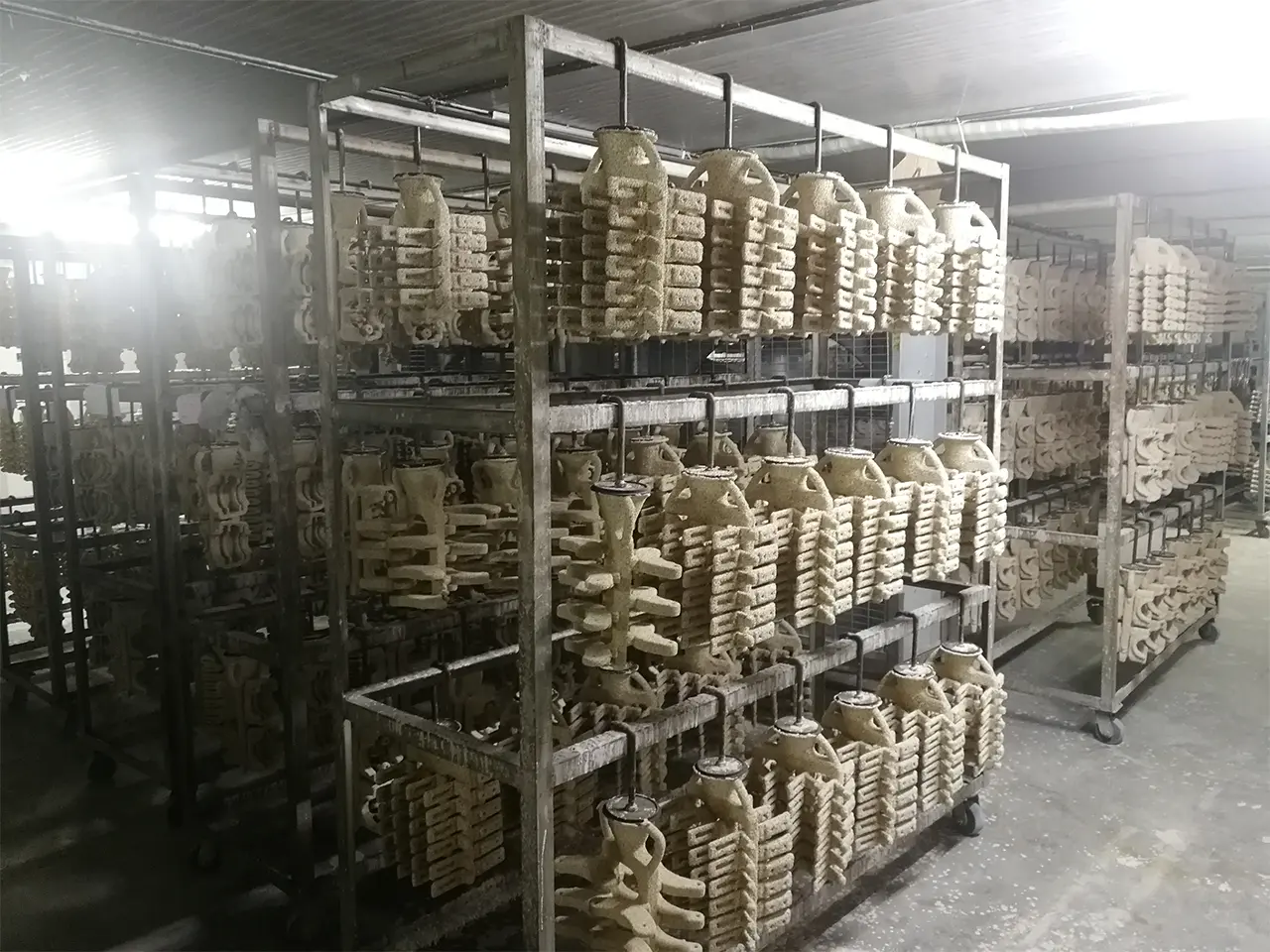
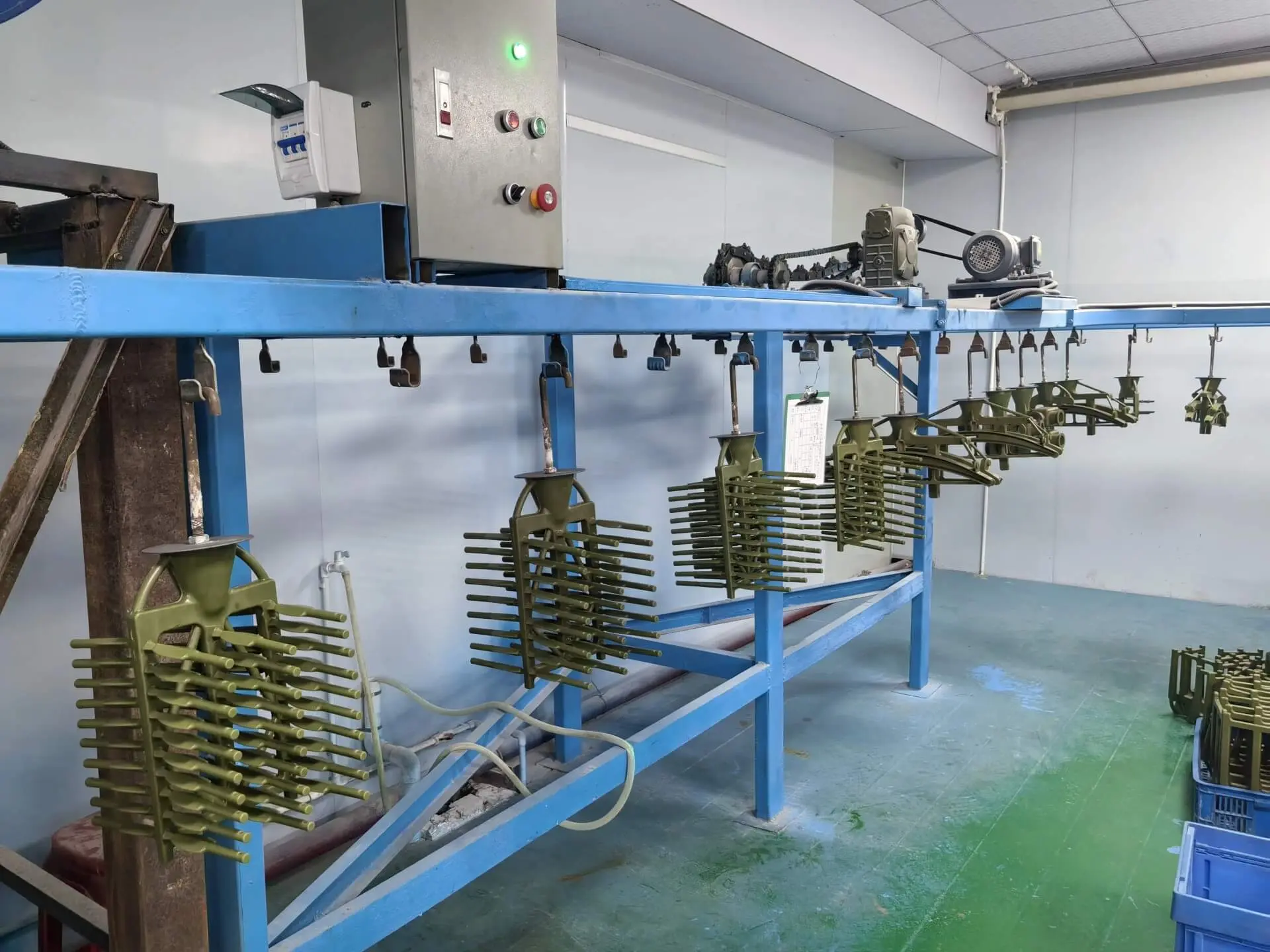
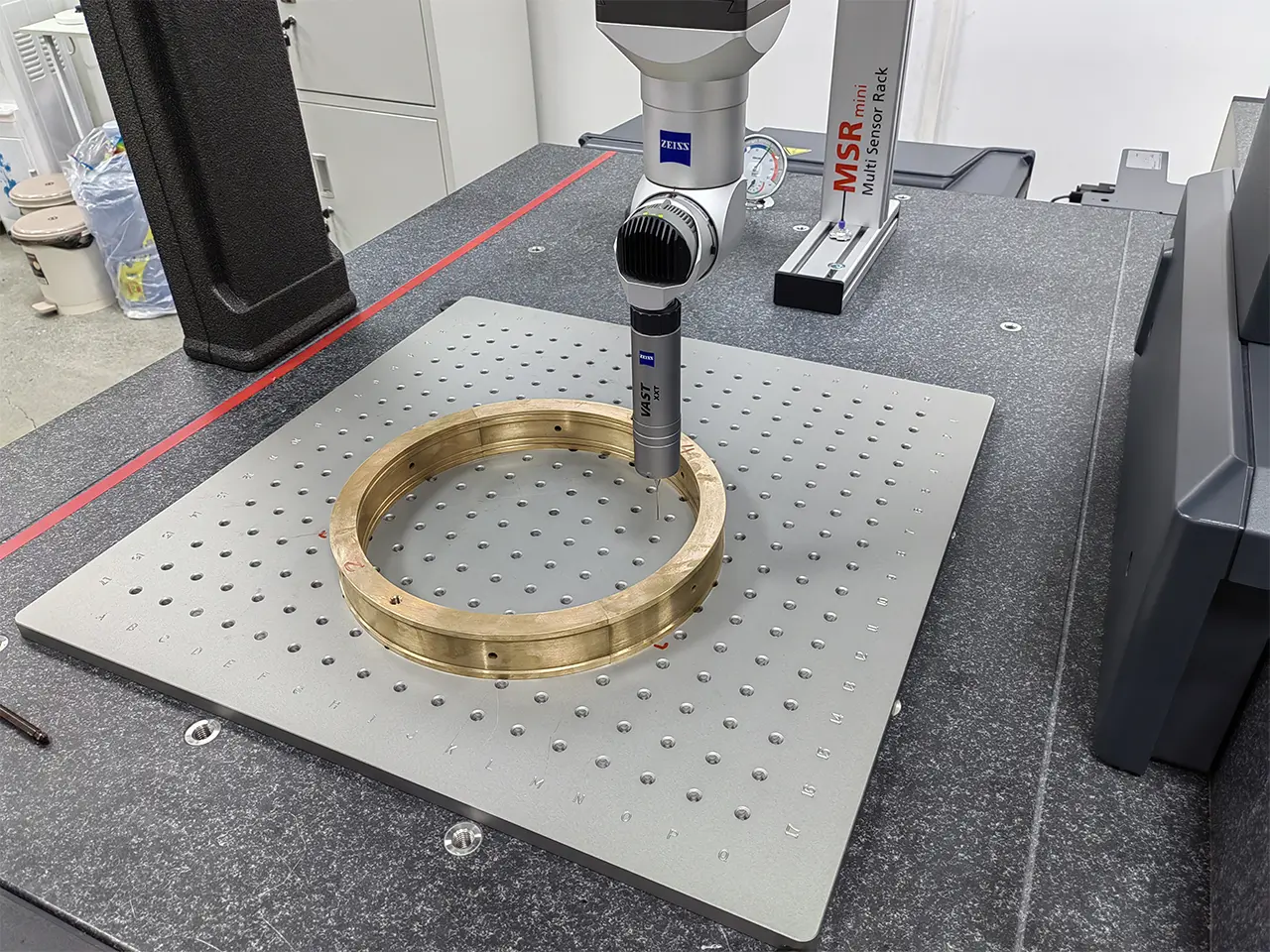
We maintain professional testing equipment and QC personnel to adhere to strict tolerances and quality standards. This focus on consistency has earned positive feedback from our international client base.
Quality is a cornerstone of the manufacturing industry. We believe that robust quality control is essential for long-term growth and customer trust. Since establishing our operations in 2014, we have continuously upgraded our inspection tools and processes to deliver components that perform reliably in demanding environments.
Our quality verification process covers every stage of production. We perform chemical composition analysis on incoming materials, verify dimensional accuracy with coordinate measuring machines (CMM) during in-process audits, and conduct non-destructive testing (NDT) to ensure part integrity before shipment.
Established Year
CNC Precision (mm)
Spectroscopic Analysis
Quality Standard Compliant
Engineered solutions designed for demanding operating environments across key industry sectors.
We manufacture wear-resistant, high-durability transit parts, suspension brackets, and structural components. Our components meet the strict standards required for public buses and light commercial vehicles.
We produce lightweight, thin-walled, and highly detailed housings using alloys that support electromagnetic shielding and efficient heat dissipation for consumer and industrial electronics.
Our marine-grade castings are produced from specialized alloys, including duplex stainless steel. They are designed to withstand corrosion in salt-fog environments and high-stress marine applications.
Our planned technological upgrades to improve product quality and sustainability over the next five years.
To meet the evolving requirements of global OEMs, Shixin is investing in several core technological developments:
Direct answers to key technical questions from procurement officers and design engineers.
Our standard lost-wax castings conform to the ISO 8062-3 DCTG6 to DCTG8 range. For features that require tighter tolerances, we use in-house CNC milling and turning centers to achieve tolerances as tight as ±0.005mm.
We perform spectrographic analysis on every melt heat to verify alloy composition. We can supply complete material test reports (MTRs) detailing compliance with chemical and mechanical specifications (including ASTM, EN, and GB standards).
We control porosity by using degassing procedures, managing ceramic shell permeability, and optimizing gating configurations based on solidification software models. For critical components, we offer non-destructive testing (NDT), including dye penetrant and X-ray examinations.
Lead times depend on design complexity. Generally, tooling and first-article prototype samples are completed in 3 to 4 weeks. Full production runs take an additional 3 to 5 weeks, depending on order size and required post-casting CNC machining.
Yes. Our CNC machining division works with various grades of titanium (such as Ti-6Al-4V), as well as stainless steel, carbon steel, aluminum, and copper alloys, to support complex high-precision requirements.
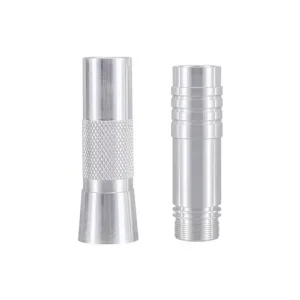
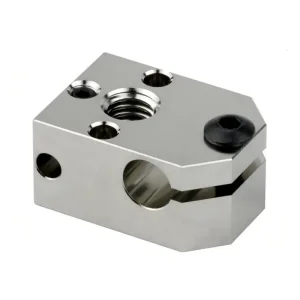
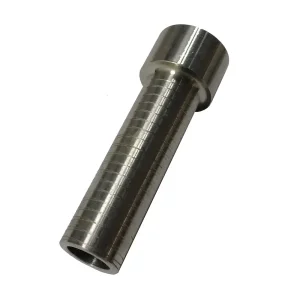
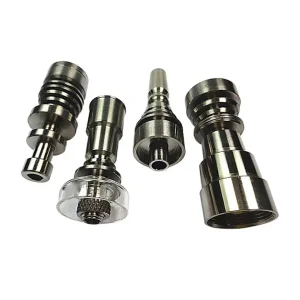
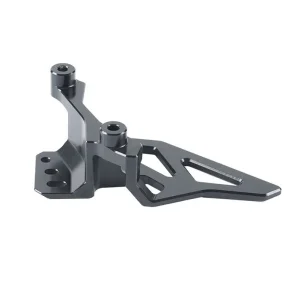
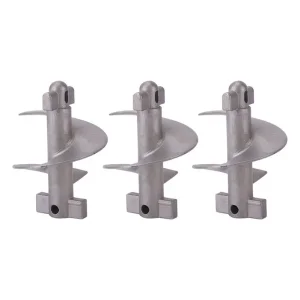
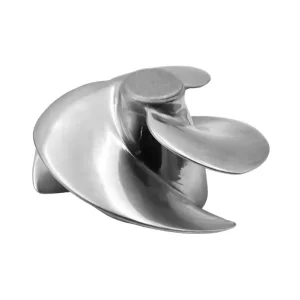
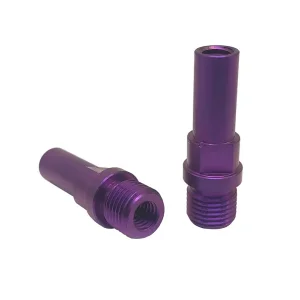
Explore our secondary-machined cast products and custom non-standard CNC components designed for harsh environments.
 SX Machining