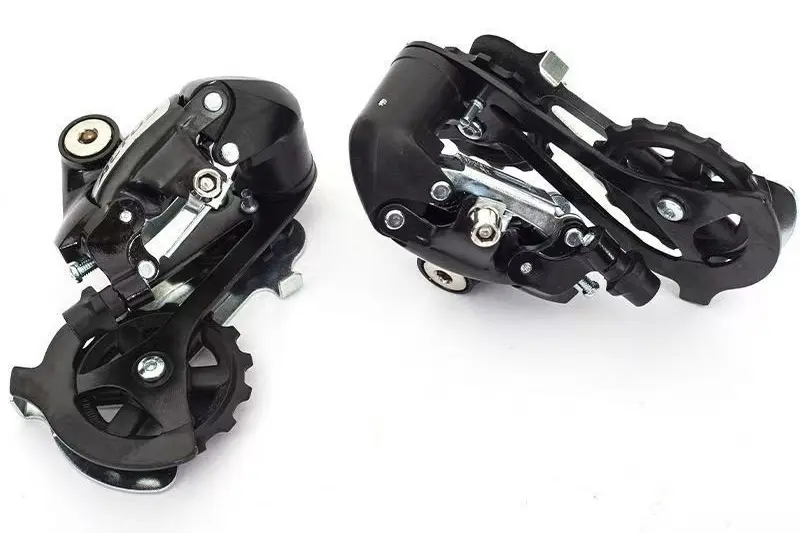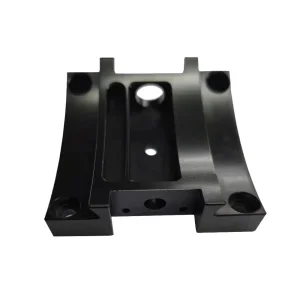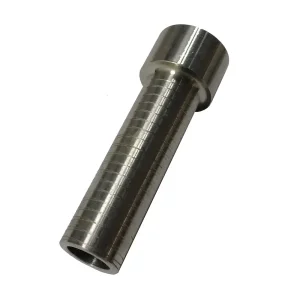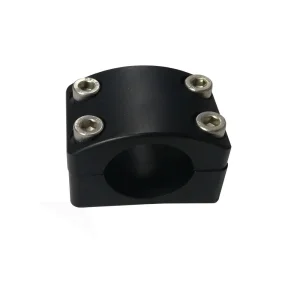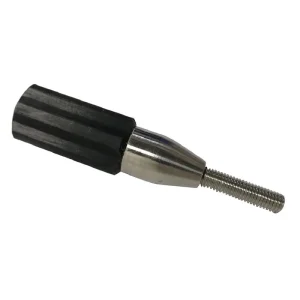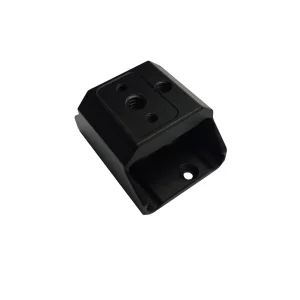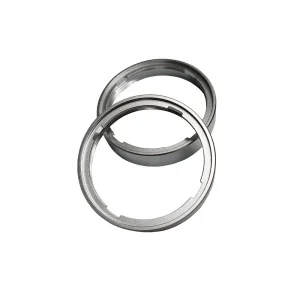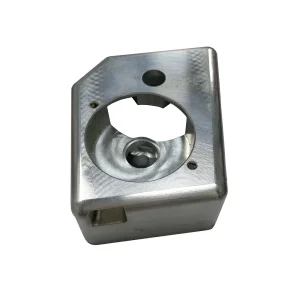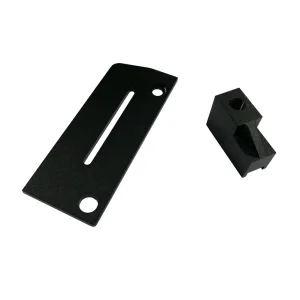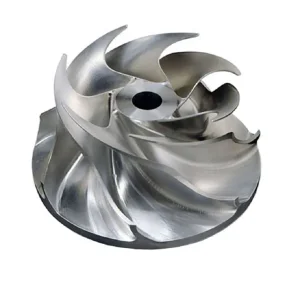
Custom metal CNC machining bicycle components

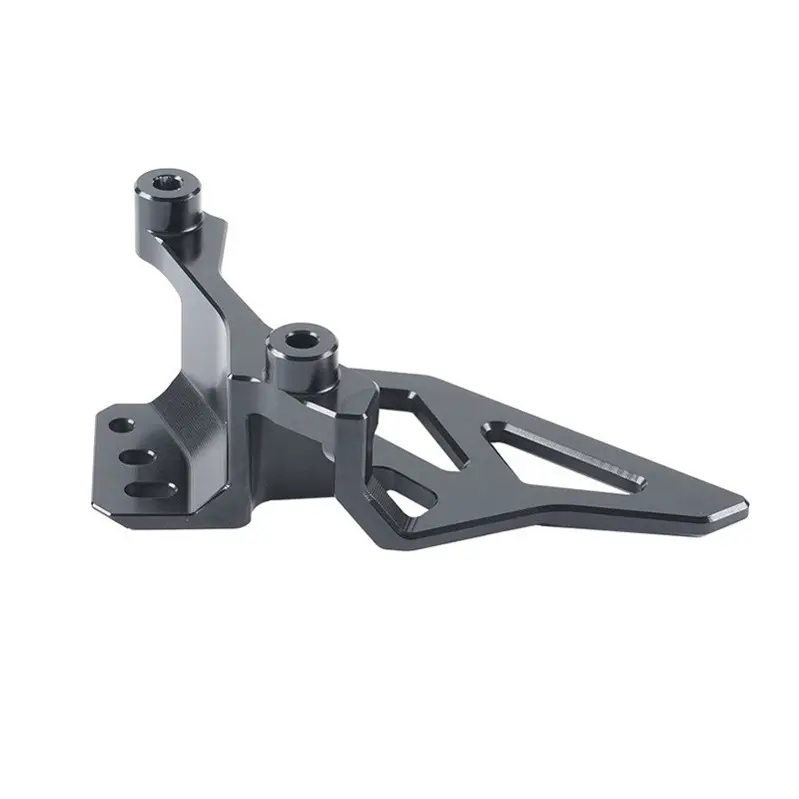
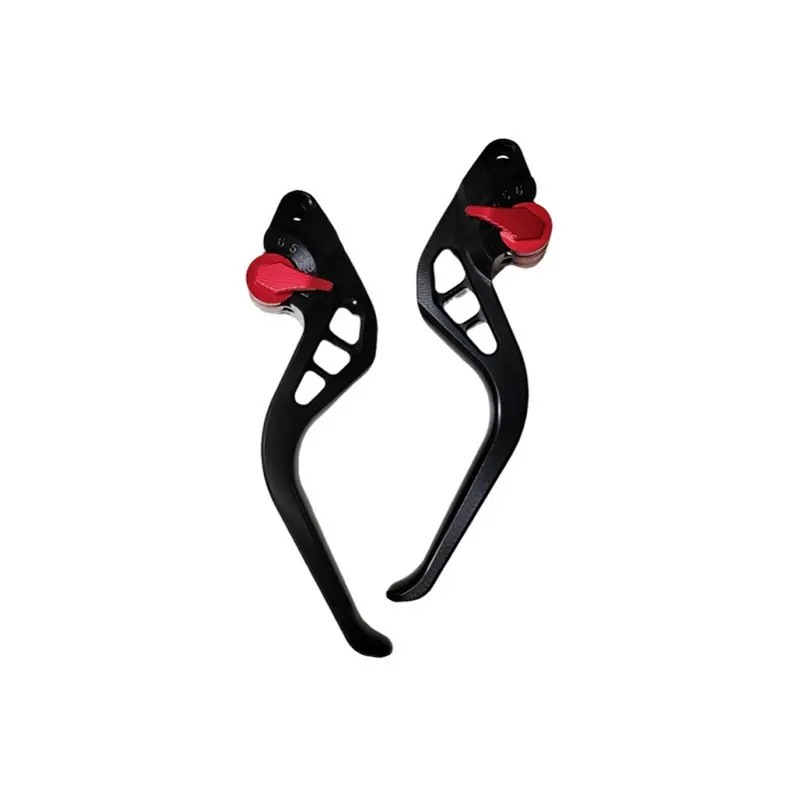
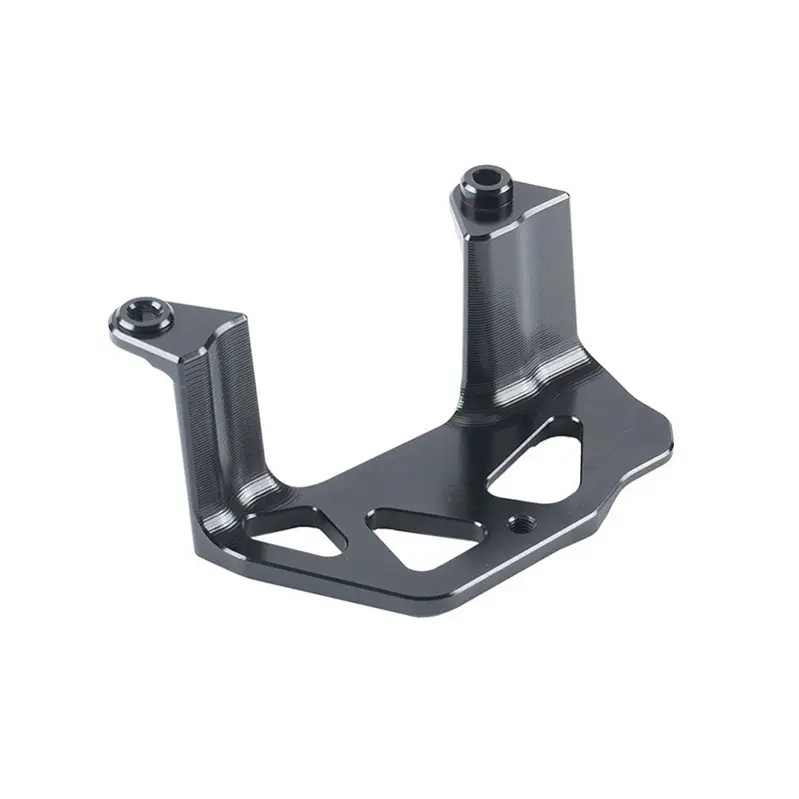
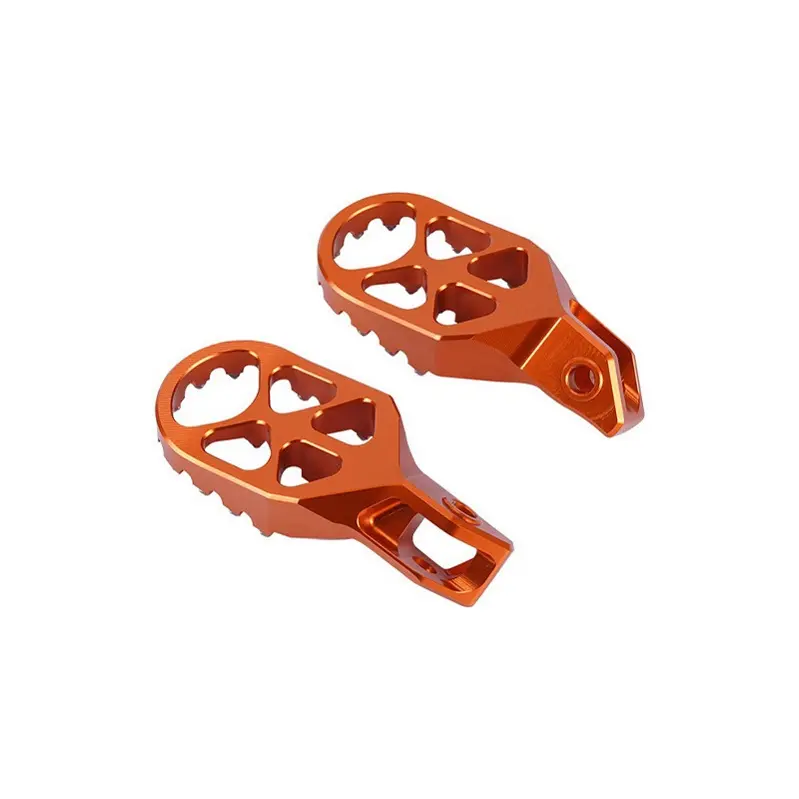
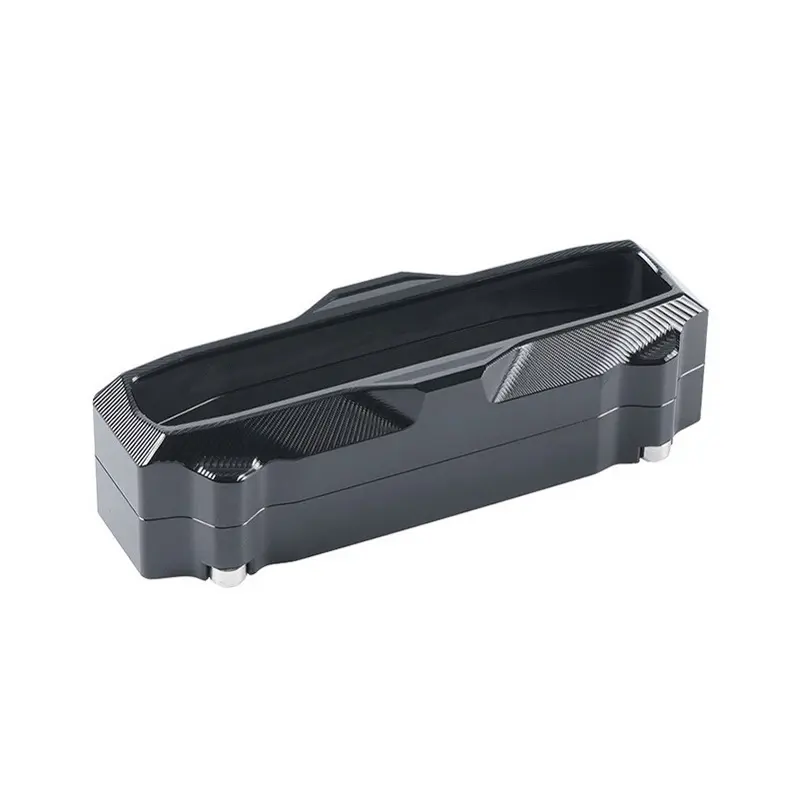
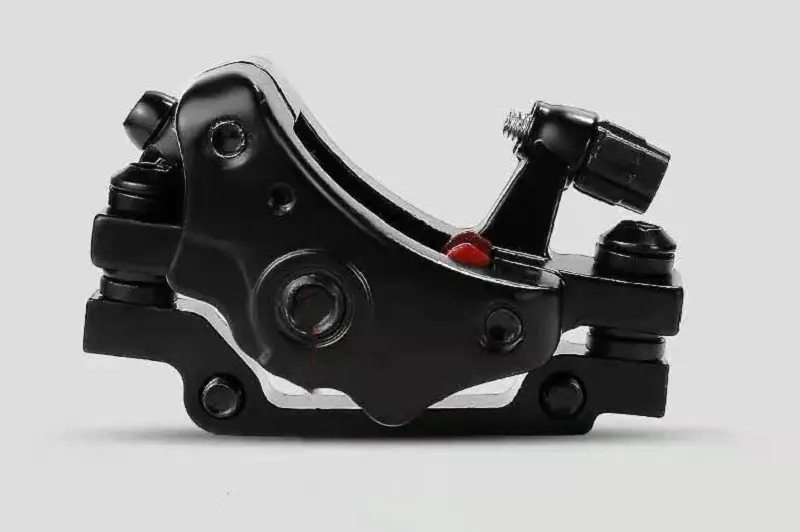
Typically, CNC parts used in bicycles are characterized by high precision, complex structures, stringent appearance requirements, lightweight design, and high efficiency. As a result, aluminum and titanium alloys are widely employed in bicycle components. Common manufacturing processes include CNC machining, forging, casting, profile processing, and die-casting. However, for products with higher demands, CNC machining is often preferred, either as a standalone process or in combination with forging (or extrusion) followed by CNC machining. CNC machining ensures high precision and superior surface finishes, meeting the rigorous requirements of bicycle components. Our in-house CNC milling, CNC turning, and CNC turn-mill composite machining capabilities are well-suited to the high standards of bicycle part manufacturing, offering significant advantages in cost, quality, and service.

Product Description

Characteristic

Bicycle components, especially connecting parts, demand high machining precision. CNC machining is ideally suited for this, as it typically achieves tolerances within millimeter or even micron levels, ensuring strict adherence to dimensional and geometric design requirements. This is particularly critical for components like frame joints, where precision and stability in curved surface machining are essential to guarantee assembly reliability and long-term durability. Additionally, many bicycle parts are appearance-oriented and require high aesthetic standards. CNC machining produces surfaces with excellent and uniform finishes, providing an ideal foundation for subsequent treatments such as anodizing or electroplating, thereby achieving highly attractive final components.
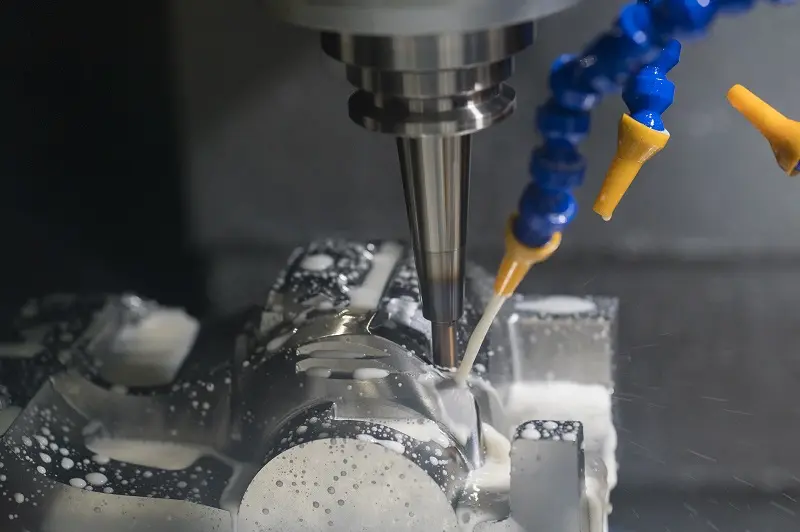
CNC milling process, multi-axis machining for complex shapes
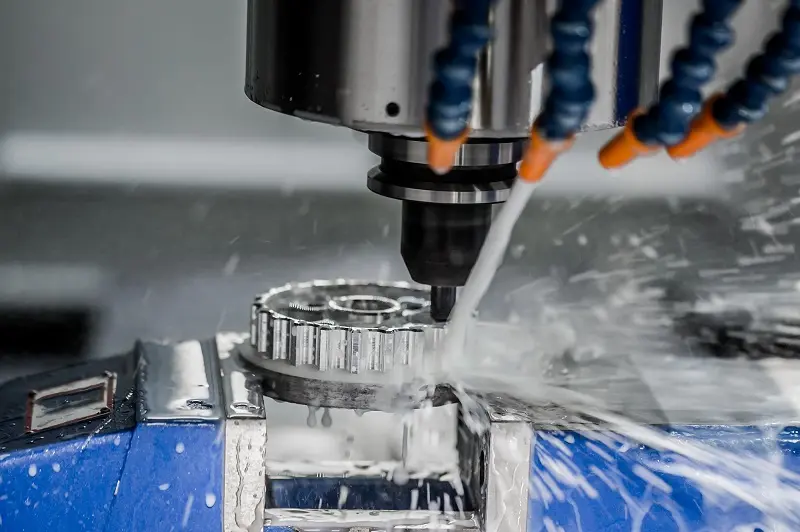
CNC milling machine processing complex parts, multi-angle cutting

Properties and Advantages

CNC machining services are widely utilized across industries such as aerospace, medical, motorcycle, and bicycle manufacturing, owing to their exceptional precision, high production efficiency, broad material compatibility, and advanced automation and intelligence. With continuous technological advancements, precision CNC machining has become an indispensable technology in modern manufacturing, helping enterprises enhance competitiveness and drive innovation within the industry. However, for components with complex structures, CNC machining tends to involve higher costs compared to processes like precision casting, die-casting, or forging. Nevertheless, it delivers the best overall results in terms of quality and performance.
Design

Design

Engineered

Engineered

Manufactured

Manufactured

CNC milling machine with multi-axis control, complex part machining
CNC milling machine with 5-axis control, high-precision complex parts

Machining Services

High-quality and consistently reliable precision CNC machined parts, widely used in industries such as aerospace, marine, medical, offshore, and automotive (including motorcycles and bicycles).
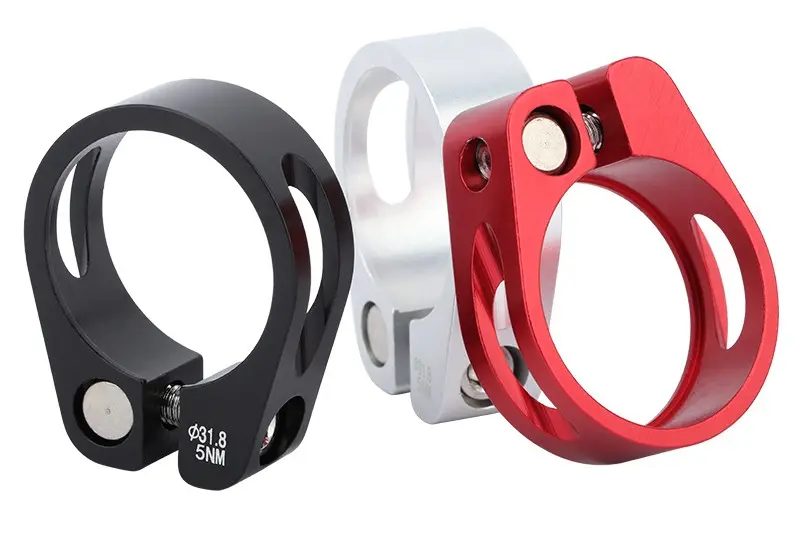
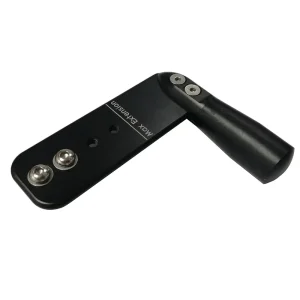
CNC milling machine with multi-axis machining, complex geometry

Frequently Asked Questions

Why is precision critical for bicycle components?
Connecting parts and frame joints in bicycles require tight fits. High precision ensures assembly reliability, prevents structural loosening, and enhances long-term durability during high-stress activities.
What surface finish qualities does CNC machining deliver?
CNC machining produces excellent, uniform surface finishes. This is crucial for aesthetic components and acts as a perfect base for secondary finishing techniques like anodizing or electroplating.
Which industries benefit from these precision CNC machining services?
Precision CNC services are widely utilized in critical industries, including aerospace, medical, marine, offshore, automotive, and motorcycle/bicycle manufacturing.
How does CNC machining compare with casting or forging methods?
Although CNC machining can involve higher costs for complex configurations compared to casting or forging, it offers far superior structural properties, tighter dimensional tolerances, and unmatched surface quality.
What tolerance standards can be achieved via CNC machining?
CNC machining typically achieves exceptionally high precision, holding dimensional tolerances within millimeter or even micron levels, strictly complying with complex engineering specifications.

Related Products