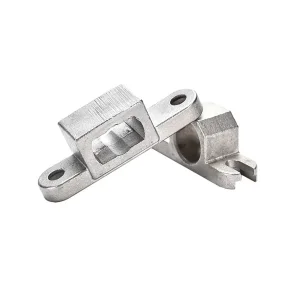
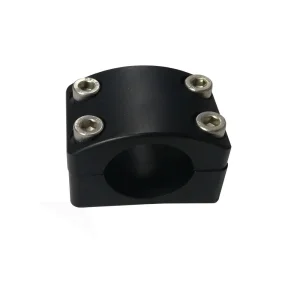
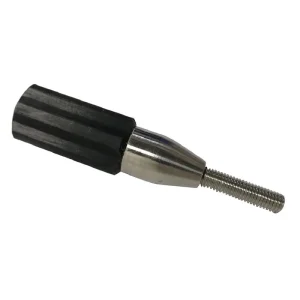
Explore our engineering-grade components custom manufactured to exacting tolerances for demanding global industrial applications.
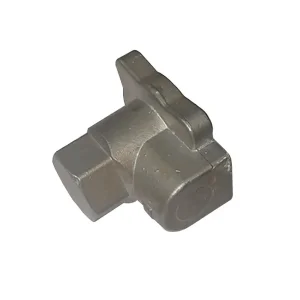
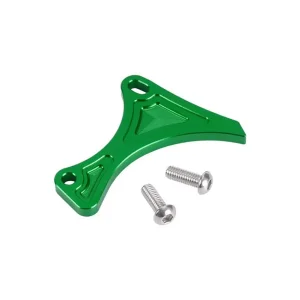
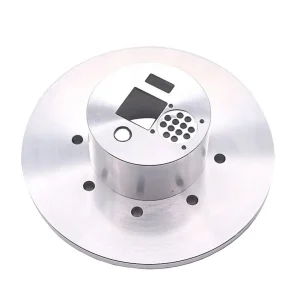
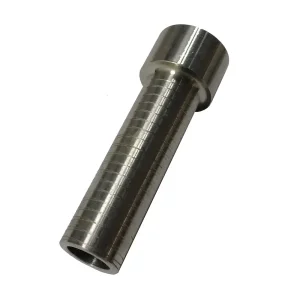
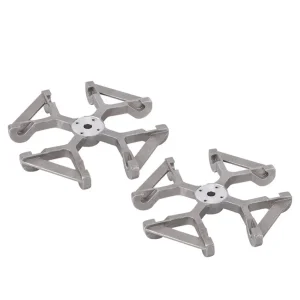
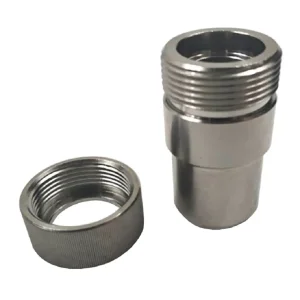
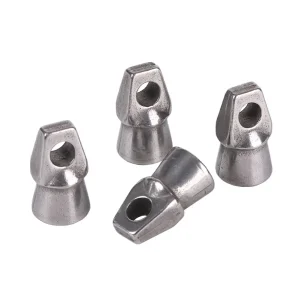
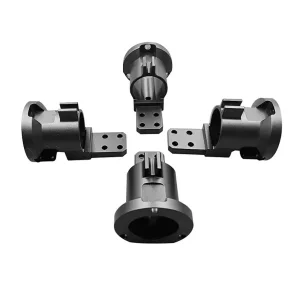
For over a decade, Dongguan SX Technology Co.,Ltd has established a formidable reputation in the supply of high-precision casting, multi-axis CNC machining, and comprehensive secondary assembly solutions. Founded in 2014, our operation is strategically situated within the Pearl River Delta industrial cluster, allowing us to serve global equipment manufacturers with agility, cost-efficiency, and unparalleled technical competence.
Our dual competency in both additive-subtractive hybrid workflows (combining the net-shape efficiency of investment casting with the micrometric accuracy of CNC machining) allows us to support product lifecycles from low-volume complex prototyping to continuous high-volume production runs. We operate high-performance facilities utilizing state-of-the-art multi-axis milling machines, turning centres, and lost-wax casting lines.
“We align advanced manufacturing infrastructure with rigorous metallurgical sciences to deliver components that perform reliably in the most demanding operational environments.”
Selecting the optimal alloy composition is fundamental to structural integrity, chemical resistance, and wear life.
The cornerstone of investment casting. We utilize austenitic grades (SS304, SS316, SS316L) for superior chloride pitting resistance in marine environments, and martensitic/precipitation hardening grades for high-wear structural components. High-purity carbon steel alloys provide exceptional strength-to-weight ratios for agricultural and mechanical equipment frames.
Engineered for high temperature stability, corrosion resistance, and biocompatibility. We process Titanium Grade 2 and Grade 5 (Ti-6Al-4V) specifically for surgical implants, deep-sea submersibles, and aerospace structural elements. These materials require specialized CNC tooling geometries and slow-speed, high-coolant machining pathways.
For industries demanding thermal conductivity, lightweight structures, and electrical connectivity. We mill and turn complex anodized aluminum components (6061-T6, 7075-T6) for electronic enclosures, robotic arms, and automotive brackets. Brass, bronze, and copper-nickel alloys are cast and finished for high-pressure fluid valves and bushings.
| Material Category | Common Standard Grades | Primary Physical Advantages | Typical Industrial Applications |
|---|---|---|---|
| Stainless Steel (Investment Cast) | ASTM A351 CF8M (316), CF8 (304), 410 | Excellent pitting resistance, oxidation tolerance, high tensile strength. | Marine fittings, fluid handling valves, pump impellers, chemical equipment. |
| Titanium Alloys (CNC) | Ti-6Al-4V (Grade 5), Grade 2 | Extremely high strength-to-density ratio, bio-compatibility, low thermal expansion. | Deep-sea submersibles, orthopedic implants, aerospace brackets. |
| Aluminum Alloys (CNC) | AL6061-T6, AL7075-T5, AL5052 | Lightweight, highly machineable, excellent anodizing response. | Automotive suspension housings, heat sinks, drone chassis, electronic enclosures. |
| Carbon Steel (Cast & CNC) | WCB, LCB, AISI 1020, AISI 1045 | High mechanical load capacity, cost-effective structural strength. | Agricultural machinery linkages, construction structural joints, heavy gears. |
Manufacturing high-precision casting components is not solely about possessing advanced machinery; it requires an integrated, high-velocity regional ecosystem.
Based in Dongguan, the manufacturing heart of Southern China, SX Technology harnesses a dense, localized infrastructure. This geographic concentration gives us immediate access to specialized metallurgical testing laboratories, rapid custom tooling fabricators, and advanced secondary finishing providers (including vacuum heat treatment, hard-anodizing, PVD coating, and electro-polishing).
Furthermore, our proximity to the deep-water shipping lanes of Shenzhen, Hong Kong, and Guangzhou ports reduces international transit lead times. By consolidating material sourcing, mold fabrication, casting, finishing, and multi-modal logistics into a single regional workflow, we significantly decrease the Total Cost of Ownership (TCO) for our global OEM partners.
In-house mold design and structural optimization reduce initial prototyping tooling investment by up to 40% compared to Western counterparts.
Leveraging 3D printed wax patterns allows casting prototype validation within 7 to 10 working days, bypassing expensive tooling setup.
By managing both casting and CNC finishing under unified supervision, we eliminate geometric variance and inter-vendor finger-pointing.
Our modular production cells can rapidly ramp up production capacity to meet sudden market surges or sustained contract volumes.
Analyzing how our specialized metallurgical castings and CNC components function within critical real-world applications.
Environmental Challenge: Severe chloride-induced crevice corrosion, extreme hydrostatic pressure, and high biological fouling risks.
Engineering Solution: Custom Titanium alloy parts and highly alloyed stainless steel precision castings (containing molybdenum, such as SS316L) are deployed for underwater sensor pods, subsea valve components, and marine propeller shafts. Our cast components undergo hot isostatic pressing (HIP) to close internal micro-porosities, guaranteeing complete structural hermeticity under high pressures.
Environmental Challenge: Absolute material purity, strict biocompatibility standards, complex ergonomic contours, and sterilization stability.
Engineering Solution: High-precision CNC milled and turned Grade 5 titanium components for medical diagnostic equipment, custom surgical implant assemblies, and surgical instrumentation fittings. We maintain a contamination-free machining cycle with dedicated tooling lines, producing components that comply with stringent medical biological safety standards.
Environmental Challenge: Cyclic mechanical fatigue, abrasive shock loads, exposure to corrosive chemical fertilizers, and variable environmental parameters.
Engineering Solution: Hardened carbon steel investment casting components designed for heavy tillage rigs, rotational linkages, and gear housings. By optimizing grain structures during casting solidification and implementing tempering processes, we increase the surface fracture toughness, preventing field-level component fatigue failures.
Environmental Challenge: Thermal management requirements, structural weight minimization, and tight dimensional integration targets.
Engineering Solution: Intricately designed lightweight aluminum alloy brackets, inverter cold plates, and structural components machined via multi-axis CNC milling centers. Excellent surface finish control ensures optimized thermal transfer properties, supporting high-efficiency heat dissipation.
For global enterprise procurement, quality is not a metric checked at the packing station; it must be designed, monitored, and documented at every stage of fabrication.
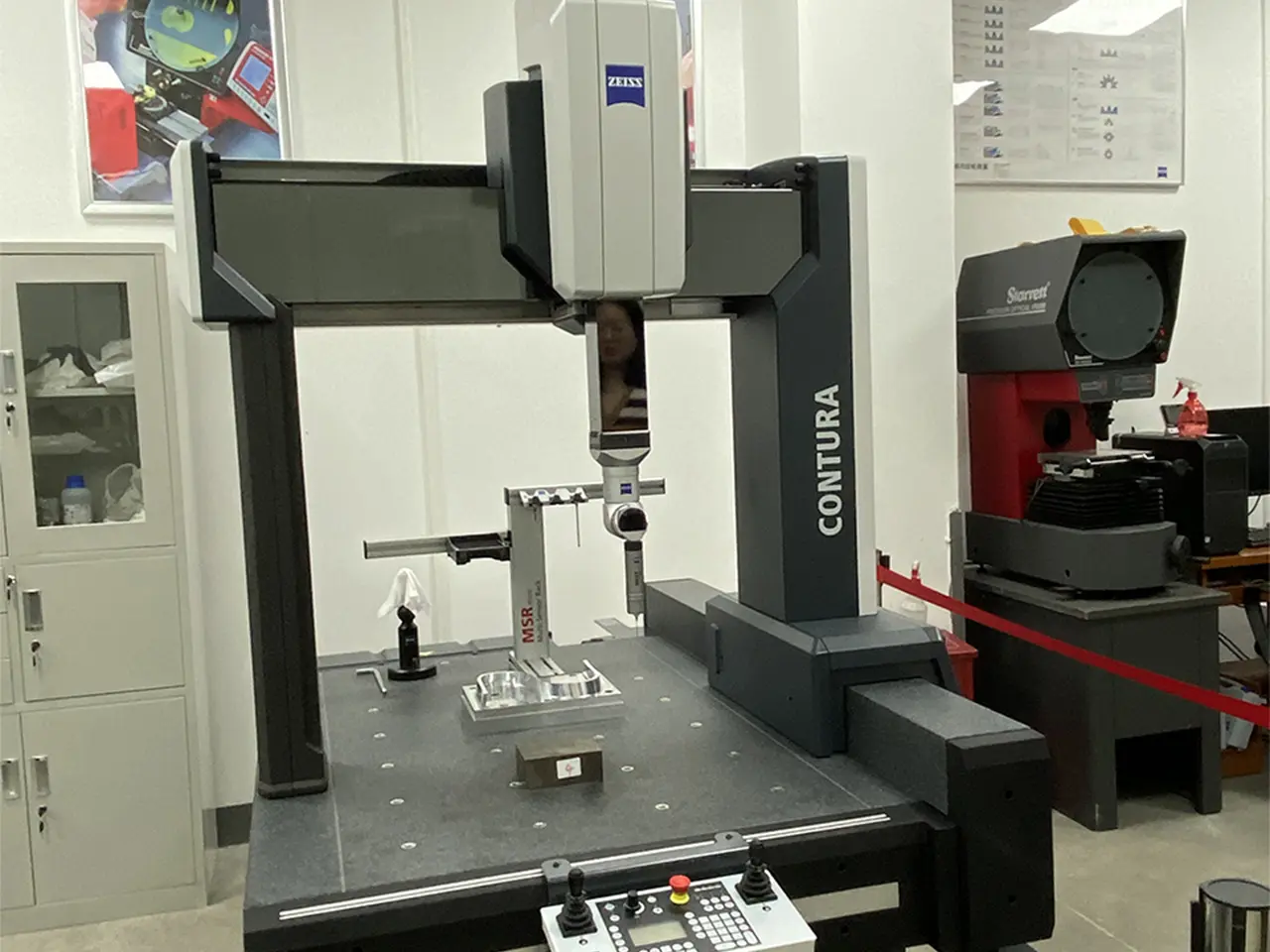
At Dongguan SX Technology, our metrology department operates independently, reporting directly to executive management. We utilize advanced coordinate measuring machines (CMM), optical contour projectors, digital surface roughness testers (Ra measurement), and ultrasonic material gauge tools.
Our material validation program includes complete chemical verification via Spectrometric Analysis, and mechanical properties testing (yield strength, tensile testing, and Rockwell hardness verification). Every shipping batch is accompanied by comprehensive quality reports, including Mill Test Certificates (MTC) to DIN EN 10204 3.1 standards, ensuring full material traceability.
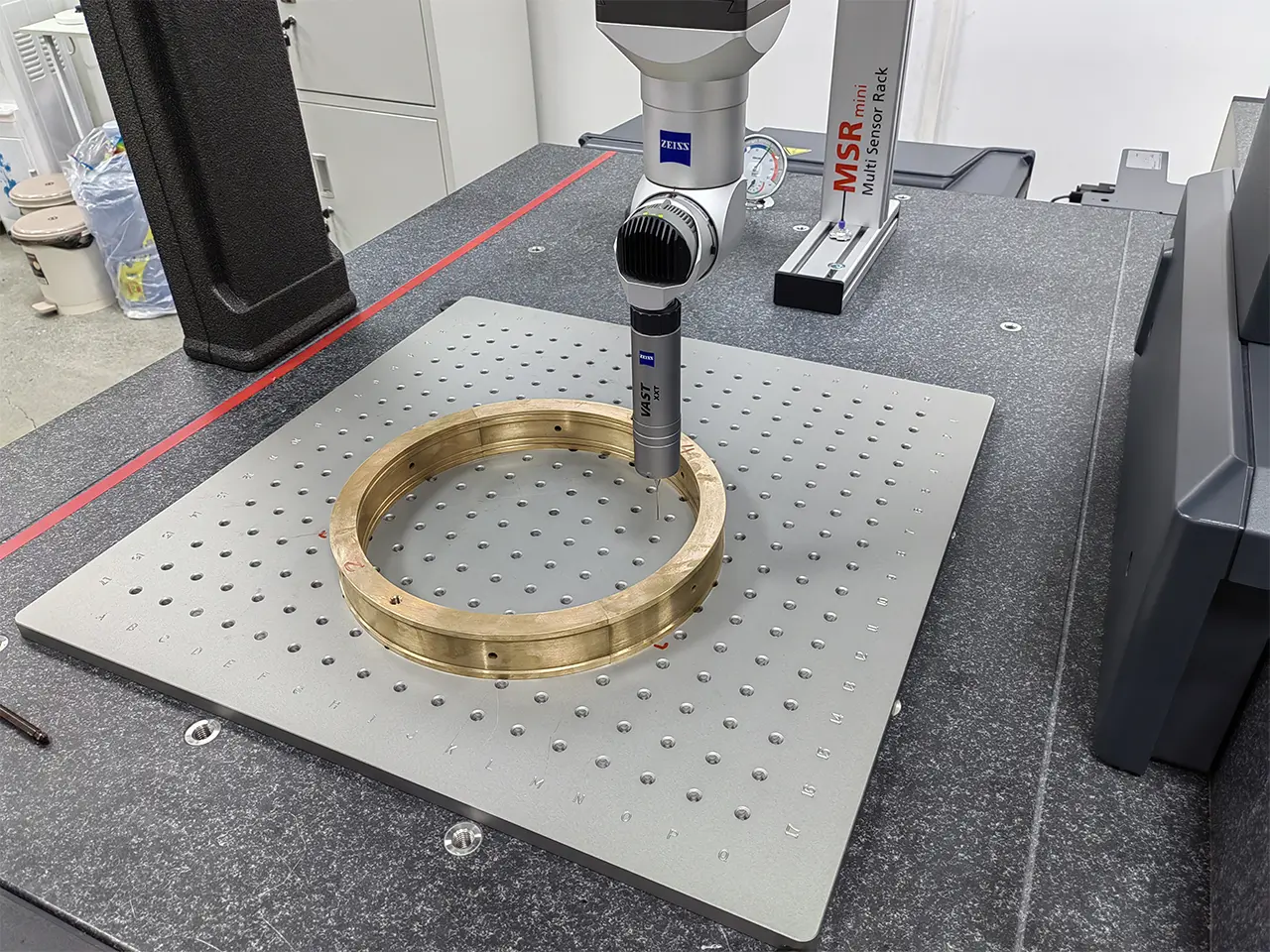
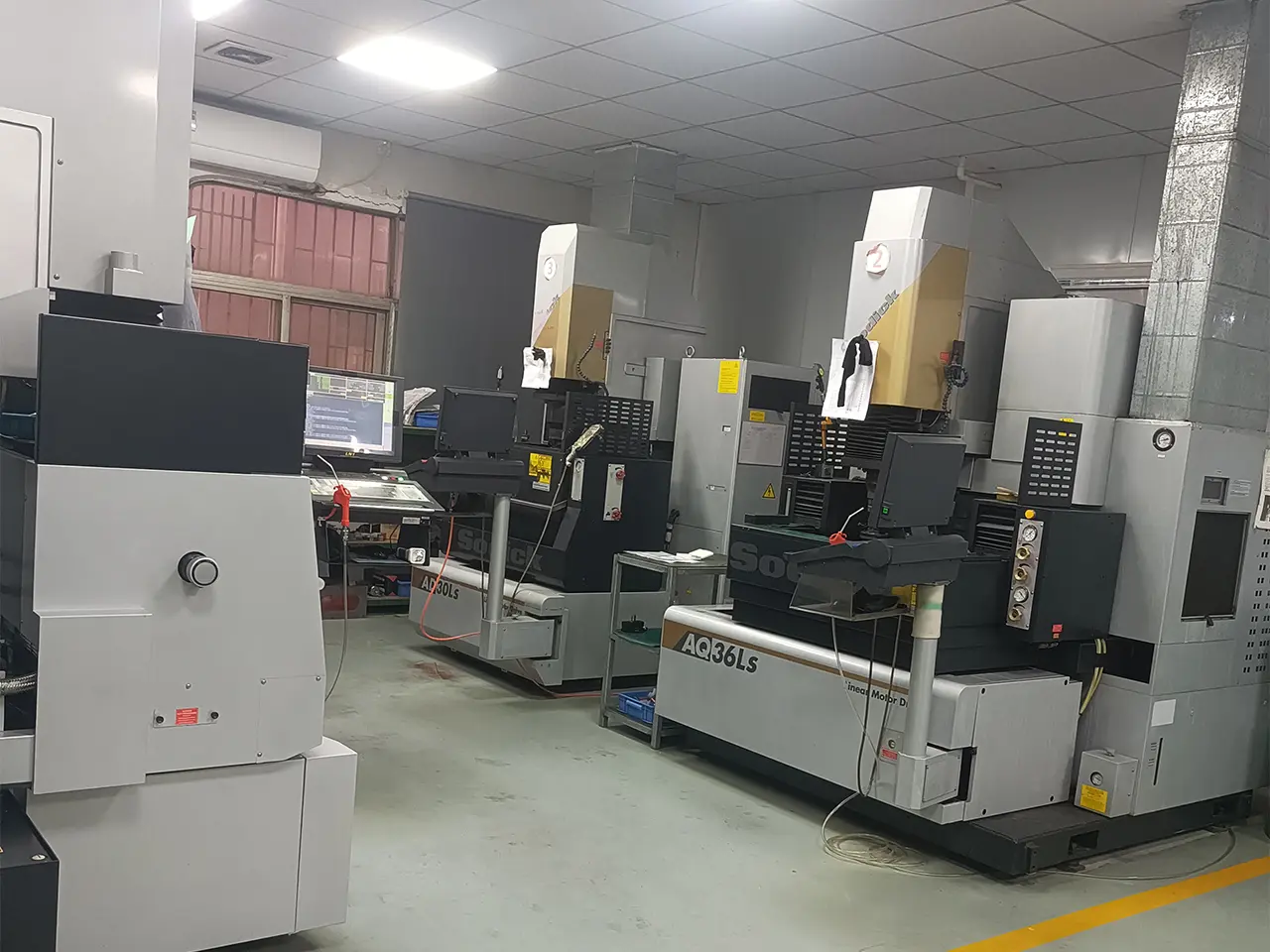
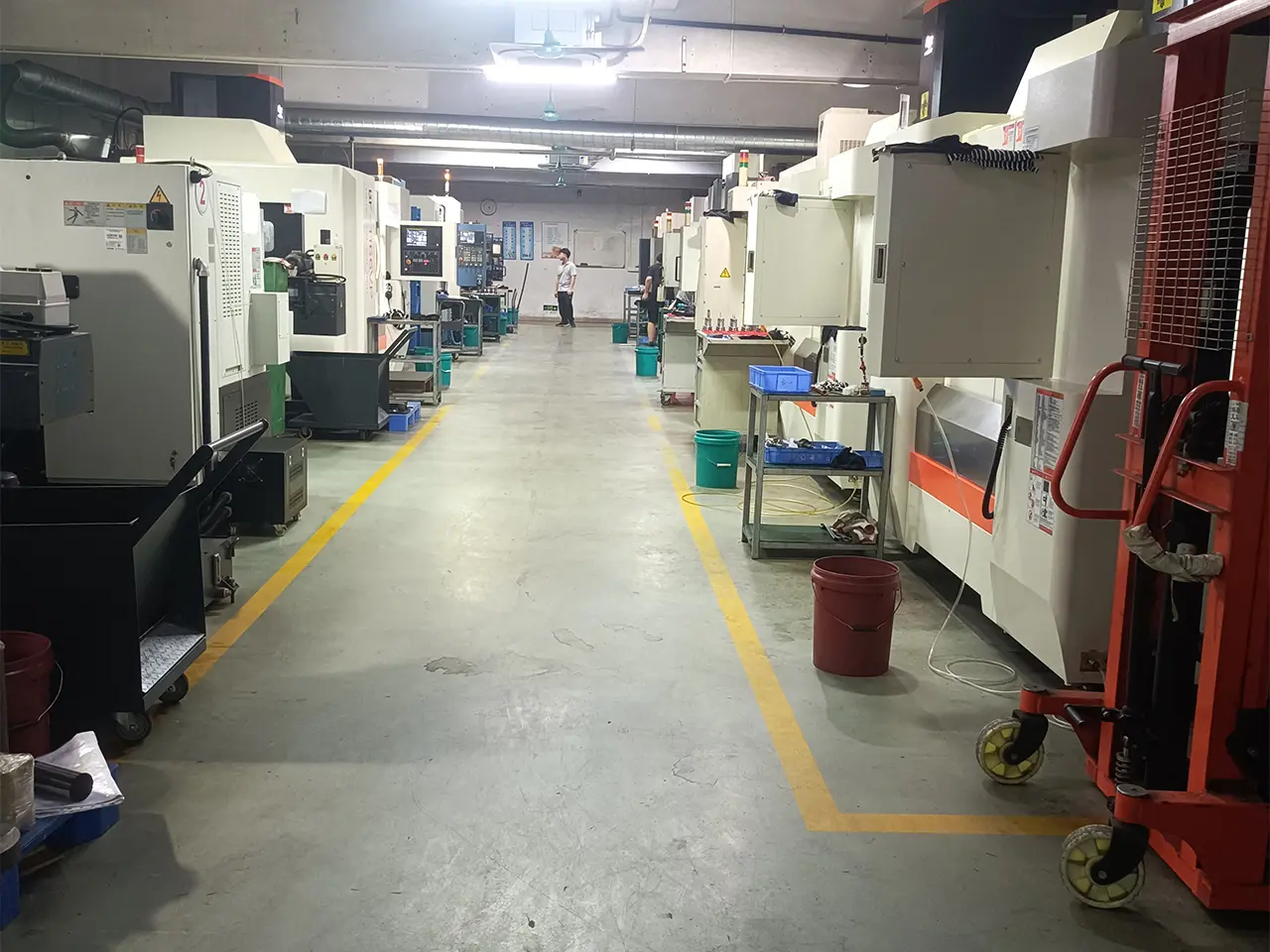
Take a virtual tour inside our specialized facility showcasing precision CNC machining units and investment casting departments.
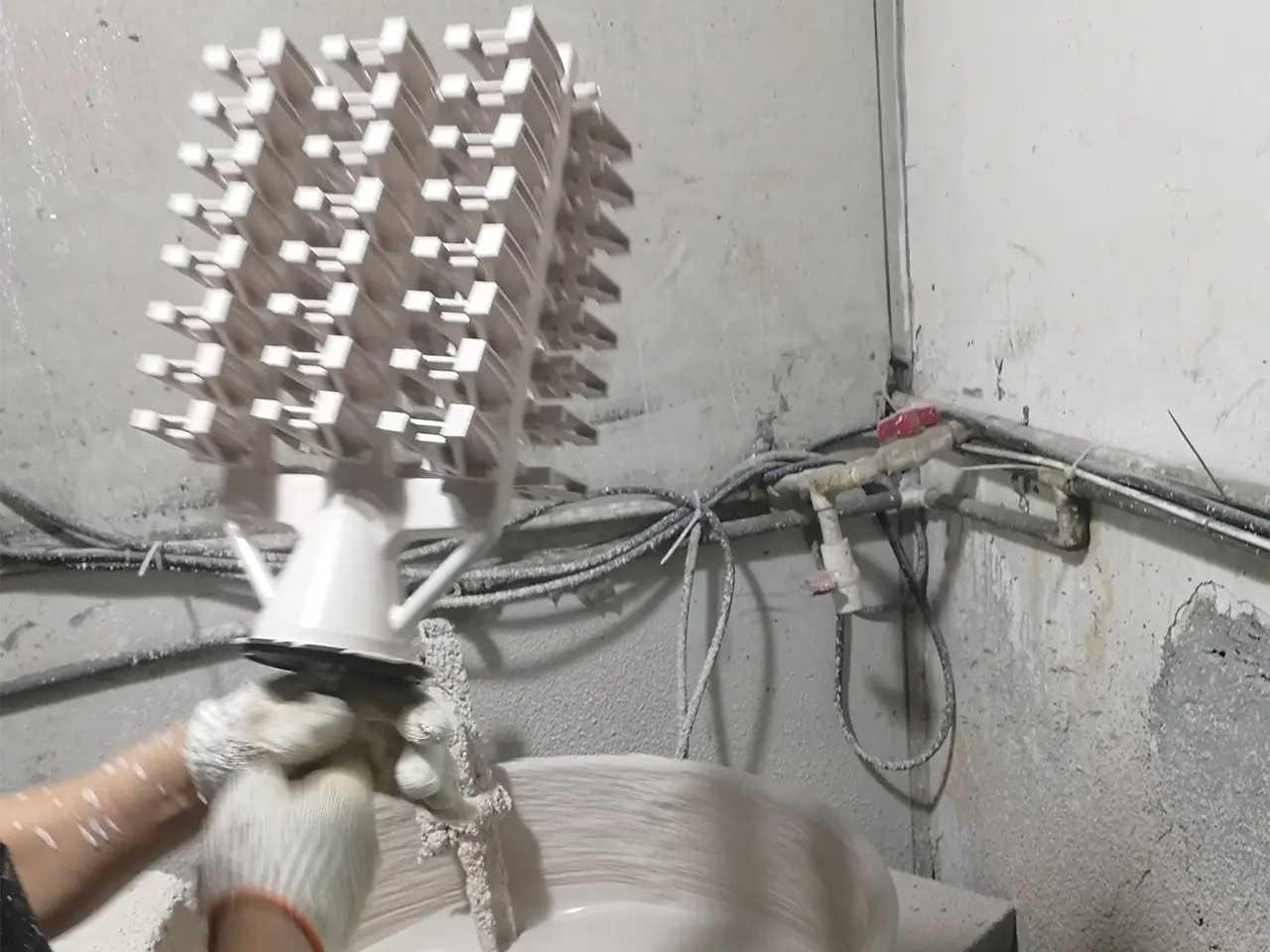
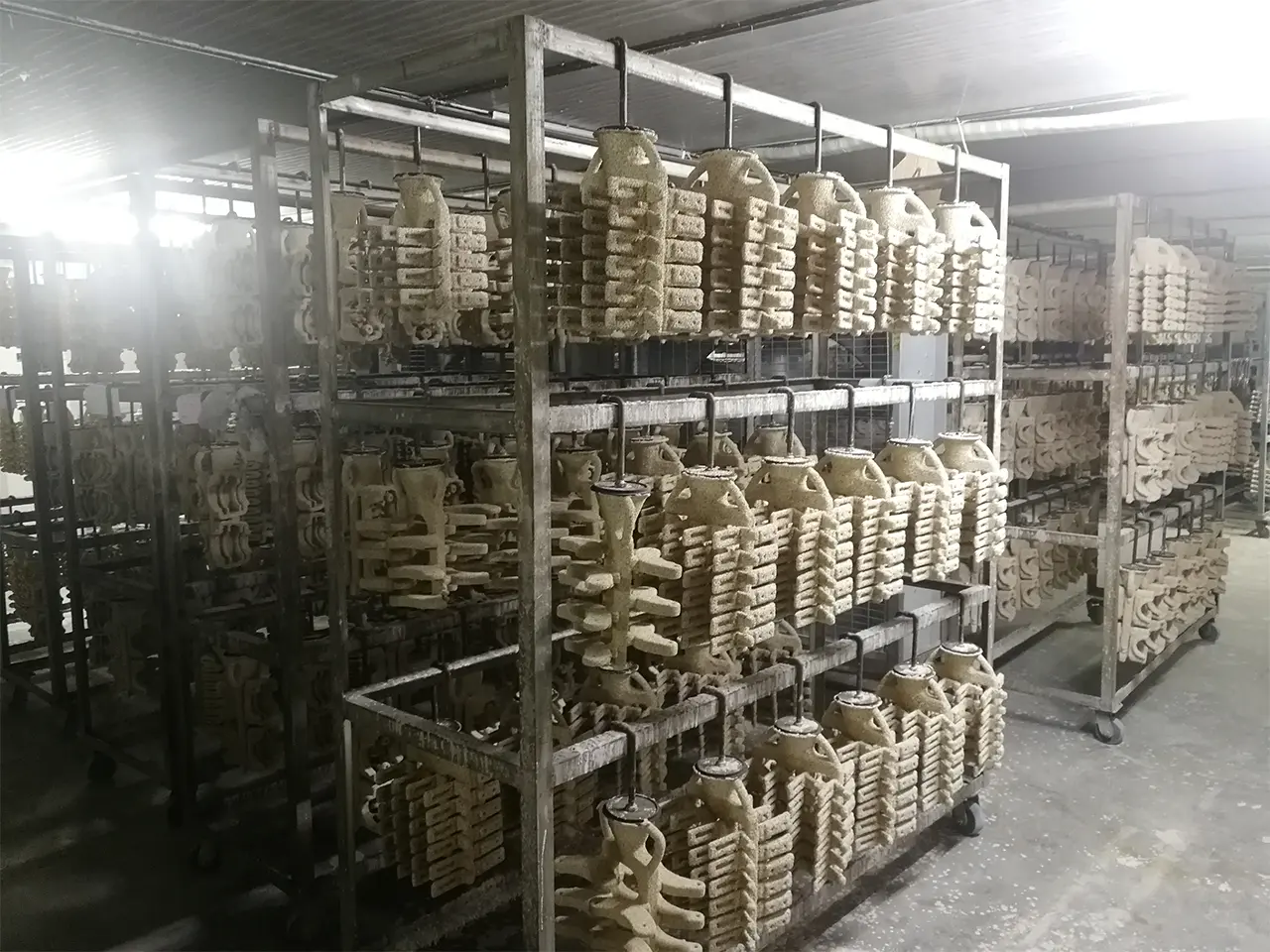
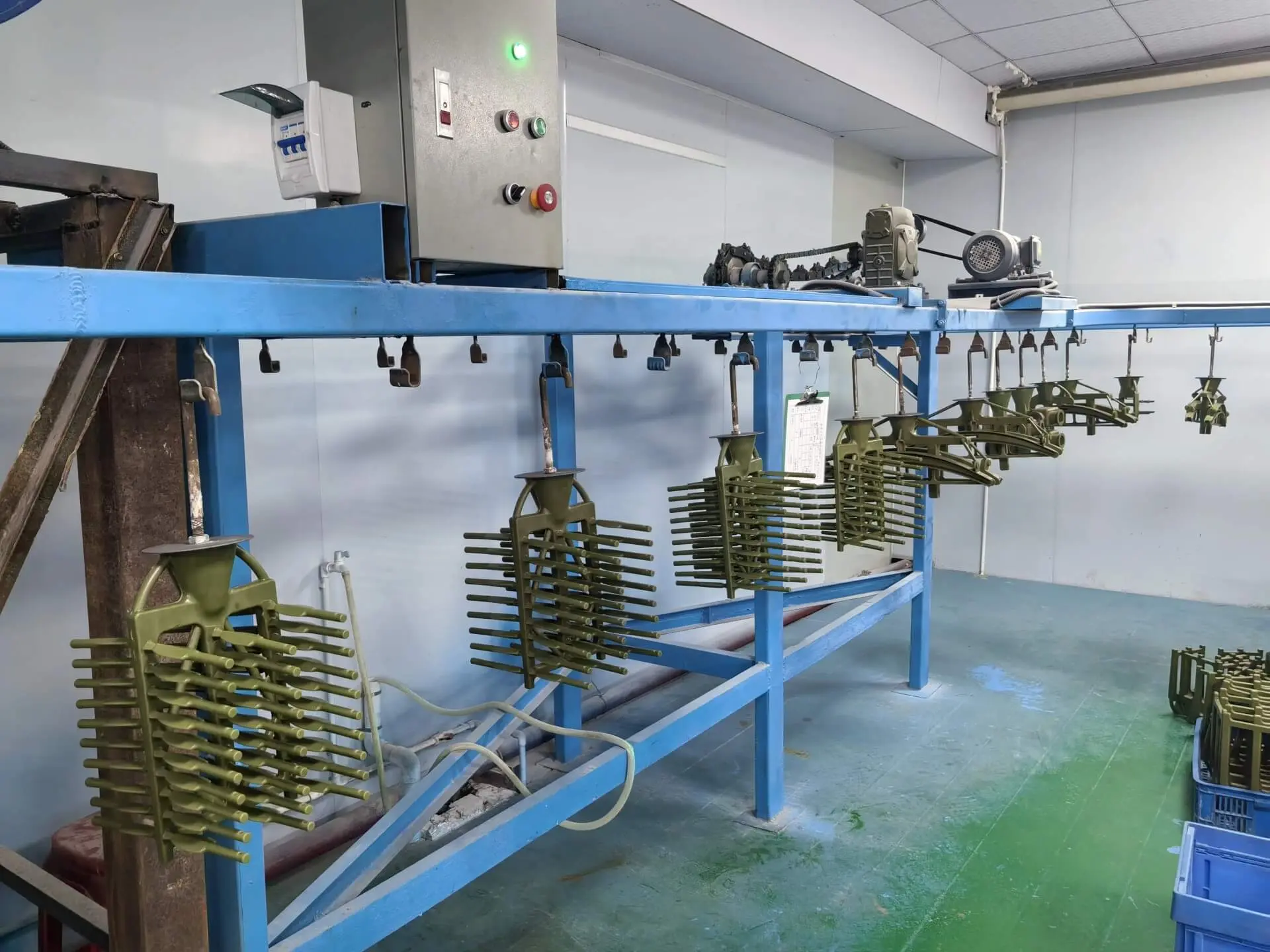
How we address the core procurement and technical friction points for major international OEMs.
Operating across multiple jurisdictions requires alignment with international trade legislation, environmental policies, and chemical regulations. We provide proactive support for RoHS directives, REACH declarations, and Conflict Minerals reporting. Our logistics team handles complex customs clearance and documentation protocols, delivering seamless door-to-door or port-to-port shipments.
Often, drawings contain configurations that drive up manufacturing complexity and casting defect rates unnecessarily. Our engineering team reviews your design geometry to propose minor modifications—such as draft angles, uniform section thicknesses, and radius increases—to reduce tooling complexity, improve molten metal fill flow, and minimize material costs.
To mitigate shipping disruptions and buffer lead time swings, we work with strategic partners to offer flexible logistics arrangements. This includes blanket order frameworks with scheduled releases, and safety-stock warehousing agreements. These systems ensure that critical precision-cast or CNC-machined components are ready for dispatch whenever production requirements escalate.
A look at the transformative technologies driving efficiency, sustainability, and quality in modern components manufacturing.
Advanced casting facilities are adopting predictive thermodynamic modeling tools. By simulating the flow and solidification of molten metal alloys inside ceramic shell cavities, engineers can identify hot-spots, shrinkage vulnerabilities, and potential gas entrapment zones before a single mold is manufactured. This drastically shortens validation cycles and guarantees microstructural density.
The pressure to reduce greenhouse gas footprints is driving energy-efficiency innovations. Modern foundries are switching to high-efficiency electric induction furnaces, implementing closed-loop scrap recycling, and utilizing eco-friendly organic binders within ceramic casting slurries. Achieving high yield ratios per melt cycle is critical to minimizing both energy and raw material waste.
Technical answers to the most common queries raised by international procurement managers and project design engineers.
For our investment casting processes, we routinely achieve dimensional tolerances within ISO 8062-3 Grade DCTG 4 to DCTG 6. For secondary or primary CNC machining operations (milling, turning, grinding), our advanced manufacturing systems maintain tolerances down to ±0.005 mm (5 microns), depending on component geometry and material characteristics.
Investment casting (lost-wax casting) is optimal for complex shapes with internal cavities, organic contours, and mid-to-high production volumes, as it minimizes raw material waste and reduces machining time. Direct CNC machining is preferred for simple or flat geometries, low-volume prototypes requiring immediate testing, and components demanding exceptionally tight tolerances across all surfaces.
Every delivery includes a comprehensive documentation pack consisting of: Material Chemical Composition Analysis (spectrometer trace), Dimensional Measurement Inspection Reports (CMM verification), Hardness Testing Reports, and Surface Roughness (Ra) verification. Non-Destructive Testing (NDT) results, such as Radiography (X-Ray) or Dye Penetrant Inspection (DPI) reports, are also available upon request.
For standard components, tooling design, mold fabrication, and first-article samples are completed within 20 to 30 calendar days. If rapid prototyping is required for testing prior to steel/aluminum tooling layout, we can utilize SLA 3D printed wax configurations to deliver cast metal prototypes in as little as 10 to 14 days.
Yes. We understand that specialized industrial, medical, and aerospace components may require low-volume, high-mix runs. We configure our production schedules to support small batch CNC machining and custom casting orders, helping customers scale up smoothly as market demand grows.
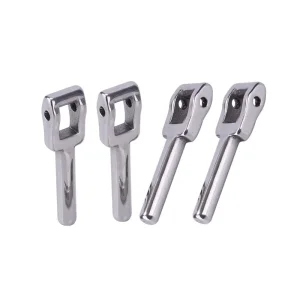
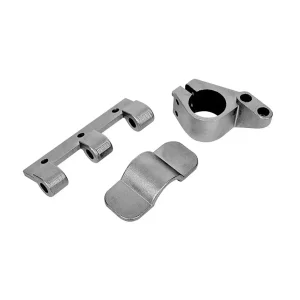
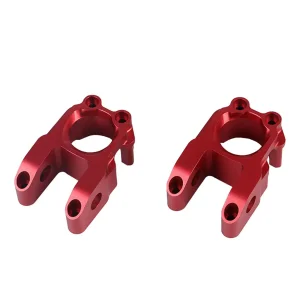
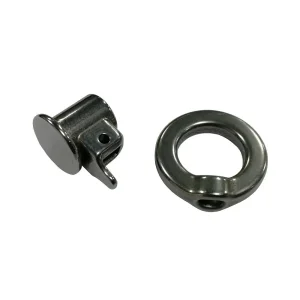
Explore our deep-sea marine components, high-temperature alloy fixtures, and customized CNC machined engineering parts.
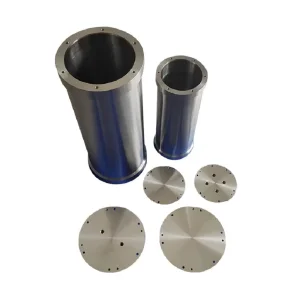
 SX Machining