 SX Machining
1 / 5
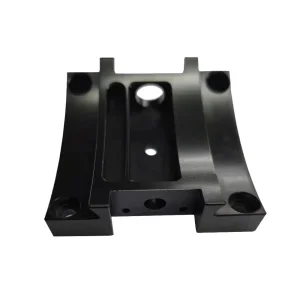
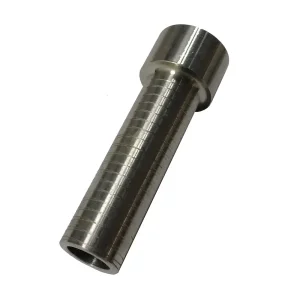
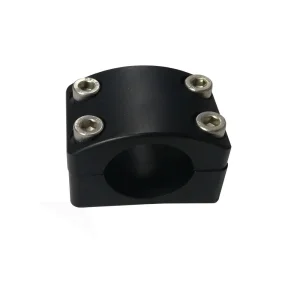
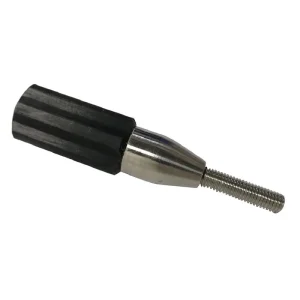
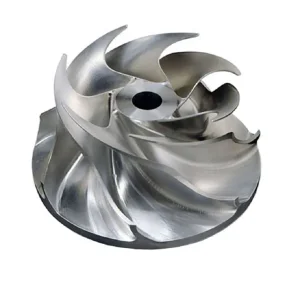
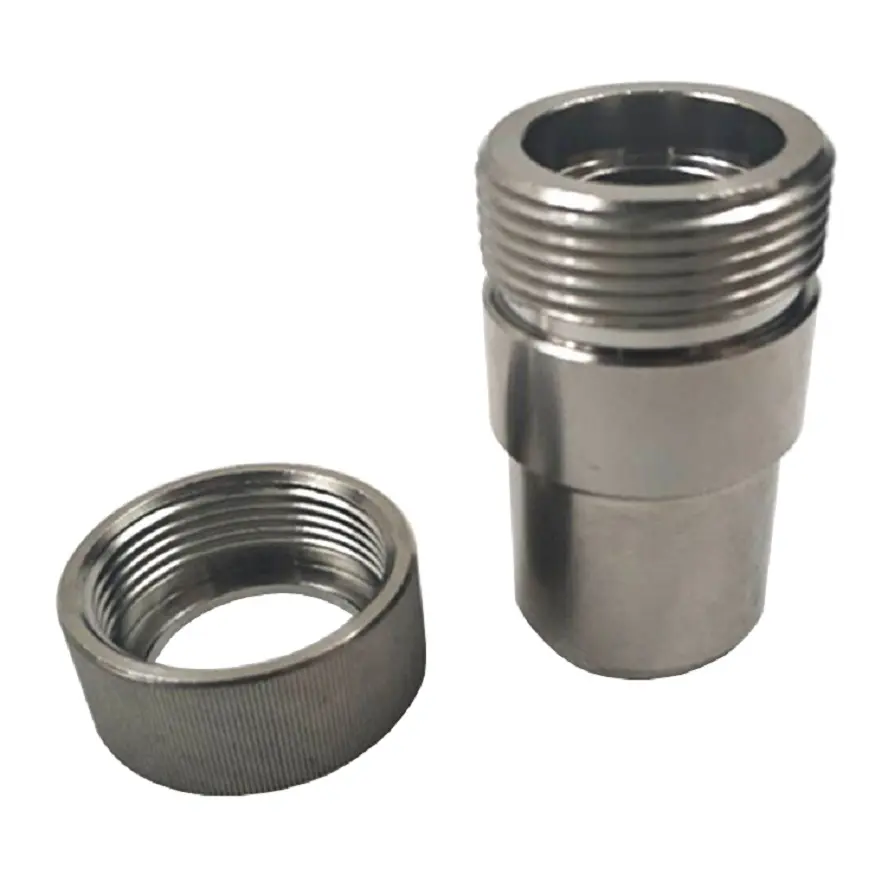
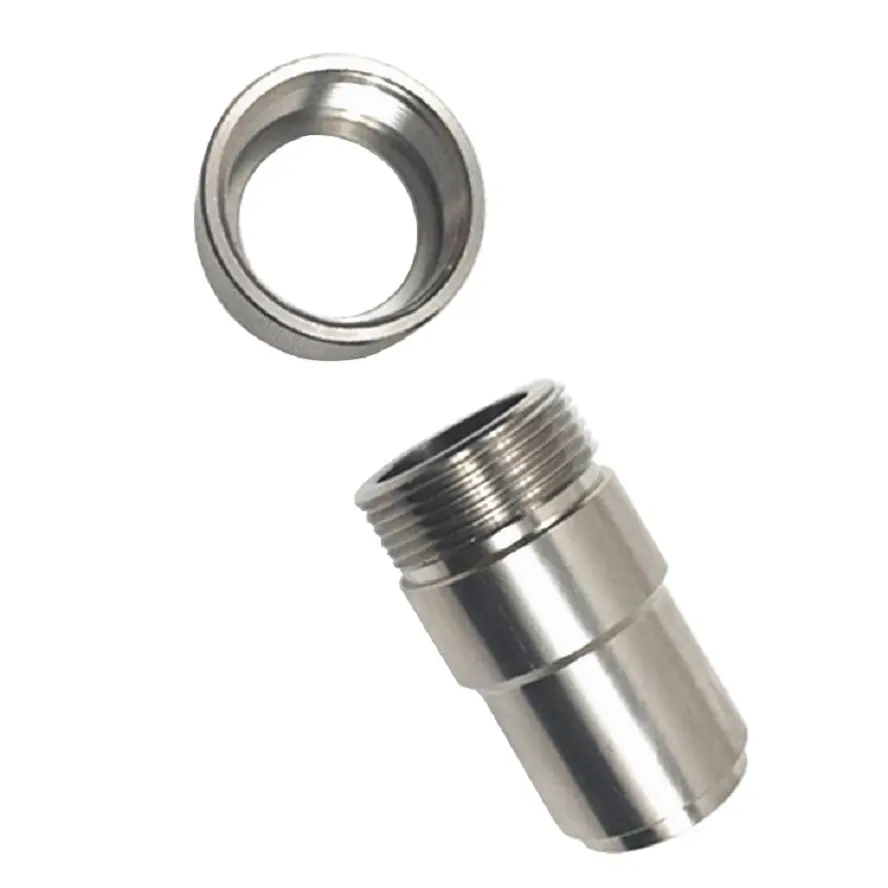
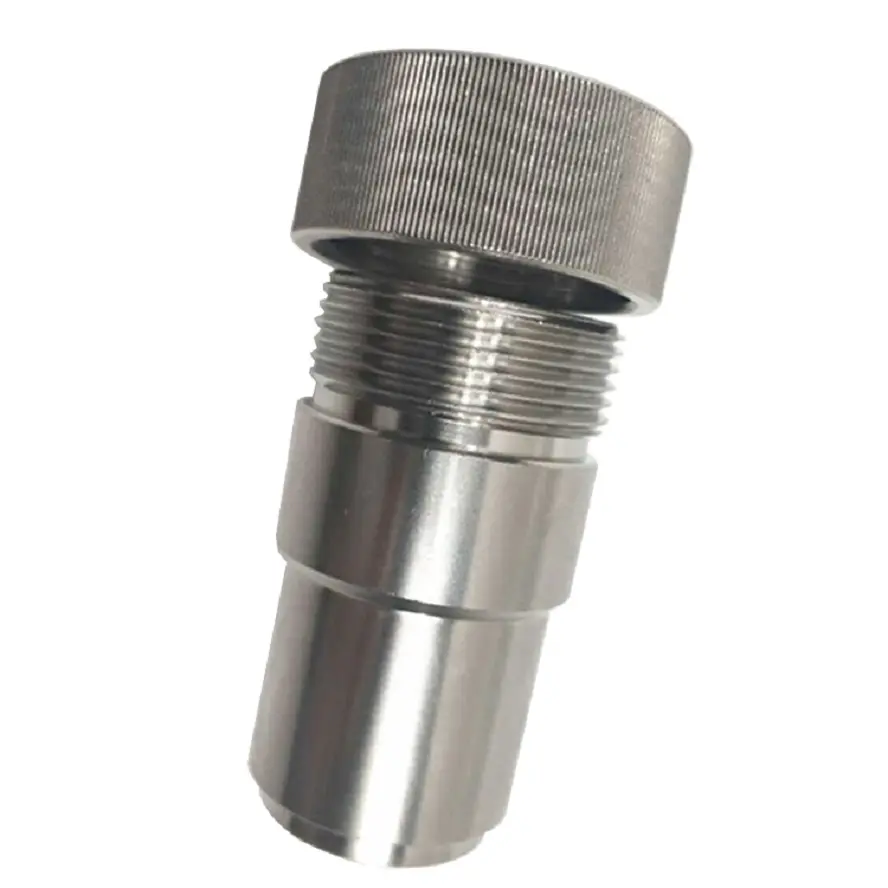
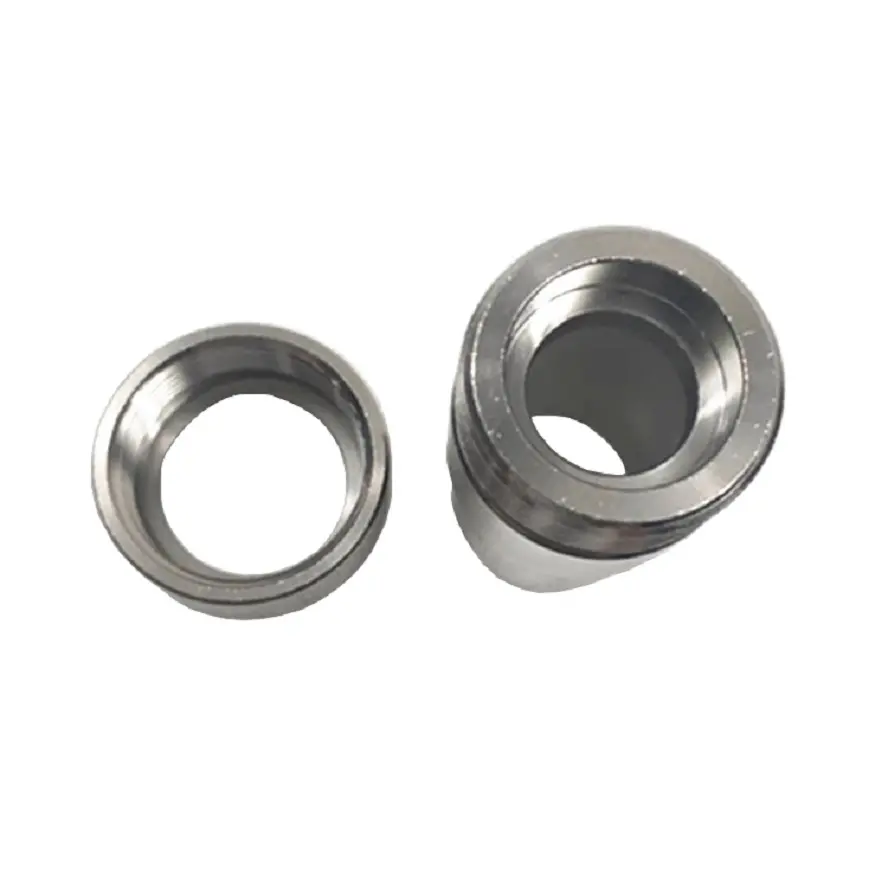
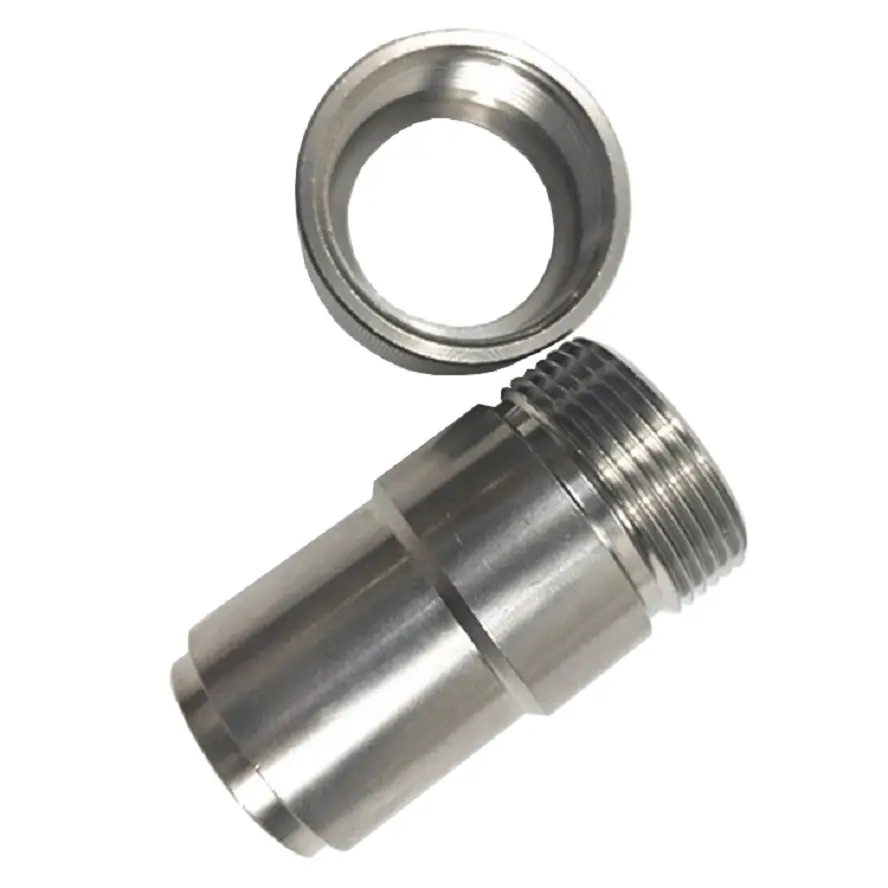
Titanium alloy is a high-strength, low-density, and highly corrosion-resistant metal material widely used in demanding or extreme environments, including aerospace, medical devices, sporting goods, and chemical industries. The machining processes for titanium alloy parts are diverse, including common methods such as turning, milling, grinding, casting, forging, and stamping. Among these, turning and milling are the most frequently used; however, due to titanium's unique properties—such as high strength, poor thermal conductivity, and significant thermal expansion—machining titanium components presents considerable challenges, requiring special attention to machine tools, cutting instruments, temperature control, and other critical factors.
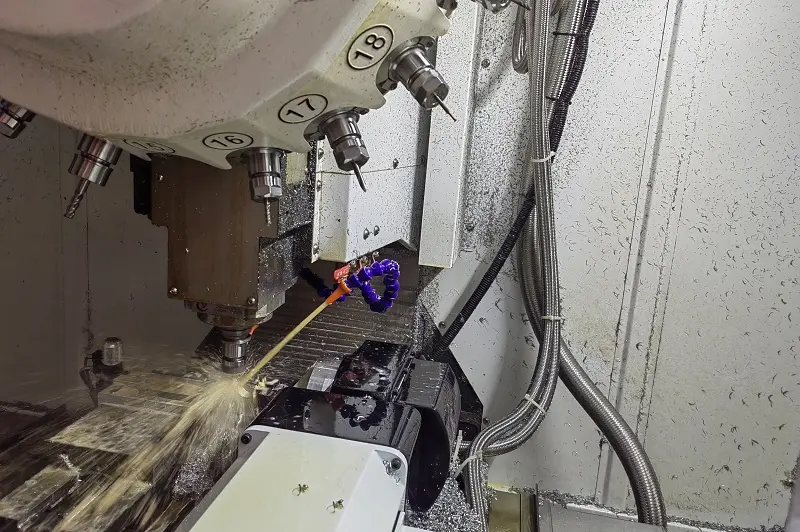
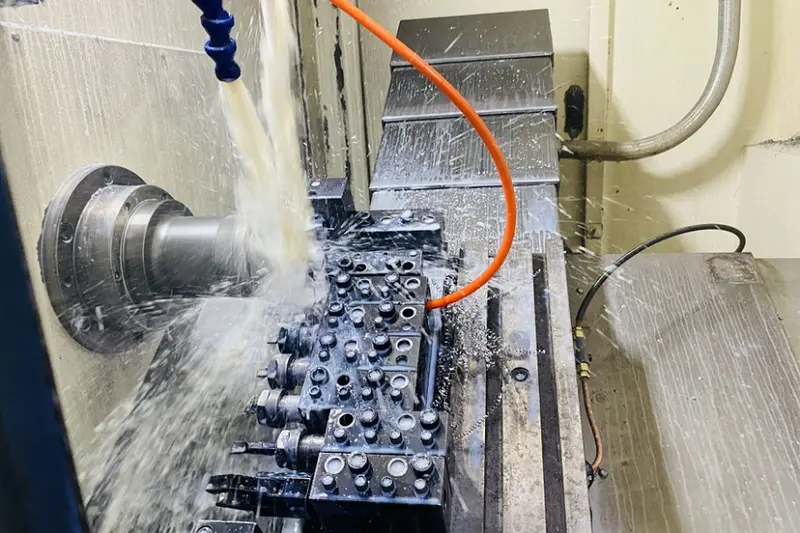
Titanium alloy is a high-hardness material with poor machinability, so when designing titanium components, factors such as part geometry, dimensional accuracy, and surface roughness must be carefully considered. The structural design should also account for titanium's unique properties to avoid stress concentration and corrosion risks. Close collaboration with machining factories during the design phase is essential to ensure both feasibility and manufacturing efficiency. Custom titanium machining is a complex and precision-driven process that requires multidisciplinary expertise and technical support throughout.



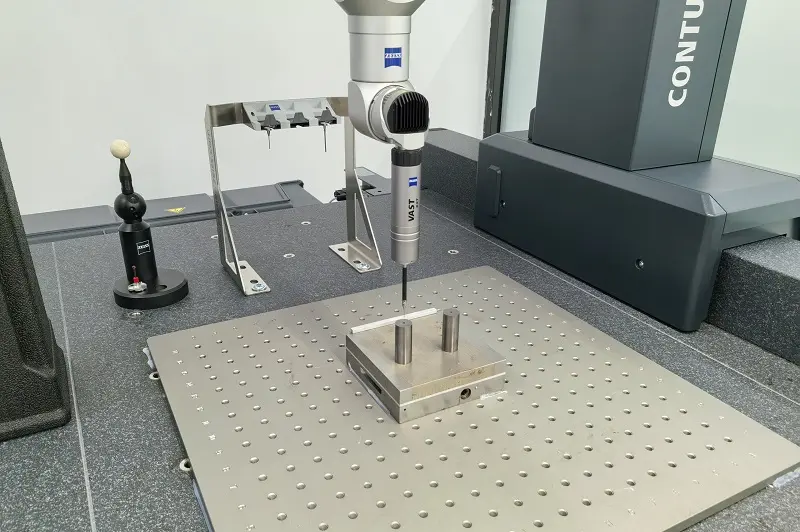
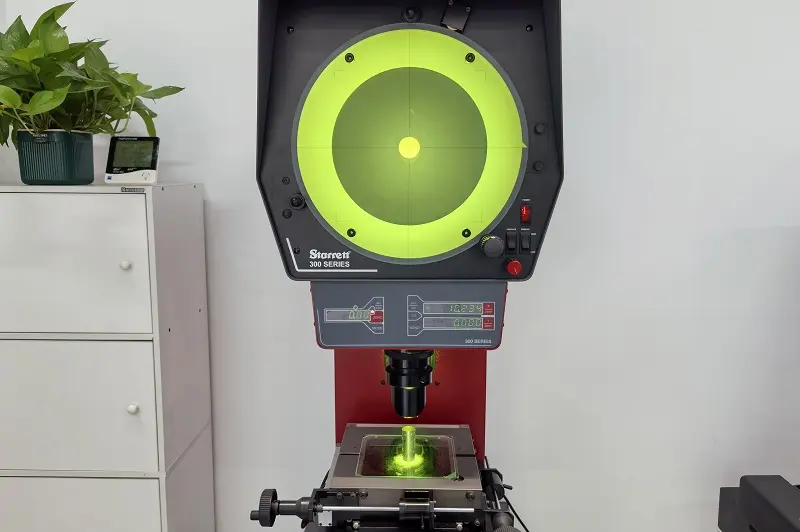
We specialize in precision machining of custom parts, with particular expertise in titanium alloy machining—including turning, milling, and turn-mill compound machining. Backed by deep technical knowledge and extensive experience, we deliver high-quality solutions tailored to your requirements. We welcome opportunities to exchange insights and explore new possibilities together.
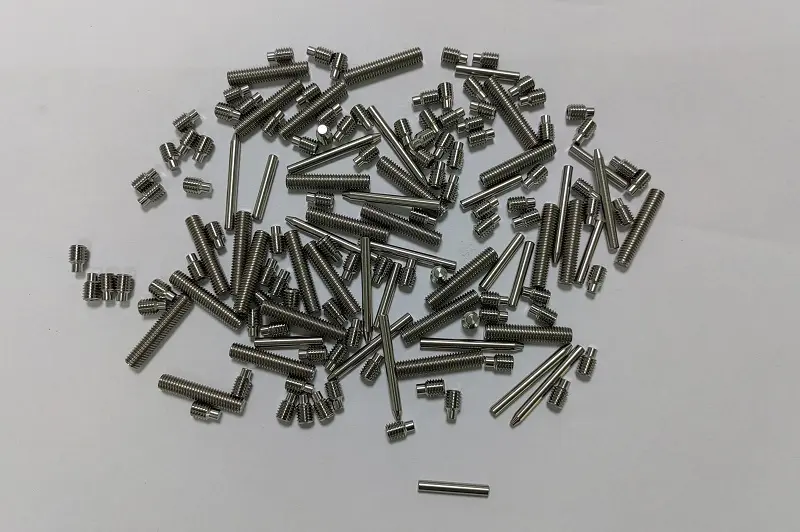
Titanium alloy is recognized for its high strength, low density, and exceptional corrosion resistance. This makes it an ideal material for extreme and demanding environments such as aerospace, medical equipment, and chemical processing.
Turning and milling are the most frequently used machining methods. Other applicable manufacturing processes include grinding, casting, forging, and stamping, depending on the complexity of the part design.
Titanium's unique properties, such as high strength, poor thermal conductivity, and significant thermal expansion, make it difficult to machine. It requires specialized machine tools, cutting instruments, and precise temperature control to prevent defects.
Designers must carefully plan the part geometry, dimensional accuracy, and surface roughness. It is crucial to account for titanium's properties to minimize stress concentration and corrosion risks, requiring close collaboration with the machining team.
Custom services focus on high-precision machining, specifically including CNC turning, CNC milling, and turn-mill compound machining, providing tailored solutions to meet demanding industrial standards.