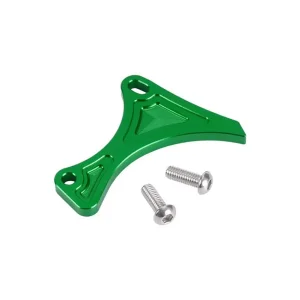
Explore our high-performance casting and machining products engineered to perform under extreme operational stresses.
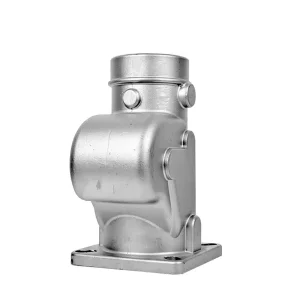
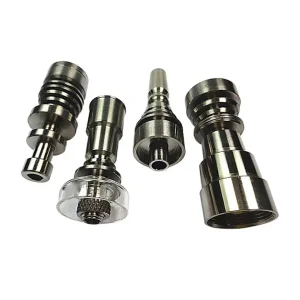
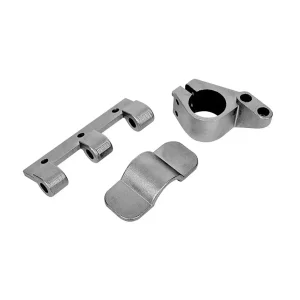
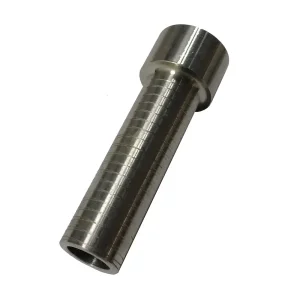
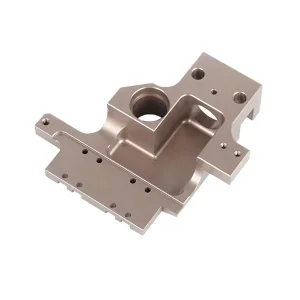
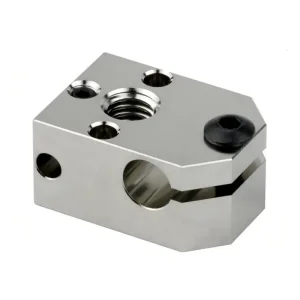
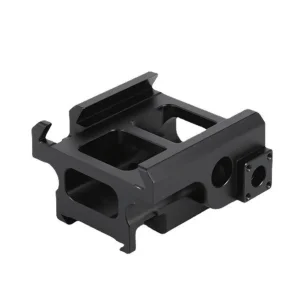
In the high-stakes sector of modern industrial manufacturing, physical components must meet strict demands for dimensional stability, structural integrity, and resistance to environmental stress. As a prominent industrial operator, Dongguan SX Technology Co.,Ltd has developed very rich experience in precision casting, CNC machining and assembly. Our comprehensive, vertically integrated approach bridges the gap between raw metallurgical science and precision assembly tolerances.
We serve as a vital manufacturing partner, supplying components deployed in high-stress, high-consequence industries. Our products are used in machinery, automobiles, marine, ships, equipment, valves and pumps, electronic appliances, packaging, watches, construction, chemical industry and other industries. The most commonly used materials for investment casting are stainless steel and carbon steel. And the most commonly used materials for CNC machining include titanium alloy, stainless steel, carbon steel, aluminum alloy, copper alloy, cemented carbide, etc. Through our advanced manufacturing equipment and technology, we are able to respond quickly to your needs, minimizing lead times while maintaining quality.
An in-depth analysis of materials used in casting and machining, showing their performance profiles and industrial standards.
Choosing the correct alloy grade directly impacts a component's lifecycle performance, wear modes, and overall reliability under tension, compression, and shear forces. At Dongguan SX Technology Co.,Ltd, our in-house metallurgical engineers balance mechanical properties, environmental resistance, and machinability to select the right material for every application.
Stainless steel remains the benchmark for components exposed to corrosive environments, high temperatures, and high mechanical stress. By utilizing premium ceramic shell materials during our lost wax process, we achieve tight grain boundaries that increase resistance to pitting and stress corrosion cracking (SCC).
For demanding environments, standard steels can fall short. In these cases, we apply our specialized multi-axis CNC machining processes to challenging materials:
| Material Category | Common Industrial Grades | Ultimate Tensile Strength (MPa) | Primary Advantages | Key Industrial Applications |
|---|---|---|---|---|
| Stainless Steel | CF8M (316), CF8 (304), 17-4 PH | 485 - 1100 | Excellent corrosion resistance, high toughness, chemical inertness | Marine fittings, chemical valves, medical equipment |
| Carbon Steel | WCB, WCC, LCC, ASTM A216 | 450 - 650 | Cost-effective, highly weldable, structural strength | Heavy machinery housings, pipeline flanges, transport components |
| Titanium Alloys | Ti-6Al-4V (Grade 5), Grade 2 | 890 - 1000 | Extreme strength-to-weight ratio, biocompatible | Aerospace structural assemblies, medical implants, deep-sea exploration |
| Aluminum Alloys | 6061-T6, 7075-T6, A356 | 290 - 570 | Low density, highly machinable, high thermal conductivity | Outdoor enclosures, electronic chassis, automotive brackets |
| Copper & Brass | C36000, Phosphor Bronze, Al-Bronze | 300 - 680 | Low friction, high electrical conductivity, non-sparking | Marine propellers, electrical bushings, explosion-proof gear |
Understanding the dual-force manufacturing methodology that achieves zero-defect dimensional geometry.
Traditional casting methods often face limitations in achieving the tight dimensional tolerances required for modern machinery. At Dongguan SX Technology Co.,Ltd, we overcome these limitations by integrating precision casting with multi-axis CNC machining. This combination allows us to produce complex geometries with fine surface finishes.
Our casting process forms complex internal structures, reducing initial material waste. The cast part is then transferred to our CNC facility, where it undergoes finish milling, turning, boring, and tapping. This post-casting machining is designed to achieve precise interface surfaces and thread connections down to ±0.005mm.
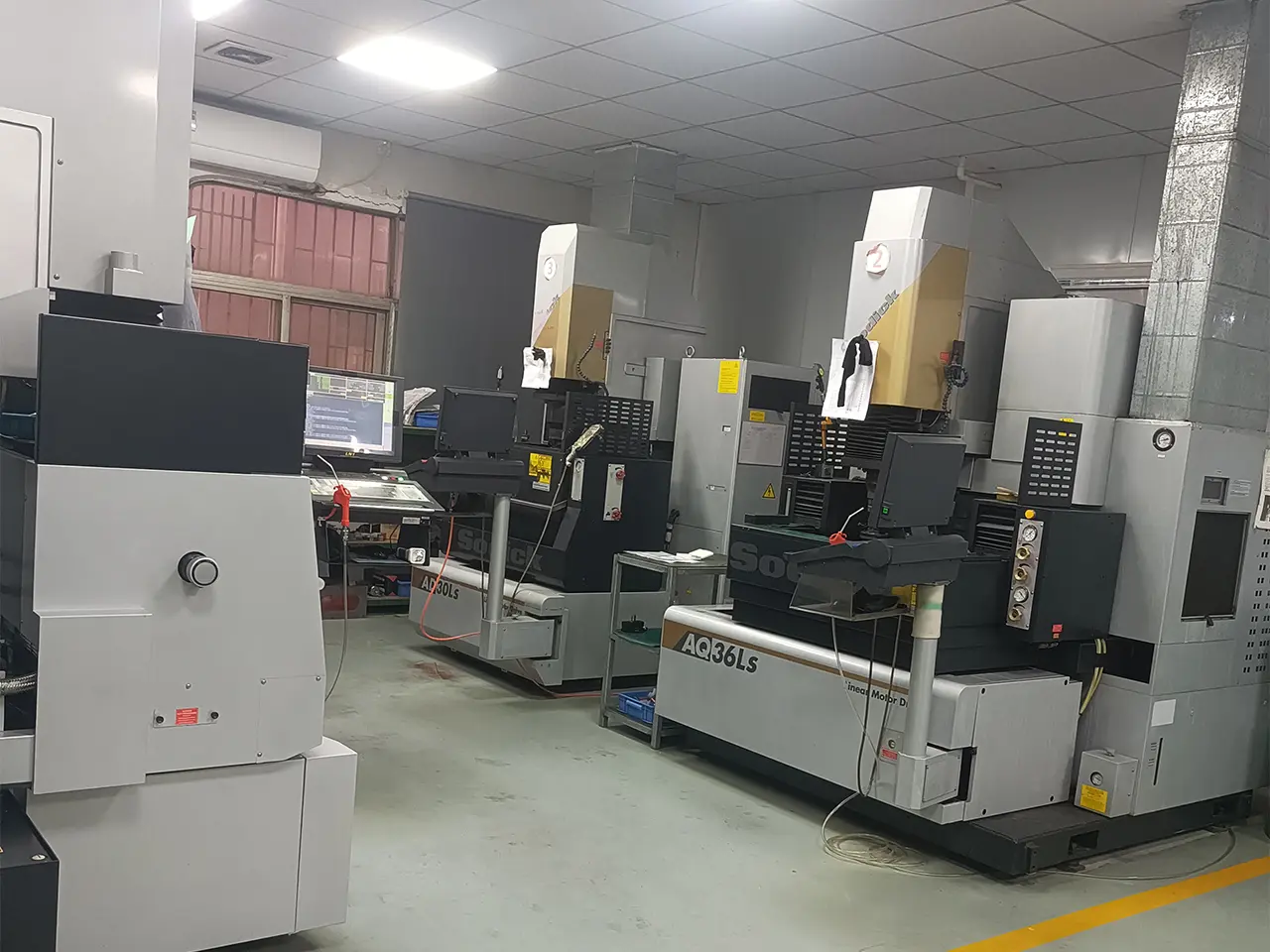
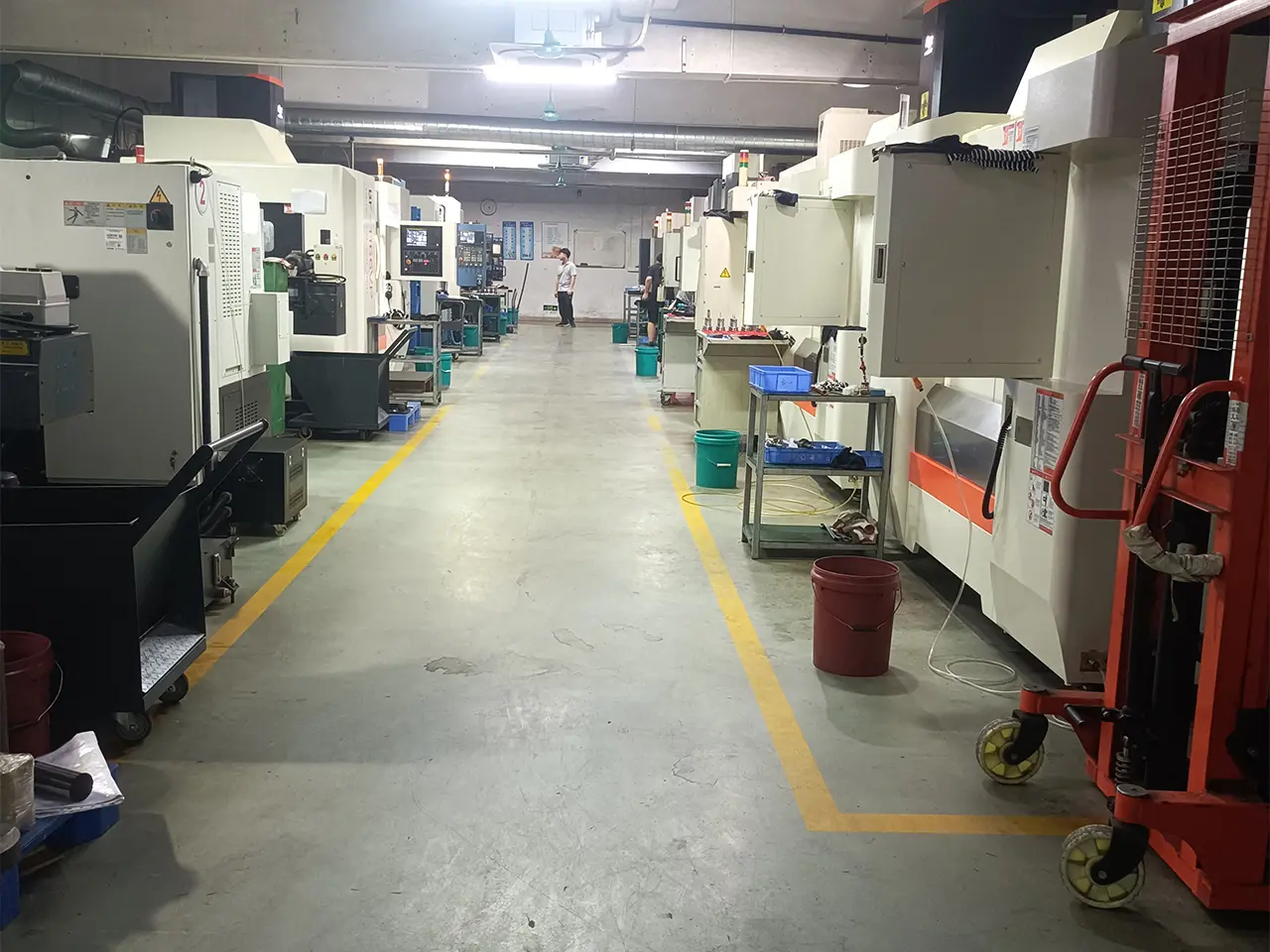
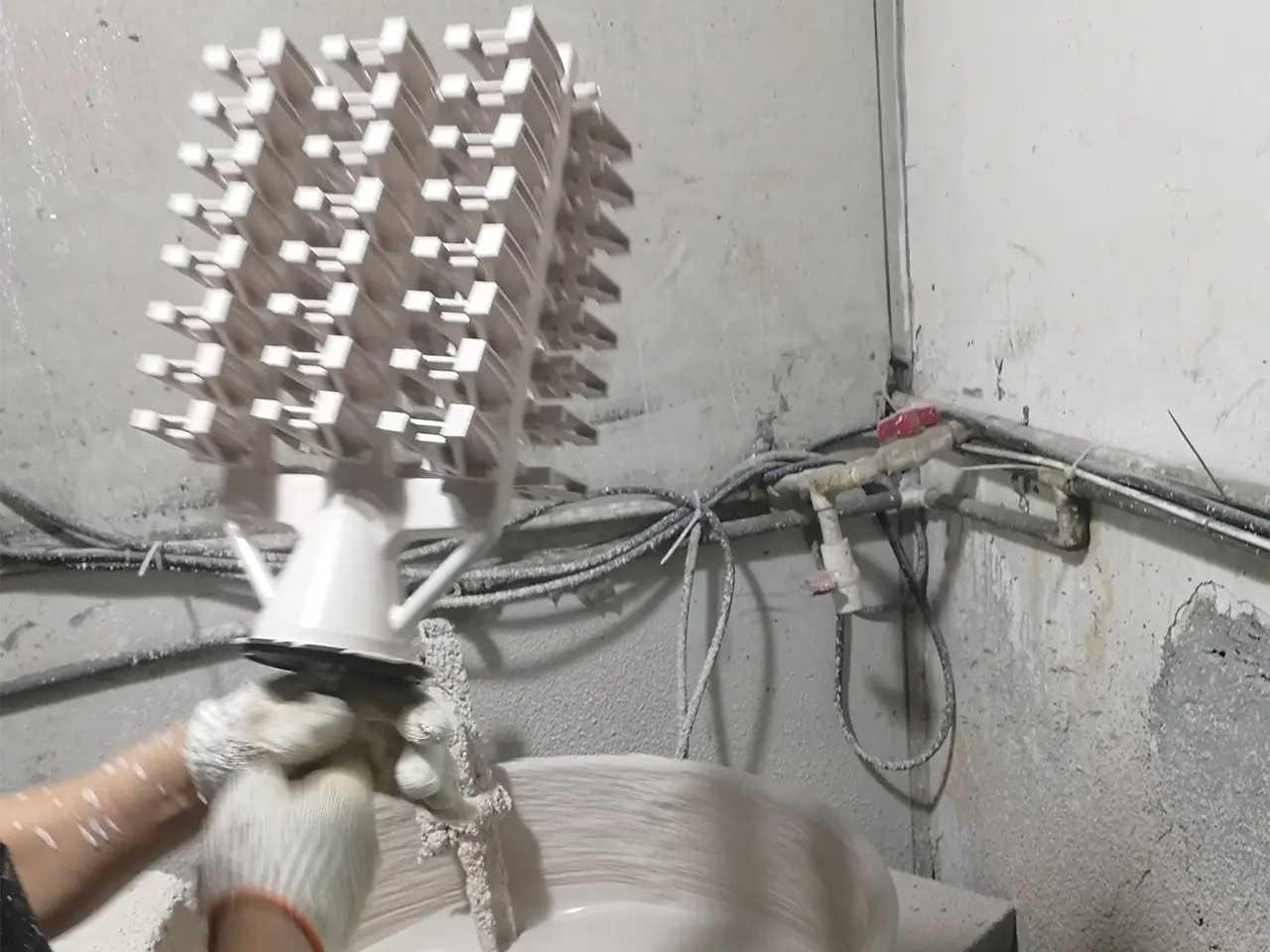
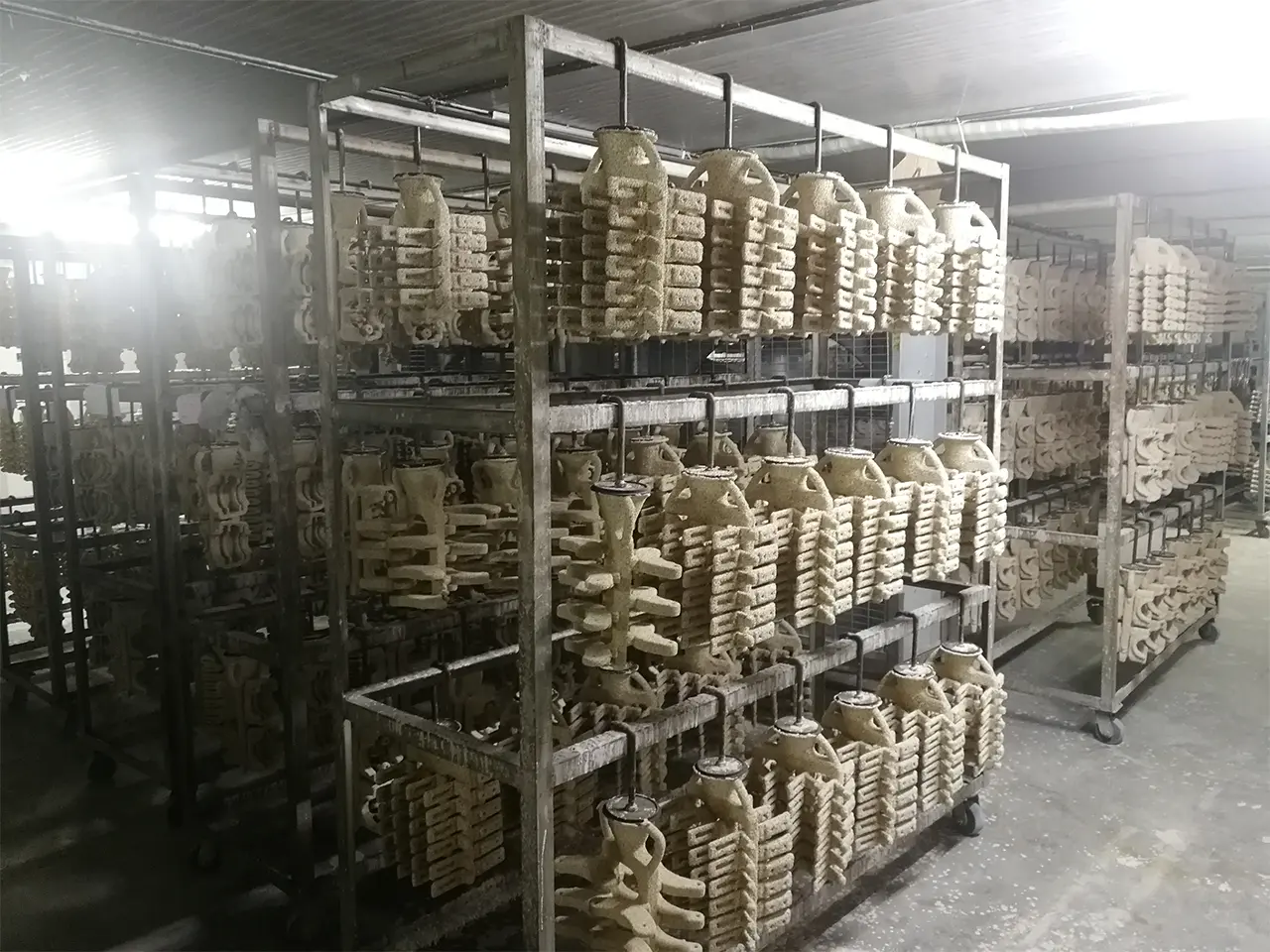
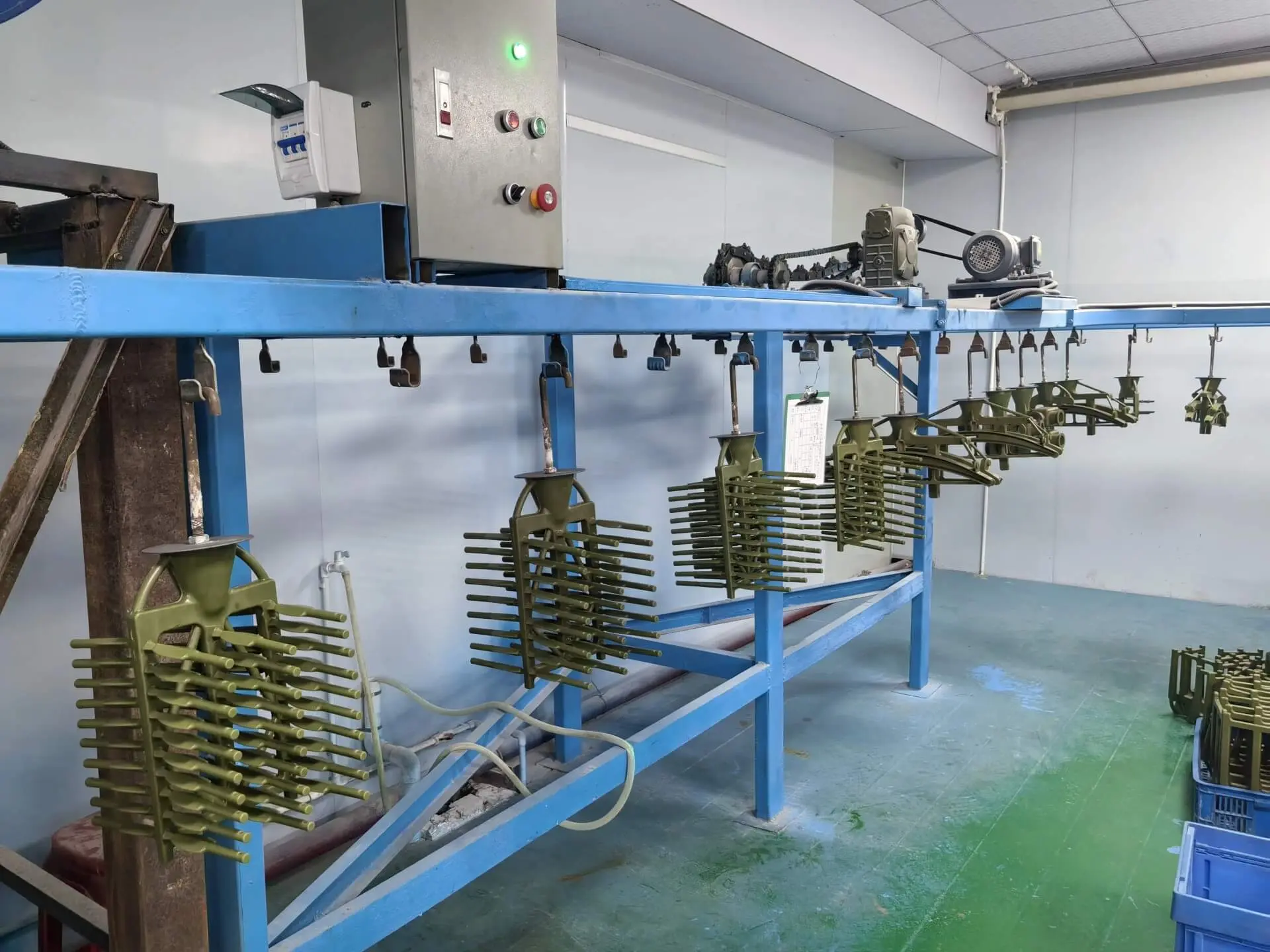
Our workshop is equipped with multi-axis CNC centers, high-pressure injection molding equipment, and automated shell drying lines. This setup supports a stable, high-volume production environment.
By coordinating our casting and CNC tooling, we eliminate common hand-off issues that occur when using separate casting and machining vendors. This unified approach reduces lead times and structural deviations, while lowering processing costs for our customers.
"We have advanced manufacturing equipment and technology and are able to respond quickly to your needs. This integration allows us to achieve production speeds up to 30% faster than traditional, multi-supplier workflows."
A transparent look inside our modern facility, showing our production machinery and workflow layout.
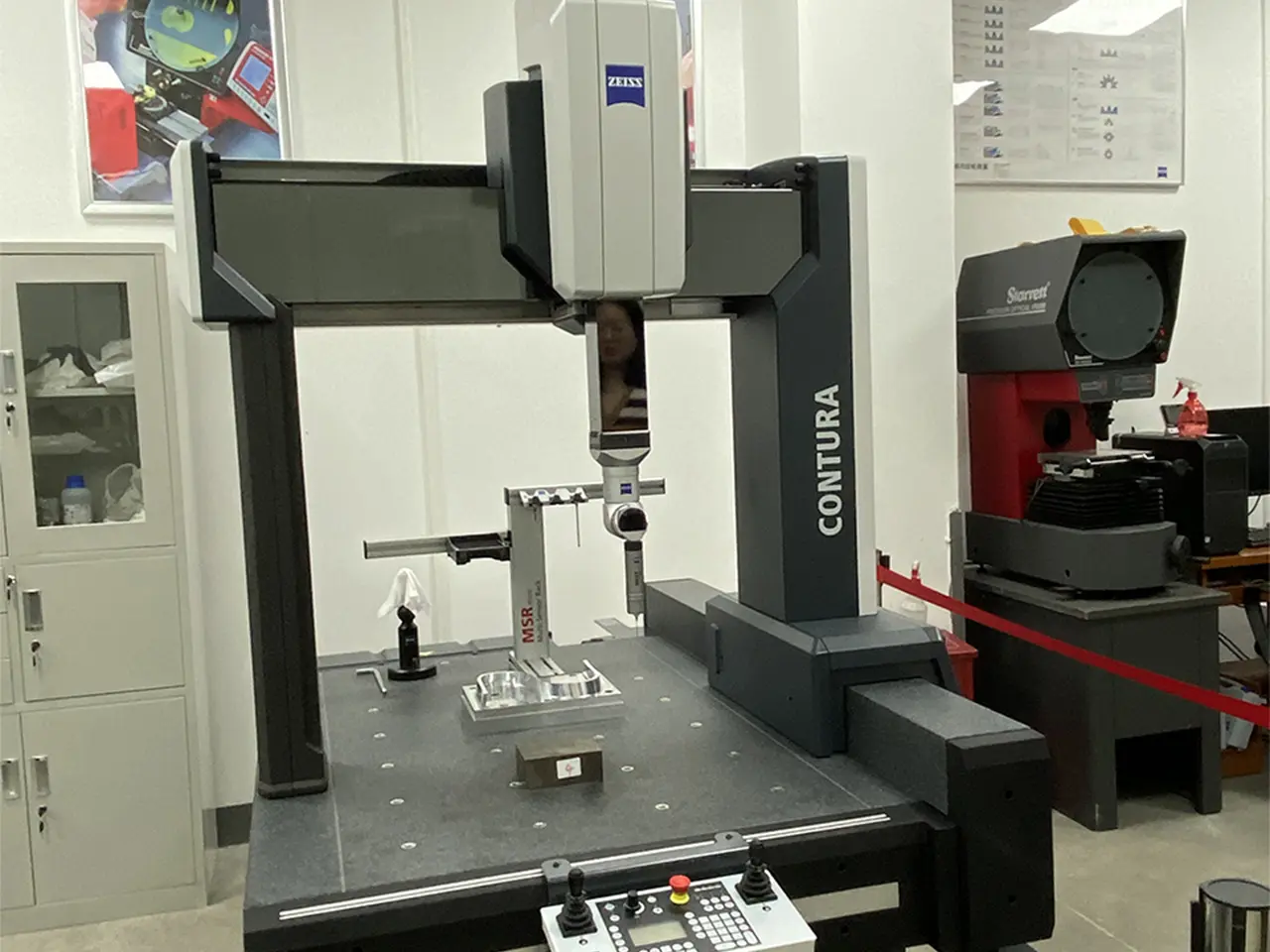
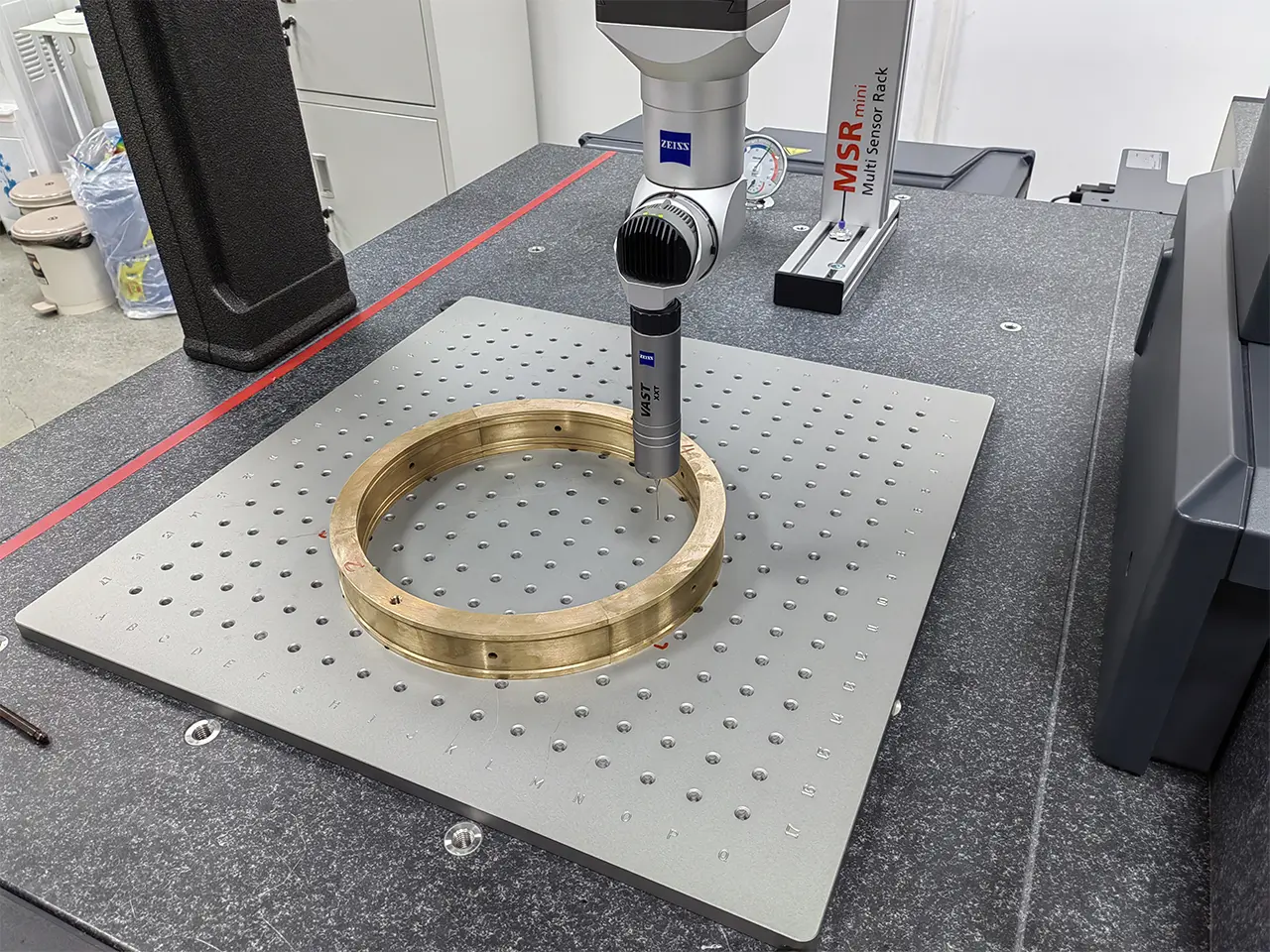
We have professional testing equipment and professional QC personnel, and we adhere to strict tolerances and quality standards for the products we produce. Due to our insistence on strict quality requirements, we have been praised by many customers.
Quality is the cornerstone of the manufacturing industry. We firmly believe that only by controlling quality well can we survive, develop, and get better and better. Therefore, we have been working in this industry unremittingly since 2014 and continue to Improve the company's team and improve the company's production capacity.
Our quality verification processes check parts at every stage of production, rather than just post-production. We use several metrology techniques to confirm parts match design specifications:
How Dongguan's manufacturing cluster helps reduce lead times and buffer against global supply chain volatility.
Located in Dongguan, the manufacturing hub of the Pearl River Delta, we have direct access to container ports in Shenzhen, Guangzhou, and Hong Kong. This provides flexible ocean, air, and express shipping options to keep global freight costs low.
Our proximity to alloy suppliers and specialized raw material markets allows us to source certified carbon steel, stainless steel, and titanium without domestic shipping delays. This regional network reduces material sourcing times, even for custom alloy requirements.
Our relationships with specialized secondary process providers—such as hot isostatic pressing (HIP), anodizing, passivation, and specialized plating—allow us to coordinate complete multi-step production processes under a single quality control standard.
How our precision castings perform in demanding operating environments around the world.
Our lost wax casting services produce components using duplex stainless steels and specialized marine bronze. These materials are chosen to resist chloride pitting, cavitation, and crevice corrosion in marine and offshore engineering environments.
We manufacture precision structural elements for medical mobility devices, such as customized wheelchair components. Utilizing high-strength aluminum and titanium machining, we produce lightweight, wear-resistant parts that meet medical safety standards.
For communication electronics, we design non-standard enclosures and heatsinks that optimize electromagnetic shielding (EMI/RFI) and thermal dissipation. Our parts feature thin-wall castings and precise CNC interfaces.
Integrating digital technologies into our foundry and machining operations to improve precision and efficiency.
We are updating our manufacturing processes to meet the changing demands of industrial sectors. Our technology roadmap focuses on three main developments:
By combining digital simulations, automated inspection, and regional supply chain management, Dongguan SX Technology Co.,Ltd targets a zero-defect production standard for all client lines. We continue to invest in our facility, staff, and quality processes to support the needs of our global customers.
Answering common engineering and sourcing questions about precision casting and CNC machining.
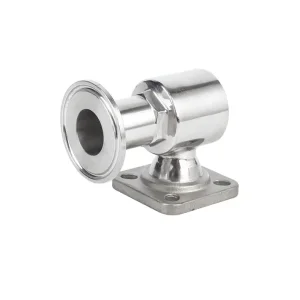
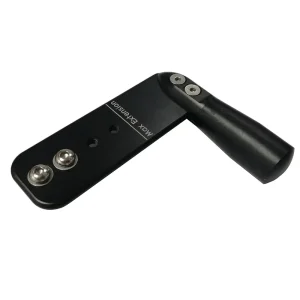
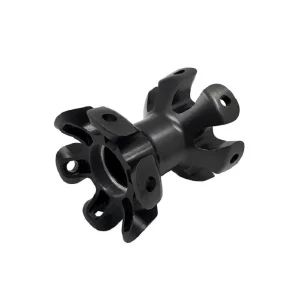
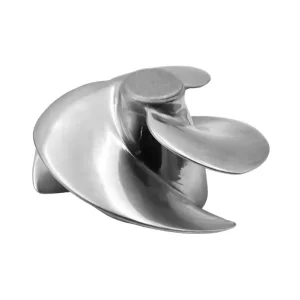
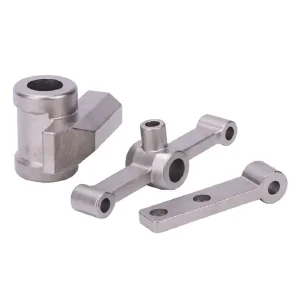
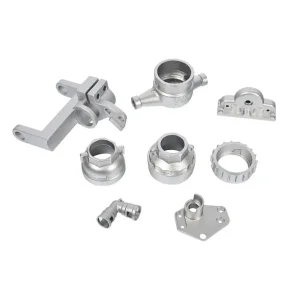
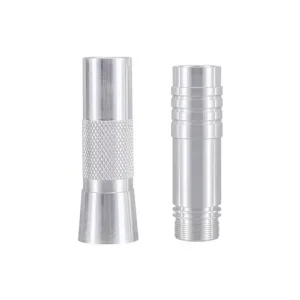
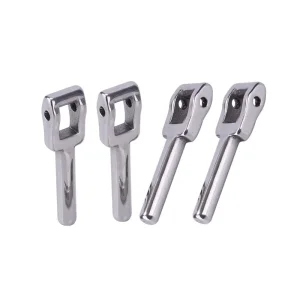
Explore our complex-geometry castings, specialized marine hardware, and high-precision CNC components.
 SX Machining