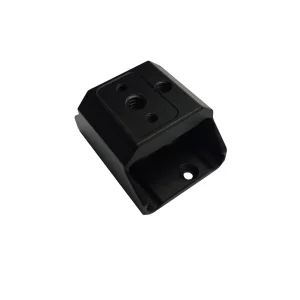
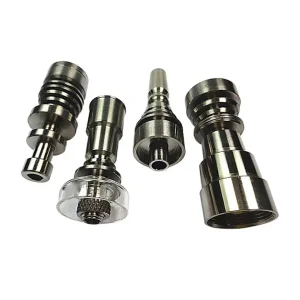
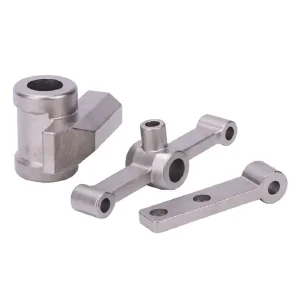
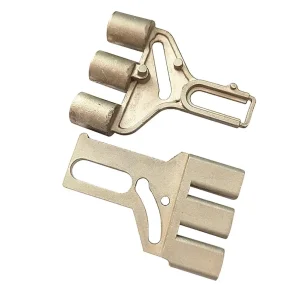
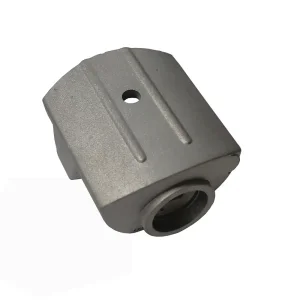
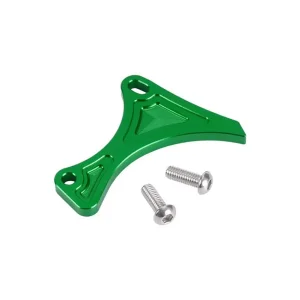
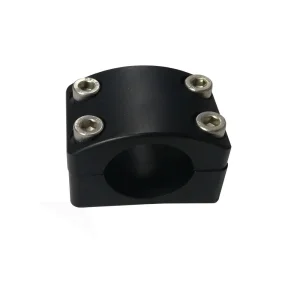
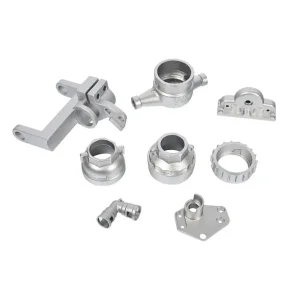
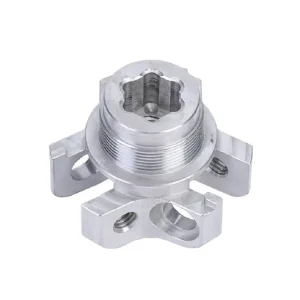
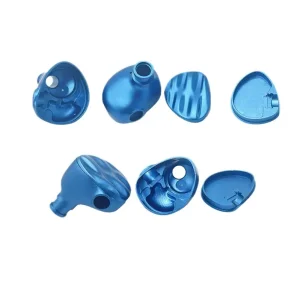
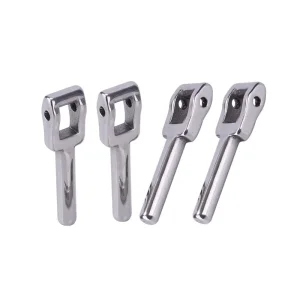
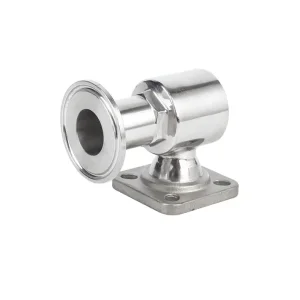
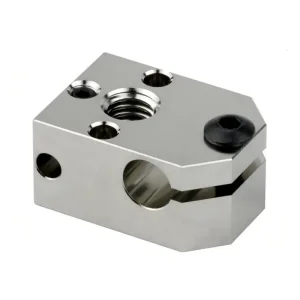
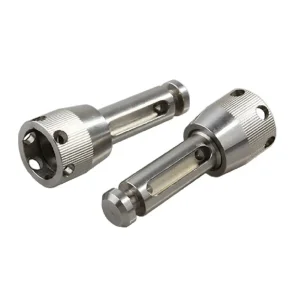
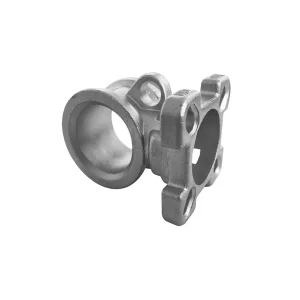
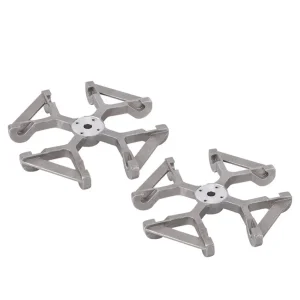
Explore our top OEM investment casting and CNC machined custom parts engineered to strict aerospace, medical, and marine standards.
Stainless steel investment casting (lost wax casting) remains a cornerstone in modern industrial manufacturing. As global supply chains prioritize resilience and precise quality standards, the demand for high-integrity components continues to grow. Industrially advanced regions are leaning into alloy specialization—demanding complex profiles that minimize post-machining waste and offer excellent resistance to oxidation and mechanical wear.
Today, the international market relies heavily on certified manufacturers that bridge metallurgical expertise with robotic precision. From standard austenitic grades (such as SS304 and SS316) to duplex and precipitation-hardening alloys, modern casting processes must handle aggressive physical properties while achieving tight dimensional tolerances. This technological shift is driving deep design-for-manufacturing (DFM) collaborations between global OEMs and skilled foundries.
Leveraging high-precision near-net-shape casting drastically cuts raw material waste by up to 40% and post-processing cycle times by up to 55%. By implementing advanced simulation tools, foundries can eliminate internal defects prior to tooling fabrication, ensuring maximum efficiency.
Founded with a focus on high-precision engineering, Dongguan SX Technology Co.,Ltd offers deep expertise in precision investment casting, CNC machining, and complex assembly solutions. We work closely with partners across diverse industries to deliver reliable components tailored to demanding operating conditions.
Our product portfolio serves critical applications in machinery, automobiles, marine engineering, ships, specialized equipment, industrial valves and pumps, electronic appliances, packaging machinery, watches, construction, and the chemical sector. Our custom investment castings primarily utilize premium stainless steels and carbon steels, while our precision CNC machining department works with advanced alloys including titanium, aluminum, copper, carbon steel, and cemented carbides.
A closer look at how modern metallurgical developments and precise process control ensure structural integrity in challenging environments.
Matching the correct stainless steel grade is vital. Austenitic alloys (like SS316L) offer excellent corrosion resistance in marine and chemical setups. For high wear and structural loads, martensitic or precipitation-hardening grades (like 17-4 PH) provide high tensile strength and hardness after heat treatment.
Our lost wax process enables complex internal paths and thin-walled structures that are difficult or impossible to machine from solid billets. This minimizes material waste and cuts down the run times of secondary CNC milling and turning operations.
Controlling thermal solidification profile during cooling avoids macro-porosities and refines the alloy's crystalline structure. This yields castings with improved fatigue life, high pressure ratings, and reliable mechanical properties.
| Material Grade | Alloy Class | Key Properties | Typical Industrial Applications |
|---|---|---|---|
| ASTM A351 CF8M (316 equivalent) | Austenitic Stainless Steel | High molybdenum content, exceptional resistance to pitting & chloride corrosion, ductile. | Marine hardware, chemical process valves, food processing pumps. |
| ASTM A351 CF8 (304 equivalent) | Austenitic Stainless Steel | Good general corrosion resistance, excellent weldability, and high toughness. | Daily hardware, architectural elements, automotive exhaust manifolds. |
| 17-4 PH (AISI 630) | Precipitation Hardening | Ultra-high yield strength, good corrosion resistance, wear resistant through aging treatment. | Aerospace linkages, pump shafts, defense components, hydraulic parts. |
| Duplex 2205 (SAF 2205) | Ferritic-Austenitic Duplex | Double the yield strength of austenitic grades, outstanding resistance to stress corrosion cracking. | Offshore oil and gas pipelines, desalination pumps, chemical process vessels. |
Equipped with advanced machinery and optimized layout workflows to ensure high-throughput and consistent manufacturing quality.
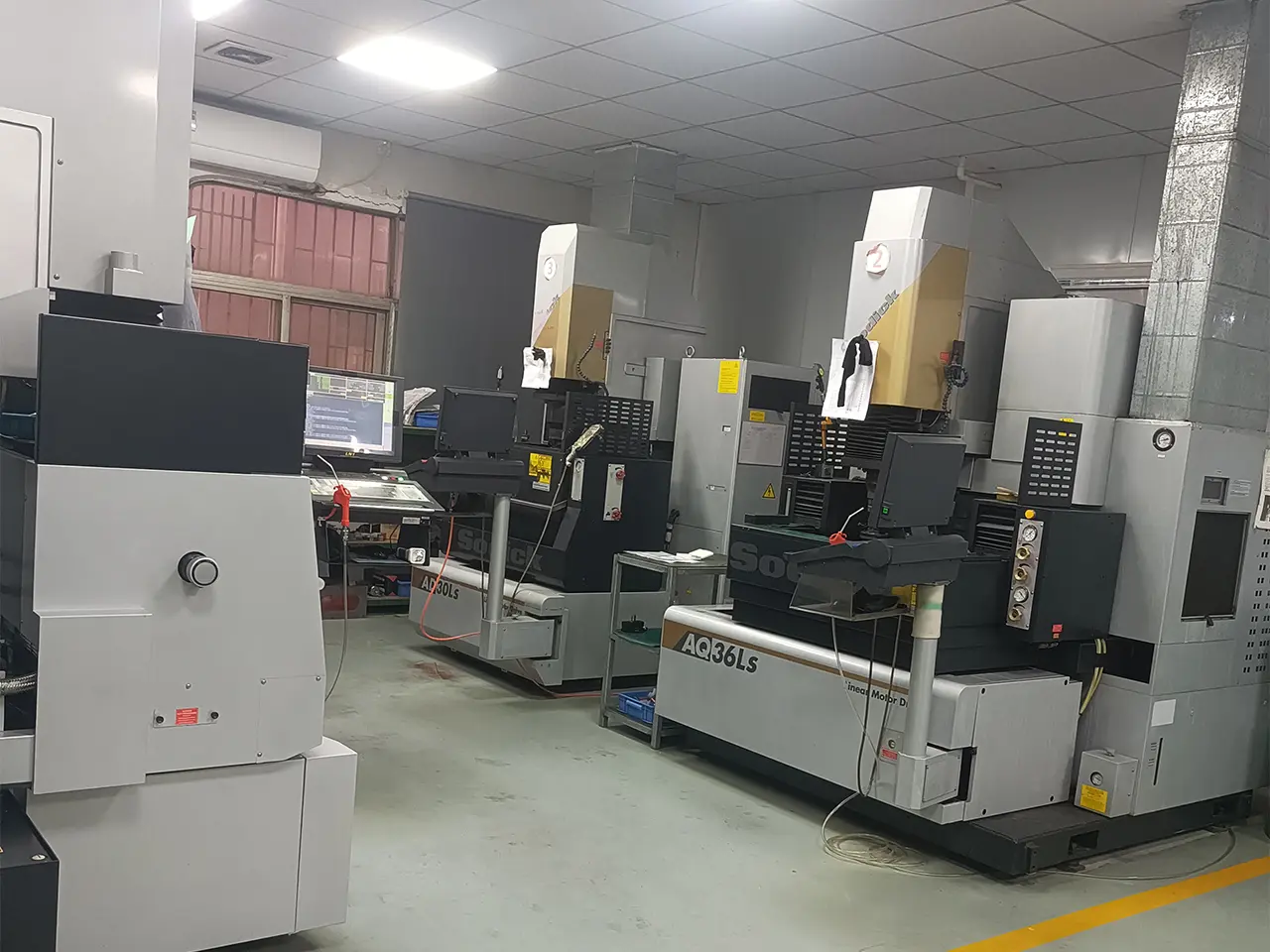
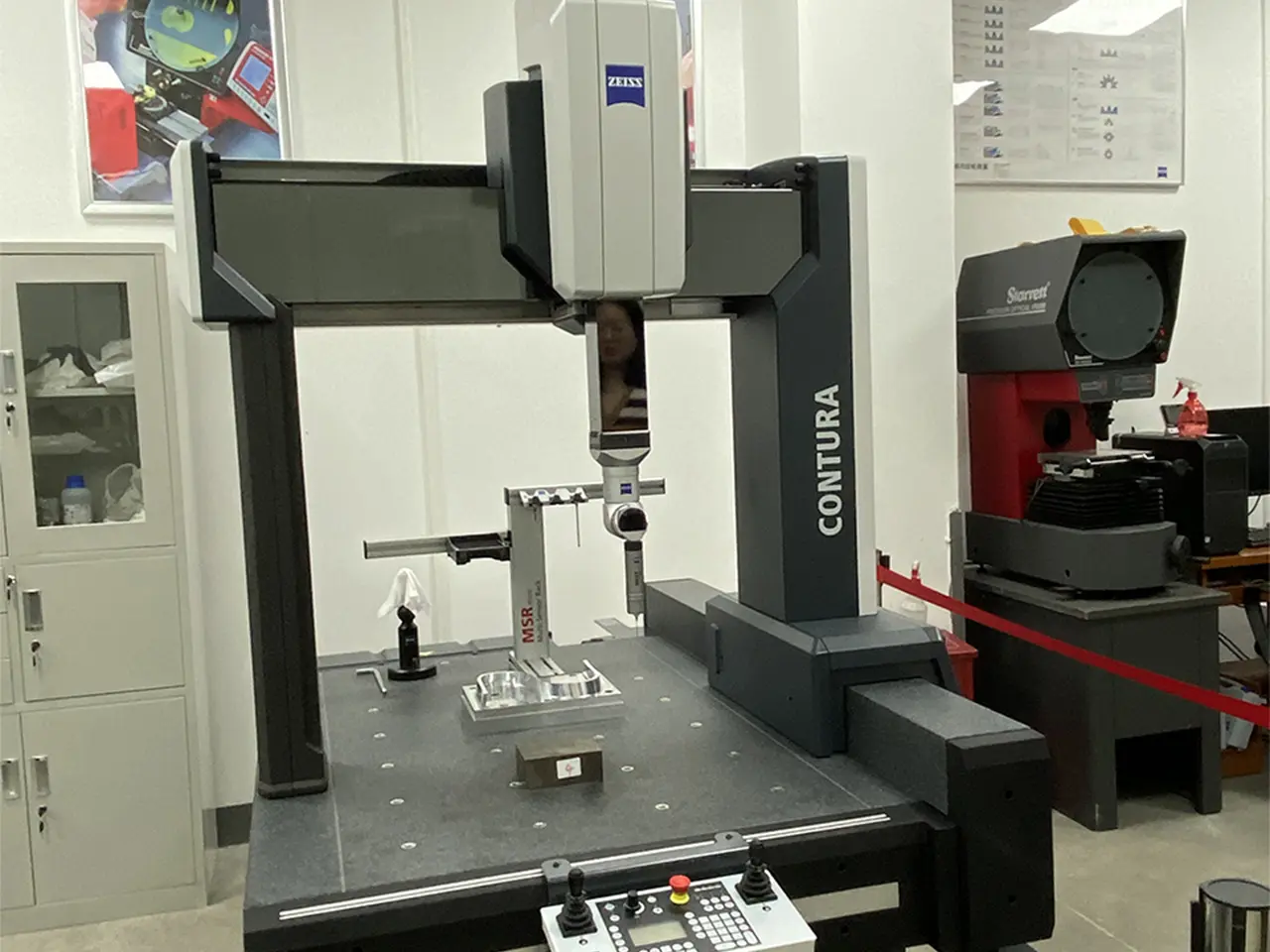
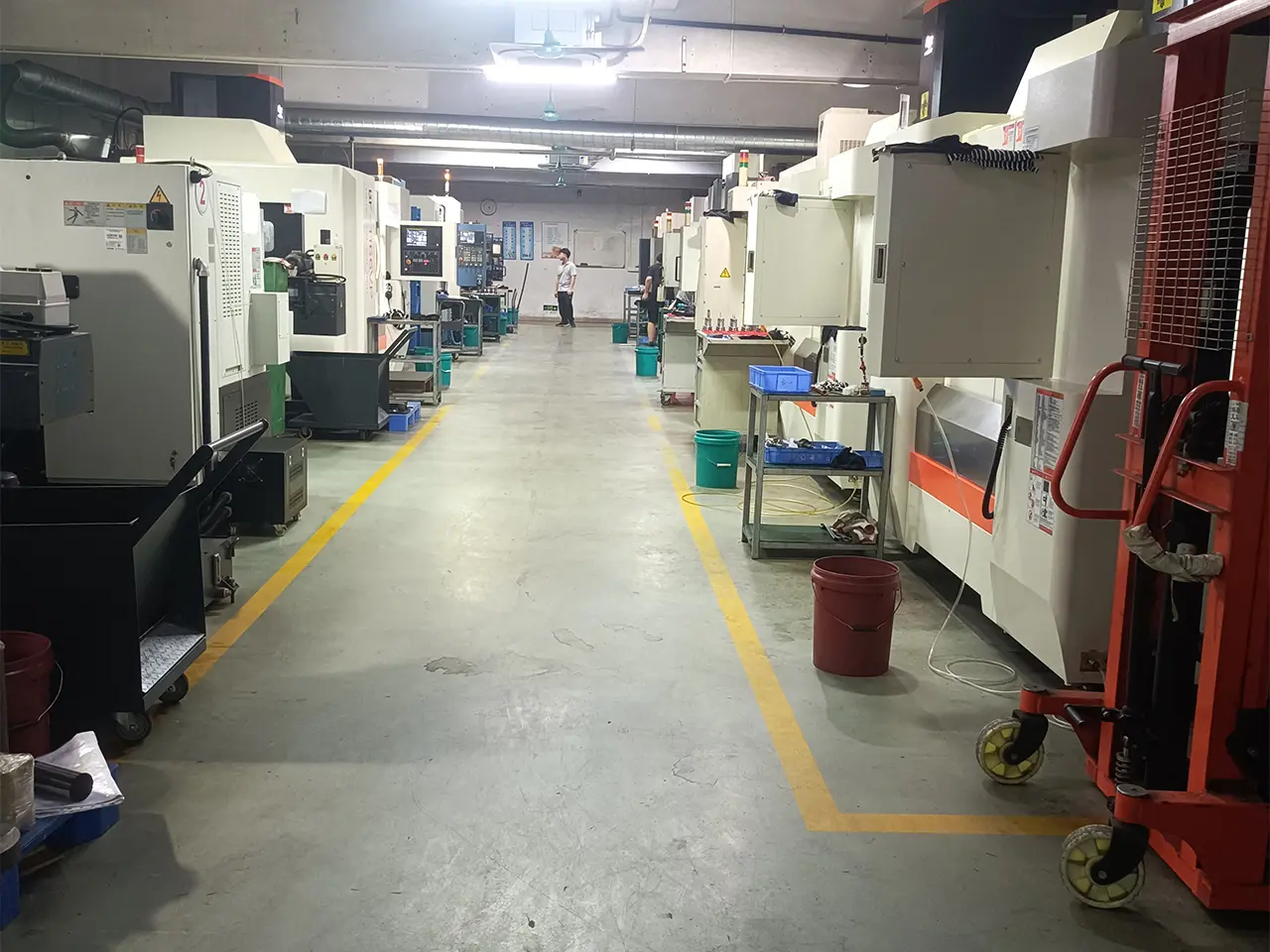
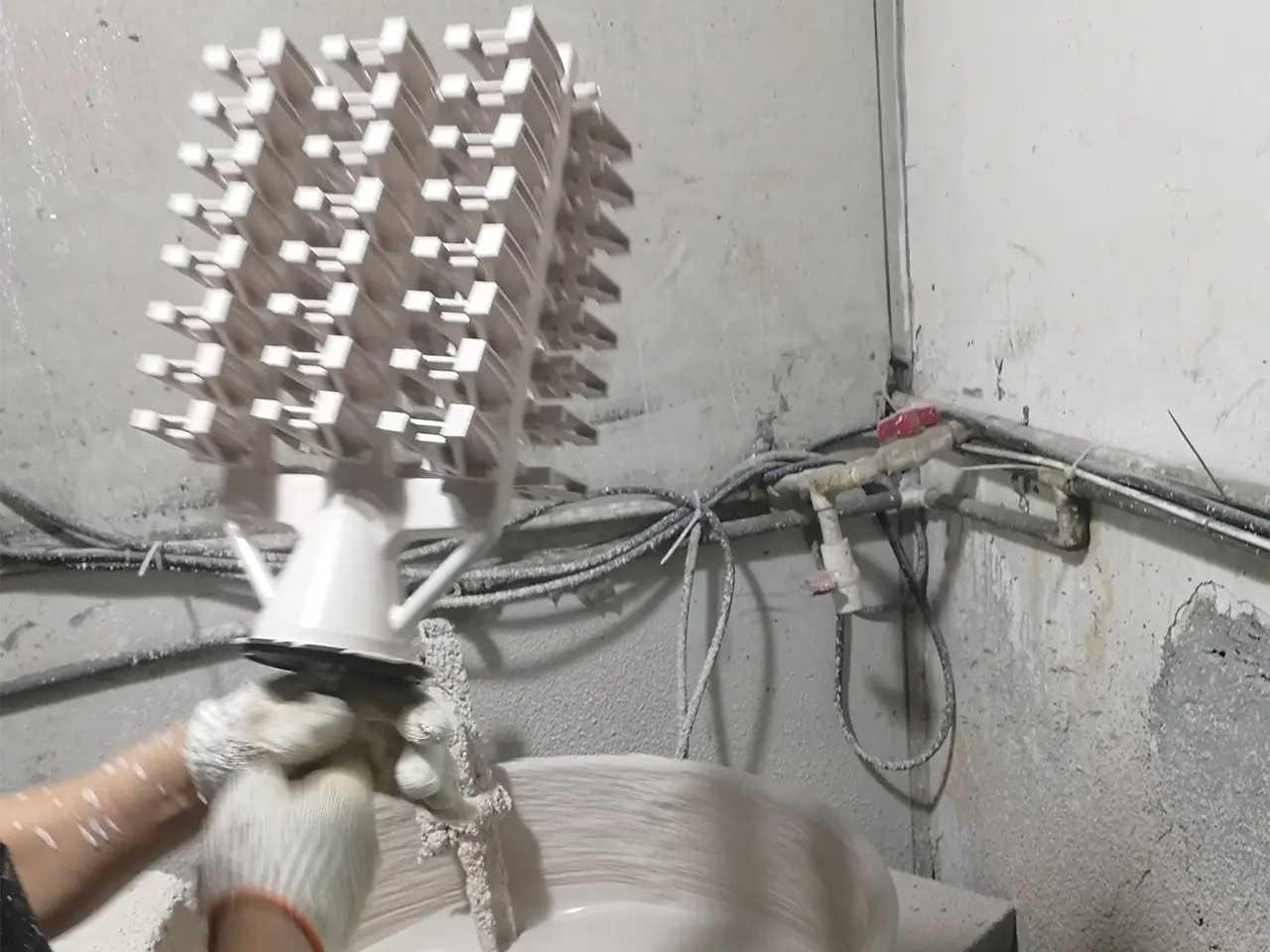
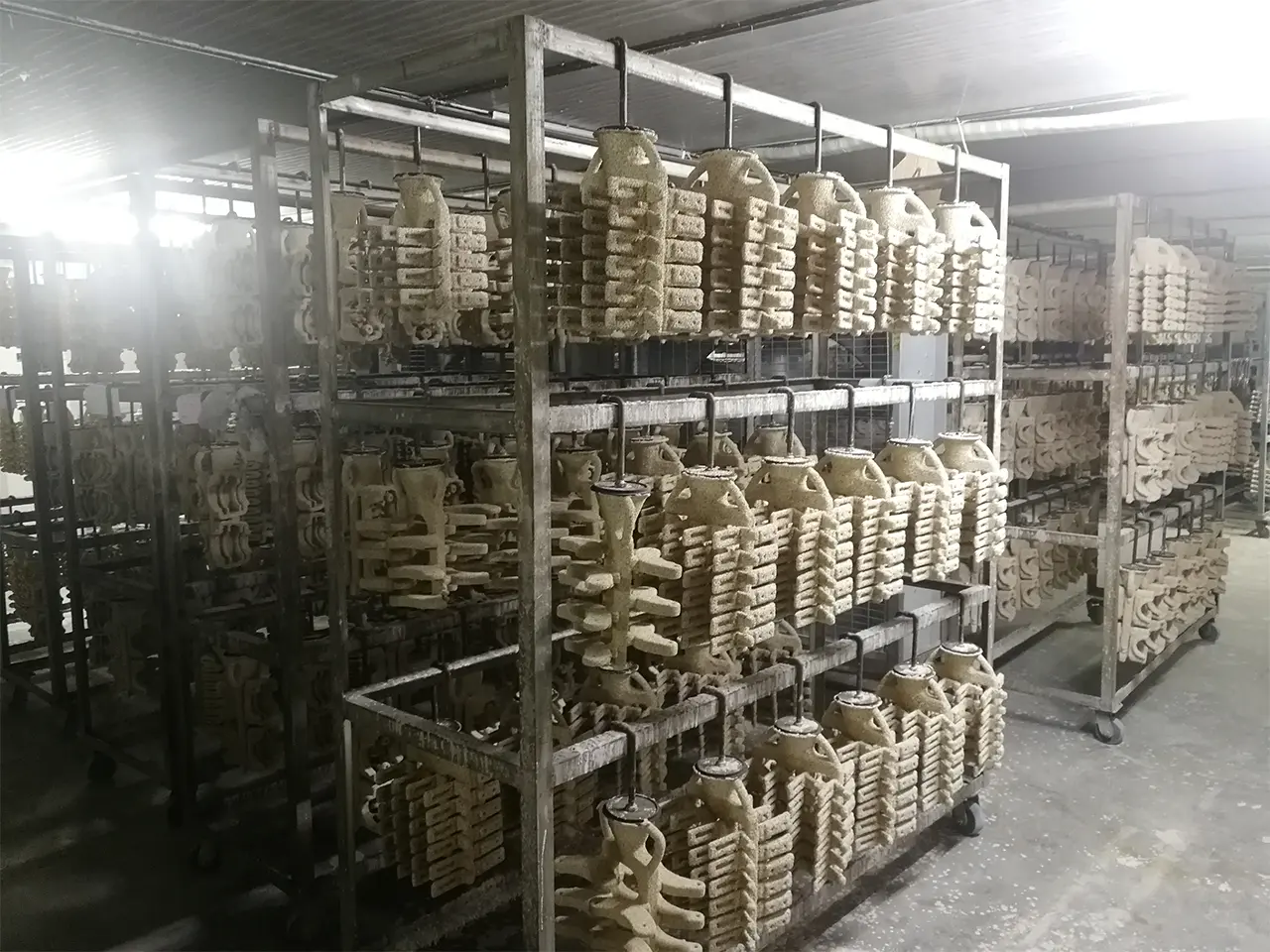
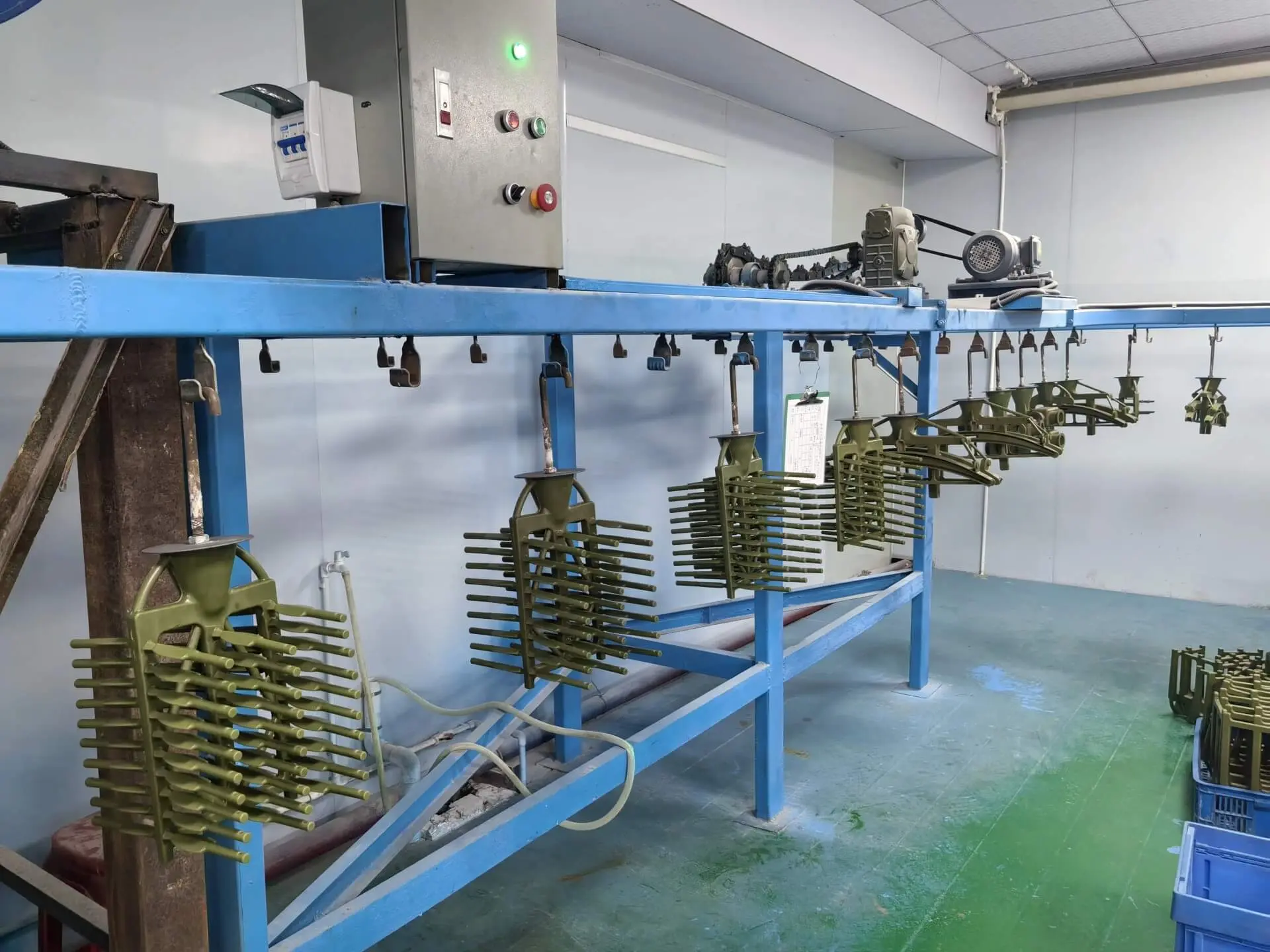
How we address engineering challenges with targeted casting and post-machining strategies for demanding industrial applications.
Challenge: Saltwater exposure causes pitting, crevice corrosion, and stress cracking in subsea equipment.
Solution: We cast high-integrity valve components, propellers, and dock hardware using premium CF8M/CF3M stainless steels. Post-casting solution annealing restores alloy structures for long-term durability.
Challenge: Internal fluid friction and turbulence cause erosion-corrosion paths in complex impellers and manifold systems.
Solution: Smooth internal passages are cast using high-definition lost wax molds. Secondary CNC operations turn and thread gasket faces with tight precision to ensure leak-free operation.
Challenge: Heavy agricultural machinery and mining tools require impact and abrasion resistance under dynamic loads.
Solution: Utilizing medium carbon steels and alloyed stainless steels, we apply specialized hardening cycles. This ensures high structural integrity and reduces fatigue cracking under severe operation.
Quality is the cornerstone of the manufacturing industry. We firmly believe that only by controlling quality well can we survive, develop, and continue to grow. Therefore, we have been working in this industry since 2014, expanding our team's capabilities and manufacturing standards.
We maintain professional testing equipment and a dedicated QA/QC team to uphold tight tolerances and strict quality benchmarks for our products. By ensuring every casting matches material chemistry and dimensional profiles, we help minimize field failures for our global partners.
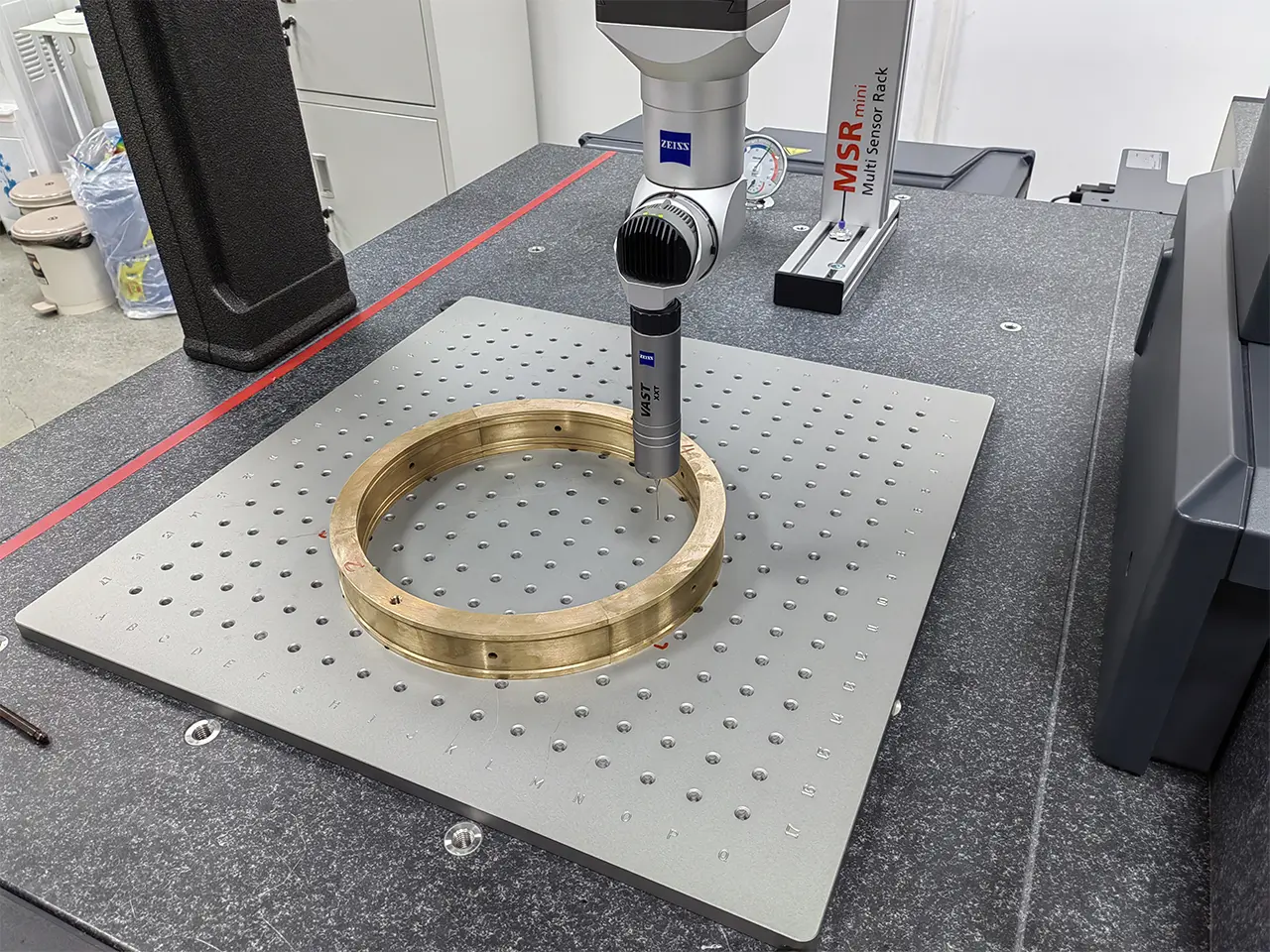
Adapting to global manufacturing trends through process innovation, digitization, and sustainable practices.
Utilizing software simulation helps visualize melt temperature distribution, gating pathways, and cooling profiles before tooling production. This cuts development costs, prevents internal shrinkage voids, and speeds up time-to-market.
Combining additive manufacturing with casting enables rapid prototyping without traditional hard tooling. This approach is ideal for low-volume production, replacement parts, and complex geometries that are otherwise costly to produce.
Implementing regenerative burners, optimizing scrap melt induction loops, and reclaiming molding sand are key steps in reducing energy footprint and carbon emissions per ton of cast metal.
Technical answers to common questions about OEM stainless steel casting, tooling, tolerance standards, and production logistics.
Typically, investment castings achieve linear tolerances of ±0.1mm to ±0.2mm per 25mm of dimension, following the ISO 8062 CT4 to CT6 standards. For features requiring tighter tolerances (such as bearing seats or sealing faces), secondary CNC milling and grinding are utilized to achieve precision within ±0.005mm.
Investment casting (lost wax) offers far superior surface finish (typically Ra 3.2 to 6.3 μm vs. Ra 12.5+ μm for sand casting), sharper detail, thinner wall capabilities, and tighter tolerances. This drastically reduces the need for expensive secondary machining, although tooling costs are generally higher than sand casting.
Every melt batch undergoes spectrometer testing prior to pouring. We can provide standard material test reports (MTRs) containing quantitative elemental composition data, and physical property certification (tensile, hardness, impact) based on testing cast coupons from the same heat.
For custom OEM molds, engineering design validation and tooling fabrication typically take 15 to 25 days. Once the tooling is approved, sample castings are poured, processed, and checked, taking another 10 to 15 days depending on the complexity of the part and secondary machining requirements.
Explore our industrial range of titanium CNC parts, custom marine hardware, and high-performance valves.
 SX Machining