 SX Machining
1 / 5
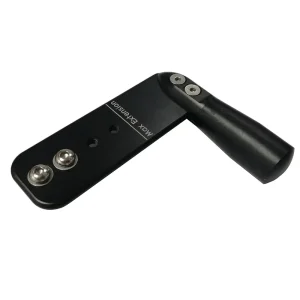
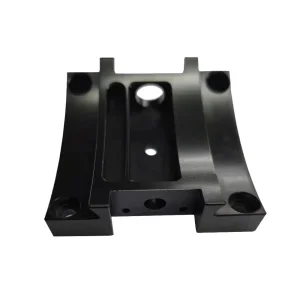
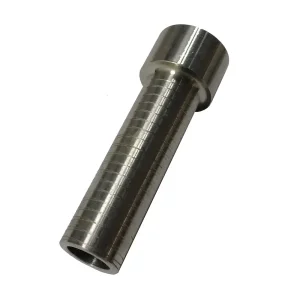
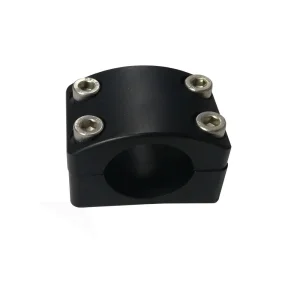
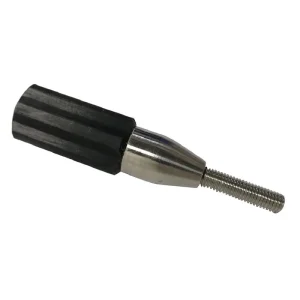
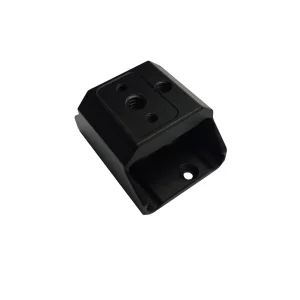
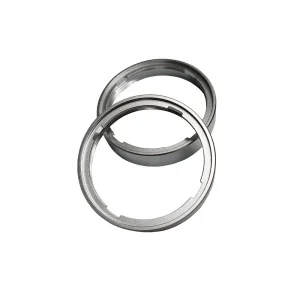
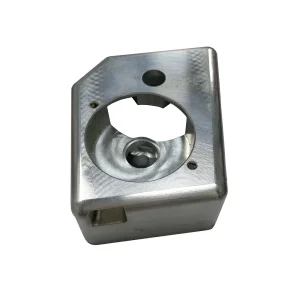
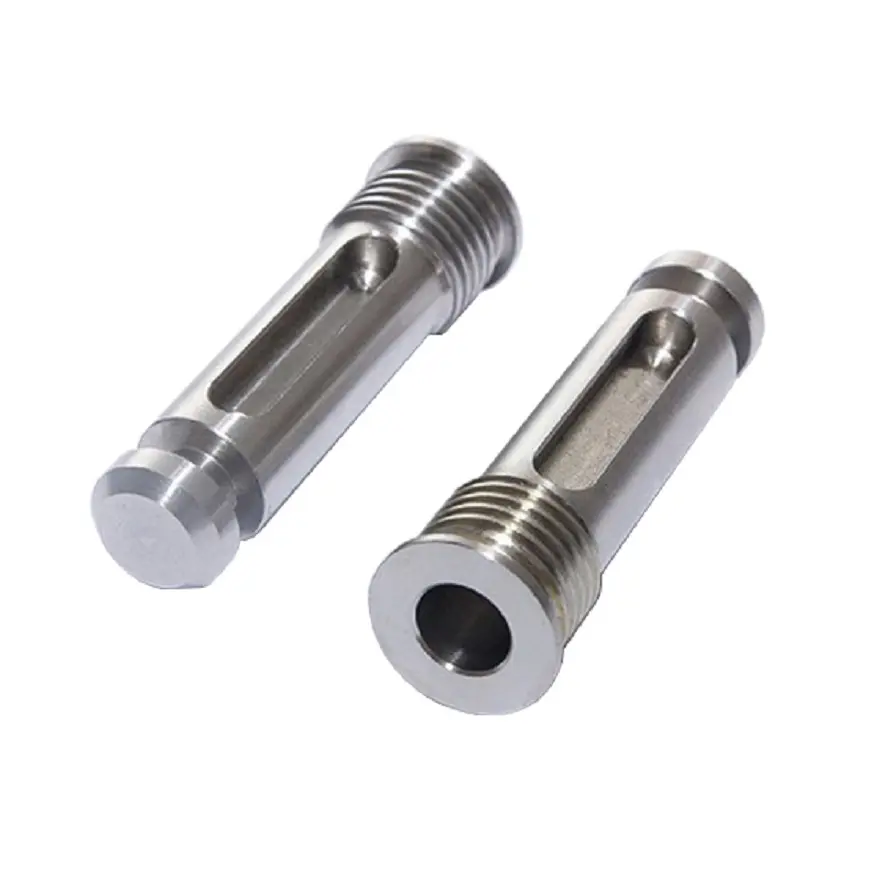
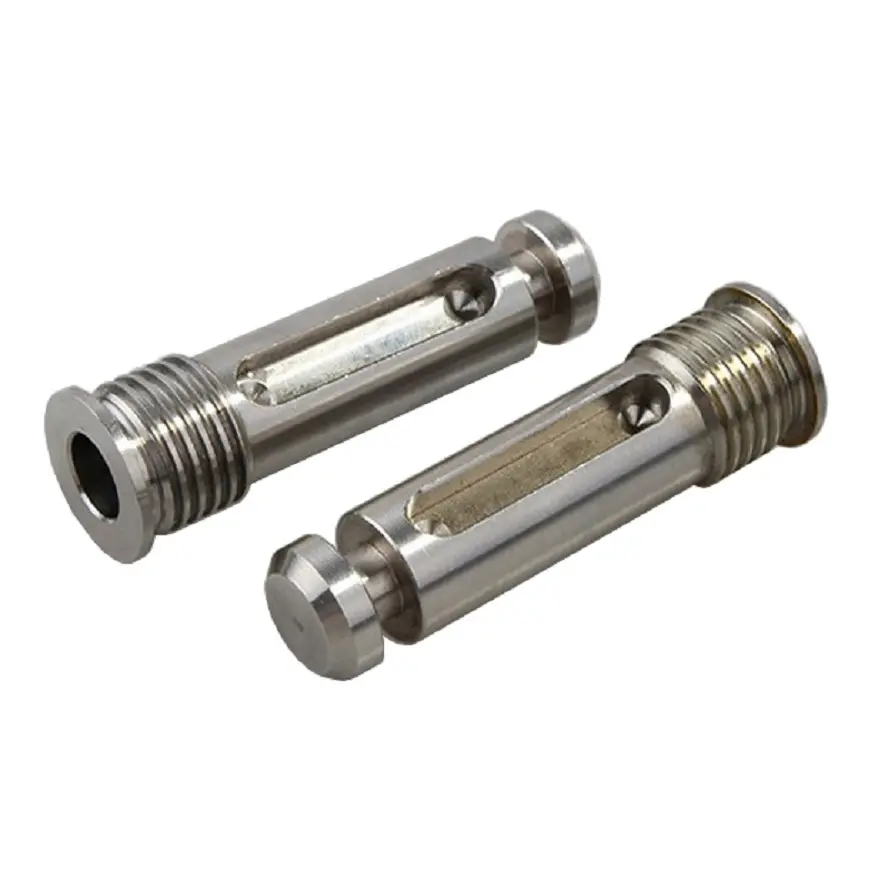
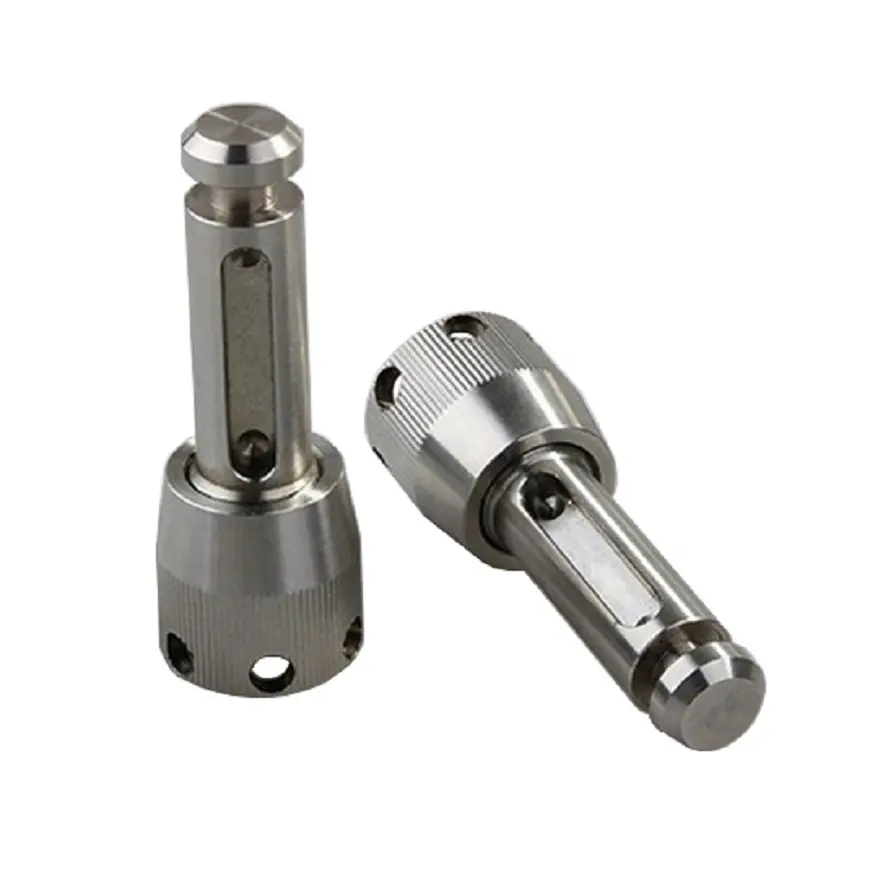
The machining of titanium alloy components typically includes CNC machining, thermal processing, chemical processing, and electrical machining, among others. Among these, CNC machining refers to the precision forming of titanium alloy materials using metalworking machine tools. Known for its high precision and efficiency, CNC machining is widely used in manufacturing various titanium alloy products, such as custom titanium bolts, nozzle components, satellite brackets, marine parts, and marine hardware. Common CNC machining techniques include milling, turning, boring, grinding, and drilling. Selecting the appropriate machining method ensures optimal utilization of titanium alloy's unique properties—such as high strength-to-weight ratio and corrosion resistance—to meet diverse industrial demands. Due to its versatility and reliability, titanium CNC machining remains one of the most prevalent manufacturing methods for titanium alloy components in industries like aerospace, marine engineering, and high-performance automotive sectors.
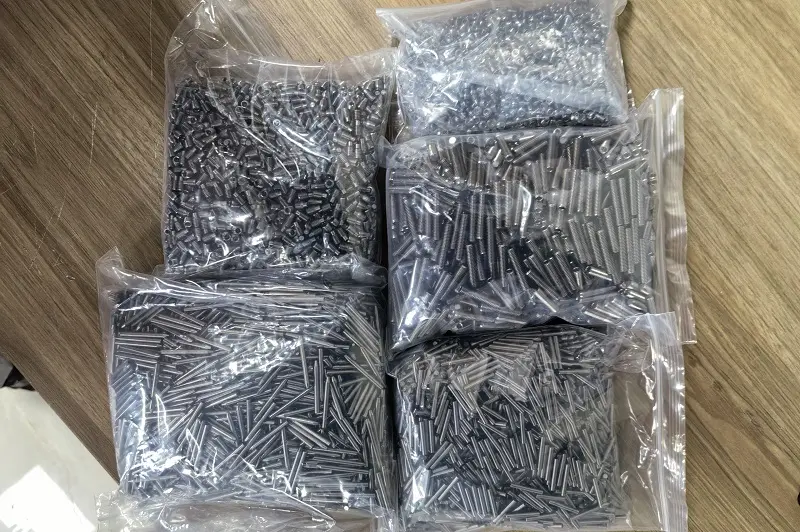
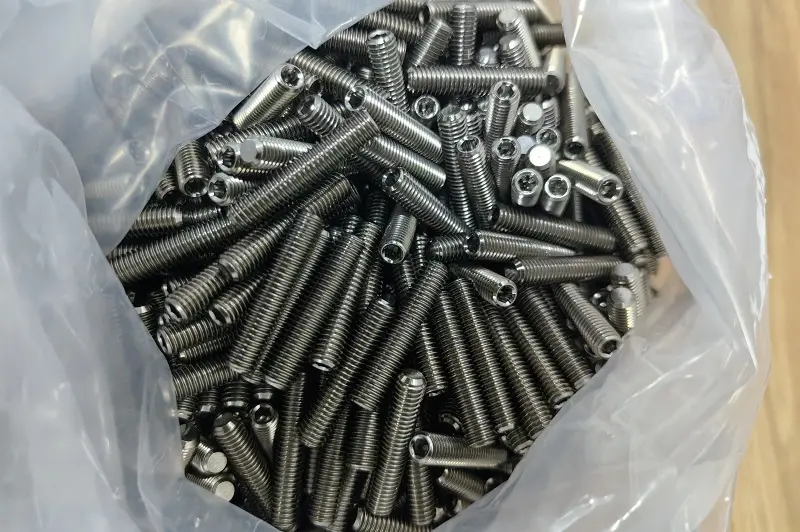
Despite its relatively short history of application, titanium and its alloys have earned prestigious titles such as "space metal" due to their exceptional properties. Known for their light weight, high strength, and heat resistance, titanium alloys are particularly suitable for manufacturing aerospace components and parts used in extreme environments. CNC machining is a widely adopted method for processing titanium alloy parts; however, due to titanium's poor thermal conductivity and high hardness, machining requires advanced machine tools, specialized cutting tools, and optimized parameters. For instance, critical components like titanium alloy bolts are predominantly produced using CNC machining to ensure precision and structural integrity.



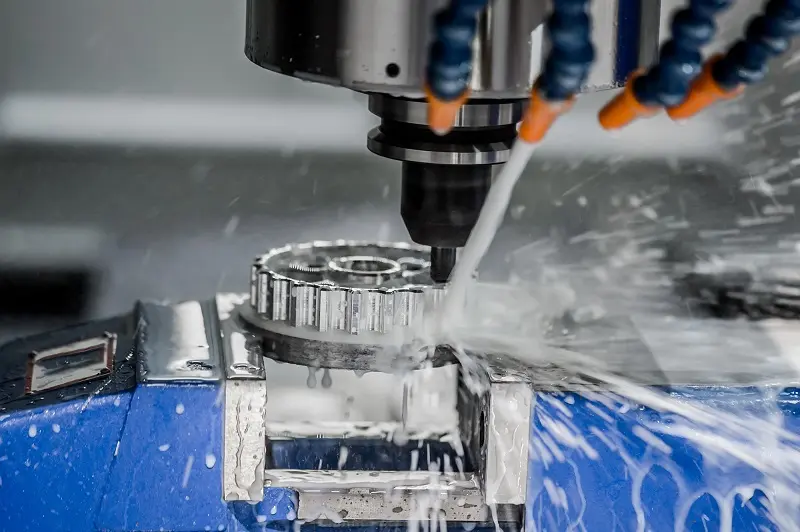
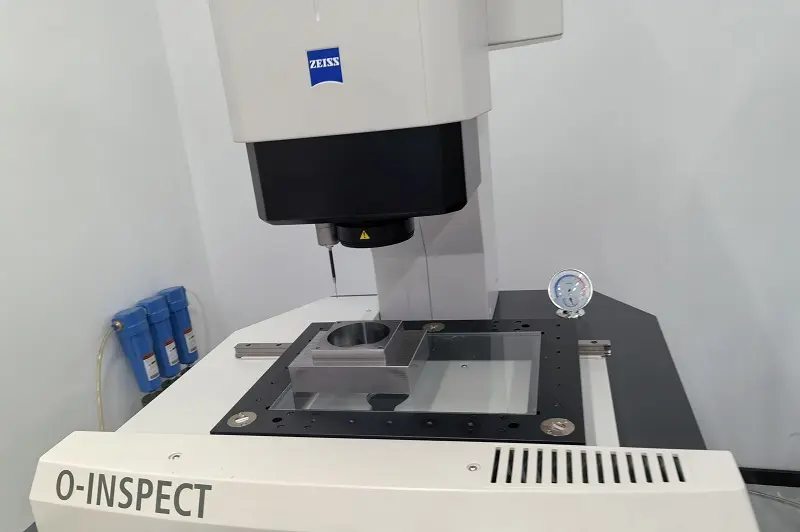
We offer comprehensive CNC machining services for a wide variety of titanium alloy components along with professional surface treatment solutions. Our precision-engineered titanium parts are extensively utilized in demanding applications across marine engineering projects, shipbuilding components, and critical medical equipment manufacturing, leveraging titanium's exceptional corrosion resistance, high strength-to-weight ratio, and biocompatibility to meet the stringent requirements of these specialized industries.
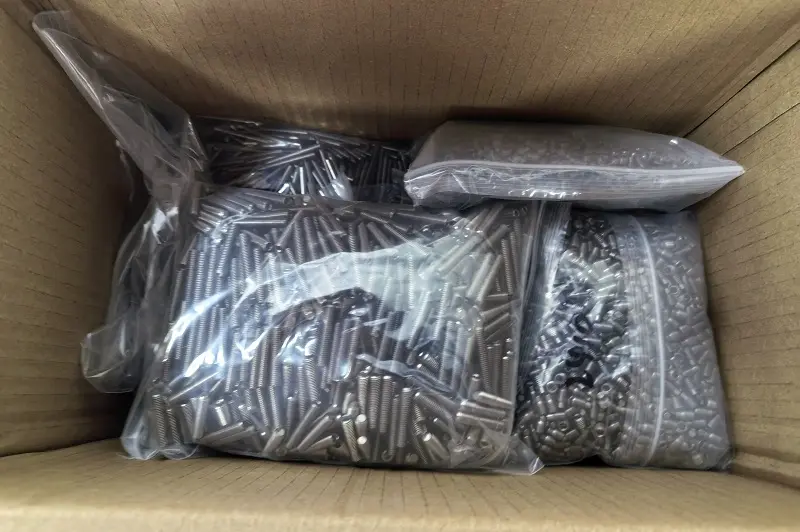
Common CNC machining methods for titanium alloys include milling, turning, boring, grinding, and drilling. Choosing the right method depends on the design specifications and desired characteristics of the finished component.
Titanium and its alloys are known as "space metals" because of their outstanding physical properties, including high strength-to-weight ratio, exceptional heat resistance, and structural stability in extreme environments.
Due to titanium's low thermal conductivity and high hardness, it generates significant heat during cutting. This requires specialized cutting tools, advanced CNC machine tools, and carefully optimized machining parameters to avoid tooling wear and maintain precision.
Precision titanium parts are widely utilized in aerospace, marine engineering, shipbuilding, high-performance automotive manufacturing, and medical equipment production, where high corrosion resistance and biocompatibility are crucial.
CNC machining is ideal for manufacturing precision fasteners like custom titanium bolts, nozzle components, satellite brackets, marine hardware, and high-durability internal medical parts.