Direct engineering solutions designed for medical, automotive, aerospace, and maritime applications across Cairo, Alexandria, and the Suez Canal industrial zones.
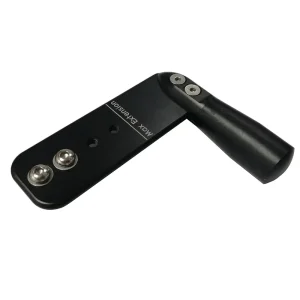
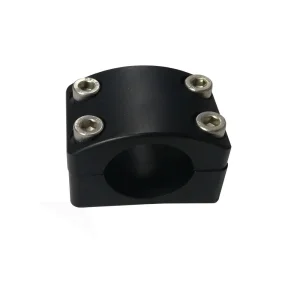
Egypt is currently experiencing a historic manufacturing transformation. Guided by Egypt Vision 2030, the nation is actively shifting from an import-dependent economy into a highly localized industrial powerhouse. Central to this transition is the development of key economic clusters: the Suez Canal Economic Zone (SCZONE), the automotive production hubs in East Port Said, and the medical manufacturing expansions in New Cairo.
To sustain this growth, domestic Egyptian enterprises require a reliable supply of high-precision components that comply with global tolerances. From high-grade aluminum brackets for solar energy installations in Benban to surgical-grade stainless steel turning components for Cairo’s healthcare industry, CNC machining is the bedrock of local supply chain independence.
As an established partner serving Egyptian engineering teams, Dongguan SX Technology Co.,Ltd bridges the gap between raw prototype development and large-scale, high-tolerance production. By utilizing 5-axis milling, Swiss-type CNC turning, and advanced materials engineering, we ensure that Egyptian OEMs receive components that match the strictest international specifications.
Providing integrated casting and multi-axis CNC machining pathways for the complex assembly challenges faced by modern Egyptian manufacturers.
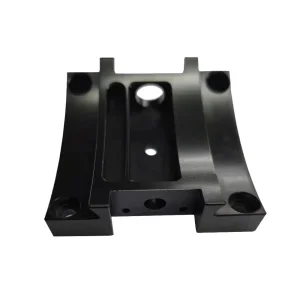
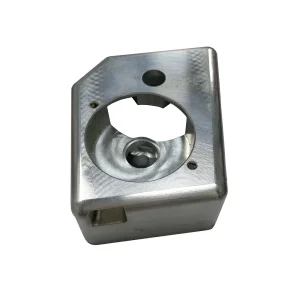
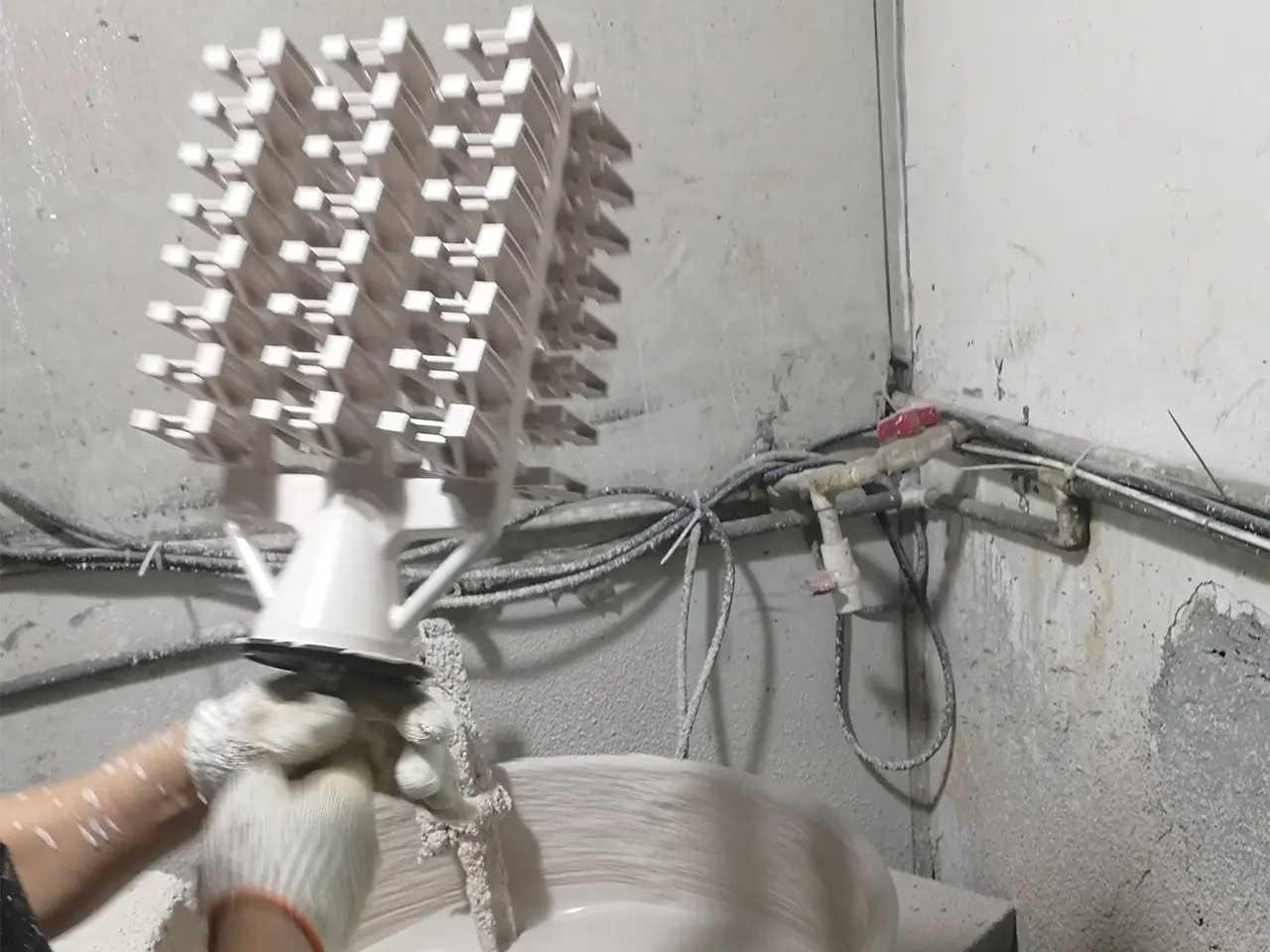
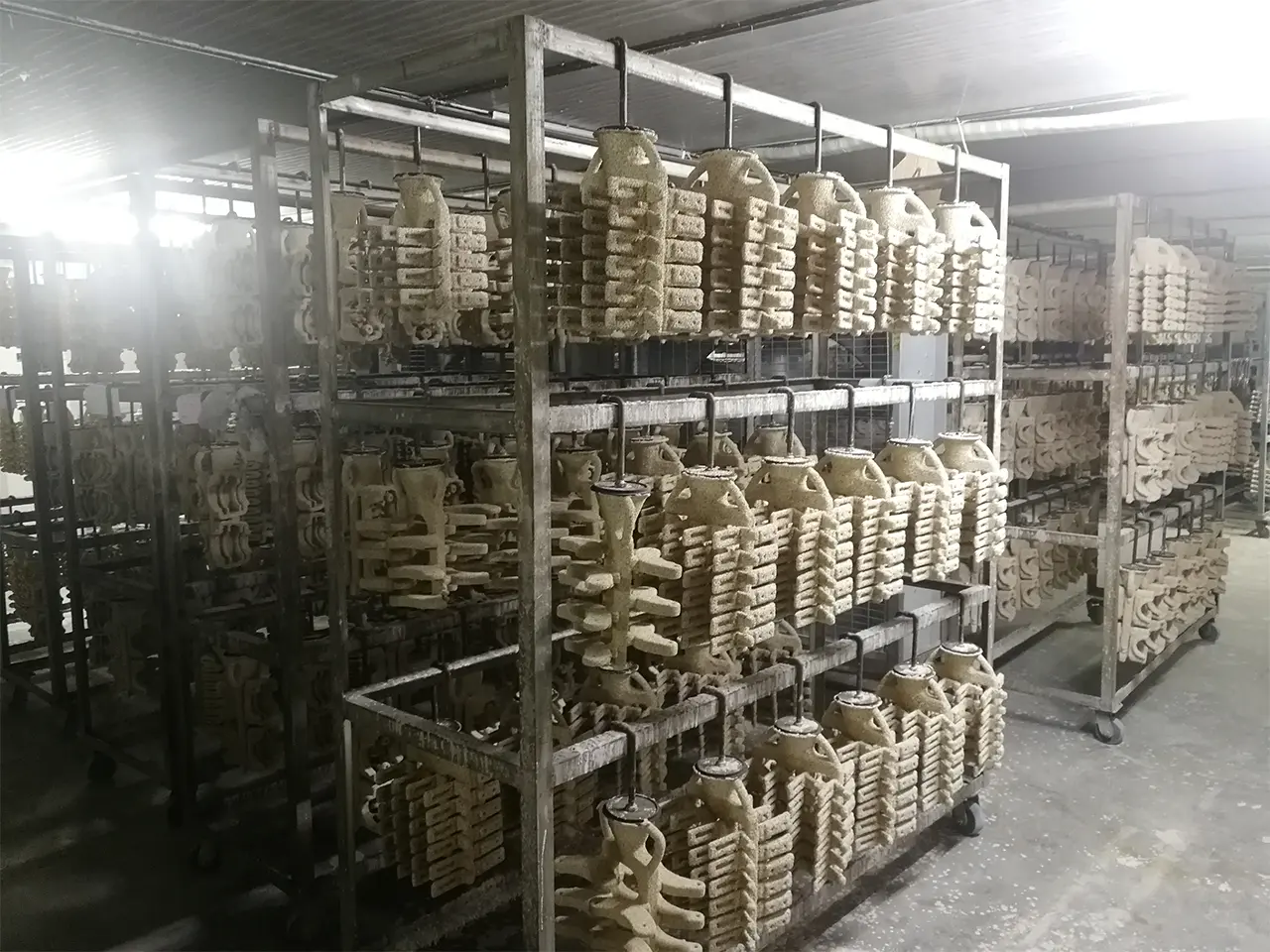
Dongguan SX Technology Co.,Ltd offers a comprehensive production workflow. For structural components that require high-strength bases, we leverage investment casting in carbon steel and stainless steel. The cast parts are subsequently machined on our precision CNC platforms to achieve critical fits, offering an optimized balance of cost and performance.
We machine titanium alloys (such as Grade 5 Ti-6Al-4V for medical applications), stainless steel (304, 316, 17-4 PH for marine and pump assemblies), copper alloys, brass, and cemented carbides. This capability enables local developers to source parts optimized for chemical resistance, high thermal conductivity, or intense mechanical strain.
For Egyptian product developers in Giza and Cairo, we drastically shorten the design loop. By accepting native STEP/IGES files, we generate instant DFM (Design for Manufacturability) analysis, highlighting draft angles, pocket depths, and potential tooling limitations before manufacturing begins.
"We have advanced manufacturing equipment and technology and are able to respond quickly to your needs. Our integrated supply chain approach minimizes production errors and guarantees exact material chemistry."
Our products serve critical industrial frameworks: heavy machinery components, automotive structural nodes, marine transport equipment, high-pressure valves & fluid pumps, electronic shielding, and precision timepieces. This broad industrial reach allows us to cross-pollinate engineering knowledge across sectors, ensuring that a lesson learned in aerospace tolerances is applied directly to your specialized commercial components.
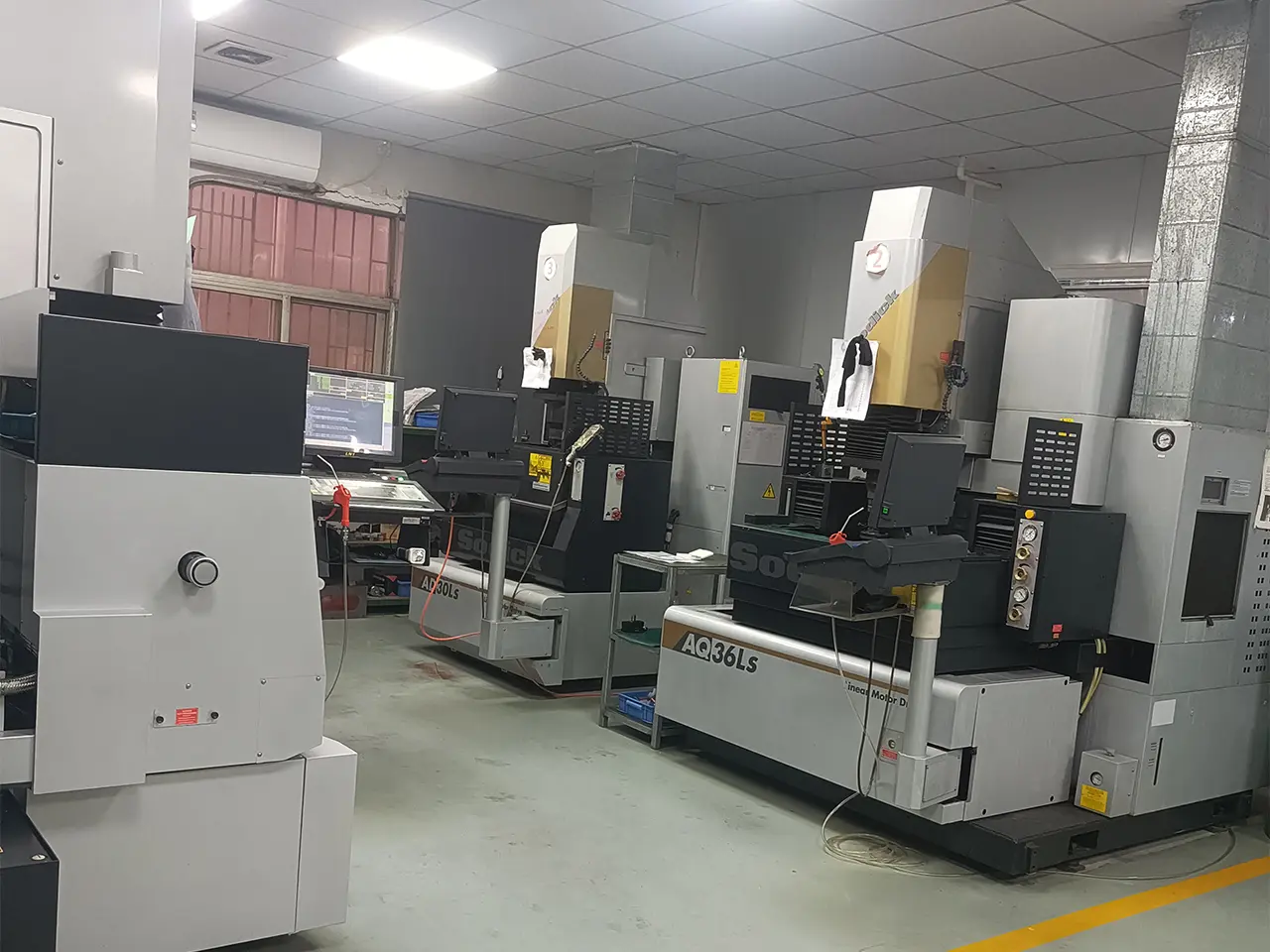
Take a look inside our high-speed manufacturing center. Our facility features multi-axis machining centers, precise turning equipment, and optimized cell layouts designed to handle prototype development and high-volume orders.
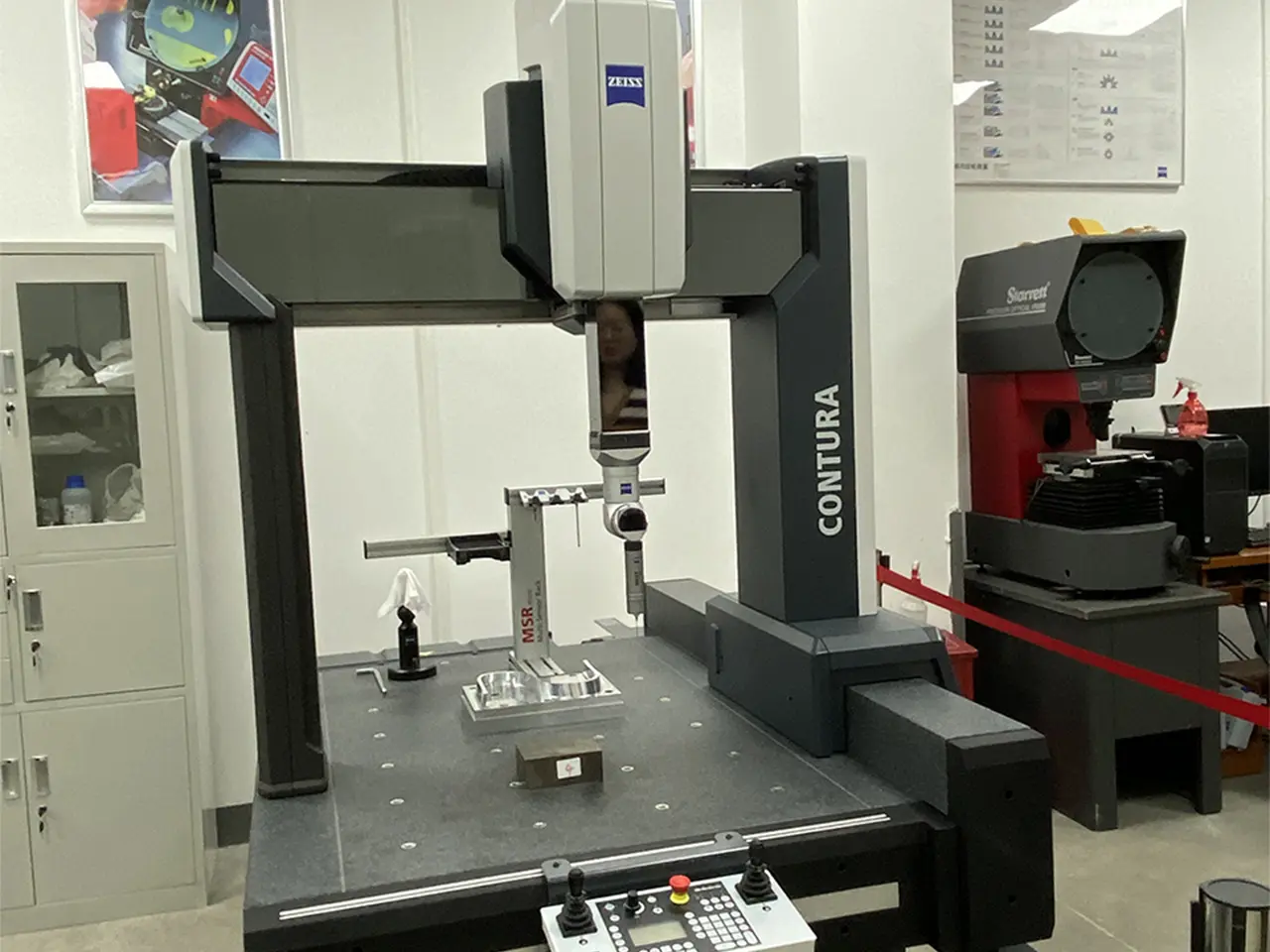
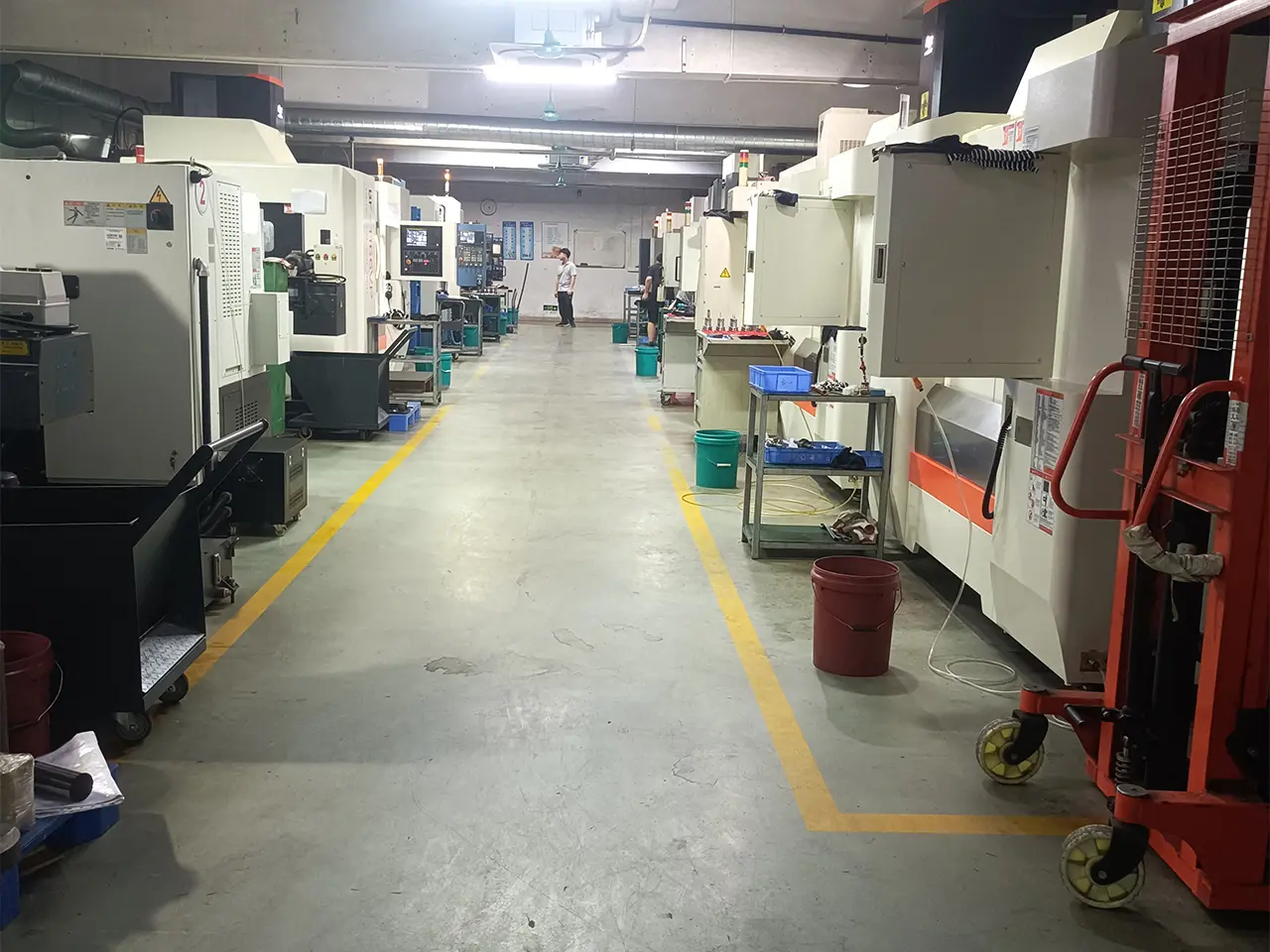
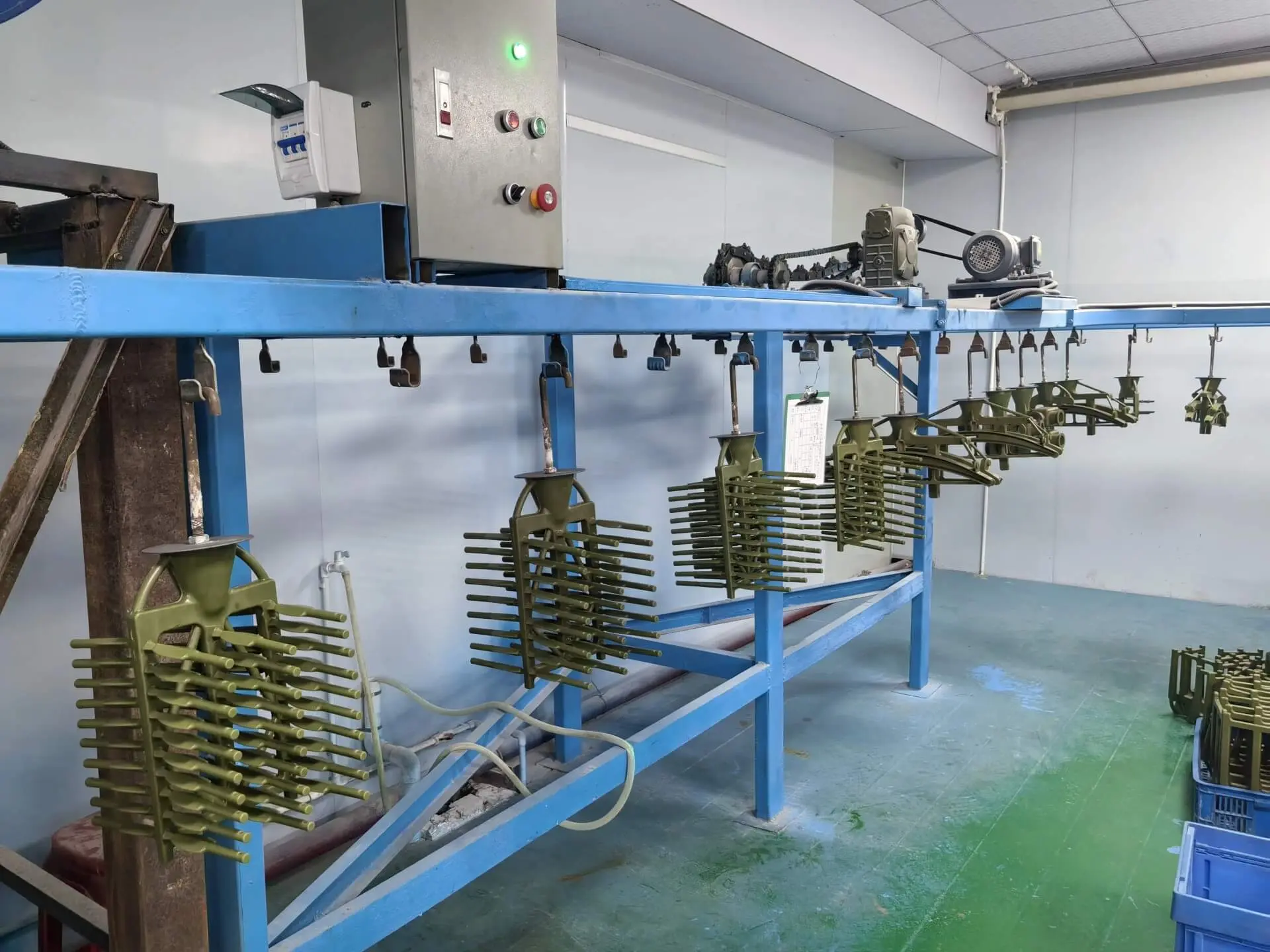
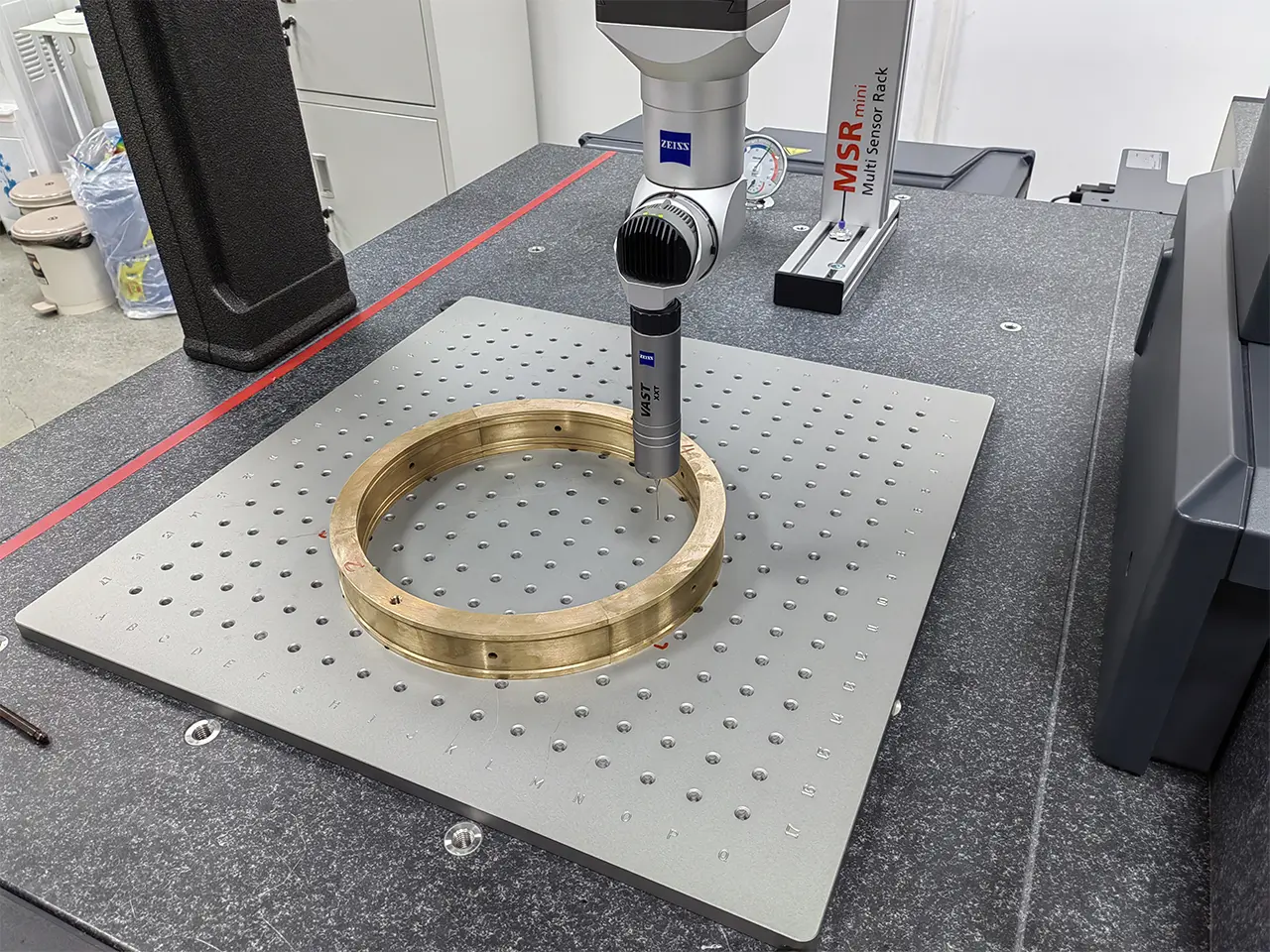
Quality is the cornerstone of the manufacturing industry. We firmly believe that only by controlling quality well can we survive, develop, and get better and better. Therefore, we have been working in this industry unremittingly since 2014 and continue to improve the company's team and improve the company's production capacity.
Our dedicated QC department employs state-of-the-art diagnostic instruments, including Coordinate Measuring Machines (CMM) calibrated to microns, high-resolution optical projectors, digital roughness testers (measuring down to Ra 0.2), and material hardness testing equipment. This testing verifies that all critical dimensions, geometric tolerances (GD&T), and structural integrity criteria meet your engineering drawings.
For Egyptian buyers facing complex customs clearances, we provide standard Inspection Reports, Material Test Certificates (MTRs), and Certificate of Conformity (CoC) documentation. These certificates demonstrate full alignment with GOEIC standards and clean clearance through Alexandria Port, Suez Port, or Cairo International Airport.
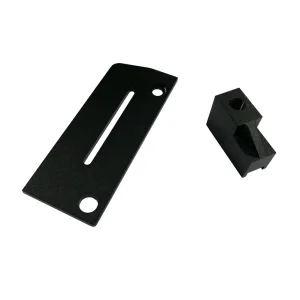
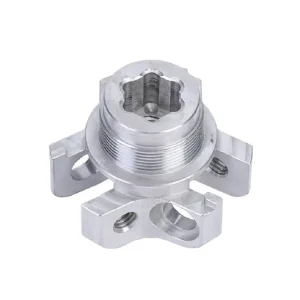
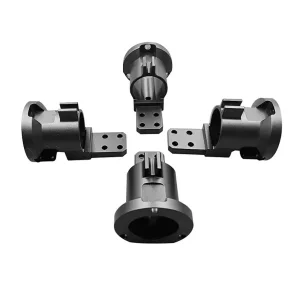
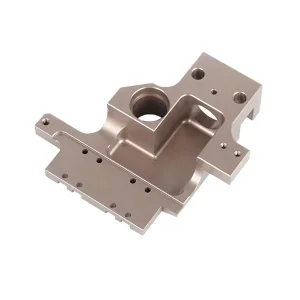
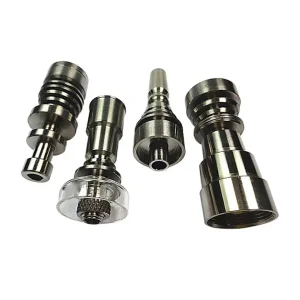
Browse our production-ready options. We machine standard or highly customized components based on your CAD drawings and mechanical specifications.
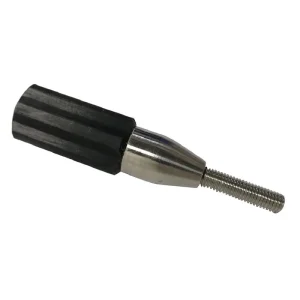
Specialized manufacturing lines focused on high-speed CNC milling and biocompatible titanium alloy applications.
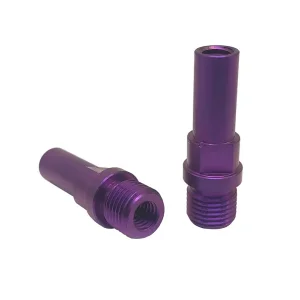
How we navigate cargo movement, handle customs documentation, and optimize import costs to support production runs throughout the Suez Canal Economic Zone.
Global logistics require careful planning, particularly when shipping to Egypt's major maritime gateways. Our shipping coordination team organizes reliable transport routes from Shenzhen and Guangzhou Ports to key Egyptian destinations, including the Port of Alexandria, the Port of Damietta, and the Port of East Port Said.
We provide full administrative support for Egypt's Advanced Cargo Information (ACI) system via the Nafeza platform. This helps ensure that all shipments are assigned valid ACID numbers before departure from China, minimizing delays at port inspection sites and protecting your assembly lines from downtime.
Through the China-Egypt Suez Economic and Trade Cooperation Zone (TEDA) frameworks, our clients can leverage trade routes that streamline the clearance of machined spares and castings, keeping raw material overhead within budget guidelines.
How our CNC capabilities support the mechanical, infrastructural, and technological demands of Egyptian projects.
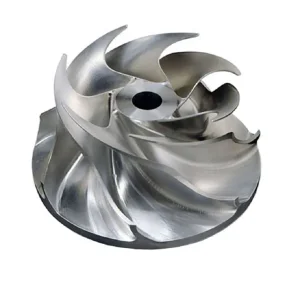
Egypt's energy assets in the Nile Delta and Mediterranean (such as the Zohr gas field) require components that can withstand demanding conditions. We supply precision-milled impellers, valves, and pump housings made from corrosion-resistant duplex stainless steel and titanium alloys, ensuring reliable operation for upstream gas processing facilities.
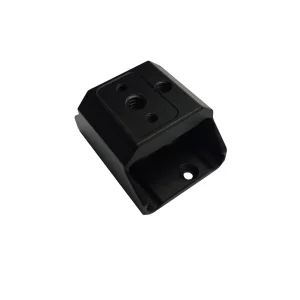
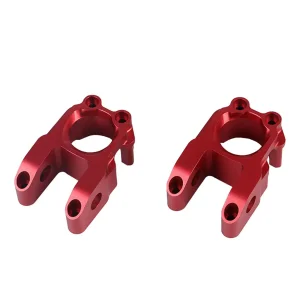
With Egypt building out local vehicle assembly lines in East Port Said, OEMs require quick turnaround times on structural sub-assemblies. Our complex-profile aluminum auto parts CNC machining provides lightweight, robust suspension components and customized engine blocks that match original manufacturer tolerances.
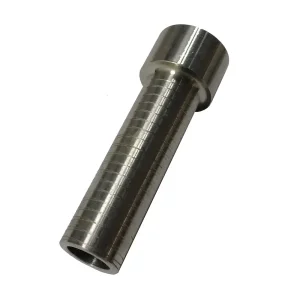
Egyptian medical equipment developers rely on biocompatible metals. Our titanium alloy components, micro-screws, and custom wheelchair parts are machined under strict environmental controls, delivering high surface finishes and dimensional reliability for rehabilitative and clinical medical devices.
Maintaining technological alignment with modern production trends to keep your manufacturing pipelines competitive.
Our facility uses CAD/CAM nesting software to optimize raw material yields, reducing material waste by up to 18%. This setup enables us to convert 3D CAD files into production codes, reducing machine preparation time and improving process repeatability.
We are integrating real-time tool wear sensors across our milling equipment. These sensors monitor spindle vibrations to predict tool life issues before they affect surface finish, ensuring consistent quality for high-volume orders.
For Egyptian companies looking to integrate their supply chains, we provide open ERP tracking. This system monitors project milestones from raw material validation to final packaging, keeping schedules transparent.
Reducing structural weight without losing strength is key to managing shipping and production costs. We assist Egyptian engineering firms in transitioning from solid steel blocks to lighter, optimized structural components using high-strength aluminum alloys (like 7075-T6).
We also offer post-machining finishes, including bead blasting, hard-coat anodizing, and passivation. These steps improve wear and corrosion resistance, helping to extend the operational life of components used in marine and high-humidity environments.
Here are answers to common questions about engineering support, shipping logistics, and material options for importing components into Egypt.
Typically, prototype manufacturing takes 3 to 7 working days. Bulk production orders are processed in 15 to 25 days, depending on geometry and volume. Air freight to Cairo International Airport takes 5 to 7 days, while ocean shipping to Alexandria or Port Said ports takes 25 to 30 days.
Yes. We work closely with Egyptian importers to support the Advanced Cargo Information (ACI) system. Before dispatching cargo from China, we coordinate the necessary paperwork, including providing invoice details and packing lists to register the ACID number on the Nafeza portal, helping to prevent customs clearance issues.
We achieve precision tolerances of ±0.005mm (5 microns) on our advanced CNC milling and Swiss-type turning centers. For high-volume production, we maintain standard tolerances of ±0.01mm to ±0.02mm, depending on material choice and component design.
We process a wide range of metals, including aluminum (6061-T6, 7075-T6, 5052), stainless steel (304, 316L, 17-4 PH, duplex steel), alloy steels, titanium (Grade 2, Grade 5), brass, bronze, copper, and specialized engineering plastics (PEEK, POM, Nylon).
Yes. We specialize in casting-machining integration. We can produce rough structural blanks using investment casting (lost wax) or sand casting, and then use our CNC milling centers to machine critical surfaces and threaded holes, helping to lower per-unit costs on high-volume runs.
Every batch of raw material undergoes spectral analysis testing at our receiving station. We provide full Material Test Reports (MTR) containing chemical composition data and mechanical strength values, as well as RoHS and REACH certificates upon request.
We support all stages of production. Our facility handles low-volume prototyping (1 to 10 parts), pilot validation runs (100 to 500 parts), and continuous mass production, helping you adjust order sizes as your project requirements scale.
You can submit your designs via our contact channel. We accept 3D files in STEP, IGES, Parasolid, or SolidWorks formats, as well as 2D drawings in PDF or DXF format with specified tolerance details. Our engineering team reviews the files and provides a feedback quote within 24 hours.
Connect with our engineering team to review your CAD files, request material test certifications, or receive a manufacturing analysis for your project.
 SX Machining