Engineered for extreme performance in maritime, oil & gas, and biomedical equipment.
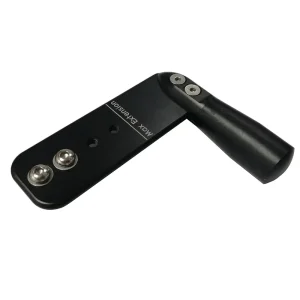
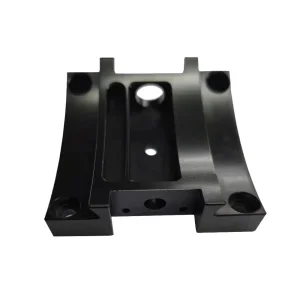
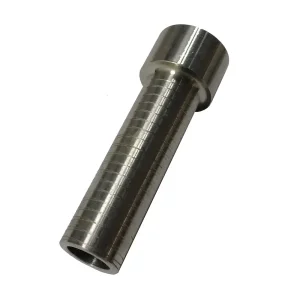
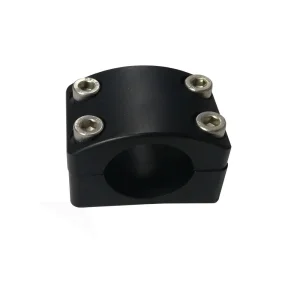
Norway stands as a global leader in demanding engineering sectors, driven by its extensive maritime borders, the rich energy reserves of the North Sea, and a forward-thinking push toward renewable technology and automation. The country’s industrial economy is anchored by giants in offshore oil & gas, maritime shipping, deepwater aquaculture, defense, and green energy technologies. Each of these industries shares a common requirement: the need for mechanical components capable of enduring the harshest environmental conditions on Earth.
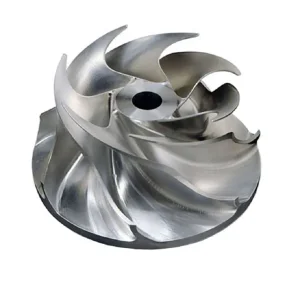
The Norwegian continental shelf (NCS) presents engineers with extreme challenges, including sub-zero temperatures, intense hydrostatic pressure at deep-sea depths, and highly corrosive marine environments. To survive these conditions, structural components, hydraulic manifolds, valves, and rotating equipment must be manufactured with absolute dimensional precision and from premium metallurgical grades. For example, maritime propulsion systems require custom impellers and shafts machined to micron-level tolerances to prevent cavitation and ensure structural integrity over decades of operation.
Furthermore, Norway’s rapid transition toward offshore wind power, carbon capture and storage (CCS), and high-tech aquaculture systems has introduced a new paradigm of design complexity. Engineers at leading Norwegian firms require manufacturing partners who do not just read blueprints, but understand the underlying physics of material science, wear properties, and structural tolerances under cyclic loading. Dongguan SX Technology Co., Ltd bridges this gap, offering deep manufacturing expertise aligned with Norwegian regulatory and engineering paradigms.
Subsea engineering demands materials that comply with the strict NORSOK M-650 standard, ensuring that critical components possess the necessary microstructural qualities to resist stress corrosion cracking (SCC) and hydrogen-induced stress cracking (HISC). CNC machined components utilized in blowout preventers (BOPs), Christmas trees, subsea manifolds, and remotely operated vehicle (ROV) docking interfaces require precise tolerances down to ±0.005mm to ensure reliable high-pressure sealing.
Norway is a pioneer in green shipping, introducing fully electric and hybrid vessels. The electrification of propulsion systems demands lightweight materials like high-grade aluminum alloys and titanium to reduce displacement. Custom 5-axis CNC milled impellers, hydrofoils, and engine components must be sculpted to exact aerodynamic profiles to maximize energy efficiency and reduce drag, playing a critical role in the green shift of Norway's coastal transport.
Dongguan SX Technology Co.,Ltd has very rich experience in precision casting, CNC machining and assembly. Our products are used in machinery, automobiles, marine, ships, equipment, valves and pumps, electronic appliances, packaging, watches, construction, chemical industry and other industries.
The most commonly used materials for investment casting are stainless steel and carbon steel. And the most commonly used materials for CNC machining include titanium alloy, stainless steel, carbon steel, aluminum alloy, copper alloy, cemented carbide, etc. We have advanced manufacturing equipment and technology and are able to respond quickly to your needs.
Selecting and machining the right metallurgical materials is a cornerstone of industrial product durability. For operations in Norwegian coastal regions, the Baltic Sea, and Northern offshore rigs, materials must resist low-temperature embrittlement and galvanic corrosion.
At Dongguan SX Technology Co., Ltd, our engineers specialize in the precision milling and turning of high-performance alloys tailored for these exact challenges:
Alloys such as SAF 2507 (UNS S32750) and SAF 2205 are widely used in North Sea pipeline components. With a PREN (Pitting Resistance Equivalent Number) value above 40, Super Duplex offers outstanding resistance to localized pitting. Machining Super Duplex is notoriously difficult due to its high work-hardening rate, requiring rigid machine setups, optimized tool geometries, and precise coolant distribution.
Widely employed in oceanographic instrumentation, marine sensors, and subsea robotics. Ti-6Al-4V (Grade 5) offers an unparalleled strength-to-weight ratio and is completely immune to corrosion in sea water. Our facilities employ advanced thermal-control machining to prevent tool wear and metallurgical warping during production.
Highly popular in the Norwegian shipbuilding sector due to their exceptional weldability and corrosion resistance in marine atmospheres. 6082-T6 is extensively machined for structural marine blocks and electronic enclosure frames, delivering light weight without sacrificing mechanical toughness.
To maintain dimensional precision over wide temperature swings (from ambient workshop temperatures of +20°C to deepwater temperatures of +4°C), our quality team carries out thermal contraction analysis, ensuring that parts remain perfectly functional under operating pressures.
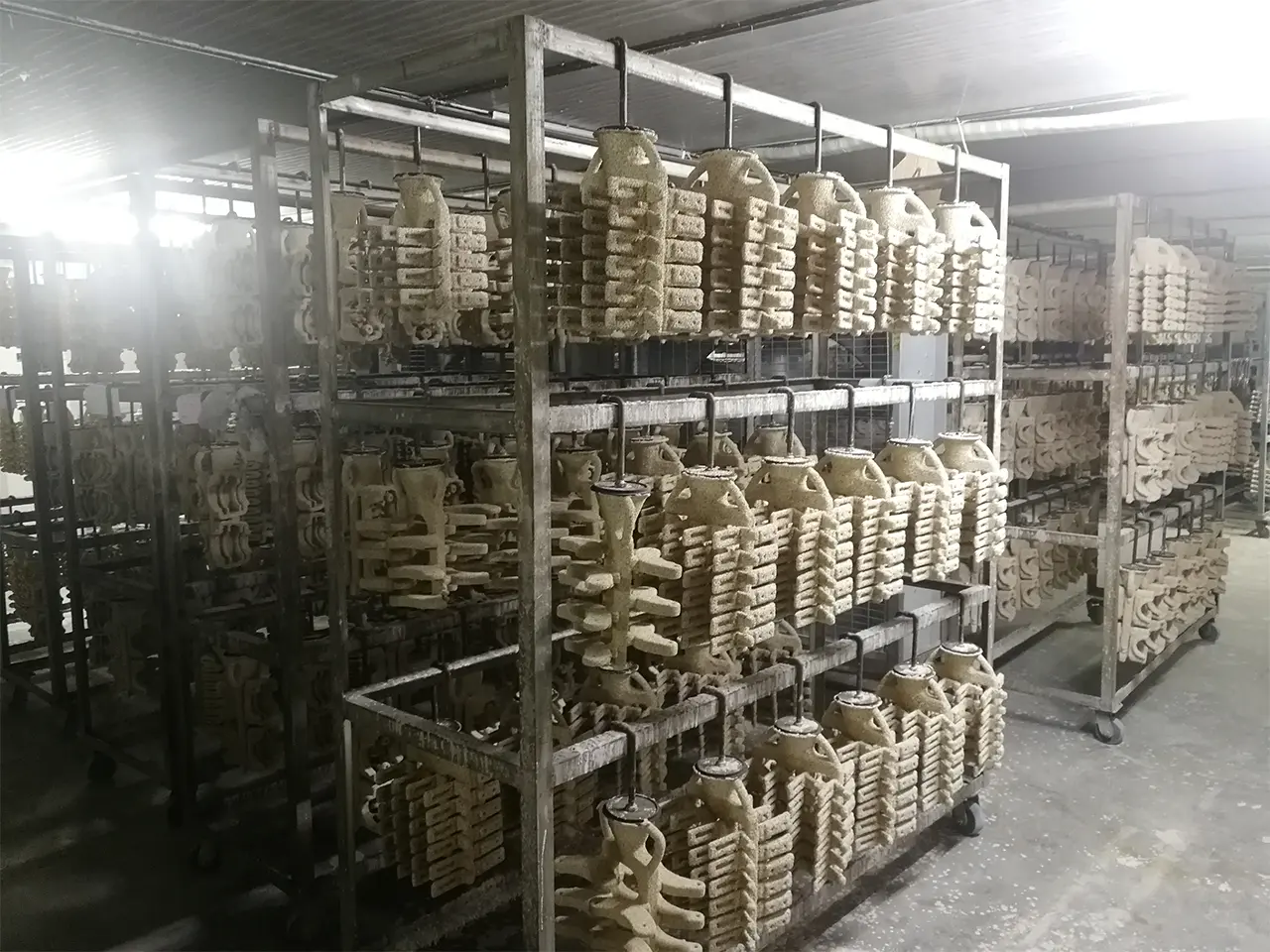
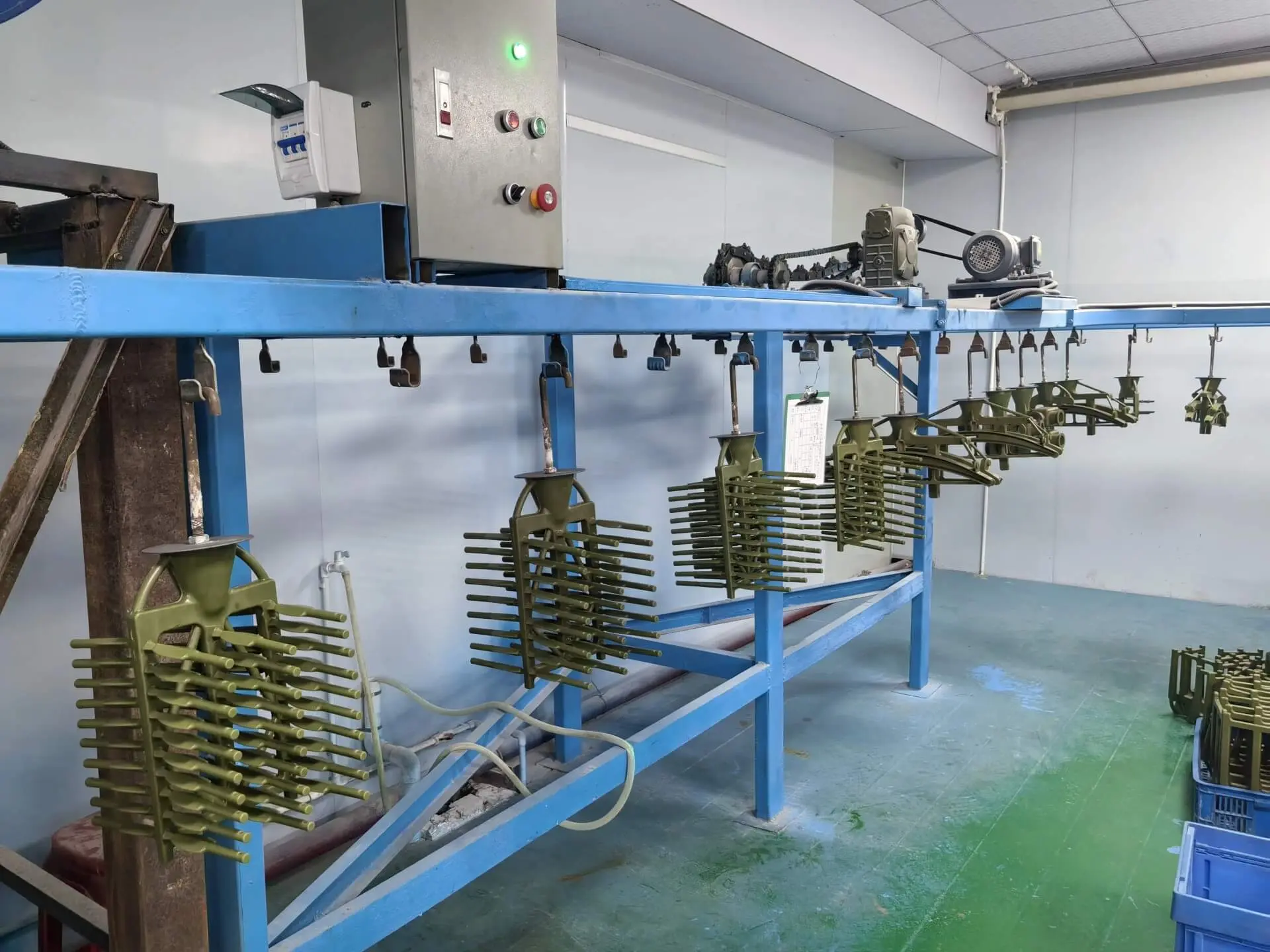
State-of-the-art facilities equipped with advanced CNC milling, turning, and multi-axis machines.
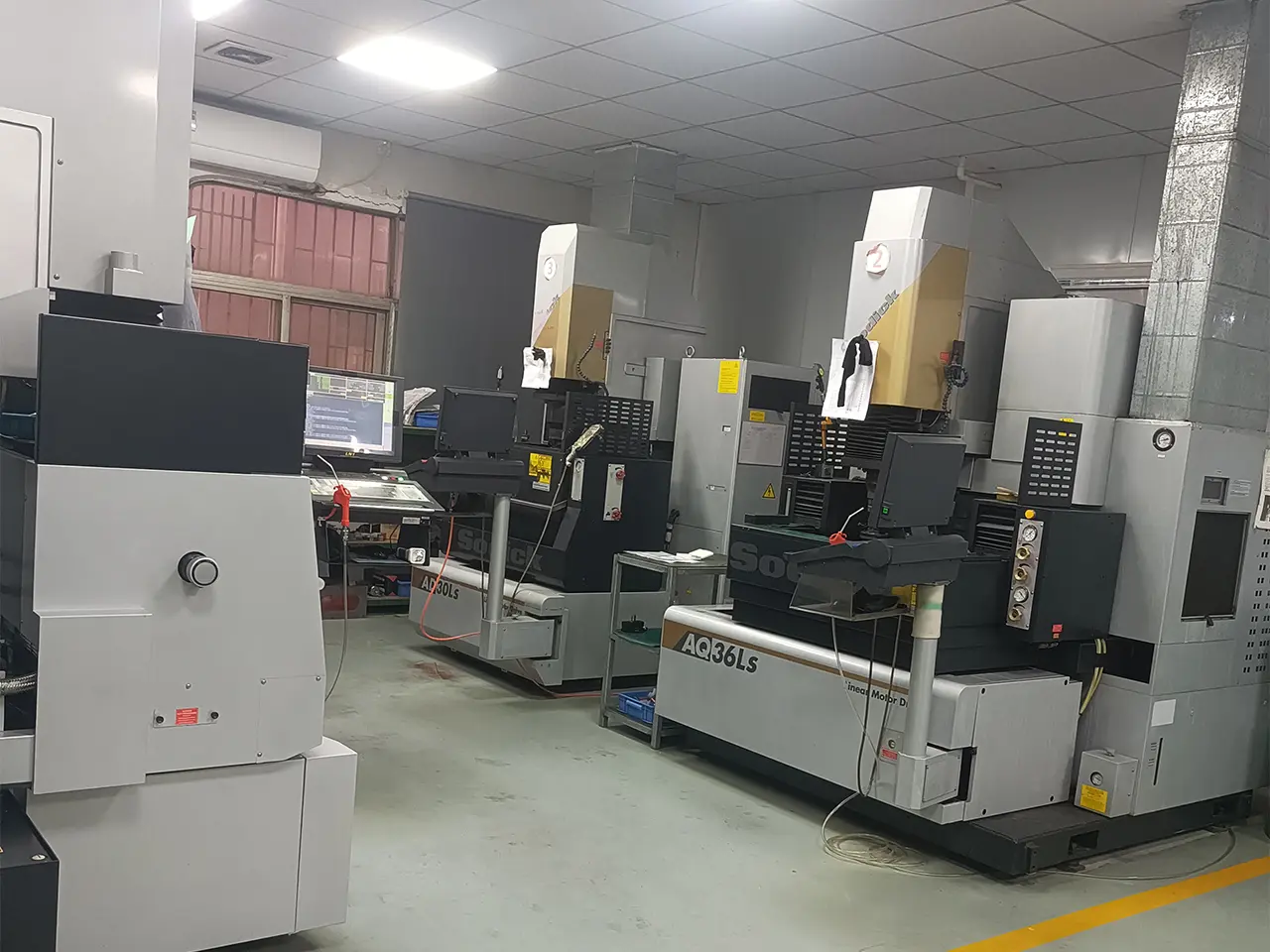
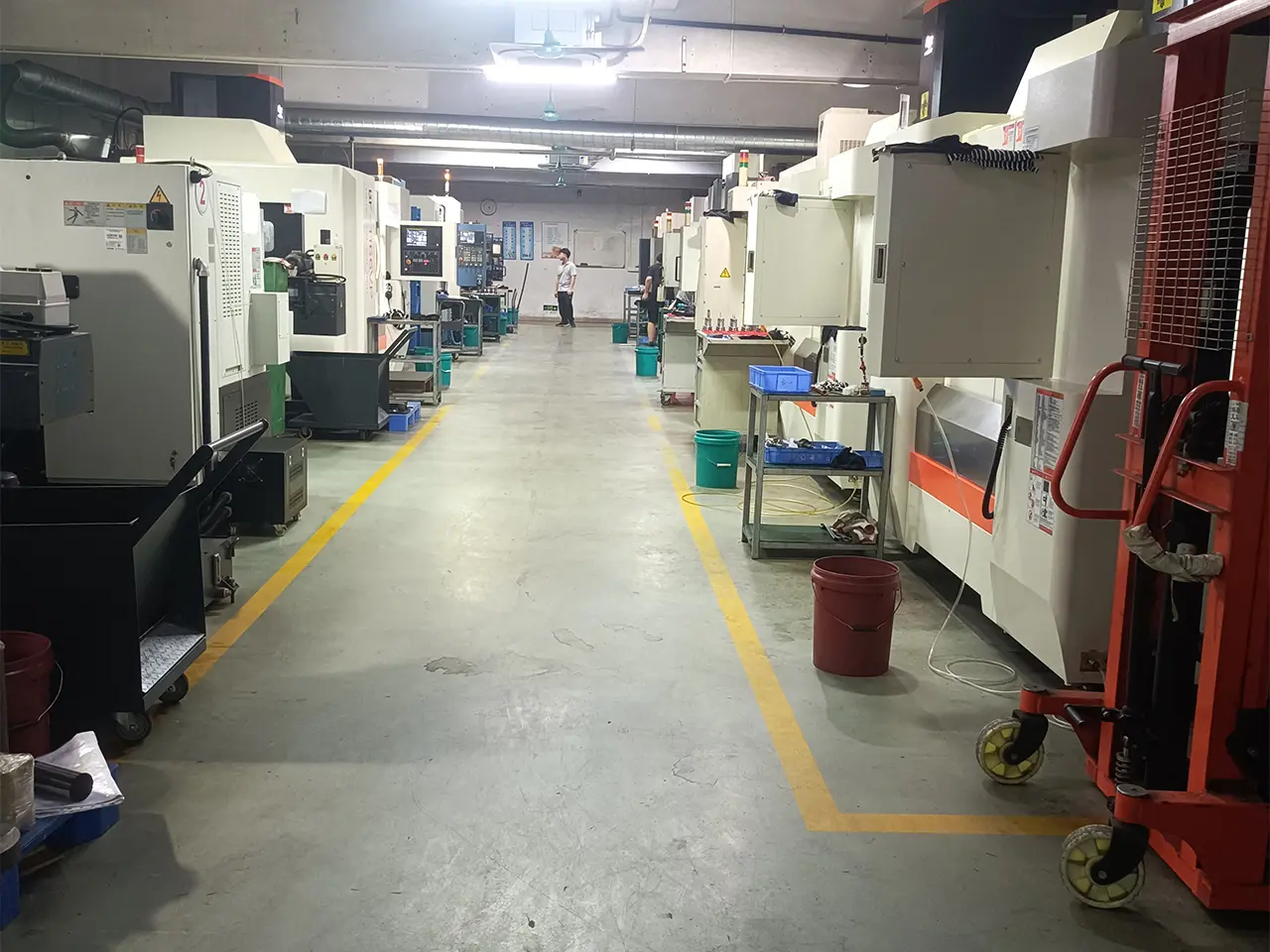

As industrial digitalization accelerates, the boundaries of CNC machining are continuously expanding. To meet the requirements of Norway's advanced manufacturing roadmaps, we are integrating several state-of-the-art tech trends into our factory workflow:
Traditional 3-axis machining often requires multiple setups, which introduces microscopic positioning errors. Our investments in simultaneous 5-axis CNC machining centers allow our technicians to machine complex geometries, such as helical gears and marine impellers, in a single setup. This process dramatically reduces lead times while keeping run-out tolerances within the range of 3 to 5 microns.
To optimize material usage of high-cost alloys like Titanium, we are combining near-net-shape metal casting and 3D printing with precision CNC finish-machining. This hybrid approach enables us to manufacture internal cooling channels and complex lattice structures that are subsequently precision-milled to achieve critical tolerances and high surface quality.
Using advanced CAM software with integrated algorithms, our engineers can simulate physical machining forces in real time. Optimized toolpaths prevent tool chatter, control cutting temperatures, and maintain uniform cutting force. The result is improved surface finish uniformity and micro-structural consistency across mass-produced batches.
Global procurement directors face major challenges in stabilizing their supply chains against rising material costs, geopolitical changes, and fluctuating lead times. Dongguan, China, serves as a global hub for advanced manufacturing, providing unique advantages that benefit Norwegian industries.
At Dongguan SX Technology Co., Ltd, we harness these localized advantages to provide a robust, responsive supply chain:
By partnering with us, Norwegian businesses can mitigate production risks, reduce high local manufacturing costs, and maintain rapid product development cycles.
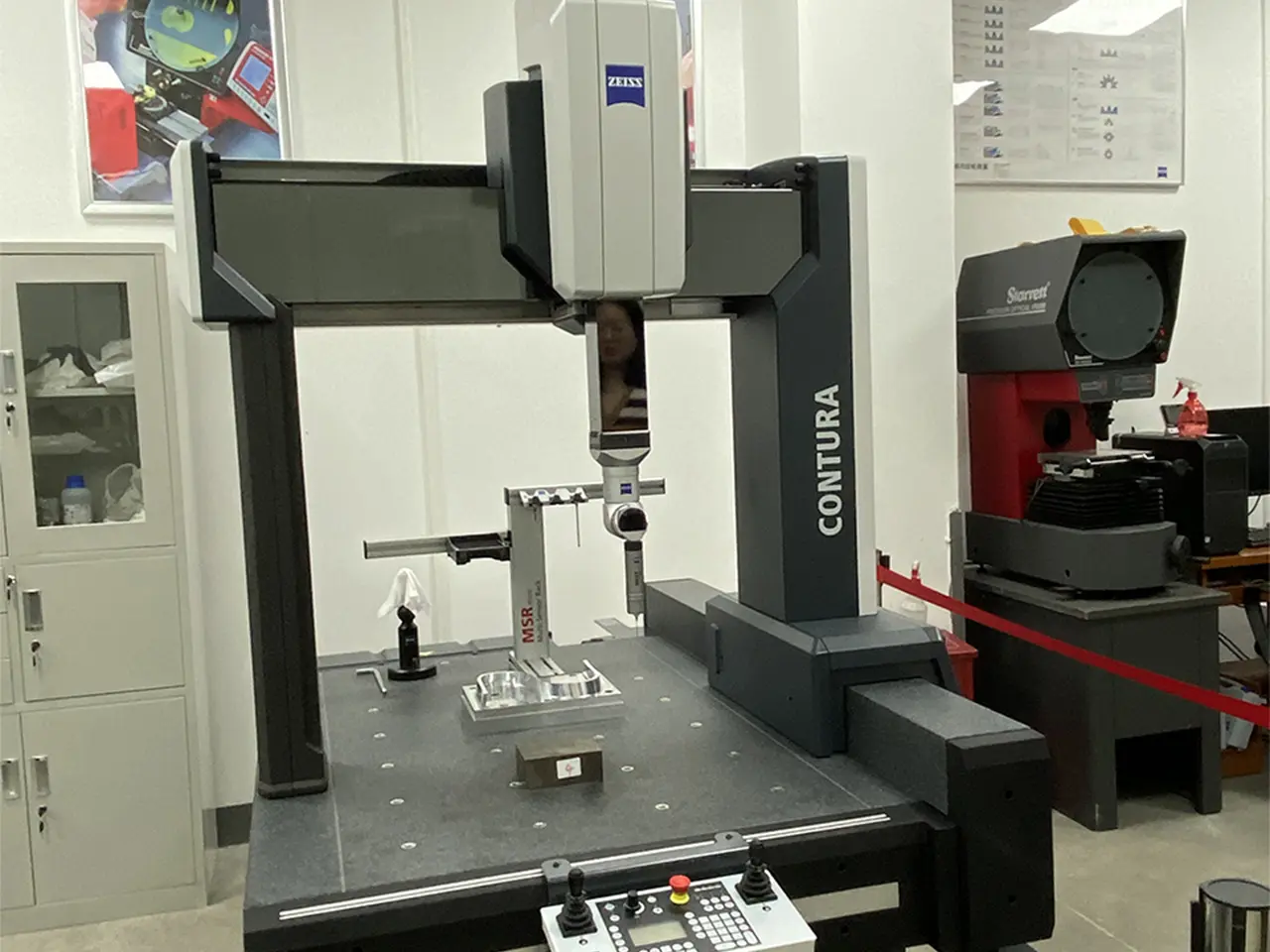
We have professional testing equipment and professional QC personnel, and we adhere to strict tolerances and quality standards for the products we produce. Due to our insistence on strict quality requirements, we have been praised by many customers.
Quality is the cornerstone of the manufacturing industry. We firmly believe that only by controlling quality well can we survive, develop, and get better and better. Therefore, we have been working in this industry unremittingly since 2014 and continue to Improve the company's team and improve the company's production capacity.
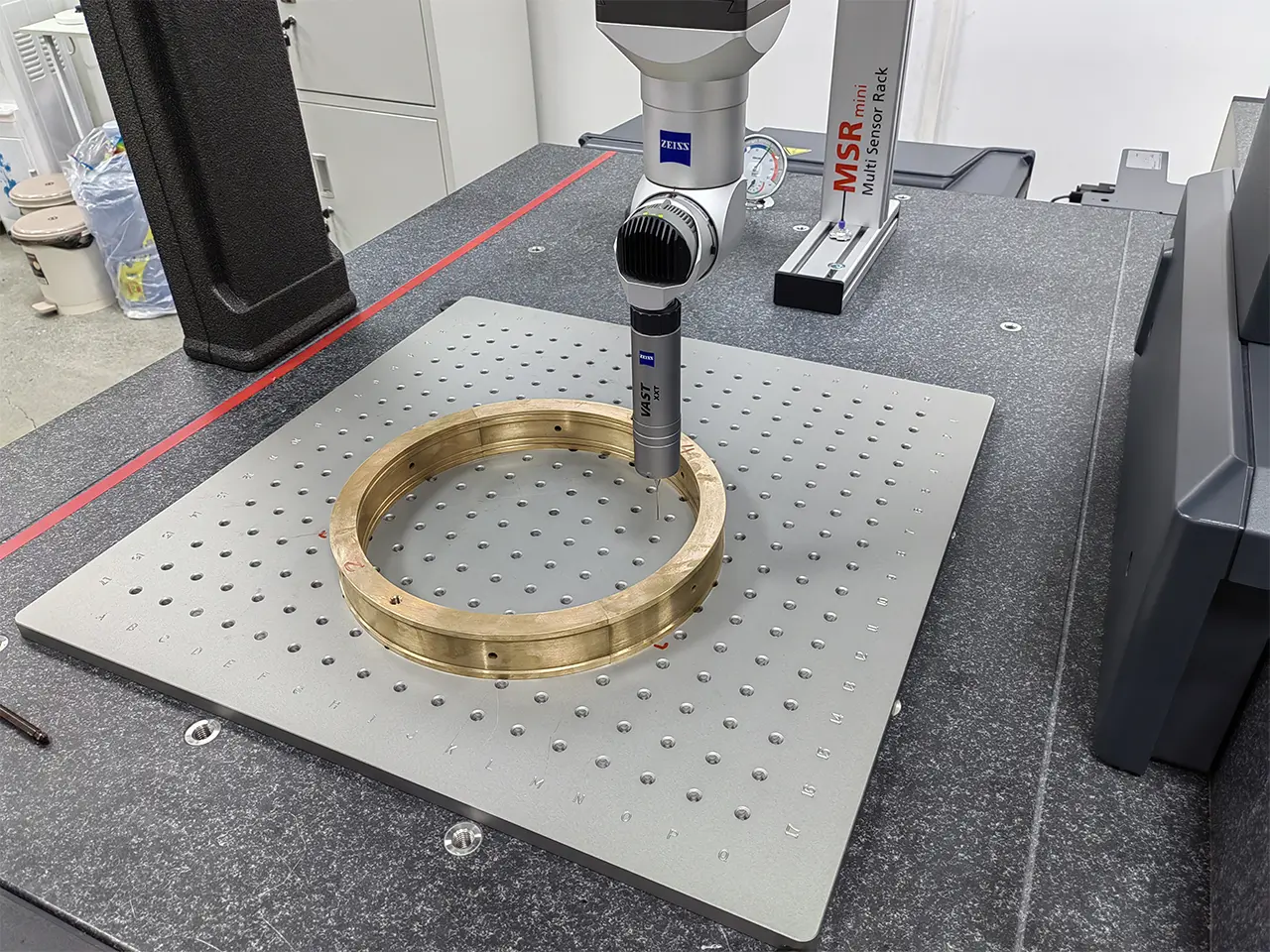
Doing business globally requires clear compliance alignment. Norwegian engineering standards are among the most stringent in Europe. At Dongguan SX Technology Co., Ltd, we align our operations with these requirements to ensure compliance across every metric:
Our manufacturing plants operate under a certified quality management system. Every order, from the initial raw material receipt to final machining and packaging, follows detailed tracking documentation.
We provide full traceability records for critical materials. Customers receive material test reports (MTR), heat treatment logs, and dimensional inspection sheets according to international EN 10204 3.1 standards.
We ensure that all raw materials, plating, and anodizing surface finishes comply with RoHS and REACH regulations, avoiding the use of hazardous substances in components bound for the European market.
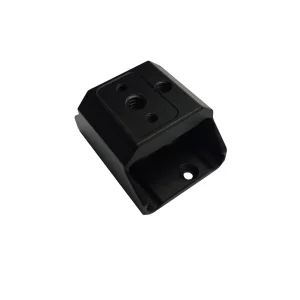
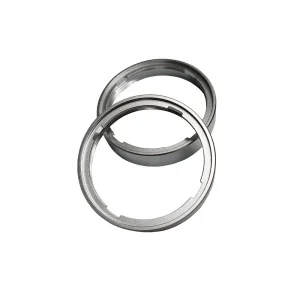
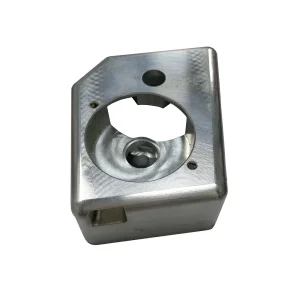
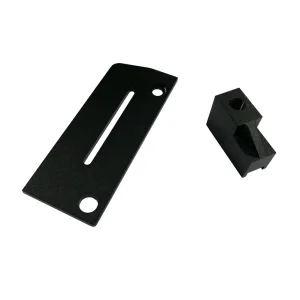
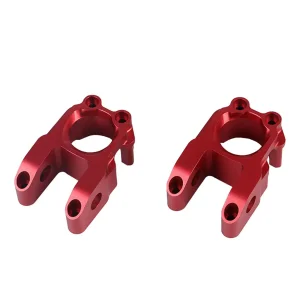
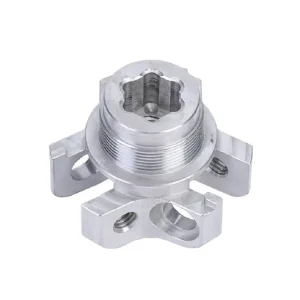
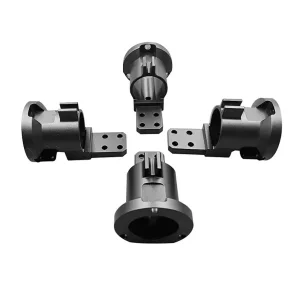
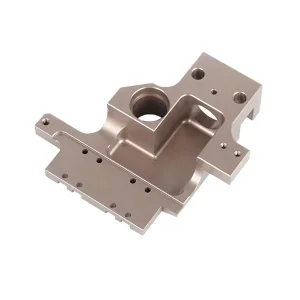
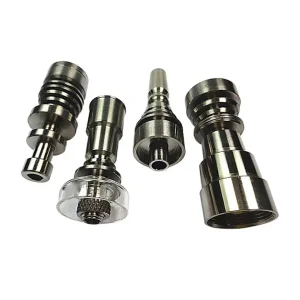
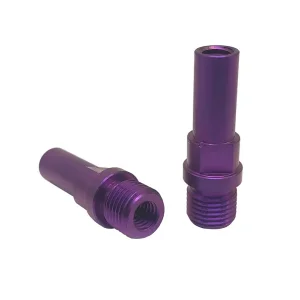
High-quality components manufactured using custom materials and precision finishes.
Essential compliance and engineering answers for Norwegian buyers and procurement teams.
 SX Machining