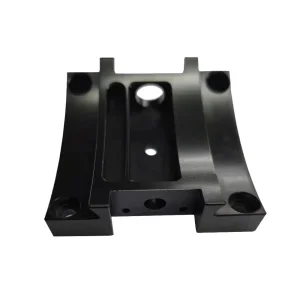
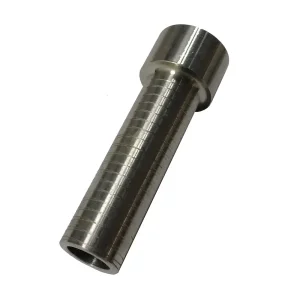
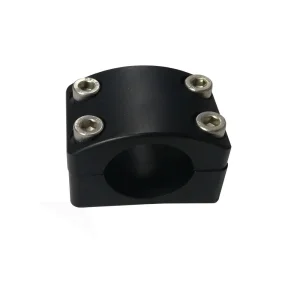
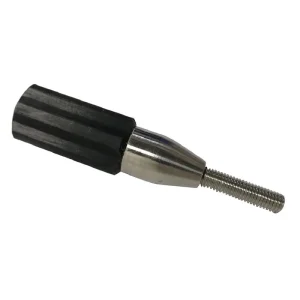
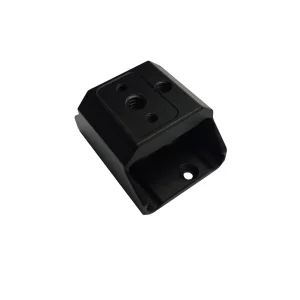
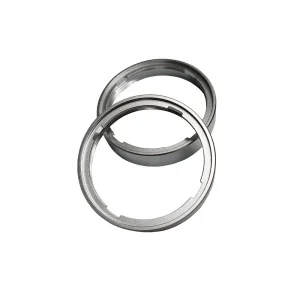
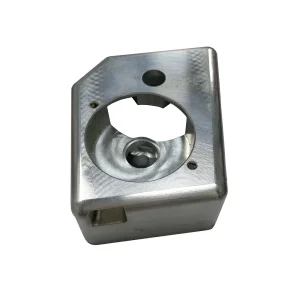
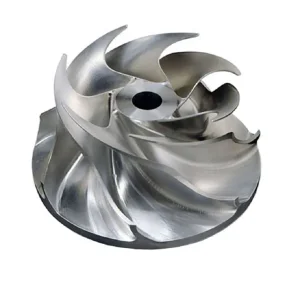
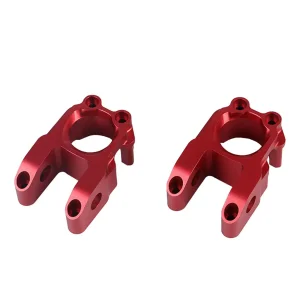
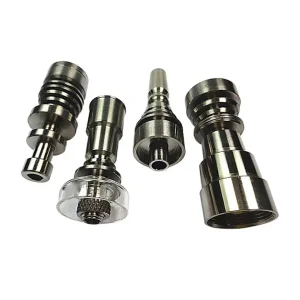
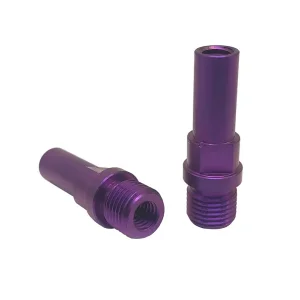
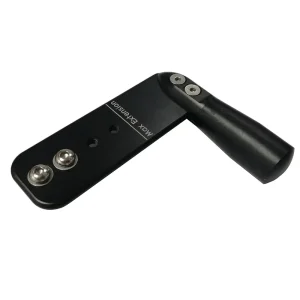
Immediate, micro-tolerance metal and polymer components conforming to JIS standards.
The industrial landscape of Japan is globally recognized for its uncompromising commitment to quality, a cultural and engineering philosophy famously encapsulated as "Monozukuri" (the art of making things). From the high-speed rail networks (Shinkansen) to advanced robotics hubs in Tokyo, Nagoya, and Osaka, Japanese manufacturing relies heavily on component suppliers capable of meeting ultra-strict tolerances.
As Japanese industries transition towards automation, electric vehicles (EV), and next-generation medical devices, the requirement for high-precision CNC machining has reached unprecedented levels. Precision machining suppliers must navigate strict Japan Industrial Standards (JIS B 0401 limits), complex alloy compositions, and eco-sustainable compliance targets (such as RoHS and REACH directives) to effectively serve this demanding local supply chain.
Furthermore, current global supply chain redesigns highlight a growing dependency on agile, external CNC manufacturing partners who can seamlessly align with Japan’s just-in-time production methodologies while offering cost efficiencies without sacrificing sub-micron accuracy.
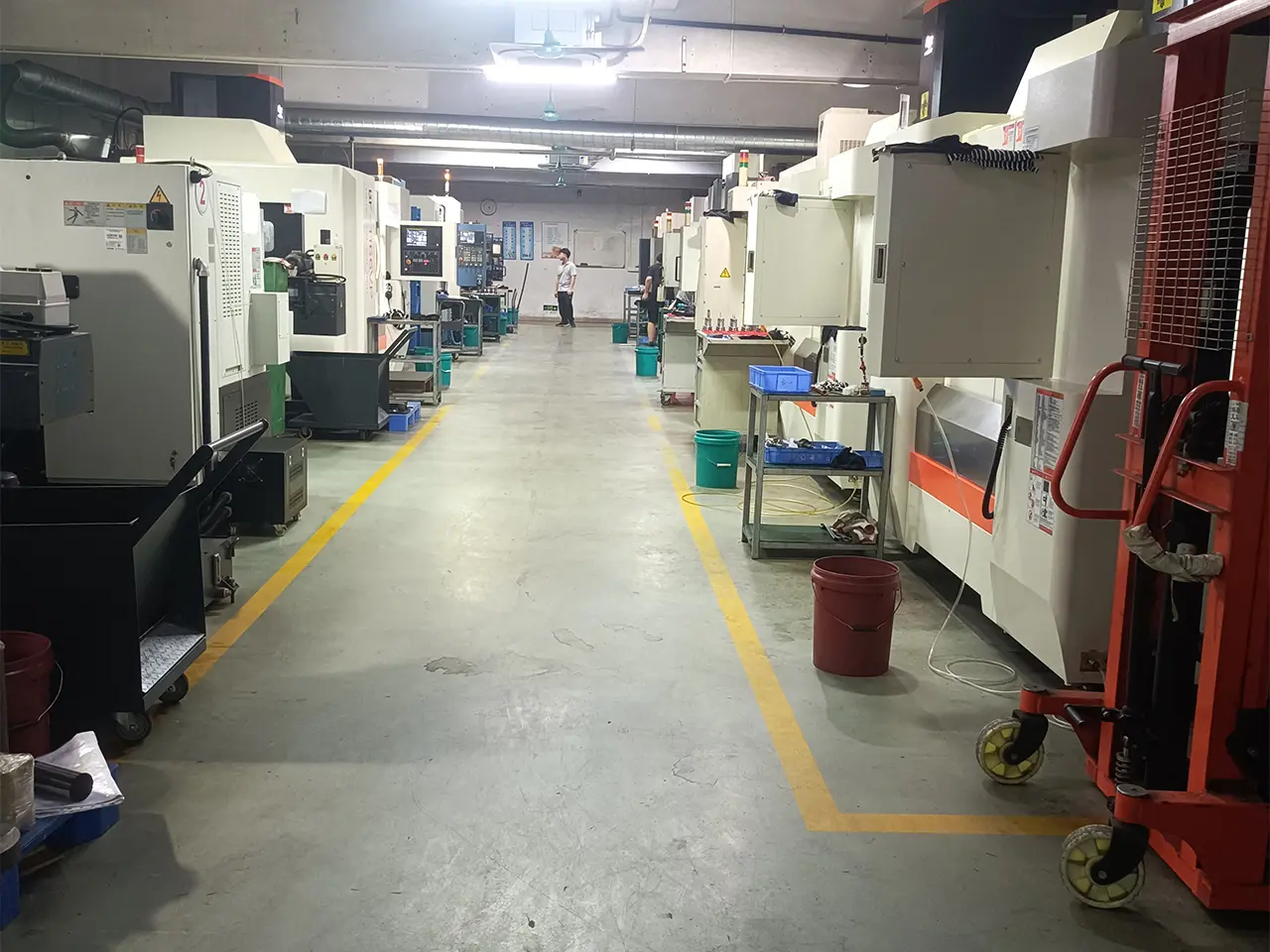
Fig 1: Modern Multi-Axis Machining Layout & Assembly lines at Dongguan SX Technology Co.,Ltd.
Bridging local design philosophies with global capacity and raw material resilience.
The global CNC machining market is expected to surpass USD 140 billion by 2030, driven by automated manufacturing, aerospace demands, and electric drivetrain conversions. Sourcing redundant, certified manufacturing outside but close to Japan guarantees supply security.
High-tech sectors in Japan, particularly semiconductor fab tools and robotic arm joints, call for advanced materials including Titanium Grade 5 (Ti-6Al-4V), high-silicon aluminum, tungsten carbide, and performance engineering plastics like PEEK.
Implementing CAD-to-CAM automated processing pipelines and live tool inspection algorithms ensures that components manufactured remotely integrate perfectly into domestic production lines, reducing standard QA delays significantly.
A trusted contract manufacturer for casting, assembly, and multi-axis CNC machining.
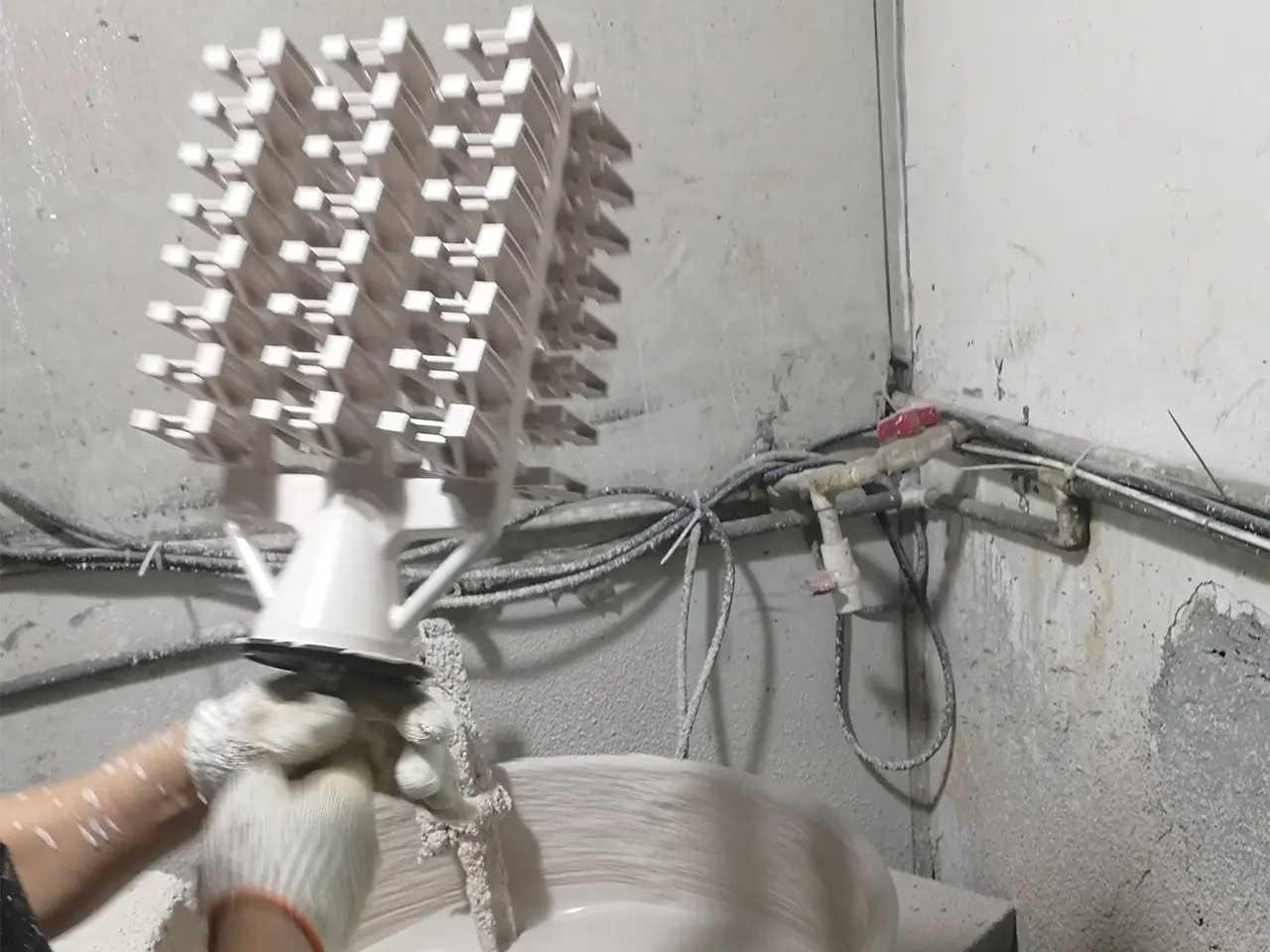
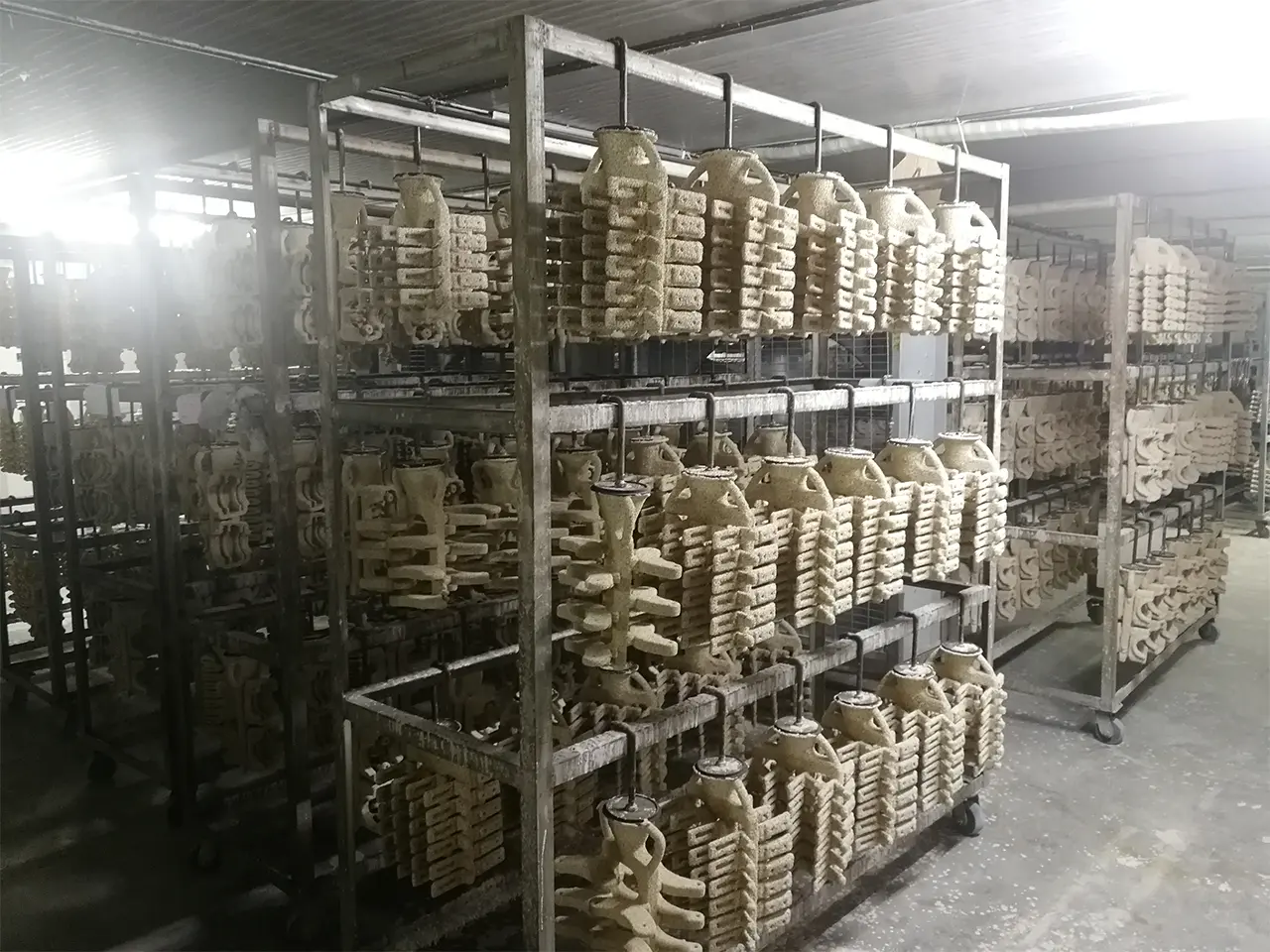
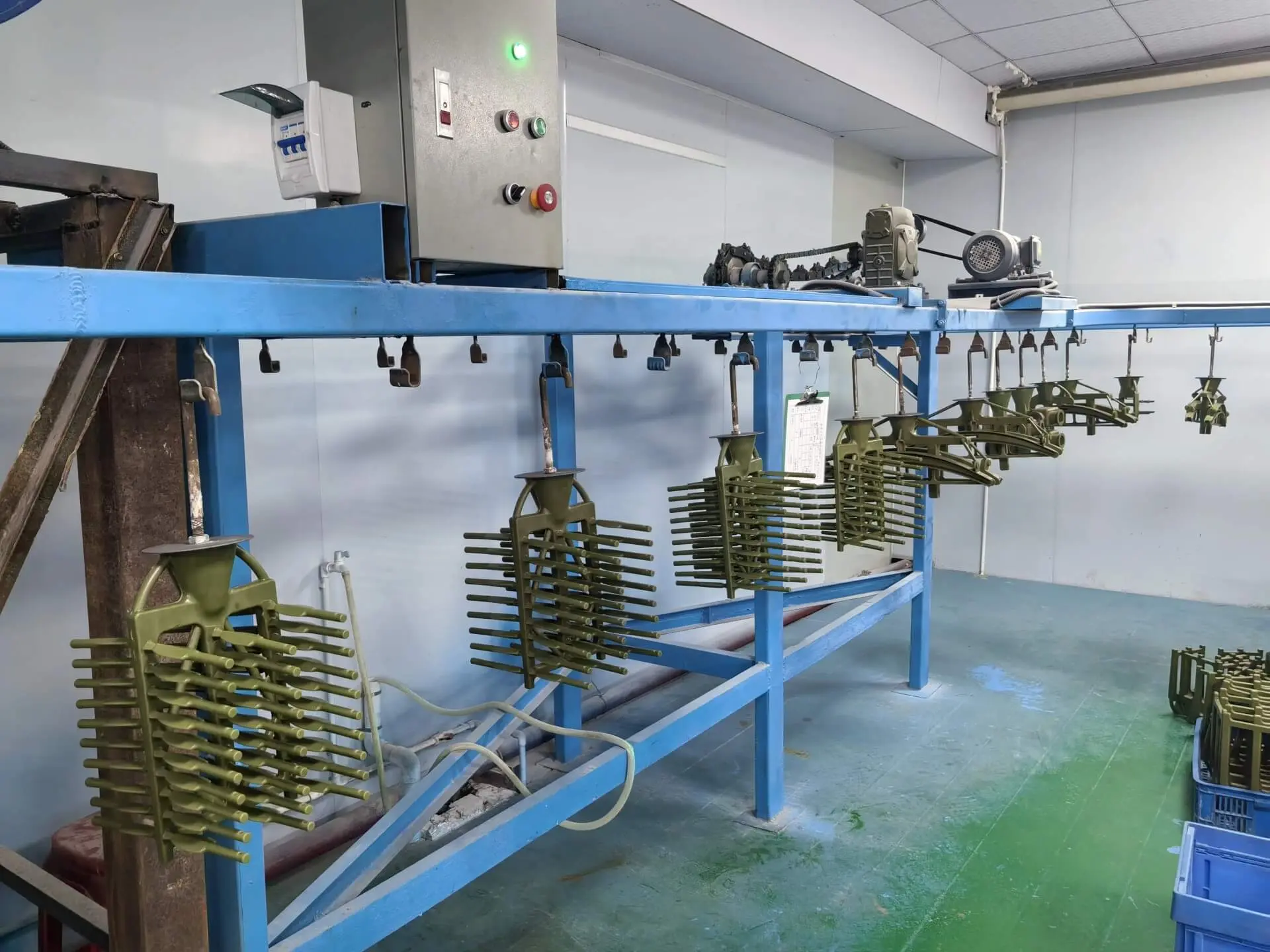
Since 2014, Dongguan SX Technology Co.,Ltd has cultivated deep expertise in investment casting, CNC turning, multi-axis CNC milling, and complex component assemblies. Serving a broad spectrum of demanding global industries—including robotics, marine vessels, valves and pumps, electronic instruments, and medical devices—we process materials ranging from stainless steel (SUS304, SUS316) and structural carbon steels to advanced titanium alloys, aerospace-grade aluminum, copper alloys, and cemented carbides. Our responsive engineering team is geared to translate complex designs into flawless parts.
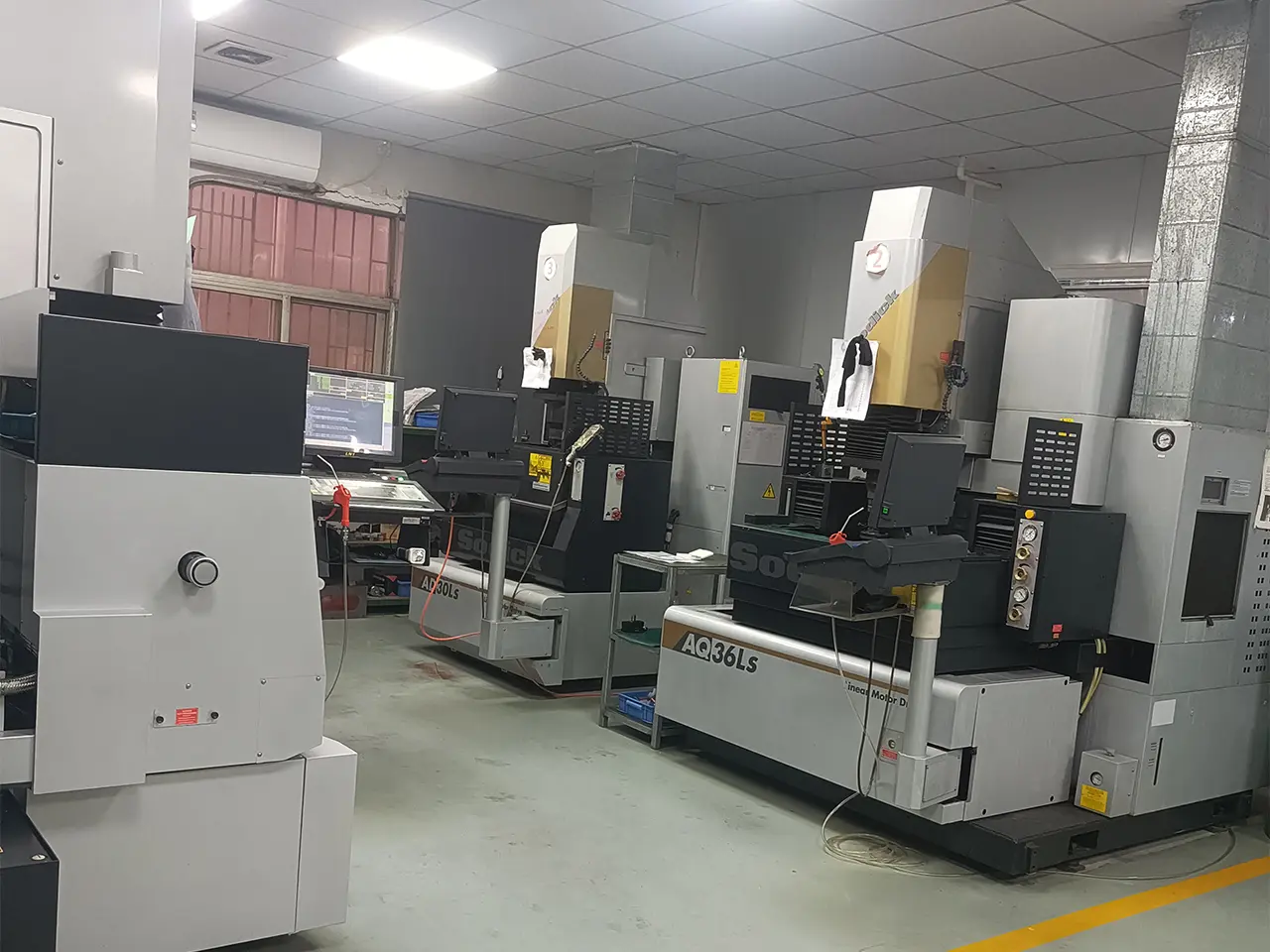
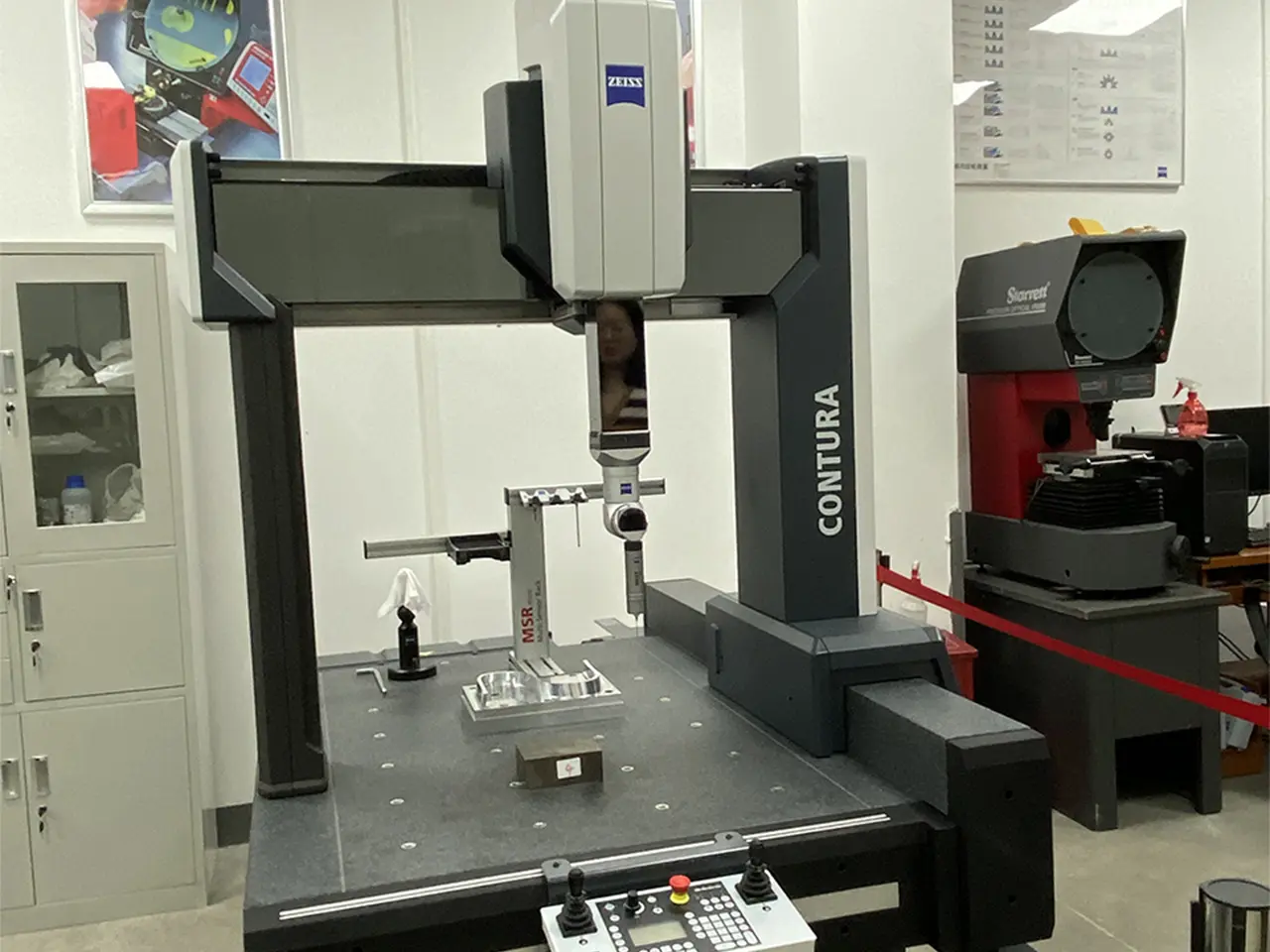
In Japanese industries, raw performance data outweighs promise. To ensure the reliability required for safety-critical systems, our facility incorporates state-of-the-art coordinate measuring machines (CMM), industrial spectrometers for material purity validation, optical comparators, and automated roughness testers.
Every single batch of parts destined for the Japanese market is accompanied by comprehensive inspection logs, material certifications, and traceability documentation. Our strict adherence to zero-defect manufacturing rules has enabled us to sustain multi-year supply partnerships across Japan's high-tech industrial corridors.
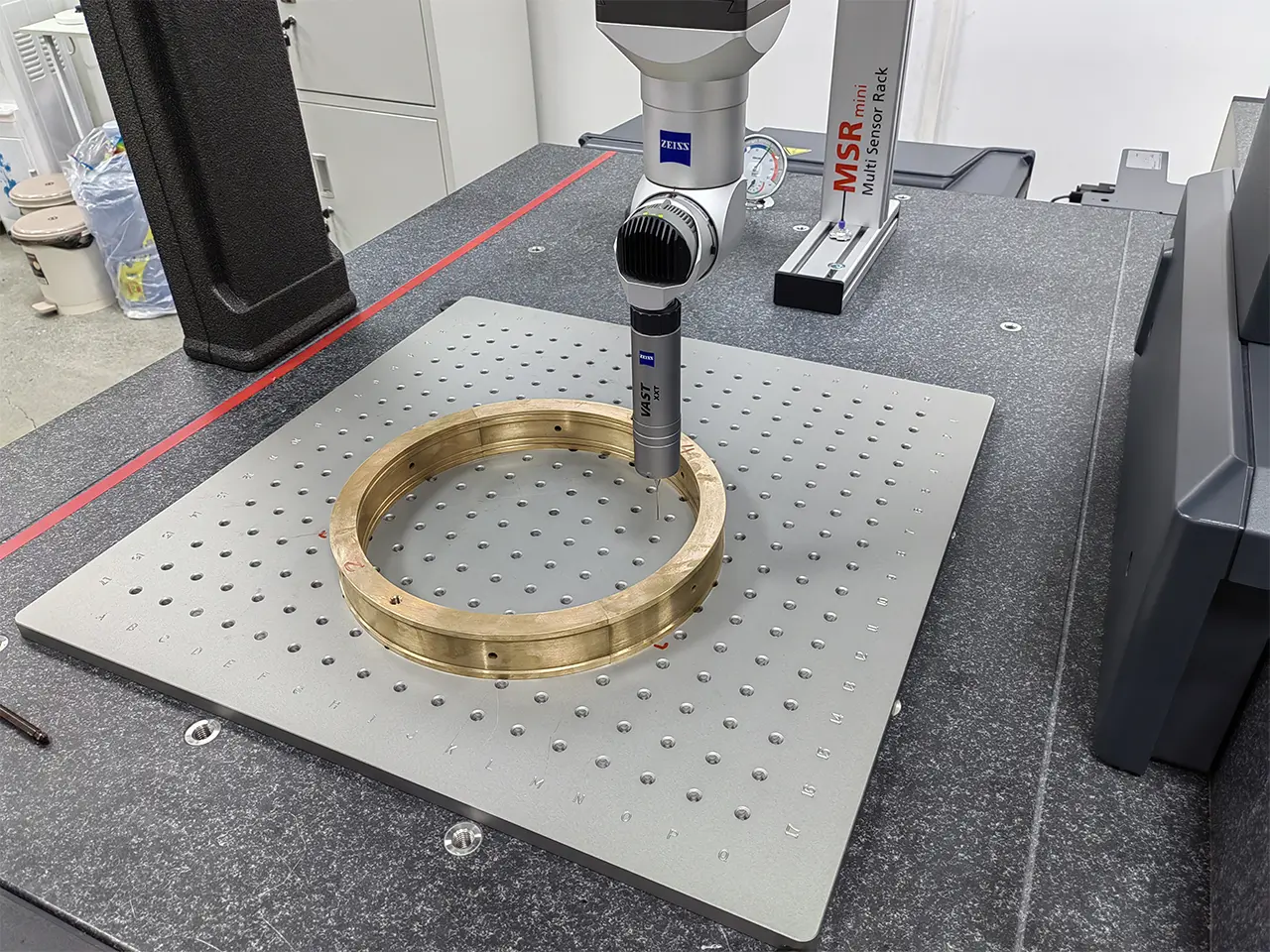
Our specialized testing workflows ensure alignment with the strictest Japanese quality parameters.
Engineered components designed for specialized end-use environments.
Cleanliness, zero outgassing, and extremely high dimensional accuracy are critical for vacuum chamber parts and gas delivery systems. We supply high-grade aluminum and fluoropolymer components processed under strict environmental controls.
As EV powertrains adopt lighter materials for extended range, our facilities deliver thin-walled aluminum castings, high-torque rotor shafts, and complex structural components capable of withstanding severe mechanical stresses.
Biocompatibility, light weight, and ergonomic design define our medical components. We turn and mill titanium alloy implants, custom wheelchair structures, and custom diagnostic instrument brackets.
Key information regarding ordering, logistics, and quality assurance for our Japanese partners.
Our CNC machining centers regularly produce components with tolerances down to ±0.005 mm (5 microns). For specialized projects requiring micro-finishes, we use precision grinding and finishing steps to meet exact client design specifications.
We review all design drawings and physical parameters against JIS standards (e.g., JIS B 0401 for dimensional tolerances). Materials are verified through spectroscopic analysis, and certifications are provided to confirm chemistry and mechanical strength match equivalent Japanese raw materials.
Yes, our flexible production setup supports low-volume prototyping (1-10 parts) for validation tests, as well as full-scale production runs of thousands of units.
Lead times depend on design complexity and production volumes, but typically range from 7 to 15 business days. We ship via premium express couriers or ocean freight directly to major Japanese industrial zones like Yokohama, Tokyo, and Osaka within 3 to 5 transit days.
Engineered titanium, steel, and high-strength aluminum parts manufactured to exact client drawings.
Share your design drawings and technical specifications with our engineering team today to receive a detailed quote.
Send Inquiry Now SX Machining