Premium machined components engineered to meet the demanding operational standards of Indonesia's medical, automotive, and technological hubs.
An in-depth analysis of "Making Indonesia 4.0", local sourcing complexities, and the role of global precision engineering partners.
Indonesia's manufacturing sector is undergoing an unprecedented modernization cycle, driven by the government's ambitious "Making Indonesia 4.0" initiative. Key corridors like West Java (Bekasi, Karawang, Cikarang), Batam Free Trade Zone, and the growing industrial parks in Surabaya are rapidly transforming into advanced manufacturing ecosystems. The demands for high-precision components are scaling exponentially across industries such as automotive assembly, electronics production, medical instrumentation, and petrochemical processing. However, access to ultra-precision CNC tooling locally can still present significant structural challenges.
While domestic workshops in Indonesia are excellent for general-purpose fabrication and low-complexity repairs, local capacity for volume production of parts requiring tolerances below ±0.01 mm, 5-axis synchronous tool paths, or advanced surface treatment is limited. Many Tier-1 automotive and electronic manufacturers based in Karawang and Batam rely heavily on global supply chains to secure consistent, high-yield component runs. Establishing a robust flow of precision parts from specialized manufacturing clusters like Dongguan, China, has become a strategic necessity for Indonesian procurement teams seeking to maintain operational velocity.
Located in the heart of China’s premium electronics and precision machinery industrial cluster, Dongguan SX Technology Co., Ltd leverages unmatched geographical and supply-chain advantages to support Indonesian business enterprises. Our structural efficiency is built on three main pillars:
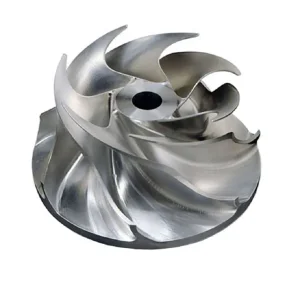
Our 5-axis machining capability eliminates multiple setups, allowing complex curved surfaces like impellers, turbine blades, and manifolds to be produced in a single operation.
We process titanium (Grades 2 & 5), stainless steel (SUS303, SUS304, SUS316), carbon steel, aerospace aluminum, and engineering plastics (PEEK, POM-C, Nylon).
Every delivery batch is accompanied by comprehensive dimensional inspection records, material mill certificates, and surface roughness evaluation reports.
Dongguan SX Technology Co., Ltd has very rich experience in precision casting, CNC machining, and assembly. Our products are used in machinery, automobiles, marine, ships, equipment, valves and pumps, electronic appliances, packaging, watches, construction, chemical industry, and other major industries. The most commonly used materials for investment casting are stainless steel and carbon steel. And the most commonly used materials for CNC machining include titanium alloy, stainless steel, carbon steel, aluminum alloy, copper alloy, cemented carbide, etc.
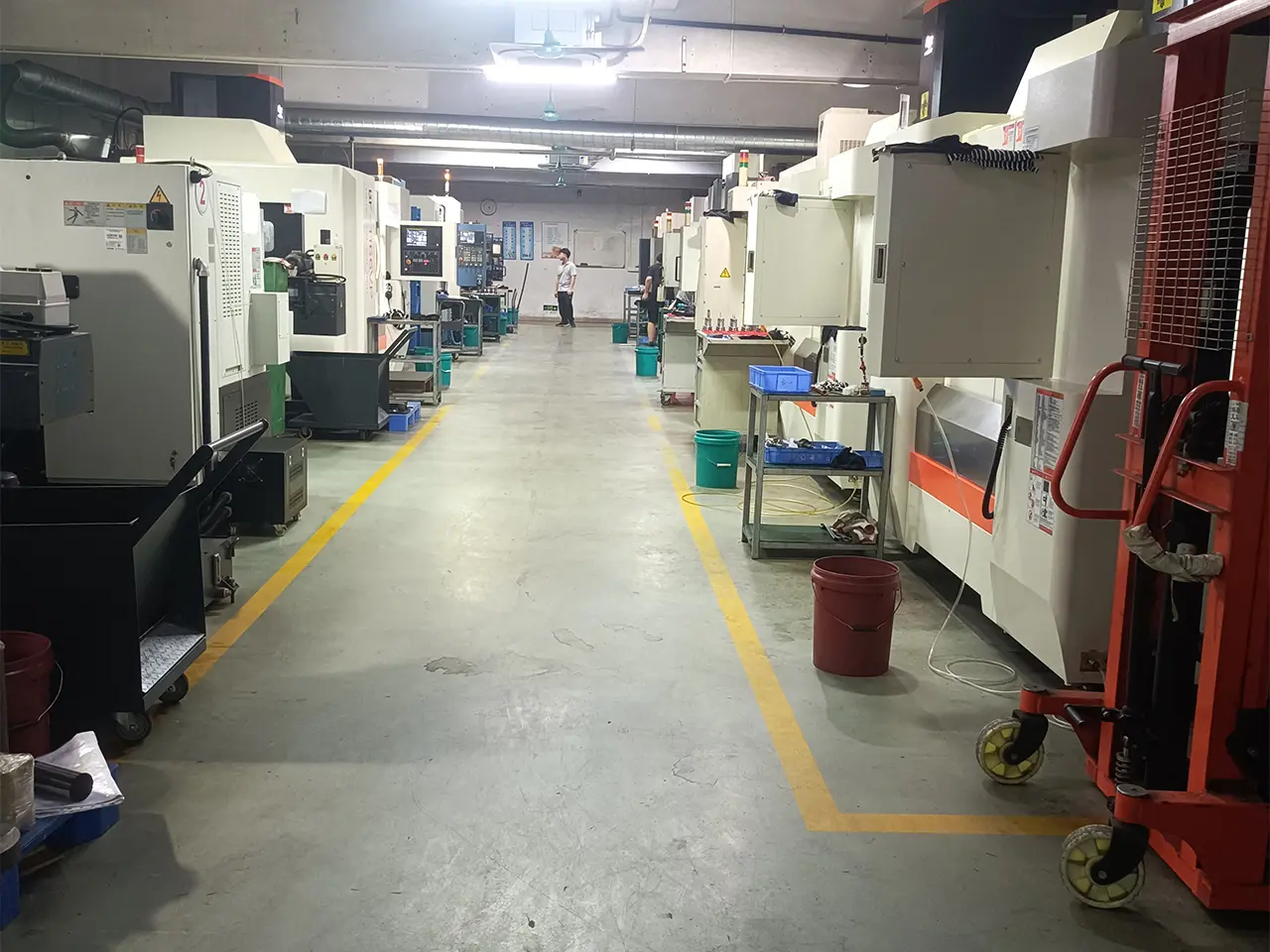
We have advanced manufacturing equipment and technology and are able to respond quickly to your engineering needs. Our technical experts work closely with partners across Indonesia, Singapore, and wider ASEAN regions to ensure seamless product development from initial design layout to final shipping dispatch.
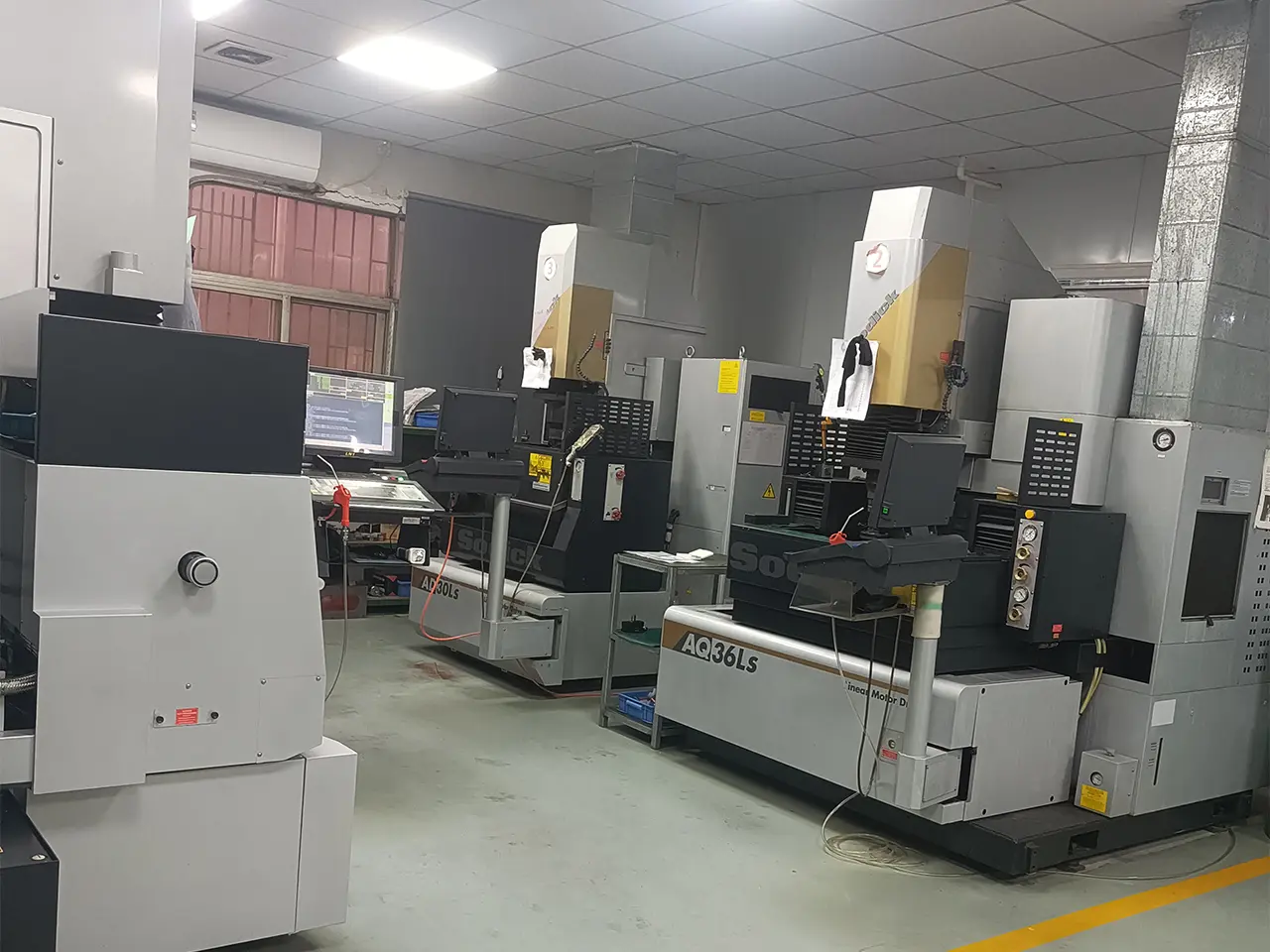
Take a virtual look inside our ISO-compliant machining environment where our high-performance fleet operates.
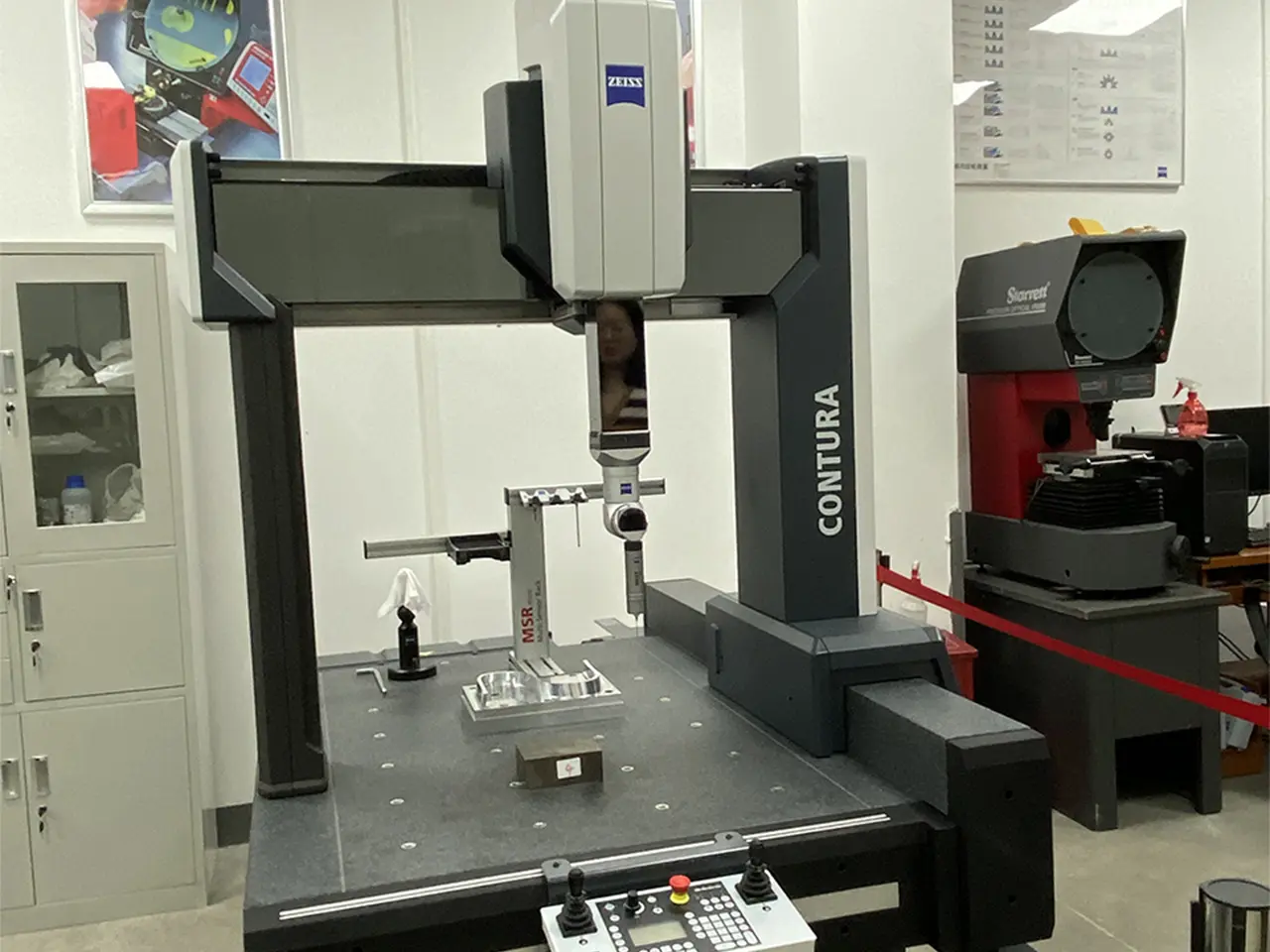
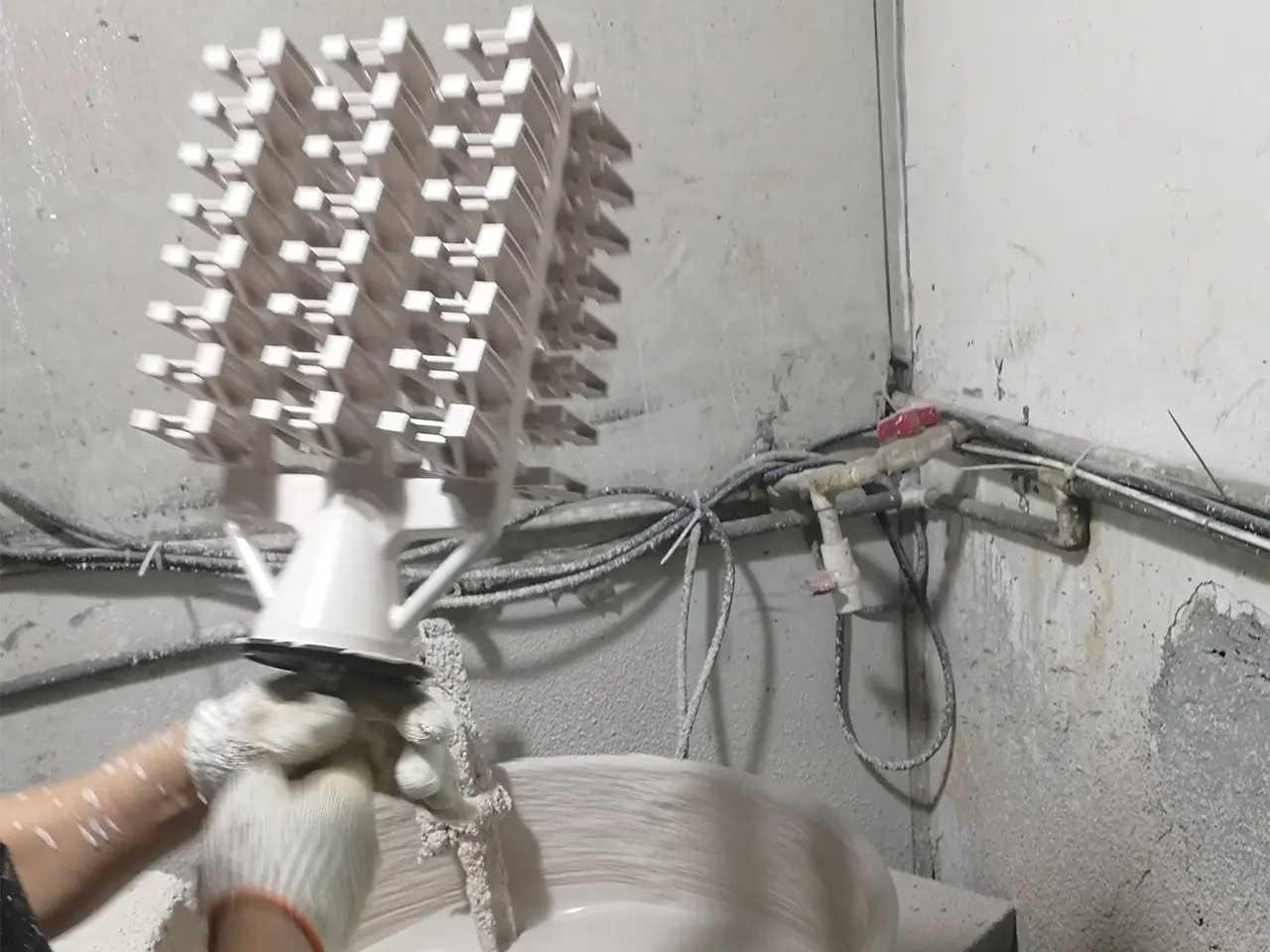
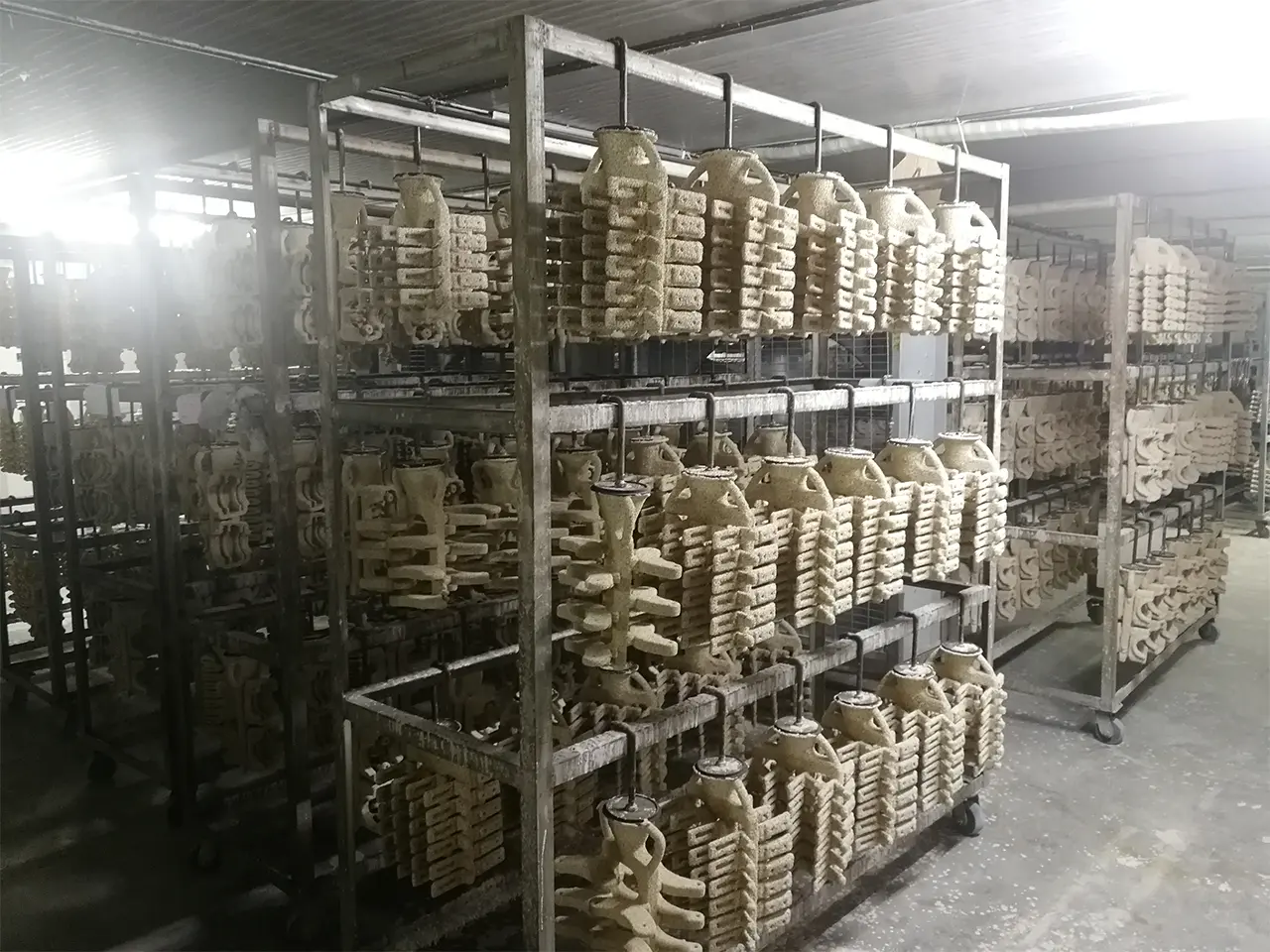
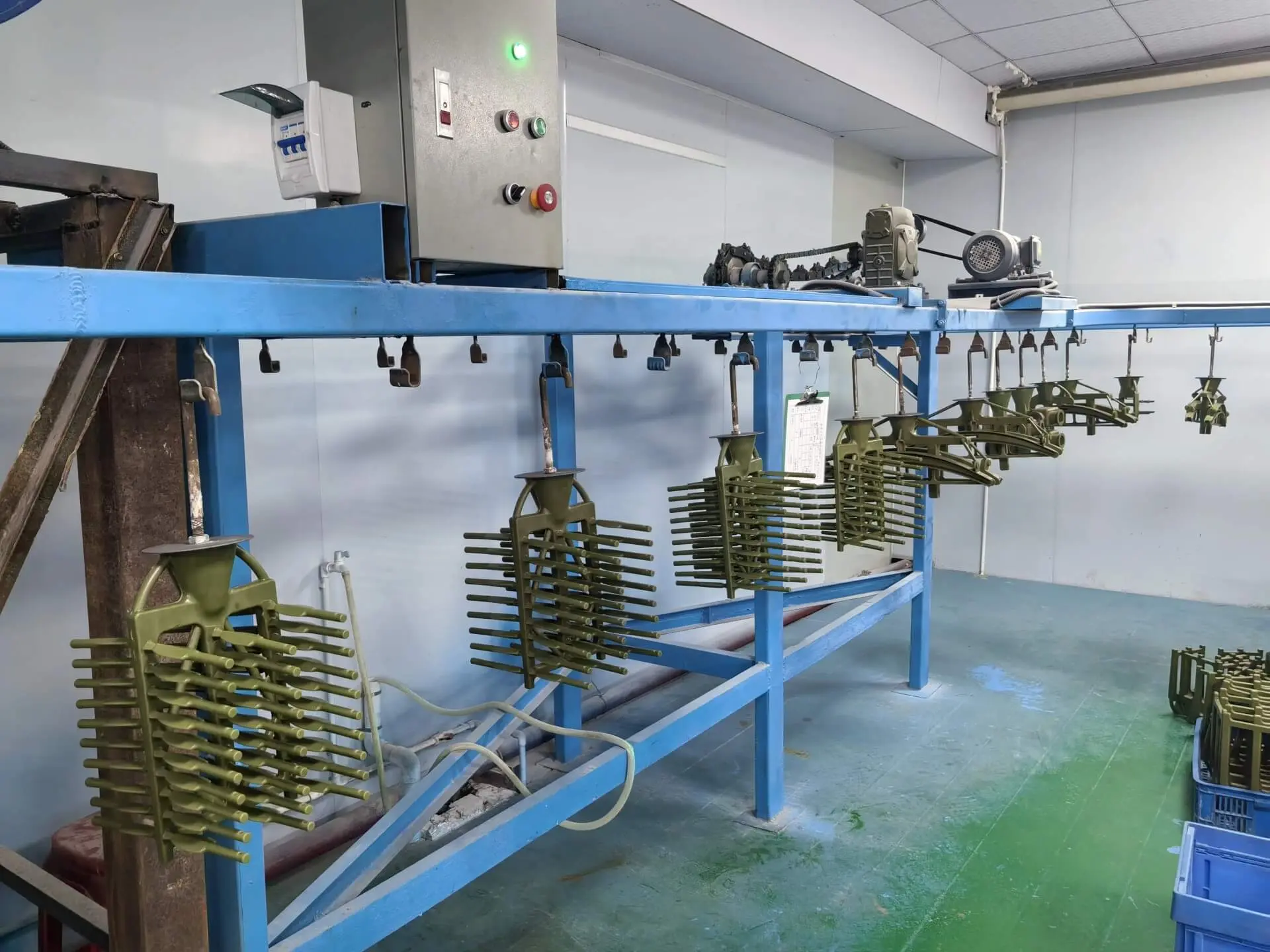
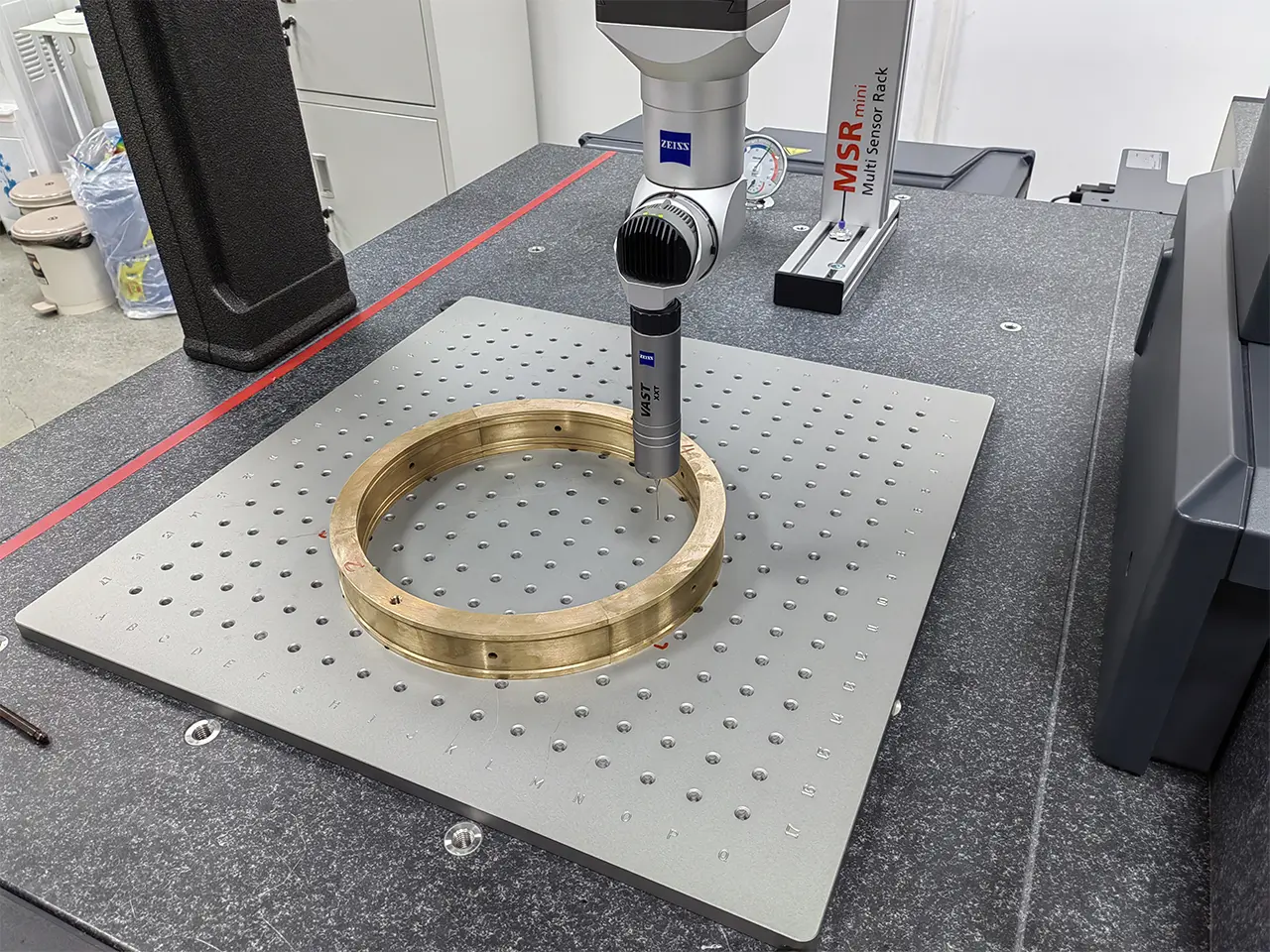
We have professional testing equipment and professional QC personnel, and we adhere to strict tolerances and quality standards for the products we produce. Due to our insistence on strict quality requirements, we have been praised by many customers in Indonesia, Europe, and the Americas.
Quality is the cornerstone of the manufacturing industry. We firmly believe that only by controlling quality well can we survive, develop, and get better and better. Therefore, we have been working in this industry unremittingly since 2014 and continue to improve the company's team and improve the company's production capacity.
Our quality checks encompass raw material spectral verification, First Article Inspection (FAI), in-process visual checking, and final inspection using advanced Coordinate Measuring Machines (CMM), height gages, and optical comparators to confirm perfect correlation with client blueprints.
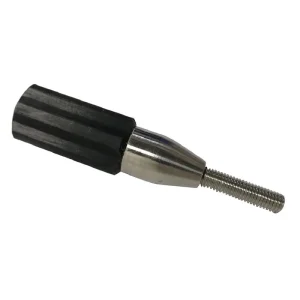
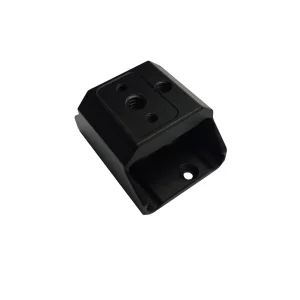
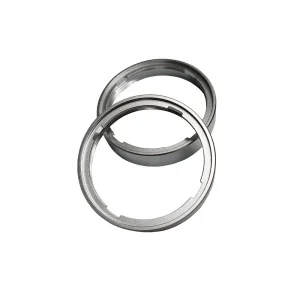
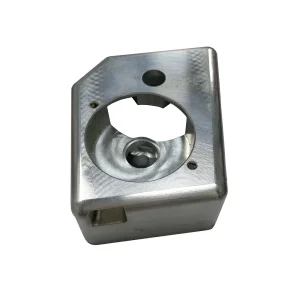
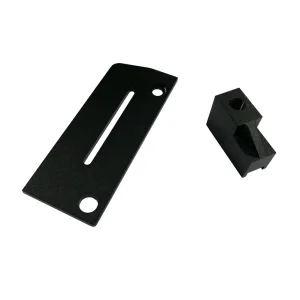
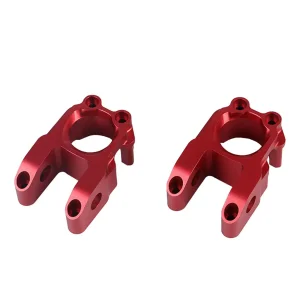
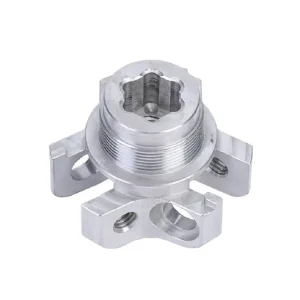
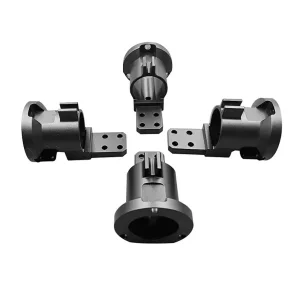
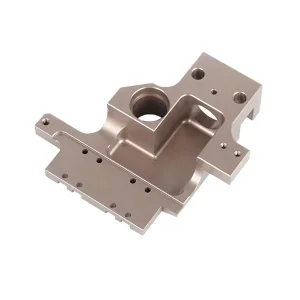
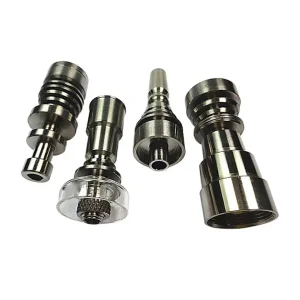
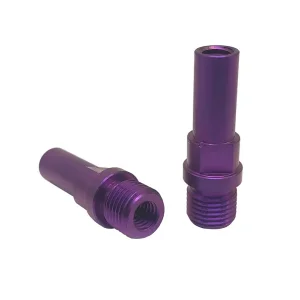
Comprehensive custom manufacturing capabilities spanning across specialized materials and complex engineering specifications.
Answering technical questions regarding logistics, material specifications, customs, and tolerances.
Our standard manufacturing lead time ranges from 7 to 15 business days depending on part complexity and finish. Shipping from Shenzhen or Guangzhou ports to Tanjung Priok (Jakarta) or Tanjung Perak (Surabaya) via fast ocean freight takes approximately 10 to 14 days. Express air courier services (DHL, FedEx) take 3 to 5 business days, making it ideal for prototyping runs.
We provide a complete suite of documentation, including Certificate of Origin Form E under the ASEAN-China Free Trade Area. This certificate allows Indonesian importers to apply for preferential zero-duty or significantly reduced tariff rates on imported metal components, ensuring optimal landed cost calculations.
Our modern multi-axis CNC machines can consistently maintain tight tolerances up to ±0.005mm (0.0002 inches) depending on part design, geometry, and material selection. For specialized critical dimensions, we utilize high-precision Swiss-type lathes and wire EDM equipment to ensure absolute compliance with geometric dimensioning and tolerancing (GD&T) specifications.
Yes. Every drawing received by our team undergoes a rigorous Design for Manufacturability (DFM) analysis. We examine corner radii, internal pockets, thread depths, and assembly constraints to identify cost-saving and stress-reducing optimization possibilities. This ensures high-yield rates and fast production turnarounds.
Yes, we specialize in high-strength, low-weight materials. Our experience with Titanium (Grades 2 and 5) spans medical implants, aerospace fixtures, and automotive upgrades. We run specialized rigid setups and optimized tooling parameters to overcome the low thermal conductivity and work-hardening characteristics of titanium alloys.
We provide a comprehensive range of finishes: Type II and Type III (Hardcoat) Anodizing, Passivating, Electropolishing, Chemical Conversion Coatings (Alodine), Powder Coating, Bead Blasting, PVD Coating, and Chrome/Nickel plating. All finishes are tested for thickness and adhesion to meet industrial requirements.
We verify incoming raw materials using spectral analysis, cross-referencing batch composition against standard ASTM/DIN/JIS codes. Every delivery of raw material is accompanied by a mill certification sheet detailing the precise chemical composition and physical properties of the batch. This certification can be passed on to clients upon request.
We do not have a rigid minimum order limit. We handle everything from single-unit prototype models to pre-production runs and high-volume annual supply agreements (100,000+ units). Pricing scale adjusts favorably as volume increases due to structural setups and optimized programming costs being amortized over larger runs.
Connect directly with our engineering division today to receive a detailed quote, structural feedback, and timeline planning within 24 hours.
Submit RFQ / Contact Us SX Machining