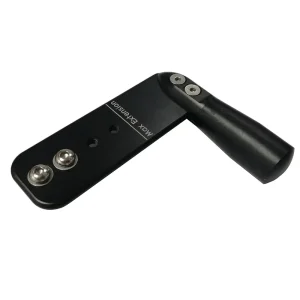
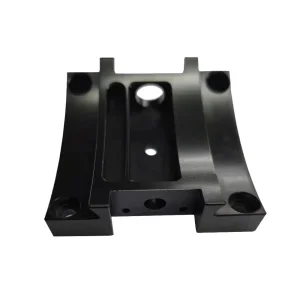
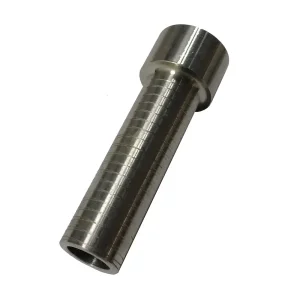
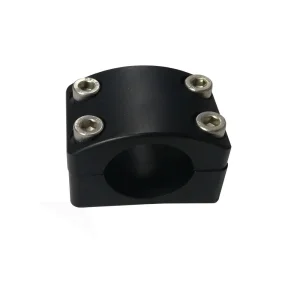
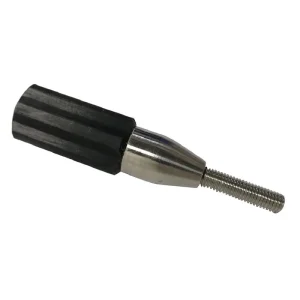
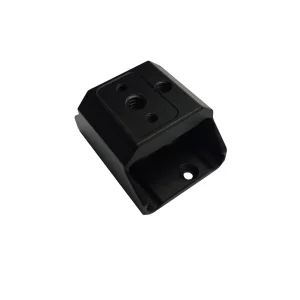
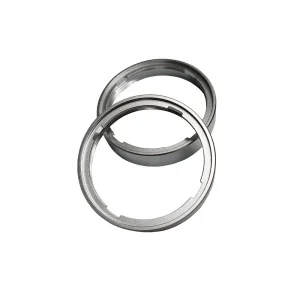
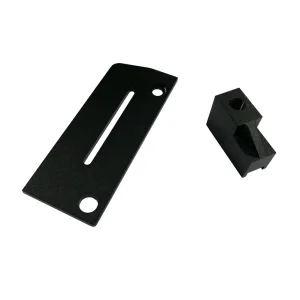
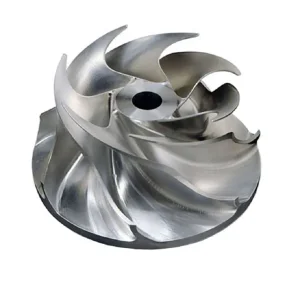
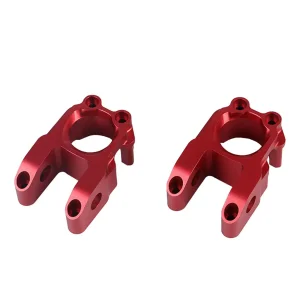
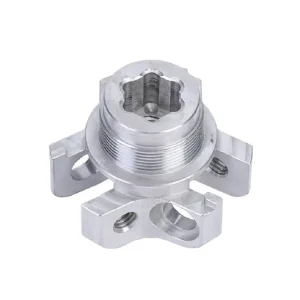
Engineered to meet the stringent quality, tolerance, and performance benchmarks of Tokyo's leading industrial sectors.
Decoding the technical requirements of the Kanto region's advanced manufacturing hubs.
The Kanto industrial region, centered around Tokyo, is the global epicenter for precision manufacturing. From the high-tech robotics corridors in Ota City (Ota-ku) to the cutting-edge medical device developers in Bunkyo and the semiconductor equipment OEMs in Hachioji, Tokyo demands unmatched quality. In this hyper-competitive landscape, local procurement managers prioritize "Monozukuri" (the art of making things with perfection) combined with global supply chain efficiency.
Understanding these unique expectations is crucial. Our cross-border machining pipeline bridges the gap between cost-efficiency and high-precision tolerances. By aligning our output with JIS (Japanese Industrial Standards), we ensure that every batch of titanium, stainless steel, and carbon steel parts integrates seamlessly into Japanese assembly lines. We focus on low-variability, sub-micron accuracy, and clean aesthetic finishes to meet local standards.
Machined components built directly to JIS B 0401 dimensional tolerance tables, ensuring seamless structural fitment.
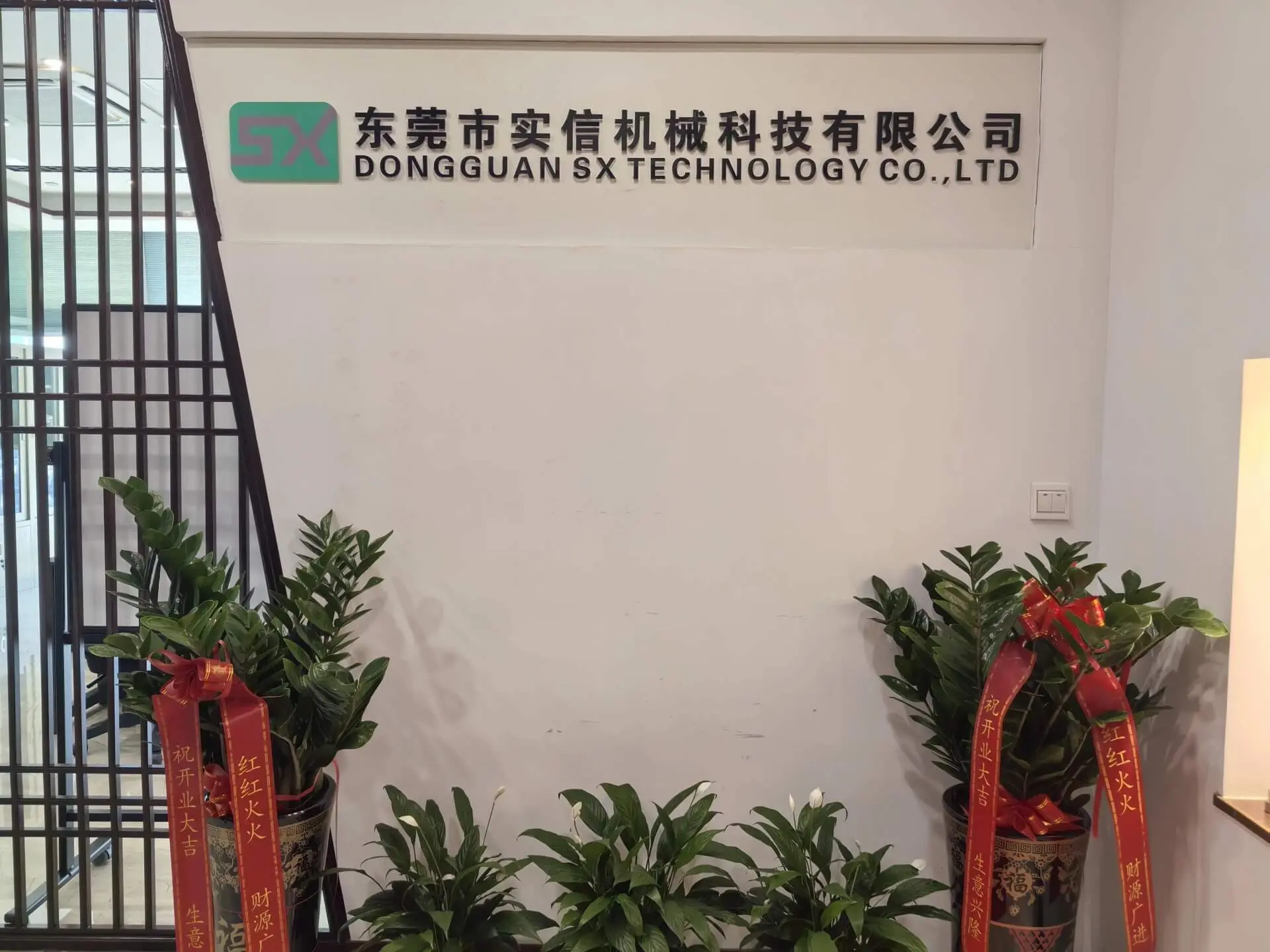
Over a decade of manufacturing excellence in precision casting, CNC machining, and complex assembly.
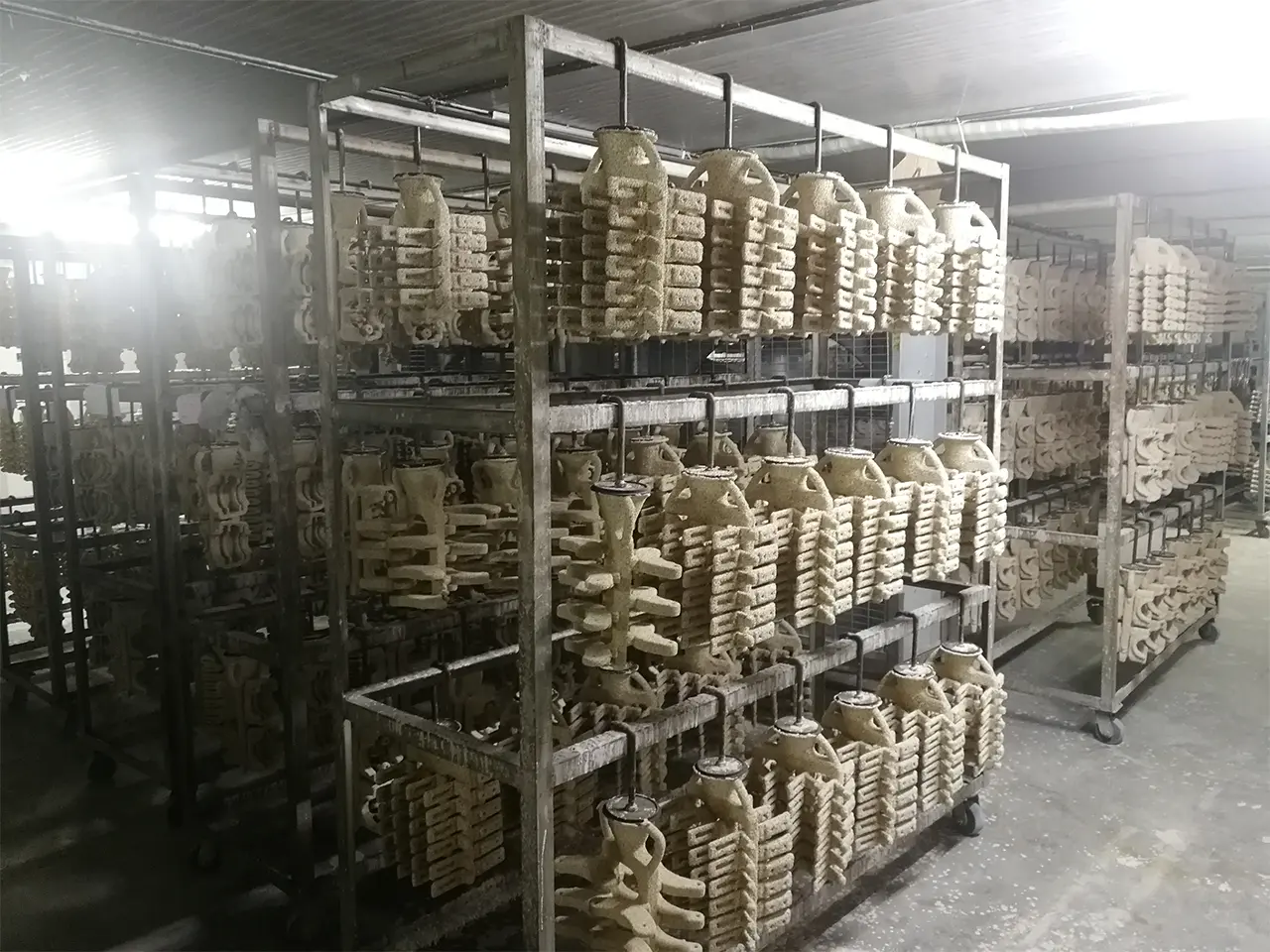
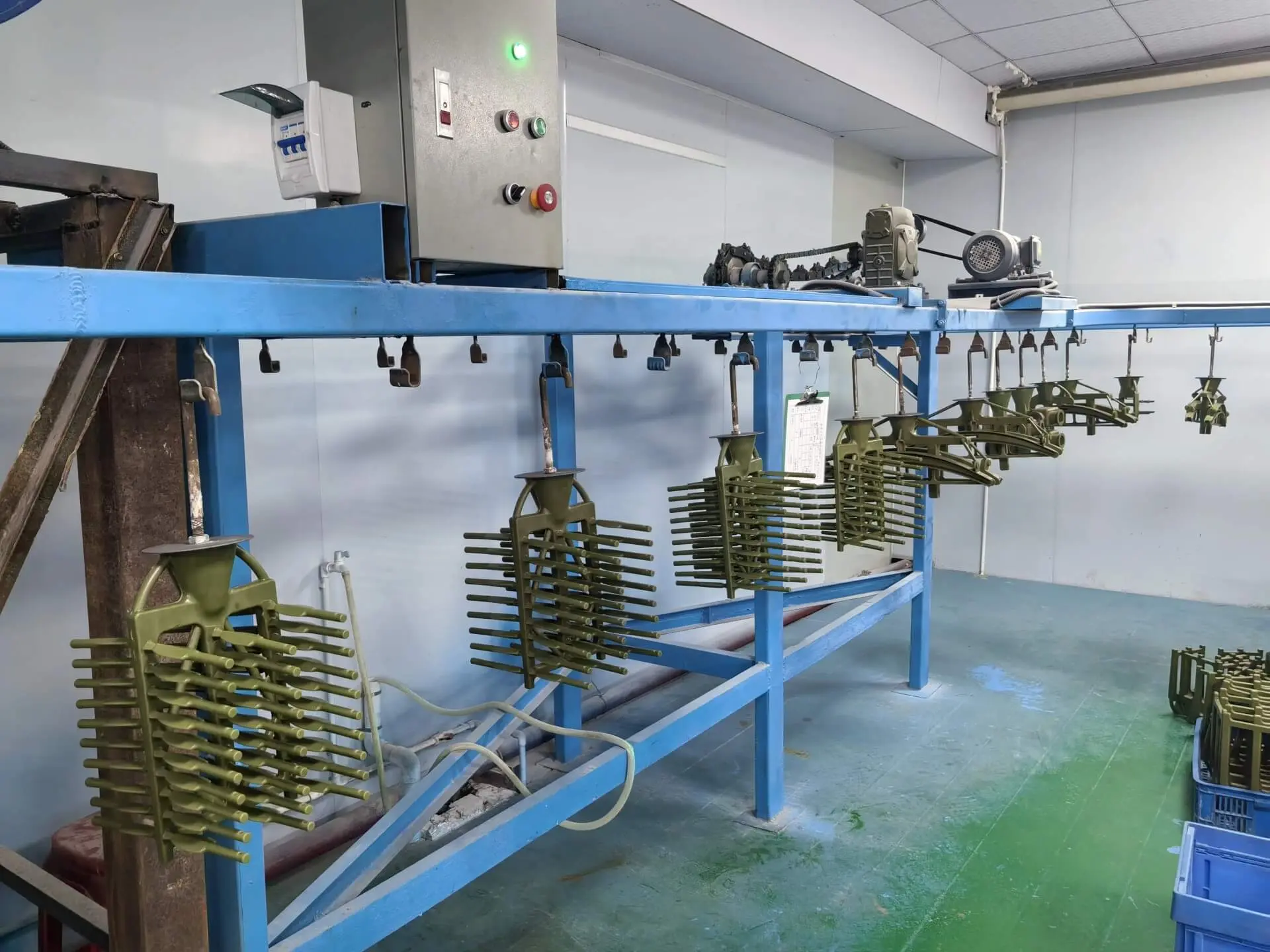
Founded in 2014, Dongguan SX Technology Co.,Ltd has developed deep expertise in investment casting, high-axis CNC milling, turning, and final product assembly. We serve global high-performance industries, supplying parts for machinery, automobiles, marine, ships, equipment, valves and pumps, electronic appliances, packaging, watches, construction, and the chemical industry.
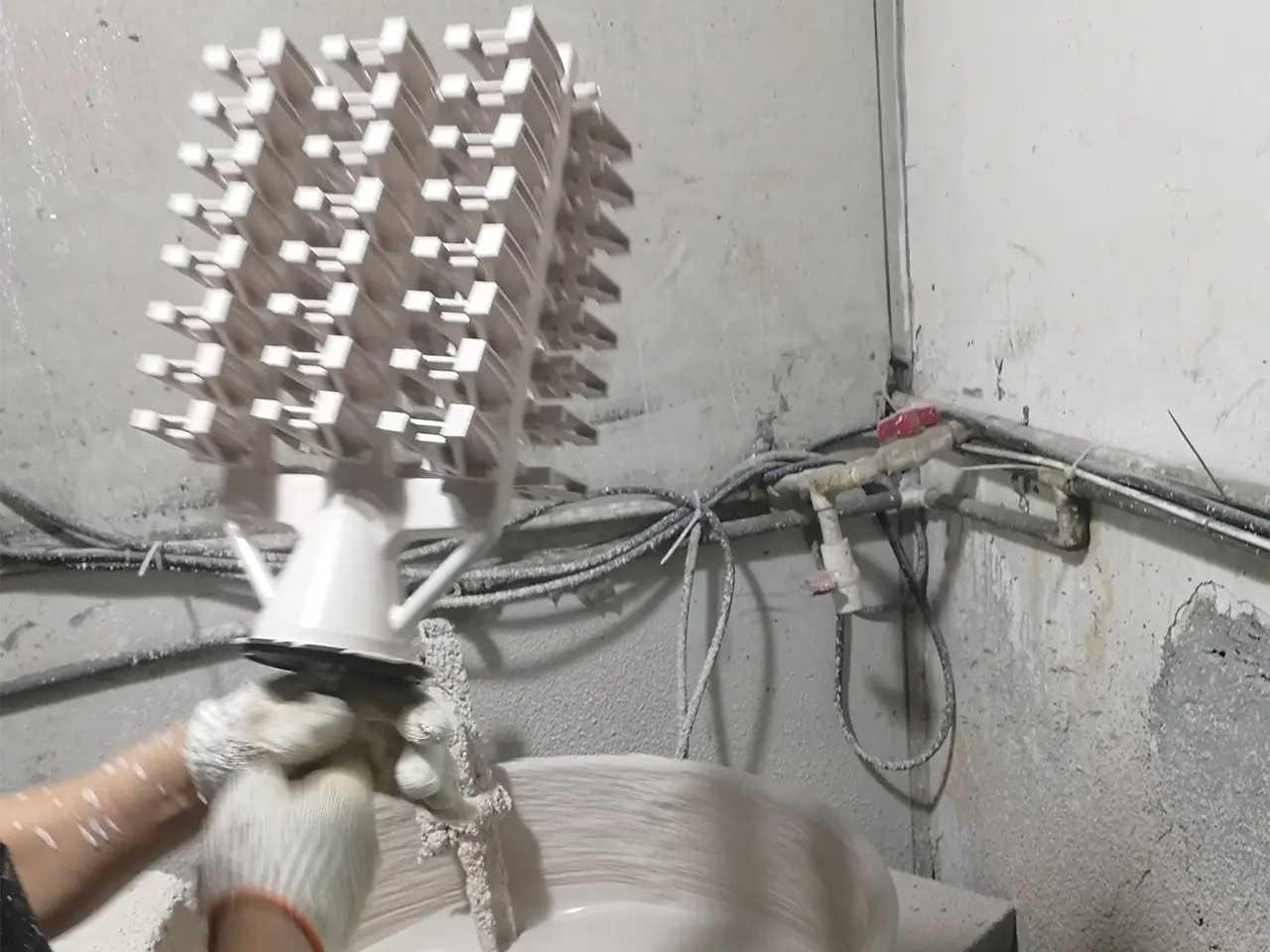
Our competitive advantage lies in our dual expertise: advanced investment casting combined with downstream ultra-precision CNC finishing. This allows us to handle complex geometry casting-to-machining pipelines under one roof. The most commonly used materials for investment casting are stainless steel and carbon steel. For advanced CNC machining, we work with a wide range of materials including titanium alloys, stainless steel, carbon steel, aluminum alloys, copper alloys, and cemented carbide.
To support high-reliability environments like medical robotics and aerospace equipment in Tokyo, our technical team works with advanced manufacturing tools and modern workflow automation. This allows us to respond quickly to engineering drawings, design updates, and emergency production runs.
High-grade investment casting for carbon steel and stainless steel, forming complex structural shapes near net-shape.
5-axis milling and live-tool turning for titanium, cemented carbide, and high-strength aluminum alloys.
Cleanroom-adjacent manual and semi-automated assembly of multi-part kinetic components.
How we solve high-stress, high-temperature, and ultra-high-vacuum engineering challenges.
Ideal for medical robotics, aerospace structures, and maritime systems. Offers exceptional strength-to-weight ratio and bio-compatibility. Optimized for Tokyo's medical and high-performance engineering sectors.
High corrosion resistance and mechanical strength. Essential for semiconductor vacuum chambers, fluid-control valves, pump shafts, and chemical processing equipment operating in demanding environments.
Engineered for high wear resistance. Perfect for gears, structural fixtures, and machinery guide-rails that require surface hardening treatments like carburizing or nitriding.
Highly machinable with great thermal conductivity. Extensively used in Tokyo's electronics industry for structural chassis, heatsinks, optics housings, and drone frames.
High electrical and thermal conductivity. Ideal for electronic connectors, sensor pins, heat-exchanger blocks, and RF-shielded enclosures.
Exceptional hardness and thermal stability. Used for ultra-wear components, nozzles, micro-drills, and forming dies that face extreme friction.
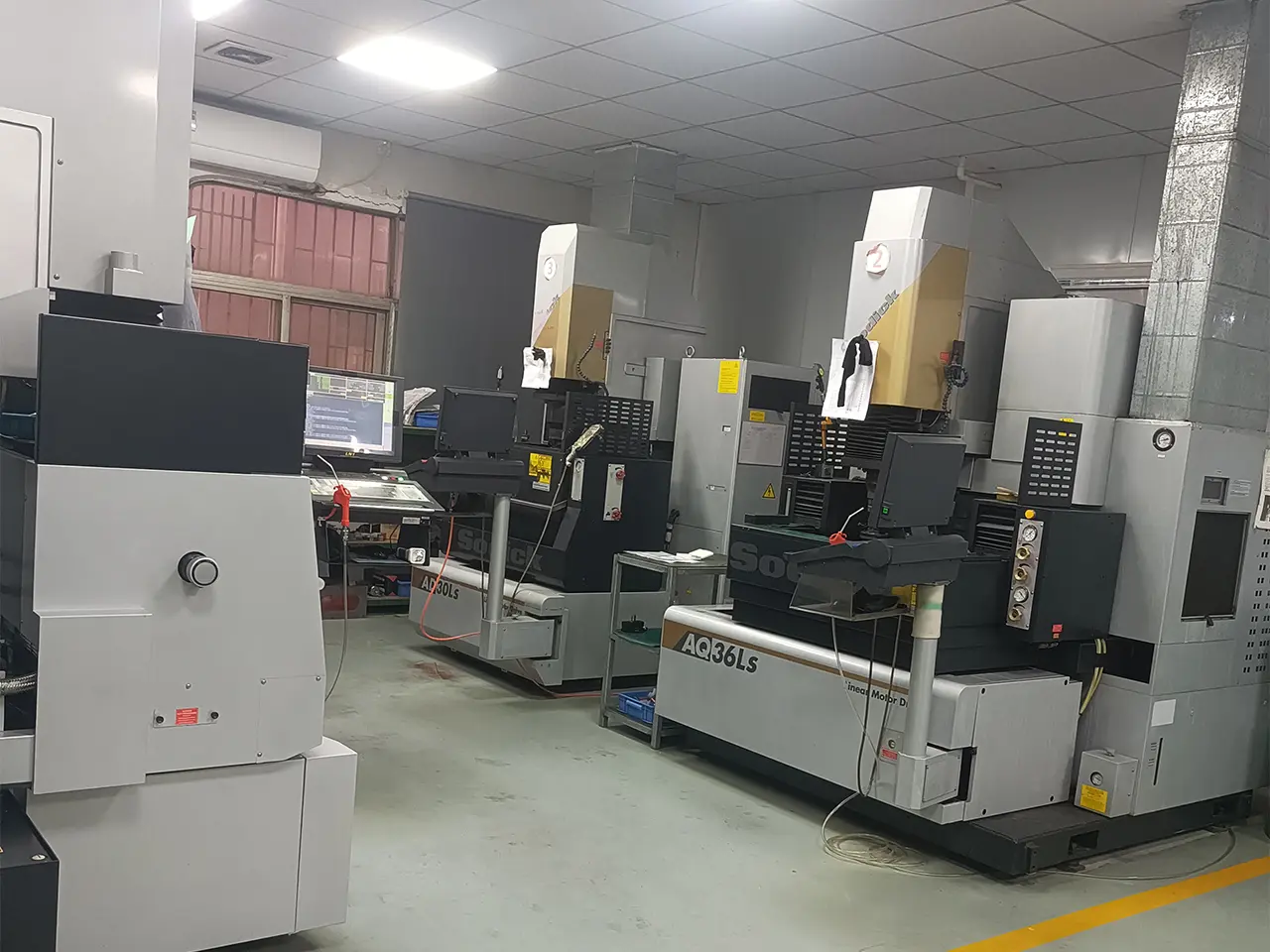
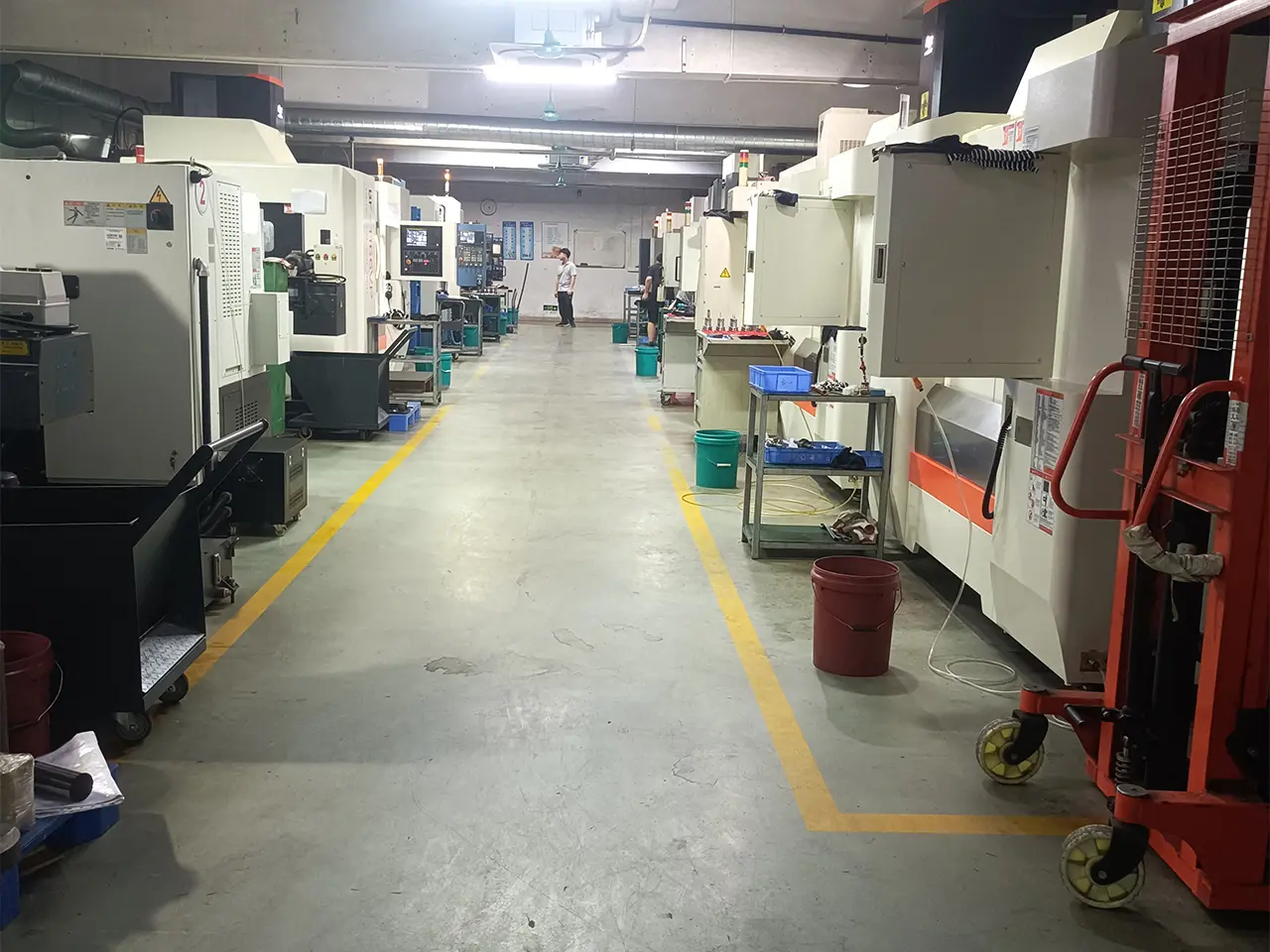
Equipped with multi-axis milling machines, CNC turning centers, and high-precision grinding tools.
How we achieve 100% compliance and dimensional accuracy on every production run.
Quality is the cornerstone of the manufacturing industry. We firmly believe that only by controlling quality well can we survive, develop, and get better and better. Therefore, we have been working in this industry unremittingly since 2014, continuously improving our team and expanding our production capacity.
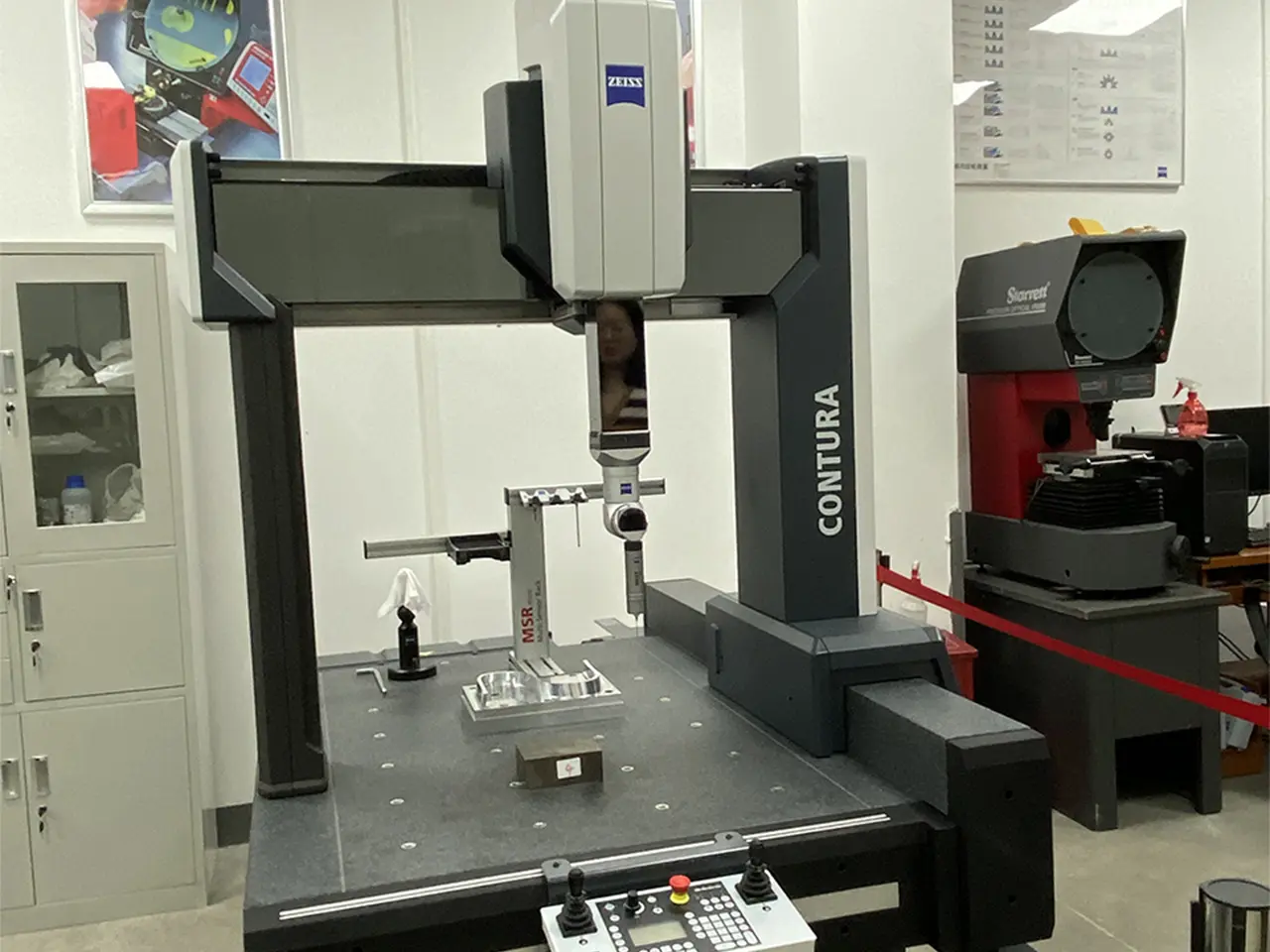
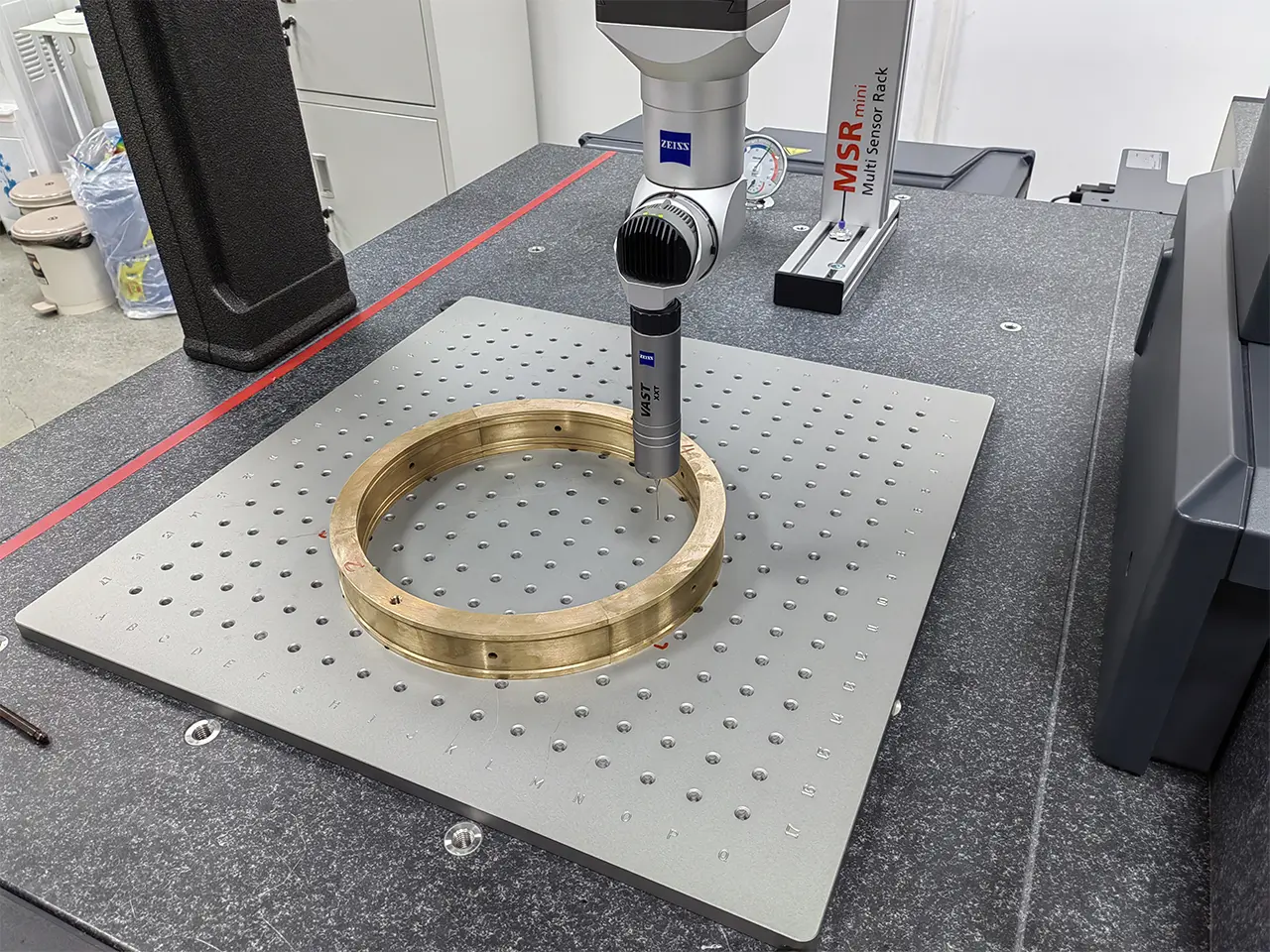
We employ dedicated Quality Control (QC) personnel and maintain a climate-controlled inspection lab. Our metrology facility is equipped with advanced testing tools to verify that every dimension matches your drawings:
Reducing supply chain friction for Japanese import operations.
We provide full customs clearance documentation, HS Code classification, and shipping logistics to Tokyo, Yokohama, or Osaka ports, minimizing import delays.
All raw materials, plating, and surface treatments (like anodizing, passivation, and electroplating) are fully certified to comply with current European and Japanese environmental directives.
We secure all customer 3D CAD models, drawings, and proprietary engineering designs. Non-Disclosure Agreements (NDAs) are signed before sharing any production data.
How we are adopting next-generation technologies to improve speed, precision, and sustainability.
Integrating advanced software to calculate tool paths, reducing machining cycles, energy usage, and tool wear on tough materials like titanium and cemented carbide.
Deploying optical sensors directly inside our multi-axis CNC machines to check dimensions in real-time, preventing errors and ensuring consistent quality during long production runs.
Expanding our materials recycling program. 100% of raw metal chips (aluminum, stainless steel, copper) are captured, sorted, and sent for reprocessing to reduce waste.
Answers to common questions from Tokyo-based procurement managers and design engineers.
For CNC machining parts (turning and milling), we can maintain standard tolerances of ±0.01mm. For specialized components with critical requirements, we can achieve tolerances down to ±0.005mm (5 microns), verified using our optical comparators and Coordinate Measuring Machines (CMM).
Our investment casting services focus primarily on stainless steel and carbon steel. For custom CNC machining, we work with a wide range of materials, including titanium alloys, stainless steel, carbon steel, aluminum alloys, copper alloys, and cemented carbide.
Our engineering team works directly with metric systems and JIS guidelines (such as JIS B 0401 dimensional tolerances). We verify material composition using spectrographic analysis and provide material certifications (like Mill Test Reports) with each shipment to guarantee authenticity.
Lead times vary depending on part complexity and order quantity. Rapid prototyping runs typically ship within 5 to 7 working days. Production batches usually take 2 to 4 weeks. We use reliable air-freight services for fast delivery to Haneda or Narita airports, as well as sea shipping to the Port of Tokyo for larger production volumes.
Yes. We offer a full range of surface finishing services, including bead blasting, anodizing (Type II and Type III hard coat), zinc/nickel plating, chemical passivation, and carburizing/nitriding heat treatments to meet your specific wear and corrosion resistance requirements.
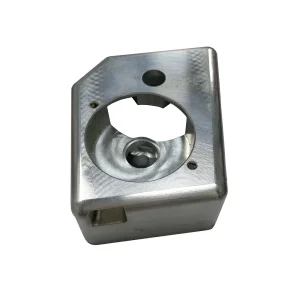
Explore our wide selection of machined components, custom-manufactured to support industrial systems worldwide.
 SX Machining