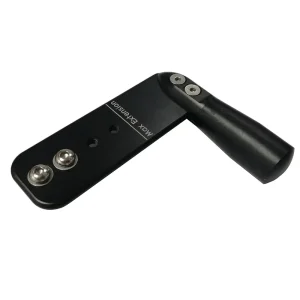
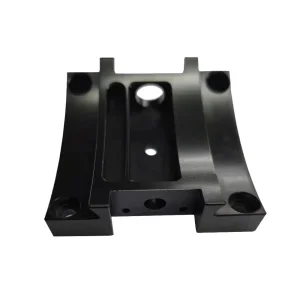
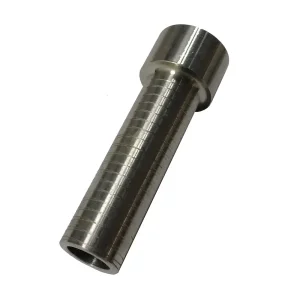
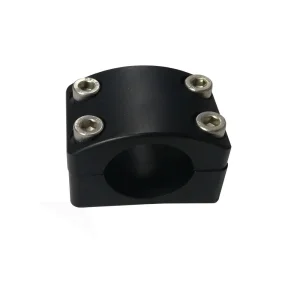
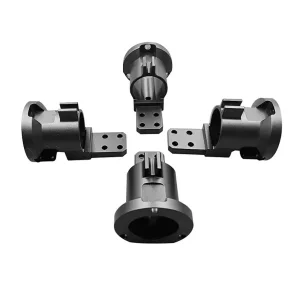
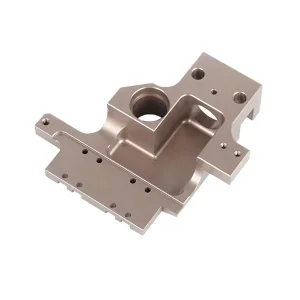
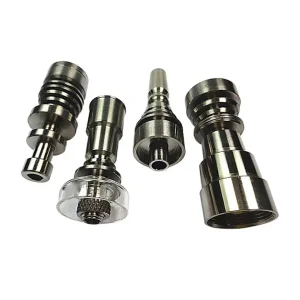
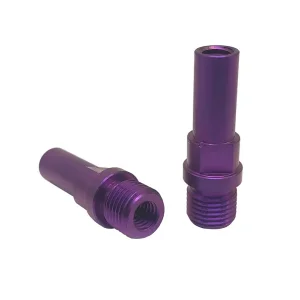
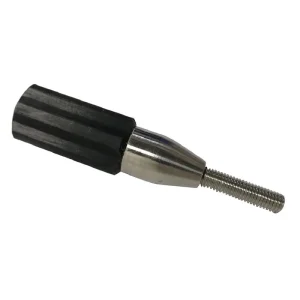
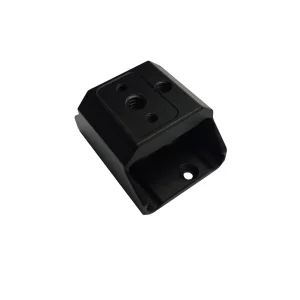
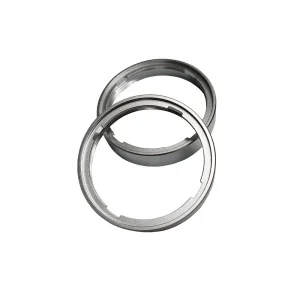
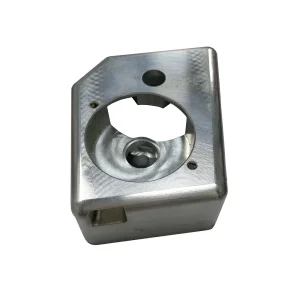
High-tolerance engineered assemblies and custom metal fabrications matching the exact mechanical specifications of Budapest and regional industrial hubs.
Hungary has positioned itself as the geographical and industrial heart of Central and Eastern Europe (CEE). Anchored by mega-investments in the automotive cluster (specifically in Győr, Kecskemét, and the rapidly growing Debrecen industrial complex), the nation has transitioned into a high-technology manufacturing hub. The massive deployment of electric vehicle (EV) ecosystems, spearheaded by global giants like BMW, Mercedes-Benz, Audi, and CATL, has driven localized demand for CNC machining components to unprecedented levels.
This rapid industrialization has exposed capacity deficits within the regional supply chains of Central Europe. Hungarian Tier-1 and Tier-2 automotive suppliers face strict pressure to secure reliable partners for complex, high-tolerance mechanical fabrications. Finding local workshops that offer an optimized balance between advanced multi-axis capabilities and scalable cost structures is challenging. To mitigate bottlenecks, procurement divisions across Budapest, Miskolc, and Székesfehérvár are actively turning to qualified global manufacturers capable of delivering strict quality assurances, direct logistic connectivity, and technical expertise.
Modern global procurement strategy goes beyond the simple calculation of piece-part costs. For global purchasing organizations managing operations in Central Europe, the calculation of Total Cost of Ownership (TCO) includes freight safety margins, raw material traceability, tooling lifetimes, and customs efficiency. High-reliability sectors like surgical equipment and aerospace cannot tolerate micro-cracking, cosmetic variances, or minor deviations from CAD geometry.
Dongguan SX Technology Co.,Ltd (Shixin) addresses these strict requirements by combining automated manufacturing processes with a robust, integrated supply chain. Located in Dongguan, the manufacturing capital of South China, our facility utilizes advanced CAD/CAM translation, automated CNC toolpaths, and real-time tool wear monitoring to minimize quality variance. This operational framework allows us to deliver substantial E-E-A-T value directly to Hungarian buyers:
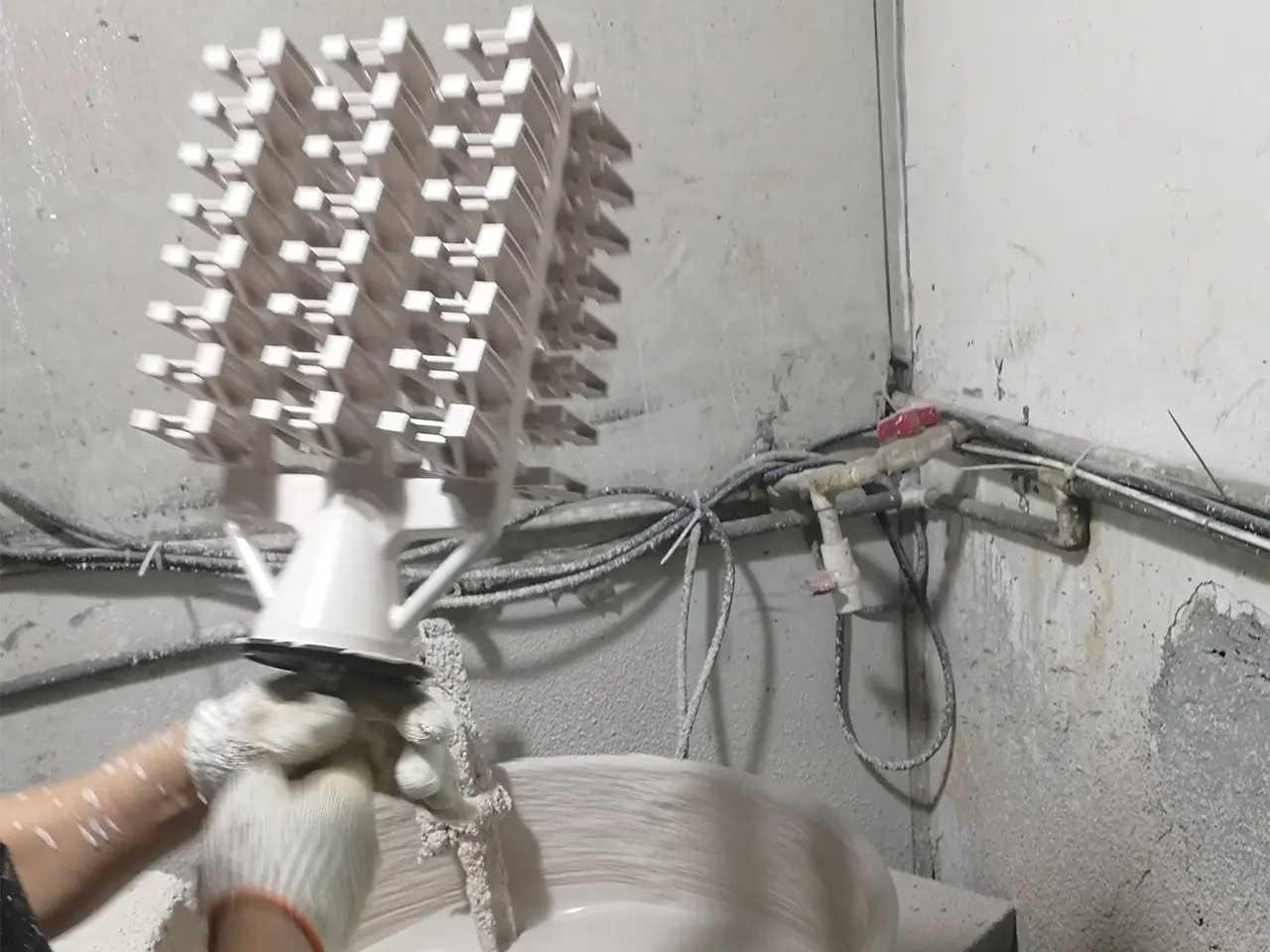
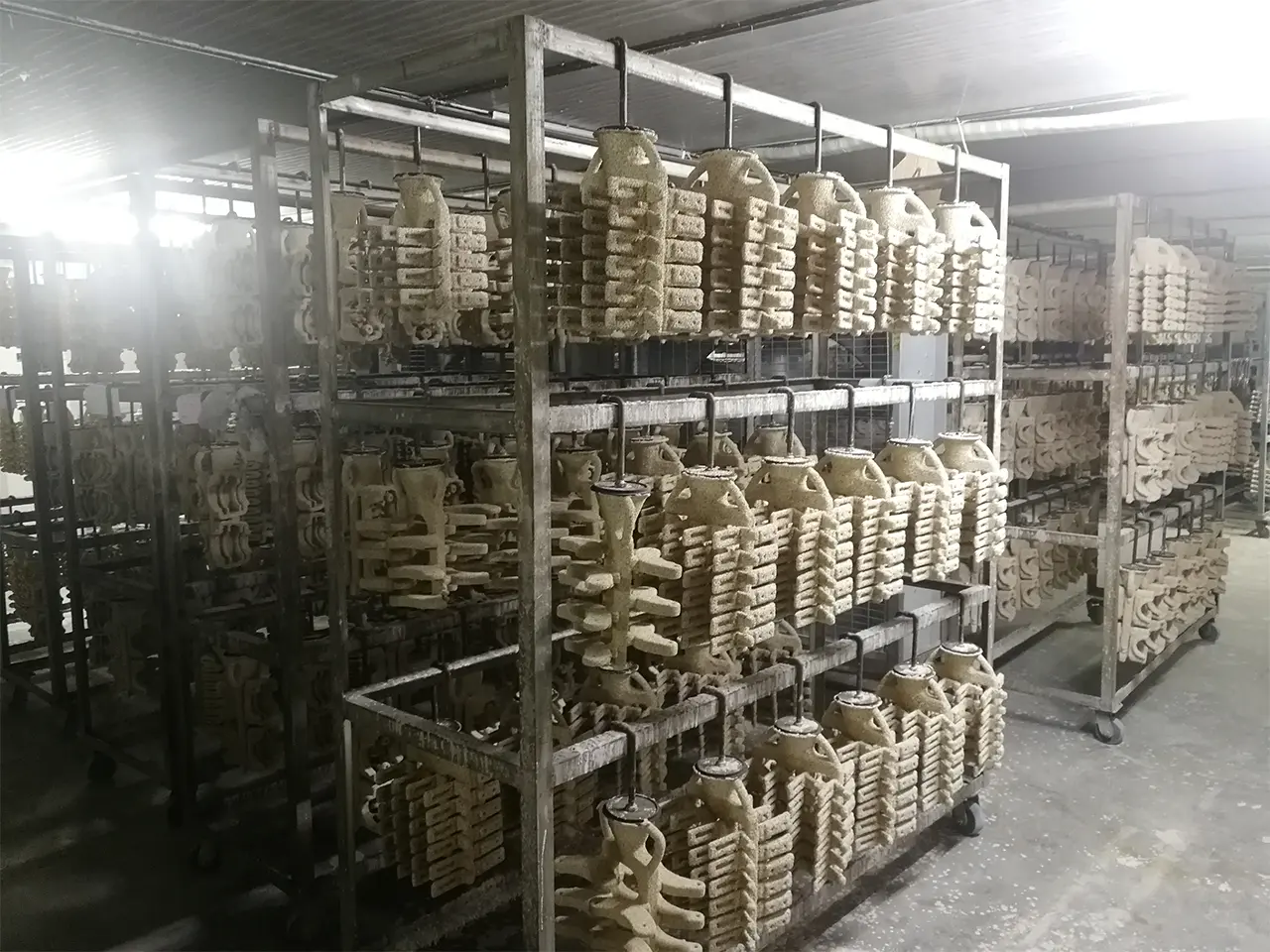
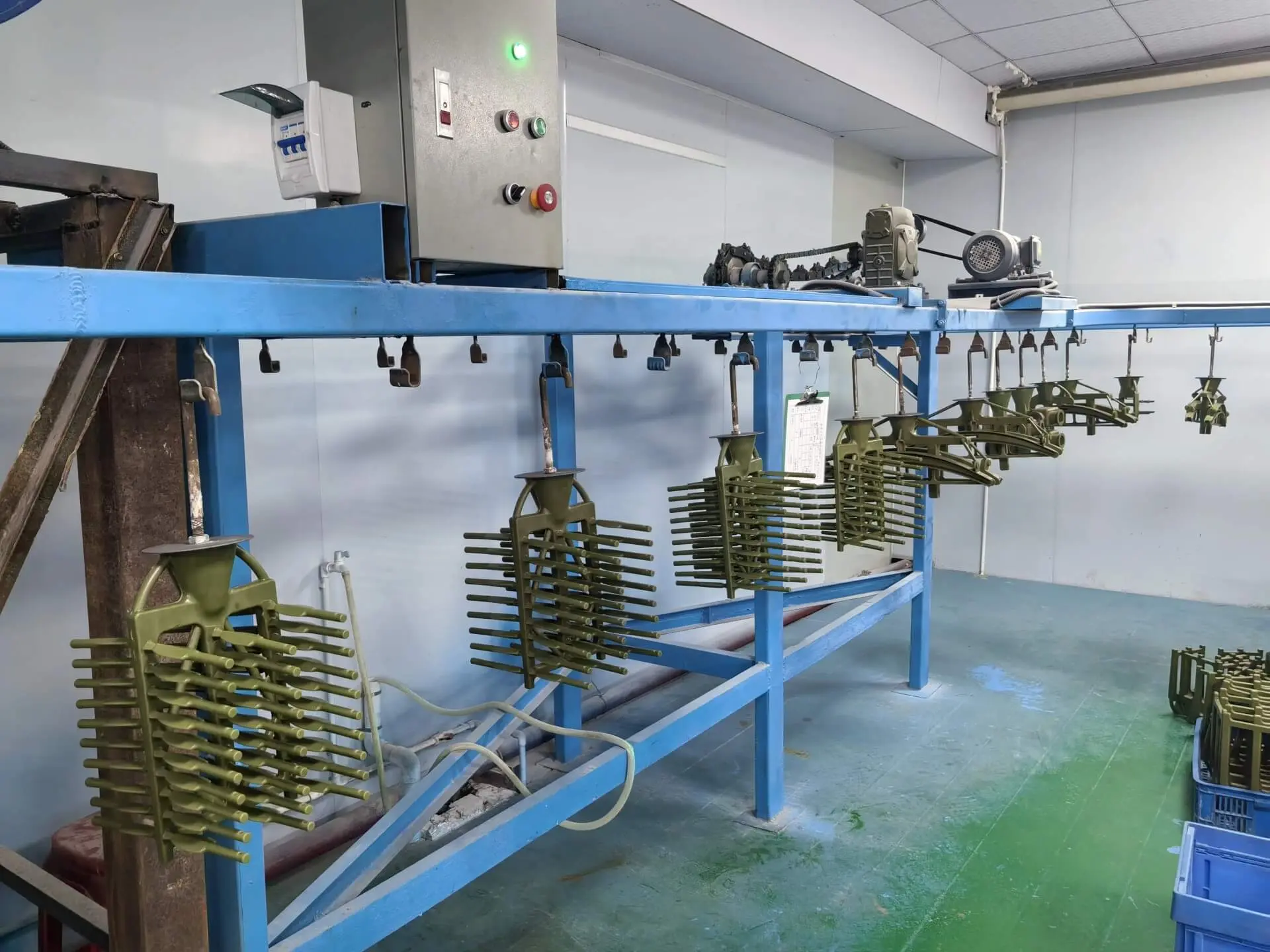
Dongguan SX Technology Co.,Ltd has very rich experience in precision casting, CNC machining, and electro-mechanical assembly. Our specialized products are key components in high-demand fields including industrial machinery, automotive assemblies, marine engines, commercial ships, process valves, chemical pumps, consumer electronics, and timepieces.
The most commonly used materials for investment casting in our foundry are stainless steel and carbon steel. And our precision CNC machining department frequently processes titanium alloy, stainless steel, carbon steel, aluminum alloy, copper alloy, and cemented carbide.
By operating an integrated facility that houses both precision casting and high-performance post-CNC machining under one roof, we eliminate intermediate handling costs, guarantee microstructural integrity, and offer rapid response timelines to global industrial queries.
Request Technical Consultation
Engineered high-performance fasteners and multi-axis milled structural components built for extreme environment operations.
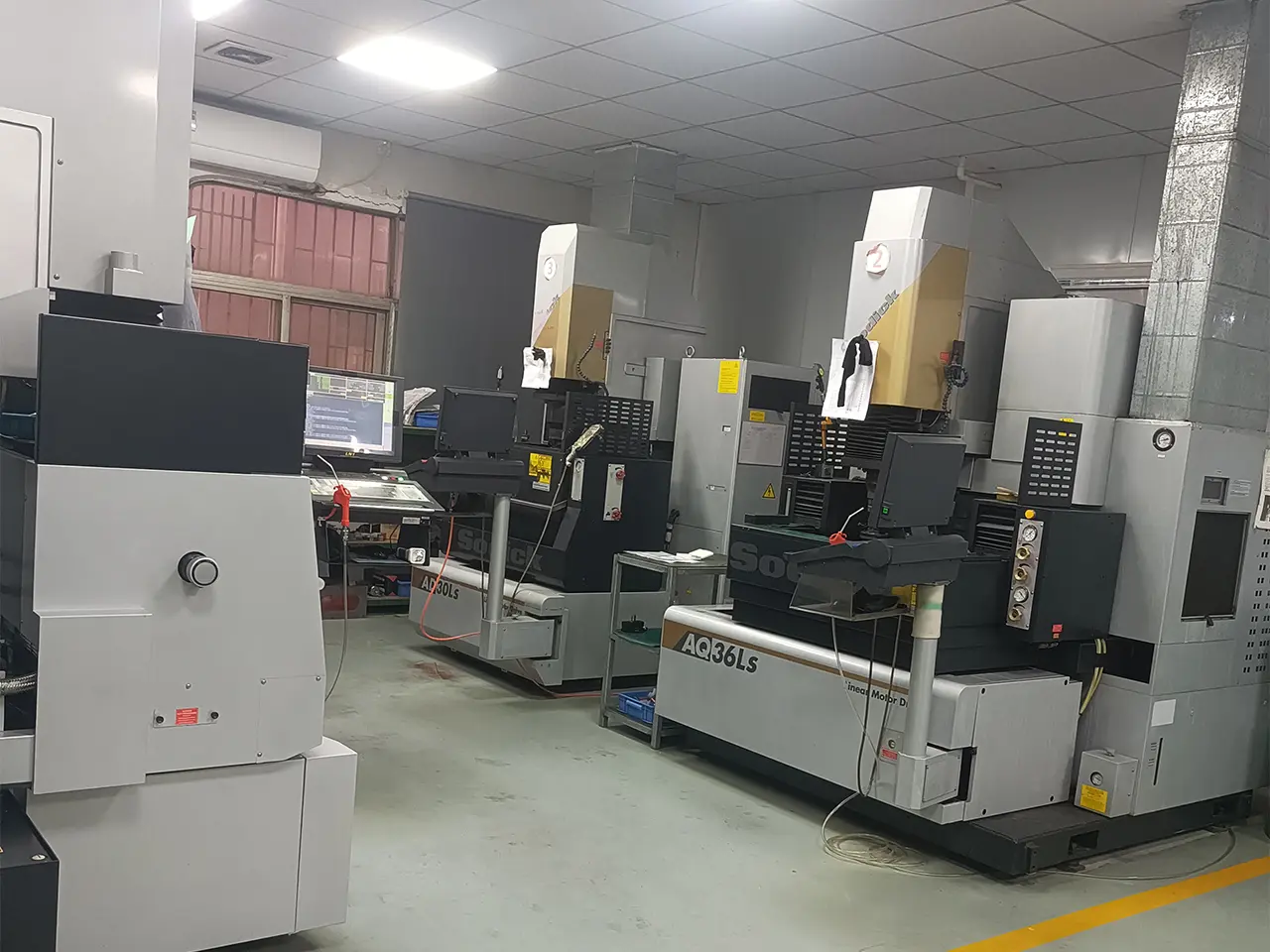
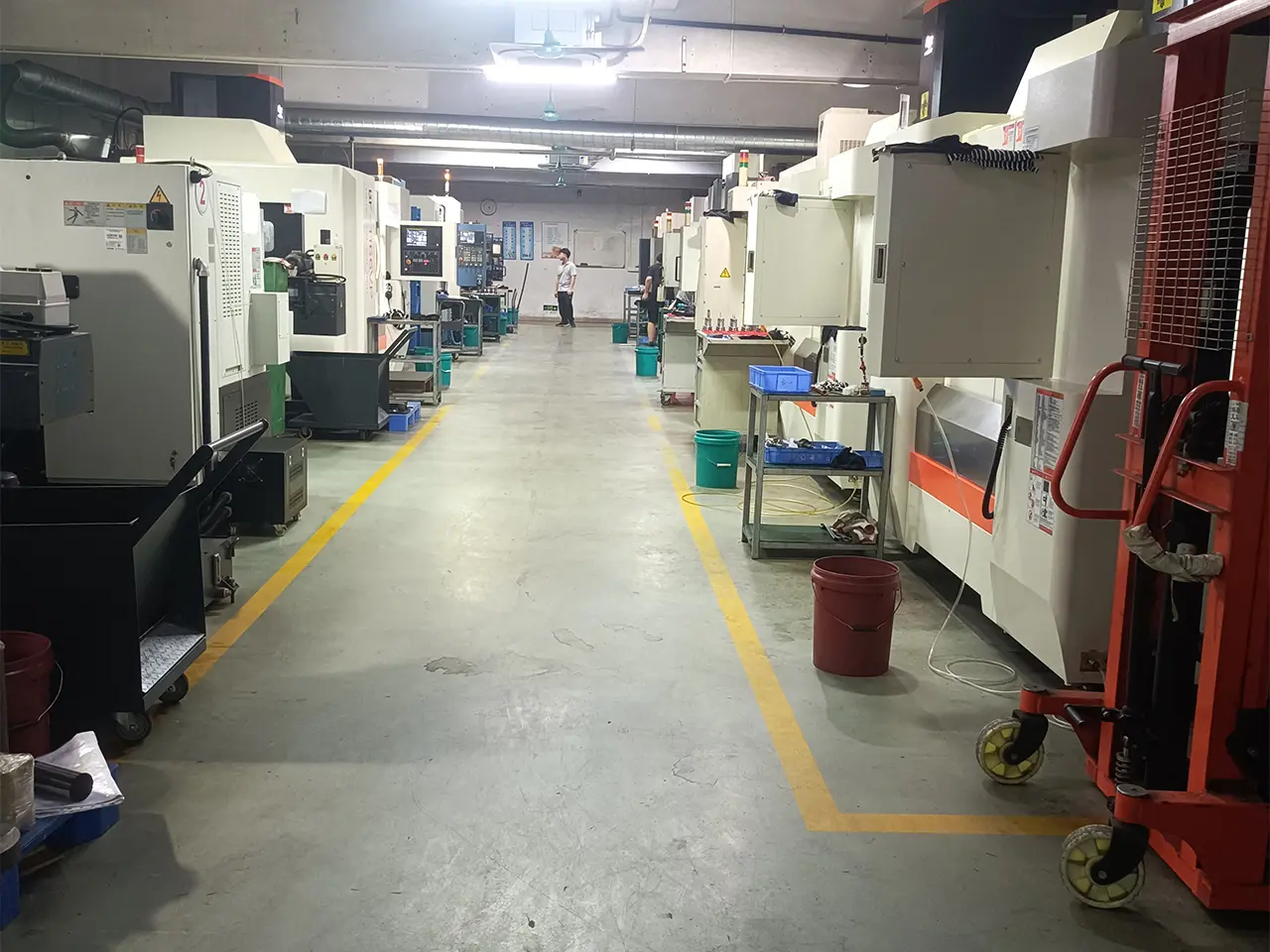
Our production facilities are configured to execute both high-volume standardized manufacturing runs and specialized customized prototyping. Leveraging CNC turning stations, multi-spindle automatic lathes, and high-speed CNC mill-turn machines, we process raw metal stock with repeatable precision.
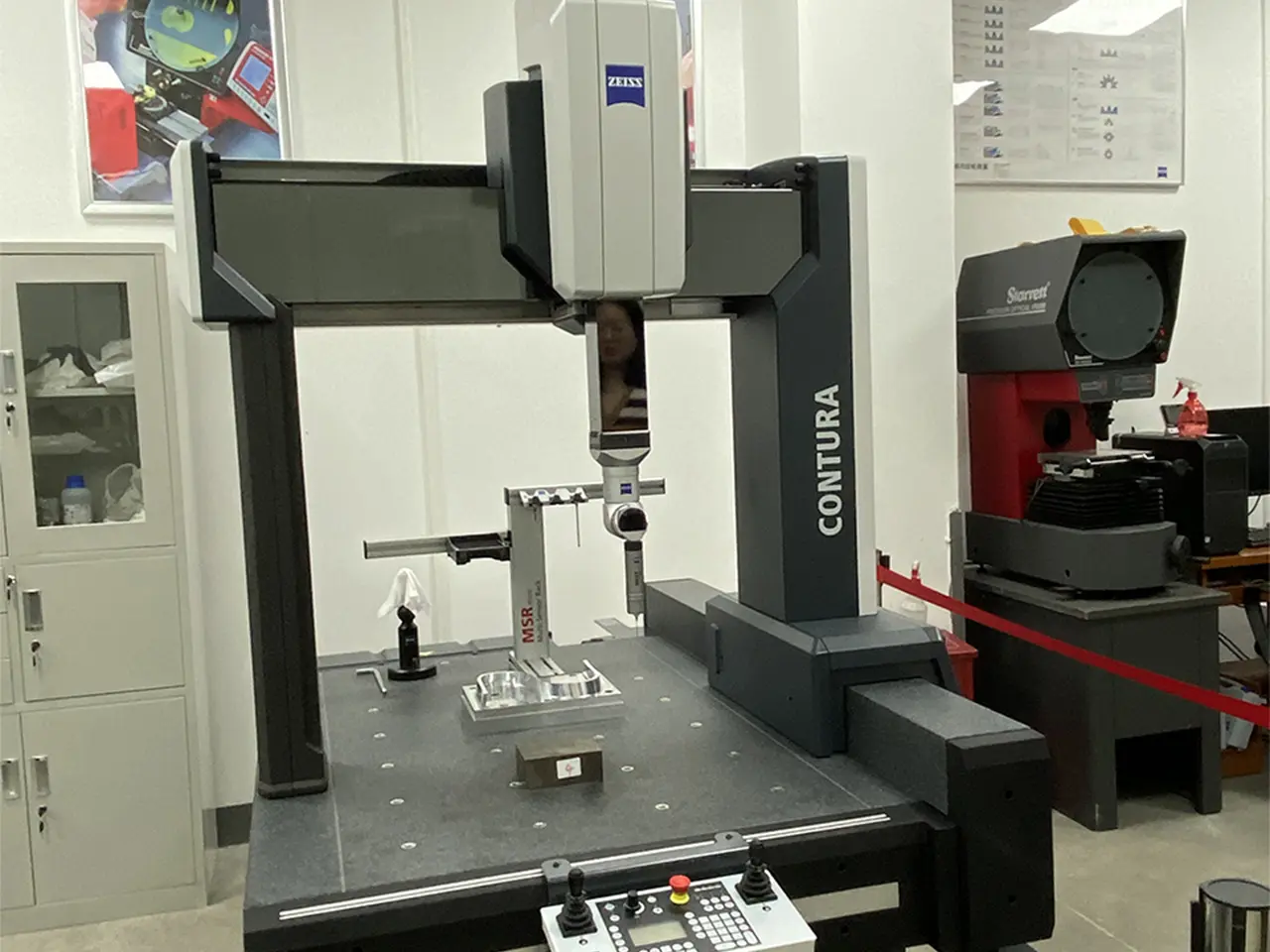
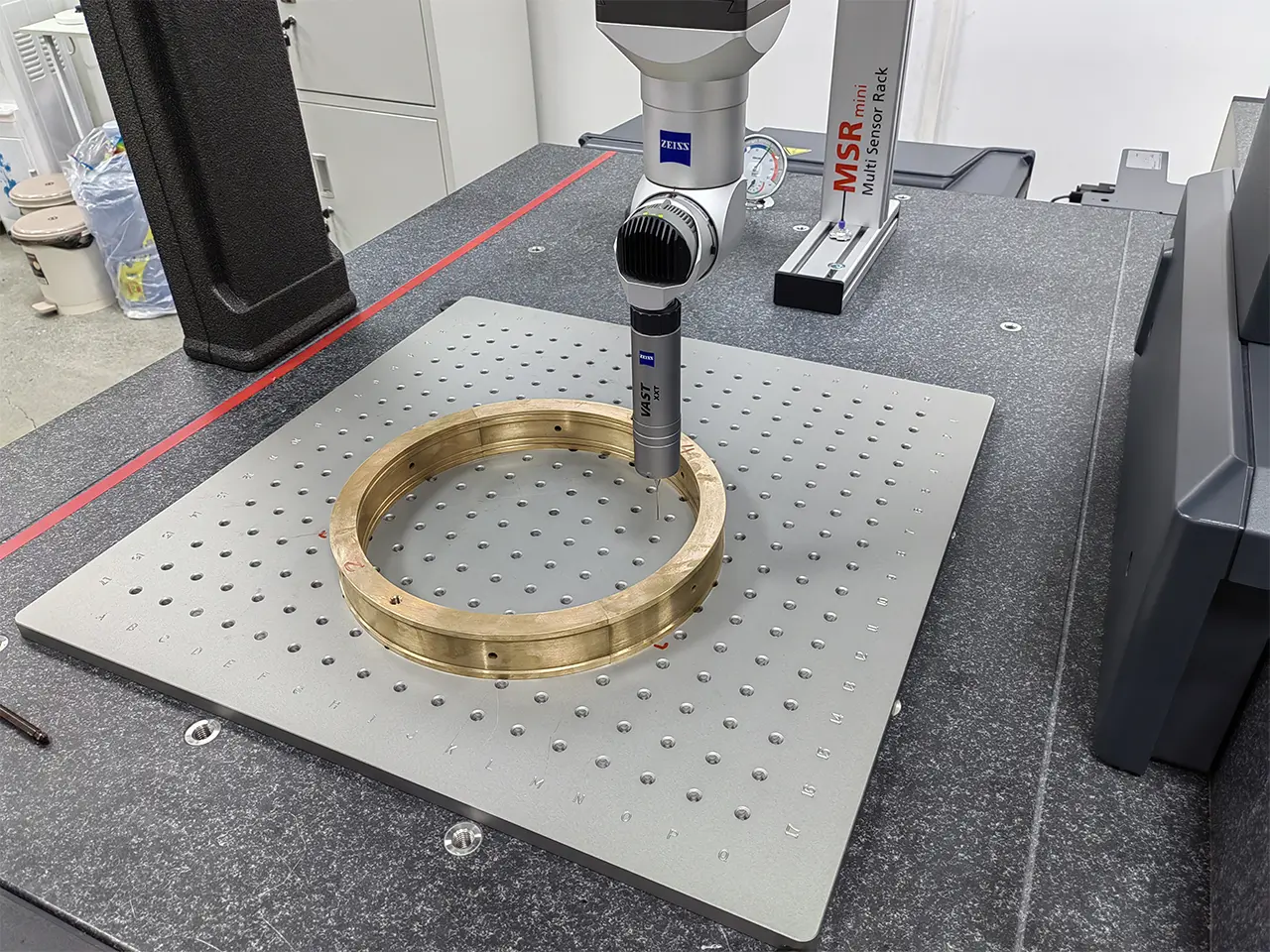
Quality is the cornerstone of our manufacturing philosophy. To guarantee compliance with regional European guidelines, we implement a multi-stage validation process:
Operating since 2014, our team has refined its protocols to ensure we maintain our standing as a trusted offshore partner for critical engineering applications.
Engineering requirements differ significantly based on the operating environment of the finished component. For the Central and Eastern European (CEE) markets, particularly those aligned with German engineering guidelines, materials must be processed with strict adherence to metallurgical characteristics:
Due to its high strength-to-weight ratio and bio-compatibility, titanium is widely used in orthopedic implants, surgical tools, and specialized aerospace components. Machining titanium requires high mechanical rigidity, optimized coolant flow, and specialized carbide tooling to prevent work hardening and heat accumulation at the cutting edge. Our facility maintains specialized cutting speeds (Vc) and feeds to prevent thermal deformation of the material structure.
For chemical processing, marine, and food-grade packaging industries in Hungary, stainless steels are preferred for their corrosion resistance. We process SS316L to achieve surface roughness values as low as Ra 0.4 μm. This performance level is achieved through fine-step turning, followed by optional electropolishing or passivating treatments to eliminate surface impurities.
Aluminum is widely utilized in the automotive sector for structural components and lightweight EV brackets. Our 5-axis milling centers process structural aluminum parts rapidly. Using specialized diamond-like carbon (DLC) coated end mills, we prevent material adhesion to the tools, maintaining dimensional consistency even during high-feed milling operations.
We provide chemical composition analyses, heat treatment certifications, and dimensional reports with every dispatch to Central Europe.
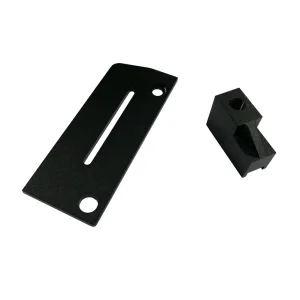
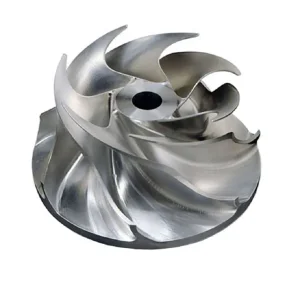
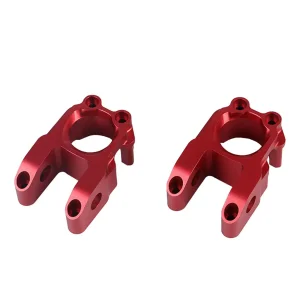
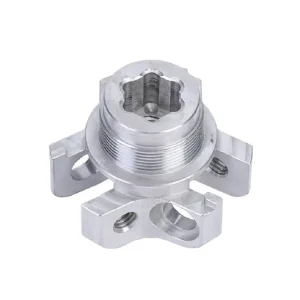
Send Inquiry NowBrowse our engineered portfolio of OEM custom parts, milled brackets, complex impellers, and electronic housings manufactured to international specifications.
Procuring precision components globally requires highly organized shipping routes to minimize delays. Dongguan SX Technology has optimized its logistics network to support the Central European market through multiple transport modes:
We provide full customs support, detailed HS code classification, and customized export packaging (including rust-preventative coatings and vacuum sealing) to ensure parts arrive at your assembly lines in optimal condition.
Answers to key technical, logistical, and commercial inquiries regarding custom CNC sourcing for Hungarian industries.
Get in touch with our engineering team for a detailed DFM review and competitive quote within 24 hours. Let us optimize your manufacturing supply chain for Central Europe.
Send Inquiry Now SX Machining