Engineered to withstand Qatar's marine and desert ambient environments, optimized for gas extraction and municipal desalination networks.
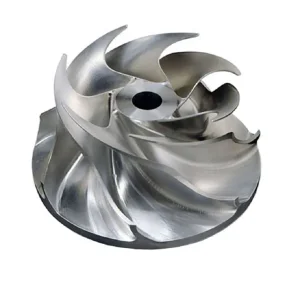
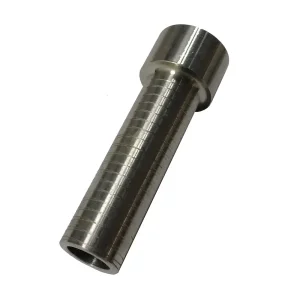
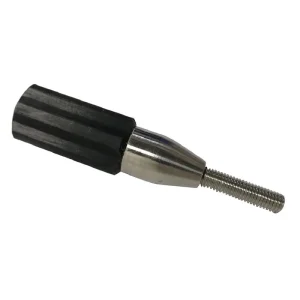
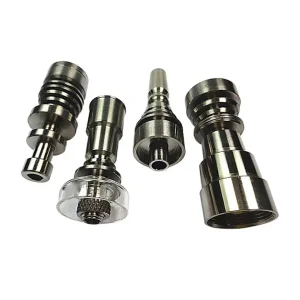
Doha, the beating heart of Qatar's economic transformation, is undergoing unprecedented industrial growth. Aligned with the Qatar National Vision 2030, the state is aggressively expanding its petrochemical output via the North Field Expansion project, upgrading its marine logistics through the Hamad Port, and modernizing municipal infrastructure through Ashghal (the Public Works Authority).
These mega-projects place extreme demands on supply chains. Complex fluid handling systems, turbine machinery, sea-water desalination plants, and structural hardware must perform flawlessly under intense thermodynamic stresses, hypersaline conditions, and corrosive desert air. Investment casting, combined with advanced 5-axis CNC machining, has emerged as the definitive technical standard for procuring reliable metal components in Doha.
By integrating silica sol investment casting with computer numerical control (CNC) post-processing, global enterprises operating in Qatar can source components that meet strict ASME, API, and ASTM parameters, minimizing Downtime (LTD) and maximizing structural integrity.
Exploring the metallurgical integrity and dimensional tolerances required for high-risk applications in Doha.
Investment casting, particularly via the Silica Sol Process, provides superior surface finish and tight linear tolerances (typically ISO 8062-3 CT4 to CT6 grade). It avoids the porosity problems associated with traditional sand casting, ensuring the cast material's core density can survive high-stress cycles.
Complex geometric structures, such as impellers and manifold systems, cannot be cast to final dimensions alone. Standard CNC turning and milling centers perform structural modifications down to ±0.005 mm. This reduces localized turbulence in hydraulic applications and provides leak-free gasket contacts.
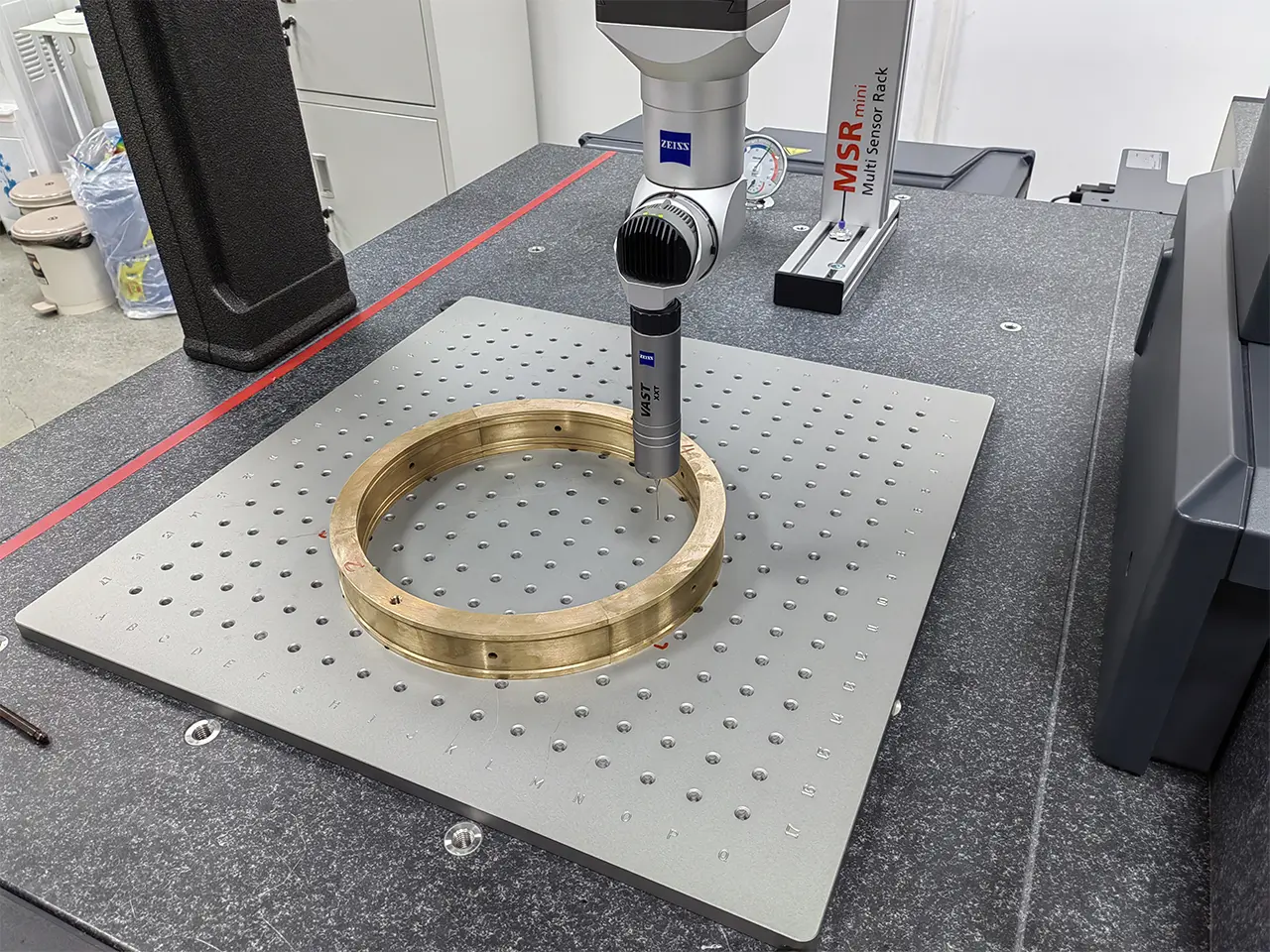
Every industrial cast designed for critical projects undergoes rigorous NDT. This includes Radiographic Testing (RT) to inspect internal density anomalies, Dye Penetrant Inspection (DPI) to identify micro-fractures, and Coordinate Measuring Machine (CMM) mapping to ensure dimensional alignment.
| Material Class | Common Designation | Yield Strength (MPa) | Tensile Strength (MPa) | Typical Applications in Doha |
|---|---|---|---|---|
| Austenitic Stainless Steel | ASTM A351 CF8M / SS316 | ≥ 205 | ≥ 485 | Desalination pipelines, valve bodies, marine hardware |
| Duplex Stainless Steel | ASTM A890 Grade 4A (2205) | ≥ 450 | ≥ 620 | High-pressure pumps, sour gas gas-handling manifolds |
| Carbon Steel | ASTM A216 WCB | ≥ 250 | ≥ 485 | Heavy industrial structural mounts, oil pipeline brackets |
| Titanium Alloy | Ti-6Al-4V (Grade 5) | ≥ 828 | ≥ 895 | Aerospace structures, downhole offshore sensors |
Dongguan SX Technology Co.,Ltd has very rich experience in precision casting, CNC machining and assembly. Our products are used in machinery, automobiles, marine, ships, equipment, valves and pumps, electronic appliances, packaging, watches, construction, chemical industry and other industries.
The most commonly used materials for investment casting are stainless steel and carbon steel. And the most commonly used materials for CNC machining include titanium alloy, stainless steel, carbon steel, aluminum alloy, copper alloy, cemented carbide, etc. We have advanced manufacturing equipment and technology and are able to respond quickly to your needs.
Integrating state-of-the-art machinery and rigorous inspection teams to maintain strict global tolerances.
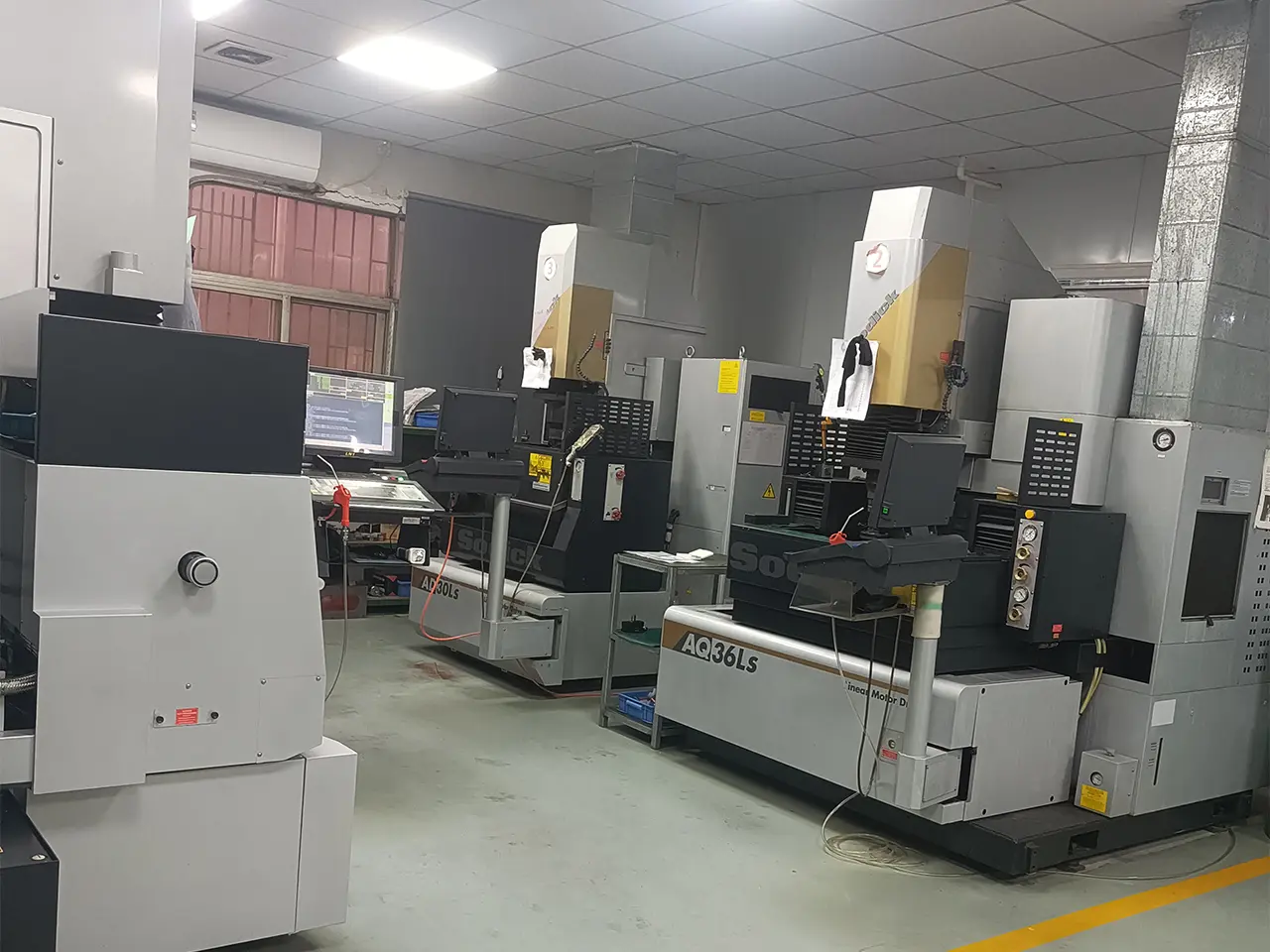
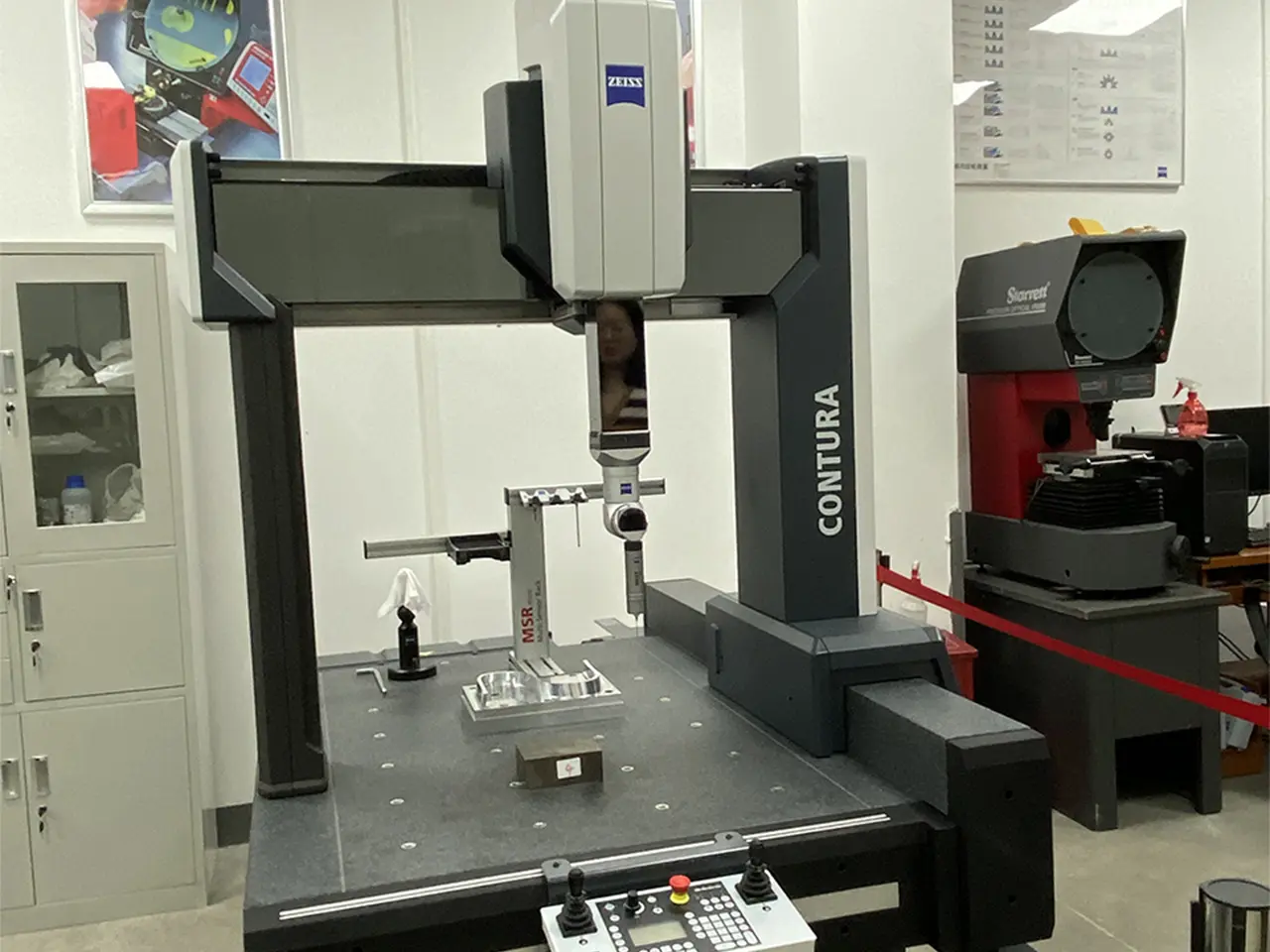
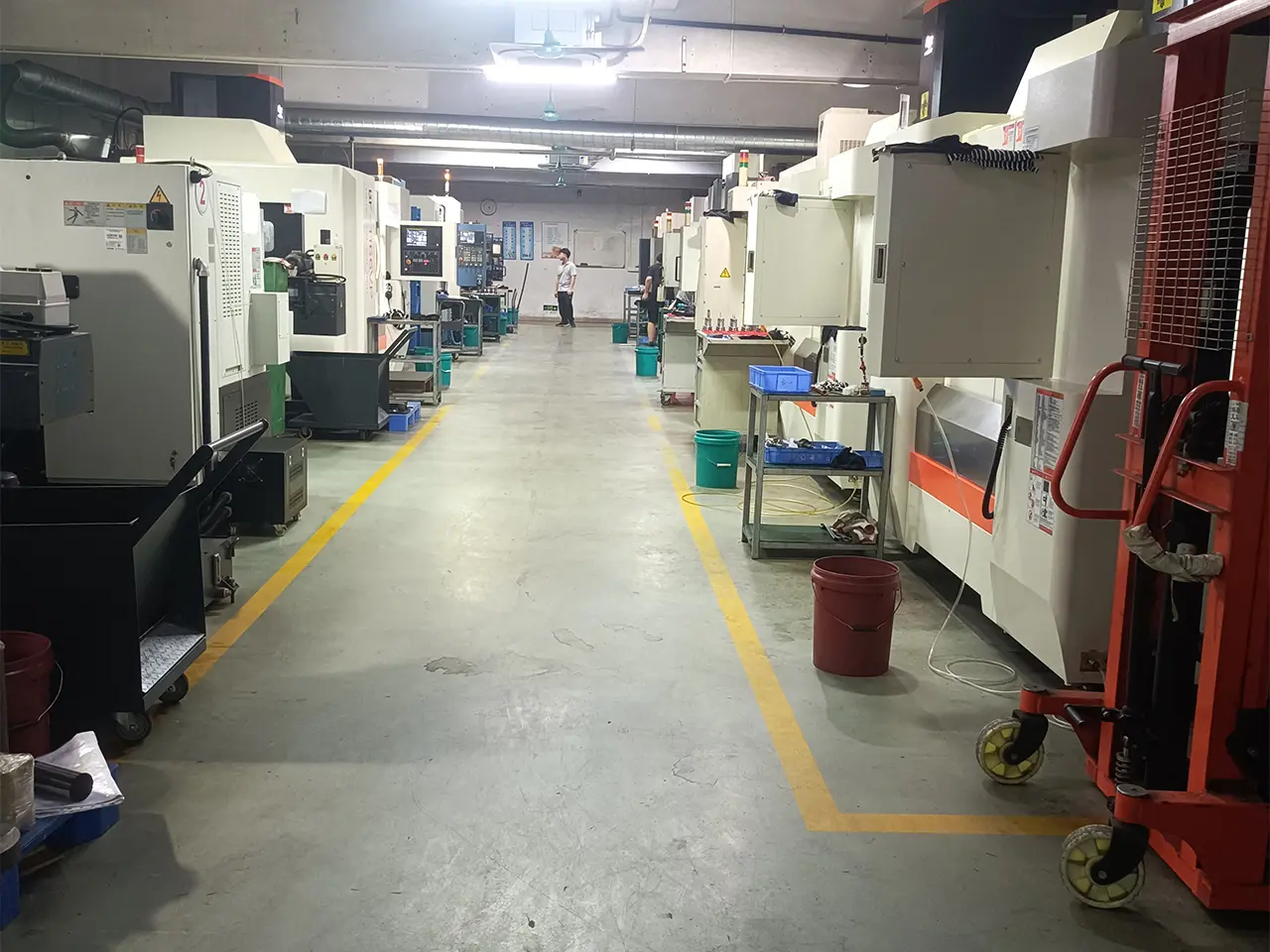
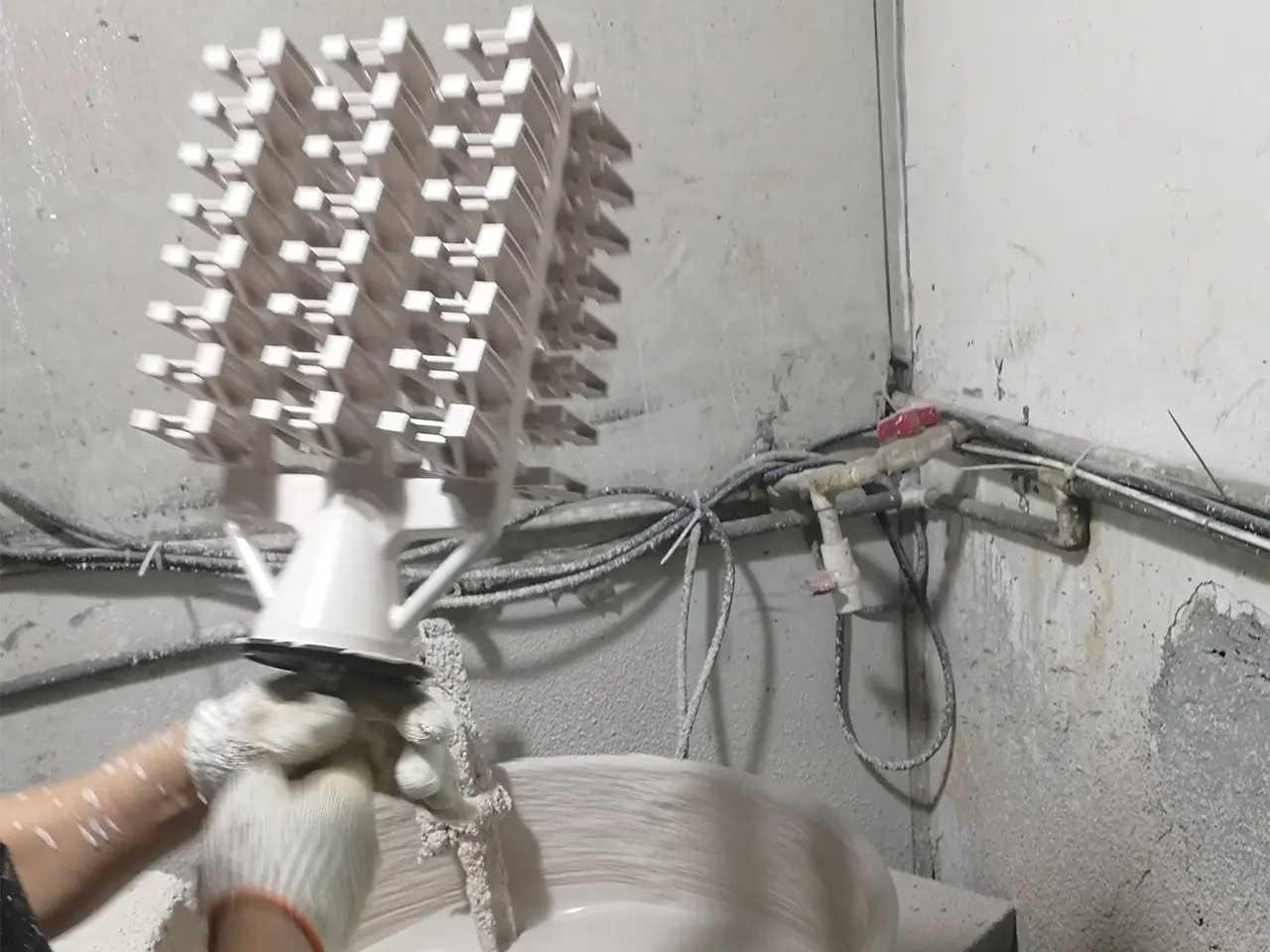
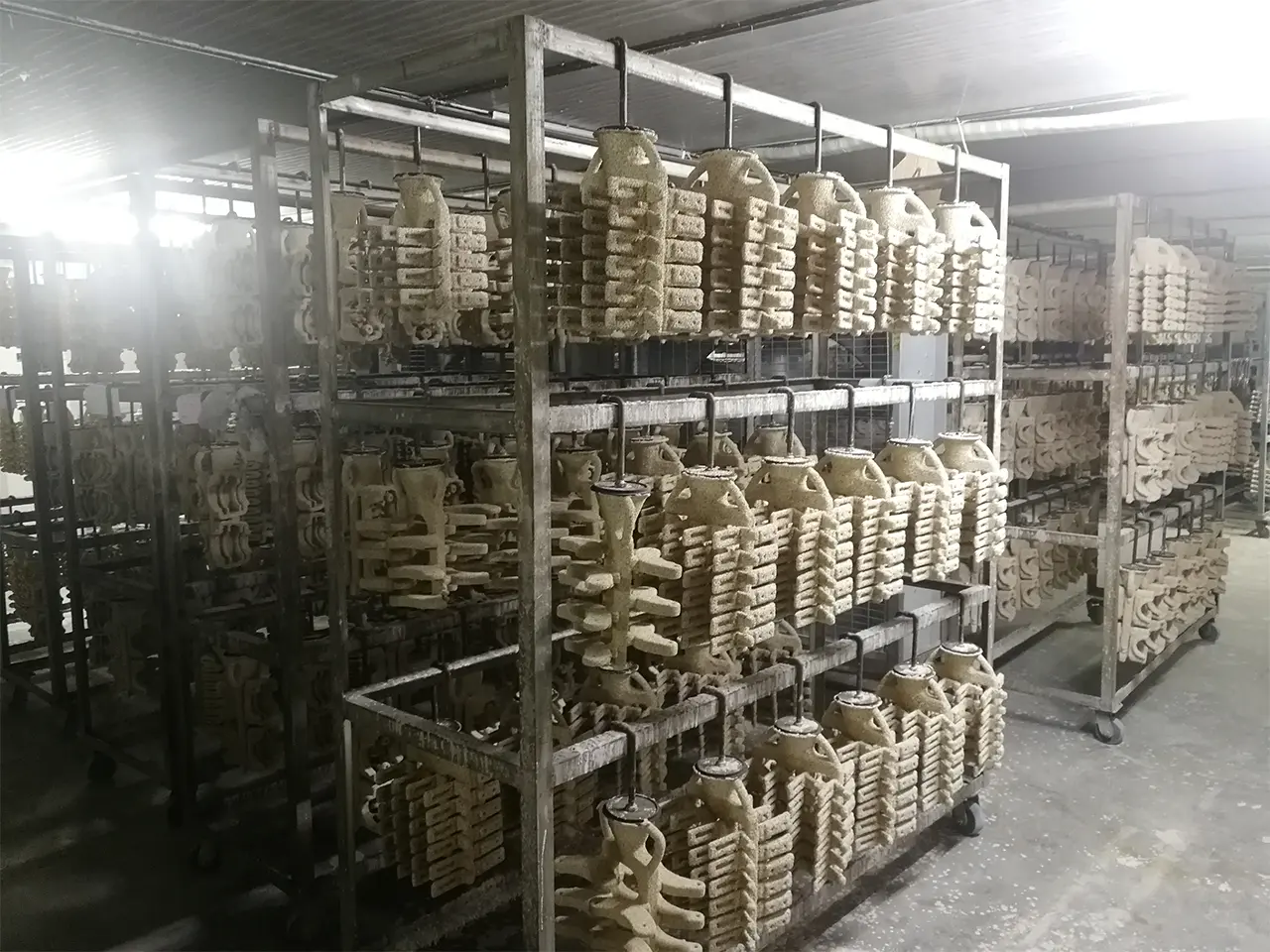
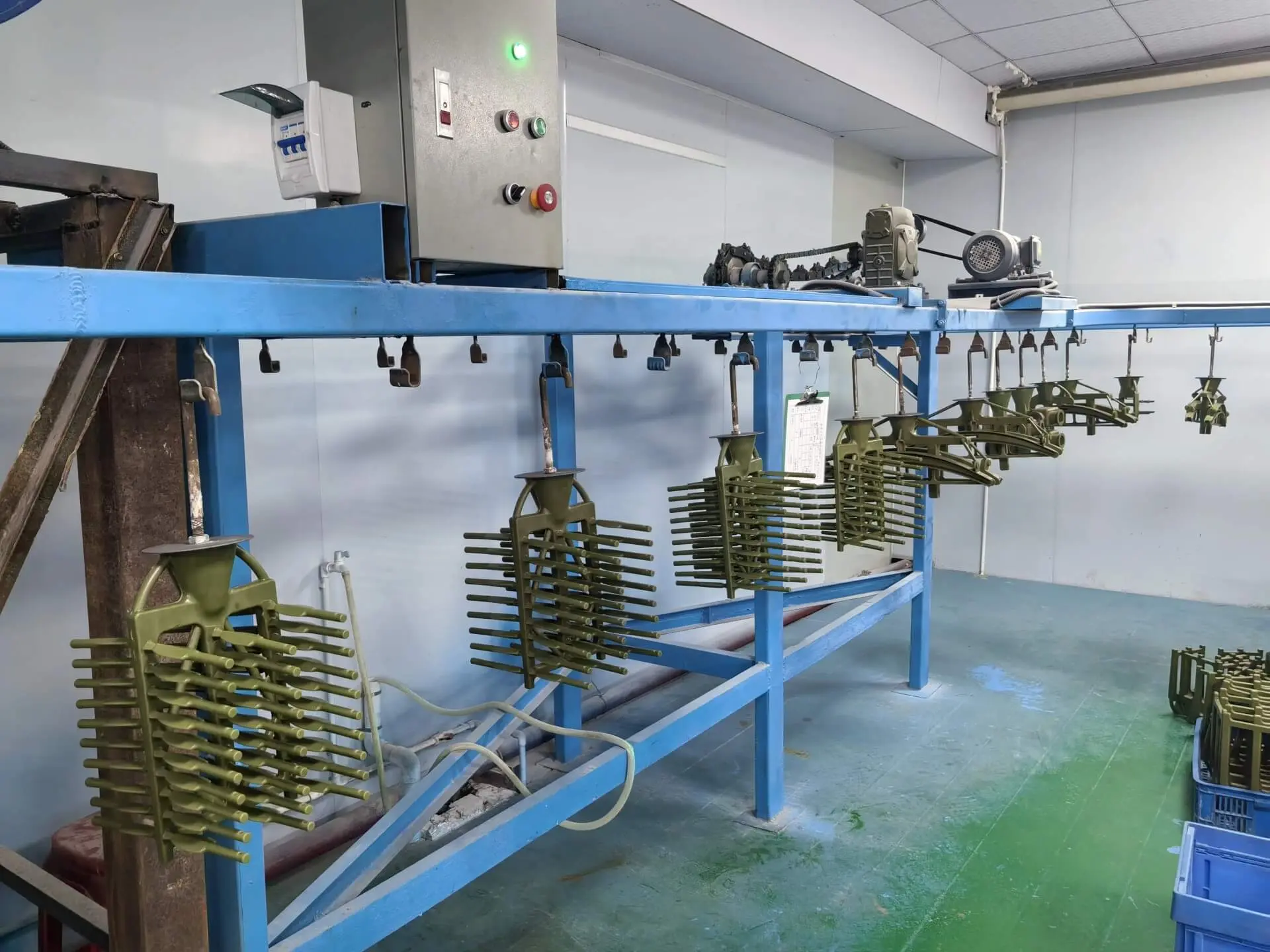
We have professional testing equipment and professional QC personnel, and we adhere to strict tolerances and quality standards for the products we produce. Due to our insistence on strict quality requirements, we have been praised by many customers.
Quality is the cornerstone of the manufacturing industry. We firmly believe that only by controlling quality well can we survive, develop, and get better and better. Therefore, we have been working in this industry unremittingly since 2014 and continue to improve the company's team and improve the company's production capacity.
How our advanced manufacturing systems optimize lead times and lower total cost of ownership (TCO) for Qatari buyers.
By adopting Factory 4.0 processes, Dongguan SX Technology bridges the geographical gap to Doha. Through our computerized enterprise resource planning (ERP) system, clients can monitor manufacturing progress from melt processing to CNC finishing and post-surface treatment.
For logistics, our proximity to crucial shipping hubs in Shenzhen and Guangzhou enables swift sea freight routing to Hamad Port (Doha). Alternatively, emergency tooling components can be air-shipped to Hamad International Airport within 3-5 working days, ensuring zero project construction delays.
We design and cast products to conform with the Qatar Construction Specifications (QCS). Every casting order is backed by material chemical reports (spectrometric proof), mechanical strength data, and dimensional inspection records.
Whether your engineering team demands compliance with NACE MR0175 for sour gas operations or ASTM standards for structural steel casting, our engineers review every technical drawing prior to manufacturing to ensure seamless deployment in Qatar.
Clear, authoritative technical answers to streamline your procurement process from China to Doha.
For marine-exposed, tidal, or splash-zone installations near Hamad Port or West Bay, we recommend ASTM A351 CF8M (316 Stainless Steel) or Duplex Stainless Steel 2205/2507. These alloys have higher molybdenum content, offering optimal resistance to chloride pitting and crevice corrosion under high Qatari temperatures.
Our silica sol investment casting processes maintain ISO 8062-3 CT4 to CT6 tolerances. For high-precision functional areas, we follow up with 5-axis CNC machining, ensuring critical tolerances up to ±0.005mm. Quality reports including CMM coordinate reports, spectrometer material analysis, and pressure testing parameters are provided with every batch.
Ocean transit from Guangzhou/Shenzhen Port to Hamad Port generally ranges from 18 to 25 days. For high-priority spare parts or prototype approvals, air cargo via Hamad International Airport takes approximately 3 to 5 business days.
Yes, our technical team works with solid models (STEP, IGES, DXF, DWG) to program CNC machining tracks and design casting molds. This ensures the structural physical geometry perfectly aligns with your engineering team's legacy machinery.
Yes, we provide casting and CNC machining according to API (American Petroleum Institute) requirements, including API 6D for valves. We also offer sour service NACE MR0175 material certification upon request.
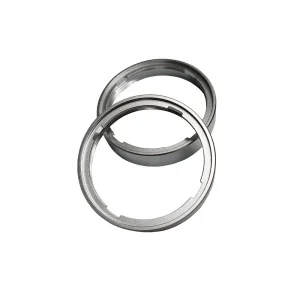
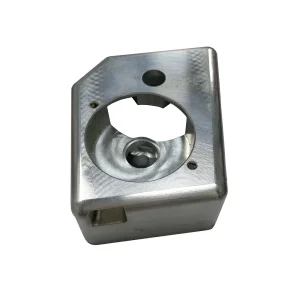
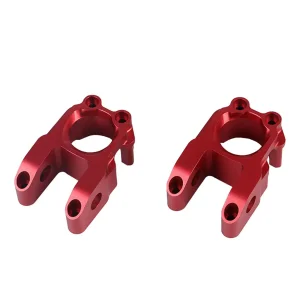
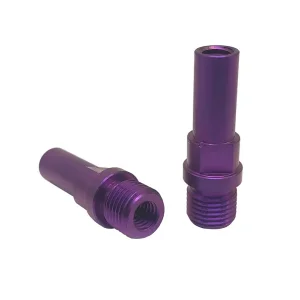
Select from our verified line of precision-engineered investment cast and high-end CNC turned/milled parts.
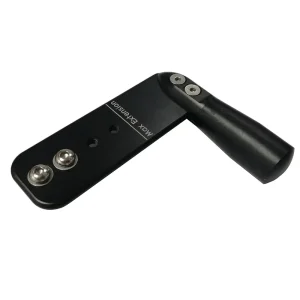
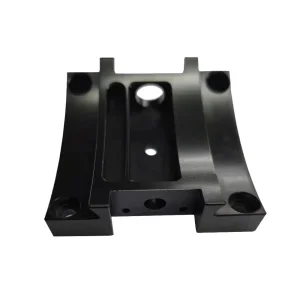
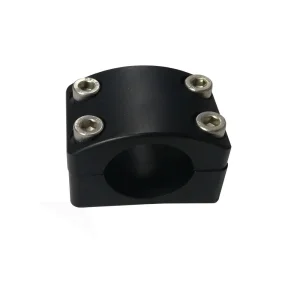
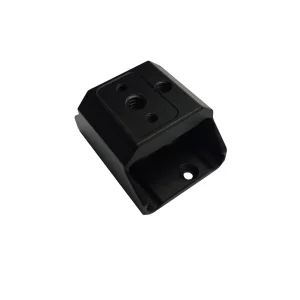
 SX Machining