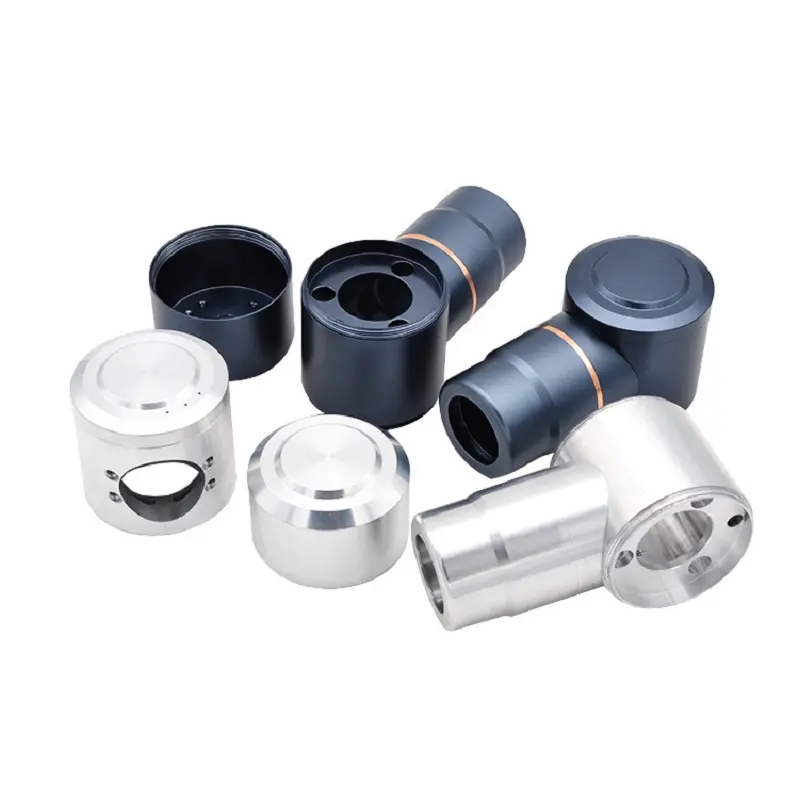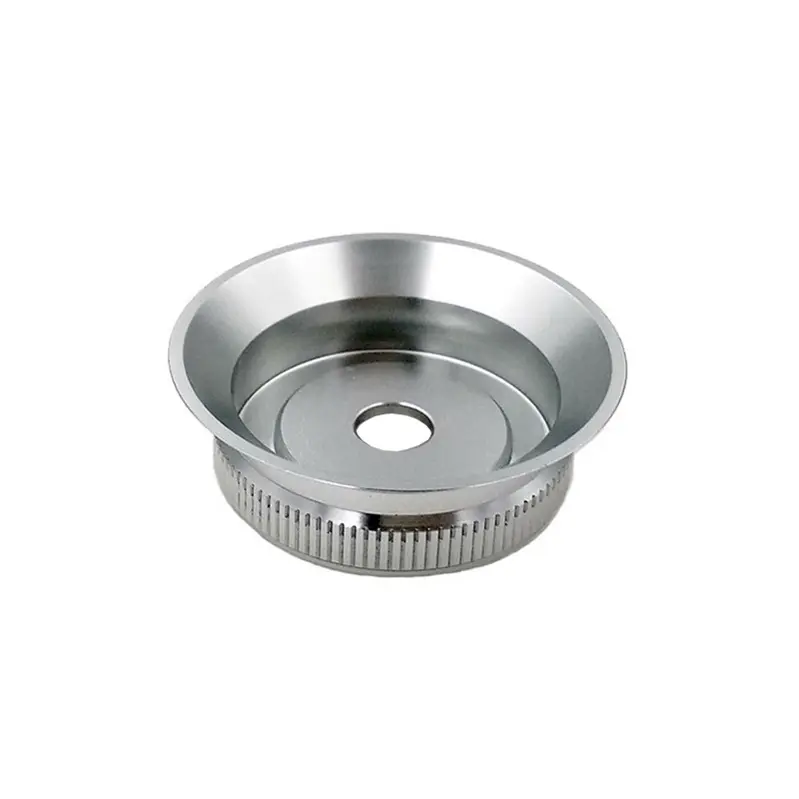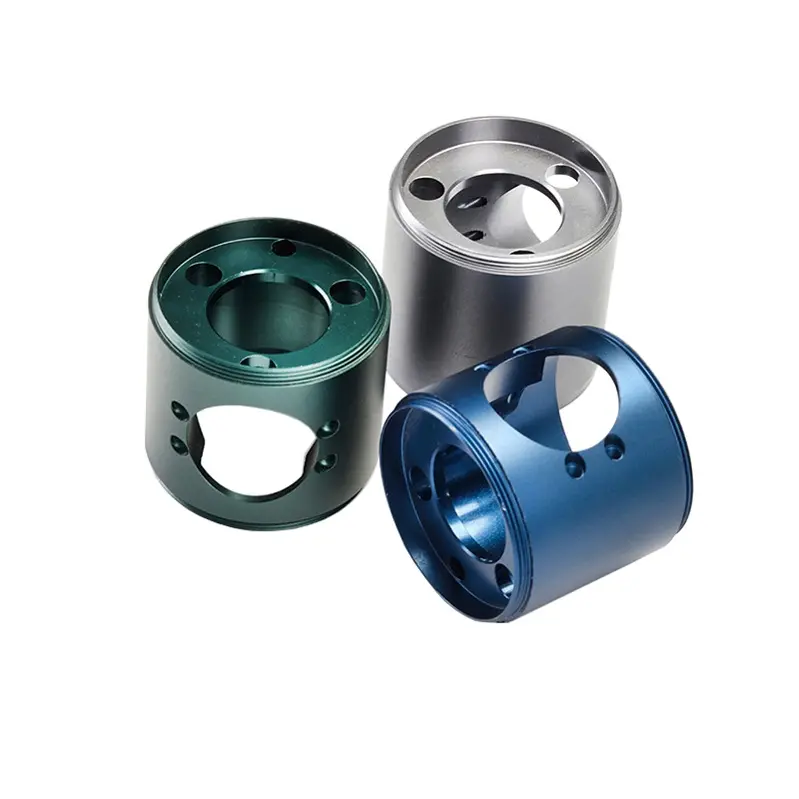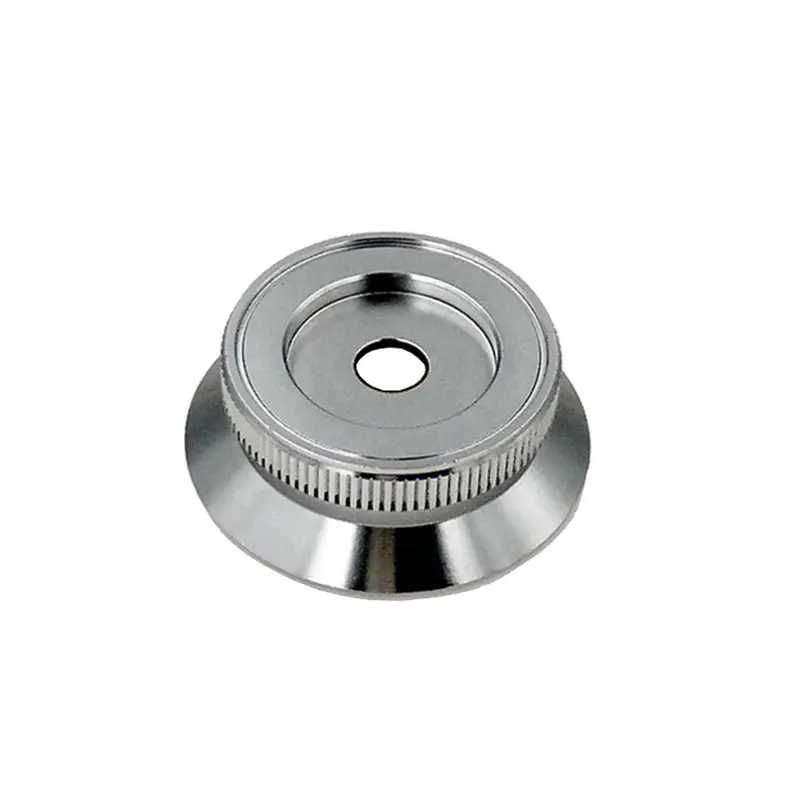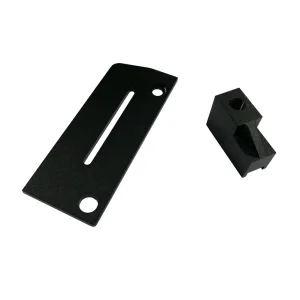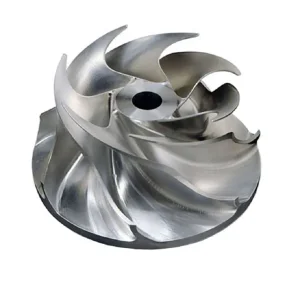
Custom CNC Turning and CNC Milling Services for Various Metal Materials

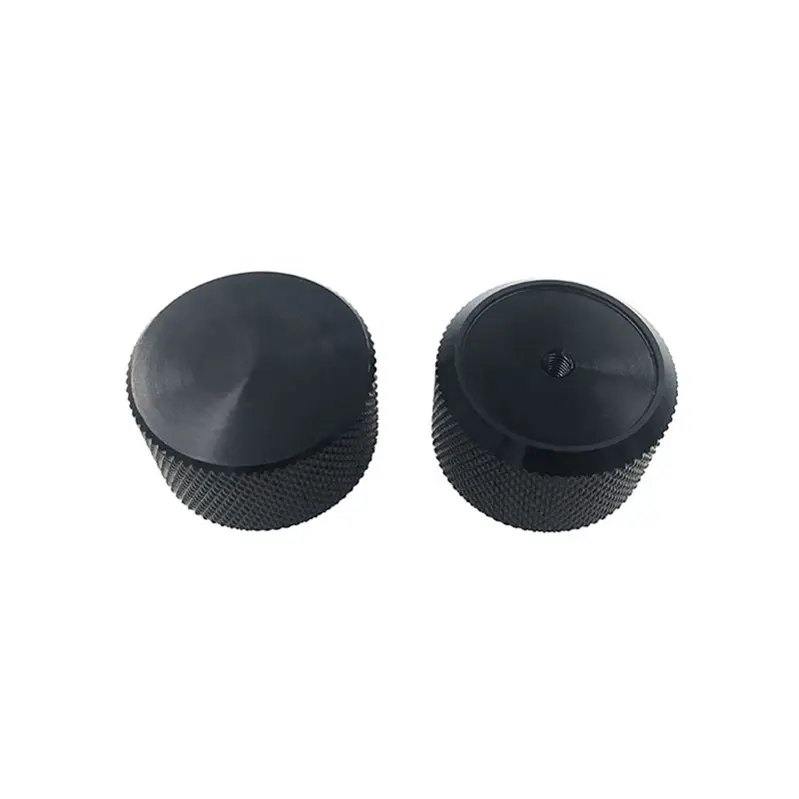
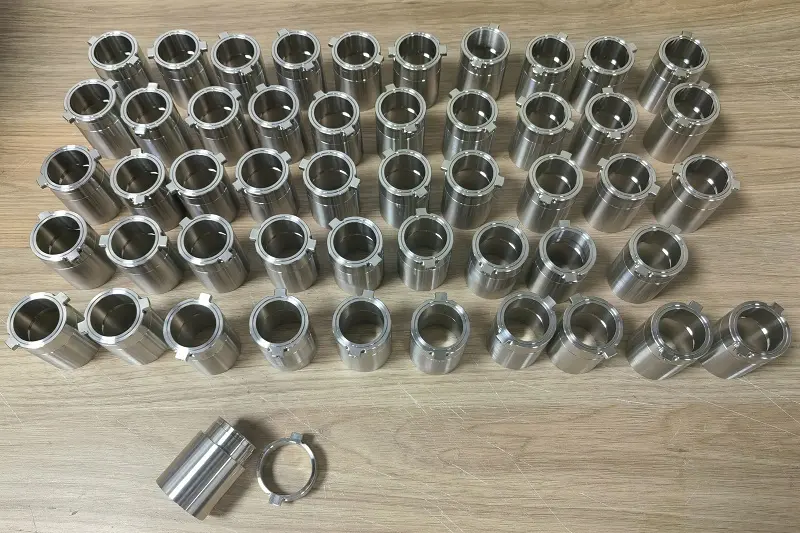
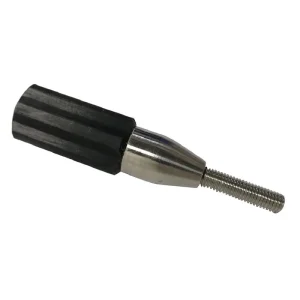
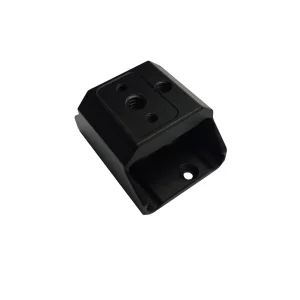
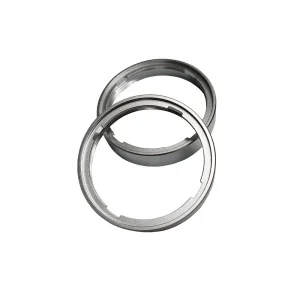
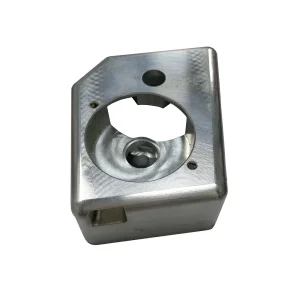
CNC turning and milling are two core machining processes in modern manufacturing, each with its own unique advantages. They can be used together in coordination or independently. In the manufacturing industry, whether producing molds or parts, these processes are indispensable. Both offer ultra-high precision, consistency, and exceptional surface finish, playing a critical role in mold making and part production. They are the foundation of manufacturing. Dongguan SX is equipped with a large number of multi-axis CNC lathes and CNC milling machines, as well as rigorous and high-precision inspection equipment, enabling us to handle the production of precision CNC machined parts for industries such as machinery, aerospace, automotive, marine, and shipbuilding. We serve customers around the world with high efficiency, superior quality, and integrity, and have earned high recognition from our clients.

Product Description

Characteristic

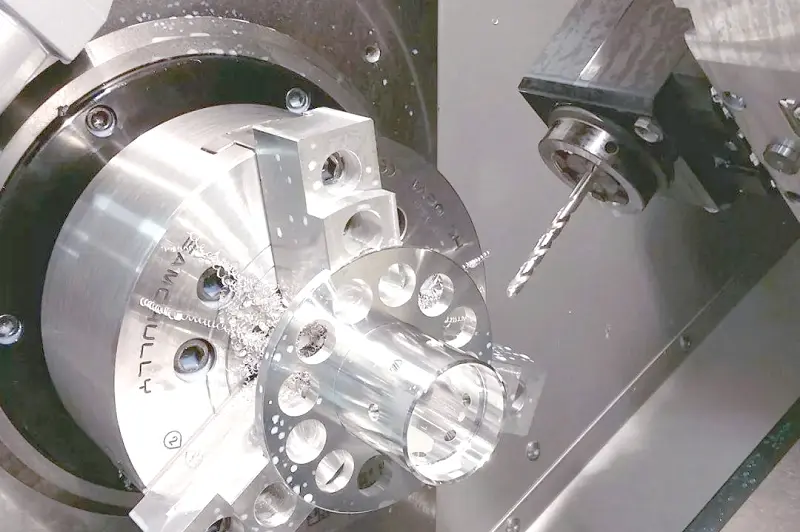
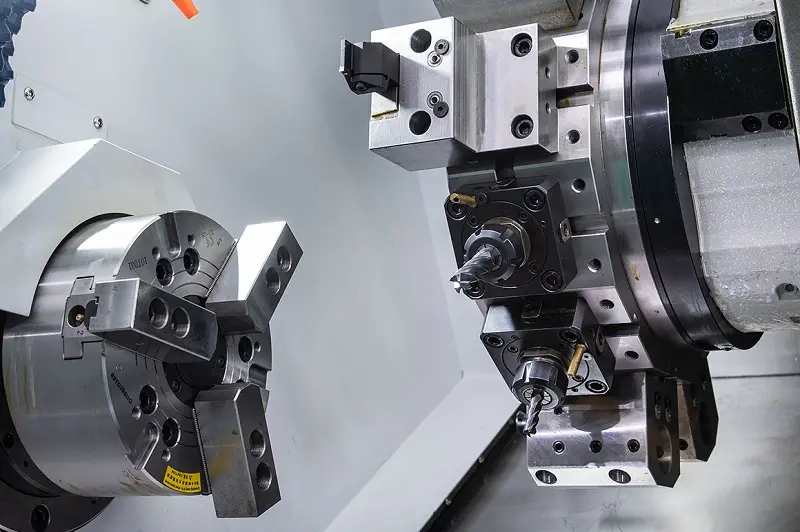
CNC turning and CNC milling are subtractive manufacturing processes. CNC turning offers high efficiency and excellent surface finish when machining rotational parts, while CNC milling is irreplaceable for creating complex geometric shapes. Selecting the appropriate machining process based on part design—or adopting turn-mill composite technology—enables the production of parts with high precision, high efficiency, and low cost. Typically, turn-mill composite machining integrates the core advantages of both processes through a model in which "turning handles the rotating body, while milling addresses localized complex features." At the same time, by enabling "single setup" machining, it resolves the conflict between precision and efficiency inherent in traditional multi-process workflows. Turn-mill composite machining represents a typical advancement in modern CNC processing toward higher precision, greater efficiency, and increased flexibility.
CNC Machining service for precision metal parts, high accuracy and fast delivery
CNC Machining service for aerospace industry, high-strength metal parts

Properties and Advantages

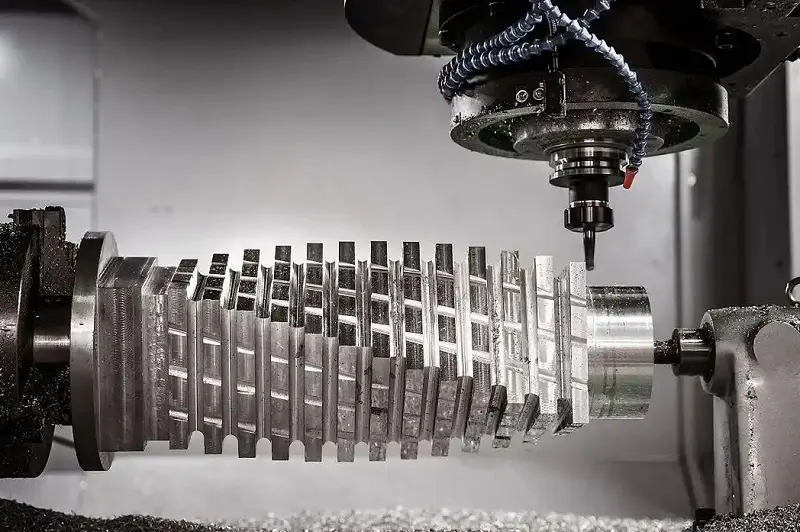
The CNC milling process holds a critical position in industries such as medical, automotive, machinery, and aerospace, where the manufacturing of complex geometries is required. This essential machining process relies primarily on rotating cutting tools to remove material from a workpiece. Under the precise control of a computer, this method enables the efficient and accurate production of intricate components. CNC turning, on the other hand, is widely used in the manufacturing industry to produce symmetrical parts such as shafts and bolts, with extensive applications in machinery, aerospace, marine, and automotive sectors. When choosing between CNC milling and turning, the decision depends on the complexity of the part and the manufacturing requirements. In some cases, a turn-mill composite machining process may be necessary.
Design

Design

Engineered

Engineered

Manufactured

Manufactured

Professional CNC Machining service, experienced engineers and advanced equipment
CNC Machining service with ISO certification, quality guaranteed

Services

Custom CNC Machining parts, tailored to your specific design requirements

Precision CNC Machining Capabilities

We have over 10 years of extensive experience in CNC milling, CNC turning, turn-mill composite machining, and multi-axis CNC machining. We are capable of handling the production and manufacturing of high-precision, highly complex parts. Components manufactured by our teams are exported worldwide and applied across a wide range of industries.
Contact Us

Frequently Asked Questions

What is the difference between CNC turning and CNC milling?

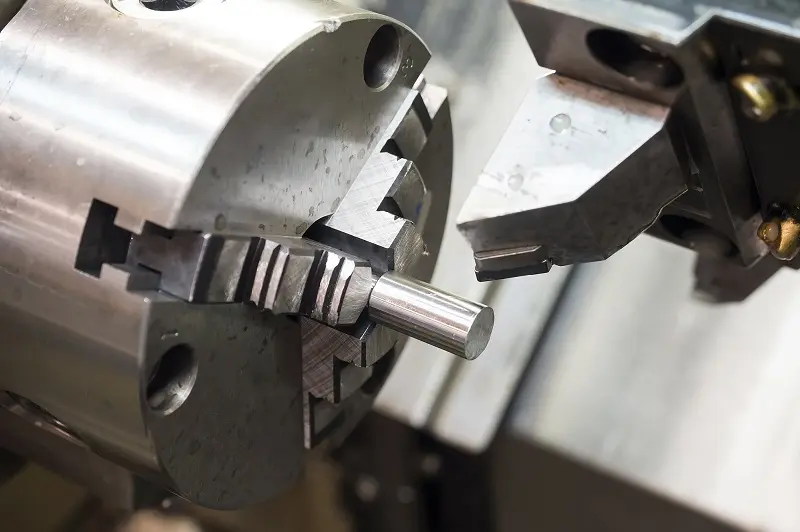
CNC turning rotates the workpiece while the cutting tool remains stationary, making it highly efficient for symmetrical, cylindrical parts. CNC milling uses rotating tools to remove material from a stationary workpiece, which is ideal for creating complex geometric shapes and flat surfaces.

What are the advantages of turn-mill composite machining?

Turn-mill composite machining combines the advantages of both turning and milling processes in a single machine. By enabling "single setup" machining, it eliminates workflow transitions, minimizes positioning errors, and resolves the conflict between precision and efficiency.

In which industries are your CNC machined parts applied?

Our precision machined components are widely utilized in high-demand industries, including medical, automotive, aerospace, marine, and industrial machinery sectors.

How does a single setup improve manufacturing quality?

In traditional multi-process workflows, moving parts between different machines introduces alignment errors. A single setup allows turning and milling operations to be performed sequentially without removing the part, ensuring higher dimensional accuracy and concentricity.

Can you handle high-precision and complex geometric parts?

Yes. With over 10 years of expertise in CNC milling, CNC turning, turn-mill composite machining, and multi-axis CNC technology, we are fully equipped to manufacture components with high complexity and tight tolerances.
Related Products