Explore our engineering capabilities in automotive components, non-standard precision parts, marine hardware, and high-strength alloy castings.
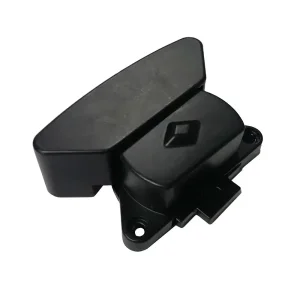
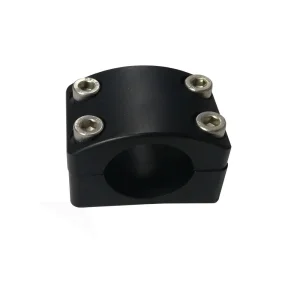
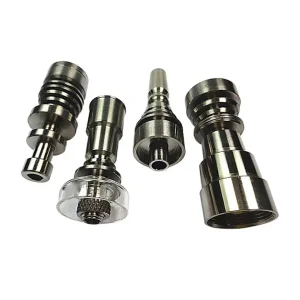
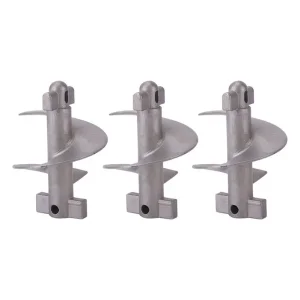
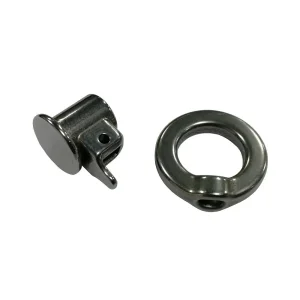
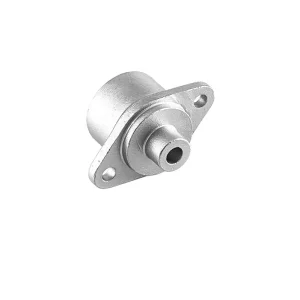
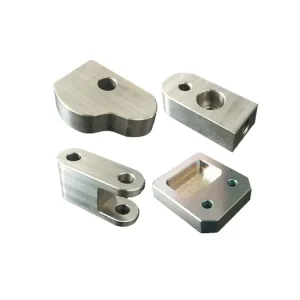
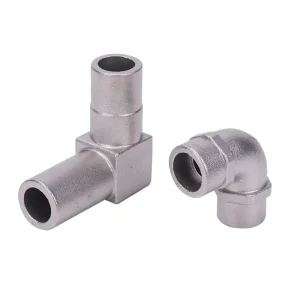
Analyzing the dynamics of global procurement demands for lightweight, high-integrity aluminium alloy cast components.
As the automotive sector transitions rapidly to Electric Vehicles (EVs), maximizing range via vehicle weight reduction has become critical. Aluminium lost wax casting provides the structural strength of traditional steel while stripping up to 50% of the dead weight, satisfying strict OEM weight budgets.
Procurement executives look beyond initial unit costs. High-precision investment casting reduces subsequent machining steps, curtails raw material scrap, and lowers energy expenses. This delivers a highly optimized total cost structure over the entire product lifecycle.
Maintaining strategic partnerships with reliable Chinese suppliers ensures consistent quality, rapid scaling of production lines, and robust logistical integrations, hedging risks against geopolitical volatility and material availability constraints.
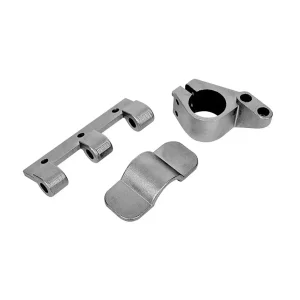
Investment casting, widely known as the lost wax casting process, represents the pinnacle of complex geometric replication for non-ferrous alloys. Unlike standard sand casting or high-pressure die casting, lost wax technology achieves unparalleled surface finishes (Ra 3.2 to 6.3 microns) and dimensional tolerances corresponding to standard international casting limits CT4 to CT6.
Our metallurgical experts leverage the properties of lightweight aluminium alloys—such as A356, A380, ZL101, and AlSi10Mg—engineered to maximize corrosion resistance, thermal conductivity, and tensile strength (yielding up to 290 MPa after heat treatment like T6 hardening).
Key processing steps include:
Delivering high-precision parts with quantifiable reliability metrics to key global industries.
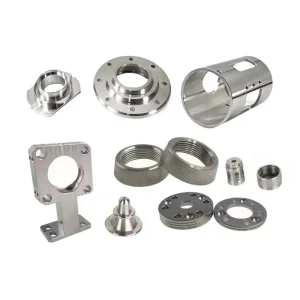
Dongguan SX Technology Co.,Ltd has very rich experience in precision casting, CNC machining and assembly. Our products are widely utilized in machinery, automobiles, marine, ships, equipment, valves and pumps, electronic appliances, packaging, watches, construction, chemical industry and other key modern sectors.
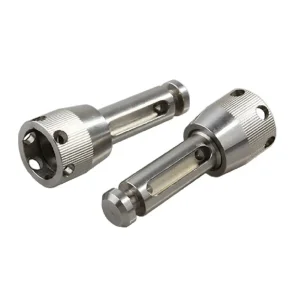
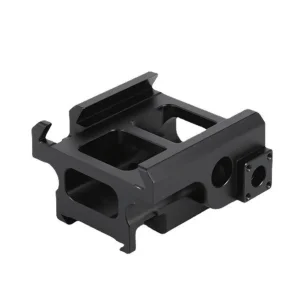
The most commonly used materials for investment casting in our foundry are stainless steel and carbon steel, catering to heavy-duty engineering specifications. Meanwhile, our high-precision CNC machining materials include titanium alloy, stainless steel, carbon steel, aluminum alloy, copper alloy, cemented carbide, and other non-standard structural alloys.
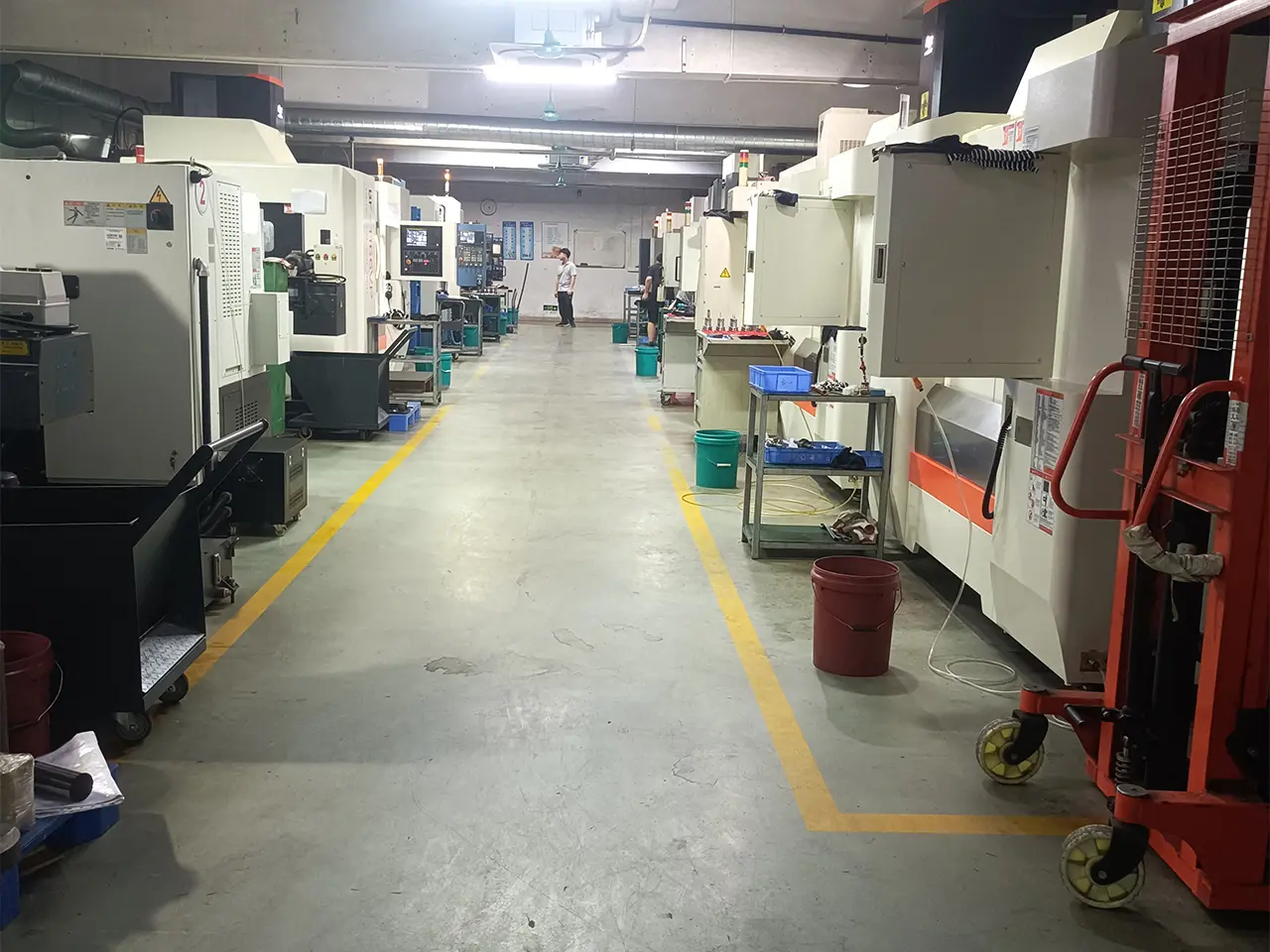
Armed with advanced manufacturing equipment, computerized thermal simulation, and high-speed CNC centers, we are able to respond quickly to your complex structural needs, from prompt prototyping to batch manufacturing operations.
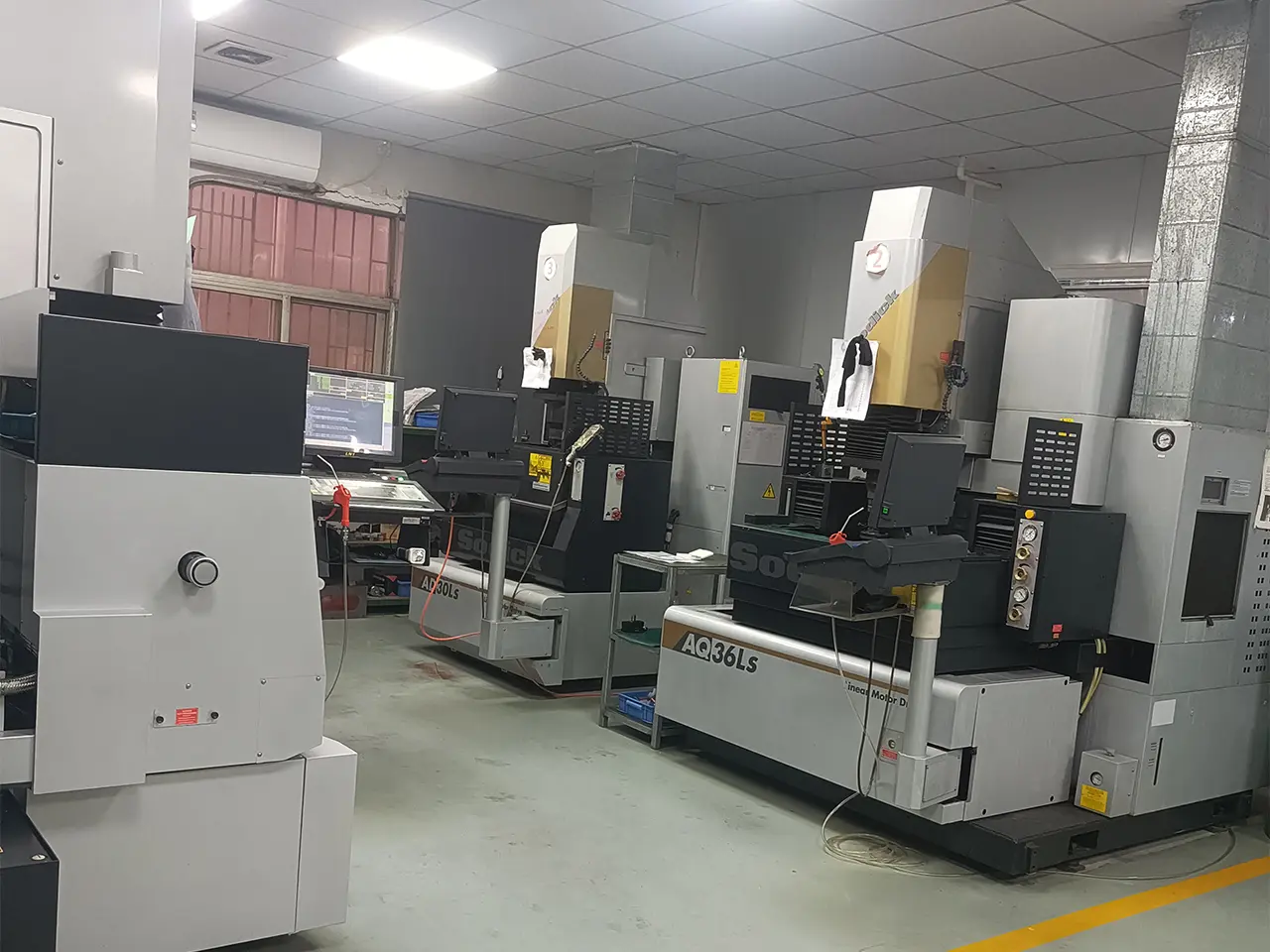
A look inside our state-of-the-art facilities hosting automated wax injection, shell curing, vacuum pouring, and post-machining centers.
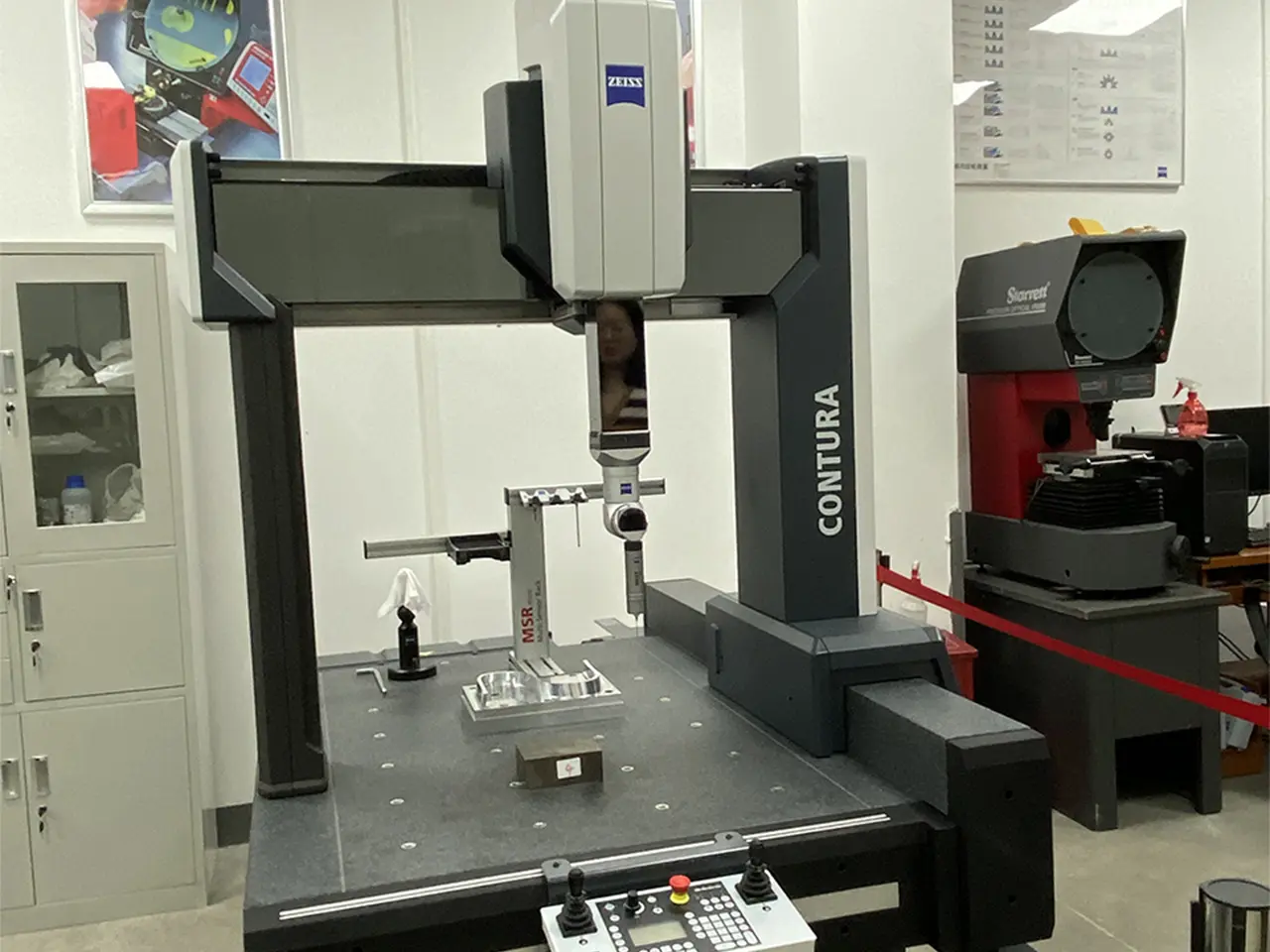
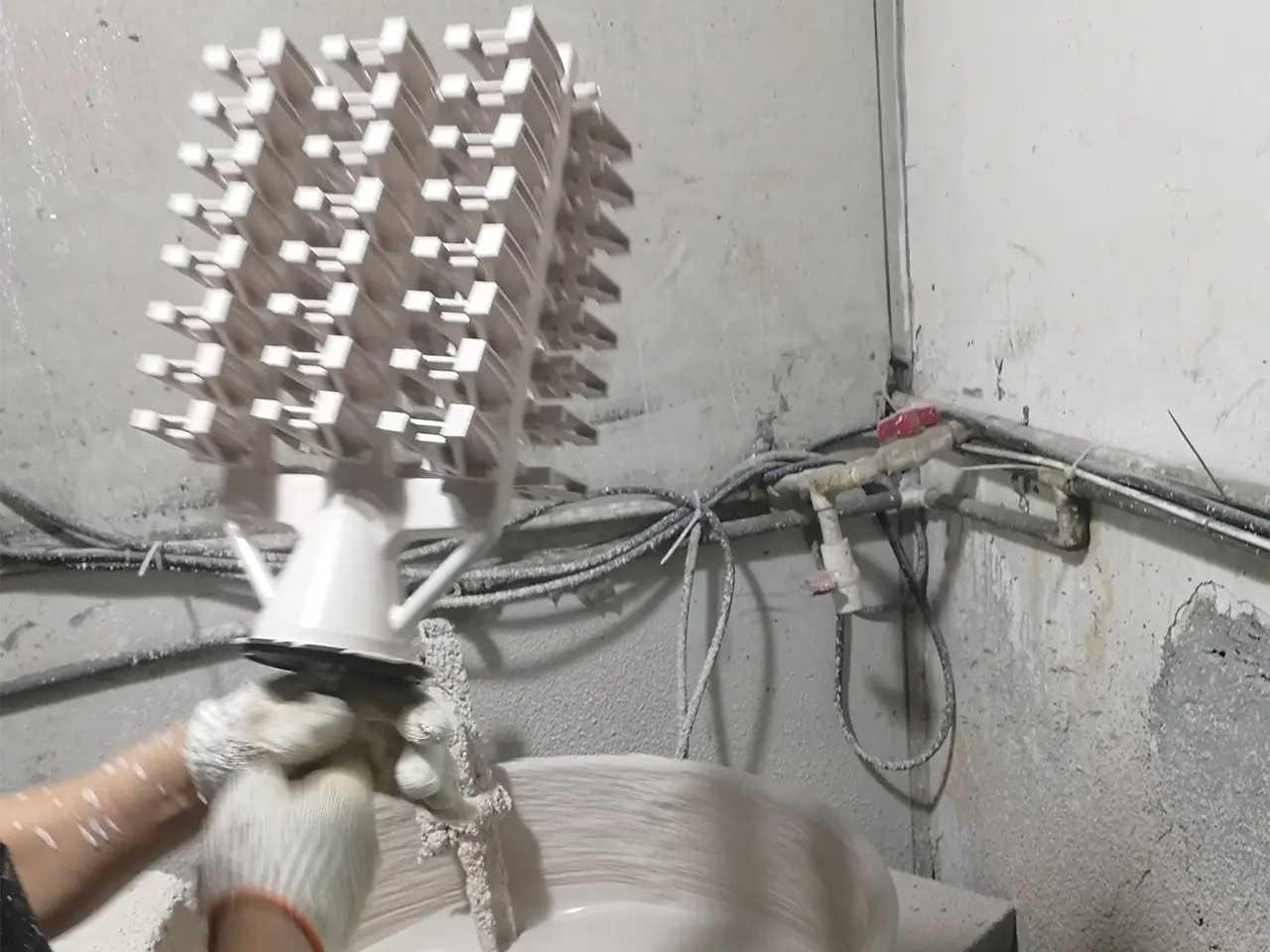
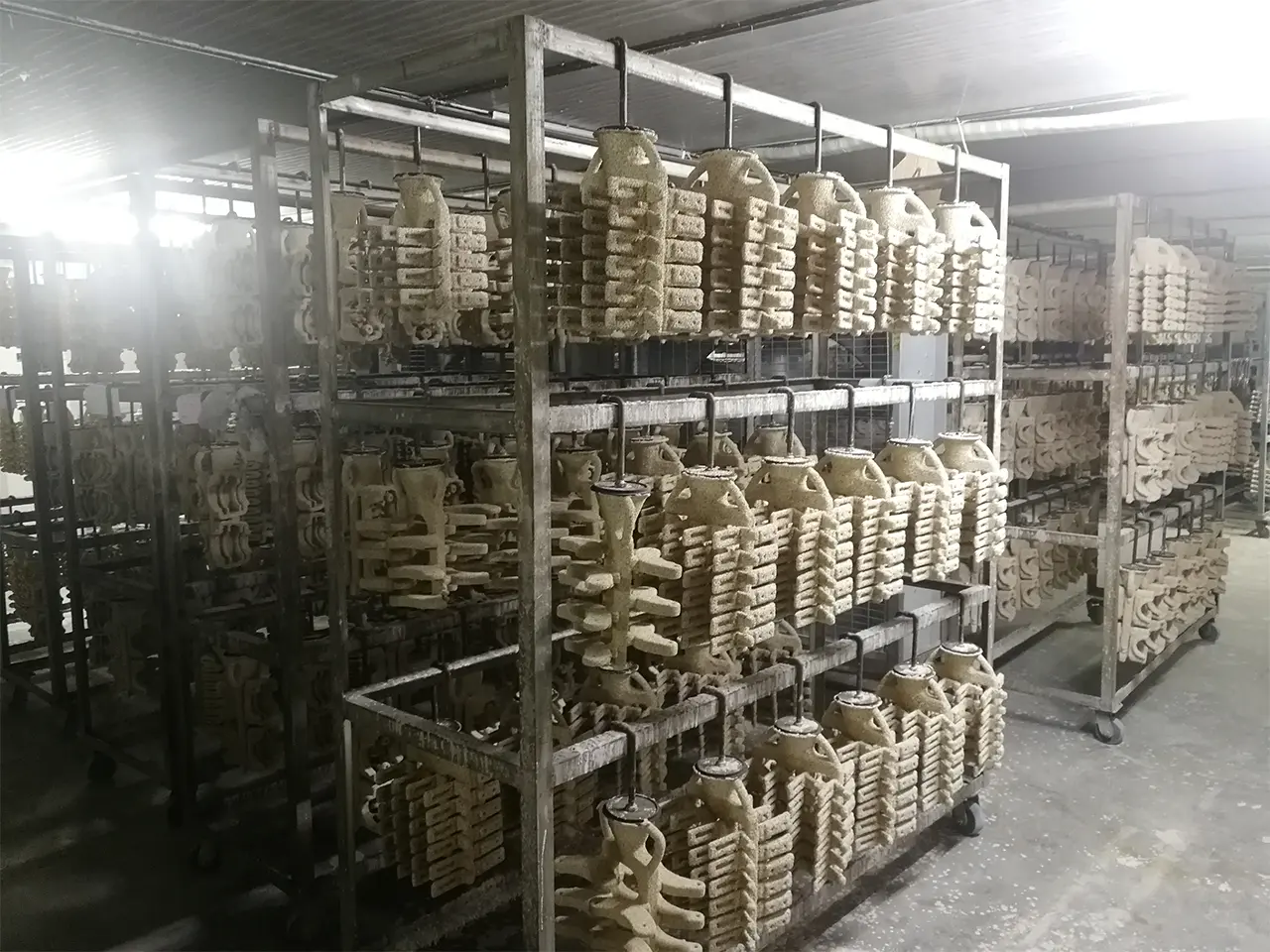
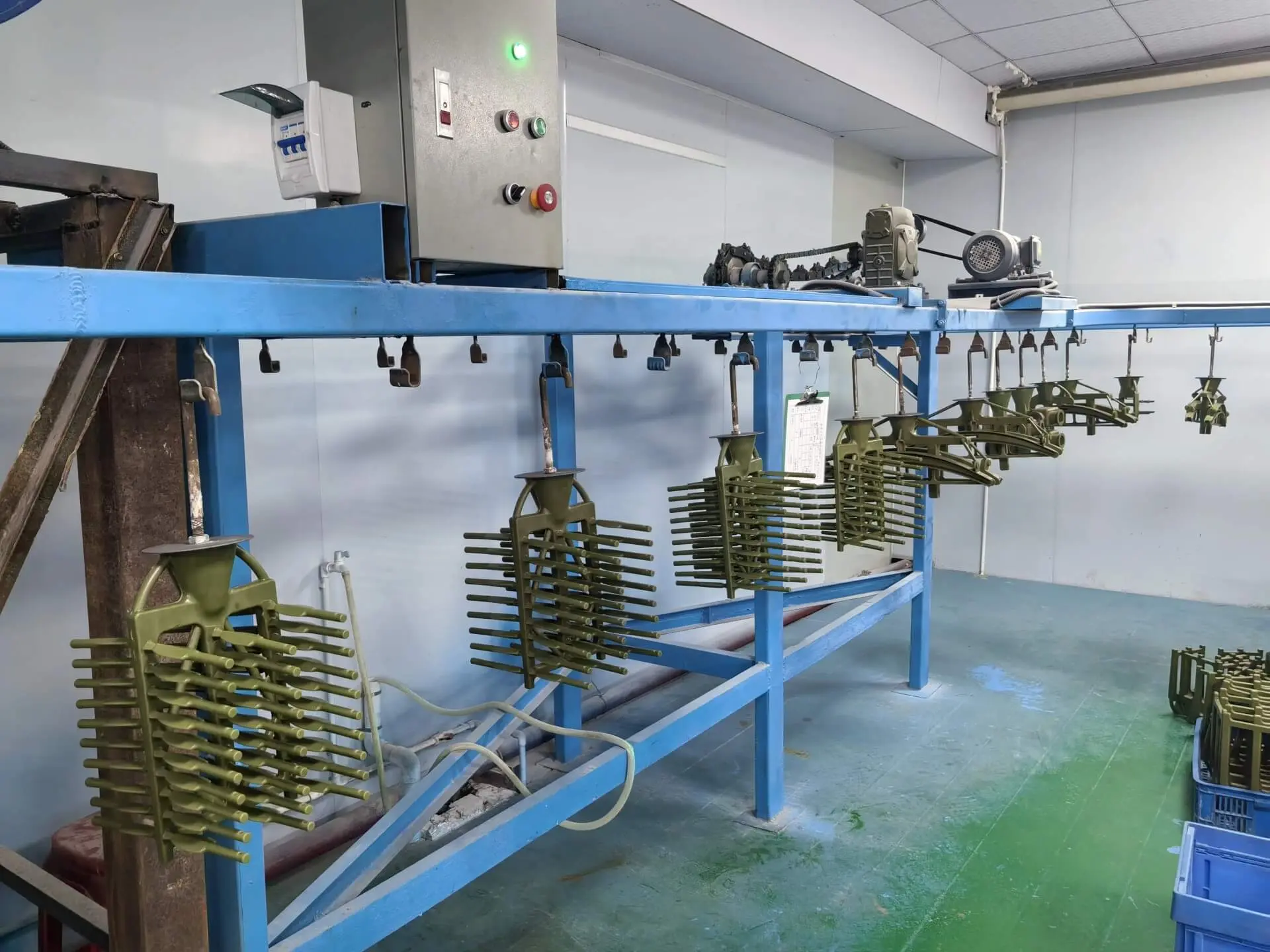
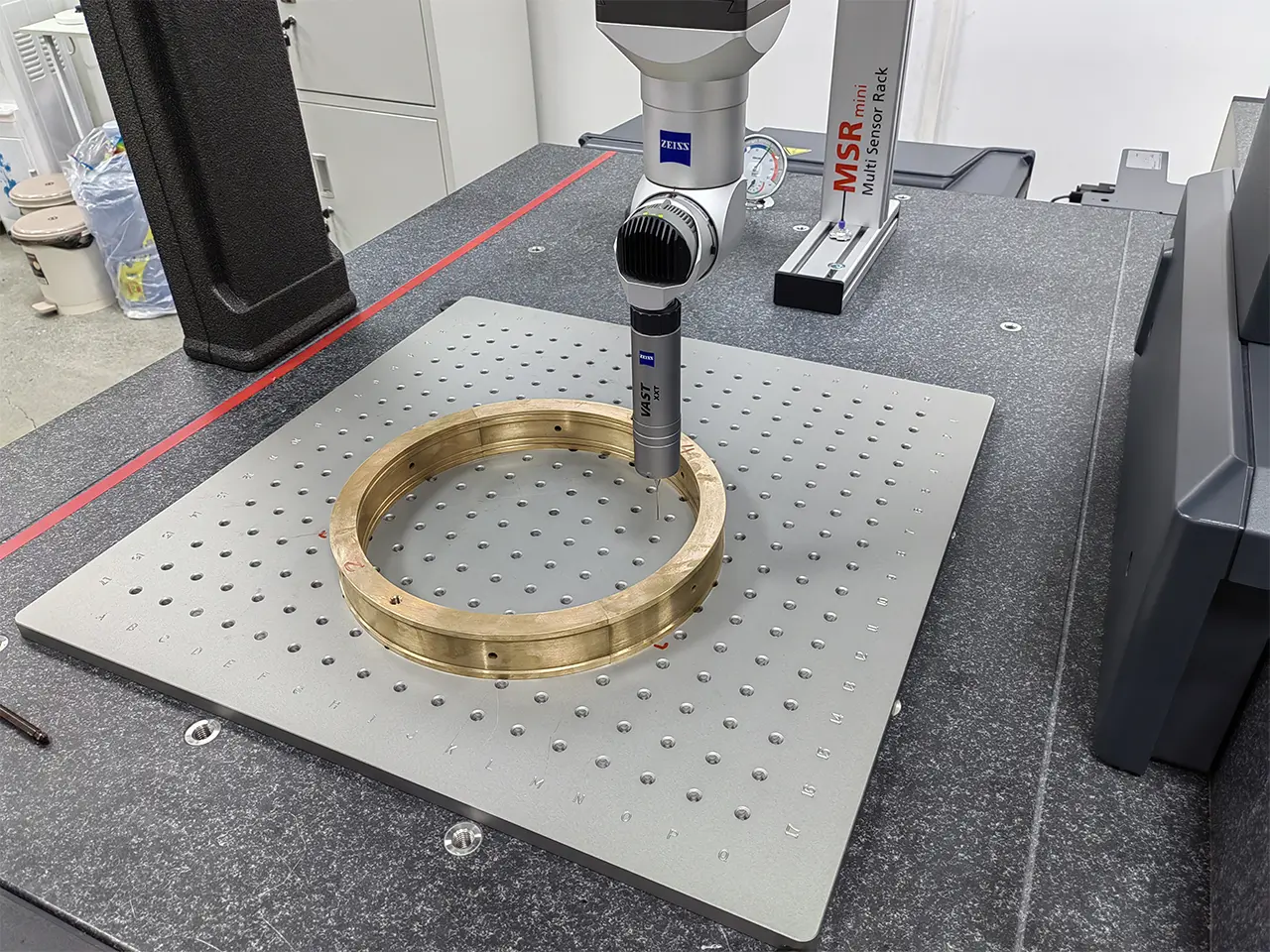
Quality is the cornerstone of the manufacturing industry. We firmly believe that only by controlling quality well can we survive, develop, and get better and better. Therefore, we have been working in this industry unremittingly since 2014 and continue to improve the company's team and improve the company's production capacity.
We have professional testing equipment and professional QC personnel, and we adhere to strict tolerances and quality standards for the products we produce. Our internal testing laboratory is equipped with:
Due to our insistence on strict quality requirements, our engineering teams and components have been praised by many global industrial customers.
Bridging traditional metallurgical processes with advanced technologies for high-precision components.
Integrating flow and solidification analysis software helps us predict air entrapment, shrinkage paths, and hot spot formations prior to tool cutting. This optimizes the gating system design and shortens cycle times.
Utilizing 3D-printed PMMA/wax models enables tool-less casting runs. This hybrid method cuts lead times for custom validation prototypes from weeks down to a few business days.
Improving wax reclamation loops, utilizing energy-efficient melting furnaces, and adopting clean silica binders allow us to help customers reach their scope 3 emissions targets.
Ensuring cross-border compliance, chemical safety standards, and robust localized engineering services.
Our foundry operations follow strict ISO standards. Components undergo physical and chemical composition validation to ensure consistent batches for critical applications.
All aluminium, titanium, and stainless steel raw materials are analyzed for heavy metal residues. This ensures compliant material sourcing that aligns with strict European and American import laws.
Our engineering staff provides technical reviews for overseas drawings, offering optimization feedback for drafting angles, wall thickness variations, and post-machining tolerances.
Common questions from engineering managers regarding process capabilities, tolerances, and material properties.
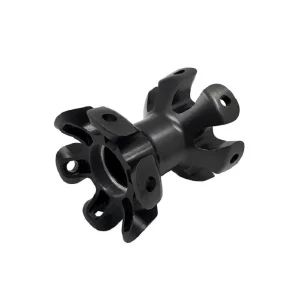
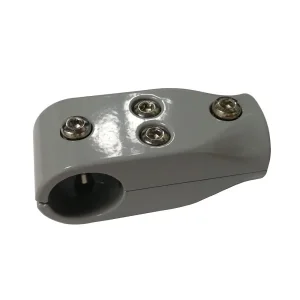
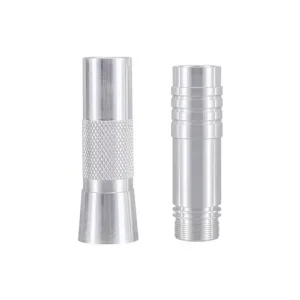
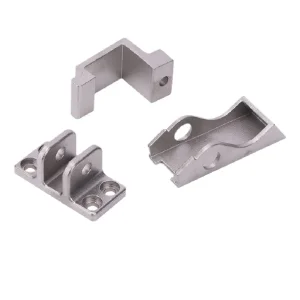
Explore our precision turned parts, non-standard electronics enclosures, and structural hardware options.
 SX Machining