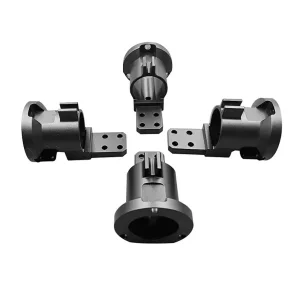
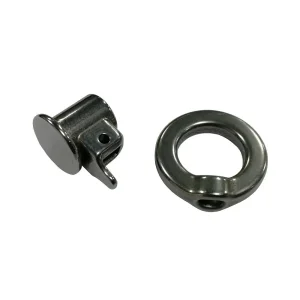
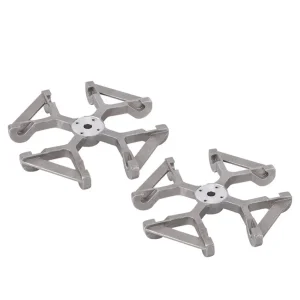
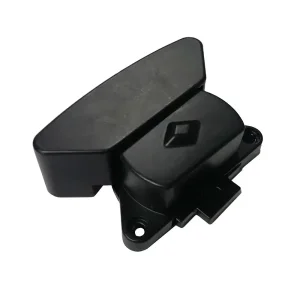
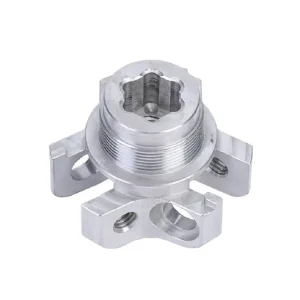
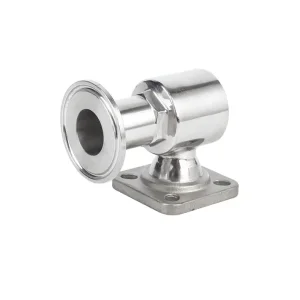
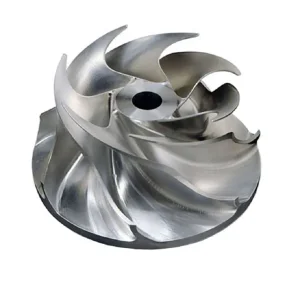
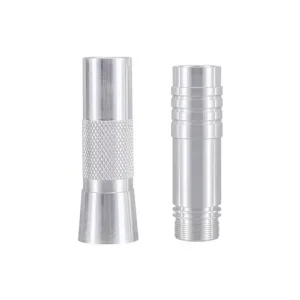
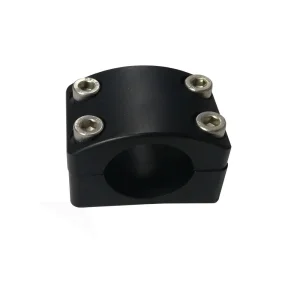
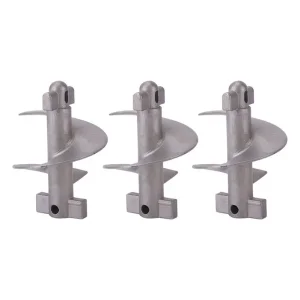
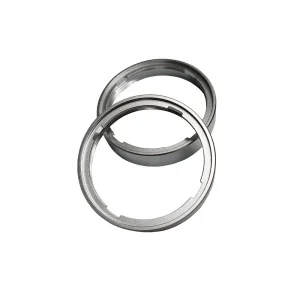
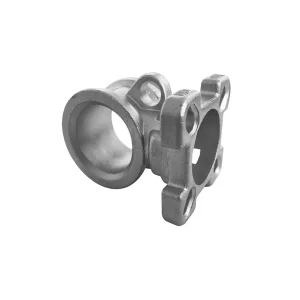
Explore our specialized manufacturing capabilities across high-grade metals, CNC milling, and precision investment castings.
Established as a leader in precision metal manufacturing, Dongguan SX Technology Co., Ltd offers a robust, highly integrated suite of capabilities encompassing precision investment casting, advanced multi-axis CNC machining, and complex assembly processes. Our engineering-driven approach caters to challenging operating requirements in industries such as machinery, automotive engineering, marine systems, naval architecture, heavy industrial equipment, fluid control valves, pumping systems, consumer electronics, watchmaking, construction, and high-performance chemical processing.
Our metallurgy capabilities cover a vast range of industrial materials. For our lost-wax investment casting services, we frequently work with premium grades of stainless steel and carbon steel. In our high-precision CNC machining divisions, we routinely process complex alloys, including titanium alloys (Gr2, Gr5), stainless steels (304, 316, 17-4 PH), carbon steels, aluminum alloys (6061-T6, 7075), copper-based alloys (including leaded and lead-free bronze, brass), and cemented carbides.
With modern manufacturing assets and deep technical expertise, our factory in Dongguan responds with agility to high-precision customized requirements. Since our founding in 2014, we have committed ourselves to rigorous quality standards, maintaining strict geometrical dimensioning and tolerancing (GD&T) to secure long-term client trust worldwide.
Analyzing the strategic renaissance of copper-alloy components in modern engineering ecosystems.
Marine environments, deep-sea exploration oil rigs, and chemical treatment facilities demand materials that withstand salt-spray and oxidation. Bronze remains the undisputed standard for impeller components, valves, and thrust washers due to its protective oxide layer.
Under high mechanical stress and metal-on-metal friction, bronze displays exceptionally low friction coefficients. This property makes CNC machined bronze sleeves, bushings, and worm gears crucial for aerospace landing gears, automotive transmissions, and heavy mining cranes.
With the rise of Industry 4.0, high-speed automated machinery demands wear-resistant, high-thermal conductivity components. Machined bronze parts acts as excellent heat-dissipating wear plates and precision guides in robotic arm articulation joints.
Procurement heads and supply chain officers in North America, Western Europe, and Japan are shifting from simple cost-minimization toward comprehensive supply chain resilience and technical capability integration. Sourcing bronze CNC components from China is no longer just about raw pricing; it is about leveraging advanced ecosystem density. Chinese manufacturers offer an unmatched combination of rapid prototyping, localized raw material sourcing, state-of-the-art multi-axis CNC machines, and integrated casting-to-machining capabilities.
Furthermore, raw bronze alloy availability in China is robust. Whether your design calls for leaded bronzes (C36000 equivalent / C93200 bearing bronze), aluminum bronze (C95400 for high strength), or phosphor bronze (C51000 for spring-like properties), Chinese suppliers provide mill-certified materials with complete chemical analysis reports, satisfying Western standards like ASTM, DIN, and JIS.
How modern Chinese manufacturers leverage industrial clusters and smart automation to lower cycle times.
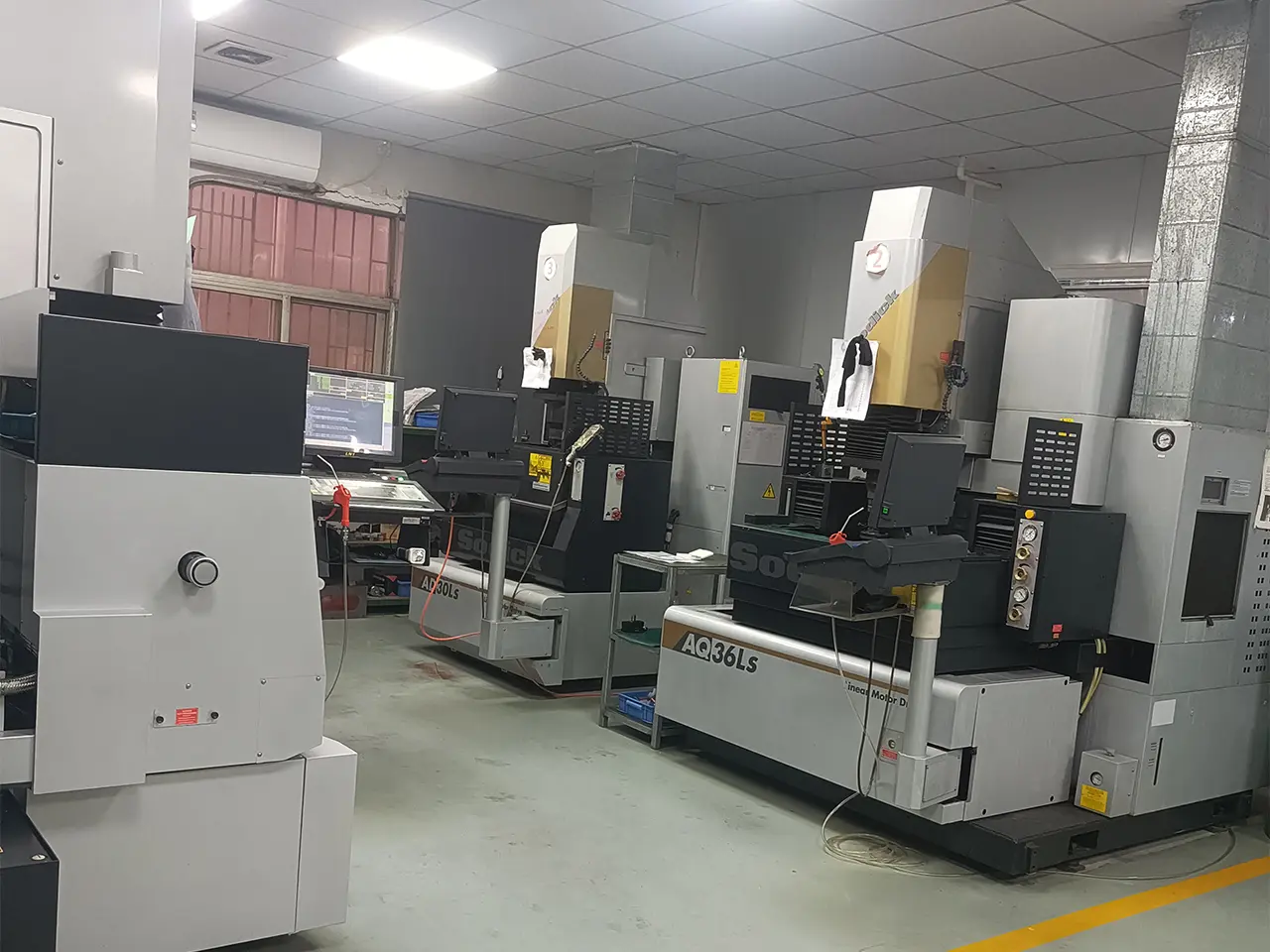
Operating out of Dongguan, SX Technology benefits from the ultimate industrial cluster. Within a 50-kilometer radius, we have access to high-purity alloy smelters, advanced surface finish houses (anodizing, passivating, electroplating), tool makers, and logistics hubs. This concentration dramatically reduces transit times between processing stages. A step that might take weeks in less concentrated regions is completed in hours here.
By adopting digital workflows, our shop floor integrates CAD designs directly into our CAM software, generating optimal toolpaths for complex bronze milling and turning. We program tool speeds, feed rates, and depth of cuts customized specifically for copper alloys to prevent burring and work-hardening. This digital precision translates to consistent quality across production runs of 10 parts to 10,000 parts.
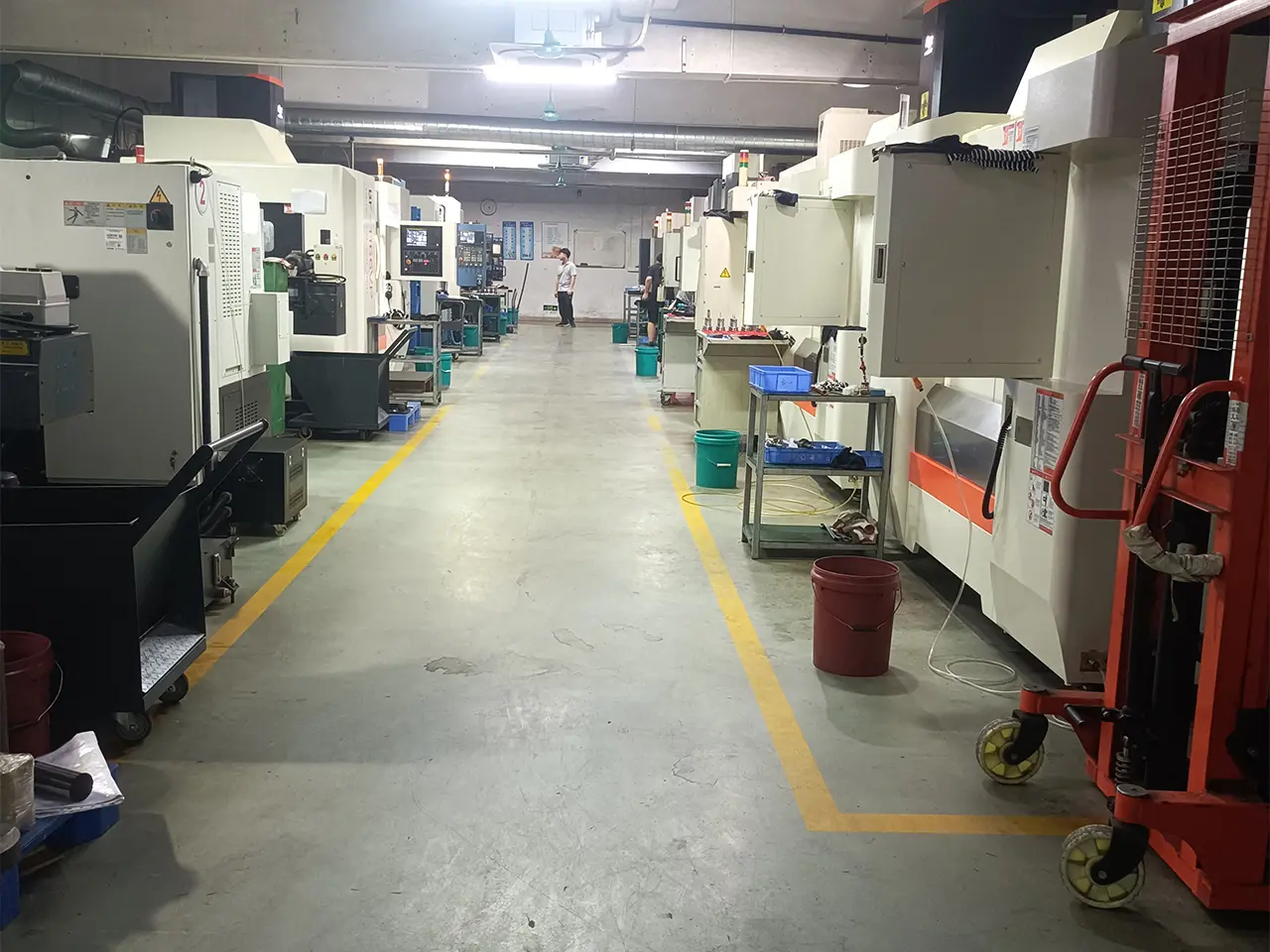
We maintain a clean, organized, and highly automated shop floor layout. Our machining centers include high-speed CNC milling machines, precise CNC turning lathes, and multi-axis machining centers.
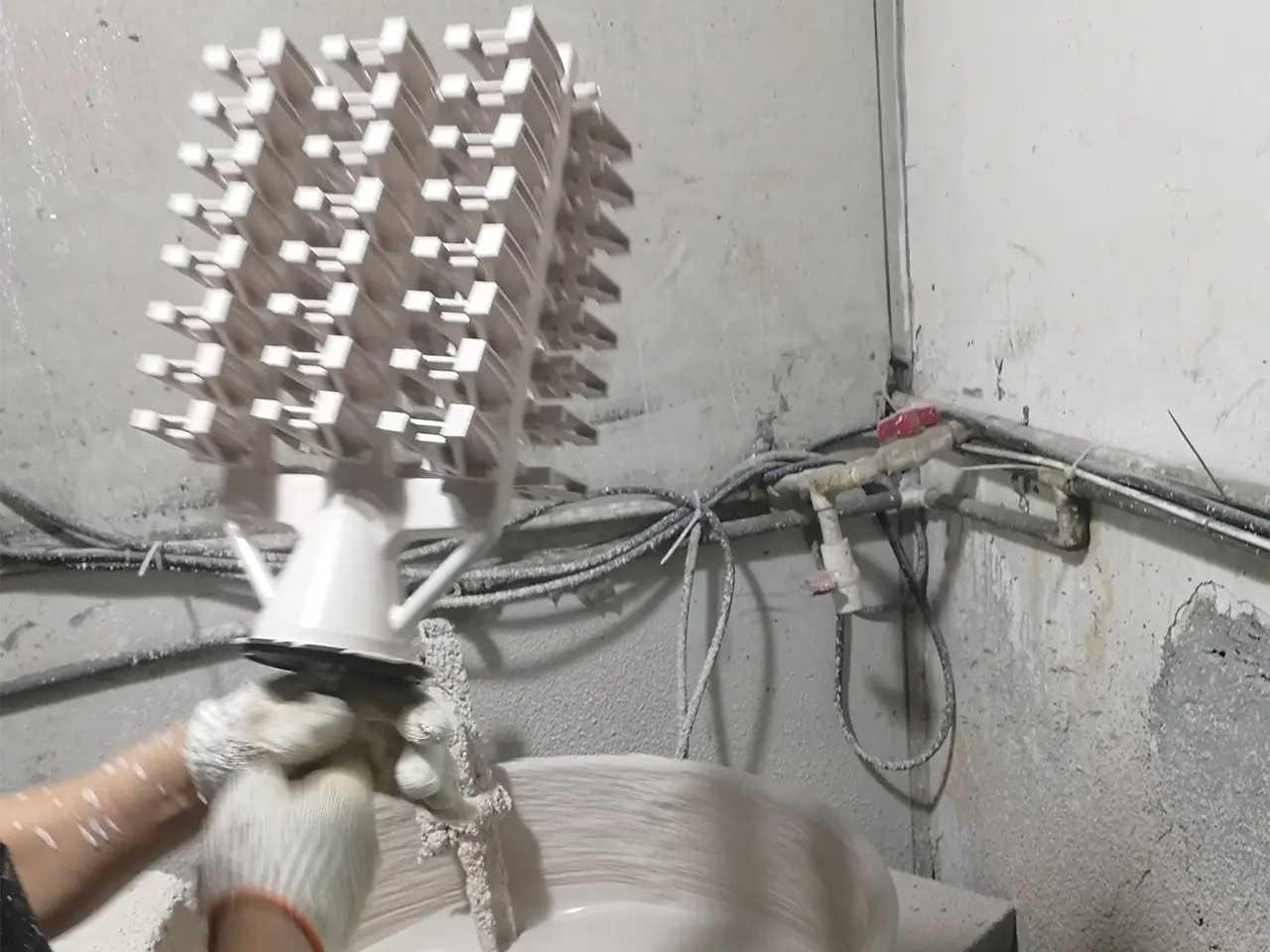
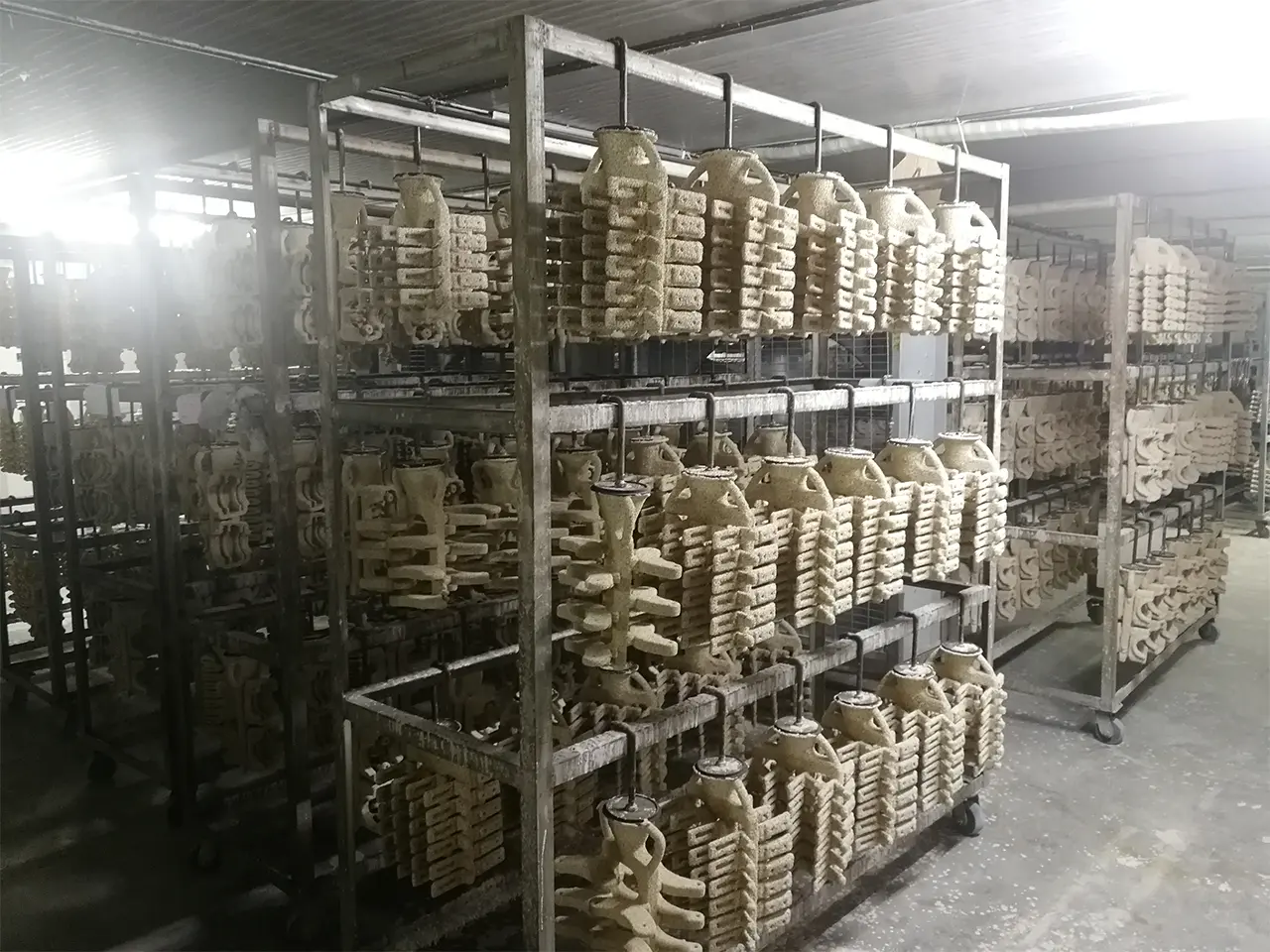
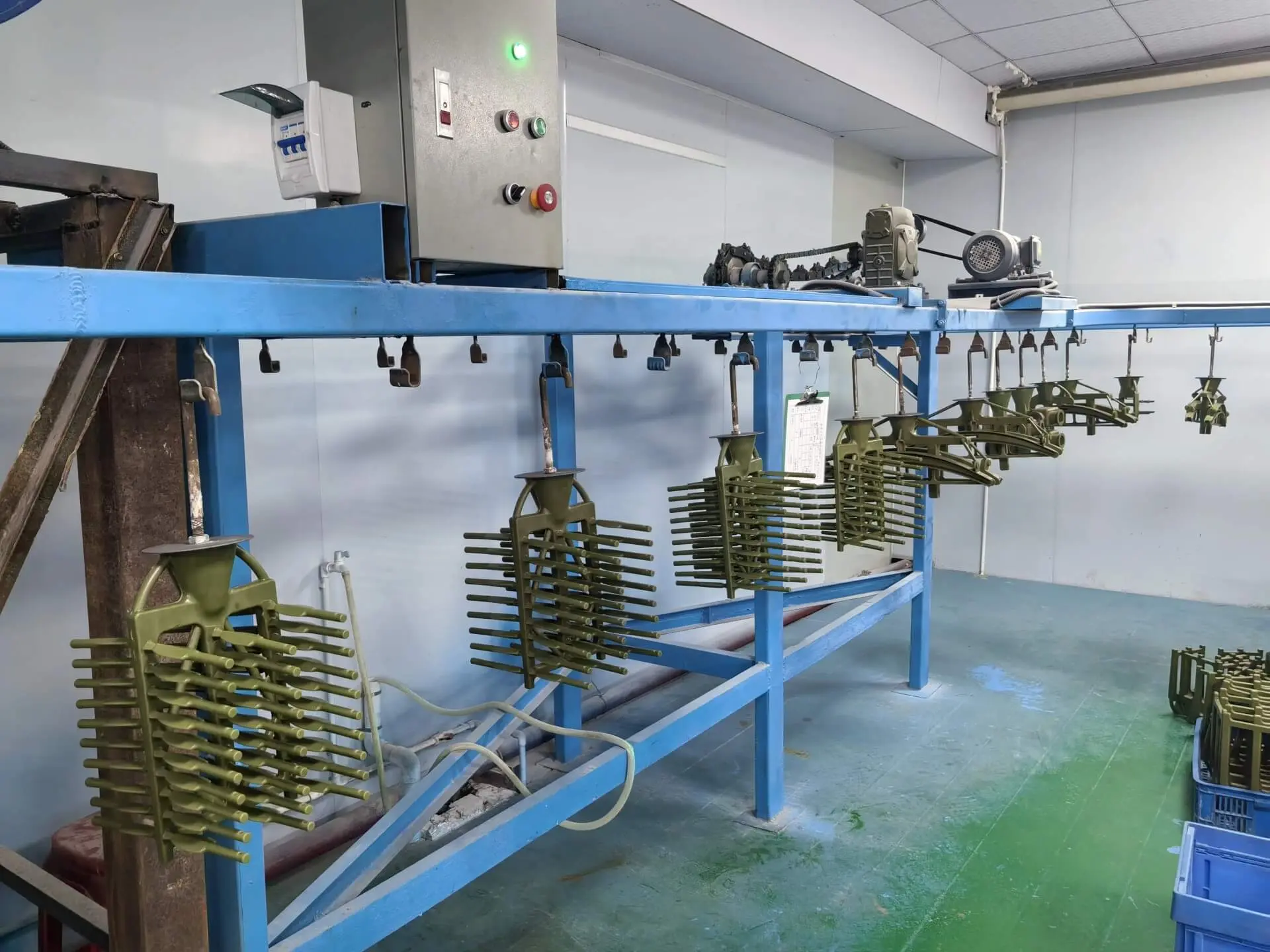
Understanding the material grades, mechanical traits, and machining techniques that drive part performance.
Selecting the appropriate bronze grade is critical for achieving optimal mechanical properties and machining efficiency. Below are the most common industrial alloys we machine:
Bronze alloys present distinct machining behaviors compared to steel or aluminum. Managing chips, heat dissipation, and tool wear is critical:
Chip Management: Leaded bronzes produce short, brittle chips that clear easily. However, lead-free phosphor and aluminum bronzes generate long, continuous, tough ribbons that wrap around the spindle. We use custom chip-breaker geometry inserts to maintain clear pathways.
Thermal Expansion Control: Bronze has a relatively high coefficient of thermal expansion. Heat generated during aggressive milling can expand the workpiece, resulting in dimensional discrepancies once the part cools. We resolve this by applying constant flood coolant, regulating thermal stability during critical cuts.
| Alloy Code | Common Name | Tensile Strength (MPa) | Yield Strength (MPa) | Machinability Rating | Best Application Case |
|---|---|---|---|---|---|
| C93200 | SAE 660 Bearing Bronze | 240 | 115 | 70% (High) | Bushings, thrust washers, sliding sleeve bearings |
| C95400 | Aluminum Bronze | 580 | 240 | 50% (Medium) | High-load gears, worm wheels, landing gear parts |
| C51000 | Phosphor Bronze | 380 | 165 | 20% (Low) | Spring contacts, diaphragms, electrical terminals |
| C63000 | Nickel Aluminum Bronze | 690 | 345 | 30% (Low) | Marine impellers, valve stems, heavy hardware |
How Dongguan SX Technology ensures zero-defect delivery across all CNC machining batches.
Quality is the absolute foundation of the manufacturing industry. We firmly believe that only by controlling quality effectively can we survive, develop, and continue to grow. Therefore, we have been working in this industry unremittingly since 2014, continuously improving the competency of our engineering team and expanding our factory production capacity.
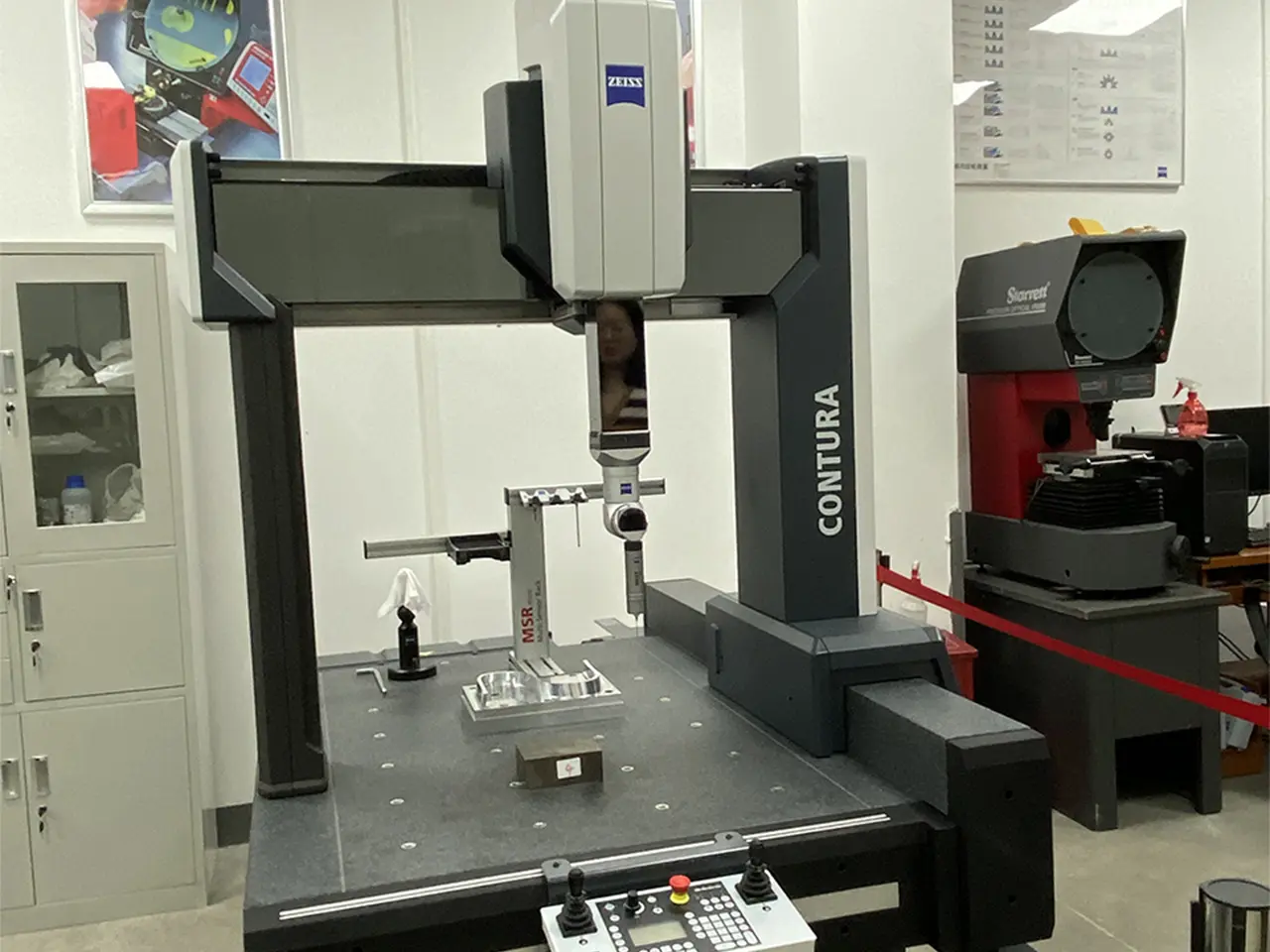
To achieve high precision, we employ dedicated Quality Control (QC) personnel and utilize advanced testing equipment. Our inspection procedures cover:
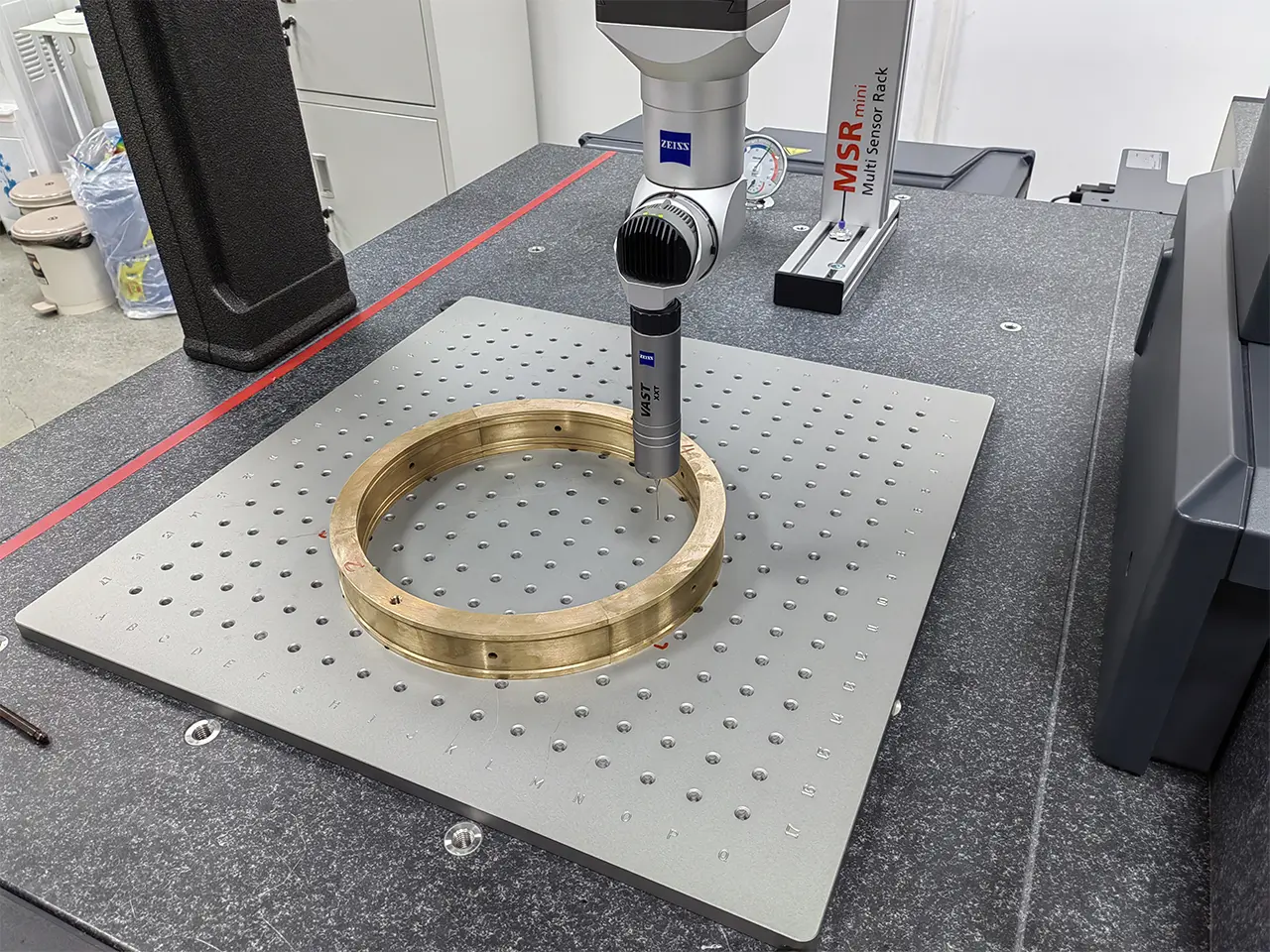
Our machine operators check parts during processing, and our final inspection team examines every batch before packaging. This dual-layer quality check ensures that only components that meet your exact specifications are shipped, protecting your downstream assembly lines from downtime.
How custom CNC machined bronze and steel alloys solve critical industrial design challenges.
Seawater triggers extreme galvanic corrosion in standard steel components. CNC machined nickel aluminum bronze impellers, pump bodies, and control valves resist biofouling and cavity corrosion, guaranteeing long operating lives for subsea exploration vessels.
Heavy machinery joints endure continuous impact and dust. Bronze sleeve bearings run smoothly without binding. Combining casting and CNC precision ensures that linkages, bushings, and linkages match agricultural machinery mounts exactly.
Synchronizer rings, shift forks, and steering column assemblies demand wear resistance and reliability. Custom automotive investment castings, followed by high-speed CNC turning, meet the dimensional tolerances needed for modern gearboxes.
Essential guidance on sourcing, designing, and machining bronze components.
Review our catalog of custom components designed for extreme environments, heavy-duty applications, and aerospace setups.
 SX Machining