 SX Machining
Why Global Procurement Demands Silica Sol Casting
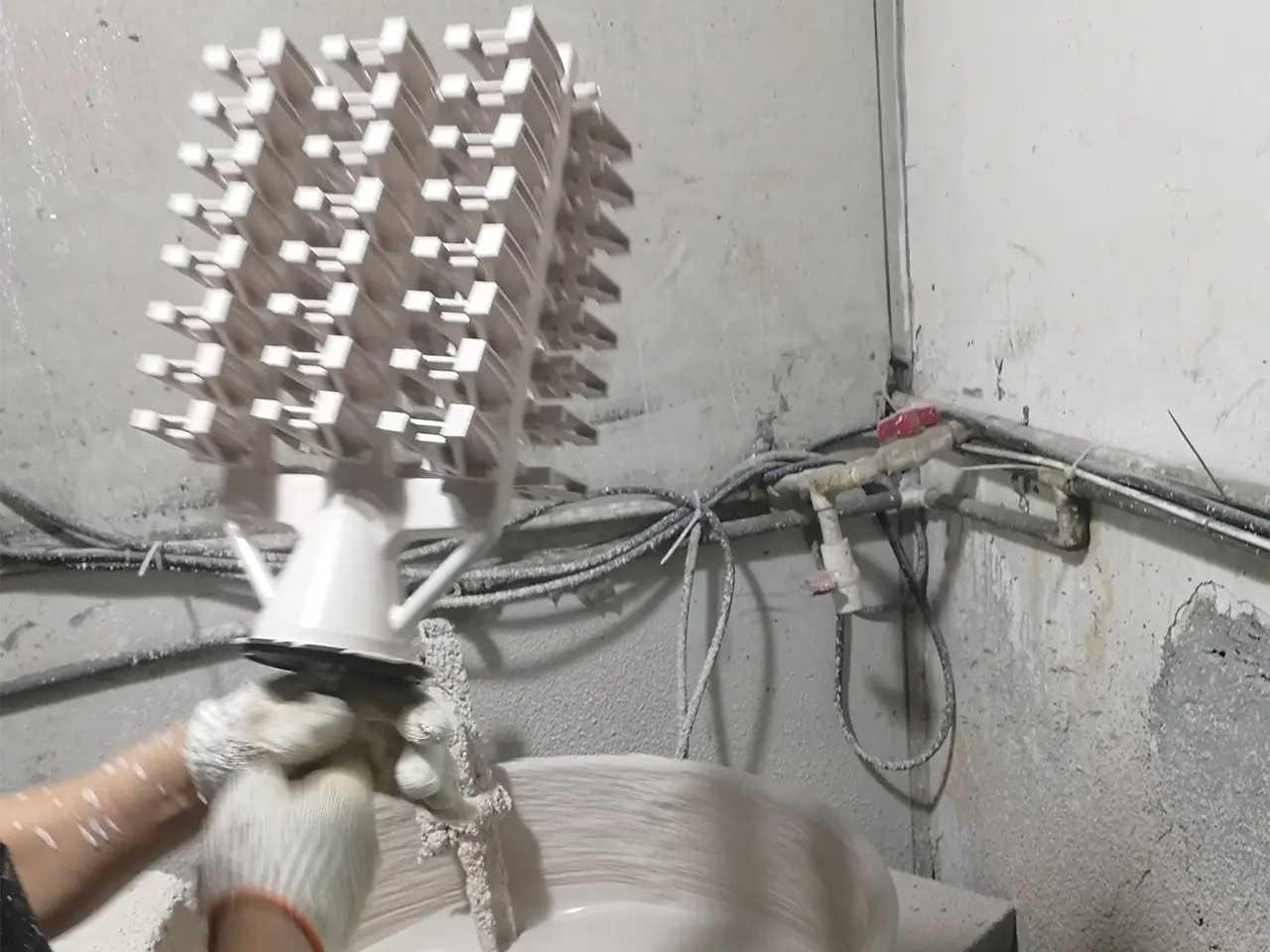
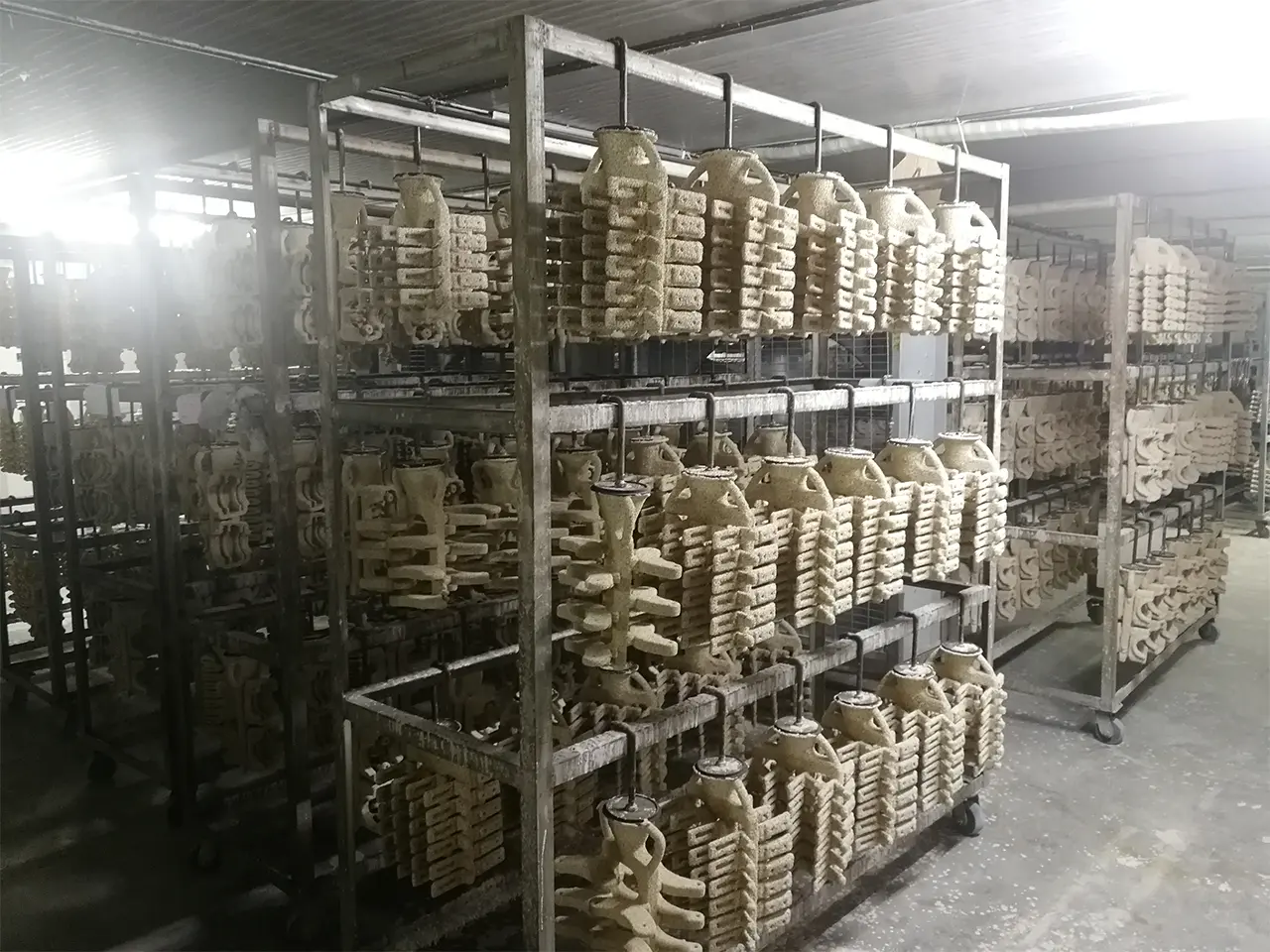
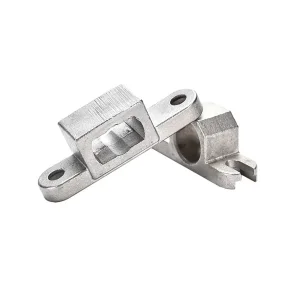
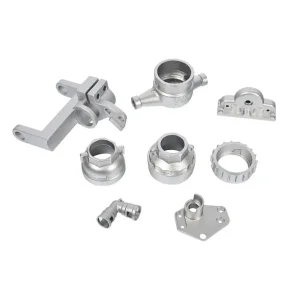
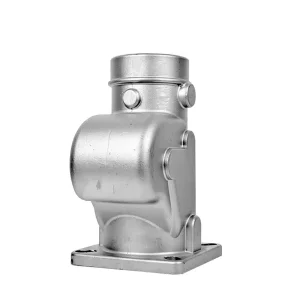
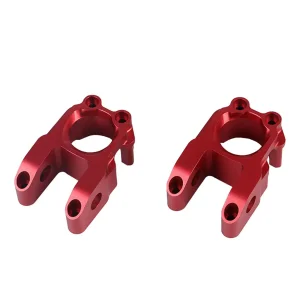
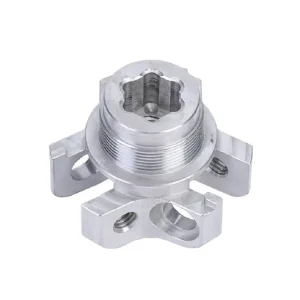
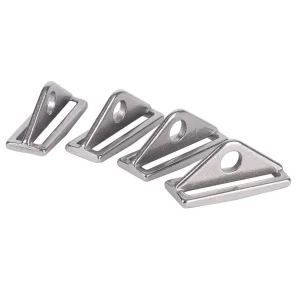
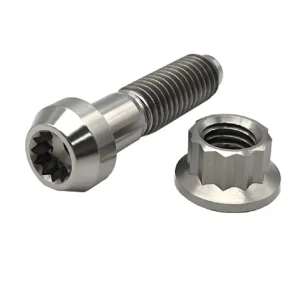
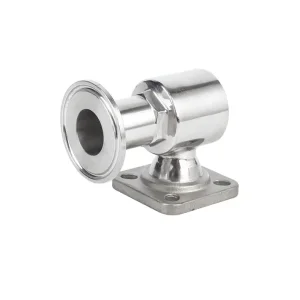
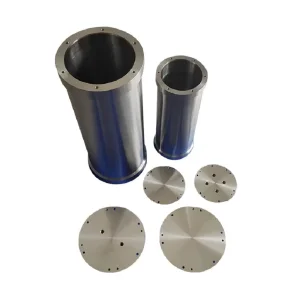
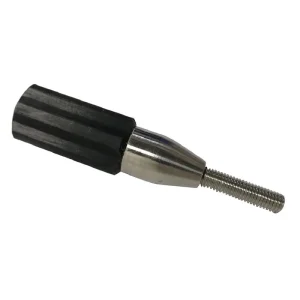
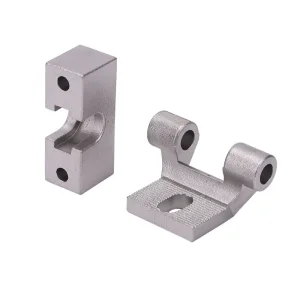
Silica Sol casting (also known as colloidal silica investment casting) is the gold standard for producing components that require complex geometries, thin walls, and exceptional surface finishes. By using a refractory slurry based on silica sol binder, this method completely eliminates the carbonaceous defects commonly associated with alternative methods like water glass casting.
For engineering departments, this translates to structural components that have a native surface roughness rating of Ra 1.6 to Ra 3.2 microns. This significantly minimizes or entirely eliminates the need for expensive secondary machining processes, reducing the Total Cost of Ownership (TCO) for complex machinery assemblies.
Information Gain: The Microstructural Difference
Water glass casting templates typically yield rougher finishes (Ra 12.5) and have higher dimensional variability due to thermal expansion profiles. Colloidal Silica (Silica Sol) structures remain highly stable up to 1600°C, preserving intricate dimensional tolerances (ISO 8062-3 DCTG-4 to DCTG-6) and maintaining absolute metallurgical purity in stainless and carbon steel alloys.