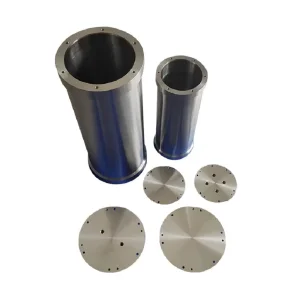
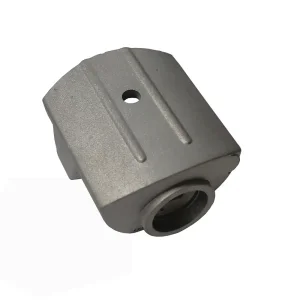
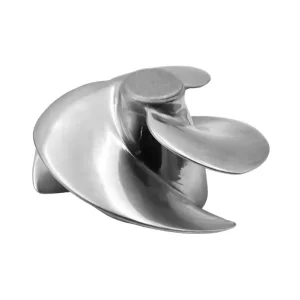
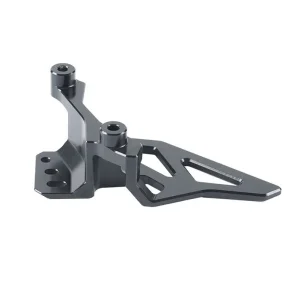
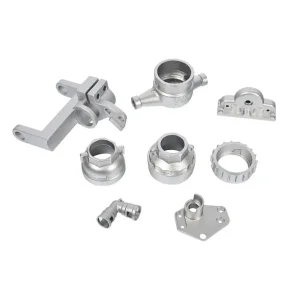
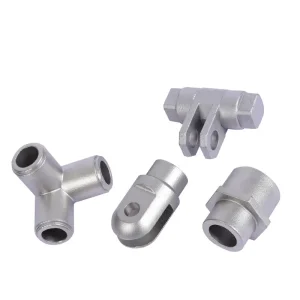
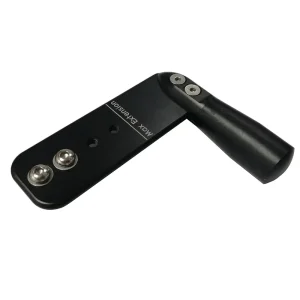
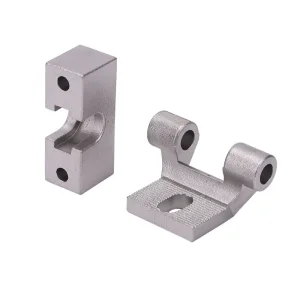
Explore our high-performance engineered components, manufactured under stringent global ISO tolerances.
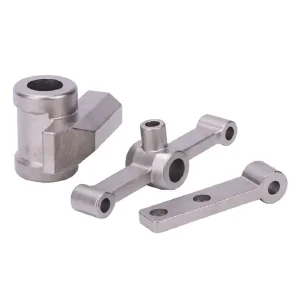
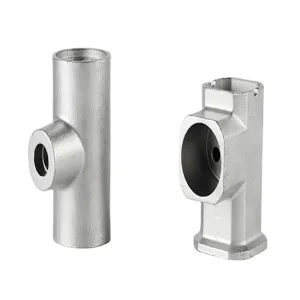
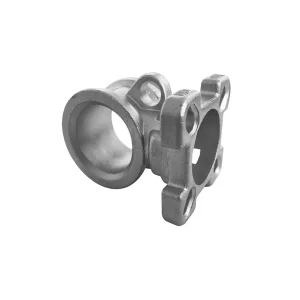
Carbon steel lost wax casting—often referred to as carbon steel investment casting—is an engineering standard for manufacturing near-net-shape components with complex internal geometries and strict surface finish guidelines. By using carbon steel alloys, industrial developers strike a balanced synergy between cost efficiency, mechanical load strength, and machinability.
The silica sol casting process utilized at our facility is superior to traditional sodium silicate water glass casting. It enables precise tolerances down to the ISO 8062 CT5-CT7 grade level, eliminating redundant post-processing milling. The metallurgical range of carbon steel spans low carbon steels (high magnetic permeability and weldability), medium carbon steels (excellent mechanical durability and toughness), to high carbon steels (optimized wear resistance and hardenability).
When designing pressure vessels, high-load linkages, or pump shells, understanding the specific chemical compositions of carbon steels is vital. Our engineers work with standard grades including WCB, WCC, LCC, AISI 1020, AISI 1045, and ASTM A216, offering optimized heat-treatment cycles (Normalizing, Quenching, and Tempering) to meet rigorous engineering specifications.
We manufacture and export carbon steel components utilizing specific international grades tailored to structural, mechanical, and temperature requirements.
| Material Grade (ASTM / UNS) | Tensile Strength (Min) | Yield Strength (Min) | Elongation (%) | Primary Industrial Application |
|---|---|---|---|---|
| ASTM A216 Grade WCB (J03002) | 485 MPa (70 ksi) | 250 MPa (36 ksi) | 22% | Valves, pressure equipment, oilfield infrastructure, general piping assemblies. |
| ASTM A216 Grade WCC (J02503) | 485 MPa (70 ksi) | 275 MPa (40 ksi) | 22% | High-pressure weldable structural components, chemical distribution lines. |
| ASTM A352 Grade LCB (J03003) | 485 MPa (70 ksi) | 240 MPa (35 ksi) | 24% | Low-temperature services (-46°C / -50°F), deep-sea valves, pipelines. |
| AISI 1020 Carbon Steel (G10200) | 410 MPa (59 ksi) | 340 MPa (49 ksi) | 15% | Excellent weldability and ductility for structural brackets and electronics parts. |
| AISI 1045 Carbon Steel (G10450) | 620 MPa (90 ksi) | 340 MPa (49 ksi) | 12% | High-strength machinery components, gears, axles, and mechanical shafts. |
A Premier Precision Casting, CNC Machining, and Assembly Facility Since 2014.
Established in 2014, Dongguan SX Technology Co.,Ltd has built a global reputation for high-precision investment casting, advanced CNC machining, and mechanical assemblies. Our manufacturing expertise reaches across industries including aerospace, machinery, marine shipping, flow control systems, medical equipment, electronics, and architecture.
By using advanced lost wax casting techniques alongside state-of-the-art multi-axis CNC milling, CNC turning, and precision grinding, we transform raw raw materials into completed, complex mechanical components. The most commonly used materials for our investment casting division include stainless steel and carbon steel, ensuring excellent strength and corrosion profiles.
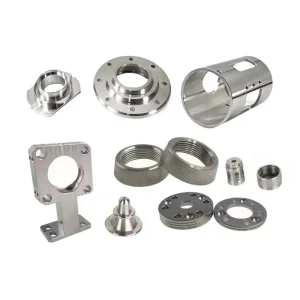
For CNC machining, our manufacturing scope extends to high-performance alloys including titanium alloys, stainless steels, carbon steels, aluminum alloys, copper alloys, and cemented carbides. This diverse metallurgical capacity allows our teams to handle custom engineering projects for high-end applications, such as deep-sea exploration vessels and aerospace instrumentation.
We pride ourselves on dynamic production capabilities, responding swiftly to complex geometries and challenging production timetables. As a dedicated OEM supplier, our integrated processes dramatically reduce overhead, eliminate multi-tier supplier communications, and guarantee that the final component matches the precise mechanical tolerance on your engineering drawings.
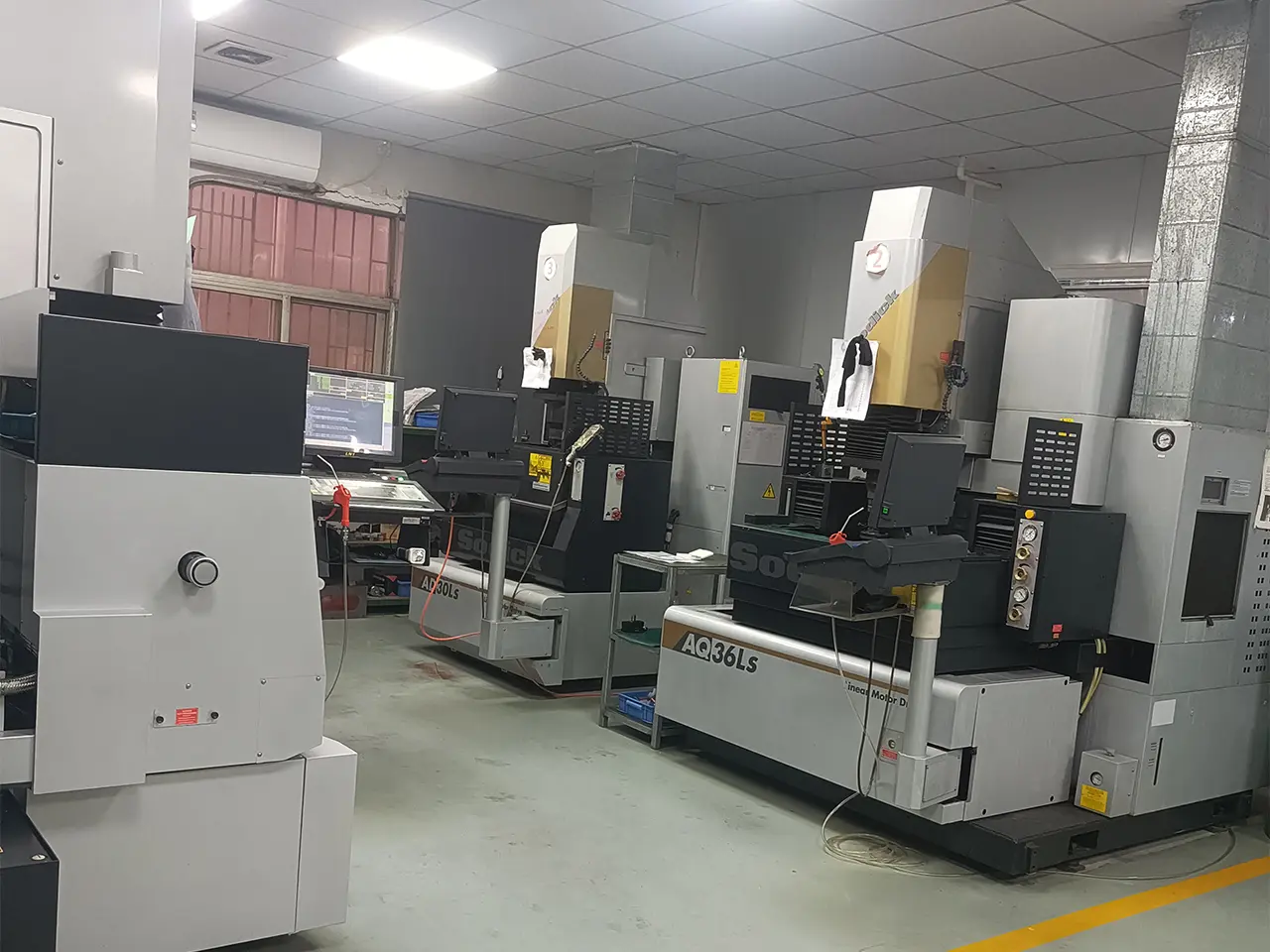
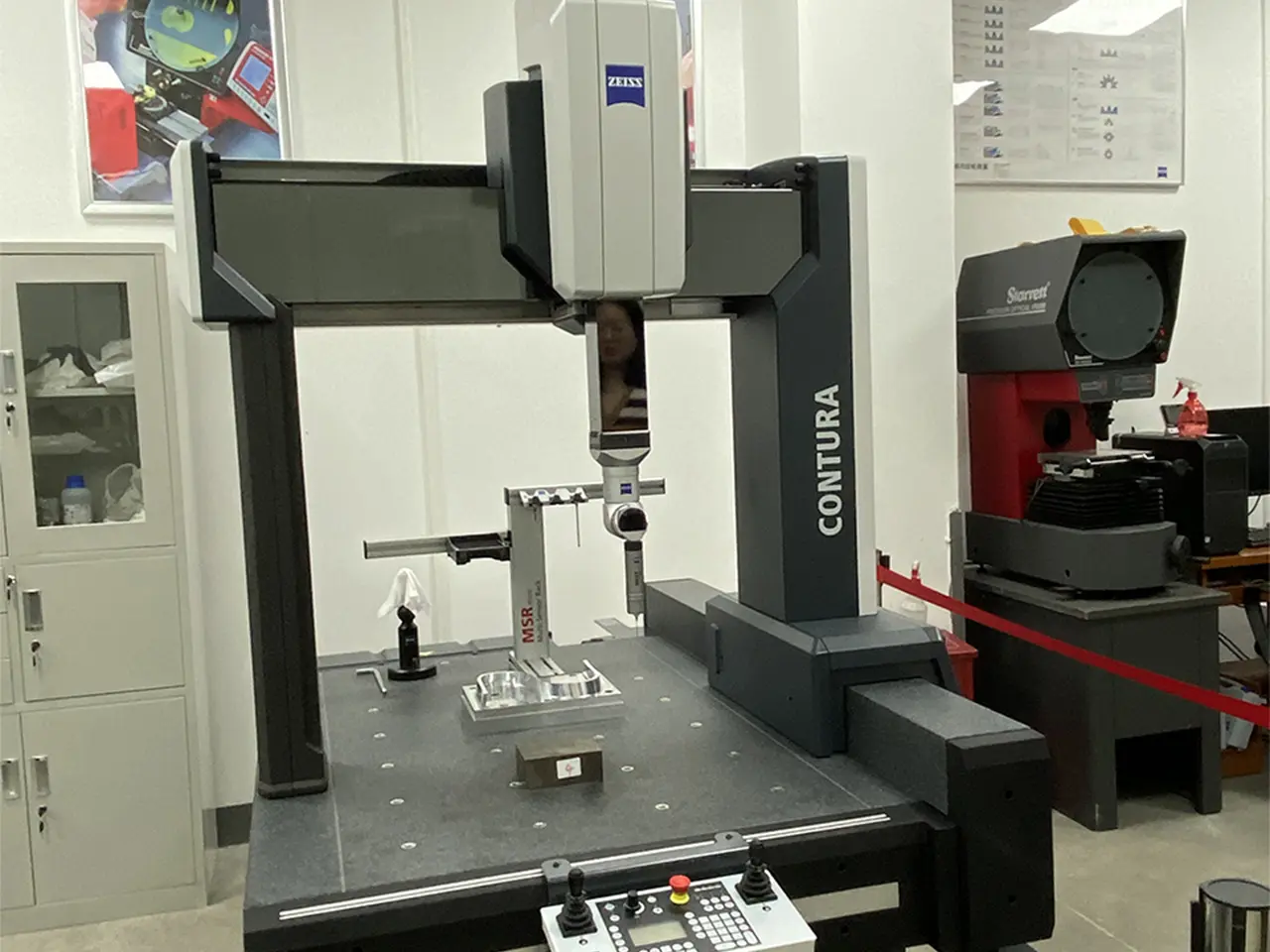
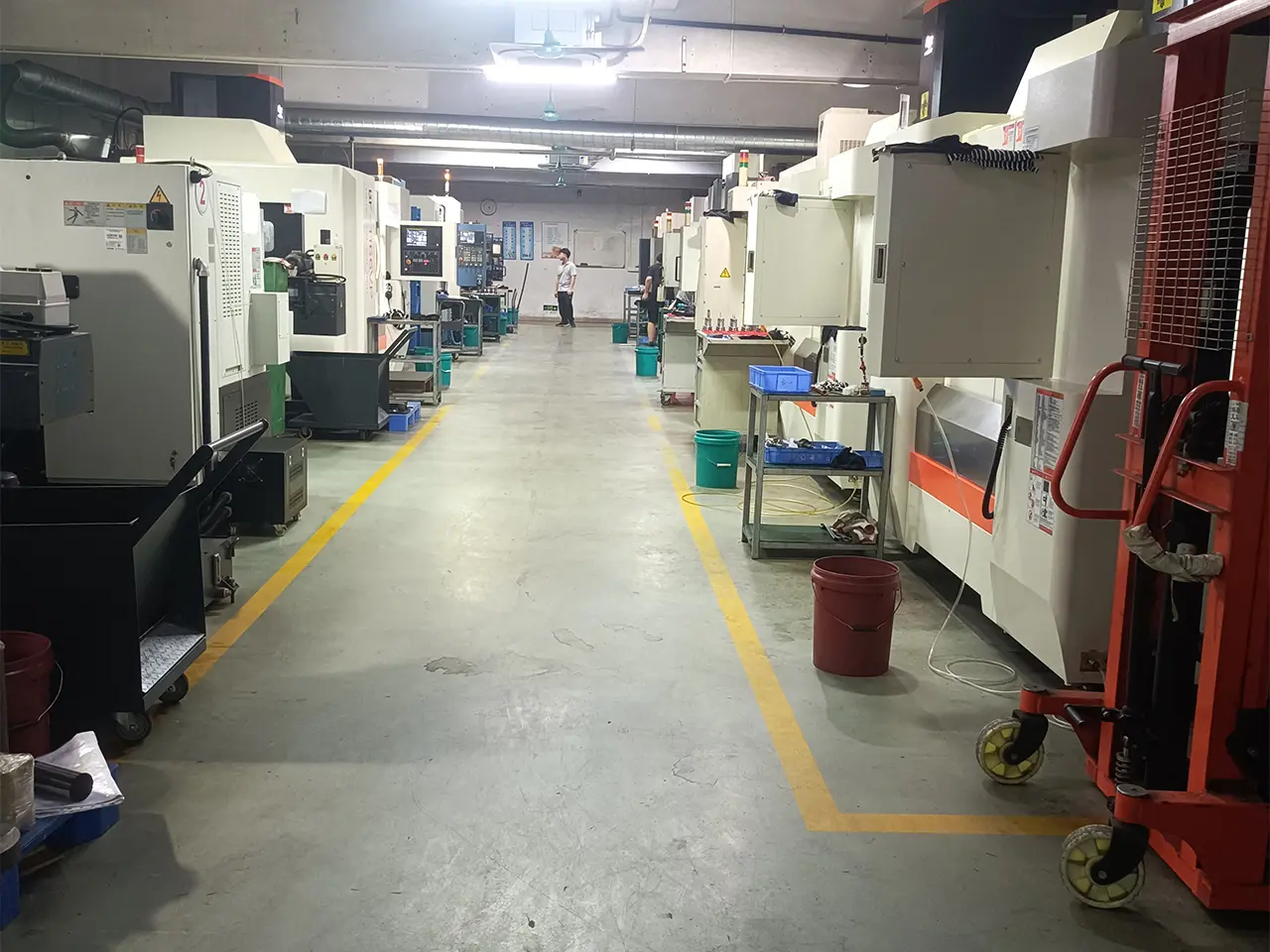
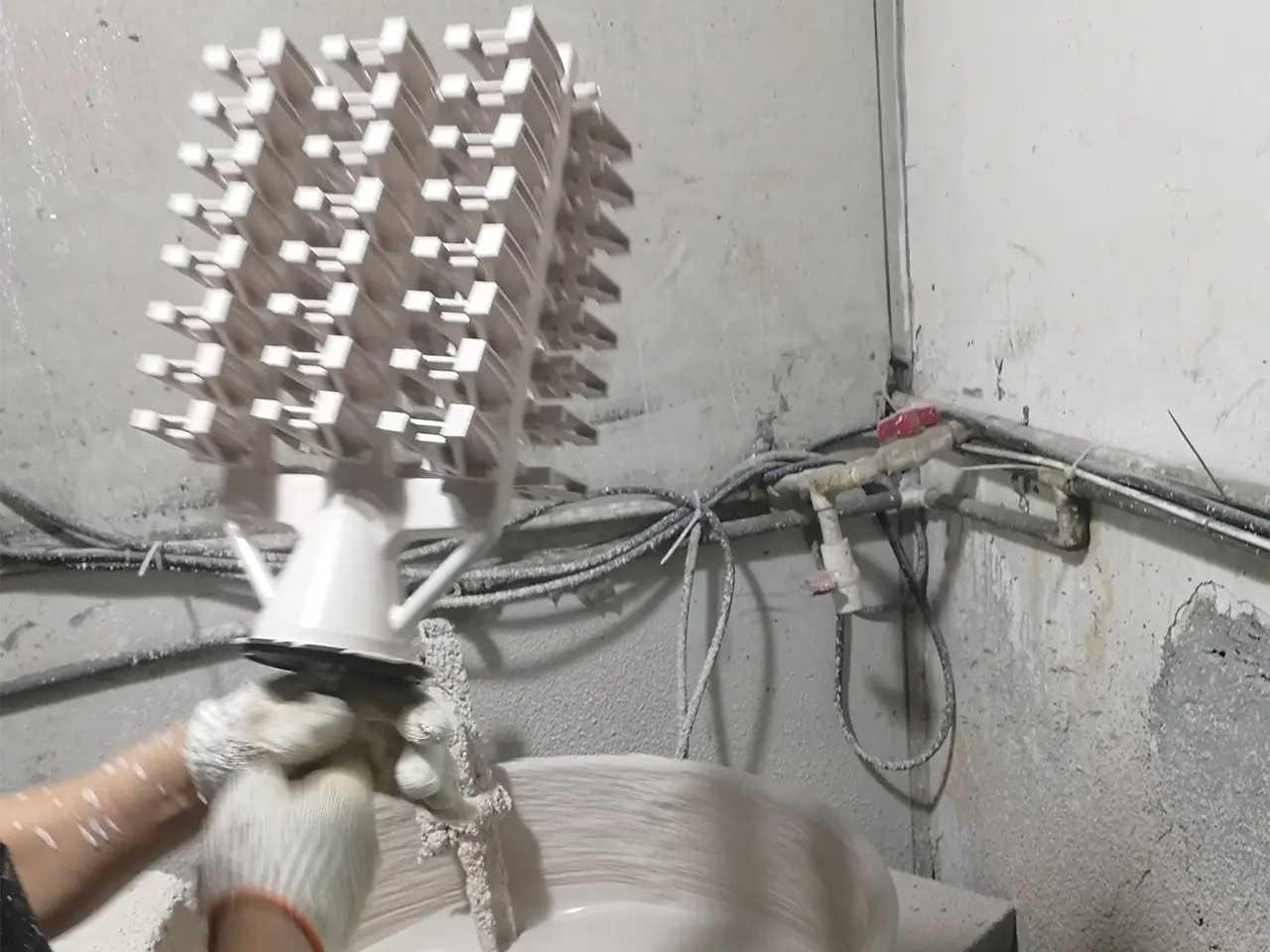
A closer look at our foundry, casting floor, and precision machining technology.
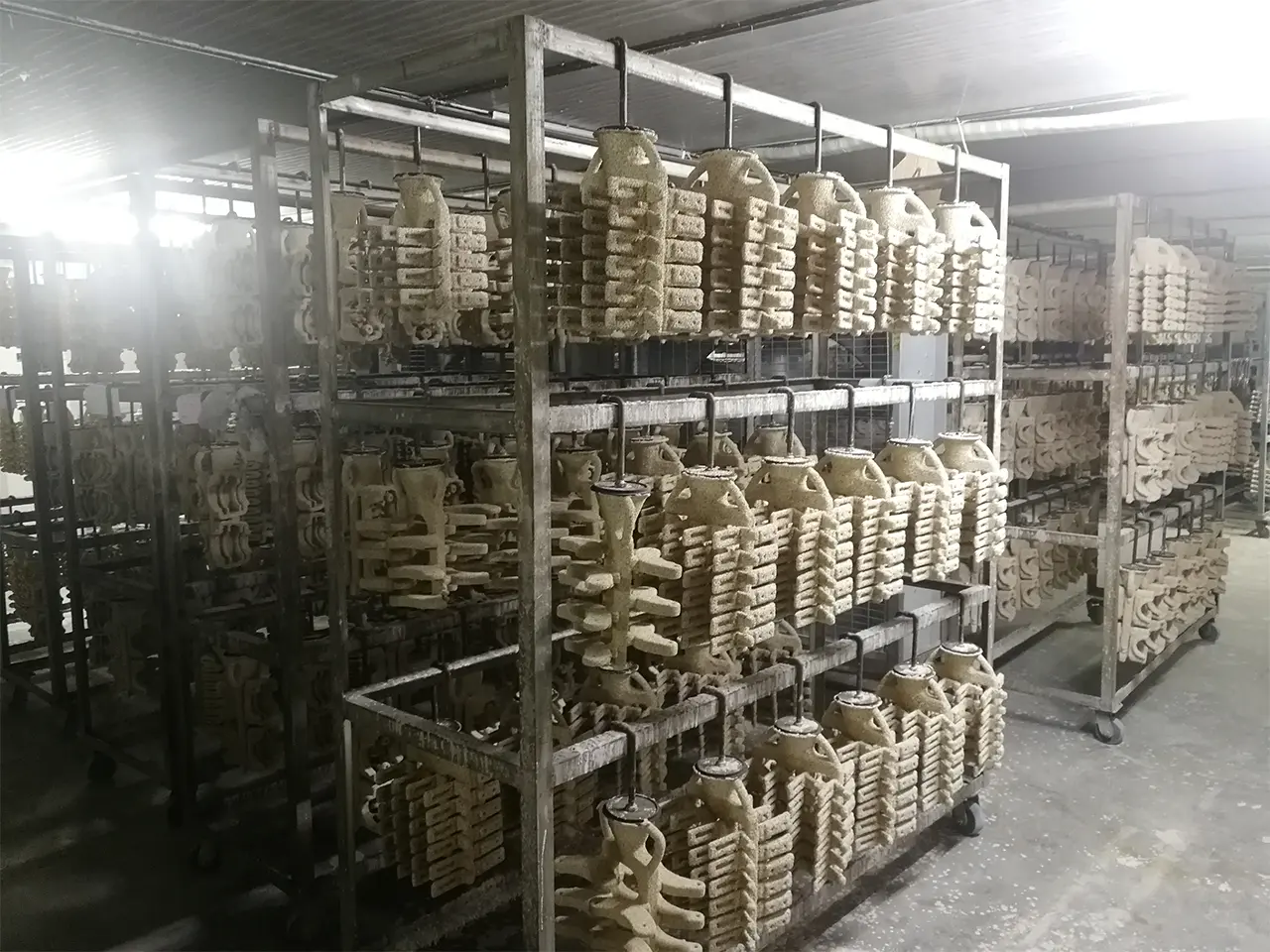
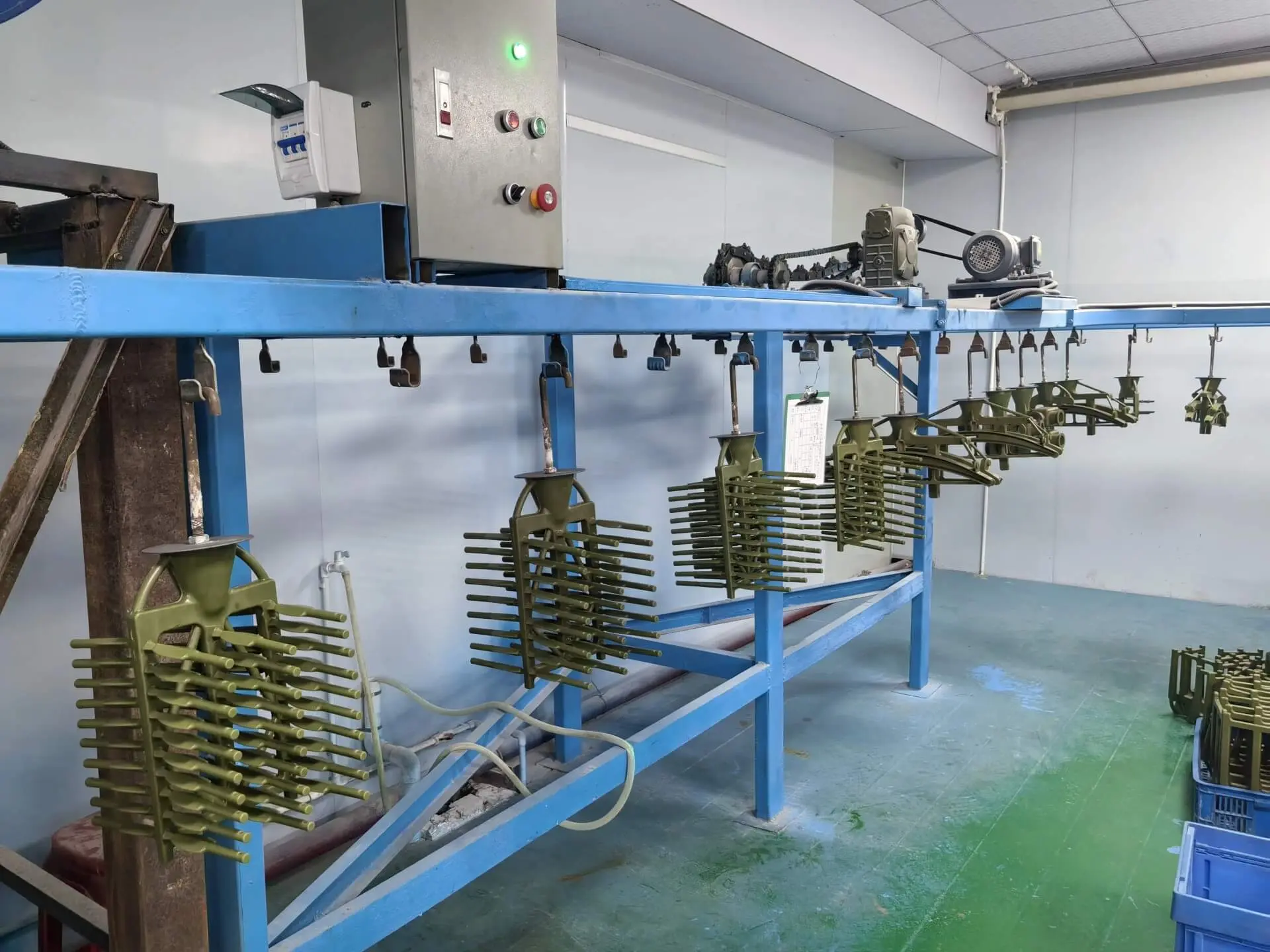
How carbon steel castings form the backbone of core global infrastructure projects.
We cast WCB and LCB high-pressure valve bodies, flanges, connectors, and elbows. Excellent structural integrity prevents micro-porosity defects, making these components suitable for high-stress oil and gas distribution platforms.
Structural brackets, track components, gear housings, and suspension arm castings. These high-stress applications rely on AISI 1045 medium carbon steel for its resilience and ability to withstand high mechanical loads.
Mooring cleats, dynamic structural assemblies, anchor components, and offshore rig connectors. Formulated to resist marine degradation while maintaining superior mechanical strength under extreme environments.
The global manufacturing market demands short lead times, reliable batch-to-batch quality, and responsive pricing. Partnering with a China-based carbon steel lost wax casting exporter provides substantial cost and supply chain advantages.
Our factory, located in Dongguan’s industrial ecosystem, utilizes deep integration with local raw material suppliers, specialized heat-treatment partners, and advanced surface finishing companies. This enables us to transition from digital 3D model files (STEP/IGS/DXF) to cast prototypes in a fraction of the time required by Western manufacturers.
Additionally, our vertical integration of casting and multi-axis CNC machining centers ensures you receive fully finished, installation-ready components. This eliminates double-handling charges, reduces cross-border transit risks, and simplifies your quality assurance checks down to a single trusted supplier.
How we integrate AI, advanced solidification modeling, and automation into our process flow.
We use CAE analysis software to simulate thermal dynamics and shrinkage patterns before building the tooling. This helps eliminate micro-porosity, cracks, and gating flaws before pouring begins.
For custom engineering and prototyping, we bypass traditional metal tooling by using 3D-printed wax or PMMA patterns. This reduces prototype development times from 4 weeks to 5-7 days.
Consistent slurry thickness and shell density are achieved via robotic dipping and drying arms. This process ensures predictable shell strength and helps maintain high dimensional repeatability.
How we guarantee the structural integrity, metallurgy, and dimensions of our cast products.
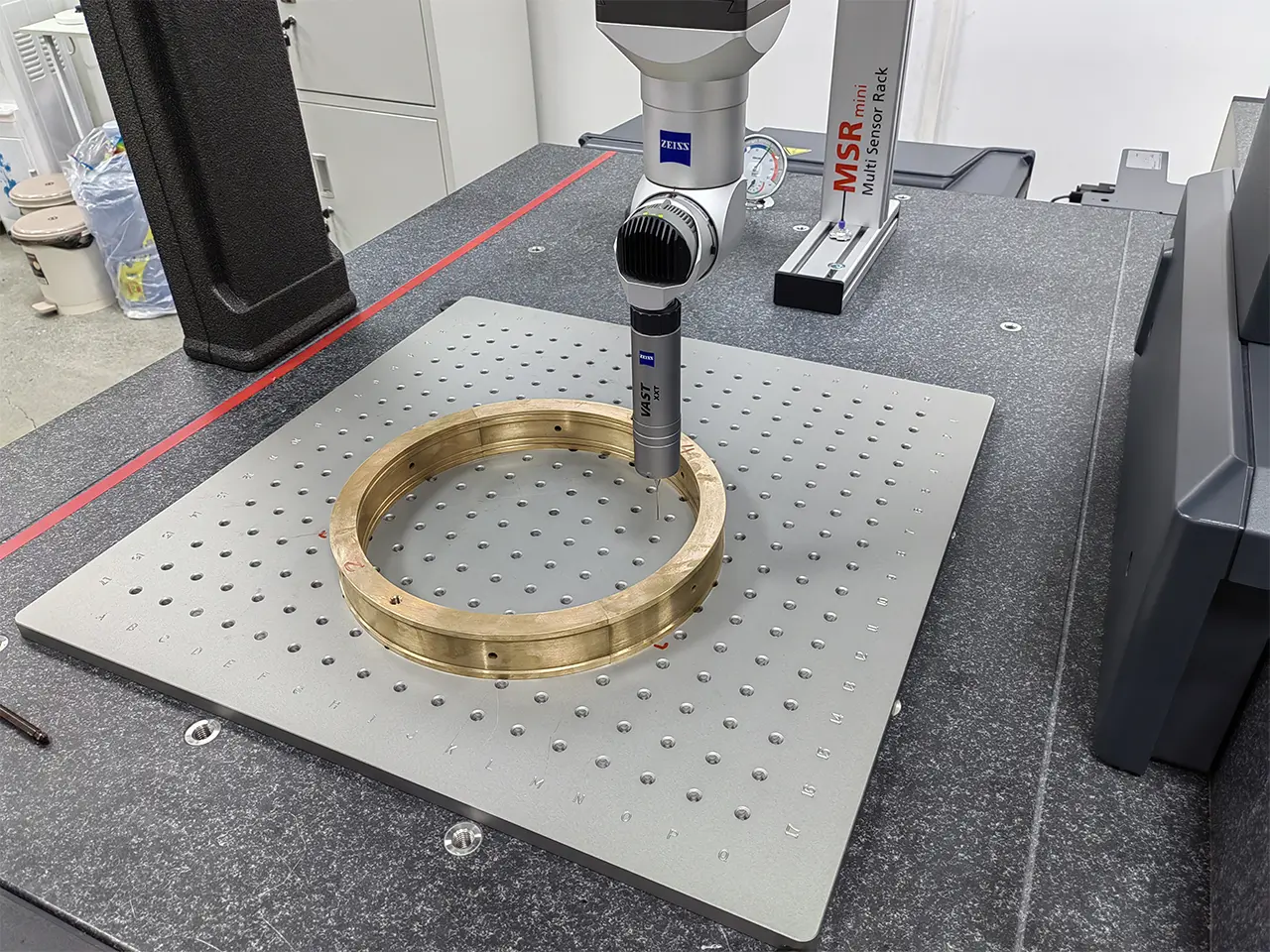
Quality is the cornerstone of the manufacturing industry. We firmly believe that only by controlling quality well can we survive, develop, and grow. Since 2014, we have invested in professional laboratory testing equipment and trained dedicated QC inspectors.
We strictly conform to global manufacturing parameters to ensure international project compliance:
Technical answers to support procurement, design, and logistics decisions.
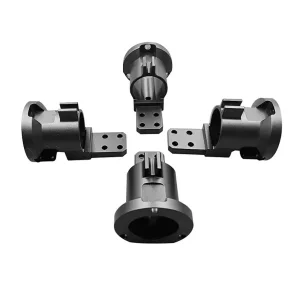
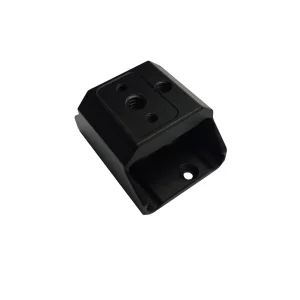
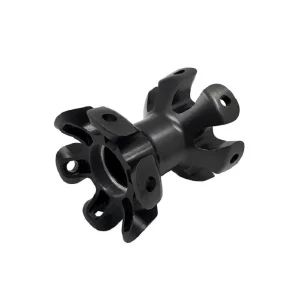
Complementary high-precision engineering components built in our multi-axis machining facilities.
 SX Machining