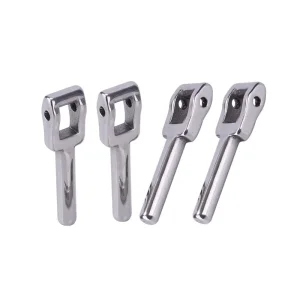
China Castings Companies Manufacturer & Factory

Pioneering High-Precision Investment Castings and Multi-Axis CNC Machining Solutions for Crucial Aerospace, Marine, Automotive, and Medical Applications

Executive Sourcing Guide

Global Castings Procurement & Strategic Supply Chain Matrix

In today's complex industrial landscape, selecting a qualified foundry and precision machining partner in China demands more than assessing unit costs. Industrial procurement executives require a deep evaluation of metallurgical reliability, technical certifications, and advanced machining workflows.

"Information Gain Principle: Modern sourcing prioritizes factories integrating investment casting and multi-axis CNC post-processing under one Roof to minimize dimensional stack-ups and multi-vendor logistics risks."

Dongguan SX Technology Co.,Ltd answers this structural call with a vertically integrated approach. By merging engineering expertise, automated lost-wax casting, and state-of-the-art multi-axis CNC systems, we support global industries including deep-sea marine engineering, heavy automotive, complex valves, high-stress chemical processing, and micro-electronics packaging.
Dongguan SX Technology Facility Overview

Dongguan SX Technology Co.,Ltd

Our facility in Dongguan specializes in advanced precision casting, CNC machining, and complex assembly operations.

2014
Established & Improving Capacity
±0.005mm
Ultra-High Machining Tolerances
100%
Traceable Material Verification
12+
Global Industrial Markets Served

Advanced Materials Science & Metallurgical Roadmap

Optimizing mechanical properties, corrosion resistance, and stress limits for high-performance applications.

High-Performance Investment Casting Alloys

Precision casting relies on metallurgical control. We melt and pour a wide variety of stainless steel and carbon steel grades to meet international ASTM, DIN, and JIS standards.

  • Austenitic Stainless Steel (CF8/304, CF8M/316, 316L): Standard choice for marine components, valves, and pharmaceutical applications demanding high oxidation and pitting resistance.
  • Duplex & Super Duplex Steel (2205, 2507): Selected for highly corrosive marine and offshore environments, offering double the mechanical strength of standard austenitics.
  • Carbon Steels (WCB, WCC, LCC): Used for high-stress structural components in automotive, packaging, and heavy machinery structures.
  • Precipitation Hardening Steels (17-4 PH / GP1): Combining high strength, hardness, and outstanding corrosion resistance.

Precision Multi-Axis CNC Machining Materials

For non-standard CNC turning and milling, we process difficult-to-machine alloys, providing dimensional precision for critical components.

  • Titanium Alloys (Ti-6Al-4V Grade 5, Grade 2): Low density, high strength, and biocompatible. Ideal for aerospace aerospace assemblies, deep-sea exploration vessels, and biomedical implants.
  • Aluminum Alloys (6061-T6, 7075-T6): Lightweight structures for the consumer electronics, aerospace, and outdoor sports equipment sectors.
  • Cemented Carbides & Copper Alloys: Superior wear resistance, high thermal conductivity, and custom friction properties.
  • High-Nickel Superalloys: Formulated to maintain load integrity in high-temperature turbine environments.

Production Workshop & Technological Infrastructure

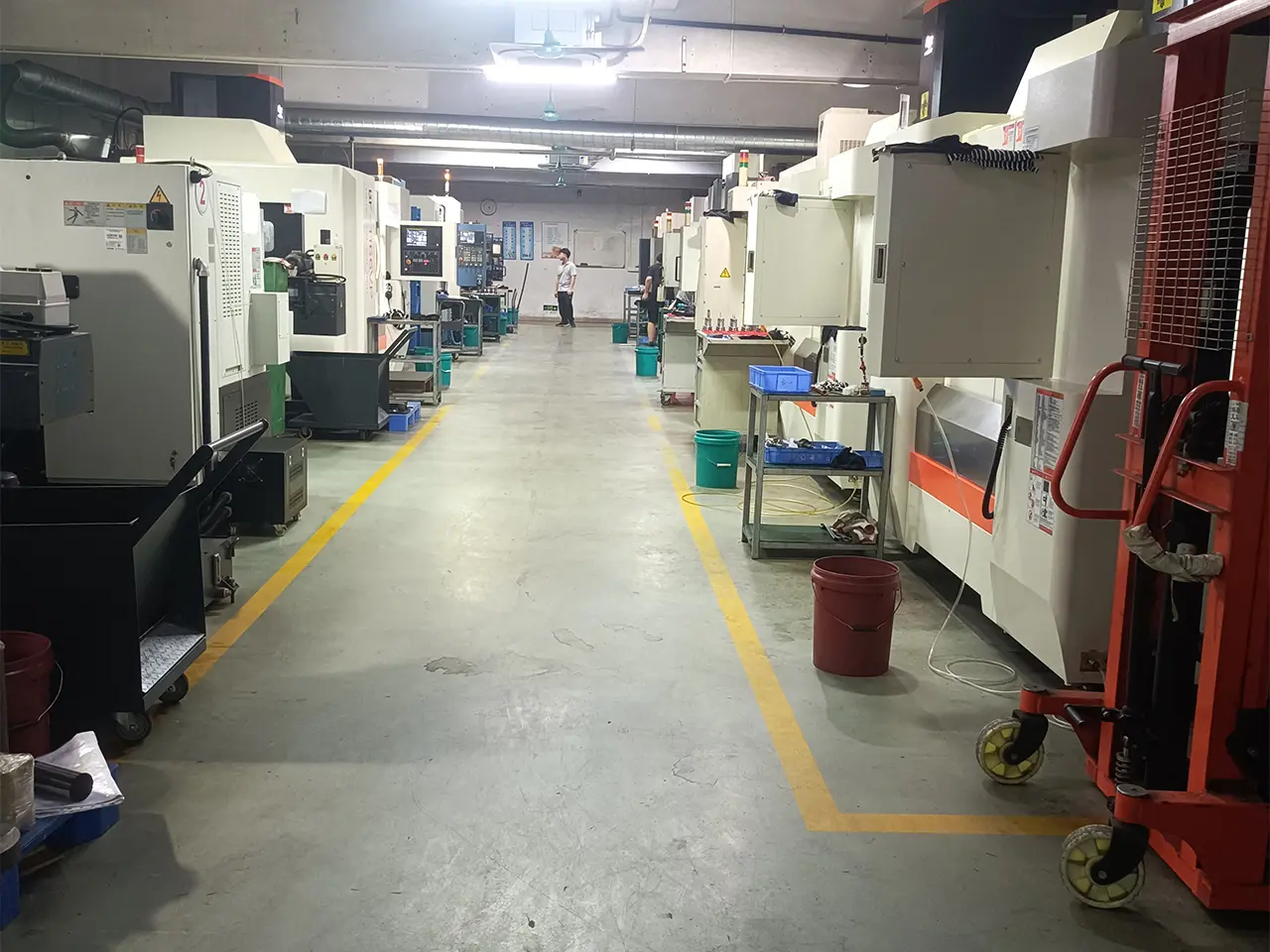
A closer look at our advanced manufacturing lines in Dongguan, housing modern casting setups and multi-axis CNC machines.
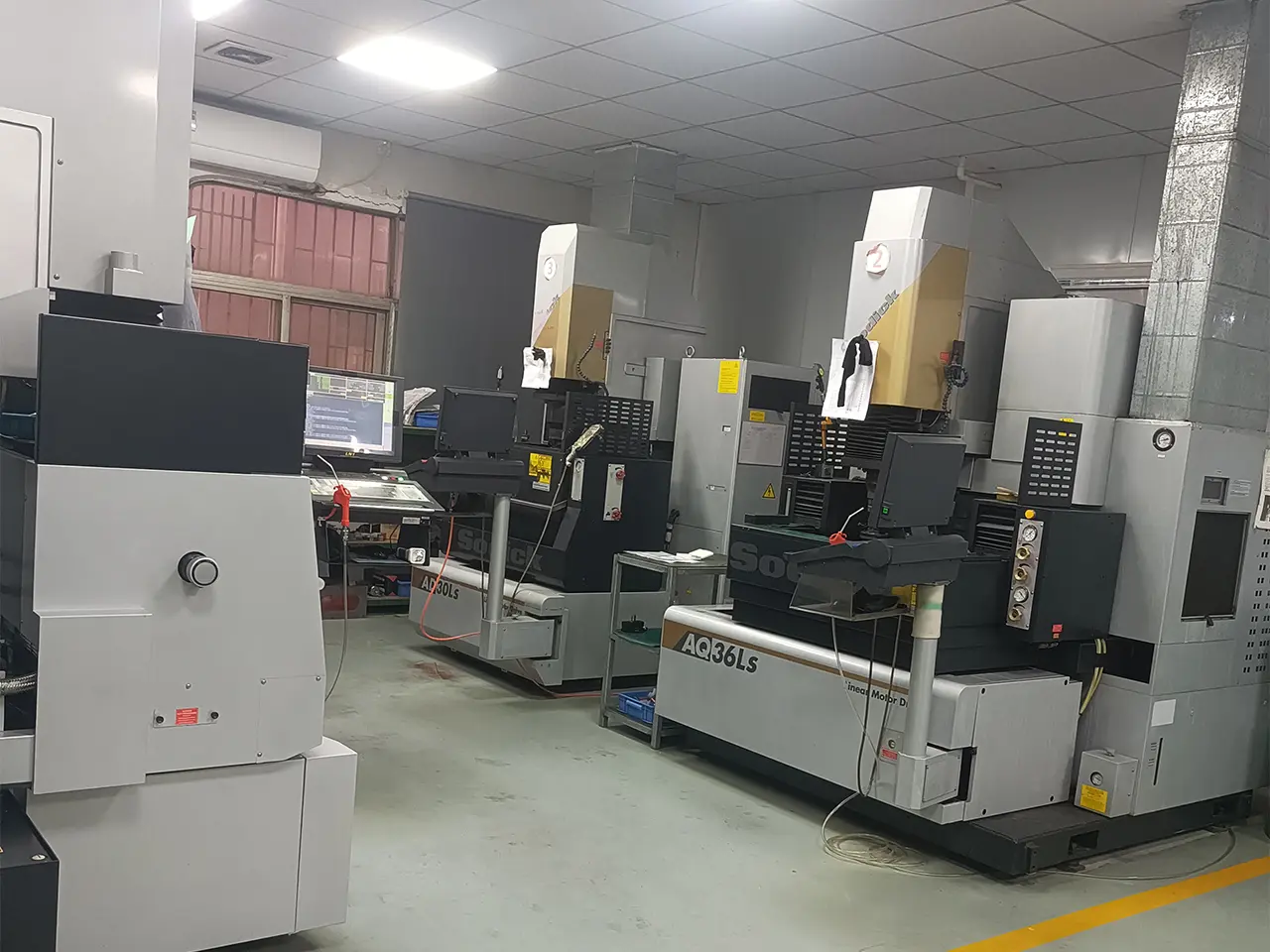
Automated CNC Machining Center
High-Speed CNC Milling Centers
Testing and Assembly Lines
Precision Assembly & Inspection
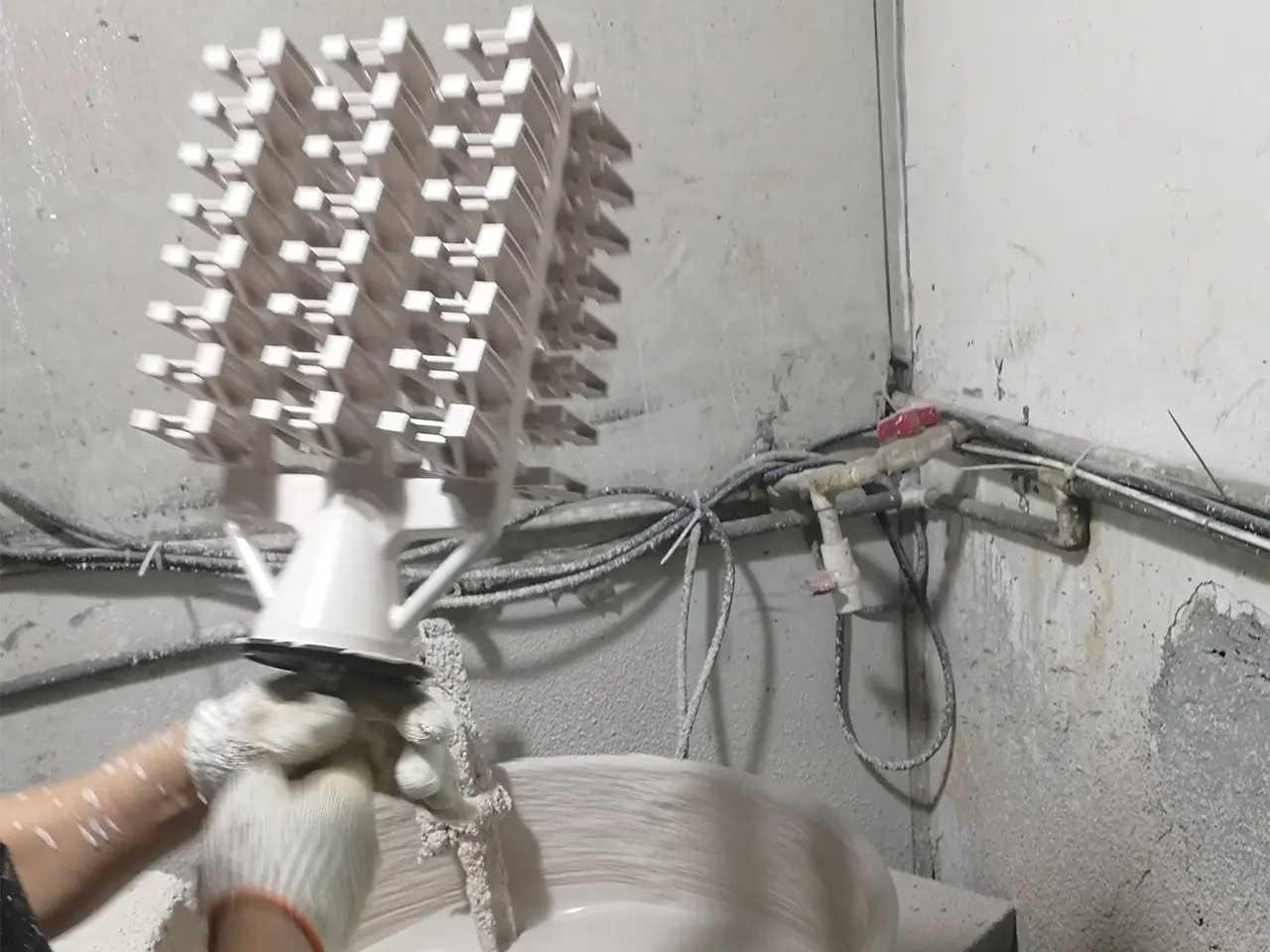
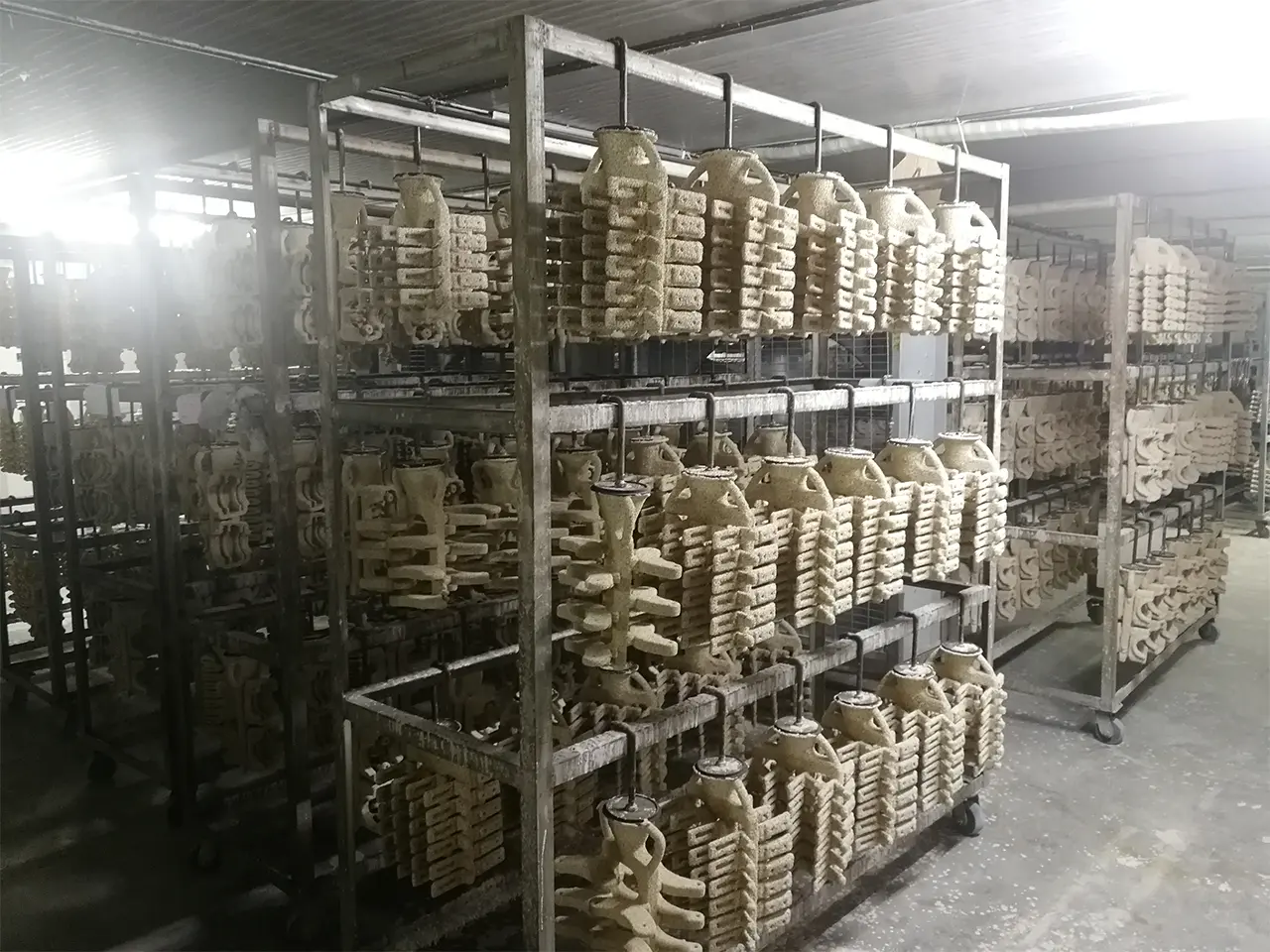
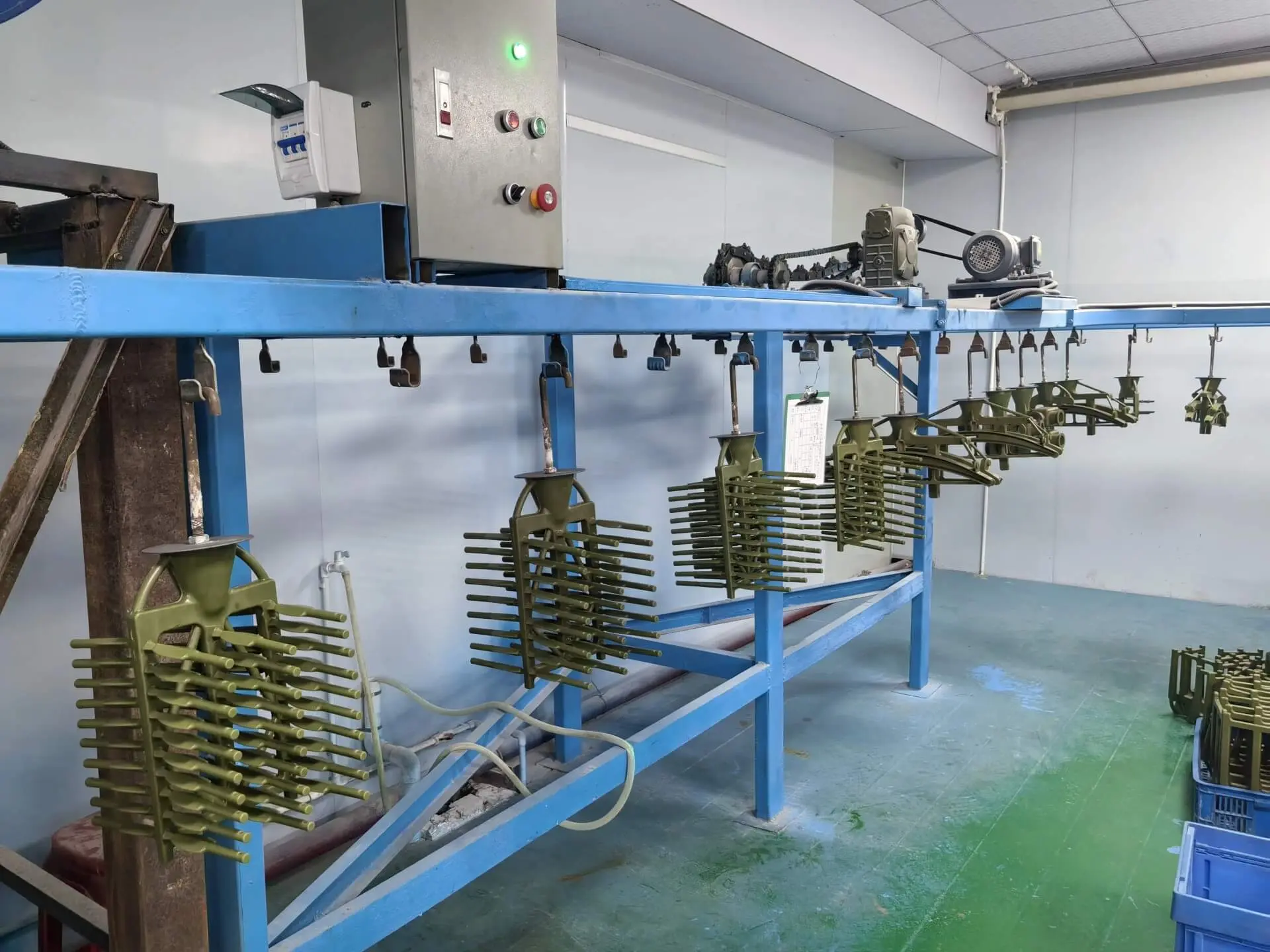
Precision Casting Equipment
Investment Casting Pouring Stations
Precision Tooling Workshop
Die Casting & Mold Manufacturing
CNC Lathe Machining Row
Advanced CNC Turning Department
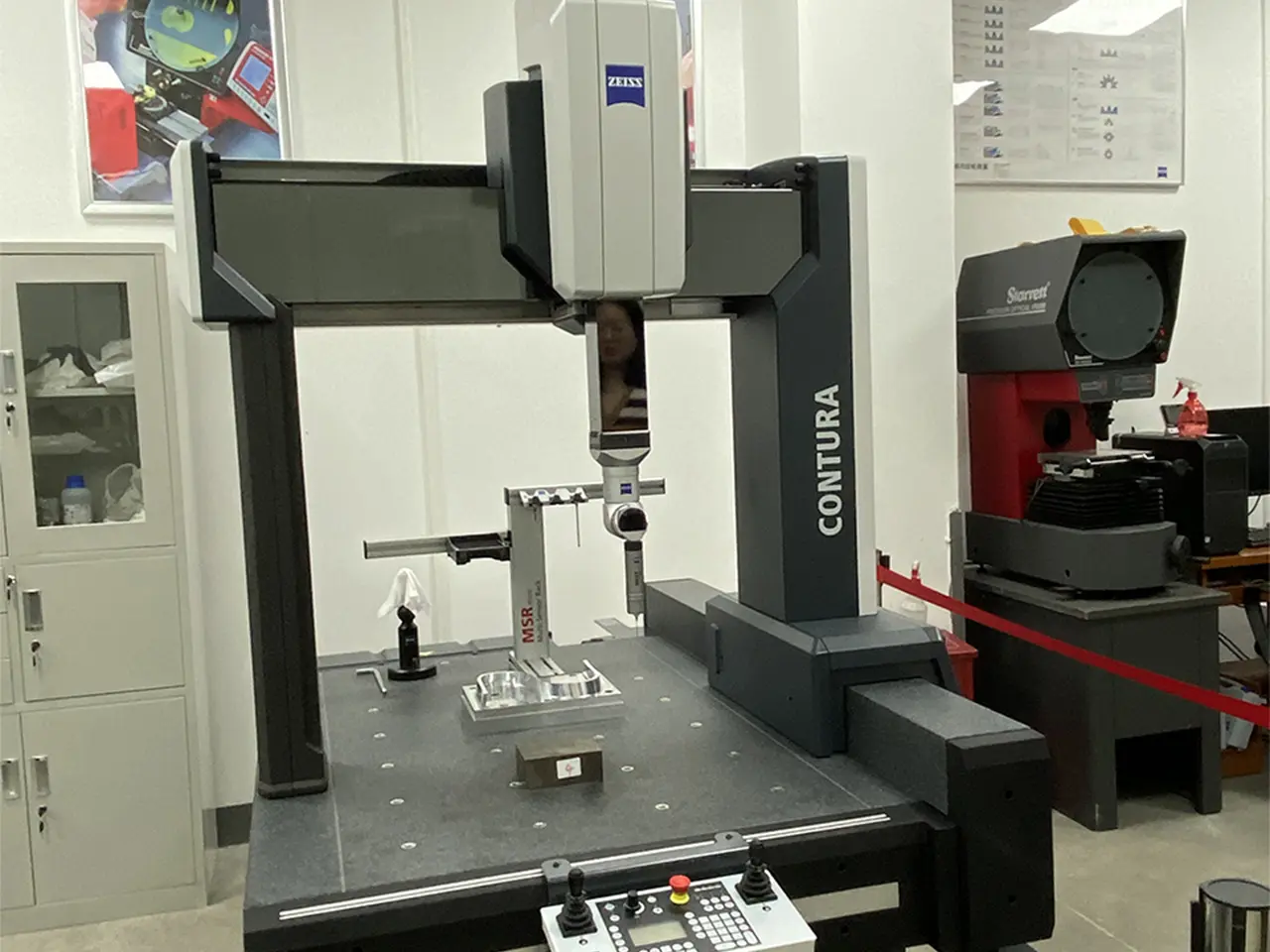
Quality Inspection Laboratory
Metrology and Quality Control Laboratory
Spectrometer and Metrology Testing at Dongguan SX

Metrology & Spectrometric Inspection

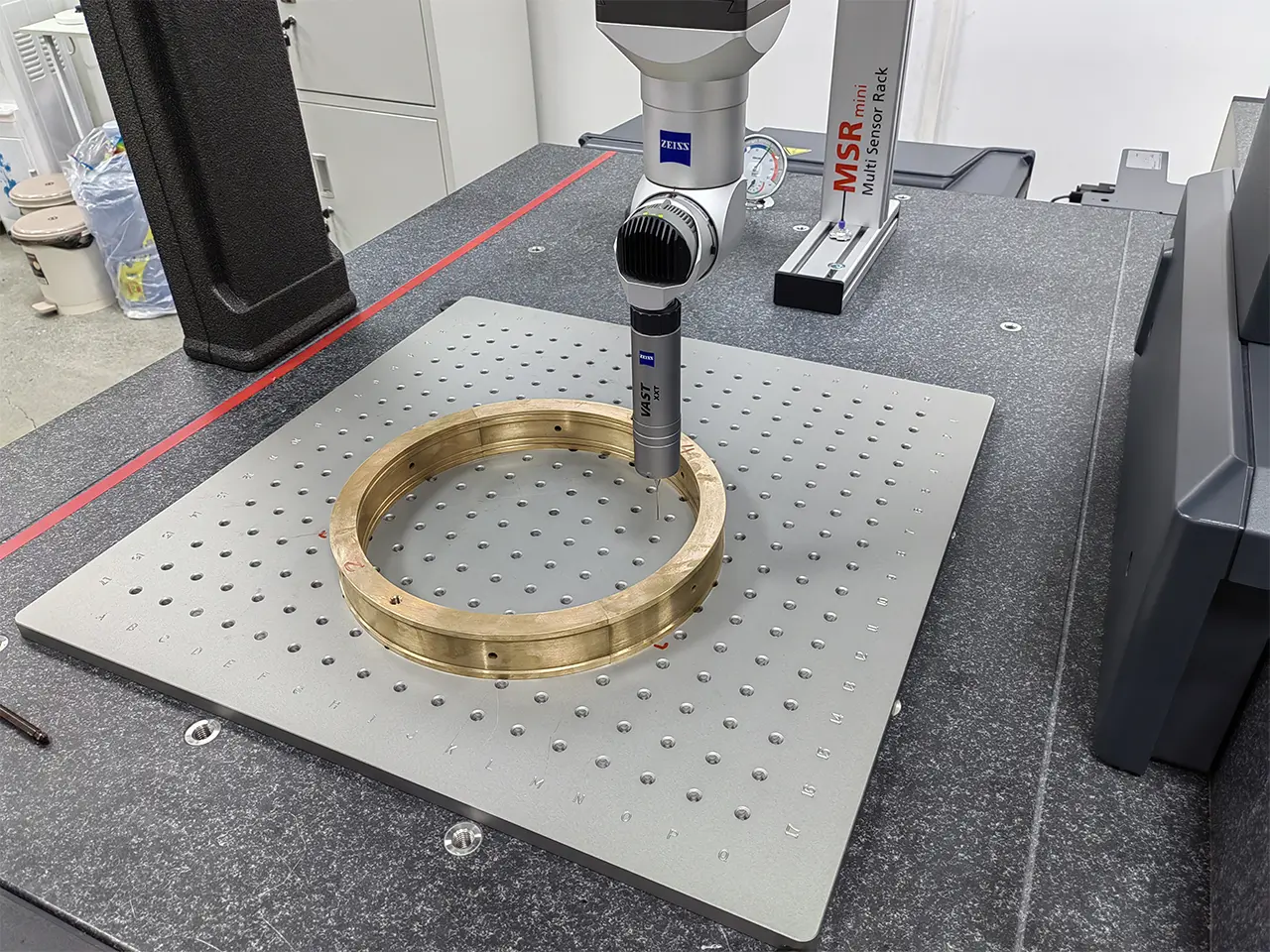
Our QC department uses coordinate measuring machine (CMM) and optical spectrometers to verify every batch.

Engineering Process Dynamics

Rigorous Quality Assurance & Mechanical Validation Protocols

We maintain strict tolerances and quality standards for the products we produce. Because of our insistence on strict quality requirements, we have been praised by many customers.

Quality is the cornerstone of the manufacturing industry. We firmly believe that only by controlling quality well can we survive, develop, and get better and better. Therefore, we have been working in this industry since 2014 and continue to improve the company's team and production capacity.

Non-Destructive Testing (NDT)

Magnetic particle, ultrasonic, and dye penetrant testing to detect subsurface porosities and micro-cracks before dispatch.

CMM Dimensional Audits

Verifying geometry against CAD models to within ±0.005mm using programmable Coordinate Measuring Machines.

Chemical Composition Spectrography

Direct-reading spectrometers monitor ladle chemical makeup during casting melts to ensure strict composition alignment.

Technology Roadmap & Global Sourcing Optimization

Adapting manufacturing capabilities to meet the requirements of modern supply chains.

1. AI-Driven Toolpath Design

We implement automated CAD/CAM workflows and AI-driven toolpath generation. This software setup reduces rapid-transit cycle times, prevents tool wear during machining of titanium alloys, and ensures consistent surface finishes.

2. Low-Carbon Foundry Practices

To support international supply chain requirements, we optimize energy usage in our induction melting furnaces and recycle mold sand. These practices help lower the carbon footprint of our investment castings without affecting alloy purity.

3. Direct-to-Line Delivery

Our finished products are cleaned, deburred, treated, and packed to arrive ready for assembly. Our shipping documentation includes chemical composition maps and raw material certifications.

Strategic FAQ: Sourcing Precision Castings & Machining

Addressing common questions from procurement managers regarding technical capabilities, metallurgy, and lead times.

What is the standard dimensional tolerance capability for investment castings before machining?
Our investment casting foundry generally achieves linear tolerances conforming to ISO 8062-3 Grade DCTG6 to DCTG8. For surfaces requiring tighter specifications, we integrate post-casting CNC milling and turning processes to achieve tolerances as close as ±0.005 mm.
How does Dongguan SX Technology Co.,Ltd prevent internal shrinkage and gas porosity in stainless steel castings?
We use solidification analysis software to design gating and riser systems. By controlling shell permeability, mold temperature, and pouring speeds, we manage the solidification process to reduce internal defects.
What documentation do you provide for material traceability and compliance?
We provide EN 10204 Type 3.1 Material Certificates with every shipment. These certificates list the actual ladle chemical analysis and mechanical testing results (tensile strength, yield strength, elongation, and hardness) for each heat. Additional documentation like NDT results and CMM inspection reports is available upon request.
Can you machine complex titanium alloys (Grade 5) and what is the typical surface finish?
Yes. We machine Titanium Grade 5 (Ti-6Al-4V) components using specialized carbide tooling, optimized spindle speeds, and flood cooling. Our standard CNC milling processes achieve a surface roughness of Ra 1.6 μm, and we can achieve finishes as fine as Ra 0.4 μm with secondary grinding or polishing.
How do you support new product development (NPD) and prototyping stages?
Our engineering team offers Design for Manufacturing (DFM) feedback to optimize casting draft angles, wall thicknesses, and tolerances. For rapid prototypes, we can use 3D-printed PMMA wax patterns to cast components without tooling, or machine parts directly from solid billets.

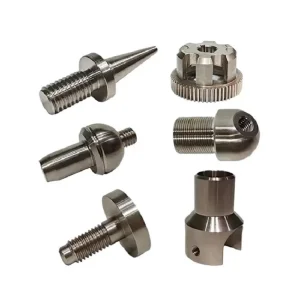
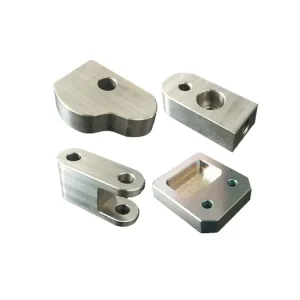
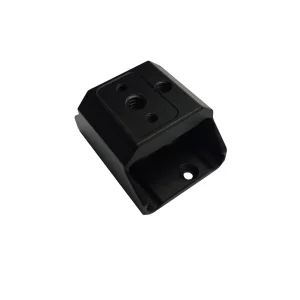
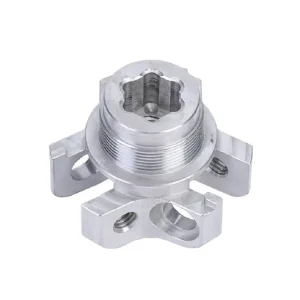
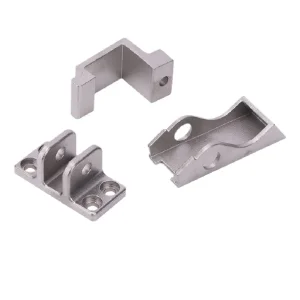
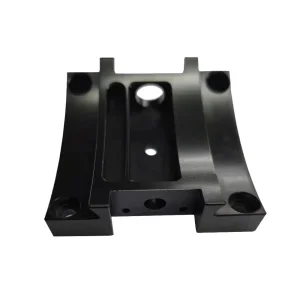
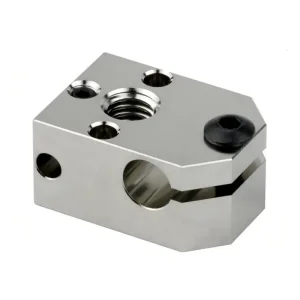
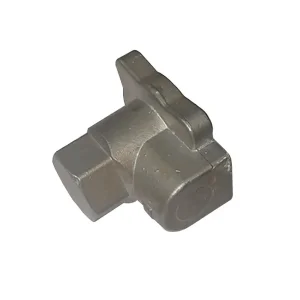
Industrial Casting & Machined Component Offerings

High-integrity industrial items produced at our Dongguan factory, engineered for long-term field operation.