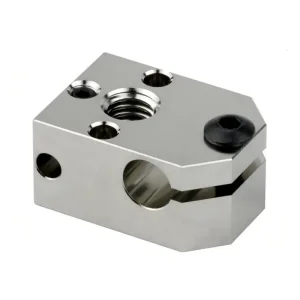
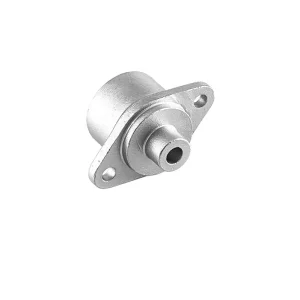
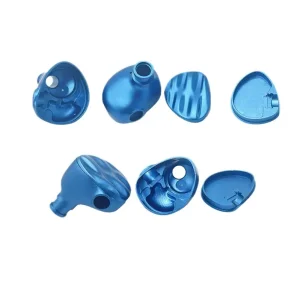
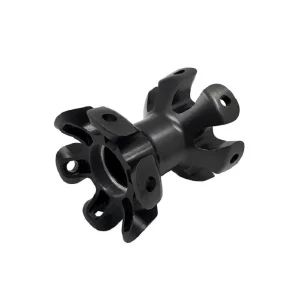
Explore our high-performance investment casting components and precise CNC machining services engineered for demanding operations.
An authoritative review of lost-wax investment casting and precision CNC integration in modern manufacturing systems.
The precision metal casting landscape has transitioned from traditional foundry routines to highly controlled physical chemistry processes. In contemporary global supply chains, "Post Precision Casting" refers to the secondary treatments and precision machining that transform raw, near-net-shape castings into components with tolerances measured in single-digit microns. The application of silica-sol binding agents instead of water glass has significantly reduced superficial defect rates and improved surface finishes (Ra 3.2 to 1.6 μm before machining).
Furthermore, structural optimization via Finite Element Analysis (FEA) has allowed designers to thin out non-stress-bearing walls, achieving component weight reductions of 15% to 30% without compromising tensile strength. These optimization steps are indispensable in modern aerospace, automotive components, and marine installations, where dead weight directly compromises efficiency.
Note on Material Adaptability: While stainless steel (304, 316, 17-4 PH) and carbon steel remain the foundation of investment casting, high-stress sectors are rapidly shifting to titanium alloys (Gr 2, Gr 5) and nickel-based superalloys to endure harsh chemical and high-temperature environments.
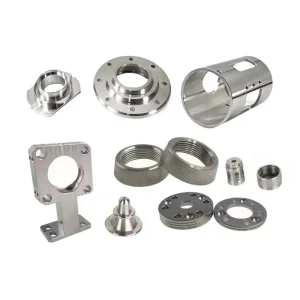
Raw castings, regardless of how advanced the casting mold is, cannot meet the extreme requirements of dynamic sealing faces or press-fit tolerances. The industrial standard now requires continuous integration between casting operations and multi-axis CNC milling and turning. By integrating machining datums during the casting process design phase, tolerances of ±0.005 mm are consistently achieved. This unified casting-to-machining pipeline eliminates internal stress accumulation, preventing part deformation during secondary metal removal processes.
Global procurement teams in North America and Europe face compounding risks: fluctuating material costs, logistics blockades, and strict environmental compliance metrics. When sourcing critical metal components, OEMs must focus on total cost of ownership (TCO) rather than just initial purchase price.
To reduce risk, procurement agents look for suppliers that offer a single source for casting, heat treatment, precise CNC turning/milling, and surface finish processing. The risk of components warping, corroding, or failing in the field increases when these steps are spread out across multiple contractors.
By keeping the process under one roof, we preserve technical control and guarantee traceabilty from raw scrap ingot to finished component.
Year Established
CNC Machining Accuracy
Material Traceability
Client Acceptance Rate
How digital integration, localized supply chain clusters, and engineering expertise secure a competitive advantage.
Operating out of Dongguan, SX Technology benefits from proximity to a dense network of raw material refiners, tool makers, heat-treatment providers, and logistics hubs. This concentration minimizes domestic shipping times and speeds up prototype iterations.
Integrating modern CNC workstations and temperature-controlled casting areas reduces human error. Standardized procedures ensure consistent quality over long-term production runs.
Modern factories focus on reducing waste and improving energy efficiency. Our closed-loop water recirculation, scrap metal reclamation, and filtration systems ensure compliance with strict environmental standards.
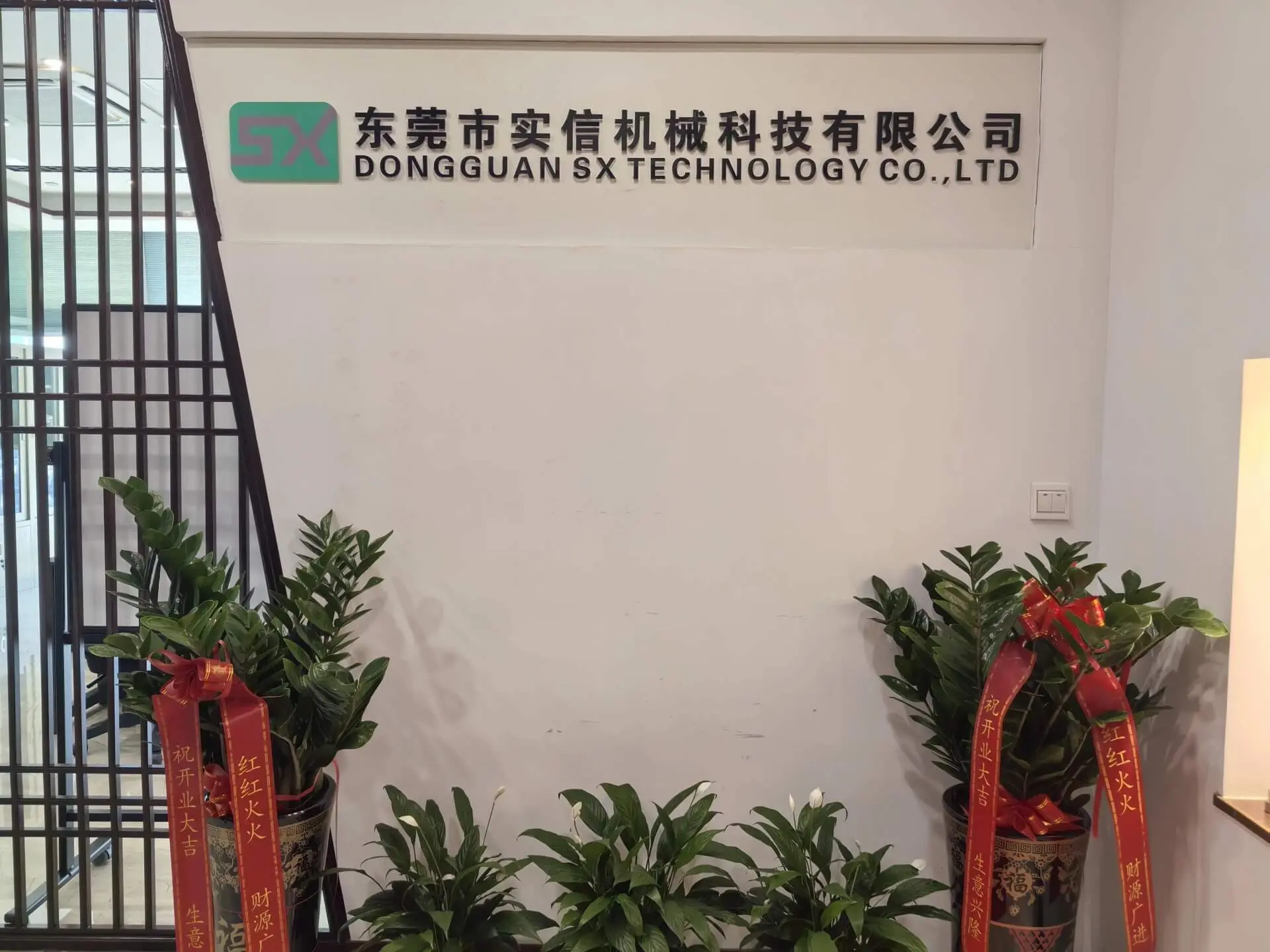
Established in 2014, Dongguan SX Technology Co., Ltd has developed deep expertise in precision investment casting, multi-axis CNC machining, and complex mechanical assembly. Our capabilities cover a wide range of industrial applications, including heavy machinery, automotive components, marine engineering, flow-control valves, electronics, packaging, precision timepieces, and building construction.
We work with an extensive selection of alloys. Our casting operations specialize in stainless steels and carbon steels, while our precision CNC turning and milling centers process titanium alloys, stainless steels, carbon steels, aluminum alloys, copper, and cemented carbides.
By combining casting and machining under one roof, we shorten lead times, resolve engineering bottlenecks, and provide reliable components ready for immediate line installation.
Our workshop utilizes advanced production equipment and testing tools to maintain tight tolerances and ensure reliable, consistent output.
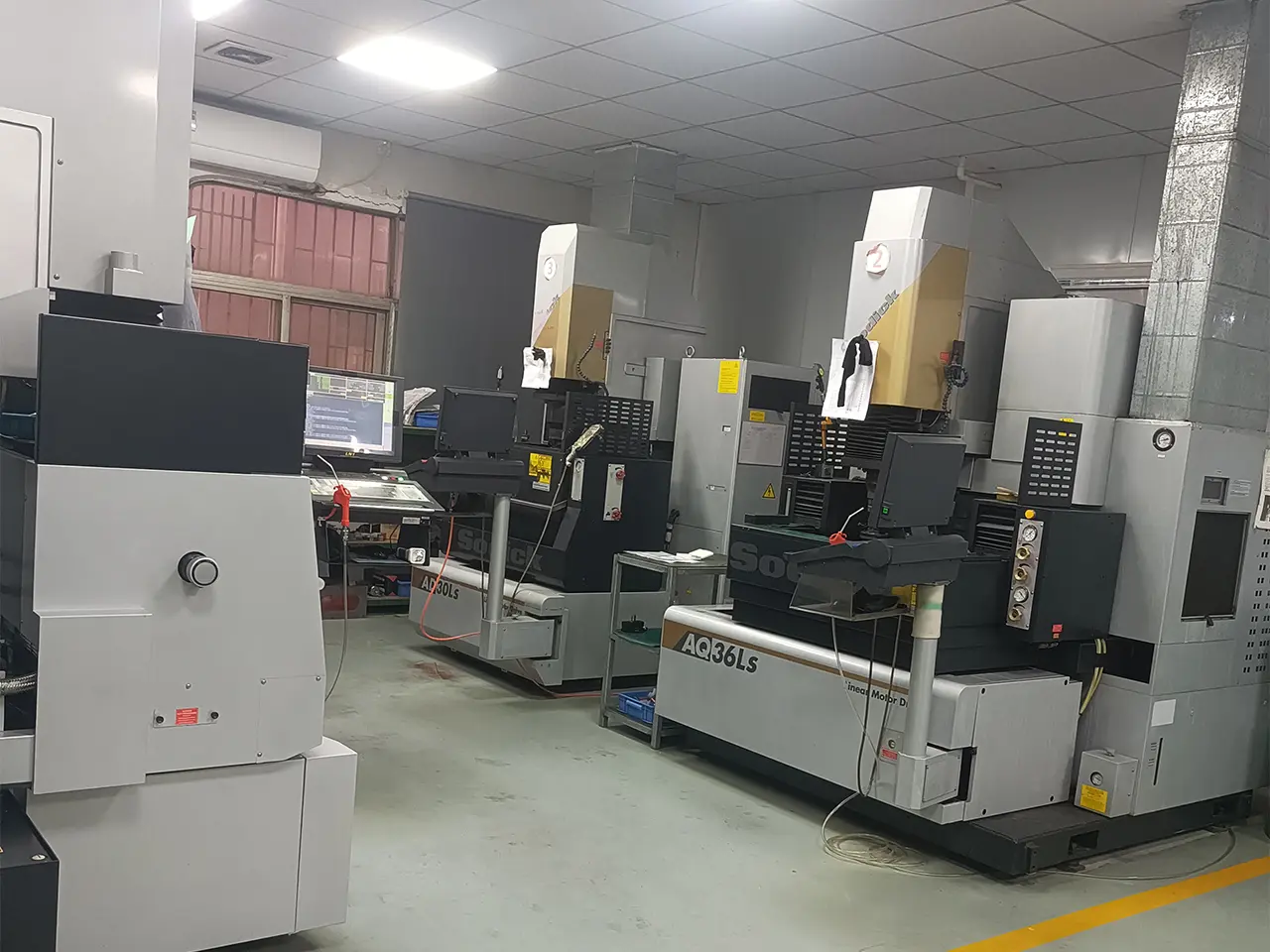
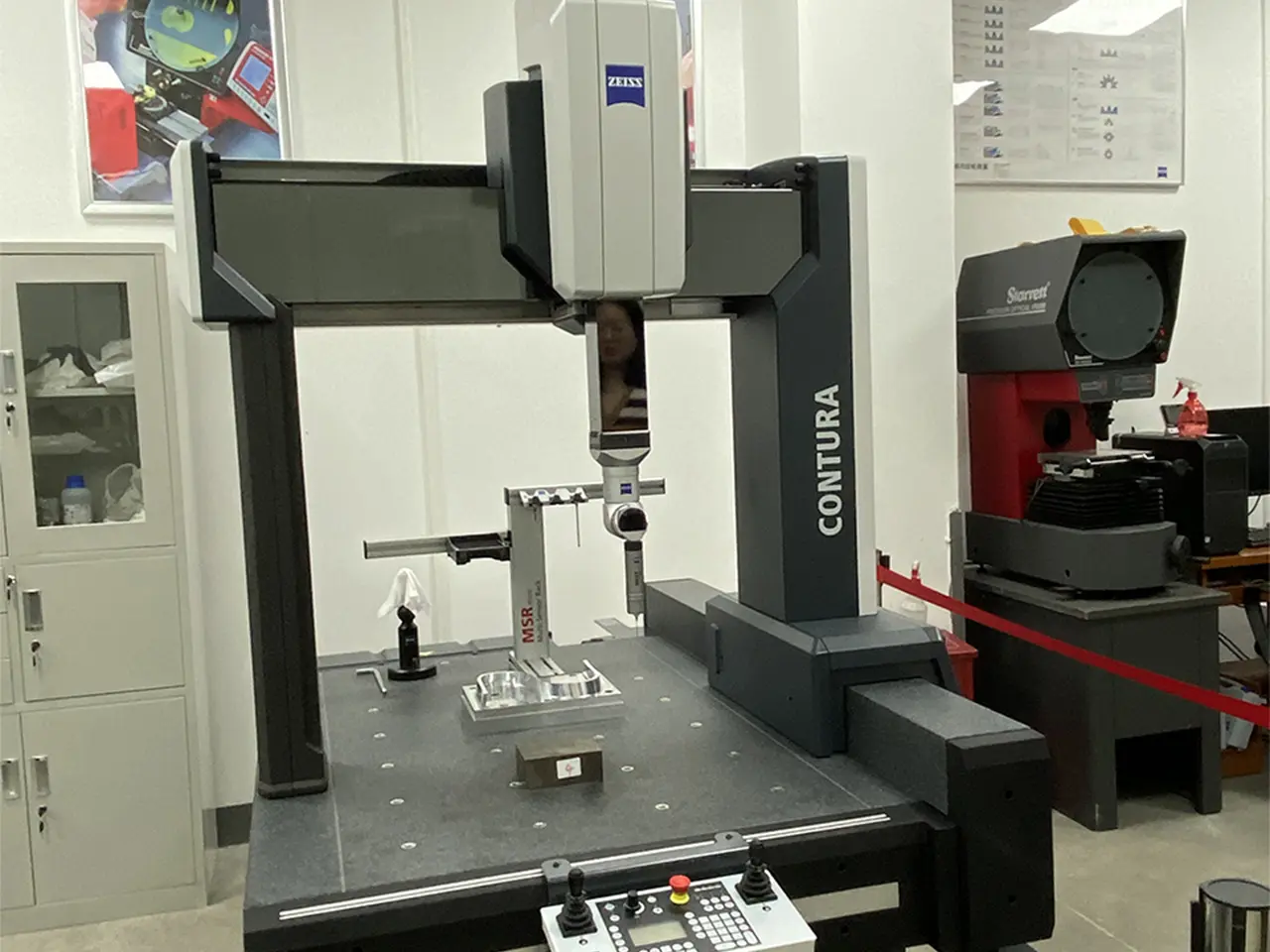
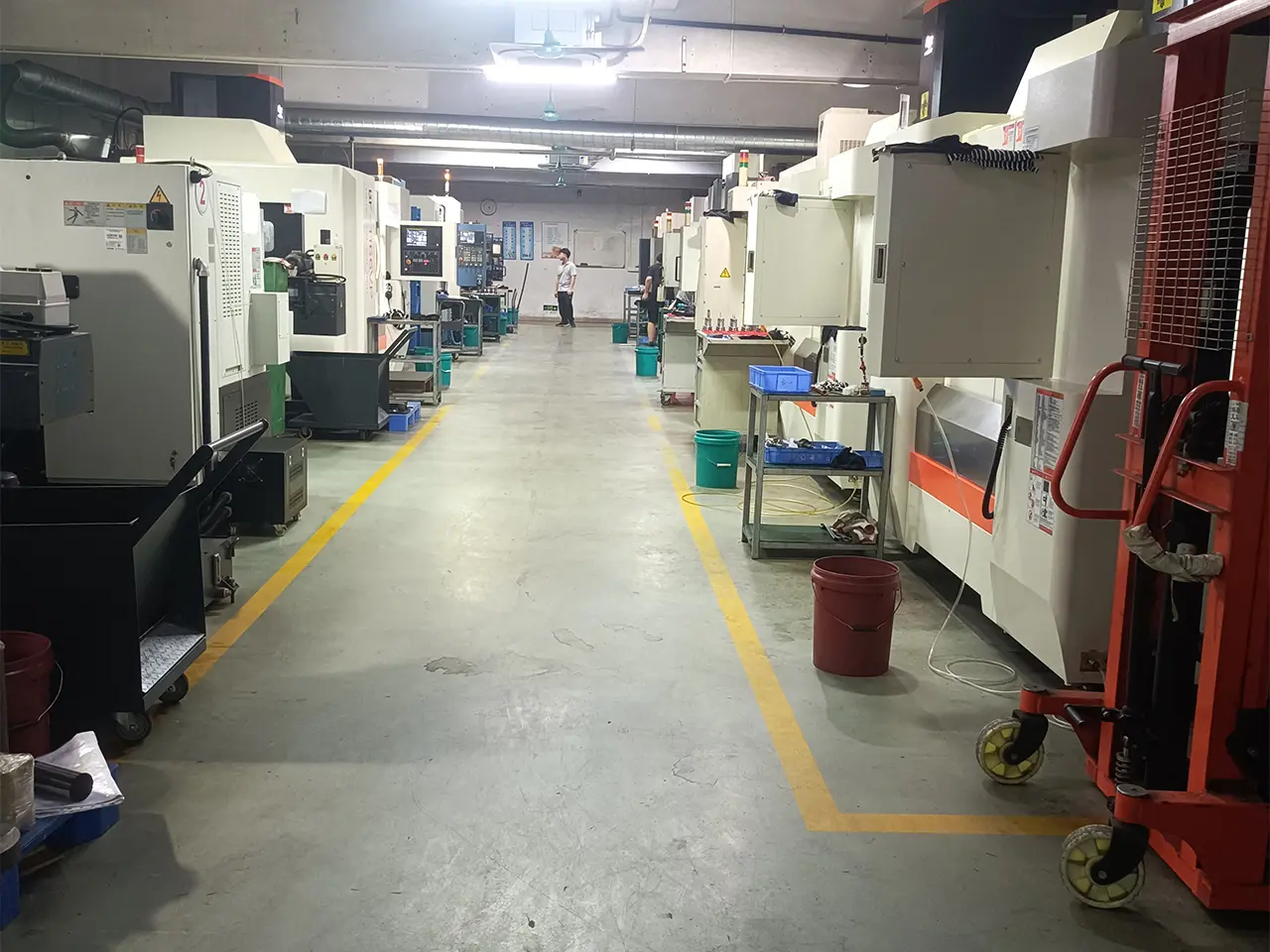
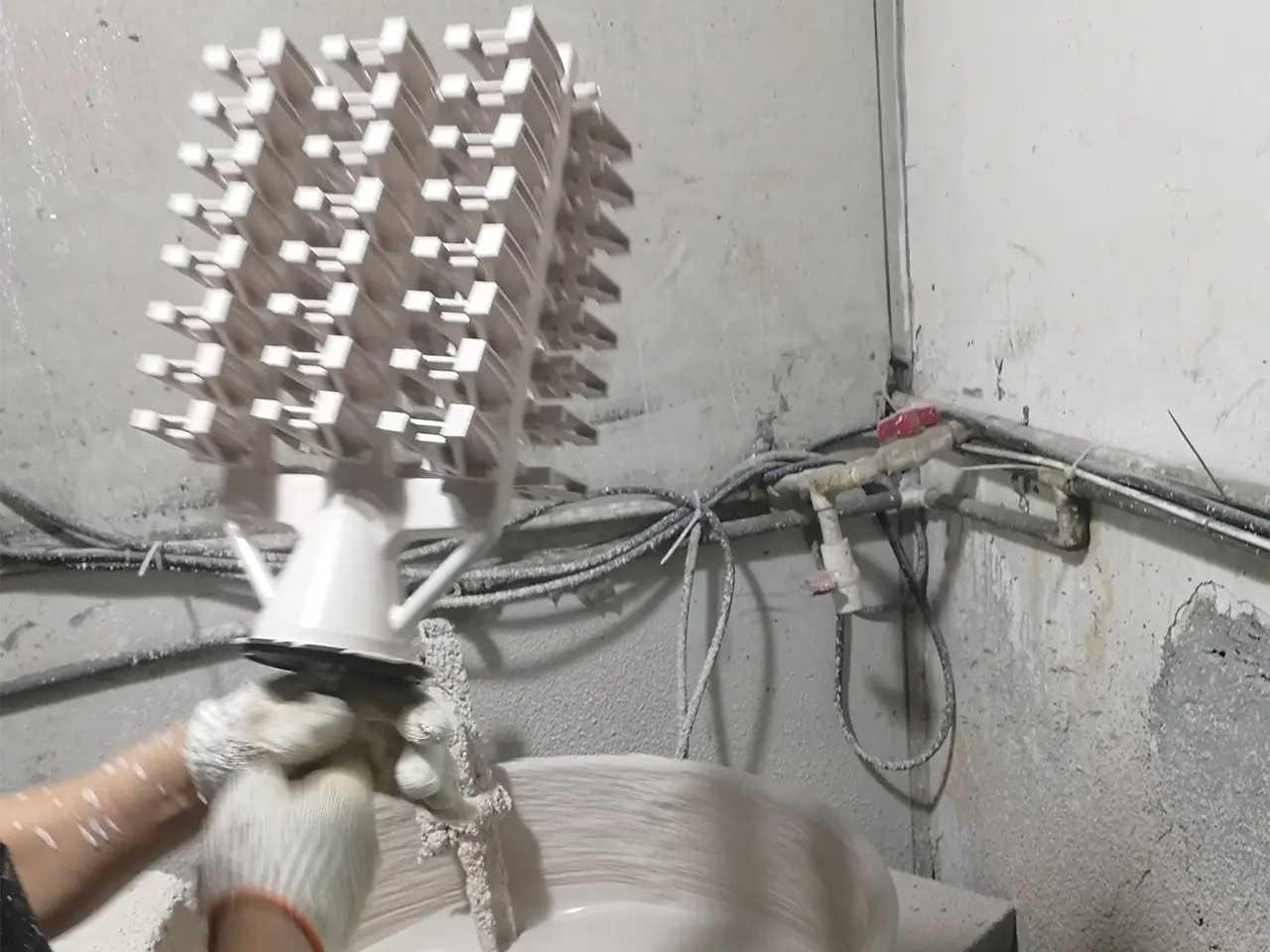
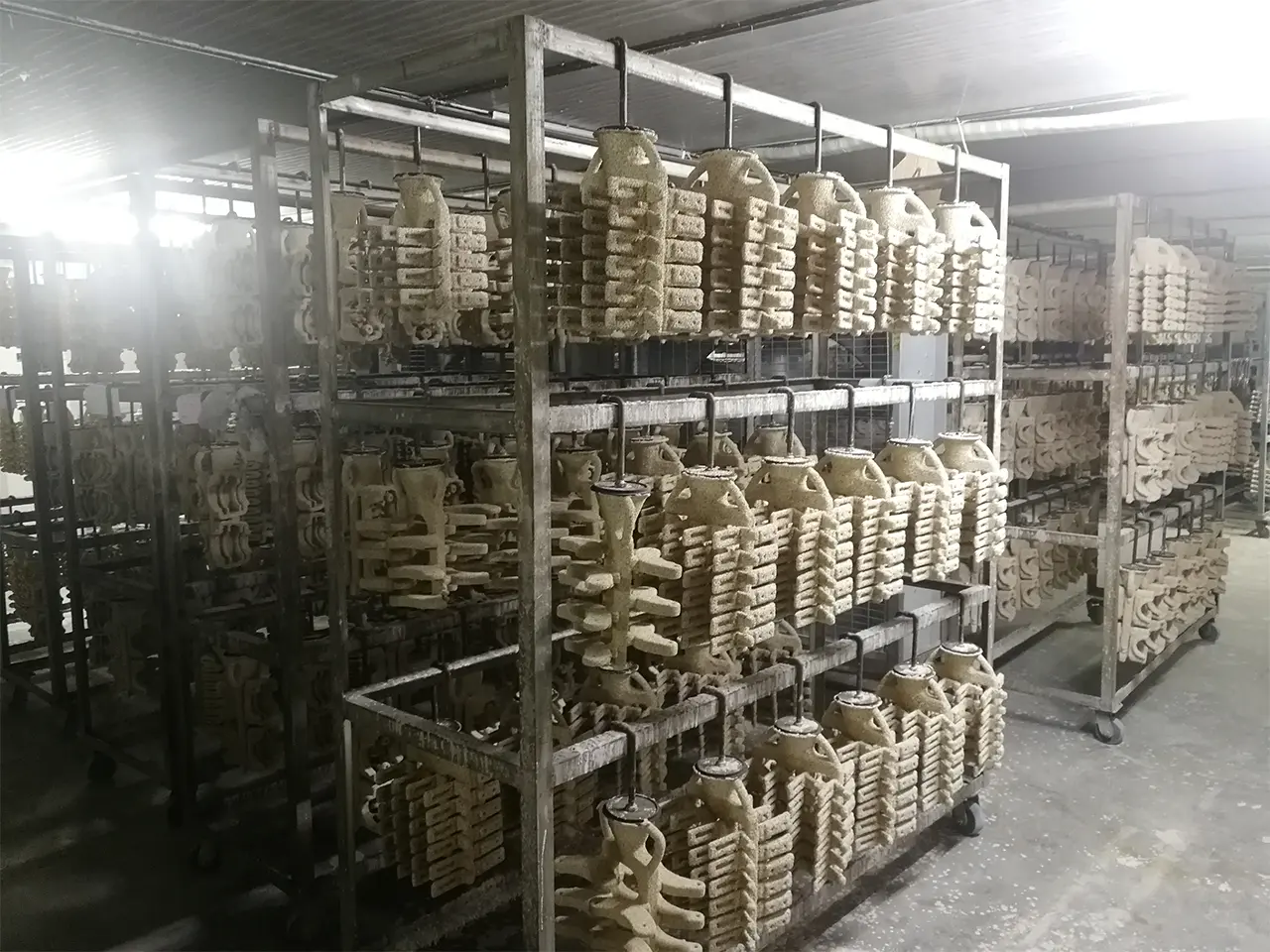
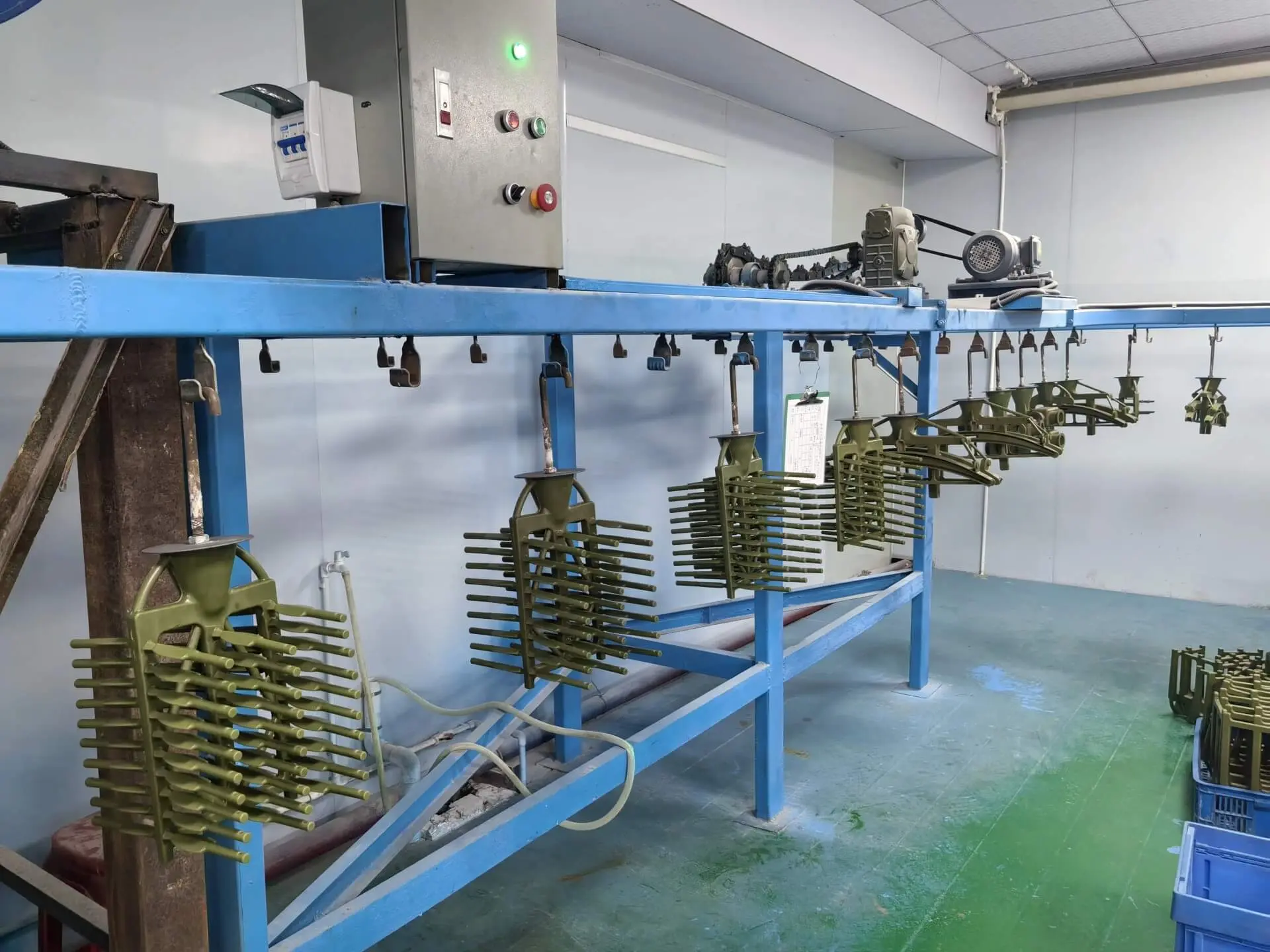
Quality is the cornerstone of our manufacturing operations. We utilize dedicated testing equipment and trained quality control personnel to enforce tight dimensional tolerances and material standards. Since 2014, our commitment to reliability has helped us earn the trust of our international customers.
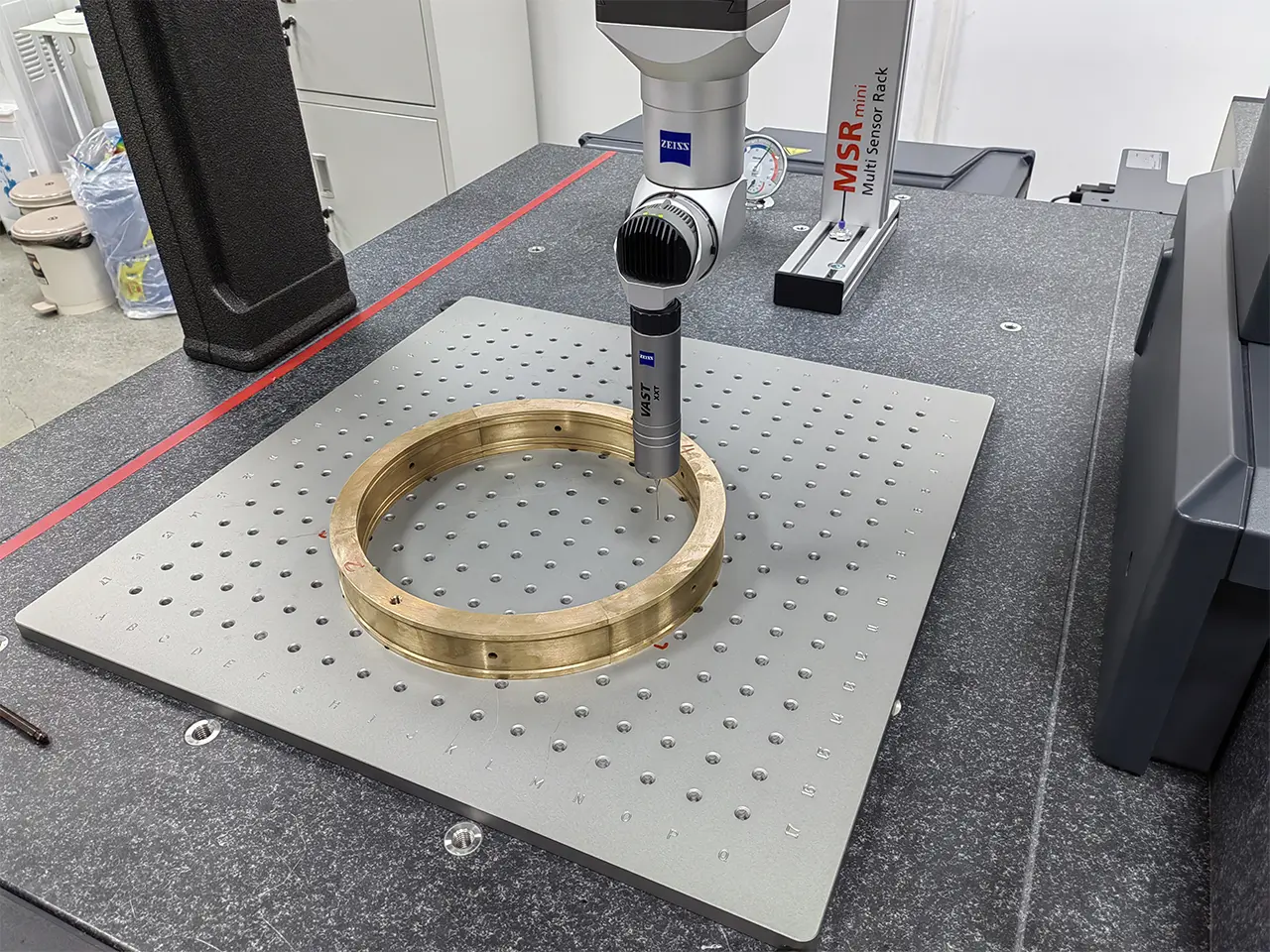
Our quality verification processes include: Spectrochemical Analysis for chemistry verification, Coordinate Measuring Machines (CMM) for dimensional verification, Ultrasonic and Liquid Penetrant Testing for internal defect checks, and Salt Spray Testing to evaluate corrosion resistance.
How our custom components perform in challenging operational environments across key industries.
Components in these environments face continuous exposure to high-salinity air and seawater. We cast and machine our marine hardware using molybdenum-stabilized 316 stainless steel, which resists pitting and crevice corrosion under high mechanical stress.
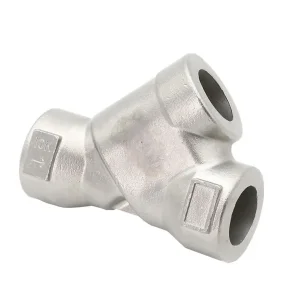
Industrial pump bodies and control valves demand pressure-tight castings with smooth internal fluid paths. Our silica-sol process yields high-density castings free of micro-porosity, preventing hazardous leakage under high pressures.
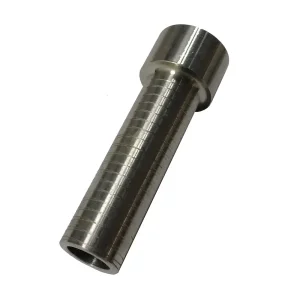
For products like mountain bike parts and structural components, we use lightweight titanium alloys. Precise CNC turning is required to handle the tough work-hardening properties of titanium, resulting in highly durable, low-weight fasteners.
Find technical answers regarding our casting techniques, tolerances, material selection, and project guidelines.
Browse our custom machining and casting products, fabricated to strict industrial specifications.
 SX Machining