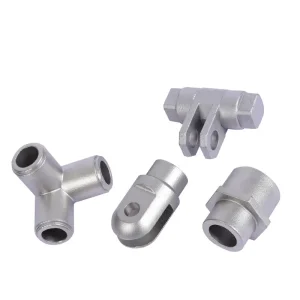
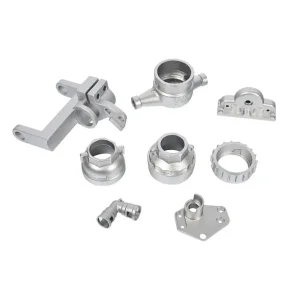
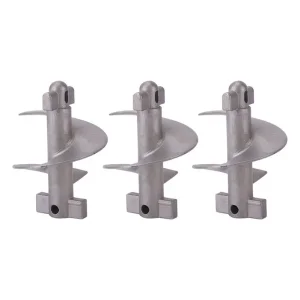
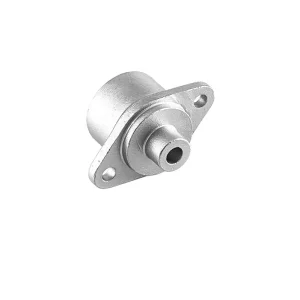
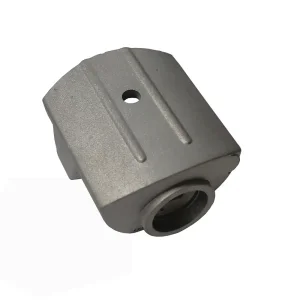
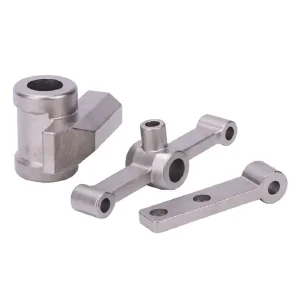
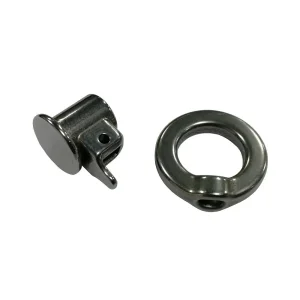
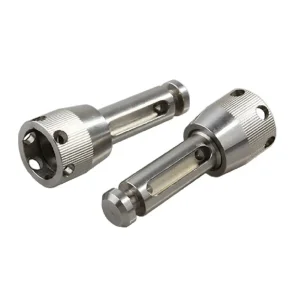
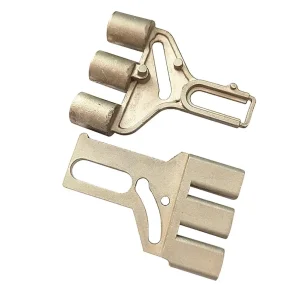
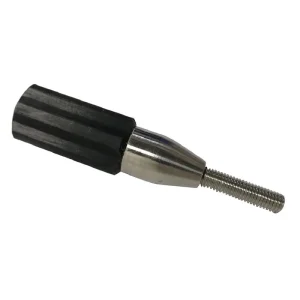
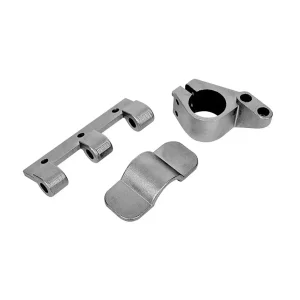
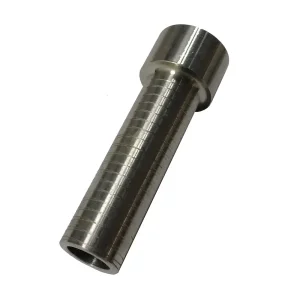
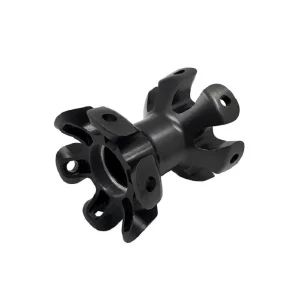
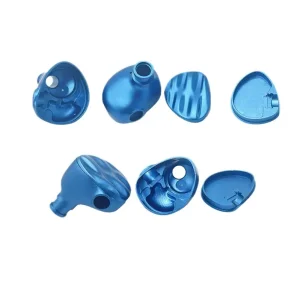
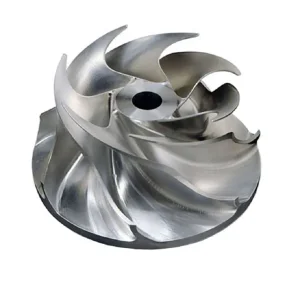
Explore our high-performance investment casting components customized to fulfill strict industrial specifications and international quality certifications.
In contemporary manufacturing, precision investment casting (lost wax casting) has emerged as the definitive solution for generating metal parts with high dimensional accuracy, structural integrity, and complex geometries. As modern industrial sectors transition towards lighter weight, higher thermal resistance, and longer operational lifespans, traditional sand casting and forgings often fail to meet economic and technical demands.
According to recent metallurgical market assessments, industries ranging from deep-sea marine engineering and fluid dynamics to high-end consumer electronics require high-integrity components with near-net-shape attributes. In these environments, precision investment casting limits raw material waste, mitigates secondary mechanical processing costs, and ensures microstructural uniformity across parts.
At Dongguan SX Technology Co.,Ltd, we address this global necessity by synthesizing our deep manufacturing expertise with high-grade materials like stainless steel, carbon steel, and titanium. By deploying advanced silica sol technologies and automated wax injection machinery, we achieve linear tolerances matching ISO 8062-3 DCTG4 to DCTG6 classes, minimizing post-cast metal removal and maximizing mechanical performance.
The industrial ecosystem of South China, particularly Dongguan in Guangdong Province, offers deep global supply chain stability and high manufacturing output speed. Dongguan's manufacturing infrastructure features unparalleled vertical integration. At our production facility, this spatial centralization enables immediate sourcing of certified alloy ingots, rapid tool development, and close proximity to shipping terminals (Shenzhen & Hong Kong ports).
By consolidating raw material procurement, mold fabrication, lost-wax shell mold development, pouring, heat treatment, and precision CNC finishing within a unified geographic cluster, we compress production cycle times by 30% compared to Western competitors. Furthermore, this dynamic cluster reduces domestic transport overheads, allowing us to insulate clients from fluctuating global logistical and energy costs.
Our facility at Dongguan SX Technology Co.,Ltd features dedicated lines for both short-run rapid prototyping and large-scale serial production runs. This operational versatility guarantees that whether you require five customized titanium valves or 50,000 stainless steel marine components, our processes maintain optimal production cadence and chemical formulation integrity.
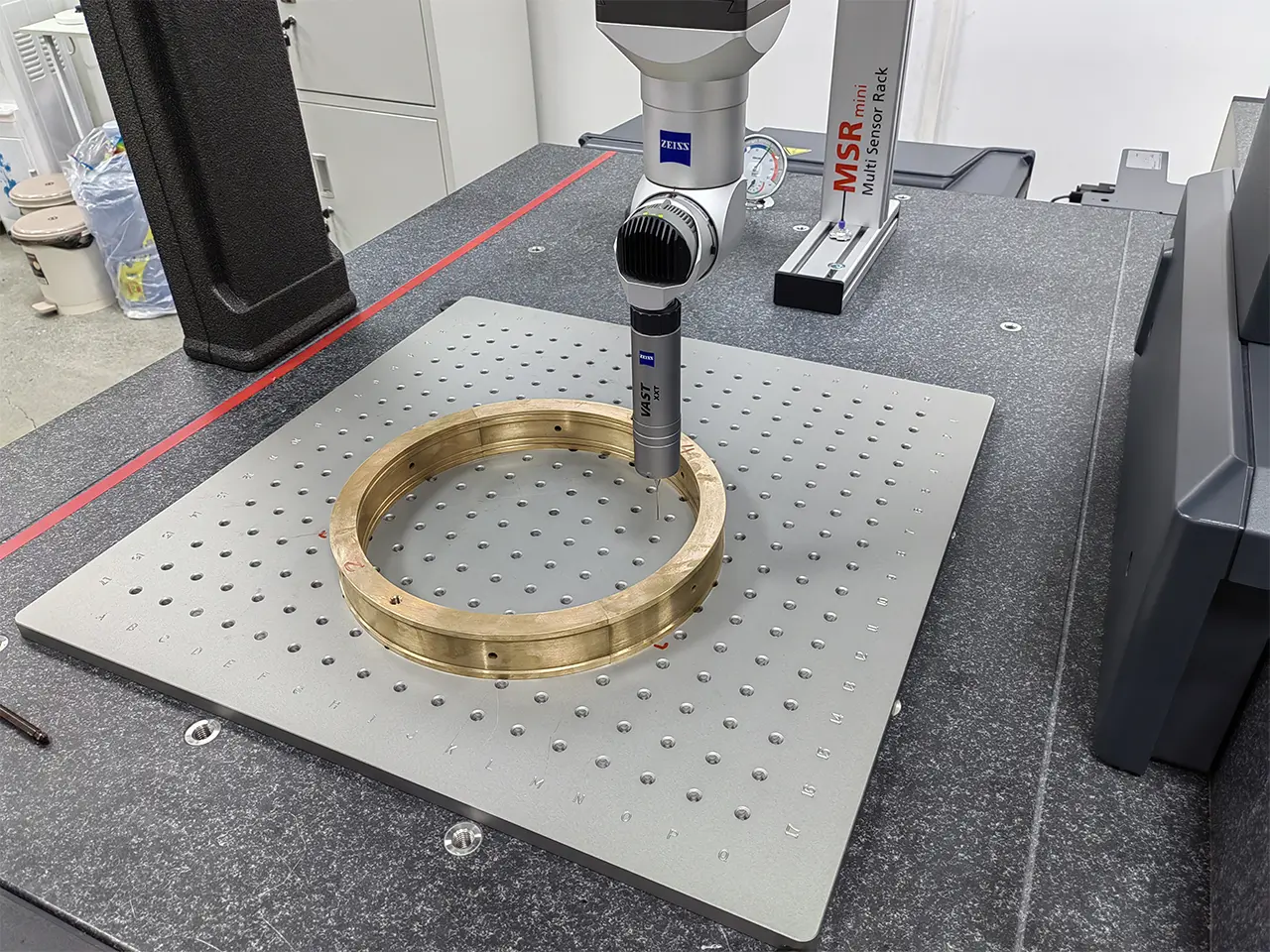
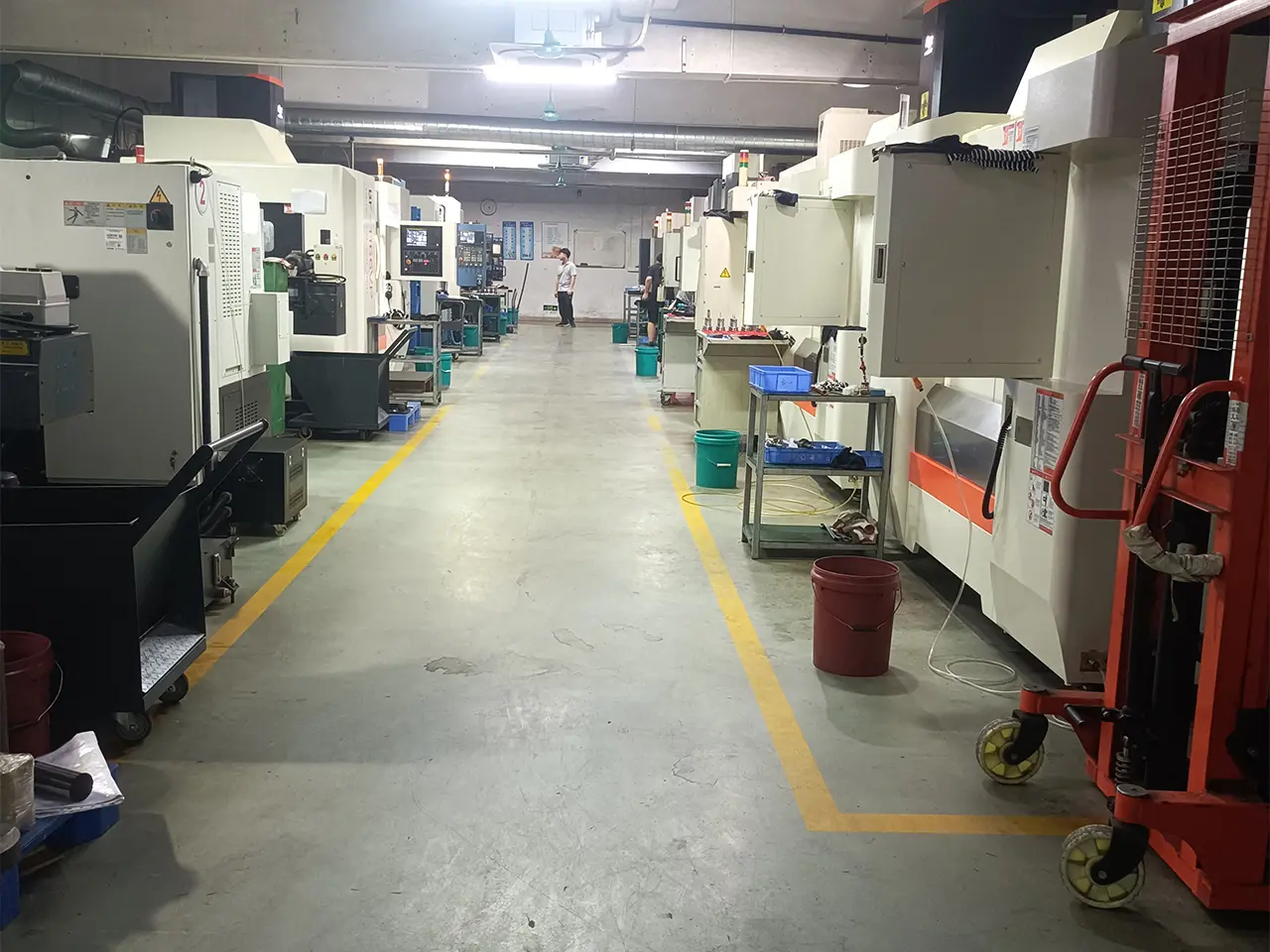
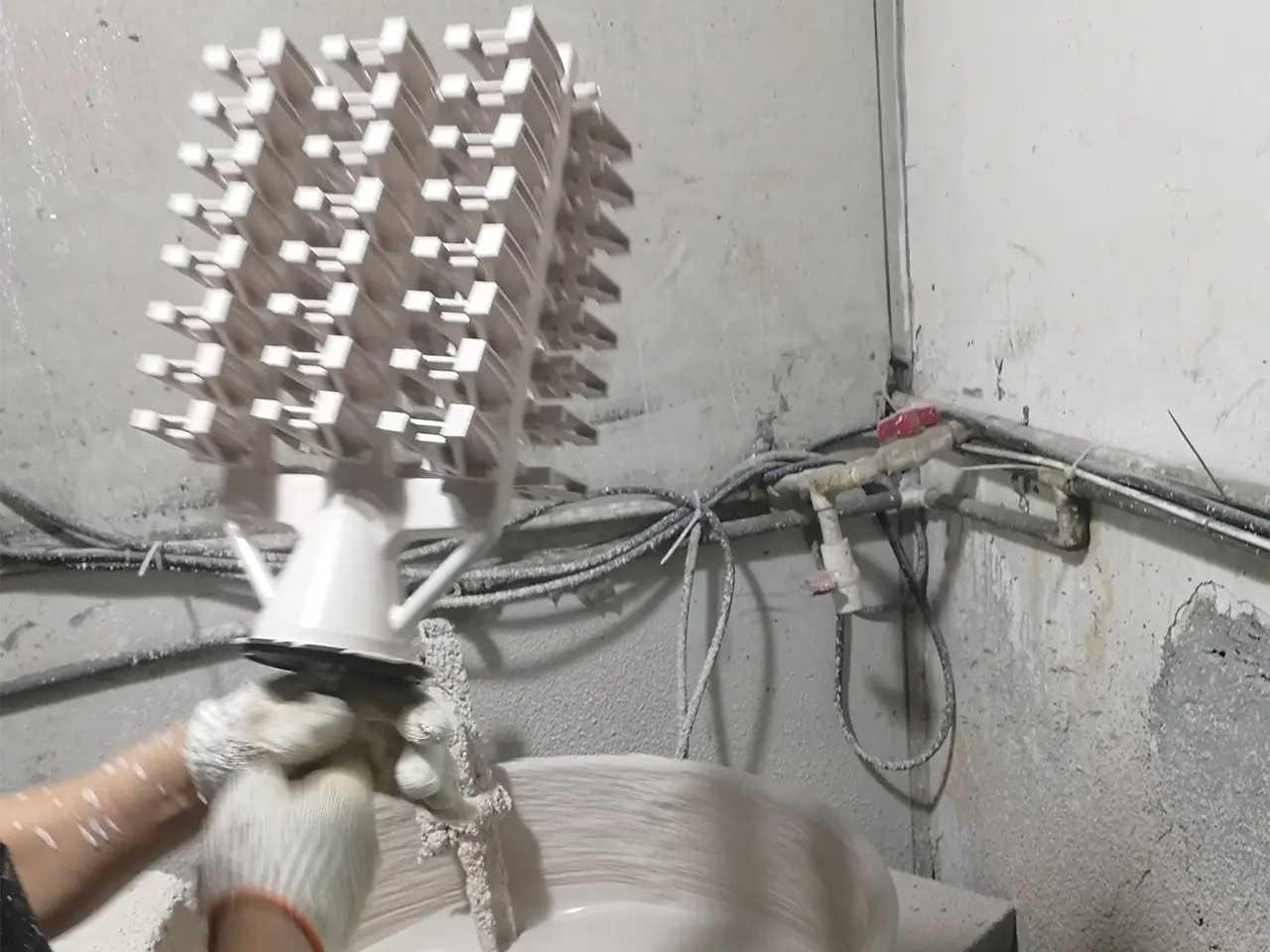
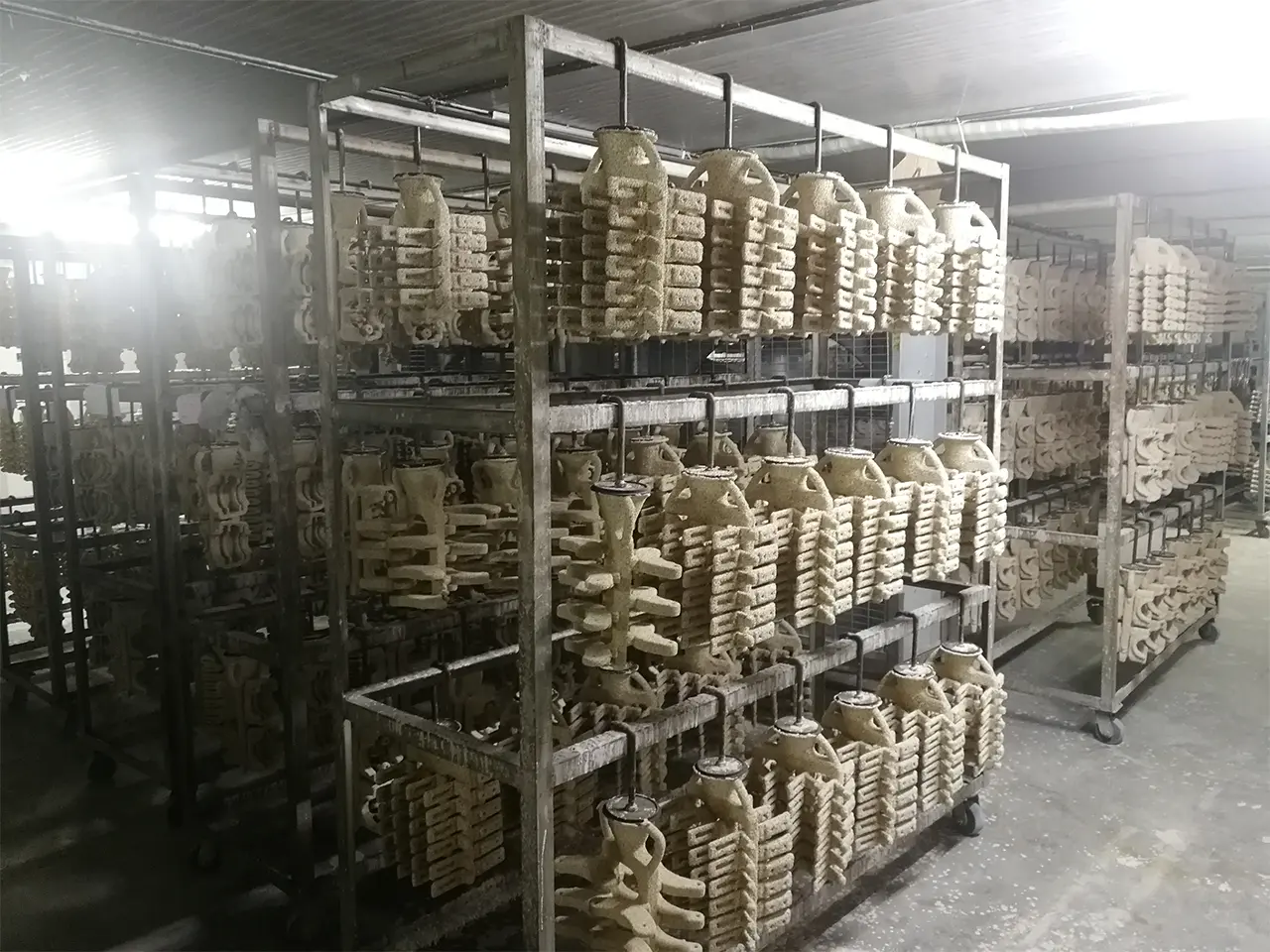
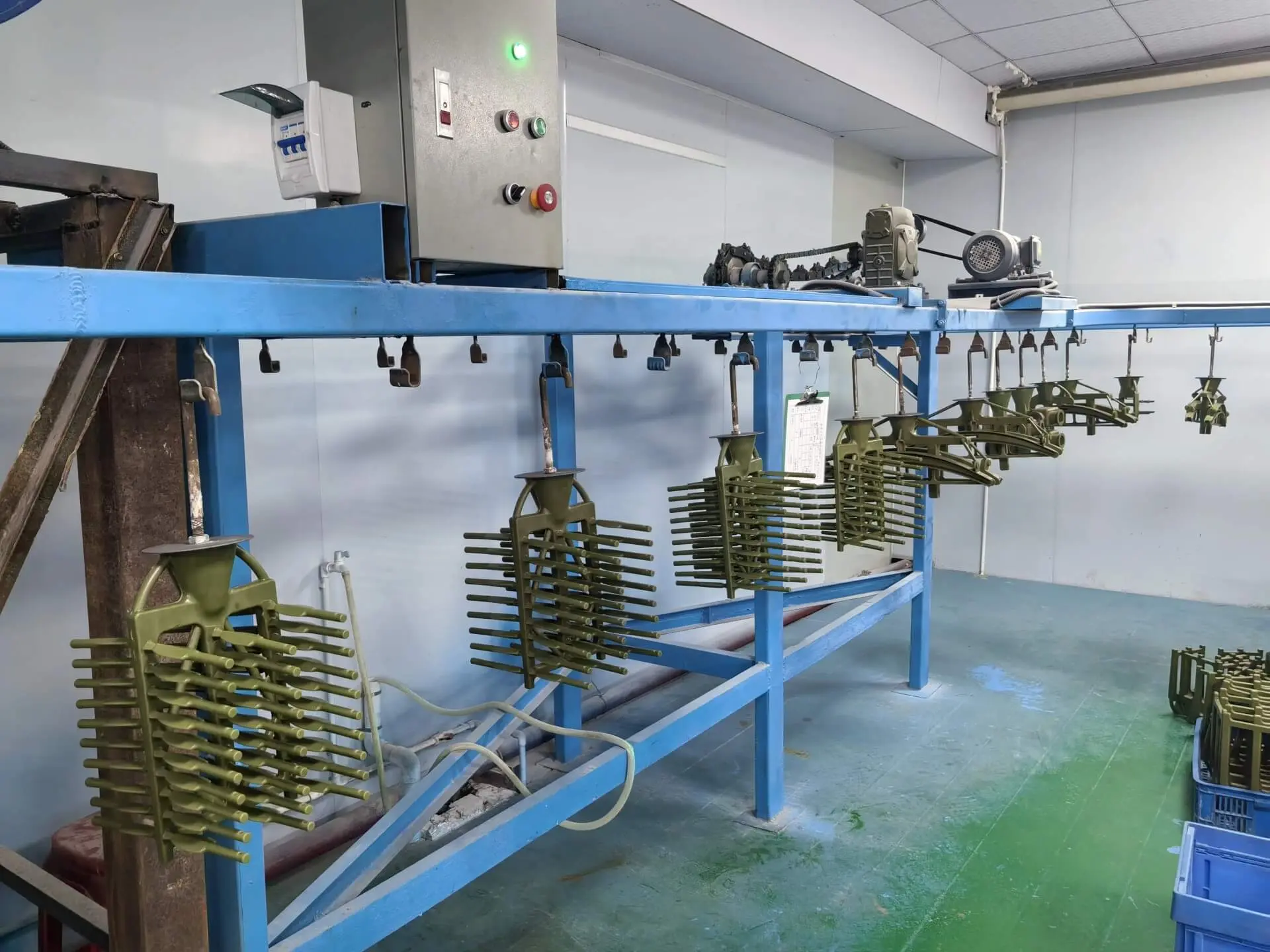
An inside look at our advanced manufacturing floor, featuring multi-axis CNC machines, automated wax-pattern injectors, and high-capacity melting furnaces.
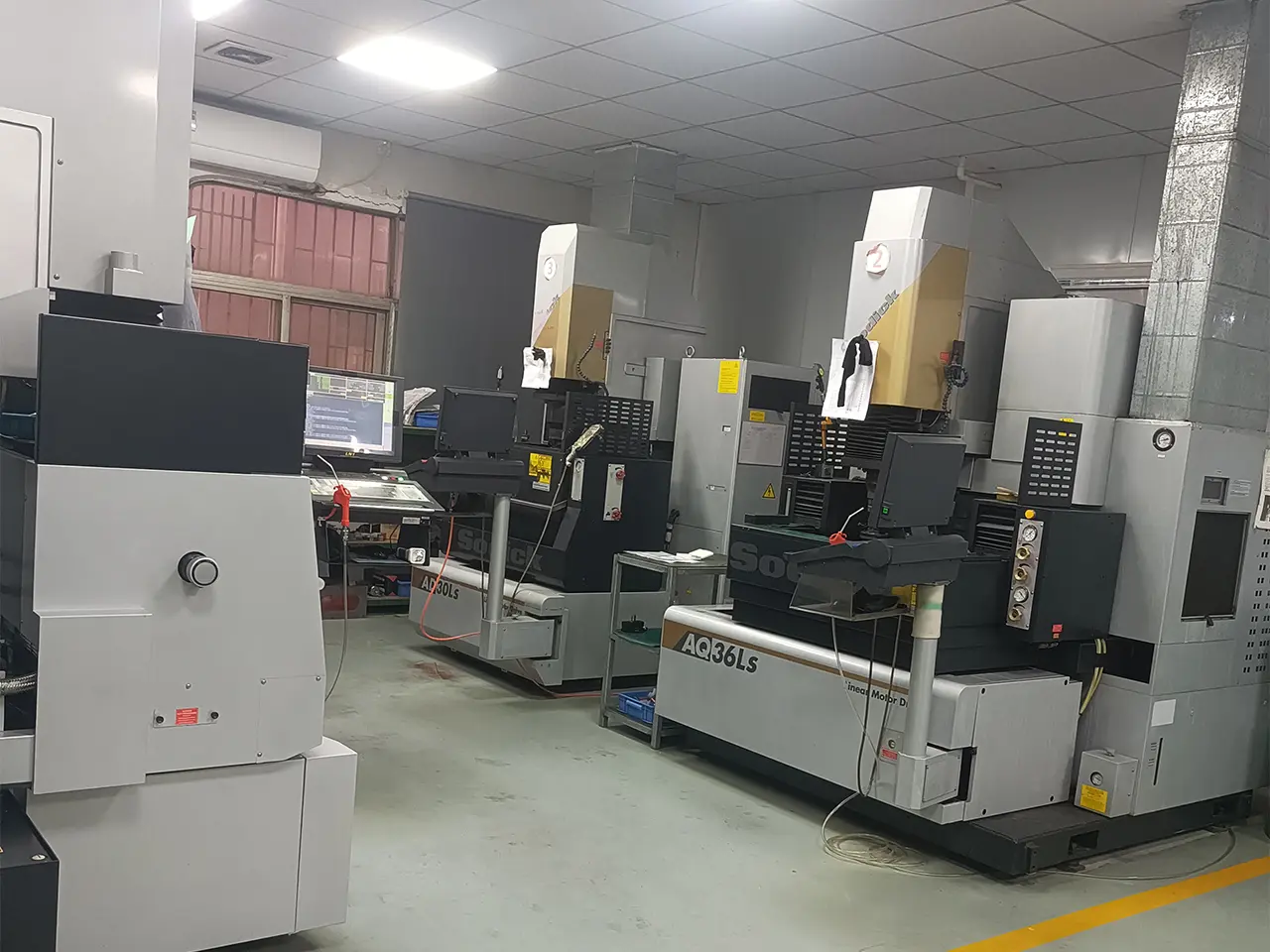
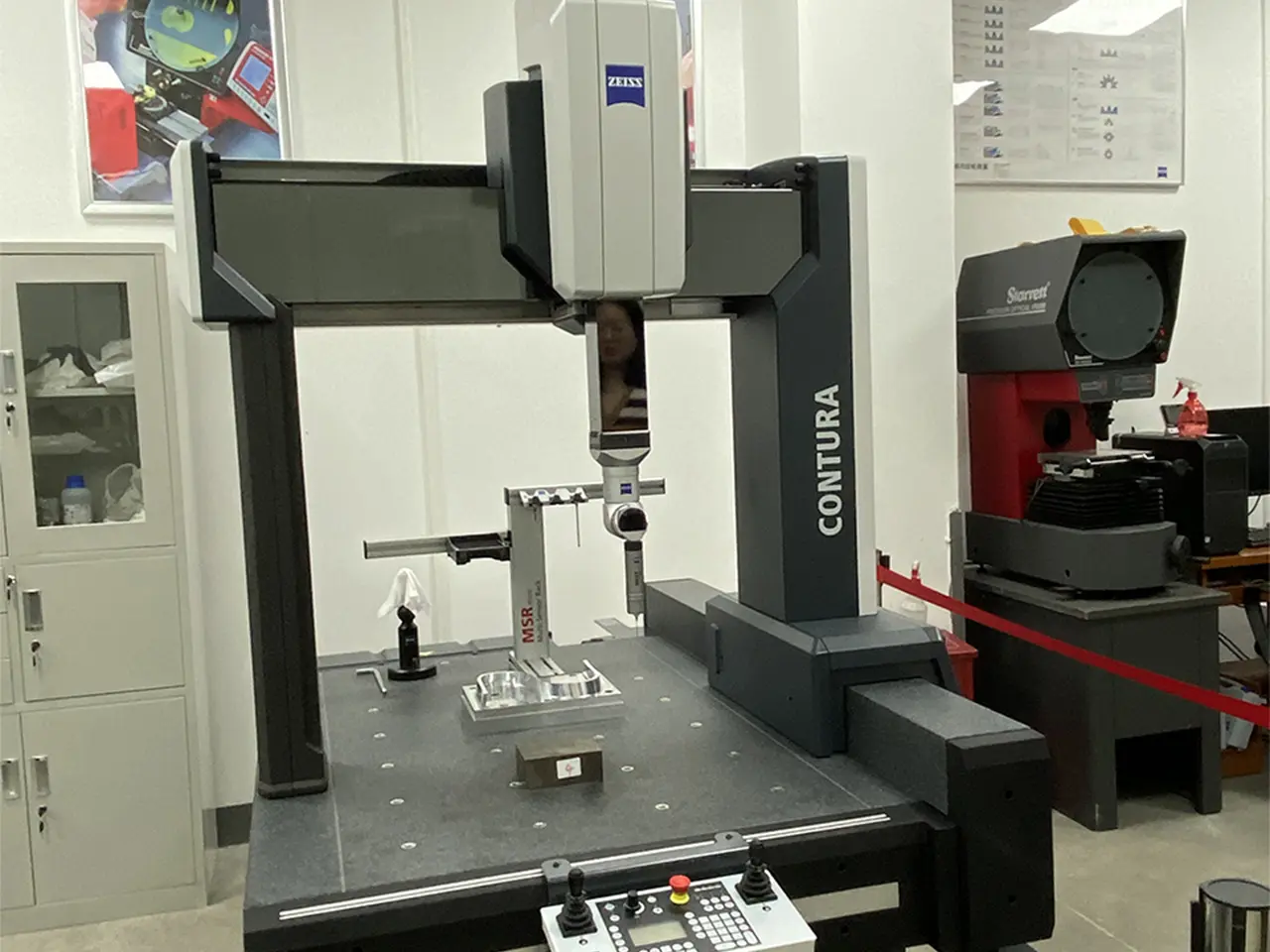
We work with a broad selection of metals to meet your specific mechanical strength and corrosion resistance demands.
Ideal for marine engineering, food processing machinery, and chemical control systems. Stainless steel investment casting yields high resistance to pitting, crevice corrosion, and mechanical stress. Our proprietary silica sol technique eliminates micro-porosity, preserving critical tensile strength.
Mainly deployed in high-wear heavy industrial applications such as oil and gas extraction, construction machinery, and power transmission gearboxes. We implement strict normalization, tempering, and annealing schedules to maximize toughness and grain structure.
For applications requiring a high strength-to-weight ratio and elevated service temperatures. We process Grade 5 Titanium and nickel-based superalloys under specialized vacuum conditions, preventing oxygen pick-up and guaranteeing consistent grain structures for impellers, defense components, and engine blades.
Combining casting technologies with multi-axis CNC machining to manufacture parts with complex geometries and tight tolerances.
Integrating 3D printing with traditional tooling methods. Using SLA resin pattern generation to skip mold tooling for custom designs, reducing lead times from weeks to days.
Utilizing high-precision multi-axis machining centers to finish cast surfaces. This allows us to manufacture complex impellers and components with tolerances down to ±0.005mm.
Implementing optical emissions spectrometers, coordinate measuring machines (CMM), non-destructive testing (NDT), and X-ray scanners to verify inner structures.
Discover how our custom cast and machined components perform in severe, high-stress working environments worldwide.
Marine environments expose components to high chloride levels and electrochemical decay. Our stainless steel investment castings are treated with precise pickling and passivation procedures. This is key for marine impellers, deck brackets, and underwater camera housings, ensuring operational reliability and long service life.
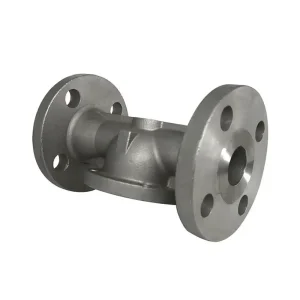
Valves and pump bodies operate under continuous pressure cycles and abrasive flow. We utilize specialized non-standard precision casting techniques to produce valve components with uniform wall thickness. This minimizes flow friction, prevents cavitation, and reduces stress concentration zones.
Miniaturization of electronic products demands tight spaces, high heat dissipation, and electromagnetic shielding. Our thin-walled lost wax casting processes produce housings and internal chassis with walls as thin as 1.5mm, maintaining dimensional stability for automated assembly.
At Dongguan SX Technology Co.,Ltd, quality control is the cornerstone of our manufacturing philosophy. Since our founding in 2014, we have established quality management systems to guarantee compliance with ISO standards, including traceability of material certifications (EN 10204 3.1).
Our in-house quality assurance team utilizes coordinate measuring machines (CMM), optical spectrum analyzers, hardness testers, tensile strength machines, and roughness testers. We inspect raw material batches before pouring, monitor shell mold temperatures, and run critical final testing to verify that final dimensions align with technical drawing tolerances.
Furthermore, we carry out non-destructive testing (NDT) such as dye penetrant inspection (DPI) and magnetic particle testing (MPT) on complex structural components. This level of quality verification reduces deflections and defects, saving time and resources during final assembly in client facilities.
Common questions regarding tolerances, material selection, manufacturing capabilities, and order schedules answered by our engineering department.
Explore our secondary selection of custom CNC parts, titanium milled components, and high-precision assemblies.
 SX Machining