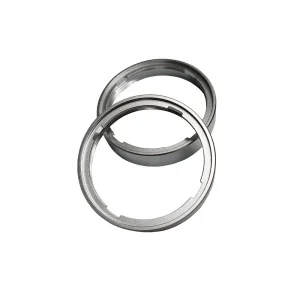
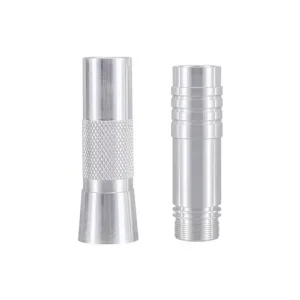
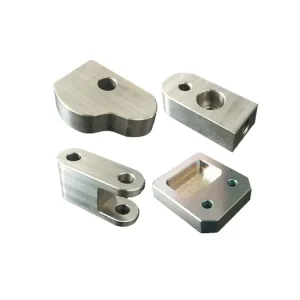
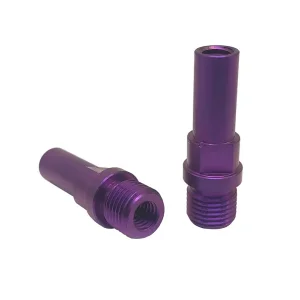
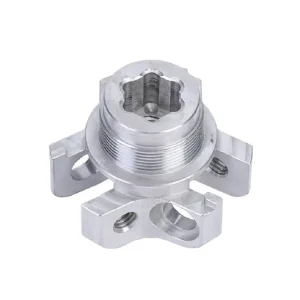
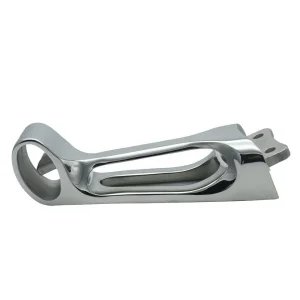
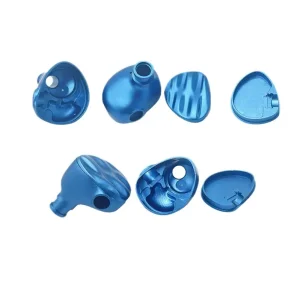
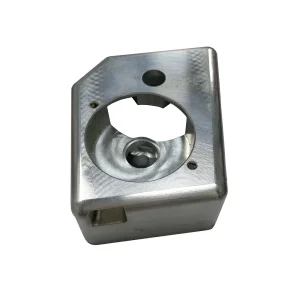
In the contemporary industrial supply ecosystem, steel castings act as structural and mechanical keystones across major sectors: petrochemical exploration, offshore marine systems, heavy machinery, and automotive structural components. Over the last decade, China’s casting and CNC machining industries have undergone a paradigm shift. Sourcing departments have transitioned from seeking low-cost raw components to seeking highly integrated, low-tolerance, finished custom units. Today, Dongguan SX Technology Co., Ltd. represents this modern approach—merging specialized investment casting capabilities with advanced secondary CNC machining under rigid quality management protocols.
This whitepaper details the metallurgical trends, design frameworks, quality methodologies, and global logistics structures that modern procurement executives must analyze to maintain supply chain resilience and maximize product quality.
Modern applications call for complex alloys capable of withstanding extreme service conditions. Carbon steel forms the backbone of basic structural casting, but specialized grades like duplex stainless steels (e.g., Duplex 2205), nickel-based superalloys, and aerospace-grade titanium (Ti-6Al-4V) are increasingly critical. Managing these alloys requires precise control over thermal profiles, pouring temperatures, and solidification rates to avoid macro-segregation and shrinkage porosity.
Investment casting (or lost wax casting) yields near-net-shape components that reduce raw material consumption and cut down on machining time. Achieving tight dimensional tolerances requires simulating heat flows inside the mold beforehand. By utilizing advanced 3D solidification modeling software, foundries identify hotspots, design efficient gating and riser networks, and target tight dimensional standards (like ISO 8062 Grade CT4 to CT6) before the metal is poured.
A casting is rarely finished as poured. Functional interfaces, high-tolerance sealing surfaces, and threaded connections require precision post-cast machining. Integrating multi-axis CNC mills and lathes on the same site as the foundry reduces setup errors, shortens production lead times, and avoids logistical fragmentation. Our facility handles complex components by transitioning them from investment casting molds to multi-axis CNC cells under one unified quality system.
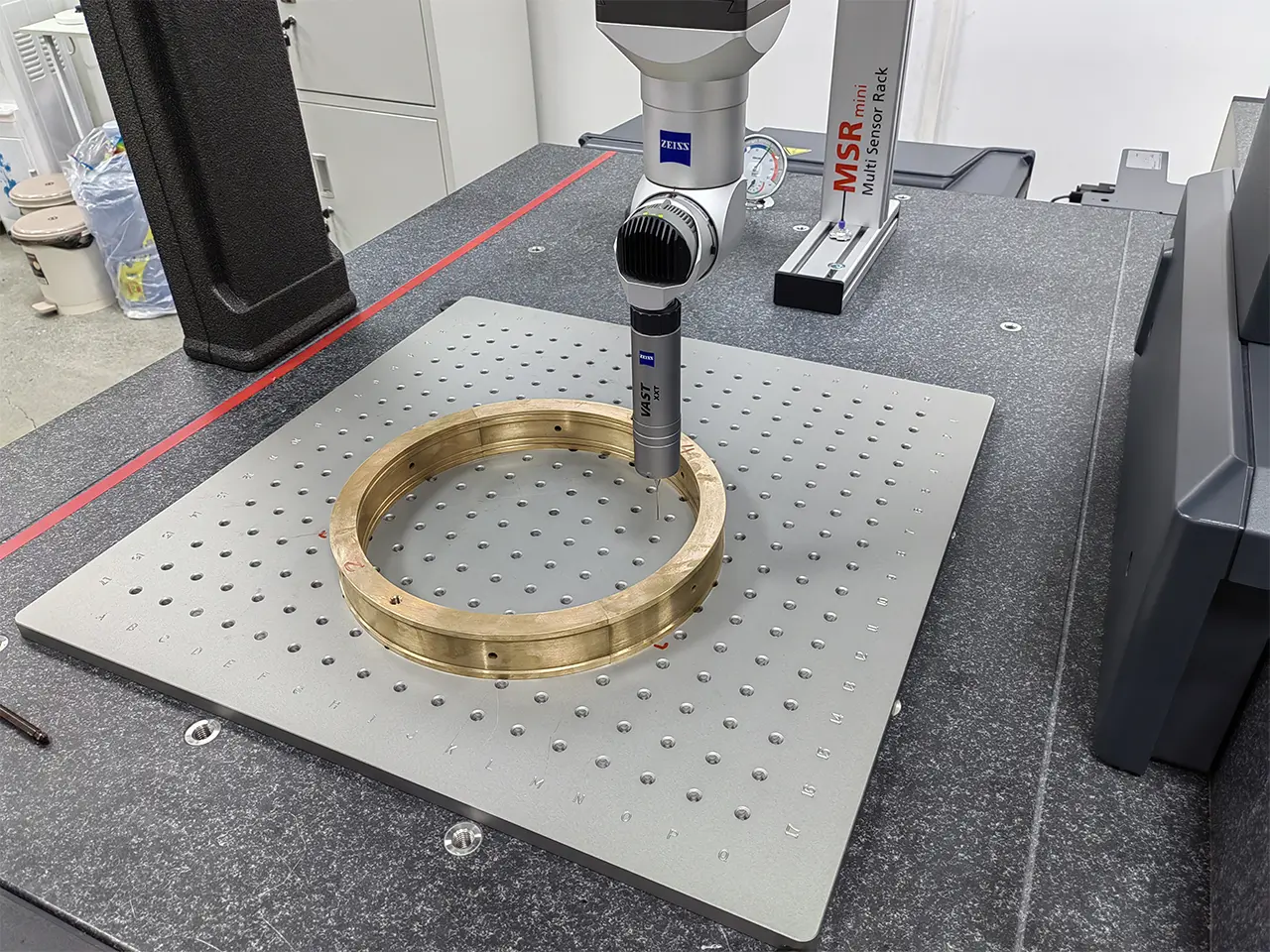
Safety-critical sectors demand comprehensive, non-destructive testing (NDT). Visual inspection is insufficient. Industry standards require radiographic testing (RT) to detect sub-surface voids, magnetic particle testing (MT) or dye penetrant testing (PT) to expose micro-fissures, and coordinate measuring machines (CMM) to verify physical geometry. This layered approach ensures that cast structures destined for high-stress applications do not fail prematurely.
Engineers run solidification software on 3D models to eliminate shrinkage risks and optimize tool design before cutting steel.
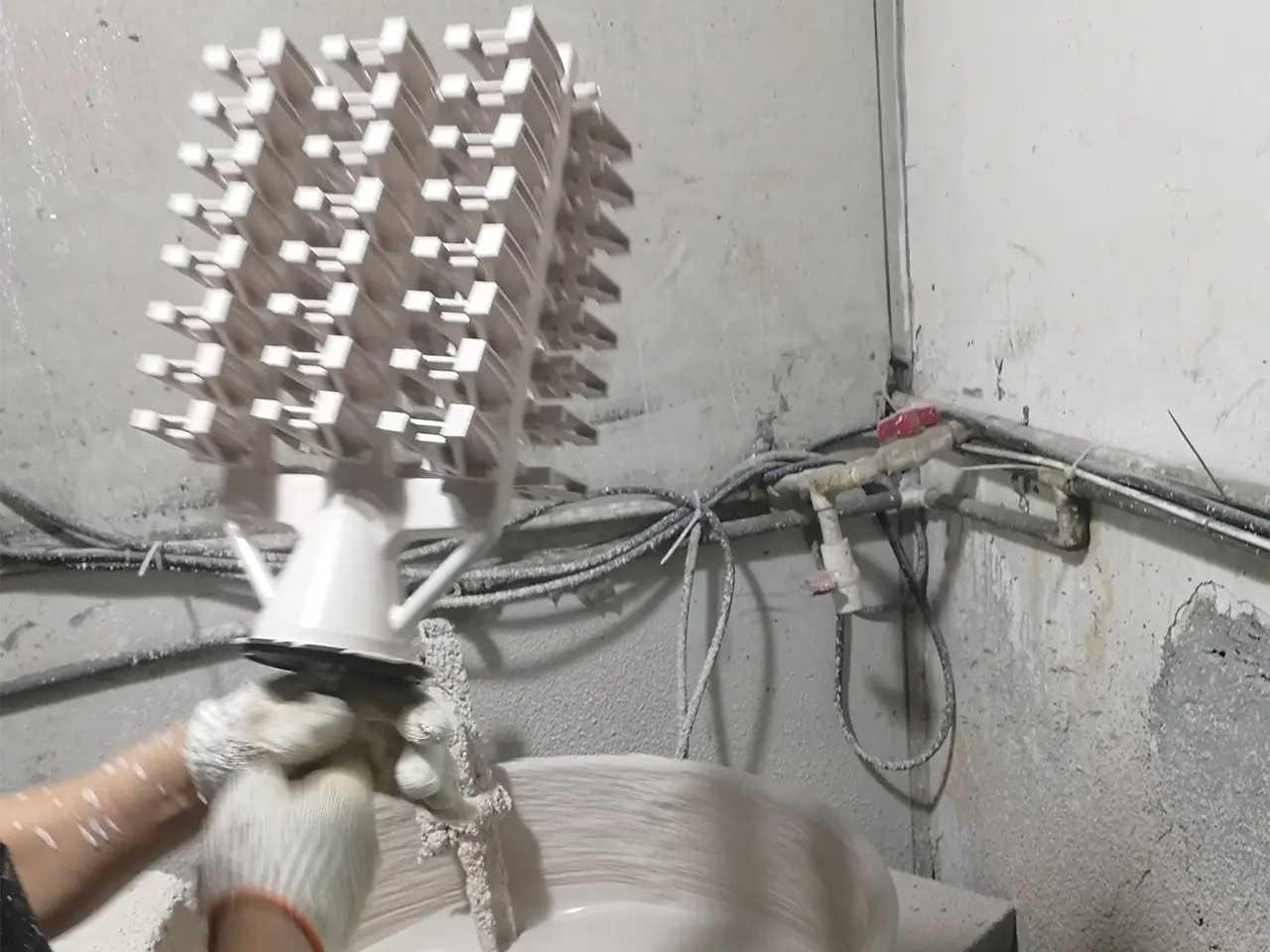
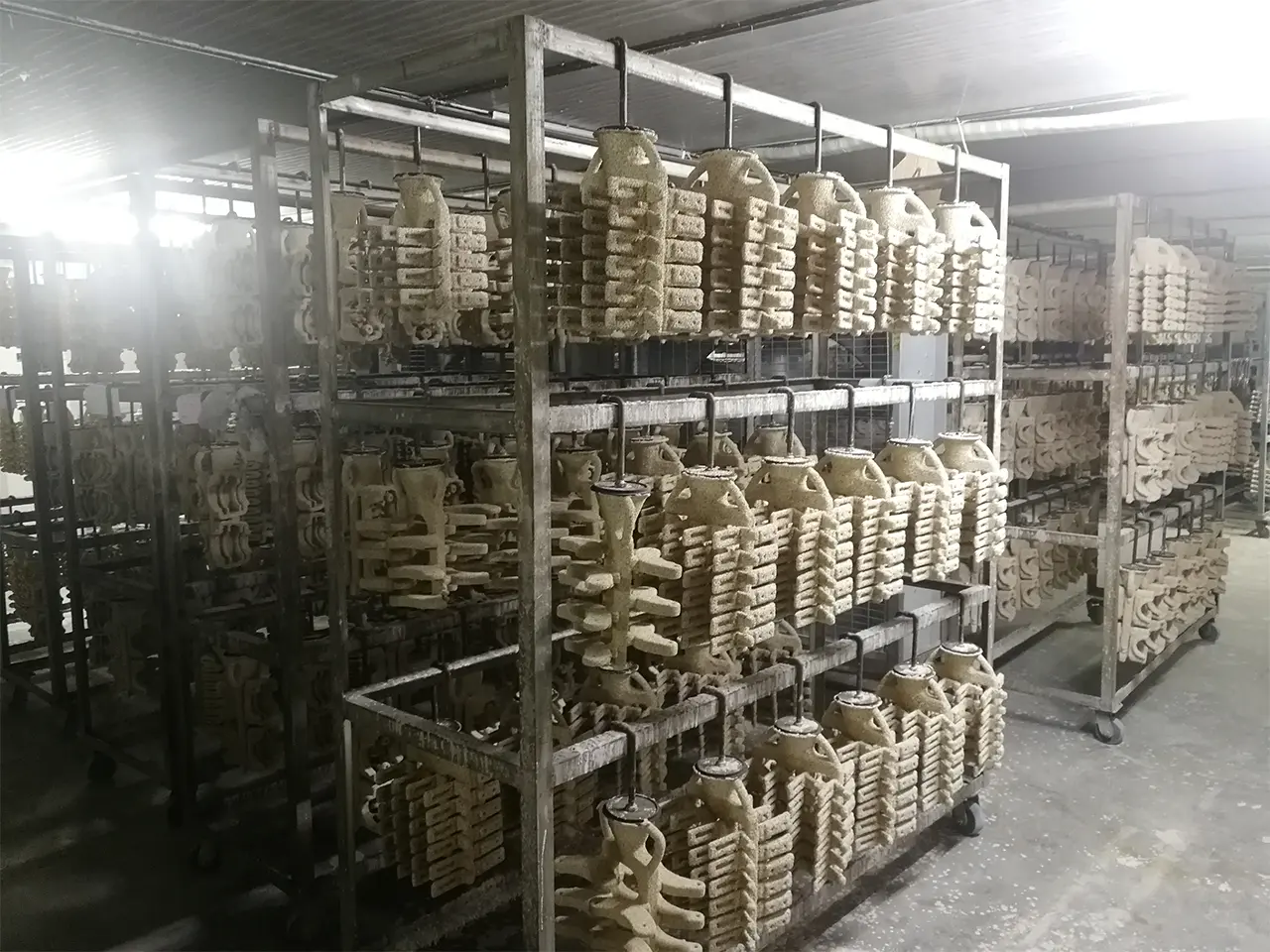
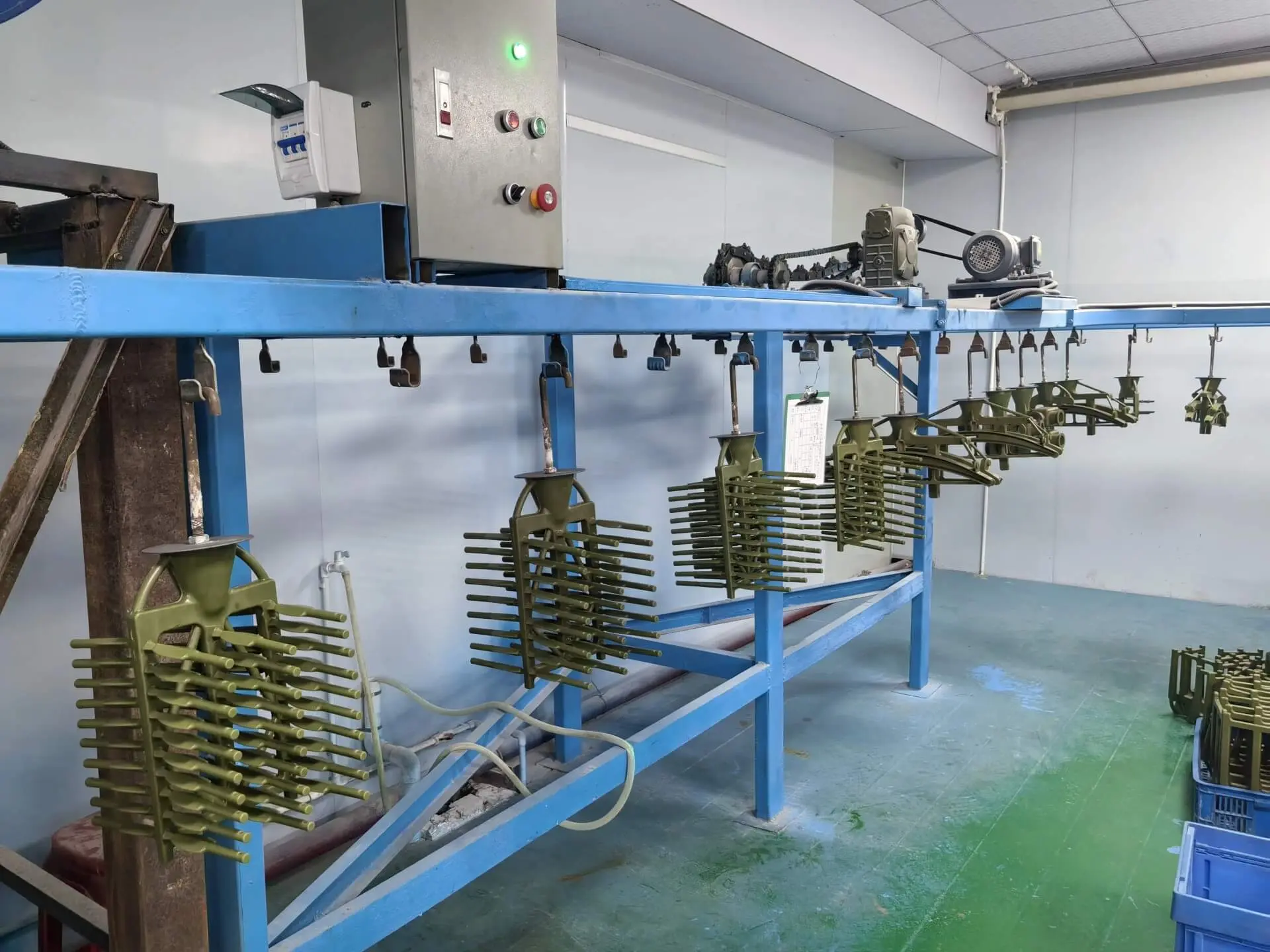
Wax injection, ceramic shell building, dewaxing, and controlled induction furnace pouring generate the near-net metal shape.
Automated machining centers mill complex features, drill tapped ports, and finish critical sealing faces to micron-level tolerances.
Spectrography confirms alloy chemistry, CMM checks final sizing, and NDT ensures structural integrity before shipping.
Dongguan SX Technology Co.,Ltd has very rich experience in precision casting, CNC machining and assembly. Our products are used in machinery, automobiles, marine, ships, equipment, valves and pumps, electronic appliances, packaging, watches, construction, chemical industry and other industries.
The most commonly used materials for investment casting are stainless steel and carbon steel. And the most commonly used materials for CNC machining include titanium alloy, stainless steel, carbon steel, aluminum alloy, copper alloy, cemented carbide, etc. We have advanced manufacturing equipment and technology and are able to respond quickly to your needs.
Since our founding in 2014, we have committed ourselves to rigorous manufacturing controls, aiming for stable, reliable production runs. This continuous investment in machinery, metrology tools, and staff training helps us support the complex projects of our international clients.
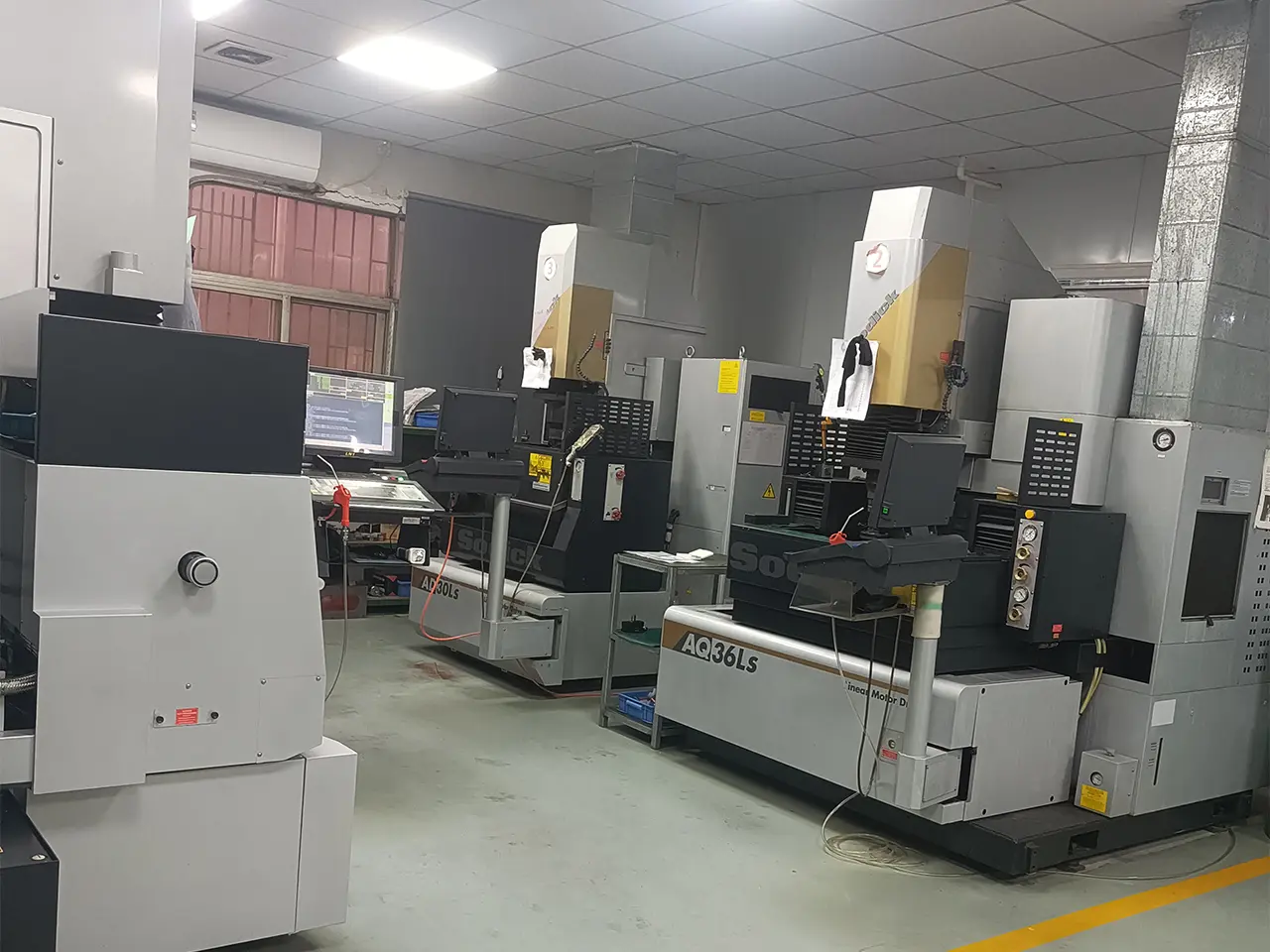
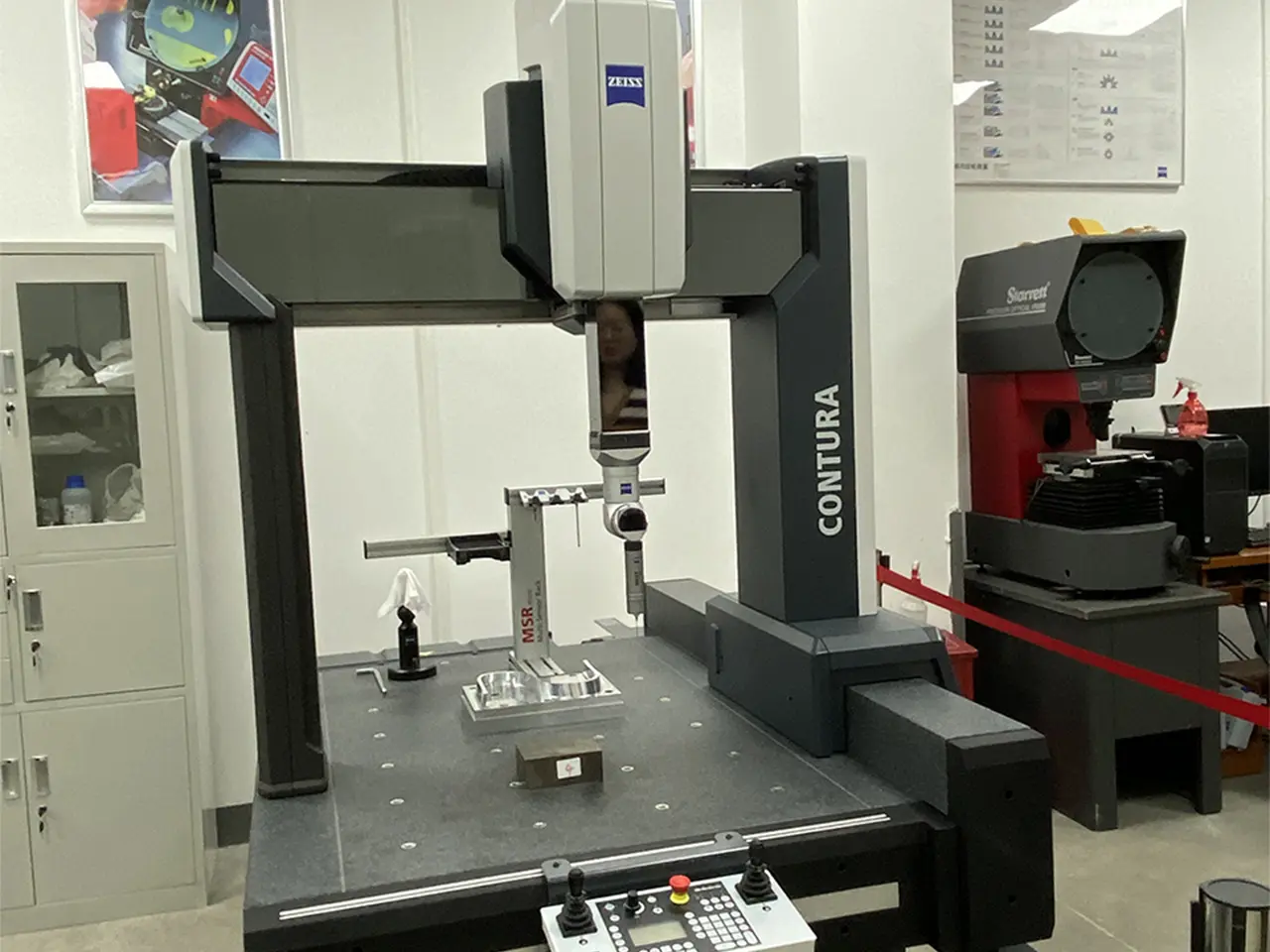
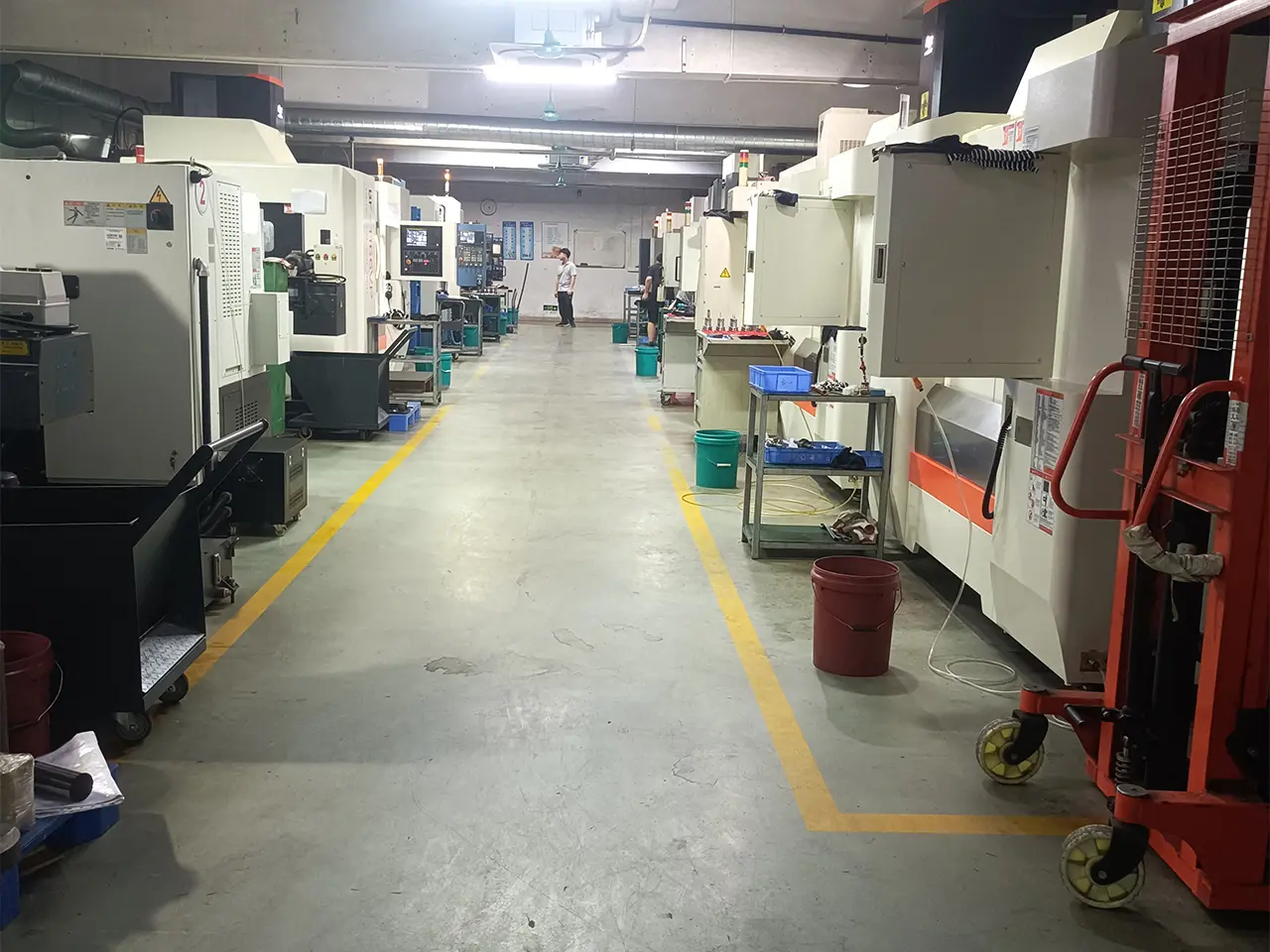
We have professional testing equipment and professional QC personnel, and we adhere to strict tolerances and quality standards for the products we produce. Due to our insistence on strict quality requirements, we have been praised by many customers.
Quality is the cornerstone of the manufacturing industry. We firmly believe that only by controlling quality well can we survive, develop, and get better and better. Therefore, we have been working in this industry unremittingly since 2014 and continue to improve the company's team and improve the company's production capacity.
Our quality control protocols extend from receiving raw materials to final packaging. Chemical composition analysis is verified using optical emission spectrometers before every pour, ensuring the physical and mechanical properties of our castings remain consistent batch after batch.
Procuring steel castings and precision-machined assemblies internationally requires navigating more than just production costs. Sourcing managers must address compliance with dynamic global frameworks, carbon taxes (such as the EU's Carbon Border Adjustment Mechanism - CBAM), and strict ESG (Environmental, Social, and Governance) targets. Partnering with a supplier that maintains structured quality documentation, chemical compliance checks (such as REACH and RoHS), and certified raw material sourcing is critical to preventing costly delays at entry ports.
We trace raw material chemistry back to the ingot source, maintaining heat numbers and material test reports (MTR) for auditability.
By optimizing scrap metal recycling and reducing foundry energy usage, we help international buyers manage their scope 3 emissions profiles.
Our facility is located in Dongguan, near key global ports like Shenzhen and Guangzhou. This positioning helps ensure predictable, flexible shipping schedules.
 SX Machining