Discover our primary lineup of custom machined titanium parts, complex investment castings, and robust mechanical structures designed for challenging operations.
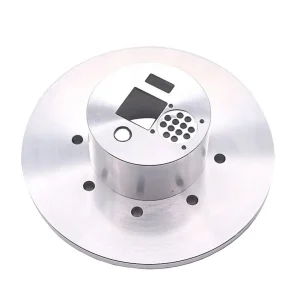
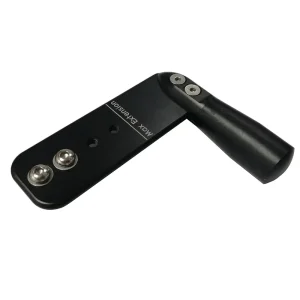
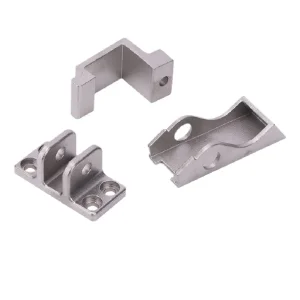
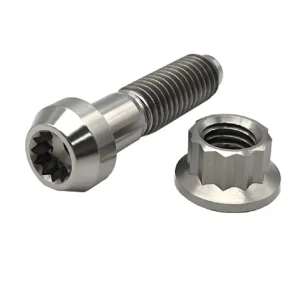
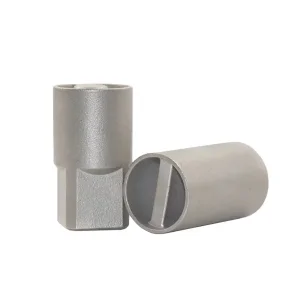
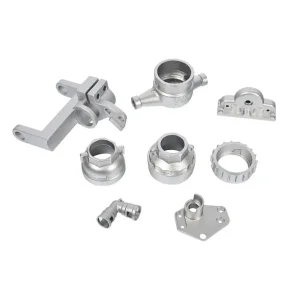
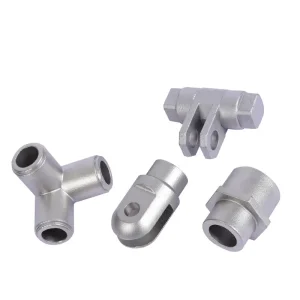
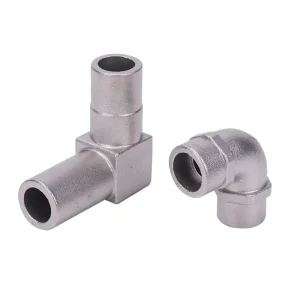
Titanium and its alloys have redefined modern heavy industry and high-technology applications. Celebrated for an unmatched strength-to-weight ratio, superb corrosion resistance, and total biocompatibility, titanium is the foundational element for mission-critical engineering. The global market for Titanium CNC Machining has entered an era of rapid expansion, driven by rigorous demands from aerospace fleets, medical implants, deep-sea energy extraction, and performance automotive sectors.
As raw titanium production scales globally—specifically out of leading mineral processing hubs in China, the United States, and Japan—advanced machining techniques have evolved to manage the material’s unique mechanical difficulties. Historically, titanium was classified as "difficult-to-machine" due to its low thermal conductivity, high chemical reactivity at elevated cutting temperatures, and tendency to work-harden. Today, advanced manufacturers like Dongguan SX Technology Co.,Ltd. utilize multi-axis CNC turn-mill stations, specialized solid-carbide tools, and adaptive high-pressure coolant setups to turn these engineering challenges into streamlined, highly repeatable production pipelines.
Modern commercial and defense aircraft rely on Ti-6Al-4V (Grade 5) for fuselage frames, landing gear supports, and turbine engine blades. The material reduces total airframe weight while maintaining resilience against cyclical mechanical stress and temperature fluctuations.
Biomedical titanium (Grade 23 ELI / CP Grade 2) exhibits osseointegration properties, allowing bone tissue to anchor directly to the implant surface. Precision CNC milling delivers micro-textured orthopedic devices, bone screws, and dental implants that do not degrade in the human body.
Marine environments impose extreme corrosive challenges due to high saline concentration and hydrostatic pressure. CNC milled marine valve housings, acoustic sensors, and propeller shafts manufactured from Grade 5 titanium provide decades of maintenance-free service.
Depending on the mechanical parameters requested by your engineers, selecting the correct grade of titanium is pivotal for product life-cycle success and overall cost management:
| Titanium Grade | Material Class | Tensile Strength (MPa) | Yield Strength (MPa) | Primary Industrial Applications |
|---|---|---|---|---|
| Grade 1 & 2 | Commercially Pure (CP) | 240 – 345 | 170 – 275 | Chemical processing pipelines, heat exchangers, marine hulls, architectural accents. |
| Grade 5 (Ti-6Al-4V) | Alpha-Beta Alloy | ≥ 895 | ≥ 825 | Aerospace structural nodes, jet turbines, automotive racing hubs, performance fasteners. |
| Grade 9 (Ti-3Al-2.5V) | Near-Alpha Alloy | ≥ 620 | ≥ 483 | Hydraulic tubing, performance bicycle frames, lightweight automotive exhaust lines. |
| Grade 23 (Ti-6Al-4V ELI) | Extra Low Interstitial | ≥ 860 | ≥ 790 | Surgical bone plates, joint replacements, dental studs, ophthalmic microsurgical tools. |
Founded in 2014, Dongguan SX Technology Co.,Ltd has cultivated a rich, multi-decade depth of experience in precision investment casting, multi-axis CNC machining, and complex mechanical assembly. We serve a vast global clientele across machinery, automotive components, marine systems, commercial shipping, valve and pump production, consumer electronics, horology, construction hardware, and chemical engineering. Our dual manufacturing pathway enables us to assist projects from raw casting stages to final, micro-toleranced CNC finishes.
While our investment casting department specializes in high-durability stainless steel and carbon steel parts, our precision CNC machining workshop handles a diverse inventory of engineering materials including titanium alloys, stainless steel, carbon steel, lightweight aluminum alloys, copper and brass alloys, and ultra-hard cemented carbides.
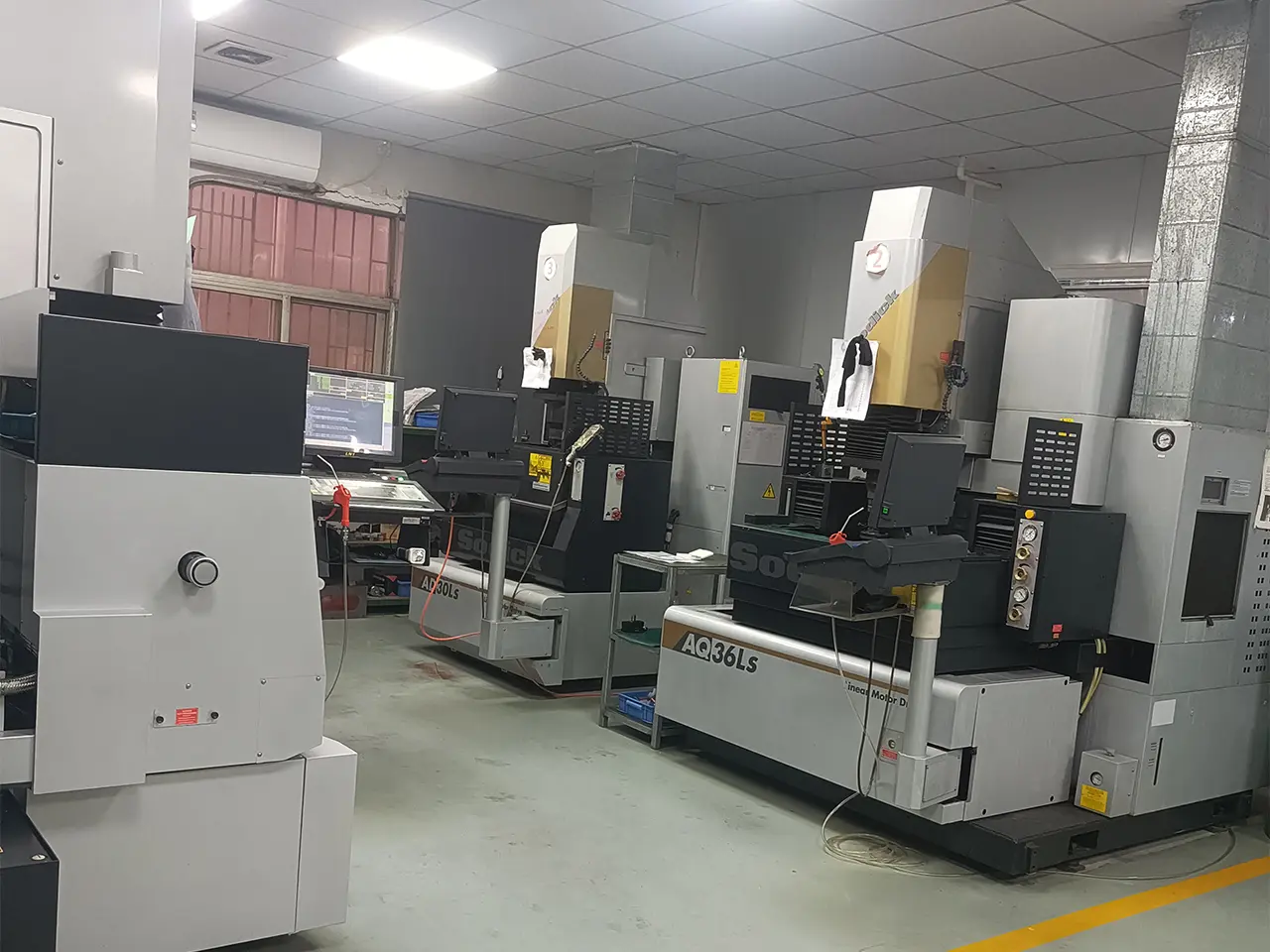
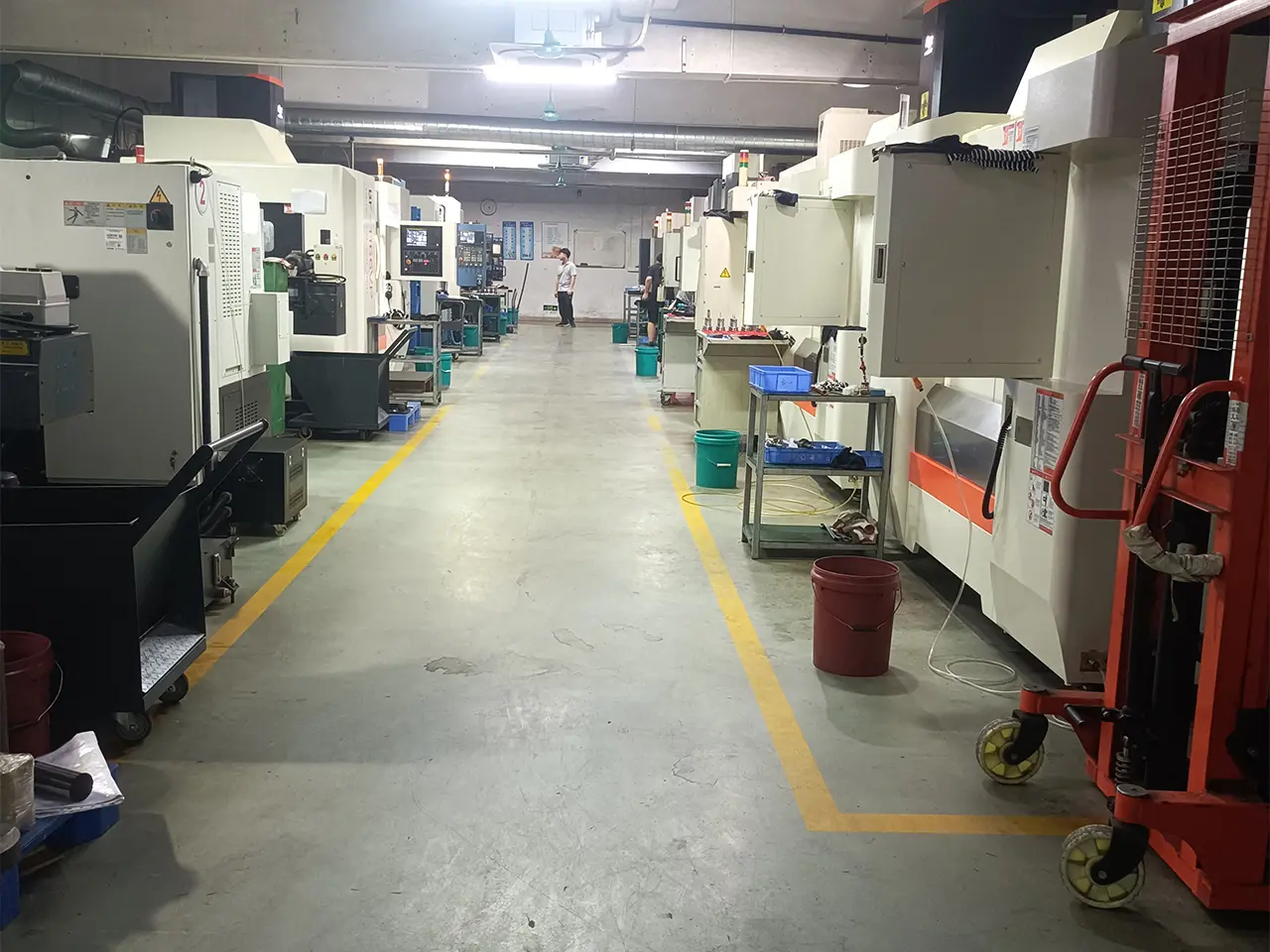
Equipped with state-of-the-art CNC machining centers, automated turn-mill composite tooling, and specialized design-for-manufacturing (DFM) support systems, we deliver rapid turnarounds, verified component lifespans, and scalable volume production.
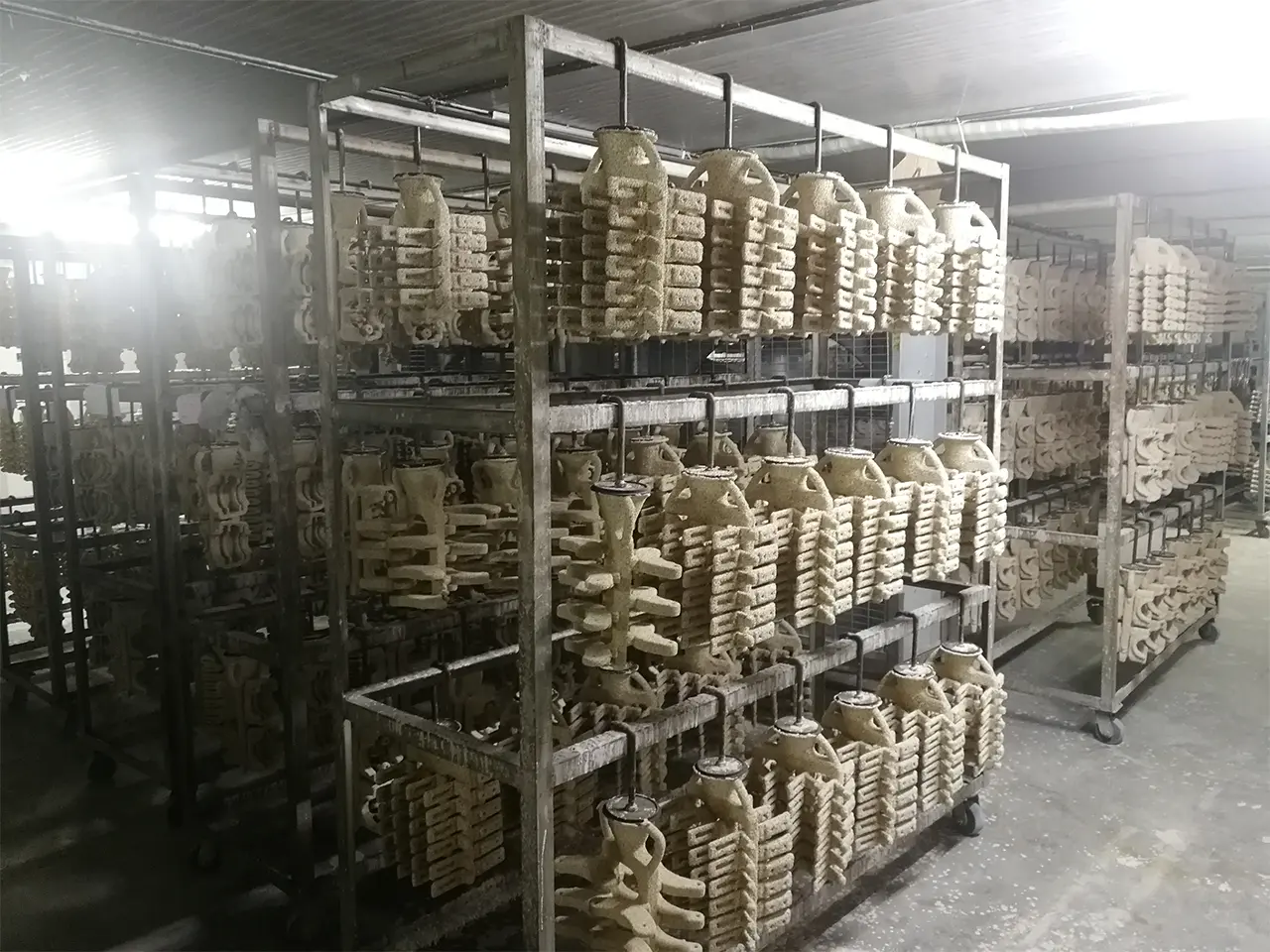
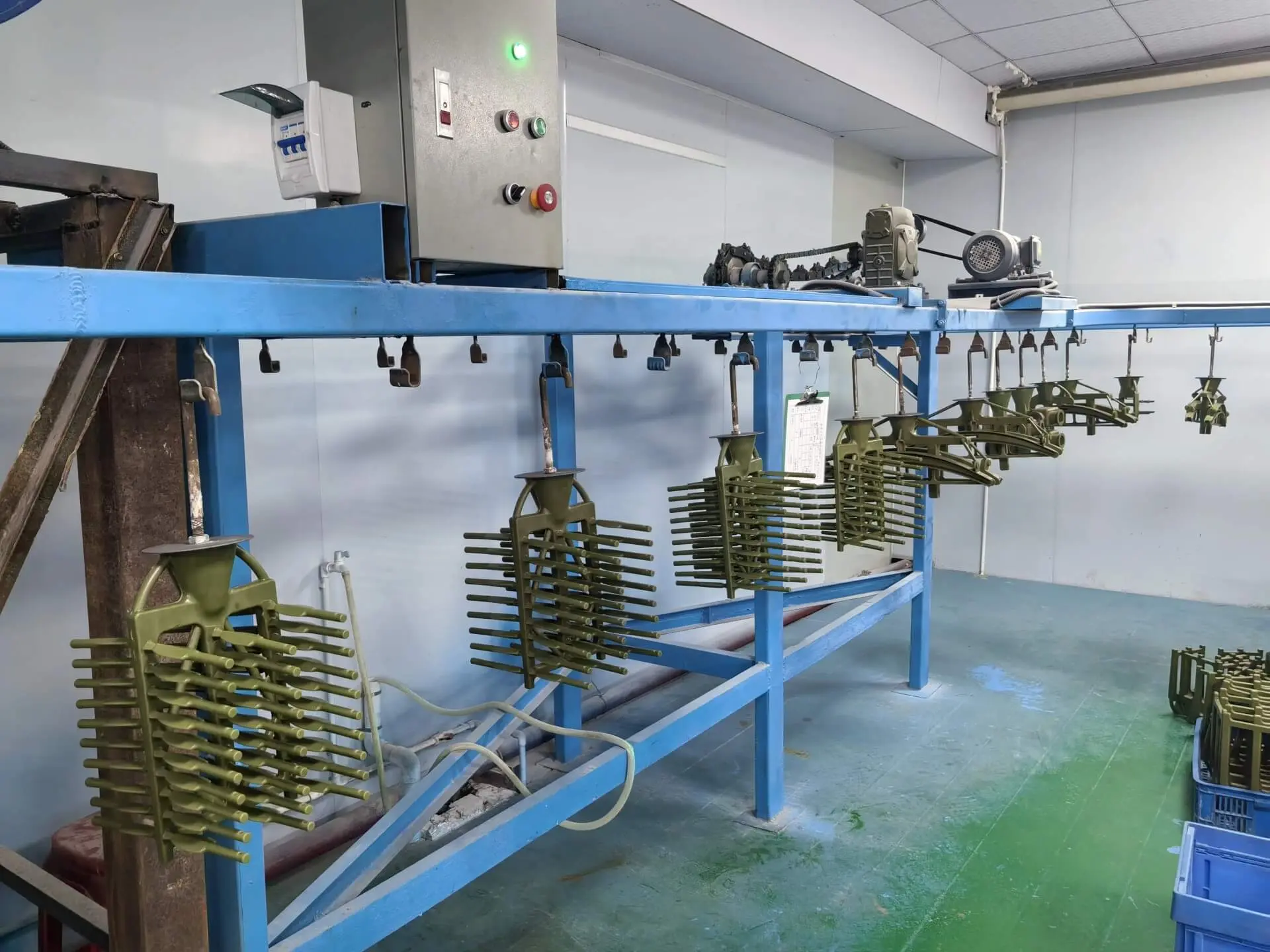
Step inside our high-tech machining facilities, where automated milling units and highly skilled machinists operate in harmony.

Discover how the integration of AI-optimized toolpaths, hybrid manufacturing, and ultra-high-pressure cooling technologies are redefining titanium machining efficiencies.
By simulating cutter engagement and mechanical loads in real-time, our upcoming CAM engines dynamically adjust radial step-over and axial depth of cut. This minimizes cutter dwell time, mitigates work-hardening risk, and increases tool life by up to 40%.
Standard liquid coolants can fail to dissipate heat fast enough at the point of shear during titanium cutting. Transitioning to liquid nitrogen (LN2) cooling keeps tooling zones at sub-zero temperatures, preventing thermal cracking of solid carbide inserts and maintaining structural stability.
Combining Directed Energy Deposition (DED) additive manufacturing with precision CNC milling allows for the creation of near-net-shape titanium blanks that are then CNC-machined to final dimensions. This decreases raw material scrap rates by up to 70%.
At Dongguan SX Technology, quality is the absolute cornerstone of our entire manufacturing process. We firmly believe that only by executing rigorous, transparent quality inspection protocols can a precision parts factory survive, develop, and earn long-term partnerships. This conviction has guided our operational expansion since 2014, motivating us to continuously upgrade our diagnostic tools, refine clean-room processes, and recruit seasoned Quality Control (QC) engineers.
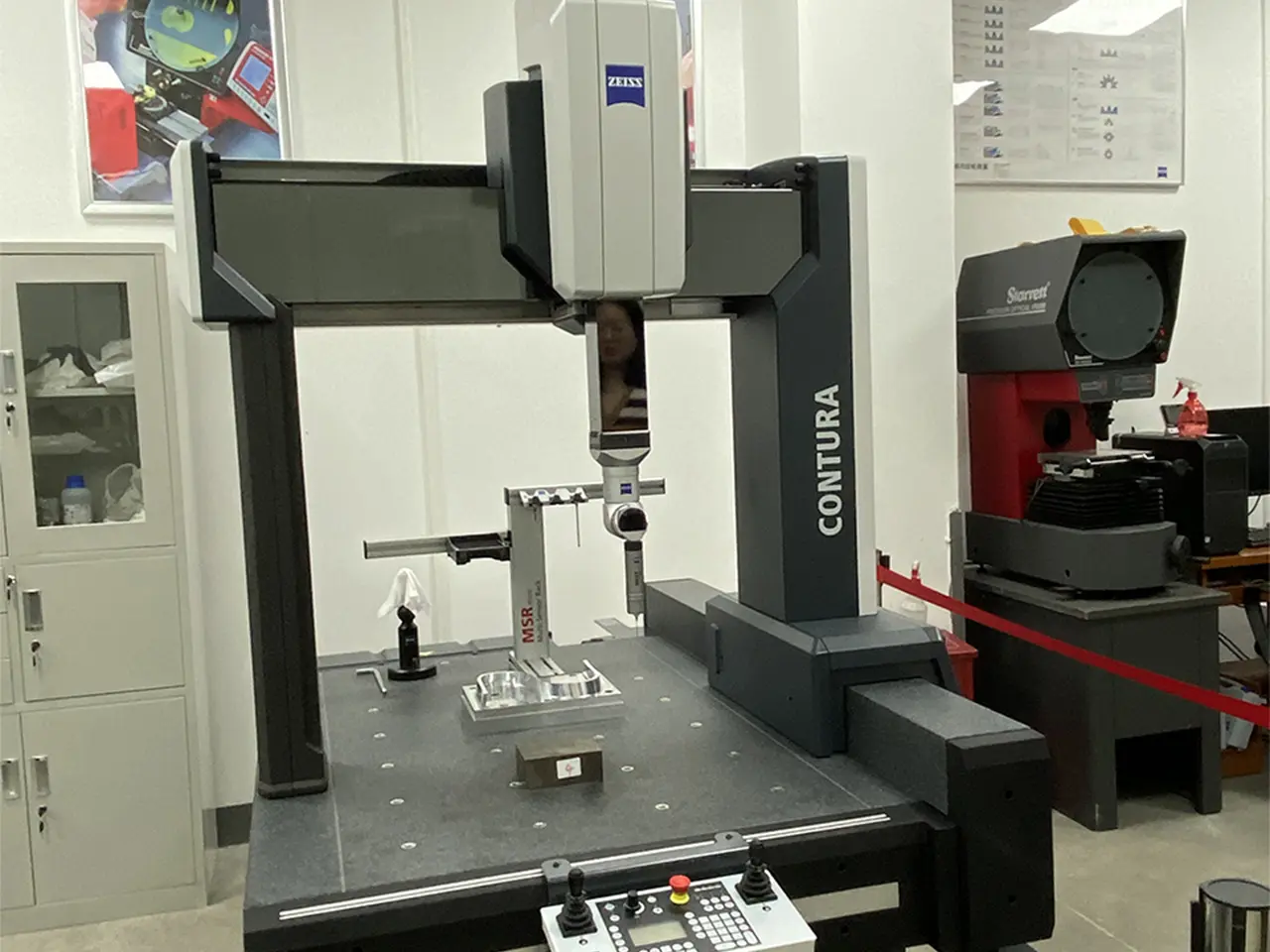
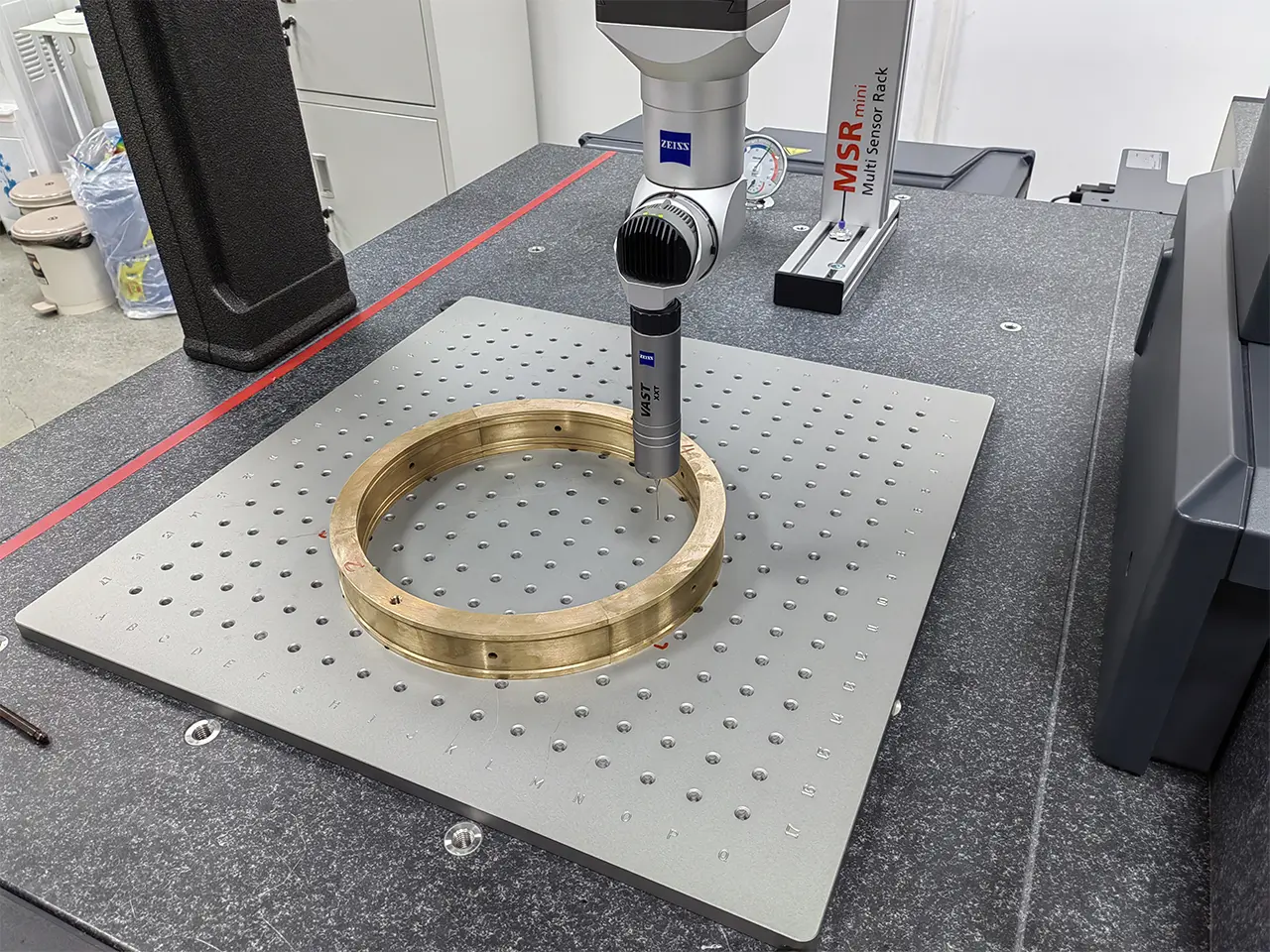
To assure compliance with client-supplied blueprints, we utilize advanced testing equipment, including Coordinate Measuring Machines (CMM), optical comparators, digital spectrometers for alloy chemical analysis, ultrasonic non-destructive testing (NDT) units, and mechanical tensile testers. We maintain strict control over tight linear and geometric tolerances (down to ±0.005mm where required) to guarantee zero-defect delivery.
Whether you require standard mechanical parts or complex aerospace structural items, every production batch is logged with a unique material certificate and dimensional inspection report for complete traceability.
Discover how different economic sectors employ CNC machined titanium parts to solve complex weight, temperature, and environmental challenges.
Combustion zones in aircraft turbines experience extreme pressures and thermal loads. CNC milled compressor blades, stator rings, and exhaust nozzles in titanium Grade 5 resist high-temperature creep and mechanical fatigue, enhancing engine efficiency and flight safety.
Subsea instrumentation units must operate reliably in salt spray and under hydrostatic loads. We supply custom milled connector plugs, sensory housings, and hydraulic manifolds out of robust Grade 5 titanium to ensure long-term underwater durability.
Medical instruments require high corrosion resistance to withstand repeated sterilization. We machine micro-sized bone plates, orthopedic joint housings, and surgical forceps in Grade 23 (ELI), ensuring biocompatibility and reliable clean-room performance.
Get professional engineering answers regarding tolerances, tool wear, costs, and material selection for titanium components.
Titanium's high cost is due to both raw material extraction expenses and the mechanical difficulty of machining it. Because titanium is a poor heat conductor, the heat generated during cutting accumulates at the cutter edge, accelerating tool wear. Machining requires specialized carbide tooling, lower feed speeds, and higher coolant volume, resulting in longer cycle times compared to aluminum or steel.
Using our modern 4-axis and 5-axis CNC machining stations, we routinely achieve dimensional tolerances of ±0.01mm. For critical interfaces (such as bearing bores or medical positioning steps), we can hold tolerances down to ±0.005mm depending on the geometric features and overall component dimensions.
Grade 2 is commercially pure titanium, offering excellent corrosion resistance and ductility, making it easier to form but less strong. Grade 5 is an alpha-beta alloy containing 6% aluminum and 4% vanadium. It offers significantly higher tensile strength and hardness, making it ideal for structural applications but more challenging to cut, requiring slower machining speeds and robust tooling setups.
We use high-pressure, flood-coolant systems that direct coolant fluid straight to the cutter-workpiece contact zone. This helps dissipate heat, prevent chip welding, and wash away chips immediately. Ensuring constant chip clearance prevents chip recutting, which can cause work hardening and tool breakage.
Yes, we offer several surface treatments, including bead blasting, anodizing (Type II and Type III for wear resistance and color coding), passivation, chemical etching, electropolishing, and laser marking. These options help meet custom requirements for appearance, wear, and corrosion resistance.
Yes. For complex geometries, we often recommend precision investment casting (lost-wax casting) to produce a near-net-shape blank, followed by multi-axis CNC machining for critical areas with tight tolerances. This hybrid approach significantly reduces raw material waste and total production costs.
Our operational statistics reflect our commitment to engineering excellence, scalability, and quality assurance.
Browse additional high-precision castings, milling solutions, and custom components manufactured by our team.
 SX Machining