In the modern era of high-integrity industrial assembly, the demand for precision components with zero-defect tolerances is escalating exponentially. Advanced Precision Manufacturing Inc operates at the nexus of advanced materials science and computerized manufacturing workflows. By deploying synchronous 5-axis CNC machining centers alongside high-reliability investment (lost wax) casting methodologies, modern suppliers deliver the structural stability and geometrical accuracy necessary for mission-critical assemblies in aerospace, marine, medical, and high-frequency electronic fields.
This whitepaper explores how rigorous sub-micron geometric dimensioning and tolerancing (GD&T) interfaces with cost-effective foundry logistics. We analyze the technical progression from classic casting techniques to automated turn-mill composite manufacturing, setting a new benchmark for structural integrity and materials scalability.
Dongguan SX Technology Co.,Ltd has very rich experience in precision casting, CNC machining and assembly. Our products are used in machinery, automobiles, marine, ships, equipment, valves and pumps, electronic appliances, packaging, watches, construction, chemical industry and other industries.
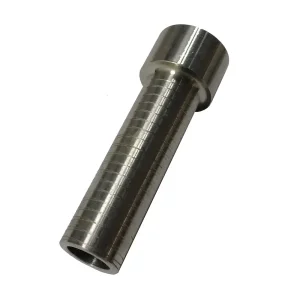
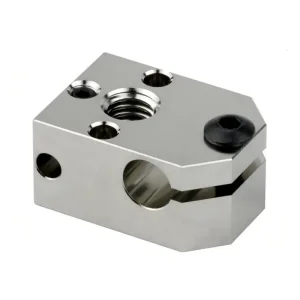
The most commonly used materials for investment casting are stainless steel and carbon steel. And the most commonly used materials for CNC machining include titanium alloy, stainless steel, carbon steel, aluminum alloy, copper alloy, cemented carbide, etc. We have advanced manufacturing equipment and technology and are able to respond quickly to your needs.
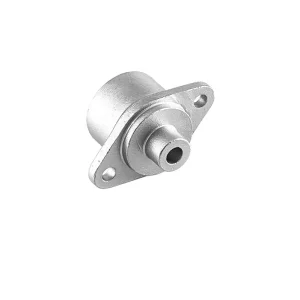
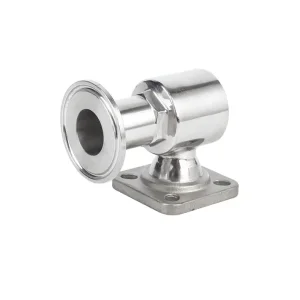
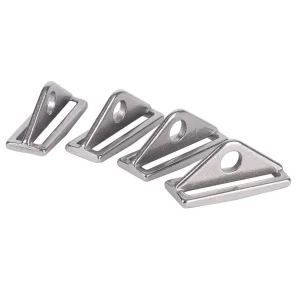
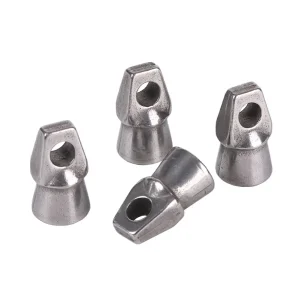
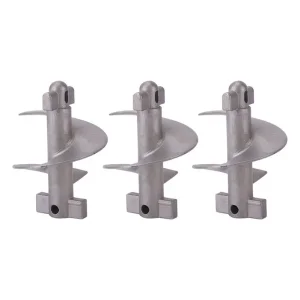
High-precision investment casting utilizing lost-wax techniques for optimal surface finishes on carbon steel and complex stainless steel matrices.
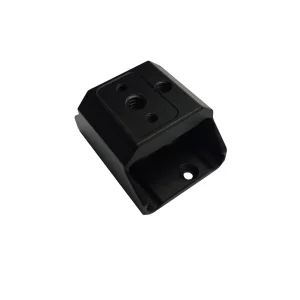
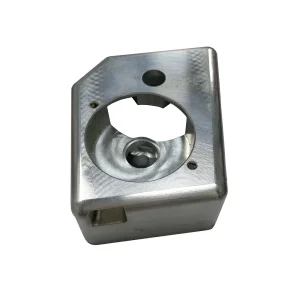
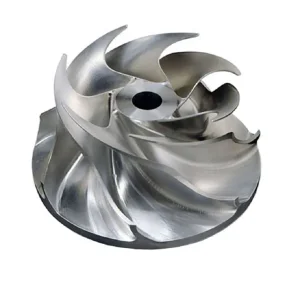
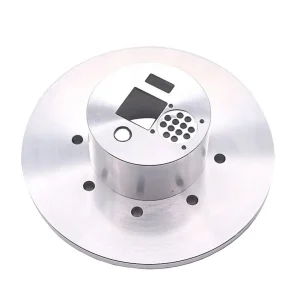
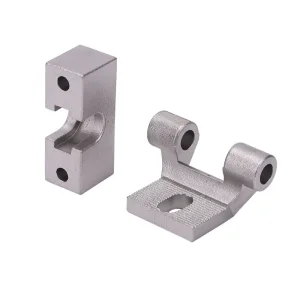
Simultaneous multi-axis material subtraction engineered for complex geocentric shapes and intricate impellers with tight tolerances.
Expert-level process controls over tough-to-machine alloys including medical Titanium, Tungsten Carbides, and marine Copper-Nickel formulations.
Our production facilities house localized CNC cells, heavy turn-mill machines, and dust-controlled inspection areas to maintain clean metal workflows and prevent cross-contamination.
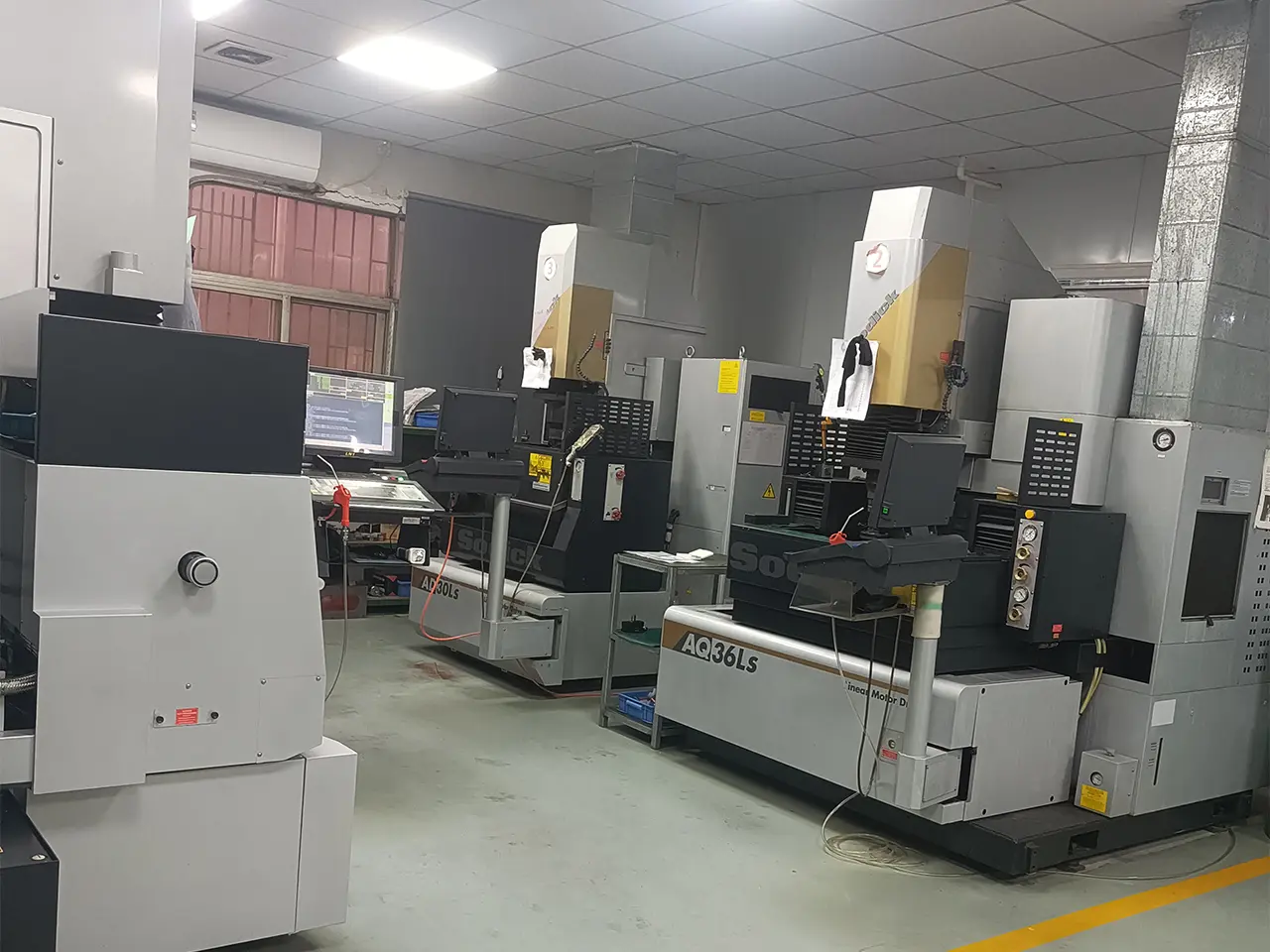
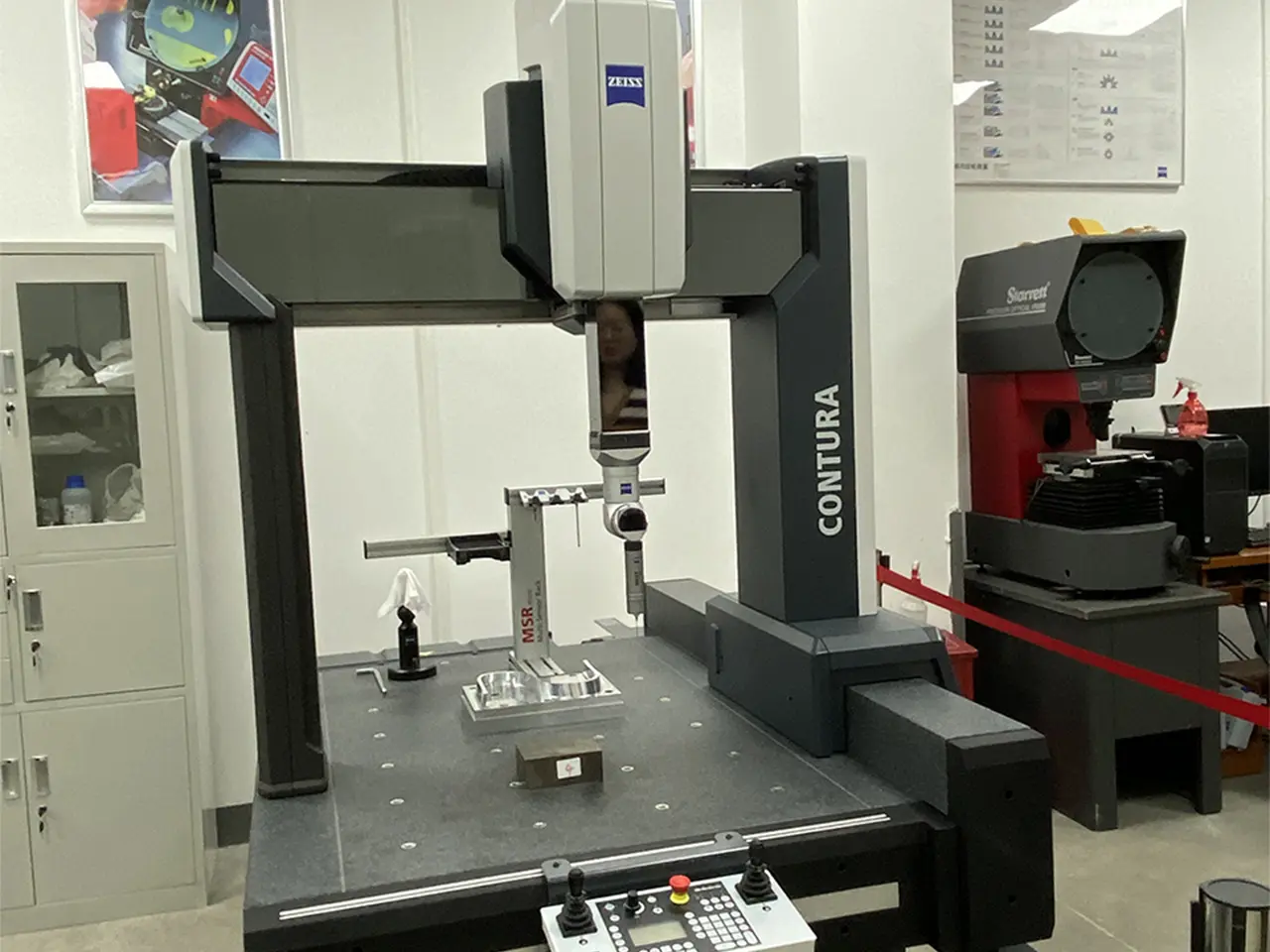
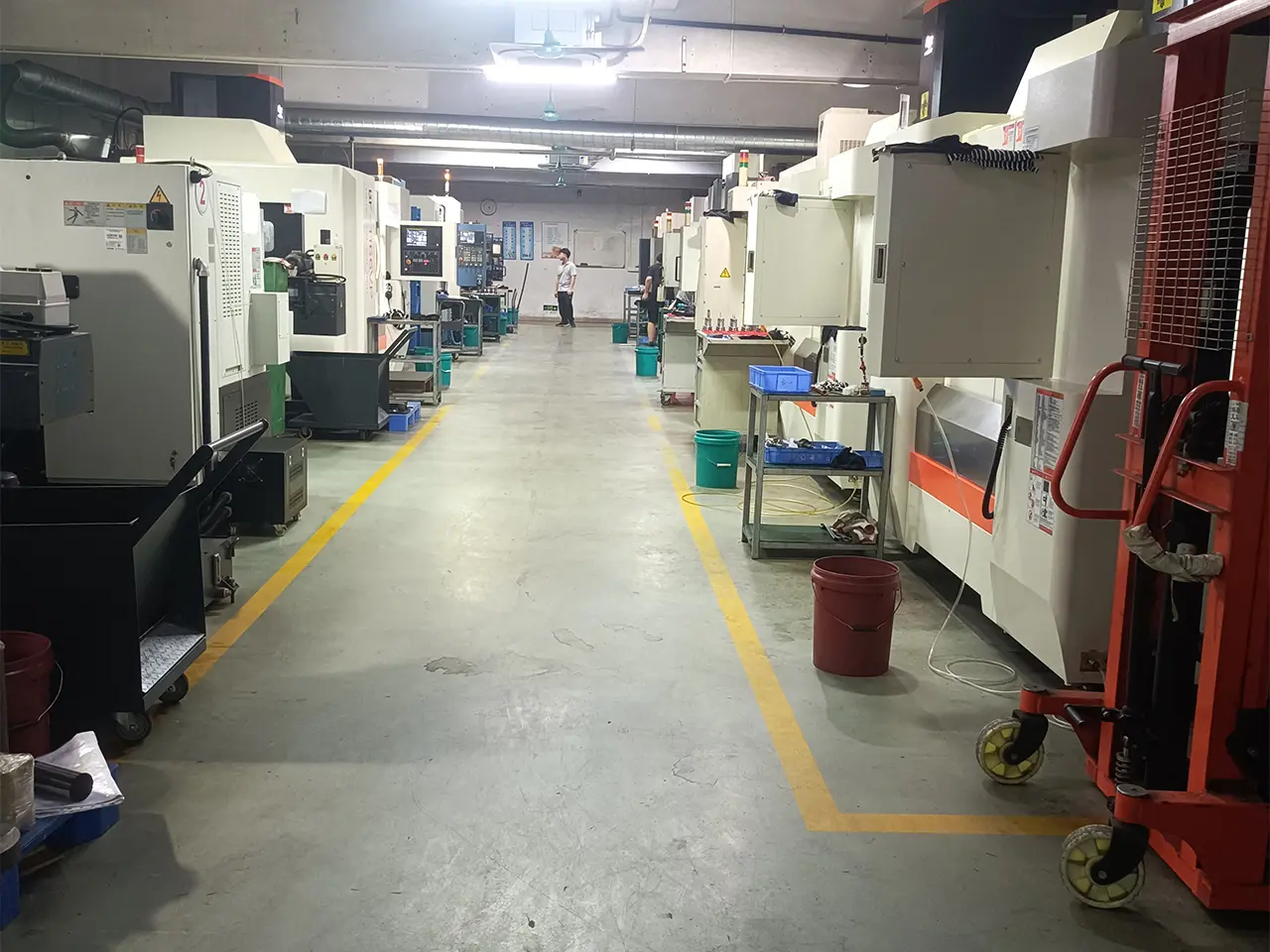
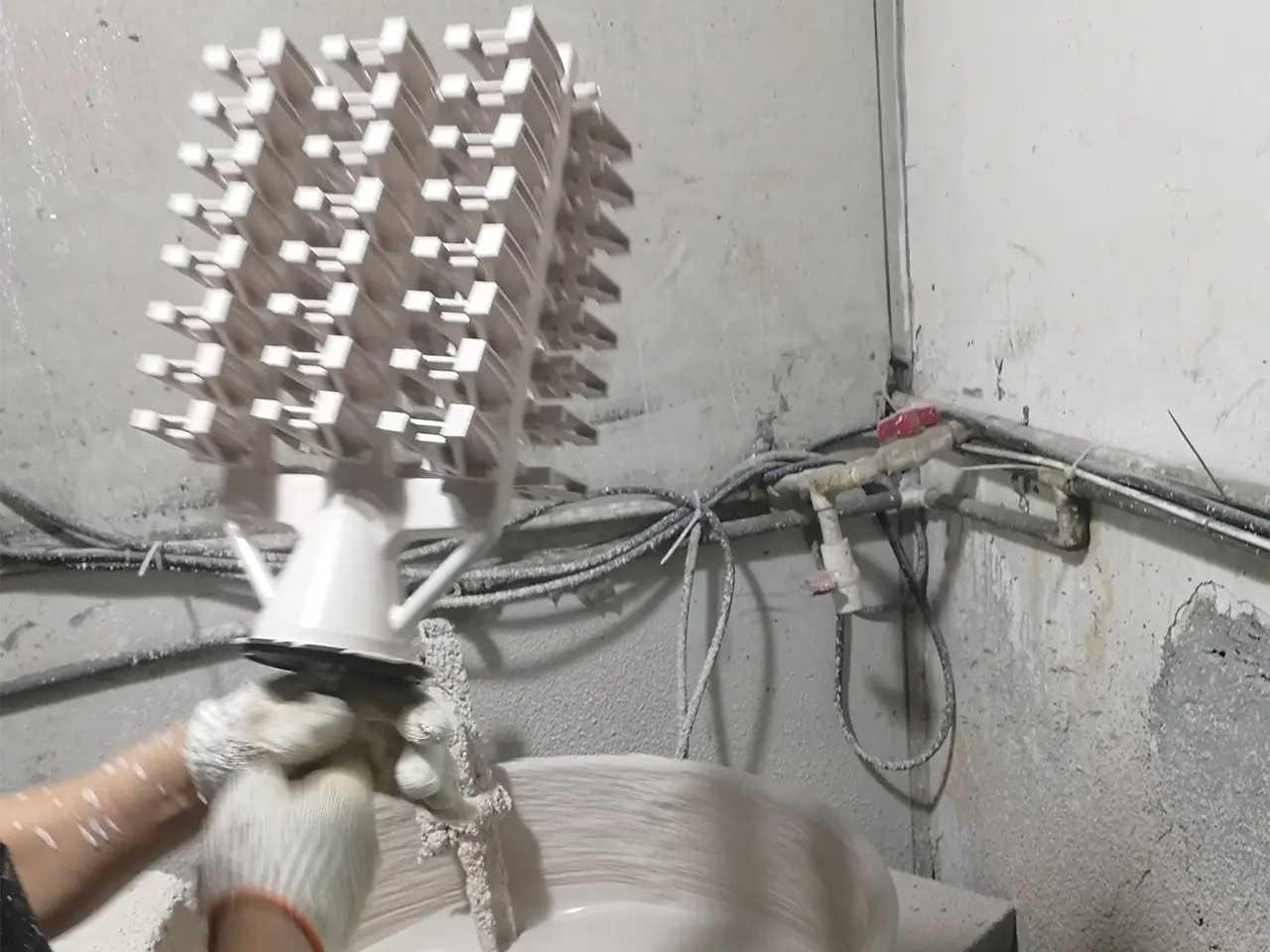
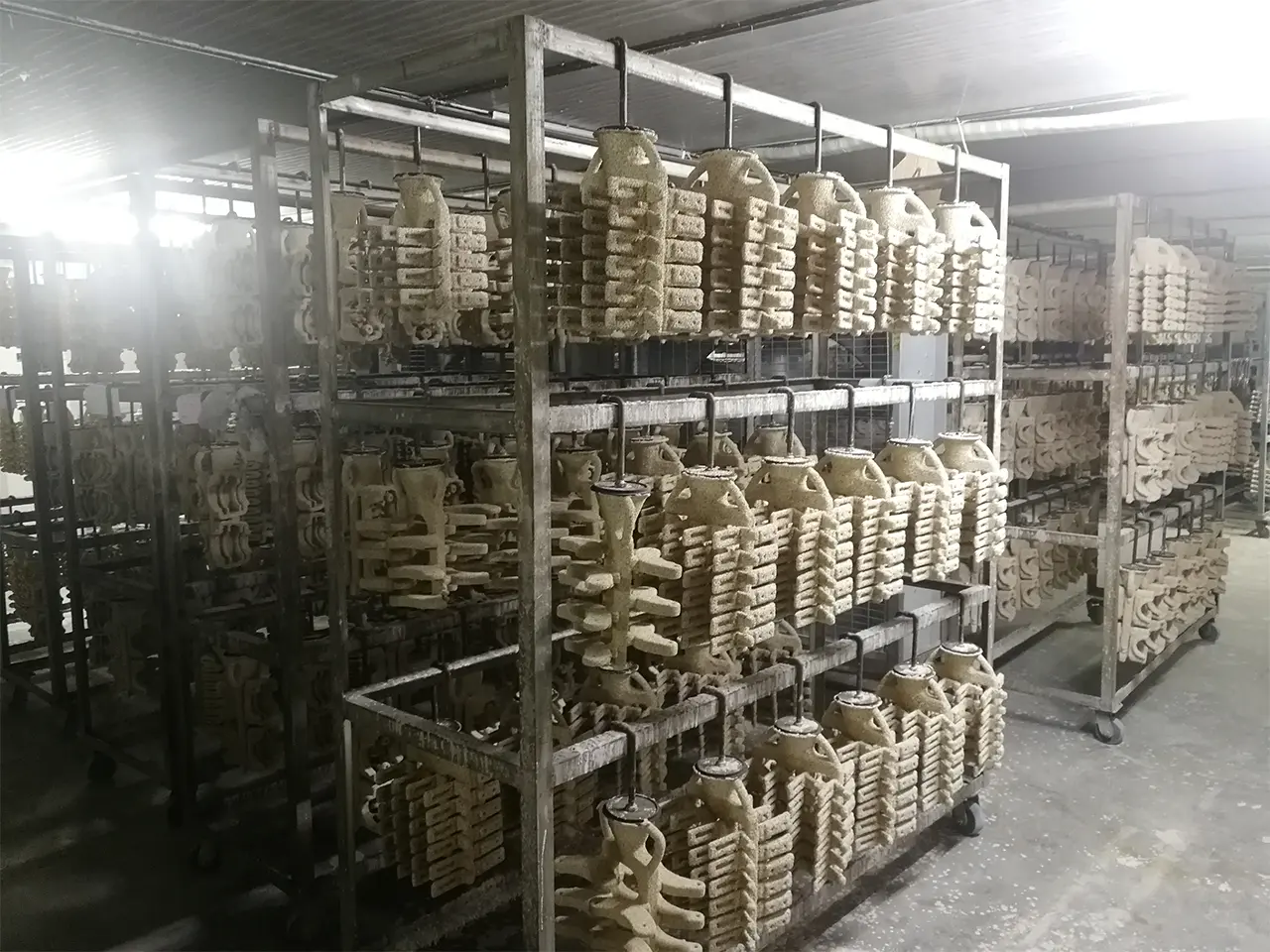
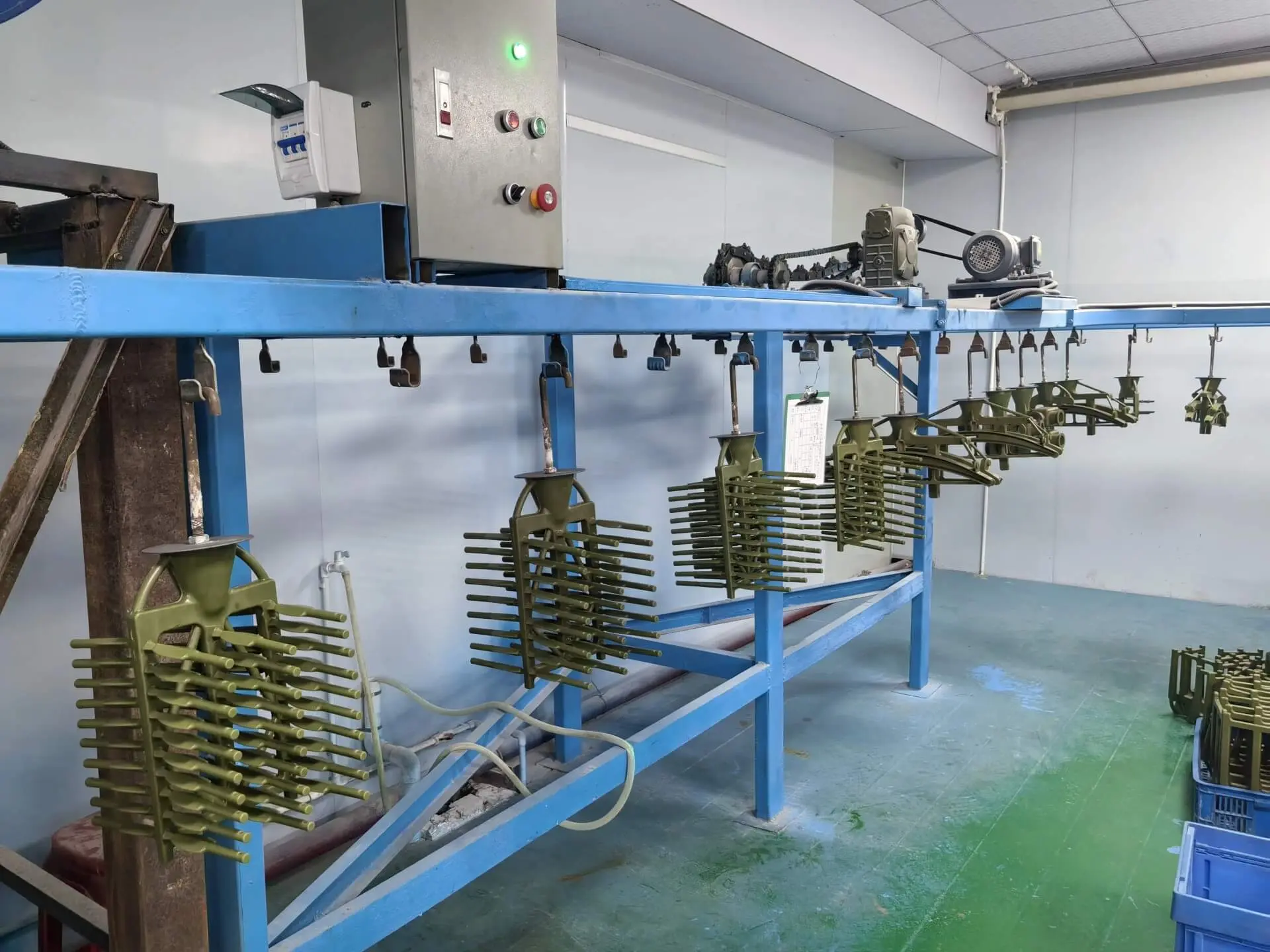
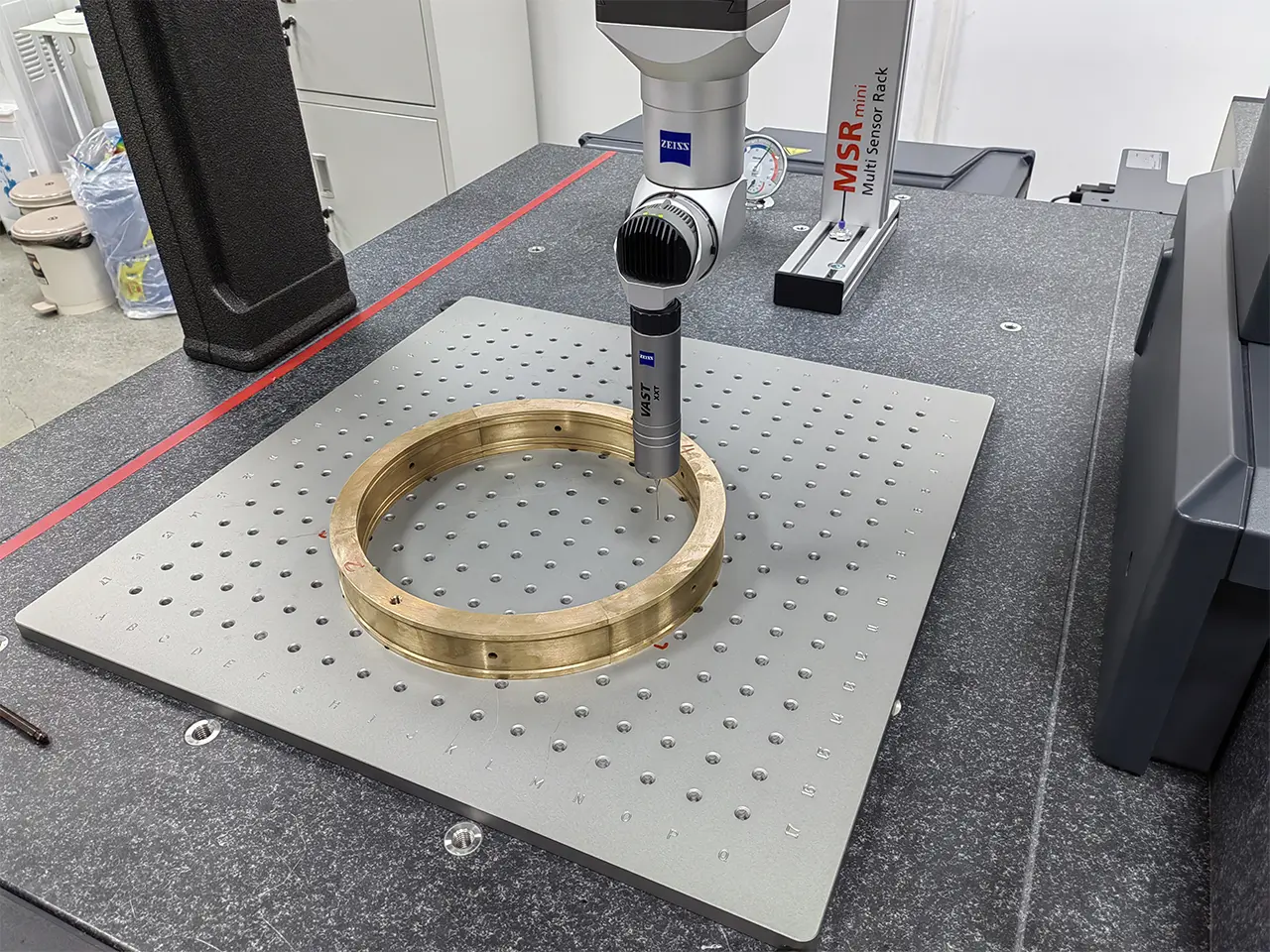
We have professional testing equipment and professional QC personnel, and we adhere to strict tolerances and quality standards for the products we produce. Due to our insistence on strict quality requirements, we have been praised by many customers.
Quality is the cornerstone of the manufacturing industry. We firmly believe that only by controlling quality well can we survive, develop, and get better and better. Therefore, we have been working in this industry unremittingly since 2014 and continue to improve the company's team and improve the company's production capacity.
The custom precision manufacturing landscape is experiencing rapid evolutionary change. Demands for localized supply chains, dynamic part optimization, and energy transition components (such as electric drivetrains and hydrogen pumps) are driving new requirements.
By embedding advanced telemetry inside high-speed CNC mill spindles, factories can dynamically track thermal expansion and tool wear. This mitigates microscopic geometric drifts that occur during extended manufacturing runs on hard materials like titanium alloys and stainless steel castings.
To balance raw material efficiency with geometrical complexity, top-tier plants utilize Hybrid Near-Net Shaping. In this workflow, lost wax castings provide the basic shape, while CNC turning and 5-axis mill centers finalize the high-tolerance seating surfaces. This cuts material wastage by up to 45% compared to solid billet subtraction.
As offshore energy exploration moves into deeper waters and space hardware faces tougher launch environments, materials like Duplex Stainless Steel and superalloys (such as Inconel) are becoming standard. Success relies on specialized tool geometry, optimized coolant pressures (exceeding 70 Bar), and customized heat treatment cycles to eliminate internal stresses.
 SX Machining