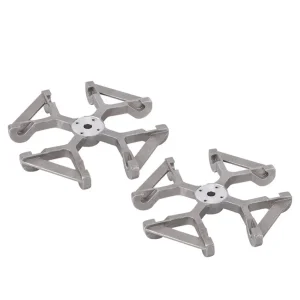
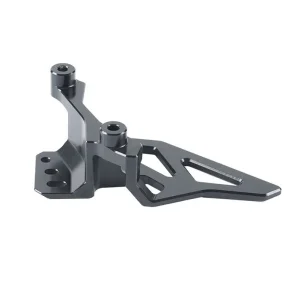
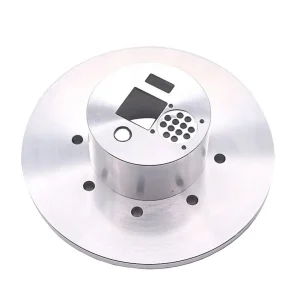
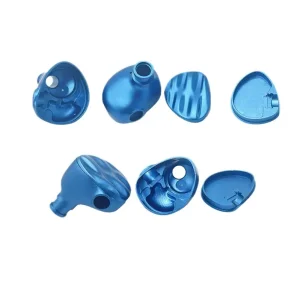
Explore our premium custom cast and CNC machined stainless steel components, manufactured to strict aerospace, marine, and electronic standards.
Understanding the macroeconomic factors, engineering trends, and metallurgical breakthroughs in custom stainless steel casting.
The global demand for custom cast stainless steel components has seen a significant surge, driven primarily by transitions towards high-performance equipment in marine, chemical, and medical fields. Traditional manufacturing markets face volatile energy prices and strict carbon emission caps. Chinese factories, particularly in integrated manufacturing hubs, offer a stabilizing counter-force, providing consistent metallurgical quality and operational continuity under varying global conditions.
Modern applications necessitate components with higher tensile strength and advanced pitting resistance equivalent numbers (PREN). Silica sol investment casting, combined with precise induction furnace control, enables the production of complex austenitic (CF8M, CF3M), duplex (2205), and precipitation-hardening (17-4 PH) alloys. These materials are engineered to perform in corrosive environments, high pressure systems, and sanitary food-processing equipment.
Following the principles of the Google Search Quality Rater Guidelines, we offer transparency and high E-E-A-T (Experience, Expertise, Authoritativeness, Trustworthiness). The manufacturing process requires multi-phase validation including chemical composition analyses via spectrometer, non-destructive testing (NDT), and mechanical property assessments to ensure that every casting delivers reliable service life under extreme industrial stress.
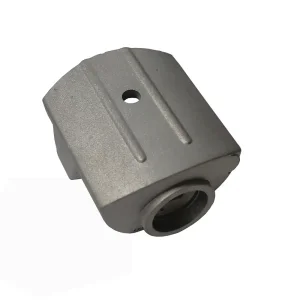
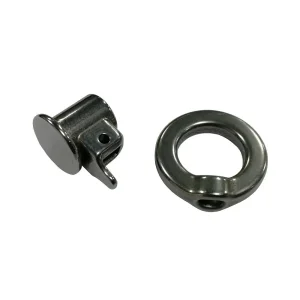
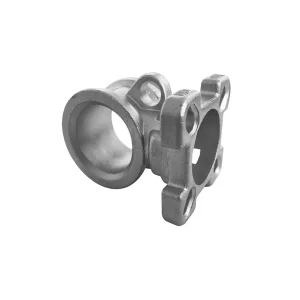
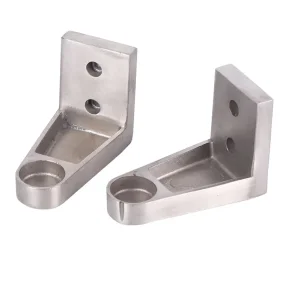
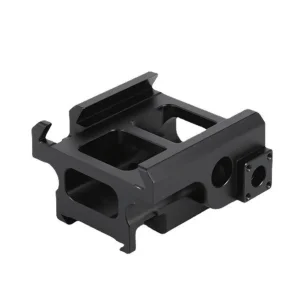
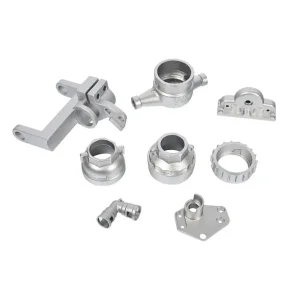
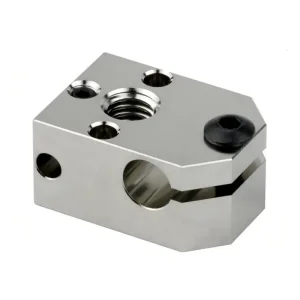
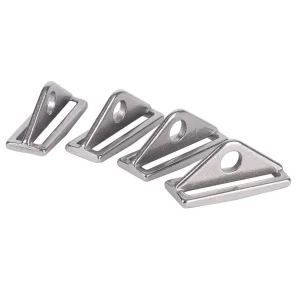
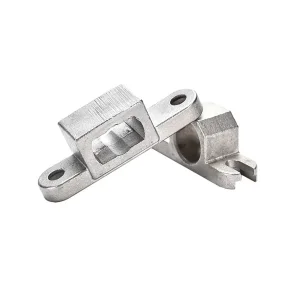
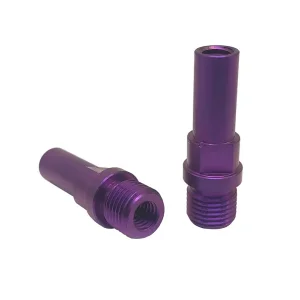
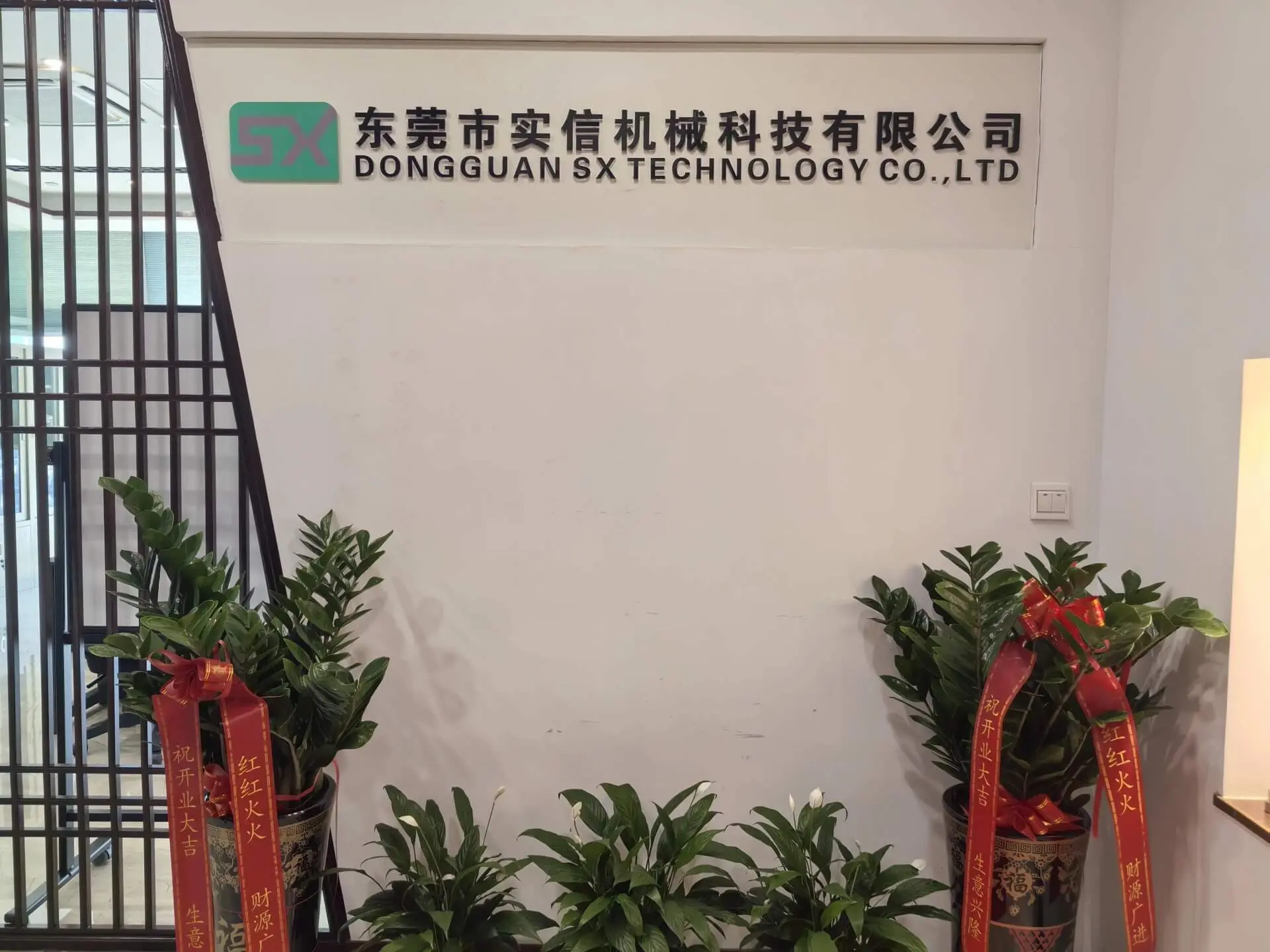
Dongguan SX Technology Co.,Ltd has very rich experience in precision casting, CNC machining and assembly. Our products are used in machinery, automobiles, marine, ships, equipment, valves and pumps, electronic appliances, packaging, watches, construction, chemical industry and other industries. The most commonly used materials for investment casting are stainless steel and carbon steel. And the most commonly used materials for CNC machining include titanium alloy, stainless steel, carbon steel, aluminum alloy, copper alloy, cemented carbide, etc.
We have advanced manufacturing equipment and technology and are able to respond quickly to your needs. By combining traditional casting methods with modern state-of-the-art multi-axis CNC milling and turning centers, we provide a complete engineering solution starting from initial design analysis down to final assembly.
How precision cast stainless steel addresses specific engineering challenges across critical regional industries.
In regions with high humidity and seawater exposure, general metals suffer from accelerated crevice and galvanic corrosion. Our custom stainless steel investment casting marine parts (using CF3M / 316L grades) are applied in boat propellers, structural deck brackets, and high-salinity pump impellers, providing reliable resistance against chloride attack.
For communication devices and consumer tech companies located in major electronic design centers, weight-to-strength ratios and electromagnetic shielding are critical. Our lost wax casting process creates intricate, thin-walled brackets and heat-sink enclosures for the electronic industry, eliminating structural failures without adding bulk.
For chemical and fluid-handling plants globally, reliability is non-negotiable. Our custom investment cast valves prevent leaks, withstand extreme temperatures, and offer excellent wear characteristics, meeting stringent requirements for regional petrochemical and oil/gas storage facilities.
Exploring the convergence of digital systems, additive manufacturing, and advanced metallurgy in casting.
The integration of 3D-printed sand molds and PMMA (polymethyl methacrylate) wax patterns represents the next step for high-mix low-volume orders. This eliminates the need for expensive tooling during the initial prototype phase, allowing engineers to test stainless steel parts under real-world conditions within days rather than weeks.
By simulating flow analysis, mold filling velocity, and thermal solidification dynamics using casting simulation software, Dongguan SX Technology optimizes the gating system layout. This process reduces gas porosity, shrinkage defects, and residual stress prior to pouring the molten alloy, lowering reject rates during production.
The modern manufacturing industry requires reduced energy use and green manufacturing certifications. Our forward-looking strategy involves closed-loop wax reclamation systems, dust extraction systems, and induction heaters that run on optimized power cycles, allowing us to align with regional environmental guidelines.
To reduce manual labor variations in sand-blasting, grinding, and gate removal, we are implementing automated robotic finishing lines. Combined with multi-axis CNC machines, this ensures that the surfaces and dimensions of our cast stainless steel parts remain consistent across batches.
Why sourcing custom cast stainless steel from Dongguan offers speed, consistency, and structural cost benefits.
Dongguan, located in the heart of the Pearl River Delta, is a global epicenter for manufacturing. Our facility leverages local access to specialized alloy suppliers, professional mold tooling makers, heat treatment shops, and surface finishers. This allows us to complete complex manufacturing workflows locally, saving transit time and reducing transit risks.
Our proximity to local supply chains enables us to transition from final CAD designs to physical samples quickly. With local suppliers for wax injection machinery and rapid-tooling components, we help our clients shorten their product launch cycles and meet tight deadlines.
With direct access to major international shipping ports in Shenzhen, Guangzhou, and Hong Kong, we facilitate seamless custom clearance and transit to global destinations. We offer flexible shipping arrangements (FOB, CIF, DDP) to match our customers' logistics preferences and ensure safe, on-time delivery.
Equipped with advanced machinery, wax injection lines, and precision CNC milling/turning units to turn raw materials into high-performance parts.
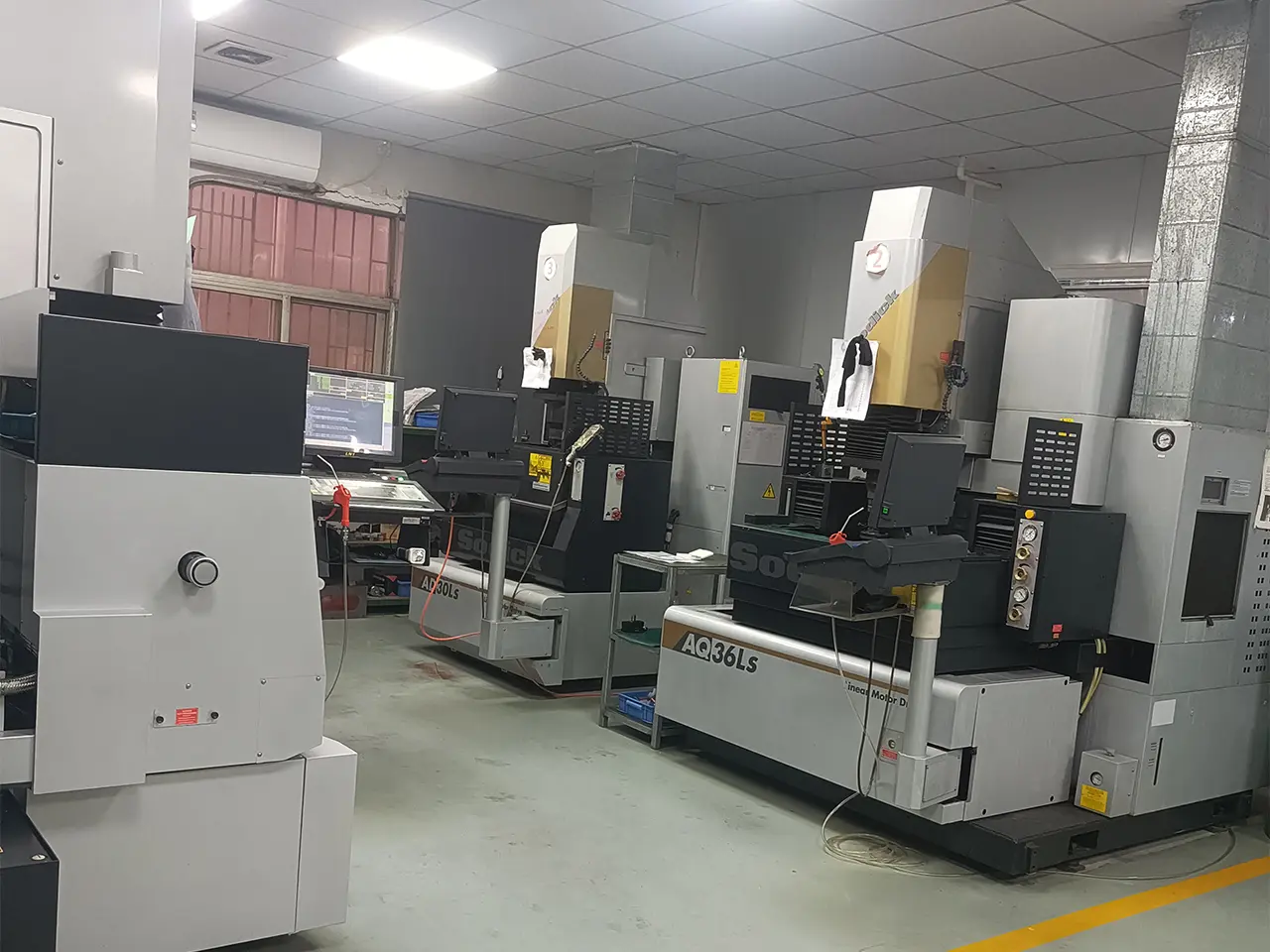
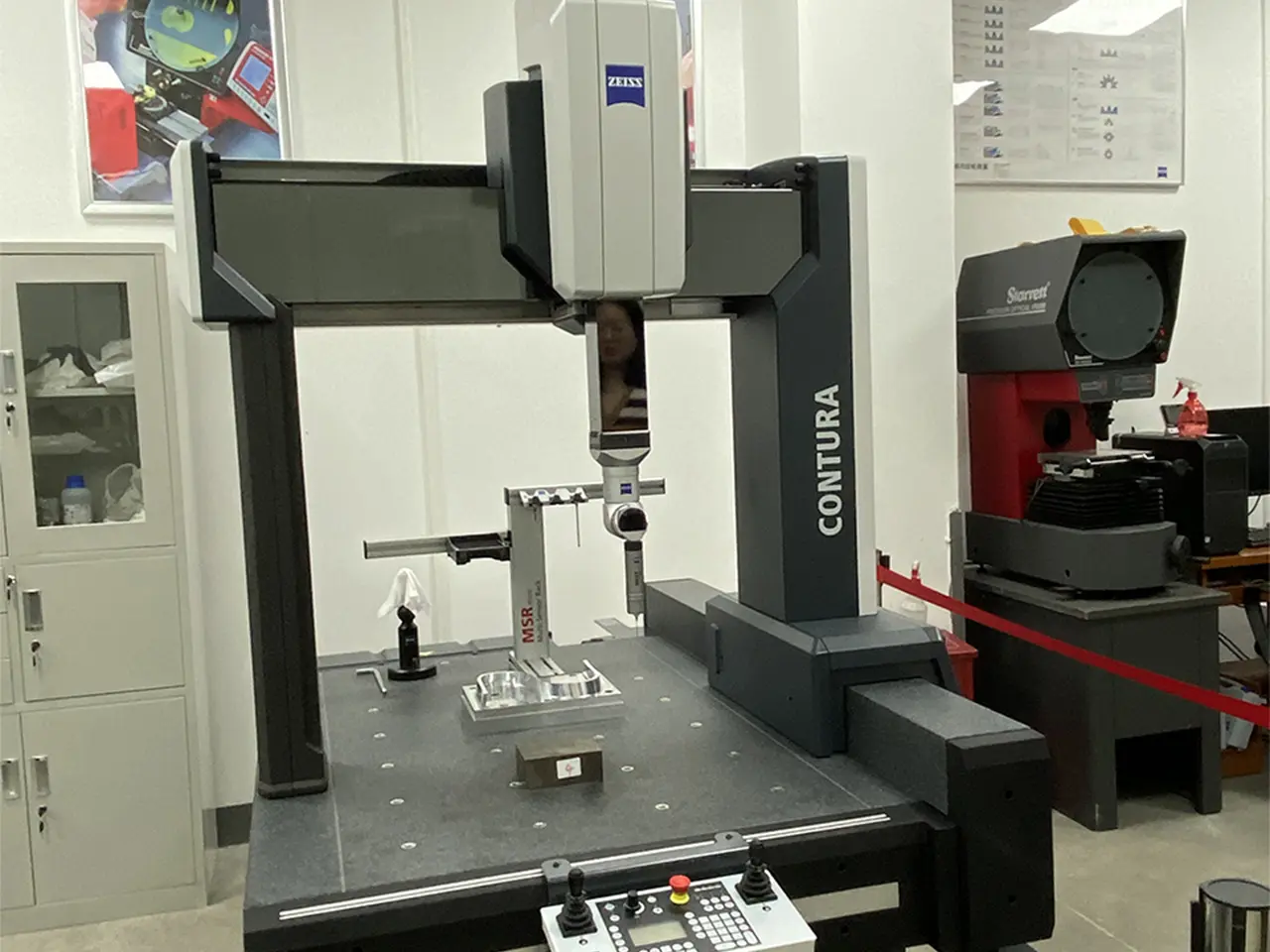
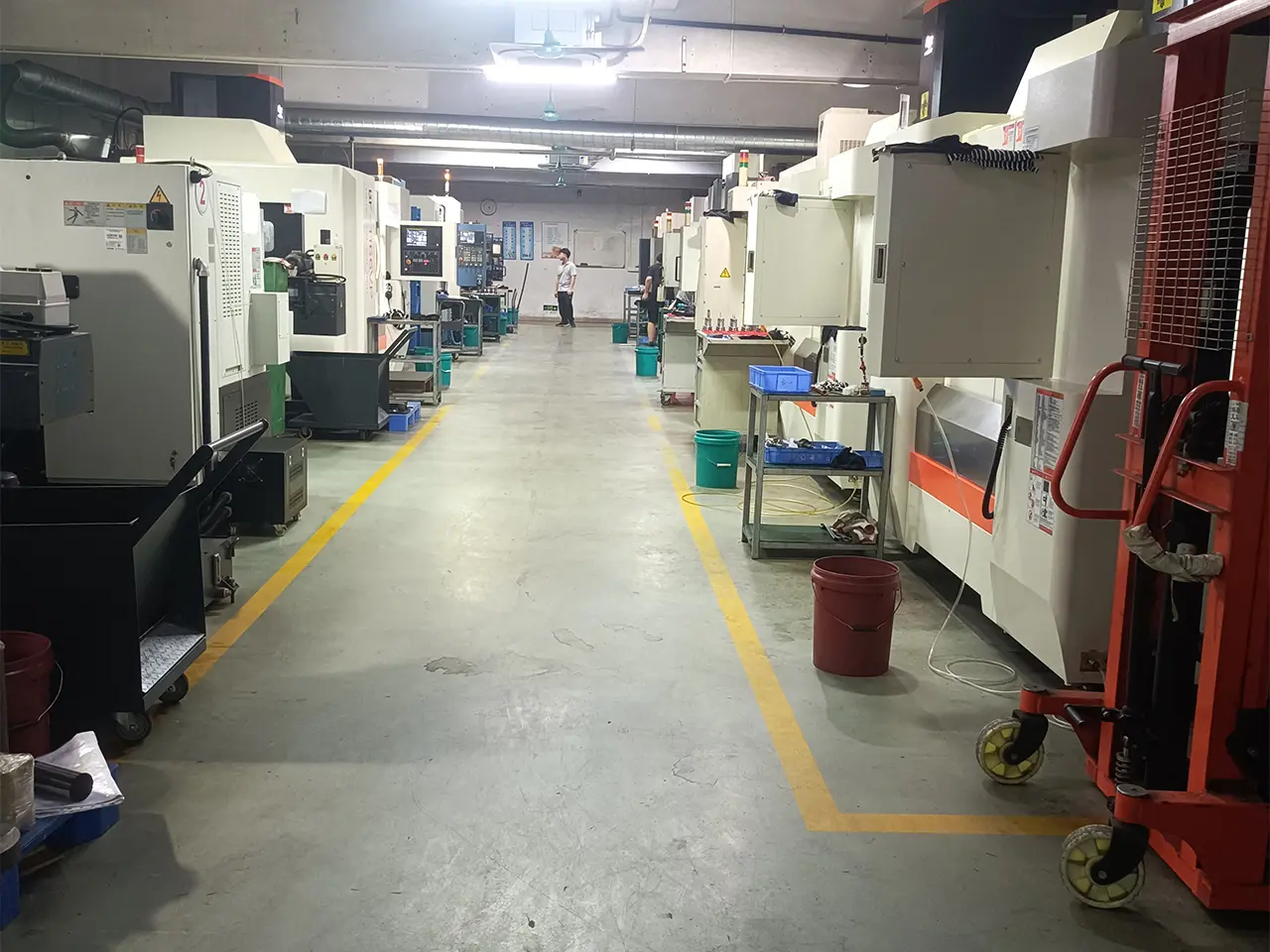
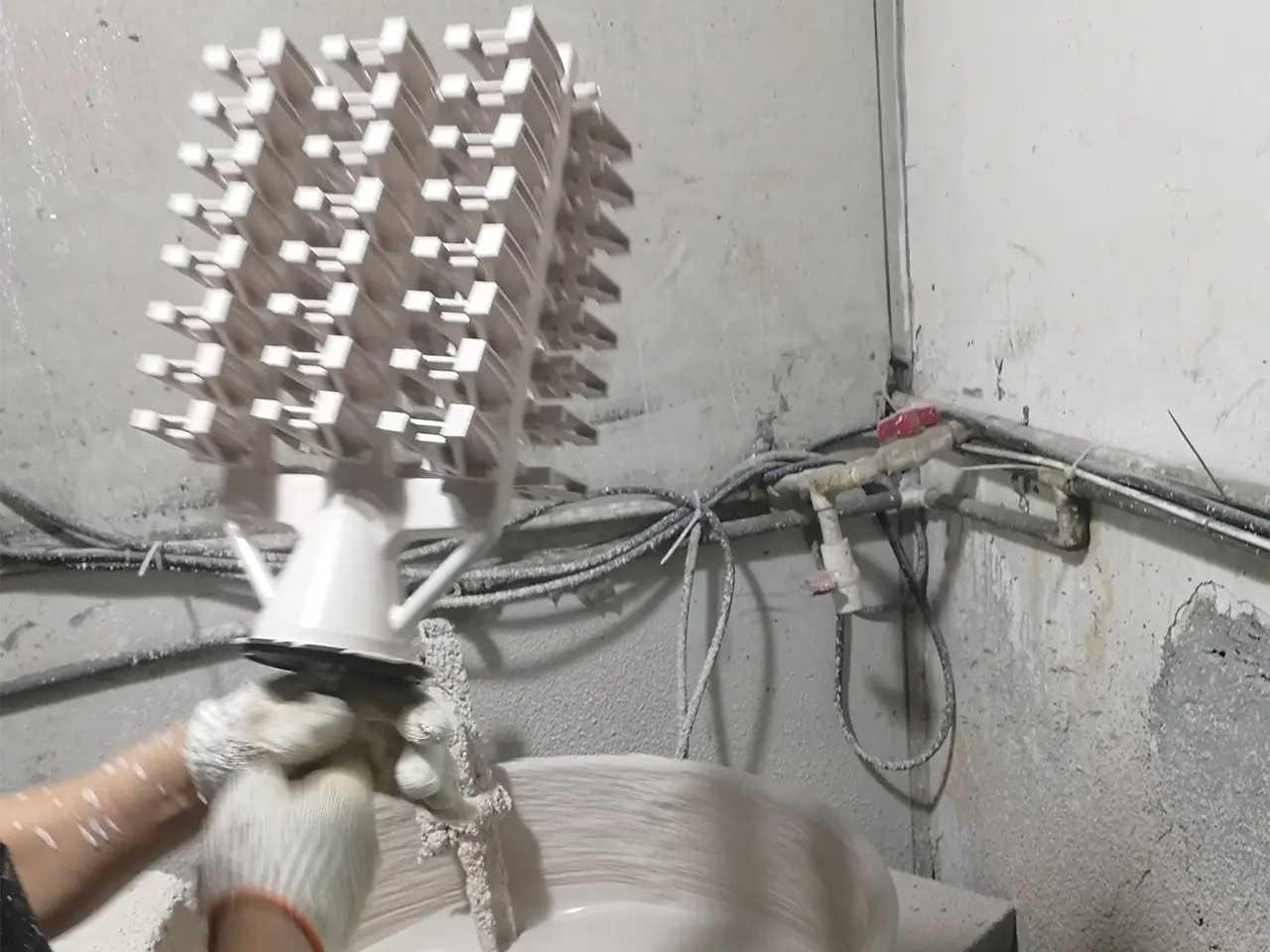
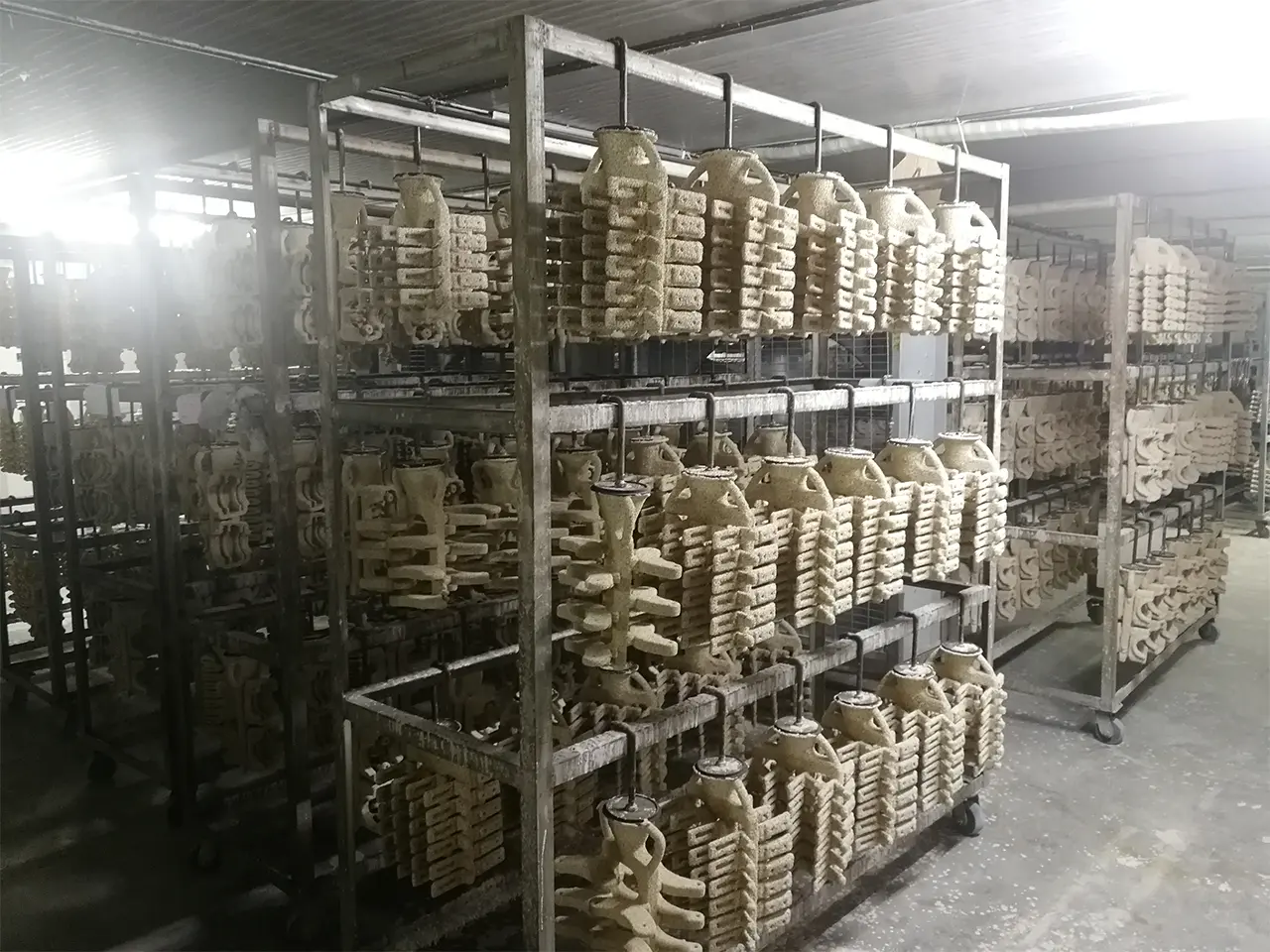
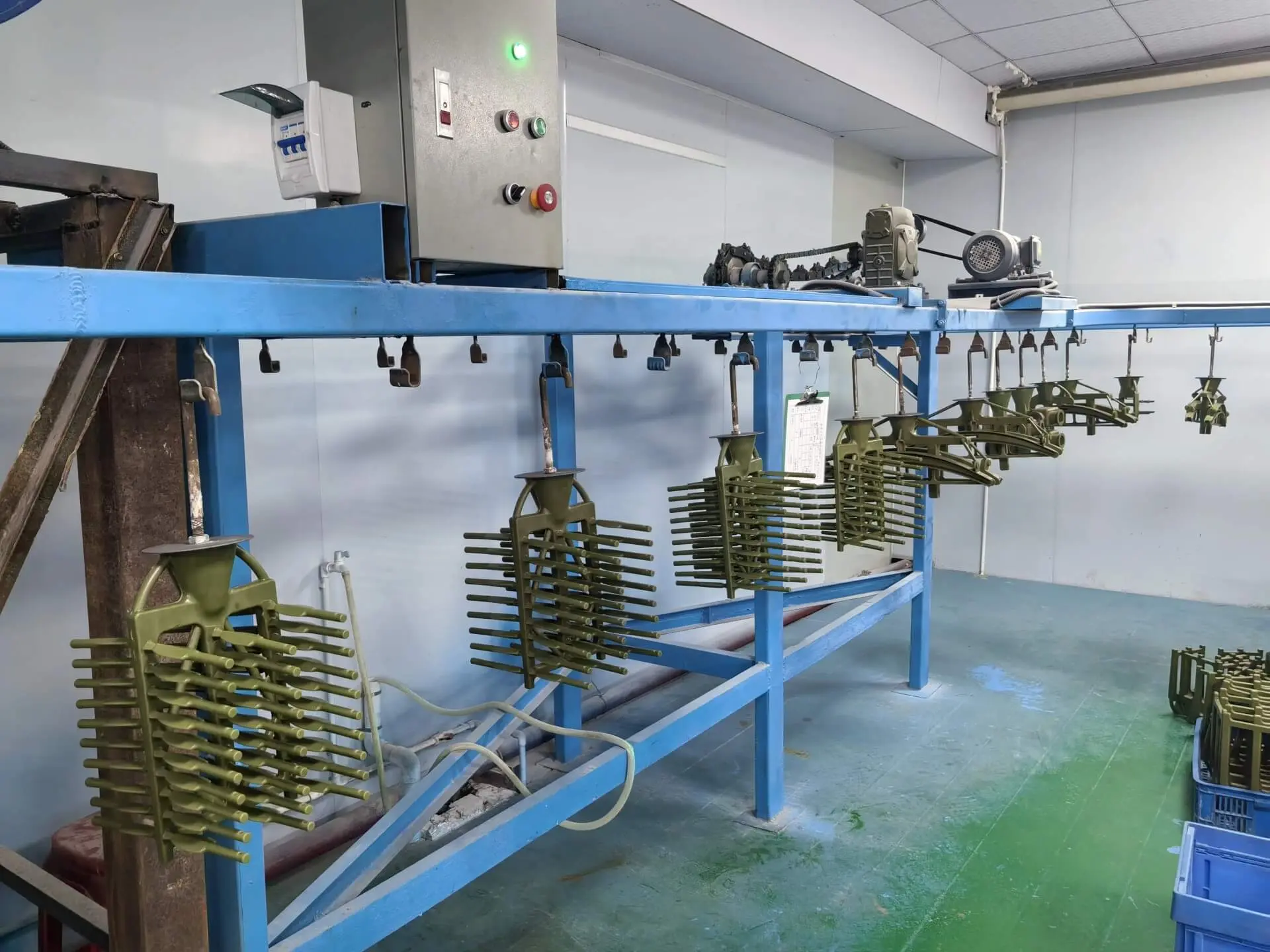
We have professional testing equipment and professional QC personnel, and we adhere to strict tolerances and quality standards for the products we produce. Due to our insistence on strict quality requirements, we have been praised by many customers.
Quality is the cornerstone of the manufacturing industry. We firmly believe that only by controlling quality well can we survive, develop, and get better and better. Therefore, we have been working in this industry unremittingly since 2014 and continue to improve the company's team and improve the company's production capacity.
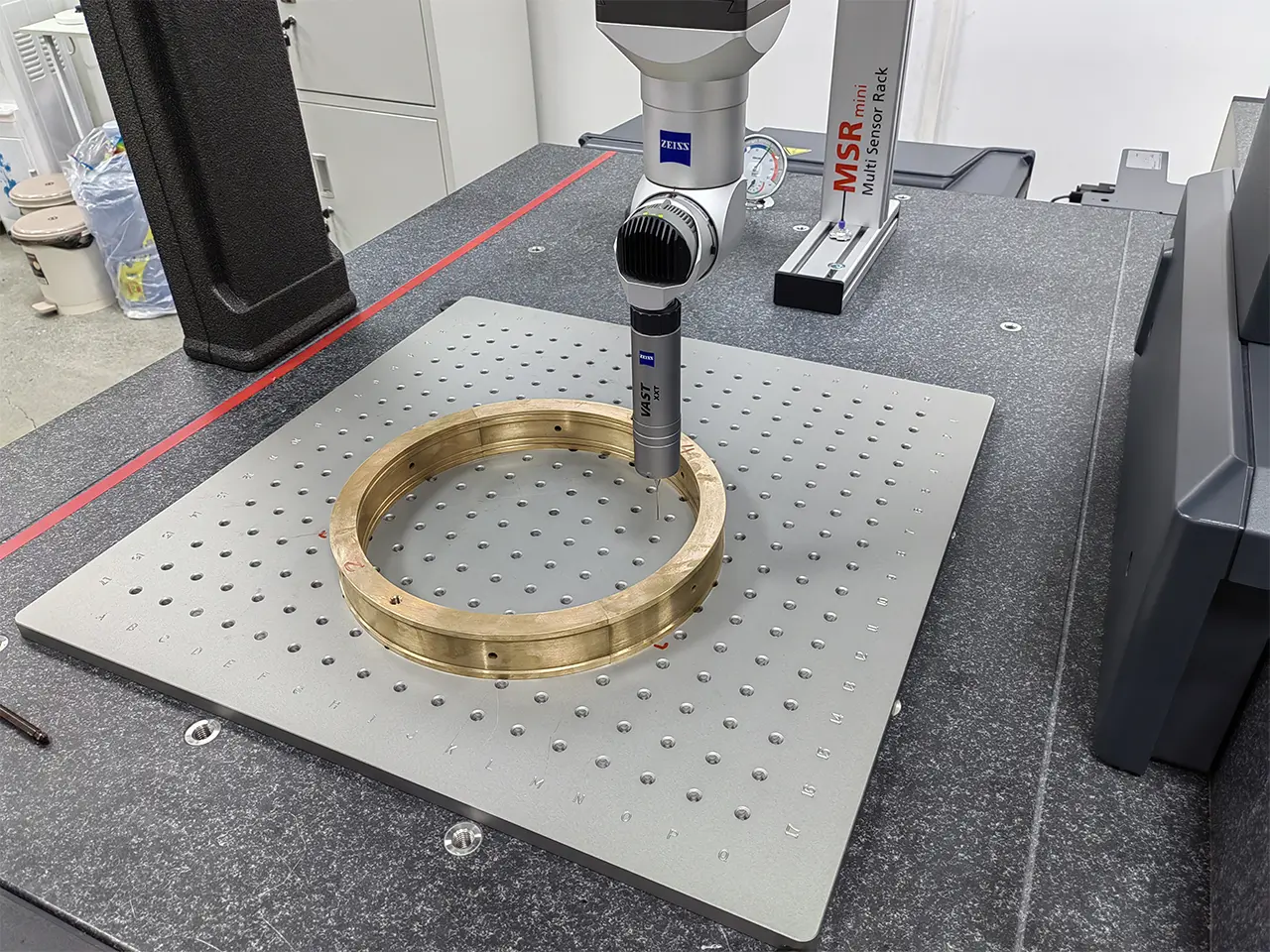
Bridging global standards with direct engineering support to ensure seamless assembly and compliance.
We supply materials compliant with ASTM, DIN, JIS, and BS standards. Whether your designs specify ASTM A743 for corrosion-resistant applications or EN 10283 for general casting purposes, we provide chemical analysis reports and mechanical property data to verify compliance.
Navigating import duties and shipping rates is essential for global sourcing. Our sales and logistics team offers transparent pricing breakdowns, assisting clients in calculating total cost of ownership (TCO) and choosing the best shipping channels (sea, air, or express).
We offer engineering-level Design for Manufacturability (DFM) support. Our engineering team reviews your 3D CAD files to identify potential casting issues, such as uneven wall thicknesses or sharp internal corners, and recommends adjustments to optimize mold fill and reduce costs.
Addressing the common questions raised by procurement managers, design engineers, and QA specialists.
A: Through silica sol investment casting, we regularly achieve linear tolerances conforming to ISO 8062-3 DCTG Grade 4 to 6. When tighter dimensions are required, we machine critical features using our CNC milling and turning centers to achieve tolerances down to ±0.005mm.
A: We perform optical emission spectrometry (OES) on test bars from each melt. We analyze elements including Chromium, Nickel, Molybdenum, Carbon, and trace additions to verify they comply with ASTM or EN specifications. Material certificates are supplied with every shipment.
A: Yes, we offer flexible production options. We can manufacture high-precision prototypes using rapid-tooling or 3D-printed patterns to support product development, and scale up to high-volume production runs using multi-cavity steel dies once the design is finalized.
A: Silica Sol investment casting offers superior surface finish (typically Ra 3.2 to 6.3 μm) and higher dimensional accuracy compared to the Water Glass method. It is the preferred choice for complex components, electronic enclosures, and marine parts that require high precision and cosmetic appeal.
A: We offer a range of finishing and post-treatment services, including CNC machining, heat treatments (solution annealing, tempering), surface treatments (passivation, electropolishing, bead blasting, powder coating), and component assembly.
A: We use simulation software to model metal flow and temperature distribution during the mold-design phase. We also maintain strict control over pouring temperatures, shell-drying cycles, and wax removal, and perform non-destructive testing (such as dye penetrant and radiographic checks) to verify internal integrity.
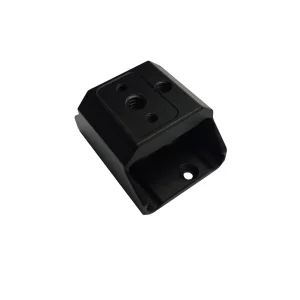
Explore our secondary-machined parts, composite turn-mill solutions, and specialty alloy components.
 SX Machining